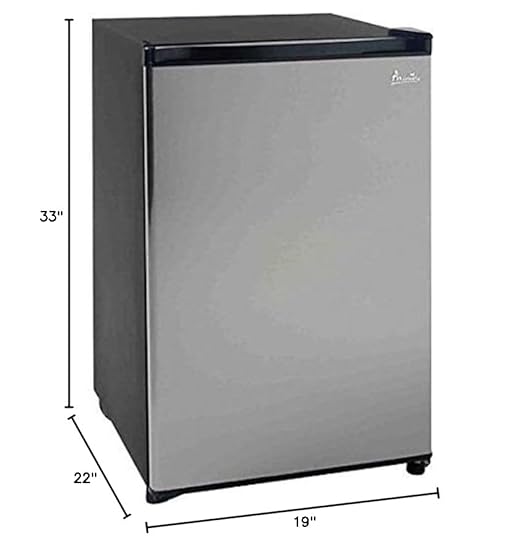
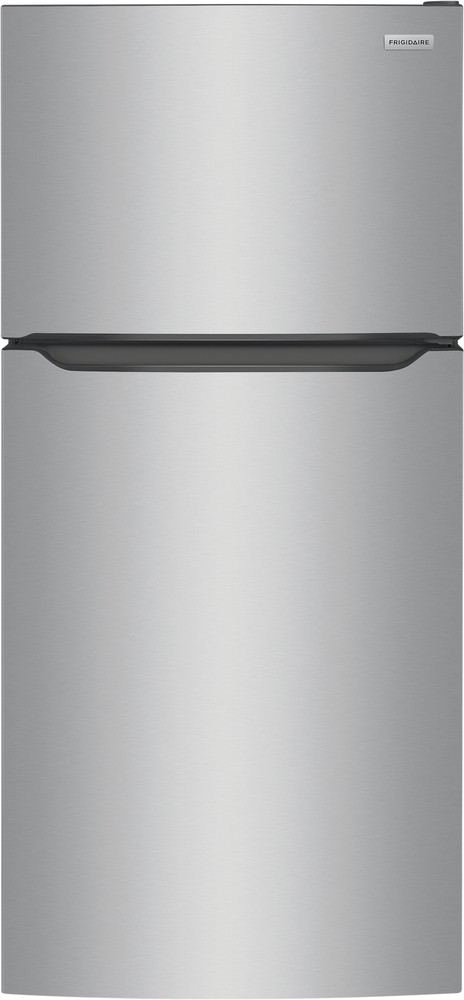
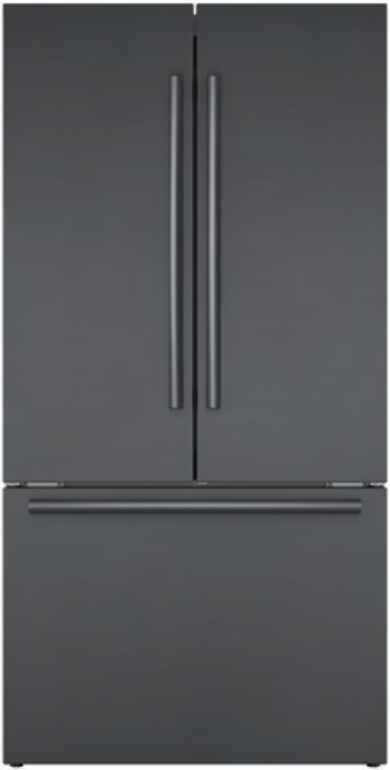
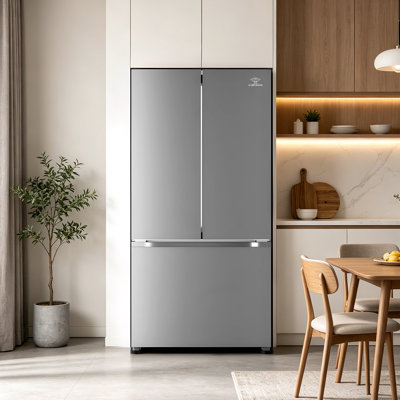
When you set out to eggspire your fridge discovering the longevity of boiled eggs, you might be juggling meal prep ideas, a kitchen timer, and the question of whether those perfectly cooked gems will still taste great days later. No matter if your fridge is a family-sized French door unit, a compact dorm-room mini fridge, or the beer fridge in your garage, mastering boiled-egg storage can level up your snack game and reduce waste.
Hard boiled eggs are the ultimate prep-and-go ingredient. They’re loaded with protein, B vitamins, and healthy fats, and they slot seamlessly into salads, sandwiches, or a midday pick-me-up. Plus, cooking a batch at once means you’ll save precious minutes during busy mornings. Let’s unpack why these little protein bombs deserve prime real estate in your refrigerator.
Why boiled eggs matter
Eggs are a cost-effective source of complete protein, plus they deliver choline for brain health and antioxidants that support eye health. In commercial kitchens, cafeterias, or home setups, a steady stash of boiled eggs can speed up service and simplify meal planning. They’re also a solid meal-prep staple for families, office potlucks, or outdoor adventures like RV trips and picnics.
Planning ahead for meals
Batch boiling on a Sunday can transform your weekdays. Leave some eggs in their shells to maintain freshness longer and peel others for instant snacks. Try marinating peeled eggs in soy sauce and ginger for a savory twist, or mash them with avocado and lime for a creamy spread. With your eggs prepped, you’ll breeze through breakfasts, lunches, and dinners without last-minute stress.
Understanding egg freshness
When you start thinking about egg freshness, it’s easy to picture a fuzzy timeline—eggs might feel fresh out of the carton, but how do you know if those shells hiding boiled treasures are still good? Quality depends on the age of the raw egg, cooking and cooling methods, and storage conditions. Let’s break down the key factors that influence how long your boiled eggs stay at peak taste and safety.
Factors affecting shelf life
Temperature consistency: A stable 38 °F to 40 °F zone slows bacterial growth.
Shell condition: Tiny cracks or chips let bacteria in, so inspect each egg before boiling.
Cooling time: Rapid cooling in an ice bath cuts down time in the 40 °F–140 °F danger zone.
Moisture exposure: Excess humidity can promote bacterial growth, while too little moisture can dry out the whites.
Odor transfer: Even in-shell eggs can absorb strong fridge odors, and peeled eggs are especially vulnerable.
Initial egg age: Older eggs degrade faster once boiled, so rotate batches and use the freshest eggs first.
Shell quality: Unwashed farm eggs retain a natural cuticle that helps protect against bacteria, whereas washed store-bought eggs may let pathogens in more easily.
Remember that the fresher the egg at cooking time, the better its texture and flavor after boiling. Always aim to use eggs within three to five weeks of purchase and track this with your labeling system.
Egg freshness tests
You don’t need fancy gadgets to check an egg’s fate. Try these DIY methods:
Float test: Place raw eggs in water—fresh eggs sink, older ones stand upright or float.
Visual inspection: Look for sliminess or discoloration on peeled eggs—green, black, or pink spots are no-go signs.
Sniff test: A mild sulfur scent is normal, but a sour or rotten odor means toss.
Texture feel: Whites should be firm and yolks creamy. Excess rubberiness or crumbling yolks point to age or overcooking.
By mastering these checks, you’ll dodge unpleasant surprises in your salad bowl.
Keeping your boiled eggs in top form starts with the right container, placement, and odor control. Whether your fridge is a large upright, a sleek undercounter unit, or a classic college dorm mini fridge, a few simple habits will keep your eggs safe and tasty.
Selecting storage containers
Shell-on eggs: Use a lidded plastic or glass container with space to avoid shell cracks.
Peeled eggs: Store in an airtight box or resealable bag with a folded paper towel to absorb excess moisture.
Alternative: Mason jars with lids work great for both shelled and peeled eggs and stack neatly.
Optimal fridge placement
Avoid door shelves, which experience temperature swings. Instead, stash eggs toward the back of the main compartment where temps stay most consistent. Different refrigerators—from full-size uprights to compact mini fridges—have varied airflow patterns, so test your model. For guidance on loading a small unit, see how long should you wait to put stuff in a mini fridge?
Preventing flavor transfer
Eggs absorb strong odors. Keep them away from pungent items like fish, blue cheese, or raw onions. Place an open box of baking soda on a shelf to neutralize airborne odors, swapping it out every month. For peeled eggs, wrap each in plastic film or nestle them in a sealed jar to lock in their original aroma.
Nothing beats a clear labeling system when you’re juggling multiple batches of eggs. Knowing exactly when each boiled egg was cooked helps you plan meals and avoid confusion at snack time.
Labeling and dating
Right after cooling, slap a bit of masking tape or a washi-tape strip on your egg container and jot down the cook date. Use different colors for peeled (blue) versus shell-on (green) batches to keep things straight. If you prep eggs in a commercial kitchen or busy household, consider a small dry-erase board on the fridge door to list egg batches and dates.
Recommended storage times
Use the table below as your fridge guide:
Storage style
Shell-on lifespan
Peeled lifespan
Standard refrigerator
Up to 7 days
4–5 days
Mini fridge
Up to 5 days
3–4 days
High-humidity drawer
Up to 6 days
4 days
Keep containers on the center shelves and avoid the door. If you notice your refrigerator is acting up, learn more about how do you know when your refrigerator is going out?
Cold eggs can feel a bit chalky or stiff in texture, but with gentle reheating or creative recipes, you can transform your leftovers into something exciting.
Reheating methods
Hot water bath: Submerge peeled eggs in 140 °F–150 °F water for 5 minutes, then drain.
Steaming: Steam eggs over simmering water for 2–3 minutes for a tender white and warm yolk.
Sous vide style: At 145 °F for 10 minutes, you get a silky-white egg and slightly runny center.
Avoid direct microwaving—eggs can explode or turn rubbery.
Creative egg recipes
Deviled eggs: Blend yolks with Greek yogurt, mustard, and mix-ins like curry powder or chopped chives, then pipe back into whites.
Upgraded egg salad: Mix chopped eggs with avocado, diced pickles, and lemon juice for a lighter twist.
Curried egg toast: Top hummus-spread toast with sliced eggs, garam masala, and cilantro.
Pickled eggs: Submerge peeled eggs in a vinegar-spice brine (equal parts vinegar and water, salt, sugar, mustard seeds) for at least 24 hours. These stay good for up to three weeks and add tangy flair.
Breakfast bowl boost: Slice eggs over warm grains and sautéed greens, finish with sesame seeds.
Troubleshooting spoilage
Even with smart storage, boiled eggs can go south. Quick checks and simple fixes can keep you safe.
Recognizing spoilage signs
Slimy shells: Discard eggs with any slick feeling or fuzzy patches.
Strong odors: A sour or rotting smell means toss immediately.
Float test (peeled): If a peeled egg floats in water, it’s time to throw it out.
Texture issues: Overly rubbery whites or crumbling yolks are red flags.
Handling off odors
Isolate strong-smelling foods and store them in sealed bags. Keep a box of baking soda open to neutralize odors, and replace it every 30 days. If a peeled egg picks up an odd scent, rinse under cold water and sniff again. A persistent off smell is your cue to discard.
Temperature consistency is your best defense against egg spoilage. Keep your unit in the ideal range and monitor conditions to ensure a steady environment.
Ideal temperature range
Set your fridge between 35 °F and 38 °F. Below 32 °F risks freezing eggs and damaging texture, while anything above 40 °F speeds up bacterial growth.
Monitoring fridge conditions
Fridge thermometer: Place one at egg level and check weekly.
Avoid door storage: Each swing lets cold air escape.
Inspect seals: Check door gaskets for gaps or moisture, replacing worn ones as needed.
Understand mishaps: If you ever forget to close the fridge door, learn what happens and how to prevent it at what happens if you forget to close the fridge door overnight?
Controlling humidity
Aim for 30%–40% relative humidity. If you see condensation building up, place a folded paper towel under your egg container and swap it out when it gets damp.
An orderly fridge not only looks great but also improves airflow and visibility, reducing the chance you’ll lose track of those tasty eggs.
Egg storage zones
Top shelves: Quick-grab peeled eggs and ready-to-eat leftovers.
Middle shelves: Bulk shell-on eggs and other prep items.
Bottom area: Raw meats and heavy containers.
Keep eggs out of the door compartment to avoid temperature swings. If your fridge has built-in features like egg trays, use them. Otherwise, add a stackable egg rack to prevent rolling and breakage.
Leveraging fridge features
Many modern models include airflow channels or deflectors to even out temperatures. If you’re curious about how these work, explore what breath deflector channels airflow from top to bottom? A dedicated egg rack or drawer can also protect shells and make your stash more visible, so nothing gets forgotten.
Egg storage hacks
Small tricks can elevate your boiled-egg game and extend usable life beyond standard methods.
Quick peel solution
Add 1 teaspoon of baking soda or vinegar to boiling water. The slight alkaline boost loosens the membrane, making peeling faster and cleaner. After boiling, gently shake eggs in a lidded container with water to crack shells evenly for instant peeling.
Pickling for longevity
Submerge peeled eggs in a jar of equal parts vinegar and water, add salt, sugar, and spices—mustard seeds, peppercorns, or beet juice for color. After 24 hours, you’ll have tangy eggs that last up to three weeks in the back of your fridge.
Freezing egg whites
Reserve surplus whites by freezing them in an ice cube tray. Once frozen, transfer the cubes to a sealed bag. Frozen egg whites keep for months and thaw quickly for baking or omelets, while you enjoy your yolks fresh.
Pulling together these strategies—a solid storage routine, fridge monitoring, creative recipes, and storage hacks—will help you truly eggspire your fridge discovering the longevity of boiled eggs. Here’s your at-a-glance chart and a few final reminders.
Quick reference chart
Task
Action
Timeline
Boil and cool eggs
8–9 minutes boiling, then ice bath
Prep day
Store shell-on eggs
Airtight container, center shelf
Up to 7 days
Store peeled eggs
Sealed bag with towel or box
4–5 days
Reheat eggs
Hot water bath, steam, or sous vide
As needed
Check fridge temp
Thermometer at egg level
Weekly
Inspect for spoilage
Float test, sniff, visual inspection
Before serving
Final reminders
Label every batch with date and peel status—no guessing games.
Keep fridge at 35 °F–38 °F and avoid the door for egg storage.
Use airtight containers to block odors from pungent foods.
Trust your senses: a sour smell or slimy shell means discard.
Explore new recipes like deviled, curried, or pickled eggs to keep your routine fresh.
With these tips, you’ll grab a perfectly preserved egg—ready to enjoy—every time you open your fridge.