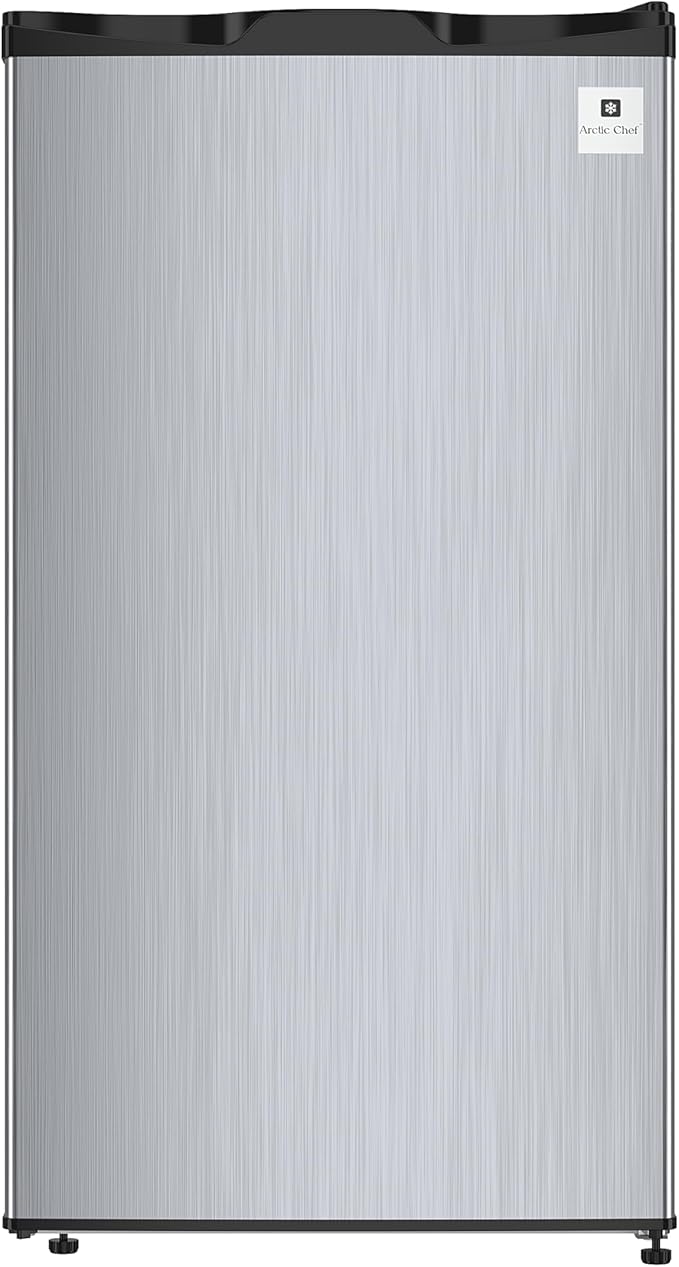
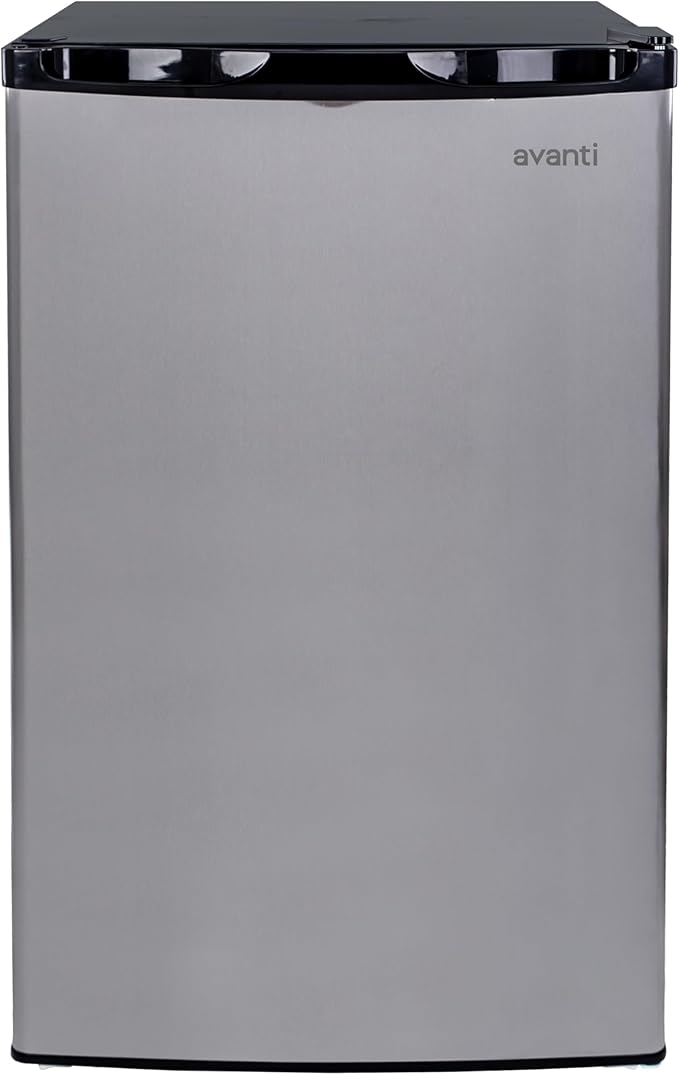
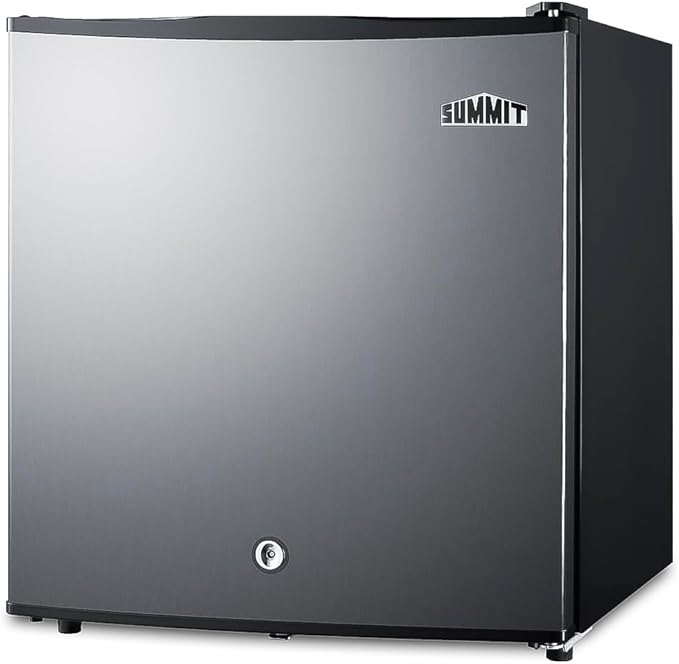
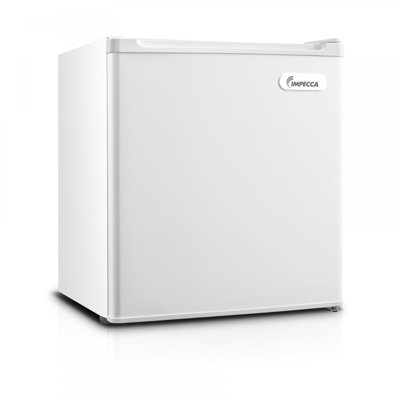
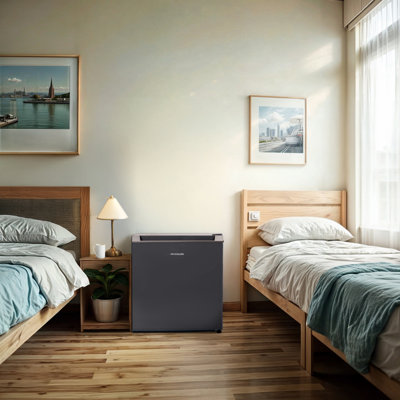
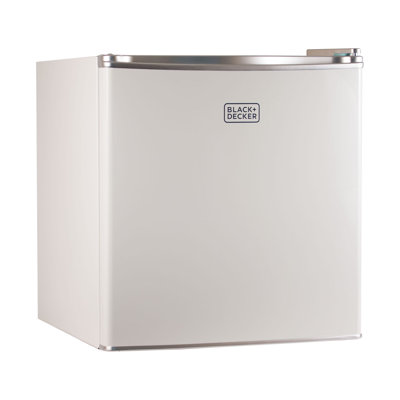
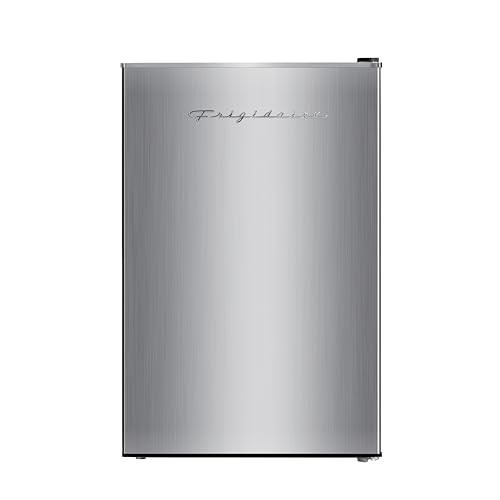
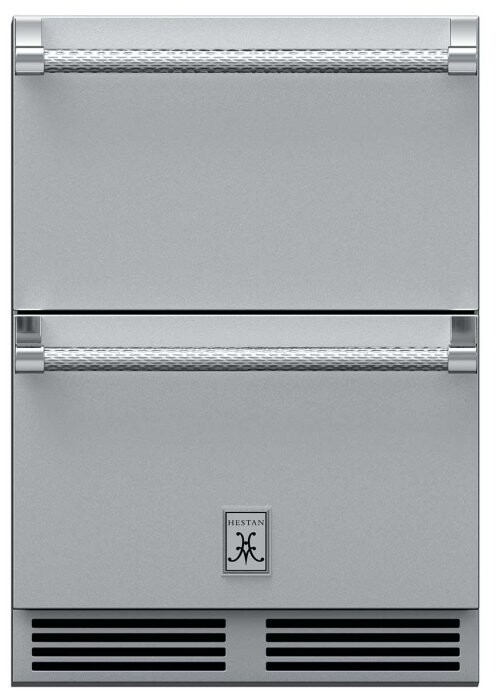
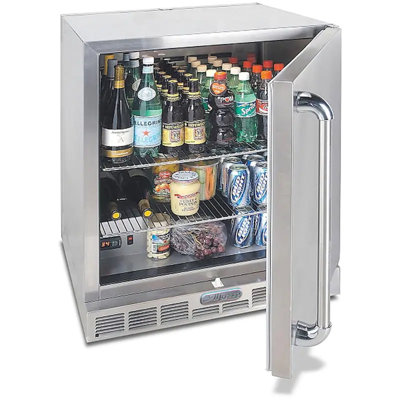
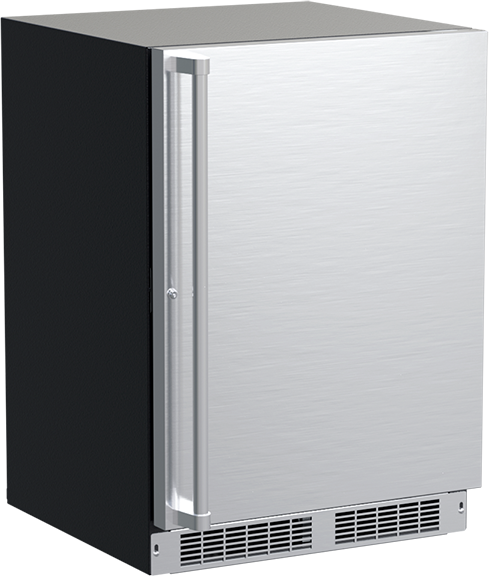
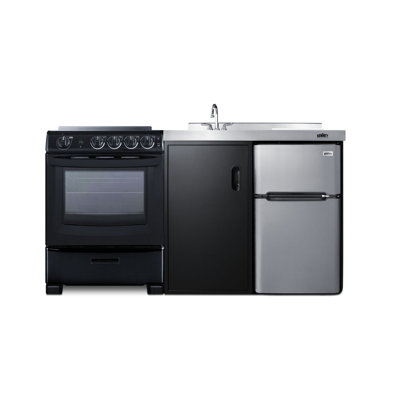
Whether it’s for late-night study sessions, early morning office bursts, or weekend garage hangouts, the best 3.3 cu ft mini fridge keeps your favorites at your fingertips.
You’re in the right place if you’ve been hunting for the best 3.3 cu ft mini fridge.
A 3.3 cu ft mini fridge typically measures around 18 inches wide, 20 inches deep, and 32 inches tall.
Most models in this size range include a small freezer compartment, typically around 0.5 cu ft.
Ever stared at your overcrowded fridge and wished you had a compact solution just for snacks, cold drinks, or leftovers? You’re in the right place if you’ve been hunting for the best 3.3 cu ft mini fridge. This capacity hits the sweet spot—big enough to store essentials in a dorm room, office corner, or garage workstation, yet small enough to slide under a countertop or tuck into a tight nook. Throughout this guide, you’ll learn what sets a standout 3.3-cubic-foot compact refrigerator apart, from clever storage tricks to energy-saving features.
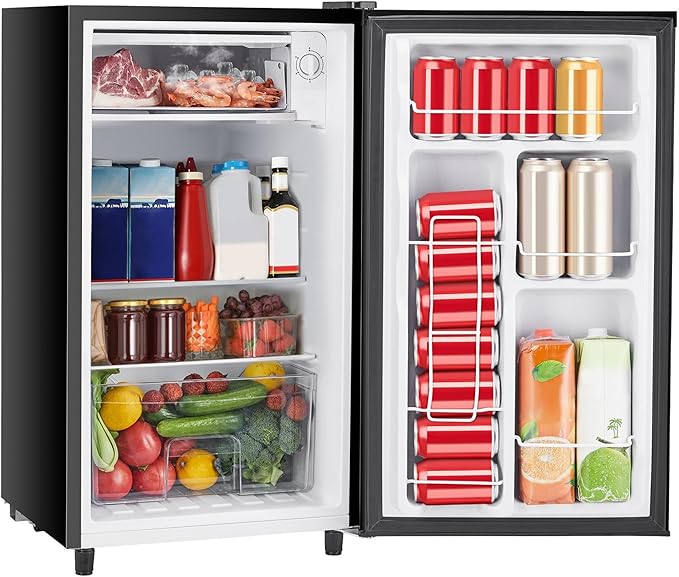
A 3.3 cu ft mini fridge typically measures around 18 inches wide, 20 inches deep, and 32 inches tall. That translates to roughly 100 cans of soda or a week’s worth of snacks for two people. It often includes a small freezer compartment for ice trays or frozen meals, making it more versatile than a strict beverage cooler. Whether you call it a compact fridge, dorm fridge, or office refrigerator, understanding what falls into the 3.3-cu-ft category helps you match a model to your specific needs.
What is 3.3 cu ft capacity
Capacity ratings can feel abstract, so imagine dividing a full-size fridge into thirds—you’re getting about one of those sections. You’ll typically see:
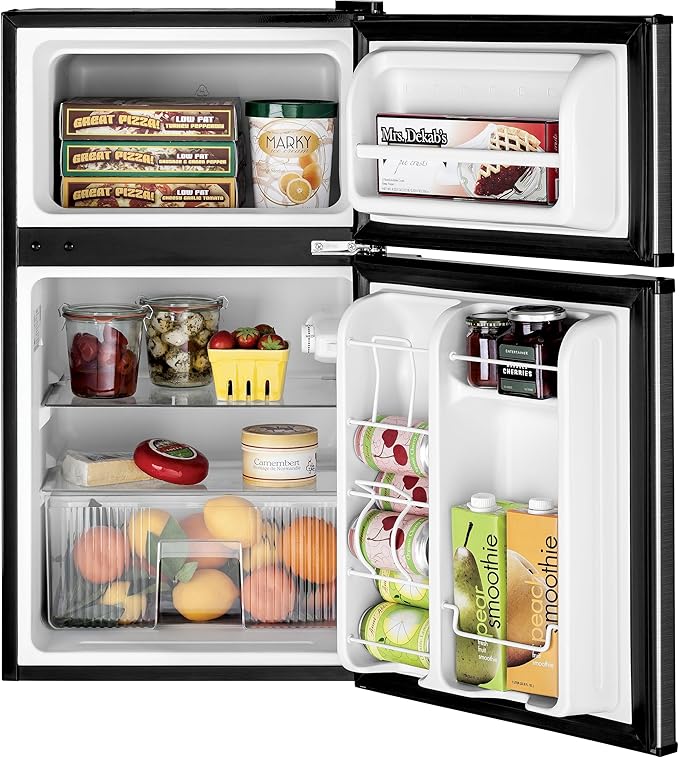
Two to three adjustable wire or glass shelves
A tiny freezer box at the top or bottom
Door bins for bottles, condiments, and small containers
With around 93 liters of space, you can chill perishables like milk, cheese, veggies, and meal-prep containers without cramming everything in. And if you’re eyeing that sweet spot between “I need more room” and “I only need a few shelves,” 3.3 cu ft often wins out.
Who benefits from this size
You might be surprised how many scenarios call for a 3.3 cu ft mini fridge:
Dorm rooms and studio apartments where space is at a premium
Home offices or standalone workstations to keep drinks and snacks close
Garages, man caves, craft rooms, or game rooms for quick refreshment
RVs, campers, or tiny homes where every inch counts
Break rooms in small offices or boutique retail shops
Temporary kitchens during renovations or outdoor entertaining
Basically, if you want more storage than a mini-bar or portable cooler but less bulk than a full-size refrigerator, this capacity makes sense. It also pairs well with a countertop ice maker or chest freezer in case you need extra frozen storage.
Not all 3.3 cu ft mini fridges are created equal. Before you click “add to cart,” zero in on features that matter most for your routine. Let’s break down the essentials.
Freezer compartment
Most models in this size range include a small freezer compartment, typically around 0.5 cu ft. Look for:
A separate door or flip-down hatch for quick access
A removable freezer rack or tray for ice cube molds
Manual defrost versus frost-free—manual models are more energy-efficient but require occasional thawing
If you plan to store frozen meals, ice, or popsicles, the freezer quality can make or break your experience. For a deeper dive into frost-free technology versus manual defrost, check out our tips on how to choose a compressor for a refrigerator.
Storage configuration
Adjustability is key. Consider a layout with:
At least two removable shelves
Door bins sized for 2 liter bottles, cans, or condiment jars
A dedicated dairy or deli drawer, if you’ve got one
Versatile shelving lets you customize the interior to fit tall energy drinks one day and meal-prep containers the next. Some models even offer sliding bottle racks for wine lovers.
Temperature control
Precise cooling makes a big difference. You’ll generally find:
Mechanical dial controls—simple and reliable
Digital thermostats—more accurate, often with LED displays
Temperature presets for drinks, snacks, or freezer use
If you’re storing sensitive items like baby food or craft beer, you’ll appreciate a fridge that holds steady at your chosen setting.
How a mini fridge chills your goods impacts performance, noise, and energy use. Two main methods dominate the market.
Compressor vs thermoelectric
Compressor models work much like full-size refrigerators, using a refrigerant cycle to remove heat. They tend to cool faster, run quieter, and handle ambient temperatures up to 95 °F. Thermoelectric units use a Peltier module to move heat but struggle above 80 °F and can be noisier.
Key differences:
Efficiency: compressors generally use less energy overall
Cooling power: compressors drop temperatures lower, faster
Noise: modern compressors are whisper-quiet, while thermoelectric units can have a steady hum
Choosing the right compressor
A quality compressor boosts reliability and longevity. When reviewing spec sheets, look for:
A reputable compressor brand, such as Danfoss or Embraco
Energy Star certification for efficient operation
A warranty of at least one year on the compressor
If you’re curious about compressor selection criteria, check how to choose a compressor for a refrigerator for deeper insights.
Organizing interior storage
A 3.3 cu ft mini fridge excels when you maximize every inch. Here’s how to keep things tidy and accessible.
Shelving and bins
Divide and conquer by grouping items:
Top shelf for snacks and meal-prep containers
Middle shelf for dairy, eggs, or leftovers
Bottom shelf for drinks or platters
If your shelves are wire, consider adding a removable clear plastic liner so small items don’t tip through. For extra versatility, swap shelf positions based on your shopping habits.
Door storage options
Door bins make use of often-ignored space:
Tall bins hold bottles upright—no spills, easy grabbing
Shallow bins are perfect for condiments, yogurt cups, or small jars
Some models include a covered dairy bin to keep cheese and butter fresh
Keep heavier items like juice cartons low in the door and lighter condiments above to prevent slamming.
Tips for meal prep
Meal-preppers, here’s your mini fridge playbook:
Use stackable, uniform containers to save space
Label meals with dates to avoid mystery leftovers
Store ingredients—cut veggies, sauces, and proteins—in separate bins for grab-and-go convenience
Where you place your mini fridge affects performance, noise, and airflow. Let’s get it in its happy spot.
Finding the right spot
Ideal placement rules:
Keep it on a level, sturdy surface to avoid vibration
Allow at least 2 inches of clearance on all sides for airflow
Avoid direct sunlight or heating vents that make the compressor work harder
Consider using a small wheeled dolly for mobile setups, like events or seasonal garage use.
Reversing door swing
Need the hinge on the other side? Many mini fridges offer reversible doors. If you’re wondering about the process or potential pitfalls, see do people reverse their fridge doors? for a step-by-step walkthrough and user tips.
Clearance and ventilation
Proper airflow prevents overheating:
Leave space behind for heat dissipation
Clean vents periodically to remove dust buildup
Don’t enclose the fridge completely in a tight cabinet
If you’re setting up outdoors under a covered patio, ensure the area stays within the operating temperature range specified by the manufacturer.
Even a small fridge can impact your energy bill. Follow these tactics to keep consumption low.
Energy Star ratings
Look for the Energy Star label, which guarantees the unit uses at least 10 percent less energy than standard models. Over a year, that can save you up to $15–$20 in electricity costs, depending on local rates.
Temperature settings
The sweet spot for efficiency and safety is:
Refrigerator section around 37–40 °F
Freezer compartment at 0 °F
Use a small probe thermometer to verify internal temps, especially if you store baby food or perishables.
Reducing door opening
Every time you open the door, cold air escapes:
Group items together so you can grab what you need in one go
Opt for clear storage bins so contents are visible without opening multiple shelves
Position frequently used items at eye level
Reviewing top mini fridges
Ready to shop? Here are three standout 3.3 cu ft mini fridges to consider. Prices and availability may vary, so always check recent user reviews before purchasing.
Model
Freezer
Shelves
Energy Star
Price range
hOmeLabs 3.3 cu ft Compact Refrigerator
Yes
2
Yes
$150–$180
Danby Designer 3.3 cu ft Compact Fridge
Yes
2
Yes
$140–$170
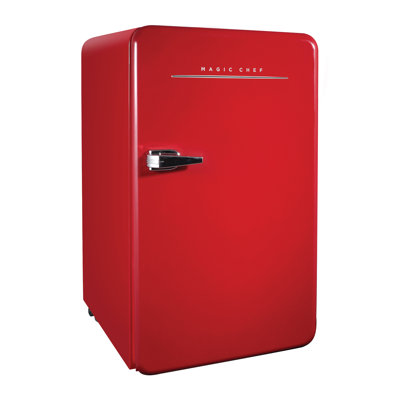
Magic Chef MCAR320B2 3.2 cu ft Mini Fridge
Yes
2
No
$120–$150
Best overall
hOmeLabs 3.3 cu ft Compact Refrigerator
You get Energy Star efficiency, a reversible door, and a reliable compressor, all wrapped in a sleek stainless-steel finish. It’s whisper-quiet and cools evenly, making it our top pick.
Best budget-friendly
Magic Chef MCAR320B2
If price matters most, this model covers the basics without frills. It cools quickly, sports user-friendly dials, and has a small freezer for ice or popsicles.
Best for office
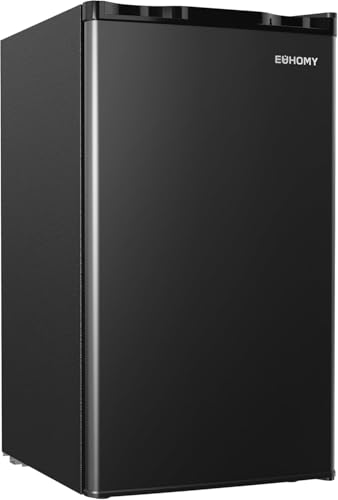
Danby Designer 3.3 cu ft Compact Fridge
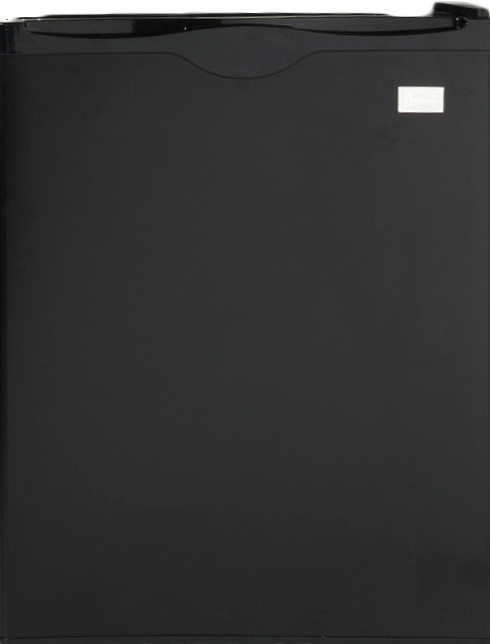
With its classic black cabinet and reversible door, this Danby model fits seamlessly into break rooms or cubicle kitchens. The adjustable thermostat delivers reliable performance, and the door bins hold tall bottles perfectly.
Rotate items and label dates to avoid surprise expired yogurt cups
Use a drip tray or liner to catch spills and prevent stains
With the right mini fridge in place and a few organizational tricks, you’ll enjoy chilled drinks, fresh snacks, and neatly stored meals no matter where you set up camp. Whether it’s for late-night study sessions, early morning office bursts, or weekend garage hangouts, the best 3.3 cu ft mini fridge keeps your favorites at your fingertips. Enjoy the chill without the bulk, and happy shopping!
From Fridge.com research
Figures below come from data Fridge.com builds and maintains. Each links to the record behind it.
Fridge.com Energy Index, built on U.S. EPA and DOE ENERGY STAR records
Across 1,728 ENERGY STAR certified compact refrigerator models, median use is 246 kWh per year — 11% better than the federal standard.