If you’ve ever spotted a 1960 refrigerator at a flea market or admired one in a retro-styled kitchen, you know it stands out from today’s stainless steel lineup. A 1960 refrigerator isn’t just a relic, it’s a symbol of midcentury optimism, post-war innovation, and a time when appliances began to blend form and function in fresh ways. Whether you’re a chef seeking vintage charm, a family planning extra storage, or a DIY enthusiast hunting your next project, getting to know these fridges will help you decide if one belongs in your home.
Historical context of 1960 fridges
By 1960, American households were embracing bright colors, new materials, and sleek silhouettes. Kitchen appliances had evolved from the plain utilitarian designs of the 1940s into pieces you’d actually display. Advertisers leaned into themes of modern living, starring housewives in pastel kitchens where refrigerators matched the stove, the toaster, and even the wallpaper.
On the technology side, manufacturers such as Frigidaire, General Electric, Kelvinator, and Westinghouse raced to deliver quieter compressors, larger freezer compartments, and easier controls. Foam insulation began replacing heavier materials, shaving pounds off the unit and improving thermal performance. With more families entertaining and meal-prepping for breakfasts, lunches, and dinners, capacity mattered. The 1960 refrigerator blended increased interior space with compact exterior dimensions so it could fit into suburban bungalows and urban apartments alike.
Key features and specs
When you’re evaluating a 1960 refrigerator, look for these signature traits:
Exterior styling and finishes
Curved door edges and rounded corners
Chrome or polished steel handles, hinges, and trim
Pastel enamel finishes in mint green, buttercream yellow, robin’s egg blue, and cherry red
Baked enamel over heavy-gauge steel for durability
These finishes were meant to resist staining and chipping, though decades of use can dull or crack the enamel. If you find a fridge with intact paint, that’s a real prize.
Interior capacity and layout
Top-mounted freezer with a simple wire rack or small shelf for ice trays
Two to four glass shelves, adjustable in height
Door bins sized for milk bottles, condiment jars, and eggs
Butter keeper compartment and built-in egg holders on some models
Compared to modern counter-depth units, you’ll notice slightly less width and depth. Still, the compartment design maximized usable space, accommodating meal-prep containers, bulk meats, or kegerator conversions for craft beer enthusiasts.
Cooling and insulation technology
Mechanical thermostat dials located inside the fridge compartment
Foam insulation injected between inner and outer liners
Single-speed compressors that cycle on and off at set temperature thresholds
Simple drip pans for defrost runoff
While these systems lack today’s digital precision, their simplicity makes them fairly straightforward to service and upgrade.
Typical materials used
Understanding the materials in a 1960 refrigerator helps you plan restoration and maintenance:
Exterior shell: Heavy-gauge steel coated with baked enamel
Trim and handles: Chrome-plated steel or aluminum
Interior walls: Fiberglass-reinforced plastic or painted metal liners
Shelving: Tempered glass or wire racks
Gaskets: Rubber or vinyl, prone to hardening over time
Knowing what you’re working with lets you source the right replacement parts—whether that’s reproduction gaskets, enamel-safe paints, or vintage-style hardware.
Bringing a 1960 refrigerator into your home is rewarding, but it does demand a more hands-on approach than modern models. By establishing a regular upkeep routine and staying alert to common issues, you’ll extend its life and keep energy costs in check.
Cleaning and upkeep
A simple monthly maintenance plan can prevent bigger headaches down the road:
Remove food and defrost: Turn off the fridge, empty everything out, and let frost melt whenever ice exceeds a quarter-inch thickness.
Wipe interior surfaces: Use a gentle dish soap or baking soda solution and a soft cloth. Avoid abrasive cleaners that can scratch enamel.
Clean condenser coils: Unplug the unit, slide it away from the wall, and use a vacuum or a coil brush to remove dust every three months. Dirty coils force the compressor to work harder.
Inspect and lubricate hinges: Apply a drop of food-safe oil to door hinges to prevent squeaks and ensure smooth operation.
Check door seals: Press a piece of paper against the seal and close the door. If you can pull the paper out easily, it’s time to replace or reglaze the gasket.
Repair and part sourcing
Even well-kept fridges need occasional repairs. Here’s where to look:
Reproduction parts suppliers: Many online vendors specialize in midcentury appliance components, from gaskets to chrome handles.
Salvage yards and local auctions: Hunting in person allows you to inspect parts for wear and compatibility.
Specialty repair shops: If your compressor is noisy or your fridge struggles to cool, a vintage-appliance technician can rebuild or replace the unit.
Common issues and fixes
Symptom
Probable cause
Quick fix or next step
Frost buildup in freezer
Manual defrost neglected
Defrost unit, adjust defrost schedule
Compressor runs constantly
Dirty coils or poor insulation
Clean coils, replace gaskets, add insulation
Interior temperature too warm
Faulty thermostat
Replace thermostat with modern equivalent
Door not closing evenly
Worn hinges or sagging door
Tighten screws, lubricate hinges, align door
Checking energy performance
Older compressors and insulation mean a 1960 refrigerator often uses more energy than a modern unit. Keep an eye on whether it runs constantly without turning off. If that happens, read up on troubleshooting at what causes a refrigerator to run constantly without turning off?. Simple upgrades like fresh gaskets, added insulation panels, or a replacement thermostat can cut your power draw significantly.
Restoring a vintage fridge
Restoration is where a 1960 refrigerator transforms from a functional appliance into a design statement. Whether you tackle the project yourself or hire pros, these guidelines will help you balance authenticity with safety and performance.
Cosmetic restoration tips
Prep the surface: Remove hardware and sand away rust or chipped paint using fine-grit sandpaper. Wipe the shell with a degreaser and let it dry thoroughly.
Mask areas carefully: Protect gasket channels, interior liners, and mounting holes with painter’s tape.
Select the right paint: Look for high-heat, appliance-grade enamel in spray or brush-on form. Match the original pastel or cream shade for a true vintage look.
Apply multiple thin coats: Hold the can 10 to 12 inches away and use sweeping strokes to avoid drips. Let each coat cure as instructed on the label.
Reinstall polished hardware: Replace old screws and handles with new or refurbished chrome pieces for a crisp finish.
If you’re feeling crafty, check out a side project like vintage fridge picture frame diy, which shows creative ways to repurpose fridge doors once they’re painted.
Mechanical upgrades
Authenticity is great, but safety and efficiency matter too. Consider:
Thermostat and control swaps
Modern mechanical thermostats fit many 1960 housings and deliver tighter temperature stability.
Digital retrofit kits hide behind original dials, giving you programmable schedules without altering the exterior.
Refrigerant conversion
Original R-12 refrigerant is phased out. A certified technician can convert your compressor to use R-134a or a more eco-friendly alternative.
This upgrade improves cooling performance and aligns with environmental regulations.
Electrical safety
Inspect wiring harnesses and power cords for cracks or brittleness.
Replace outdated cords with grounded, three-prong versions.
Add a GFCI-protected outlet if your fridge sits in a garage or outdoor workshop.
Safety inspection and certification
Before using your restored fridge to store snacks or meals, verify:
Proper grounding to avoid electrical shock
UL or ETL certification status; re-testing may be required if labels are missing
No refrigerant leaks, which can harm performance and the environment
Stable ventilation around the compressor area to prevent overheating
With these checks in place, your fridge will be both a showpiece and a safe, reliable cooler.
Once you’ve got your vintage fridge shining and running, you’ll want to integrate it seamlessly into your daily routine. From ideal temperature settings to creative storage hacks, here’s how to make the most of your midcentury companion.
Ideal temperature settings
Mechanical thermostats can be less precise than digital ones. Use a standalone fridge thermometer to dial in settings:
Refrigerator compartment: 36–40°F keeps dairy, produce, and leftovers fresh
Freezer compartment: 0°F or slightly below stops ice crystals from forming
Seasonal tweaks: You may need to adjust the dial during hot summers or if the unit sits in a garage
Give it at least 24 hours after any major adjustment to stabilize before rechecking.
Storage hacks for modern needs
A fridge from 1960 didn’t anticipate today’s meal-prep containers or craft beer cans. Try these tricks:
Clear stackable bins: Group sauces, yoghurt cups, or meal-prep packs in labeled bins for quick grabs
Flat-freeze pouches: Lay soups, stews, or sauces flat in freezer bags so they stack neatly and thaw faster
Adjustable risers: Small risers let you slide shallow baskets under shelves for canned beverages or jars
Door-bin limits: Avoid overloading door shelves—too much weight can misalign hinges
Tracking down the right 1960 refrigerator takes research, inspection, and a bit of negotiation. With these strategies, you’ll find a unit that blends cosmetic appeal with mechanical reliability.
Where to find one
Online marketplaces: Search eBay, Craigslist, Facebook Marketplace, and specialized vintage-appliance sites. Ask sellers for detailed photos of the compressor, gaskets, and interior liner.
Antique dealers and salvage yards: Inspect in person for signs of rust, damage, or mold. You may negotiate a lower price for units needing more work.
Estate sales and auctions: Keep an eye on local listings—estate liquidations often include older appliances in decent shape.
Compare current prices and specifications on Fridge.com, then buy from the retailer you choose; delivery, installation and warranty terms are the retailer’s.com can have vetted listings that match your restoration goals and performance needs.
Pricing and valuation
Prices vary by condition, rarity, and color. Use this as a ballpark guide:
Factor in transport fees, especially if you need a professional mover with appliance-handling experience.
Inspection checklist
Before handing over cash or finalizing an online purchase, verify:
Dimensions and clearance: Measure door openings and room space to ensure a proper fit.
Exterior wall integrity: Check for rust, dents, and paint condition.
Interior liner health: Look for cracks, stains, or mold spots.
Door seal performance: Close the door on a piece of paper—if it’s easy to pull out, plan to replace the gasket.
Compressor sound test: Listen for rattles, hisses, or constant running.
Defrost mechanism: Ensure drip pans and channels are unobstructed.
Thermostat operation: Turn the dial slowly and feel for the compressor kicking on after a few minutes.
Testing a fridge for at least 30 minutes before final sale gives you confidence in its cooling ability.
Exploring modern alternatives
If you love the look of a 1960 refrigerator but need modern convenience or energy savings, several options bridge the past and present.
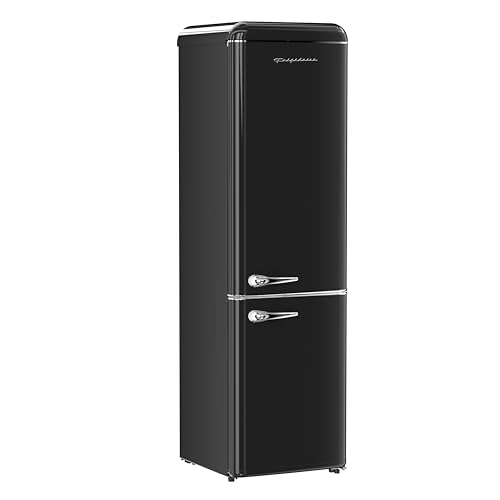
Retrofit retro-style models
Major brands now offer fridges that capture midcentury charm with up-to-date tech:
Brand/Model
Capacity
Key features
Approx. price
Smeg FAB28
9.2 cu ft
Hidden digital thermostat, reversible doors
$1,200–$1,500
Big Chill Classic
12 cu ft
Custom color options, Energy Star certified
$2,000–$2,500
Northstar NS-47
10 cu ft
Chrome accents, auto-defrost, quiet motor
$1,000–$1,300
These units deliver consistent temperatures, improved insulation, and warranties—plus that pastel polish you love. Learn more about advantages and drawbacks at what are the pros and cons of a retro fridge?.
Compact and energy-efficient options
When space is tight or you need a dedicated beverage fridge, consider:
Counter-depth mini fridges: Slide flush with cabinets, offering 5–7 cu ft of storage
Glass-door beverage centers: Perfect for craft beer, soda, or wine, with adjustable shelving
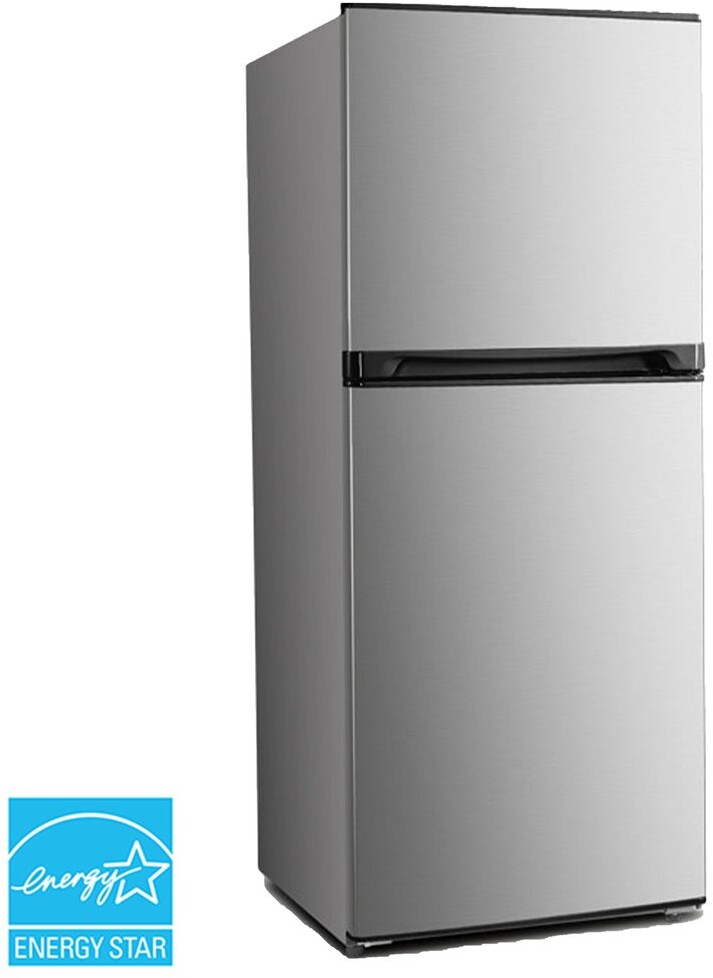
Energy Star-rated units: Use up to 30 percent less energy than standard models, ideal for offices, dorms, and studios
Many compact models include reversible doors, digital temperature zones, and quiet compressors—features that a classic fridge won’t offer out of the box.
Whether you’re restoring a patinaed original or opting for a modern homage, a 1960 refrigerator brings personality and functionality to your space. Keep these final pointers in mind:
Inspect before you buy: Cosmetic wear is charming, but mechanical soundness is nonnegotiable.
Plan for maintenance: Coil cleaning, gasket checks, and manual defrosting will keep your fridge running cool.
Balance vintage and updates: Preserve the look but upgrade thermostats, wiring, and refrigerant for safety and efficiency.
Organize smartly: Use clear bins, flat-freeze techniques, and the right fullness level for optimal performance.
Embrace the charm: Whether in a home kitchen, garage, dorm, or event space, let your fridge be a conversation starter.
Armed with this guide, you’re ready to find, restore, and enjoy a genuine piece of appliance history. Your 1960 refrigerator isn’t just cold storage—it’s a slice of style that keeps your food fresh and your kitchen timeless.
From Fridge.com research
Figures below come from data Fridge.com builds and maintains. Each links to the record behind it.
Fridge.com Energy Index, built on U.S. EPA and DOE ENERGY STAR records
Across 5,455 ENERGY STAR certified refrigerators and freezers from 263 brands, median use is 360 kWh per year.