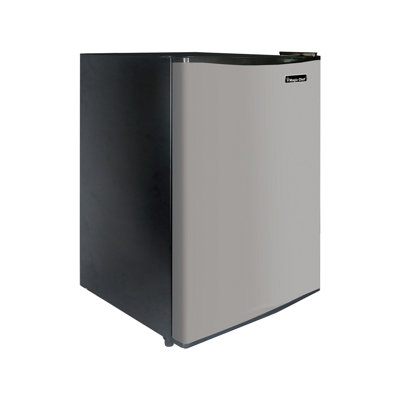
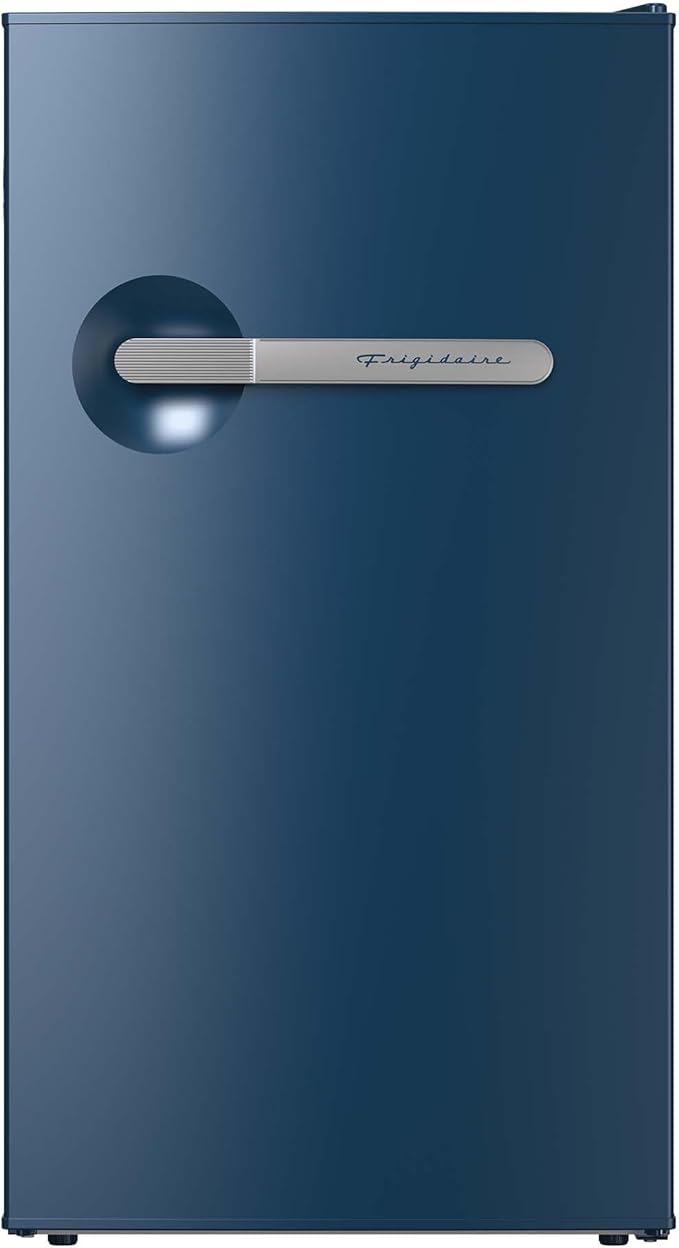
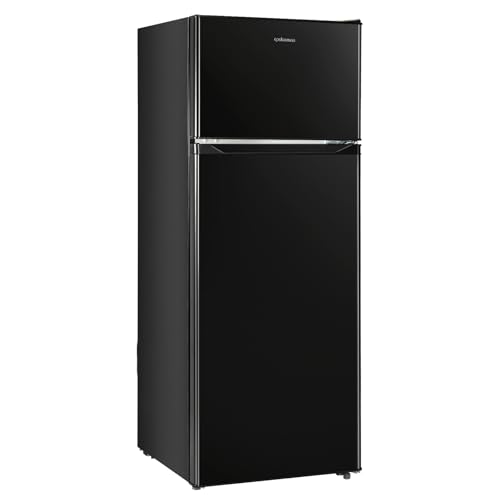
You’ve just unboxed your new mini fridge, plugged it in, and now you’re wondering: how long should you wait to put stuff in a mini fridge? You’re not alone. Whether you’re stocking drinks for a party, keeping baby food chilled, or stashing leftovers in your dorm room, getting the timing right helps your fridge perform at its best and protects your food. In this guide you’ll learn what’s happening inside your mini fridge, the key factors that affect cool-down time, recommended wait periods, and practical tips to speed up the process—all in a friendly, no-nonsense style.
Understanding mini fridge cooling
How mini fridges work
At its core a mini fridge operates much like a full-size refrigerator, just on a smaller scale. Inside you’ll find a compressor, condenser coils, an expansion valve or capillary tube, and evaporator coils. The compressor pressurizes refrigerant gas, raising its temperature. That hot gas moves through the condenser coils at the back or bottom of the unit and releases heat into the room. As it cools, the refrigerant turns into a liquid and travels through the expansion valve, dropping in pressure and temperature. Finally the cold refrigerant flows through the evaporator coils inside the cabinet, absorbing heat from your items and cooling the interior.
Key cooling components
Compressor: The “heart” of your fridge that circulates refrigerant. To avoid damage you want it to rest properly before you load the compartment
Evaporator coils: Where the magic happens, pulling heat from inside the fridge
Insulated cabinet: Keeps the cool air in, but takes time to reach target temperature
Thermostat: Lets you dial in the desired temperature, but it needs a stable baseline to work accurately
Understanding these components helps explain why you can’t just plug in and stock immediately. The compressor and coils need time to reach optimal operating conditions before you introduce a heat load in the form of warm food and drinks.
Why wait before stocking
Prevent compressor strain
When you plug in a brand-new or recently moved mini fridge the compressor kicks into high gear. If you immediately load it with room-temperature or warm items, the compressor must work even harder to remove that extra heat. Running under too heavy a load can shorten its lifespan or cause it to overheat. If you want to dive deeper into compressor specs, check out our guide on how to choose a compressor for a refrigerator.
Achieving optimal temperature
Most mini fridges need time to establish thermal equilibrium—the point at which the cooling system maintains a consistent interior temperature. During the first few hours, the thermostat and sensors learn the cabinet’s insulation characteristics and how quickly they lose heat. If you add food too soon, you’ll prolong that settling-in period and risk uneven cooling zones, soggy leftovers, or frost buildup.
Ambient temperature
The room temperature around your fridge plays a big role. If you’re in a hot garage or an uninsulated RV on a summer day, your mini fridge may take significantly longer to reach 37–40 °F (3–4 °C) than if it’s in an air-conditioned kitchen. Aim to keep your unit in a location between 50–80 °F (10–27 °C) for the fastest cool-down.
Fridge size and capacity
A larger mini fridge or a model with a built-in freezer section has more air volume and surface area to cool, so it generally takes longer than a compact 1.5 cu ft unit. If you’re considering capacity alongside cool-down speed, you might also like our recommendations for the best 3.3 cu ft mini fridge.
Pre-cooling status
If your fridge has been off for a while or you’ve defrosted it recently, the cabinet and coils will be closer to room temperature, extending the cool-down period. A fridge that’s only been unplugged for a short move or power outage still retains some residual cool and may be ready sooner.
Small load scenarios
If you’re just chilling a few cans of soda or small snacks, you can often start loading after 2–4 hours. By then the interior should be in the low 40s °F, enough to chill beverages without forcing the compressor to run non-stop.
Full load scenarios
Planning to stock a week’s worth of groceries, including fresh produce, milk, and leftovers? Wait at least 6–12 hours before you add your items. This longer wait gives the unit time to draw down to its set temperature and handle the added heat load more efficiently.
New vs used units
New mini fridges: Most manufacturers recommend 4–6 hours of run time before loading. Some even suggest up to 24 hours for optimal performance, especially in warm environments
Used or relocated fridges: If your unit was recently moved, give it 4–8 hours to settle. Letting refrigerant oils redistribute evenly protects the compressor
Beverages and drinks
Once your mini fridge hits 40 °F or below, it’s ready for sodas, bottled water, and craft beer. If you want an ultra-fast chill, consider pre-chilling bottles in your main refrigerator and then transferring them to the mini fridge, or explore our tips on how fast rapid cool drops interior temperature 15 °F?
.
Perishables and leftovers
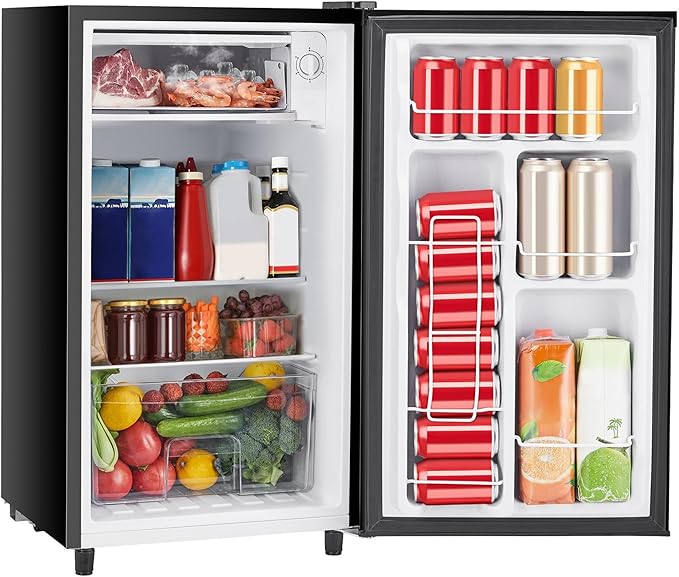
Dairy, deli meats, and cooked meals should only go in after the fridge is stable at 37–40 °F. Load raw meat on the bottom shelf in sealed containers to prevent drips, and use clear bins to group leftovers so you can find things quickly without keeping the door open too long.
Baby food and medication
If you’re storing baby bottles or temperature-sensitive medication, accuracy matters. Use a dedicated shelf or drawer near the evaporator coils for the coldest zone. Make sure you test the temperature with a fridge thermometer before trusting it with anything critical.
Tips for faster cool-down
Proper placement
Position your mini fridge at least 2 inches away from walls and objects to allow airflow around the condenser coils. Avoid direct sunlight or heat sources like ovens and radiators.
Door management
Every time you open the door you let cold air escape and warm air in. Keep your door swings to the side you use least, and consider a door alarm feature that beeps if the door stays open too long. If your model supports it, look into what door alarm silences temporarily for stocking?.
Using cold packs
Freeze reusable ice packs or water-bottle jugs in your main freezer and place them inside when you first load your mini fridge. They help absorb excess heat without creating frost from direct ice contact.
Using thermometers
Rely on a fridge thermometer rather than the built-in sensor, which may not reflect every shelf’s temperature. Place one on the middle shelf and check it after 2–4 hours to confirm readiness.
Adjusting thermostat
If your fridge runs warmer than the target range, lower the temperature setting one click or degree at a time. Wait at least 4 hours between adjustments before rechecking.
Overpacking early
Filling your mini fridge too soon can block airflow and force long compressor cycles. Always let it run empty for the recommended wait, then load gradually.
Blocking vents
Shelf vents and air channels are designed to circulate cool air. Don’t line them with foil or overcrowd those spots—pack items around them instead.
Ignoring manufacturer advice
Always read the user manual for model-specific recommendations. Some units have a “rapid cool” mode or special instructions for initial use. Skipping these tips can shorten lifespan or void warranties.
FAQs about mini fridge cooldown
Is 24 hours enough?
For most mini fridges, 24 hours is more than enough to reach and stabilize at the set temperature, even under challenging ambient conditions.
Can you add ice packs?
Yes, ice packs help absorb residual heat and speed up the cool-down. Just don’t let them touch the walls directly—they can cause local frost buildup.
Does pre-chilling help?
Pre-chilling items in your main fridge or freezer lightens the load on your mini fridge. Cooler items require less energy to bring down to the target temperature.
Knowing how long you should wait to put stuff in a mini fridge helps you protect your compressor, preserve food quality, and enjoy consistently chilled snacks and drinks. To recap:
Understand your fridge’s cooling cycle
Account for room temperature and unit size
Follow recommended wait times based on load
Use smart placement and cold packs to speed things up
Monitor with a reliable thermometer
With this approach you’ll avoid common mistakes and get the most out of your mini fridge from day one. Now go ahead, give your new fridge the rest it deserves, and start planning what you’ll stock once it’s perfectly chilled.
Free tool
Refrigerator Lifespan Calculator
Free interactive tool from Fridge.com — get a quick answer while you read.