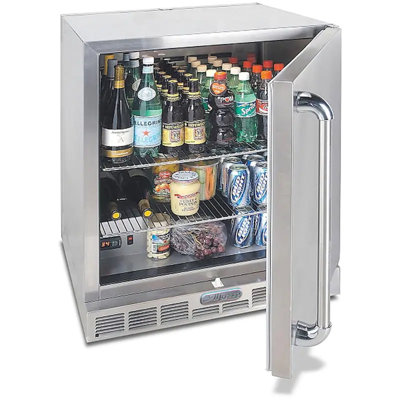
Ensure your mini fridge can maintain temperatures of about 40°F (4°C) or lower if you plan to store raw meat, fish, or dairy.
Confirm the fridge reaches 40°F (4°C) or below, avoid overcrowding, and clean regularly to prevent odors.
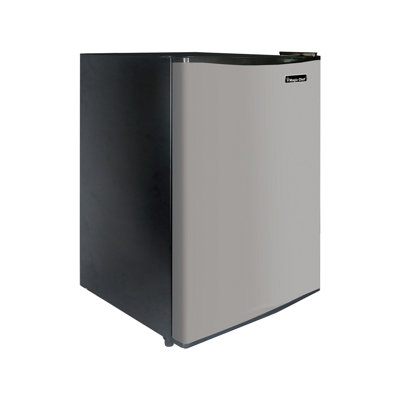
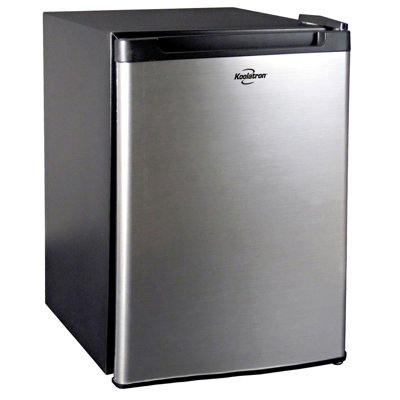
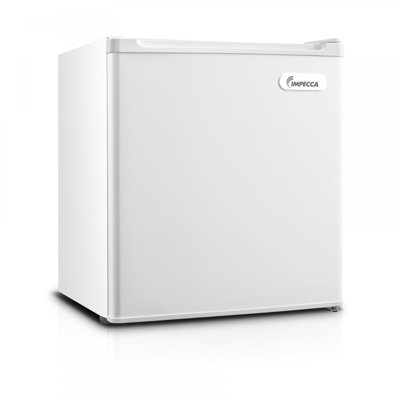
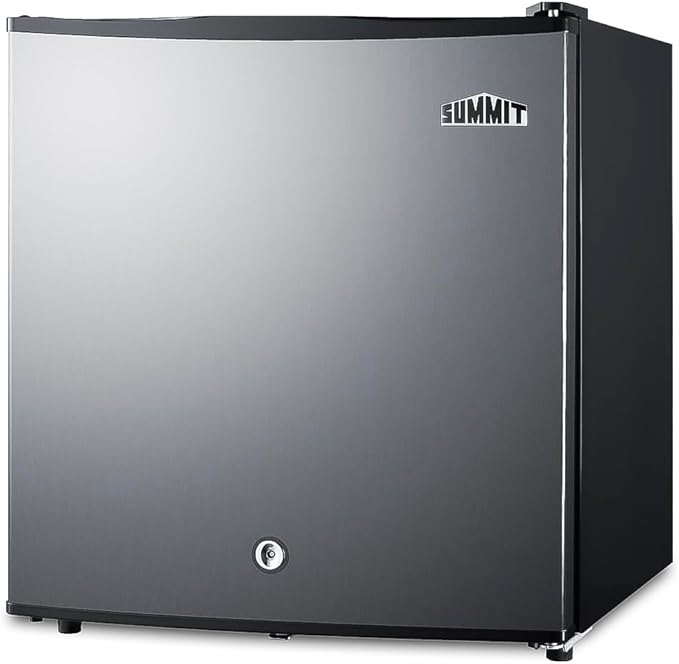
Mini fridges come in various shapes and widths, generally ranging from about 1.7 cubic feet to 4.5 cubic feet, though some models can be slightly larger.
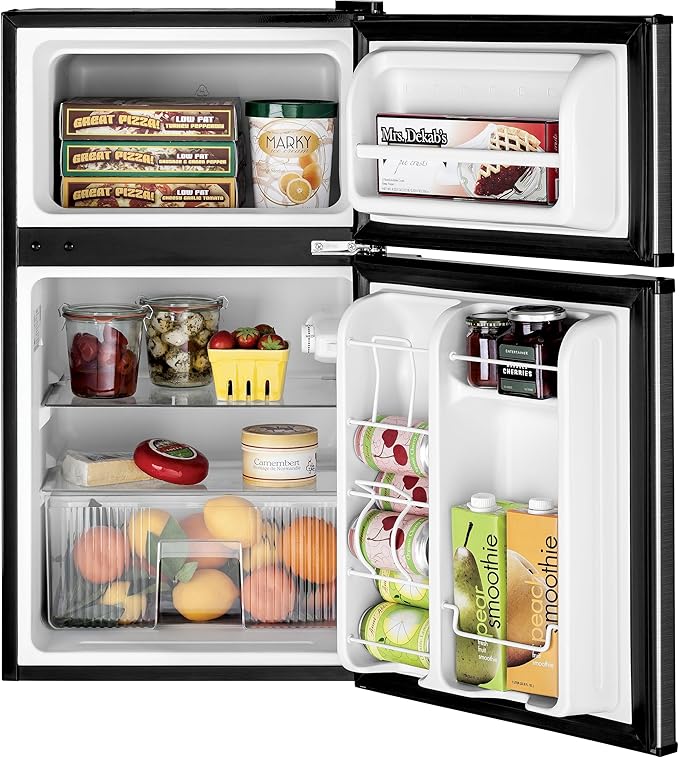
Main cooling area: Ideal for drinks, produce, and leftovers.
What fits in a mini fridge? It’s a question you might ask if you’re short on kitchen space, living in a dorm, or simply looking for a convenient way to keep your favorite drinks and snacks chilled. Although it’s smaller than a full-size refrigerator, a mini fridge can hold an impressive range of items if you organize it properly. Whether you want to store fresh produce for salads, keep beverages cool for impromptu gatherings, or preserve leftovers from meal prep, a mini fridge can easily become your reliable kitchen companion.
Understand mini fridge capacity
Mini fridges come in various shapes and widths, generally ranging from about 1.7 cubic feet to 4.5 cubic feet, though some models can be slightly larger. Beyond the raw volume, interior layouts differ significantly, often affecting how efficiently you can store items.
Check the manufacturer specs
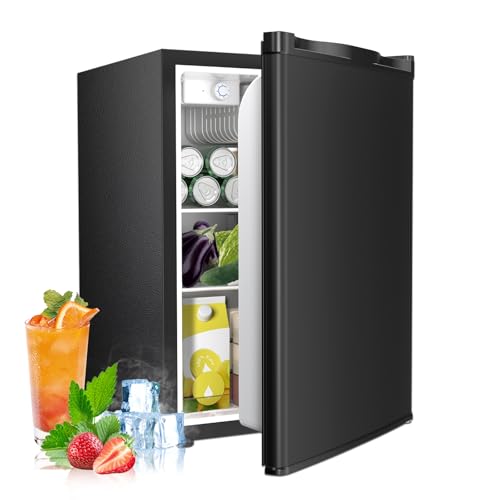
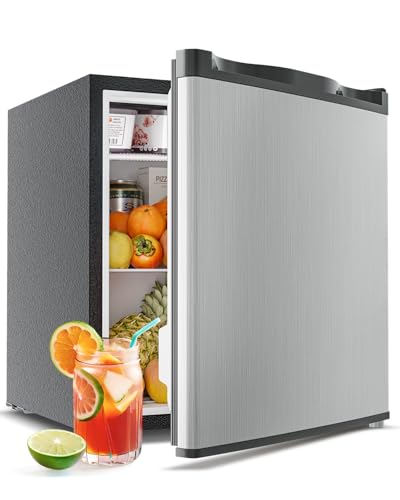
Two mini fridges with a similar volume may still differ in how they arrange shelves and door compartments. Some prioritize taller space so you can stand up juice cartons and bottles, while others split the interior with adjustable shelves. A quick glance at the product description can reveal whether you have enough room for everything you plan to store.
Typical mini fridge compartments
Many models include:
Main cooling area: Ideal for drinks, produce, and leftovers.
Door storage: Great for soda cans, small condiment bottles, or even a carton of milk.
Freezer box (in some units): Suited for small frozen meals or ice trays, though temperatures may fluctuate more than a standard freezer.
Matching capacity to your needs
If you mainly want chilled drinks and snacks, opt for a fridge with a larger door shelf area. If you need to store meal prep containers or fresh ingredients, look for adjustable or removable shelving. A fridge with a dedicated crisper drawer might be especially helpful if you plan to keep fruits or vegetables on hand.
Consider your lifestyle
Not all mini fridges serve the same purpose. Some live in a college dorm, others serve busy office break rooms, and some find a home in a garage for extra beverage space. Think about the types of items you plan to store before selecting a model.
Dorm room essentials
If you’re a college student, a mini fridge can help you stock up on:
Leftover pizza or takeout boxes
Breakfast items like yogurt cups or fruit
Beverages, including ready-to-drink coffee or sports drinks
Portable snacks, such as cheese sticks, hummus cups, or fruit cups
Because dorm rooms can be cramped, consider a fridge with a small footprint but well-designed shelves. Some mini fridges include a compact freezer section, which might be perfect if you occasionally keep ice packs or frozen meals on hand. Just be sure the fridge you choose meets your dorm’s rules for electrical appliances.
Office or workspace
Keeping a mini fridge in a shared or personal office can save you money and support healthy eating. You can easily store:
Meal-prepped lunches or single-serving salads
Half-and-half or milk for coffee
Bottled water, seltzers, or energy drinks
Small containers of dressing, condiments, or dips
If you’re sharing the fridge, labeling items is a smart way to avoid confusion. Aim for a model with a few door bins, so coworkers can keep their smaller items organized and isolated.
Small apartments
In a studio or tiny apartment, a mini fridge might be your main source of refrigeration. Look for:
Adjustable shelves that you can move to accommodate taller items
A crisper drawer or produce bin for fresh fruits and veggies
Roomy door shelving for bigger condiments or bottles
Consider your cooking habits. If you often cook at home and need to store varied ingredients, a larger mini fridge—closer to 4.5 cubic feet—may serve you better. You can also experiment with painting or decorating the fridge if you want to match a specific color palette. Check out can i change the color of a new refrigerator? if you’d like to explore possible ways to customize your fridge.
Traveling or RV use
For an on-the-road lifestyle, a mini fridge can be handy for:
Bottled water, sports drinks, and snacks
Quick breakfast items or sandwich fixings
Basic produce for campsite cooking
For RVs, you might prefer a built-in model designed for travel. These often come with added stability features and special ventilation. If you’re in the market, you could check out the best rv built in refrigerator to see how these models differ from standard mini fridges.
Wondering what fits in a mini fridge often comes down to how well you manage the limited interior. With strategic organization, you can fit more than you might expect.
Make use of adjustable shelves
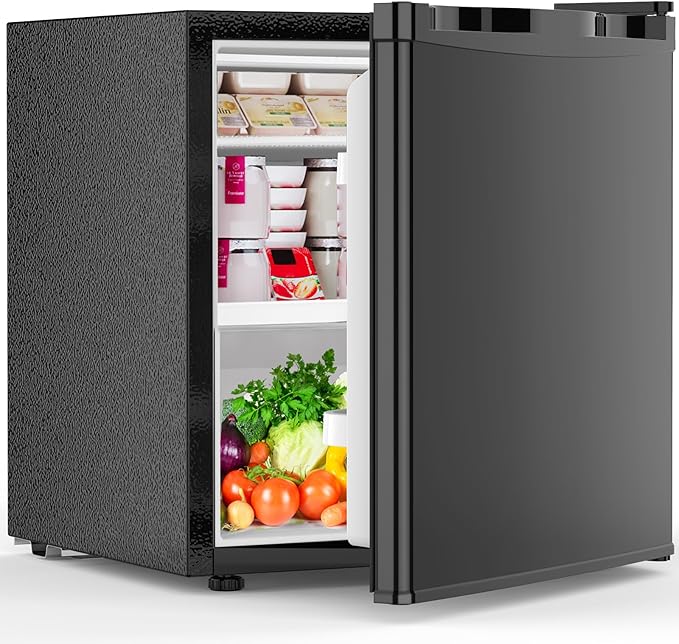
If your mini fridge has removable shelves, experiment with different layouts. Taller items like milk jugs or juice bottles can stand upright if you move a shelf up, while jam jars, small yogurt cups, and leftover containers can fit neatly below.
Use stackable containers
Choose square or rectangular containers that stack securely without wasting space. Clear containers help you see what’s inside, so you don’t need to rummage around and risk spilling anything. Label the lids with the date, especially for leftovers, so you know when it’s time to finish or toss them.
Add mini baskets or bins
Grouping items in small baskets can be a huge space-saver. You can store snacks, cheese, or deli meats in labeled baskets. This also helps you quickly pull out a bunch of similar items at once instead of shifting everything around.
Mini fridges aren’t limited to cold drinks and sandwiches. With a little planning, you can keep a wide range of items fresh and properly chilled.
Fresh produce
If your mini fridge lacks a dedicated crisper drawer, use small sealed containers or bags to store vegetables and fruits. Sturdy vegetables, such as carrots, bell peppers, cucumbers, or apples, hold up well in mini fridges. Leafy greens may require more care—keep them sealed and check for wilting.
Protein and dairy
Ensure your mini fridge can maintain temperatures of about 40°F (4°C) or lower if you plan to store raw meat, fish, or dairy. Keep an appliance thermometer inside to make sure the internal temperature stays in the safe zone. If you need additional freezer space—say, for portioned meats—explore the best chest freezer for low carb diet. A separate freezer can help keep your chilled items accessible in the fridge itself.
Snacks and condiments
If you thrive on variety, condiments, sauces, and snack packs can multiply quickly. Door compartments often have dedicated can holders, perfect for soda or seltzer cans, leaving the main shelves open for jars or other containers. Group condiment bottles in a small bin or caddy to keep them upright.
Beverages and beverages
A mini fridge’s smaller size makes it perfect for stashing cans or smaller bottles. If you prefer craft beers or a mix of wine and beer, specialized options might work better—check out the wine and beer fridge. And if you’re looking for a dedicated place for beer, you could also read why should i choose a beer fridge?.
Maintain food safety
A mini fridge only helps if it keeps your food cold and safe to eat. Temperature management is critical, so monitor it regularly.
Regular cleaning
Wipe down shelves and walls with mild soap and warm water at least once a month. Pay special attention to any spills and the door gasket to ensure a tight seal. If your fridge starts developing odors, keep an open box of baking soda inside to absorb them.
Avoid overstuffing
Good airflow is essential for even cooling. Overstuffing might cause parts of the fridge to run slightly warmer, which is risky for perishables like dairy or meat. Leave space for cold air to circulate around your food.
Monitor temperature fluctuations
Mini fridges’ smaller compressors can result in bigger temperature swings than what you might see in a standard fridge. Frequent door openings or a door that isn’t fully closed can cause rapid changes. Always double-check that the door is sealed tightly.
Love to meal prep but unsure how to manage all those containers in a mini fridge? The key is stacking efficiently. Place older meals at the front and label them with a date so they don’t go unnoticed. This method works for breakfasts, lunches, and dinners alike.
If you plan to store big batches of soup, casseroles, or other large dishes, you might need more freezer space. For special holiday cooking, check out the best deep freezer for christmas eve. You can keep your mini fridge for daily essentials while your bulk meals remain frozen until needed.
A mini fridge doesn’t have to store only groceries. Many people use mini fridges in specialized areas of their home or workspace.
Store beverages for parties
Hosting a party? Use your mini fridge as a dedicated beverage station so you’re not crowding out your main refrigerator’s shelves. You may want to lower the fridge temperature a bit to account for guests opening it frequently.
Keep medication or vitamins
Certain medications or vitamins must remain cool. A mini fridge can provide a dedicated spot, ensuring they stay separate from everyday foods. Just confirm the temperature is stable and appropriate for the medications you need to store.
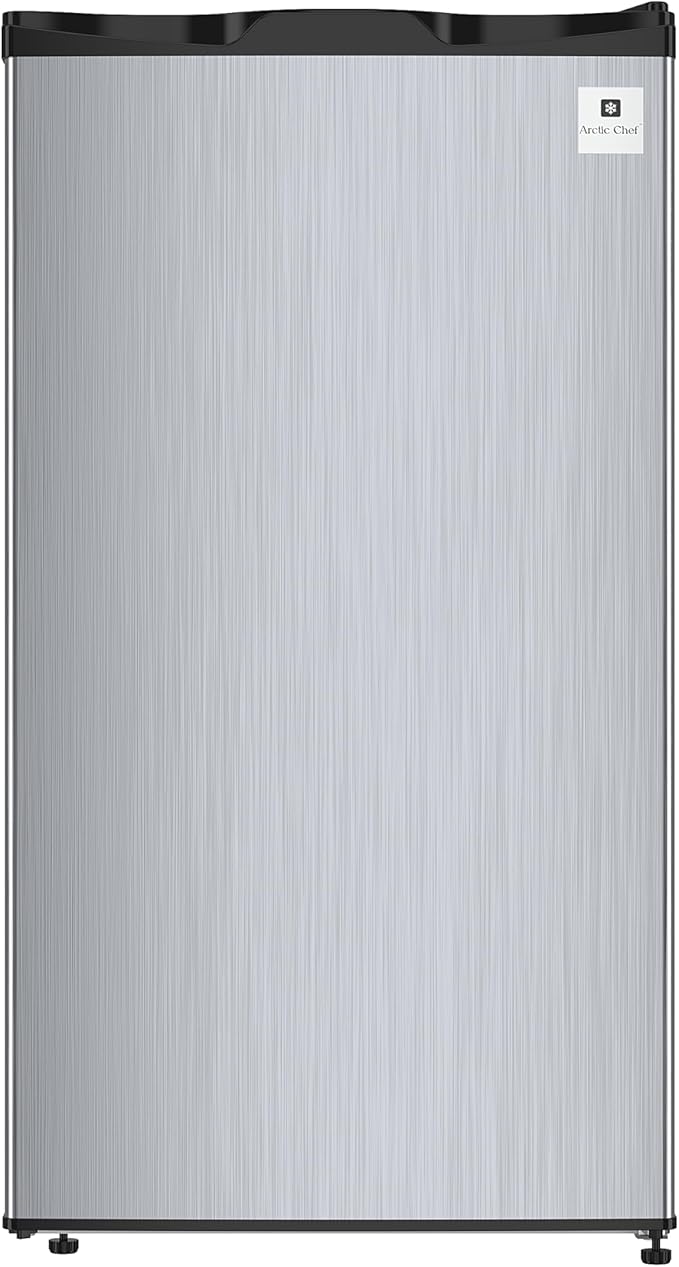
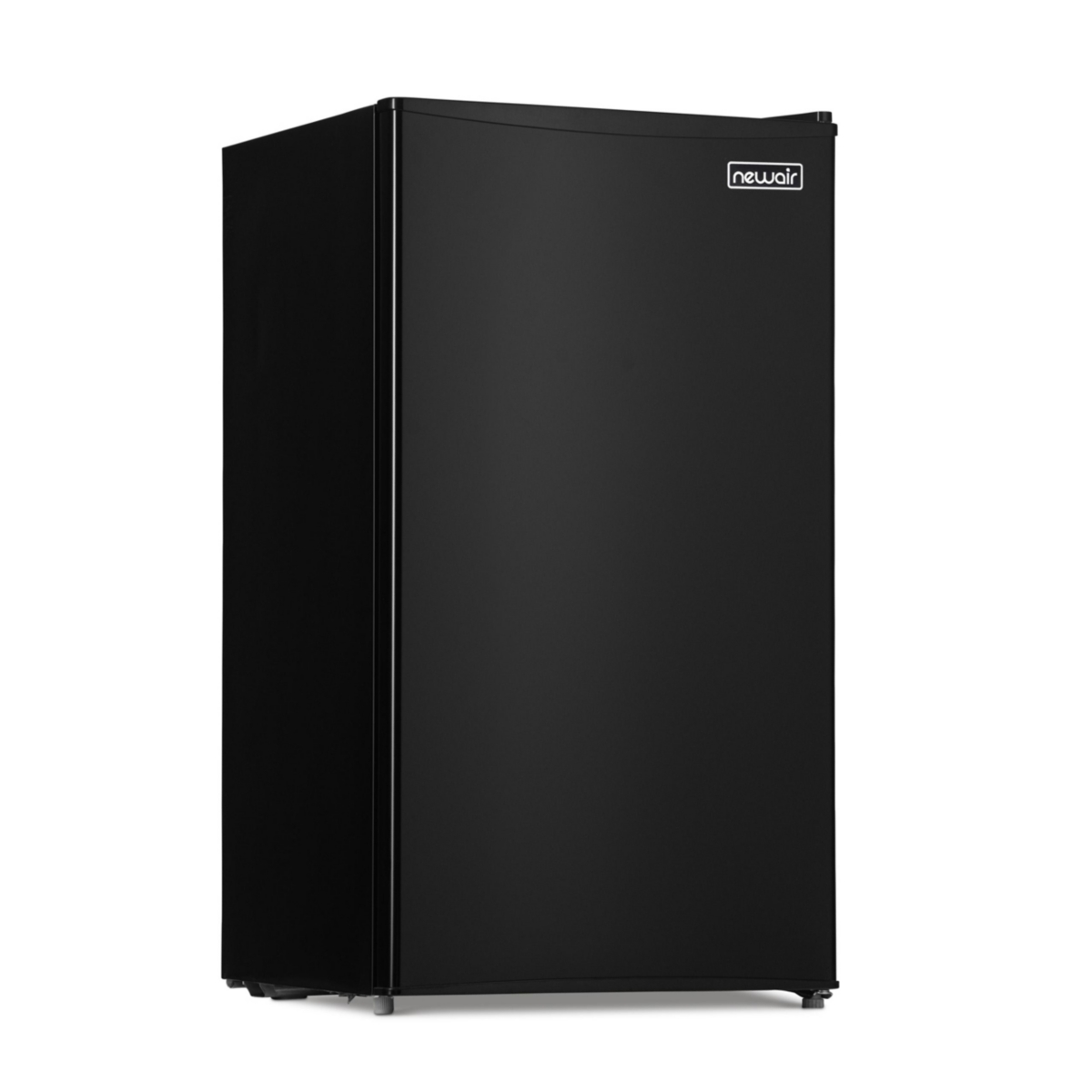
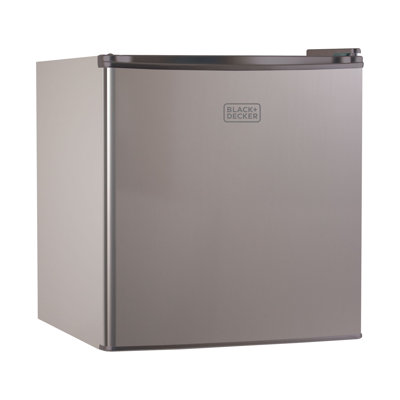
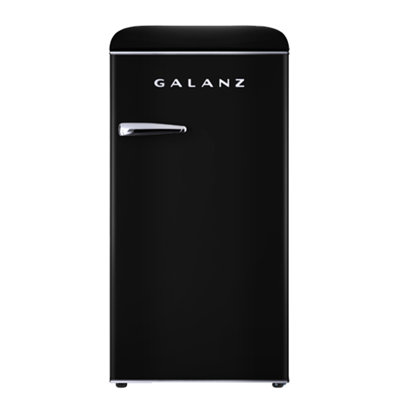
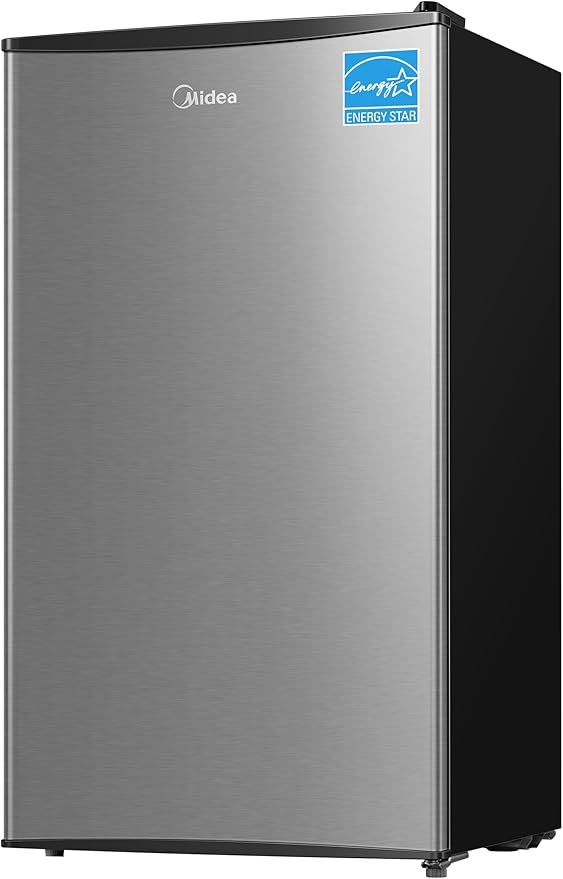
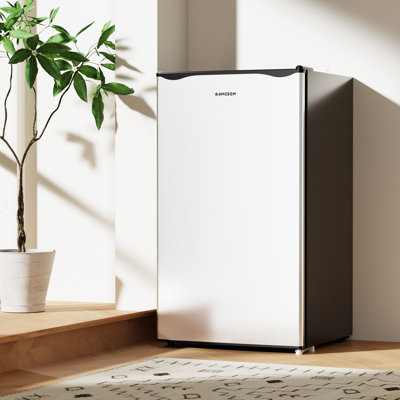
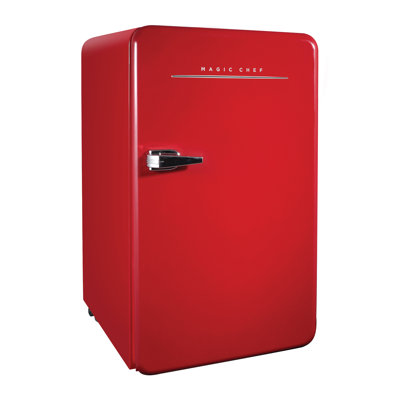
A mini fridge can become part of your décor, especially if it’s in a visible area. Modern stainless-steel, sleek black, or bright retro options can all suit different style goals. Some mini fridges offer reversible doors—ideal if you need to place it in a corner or close to furniture.
Door style and handle
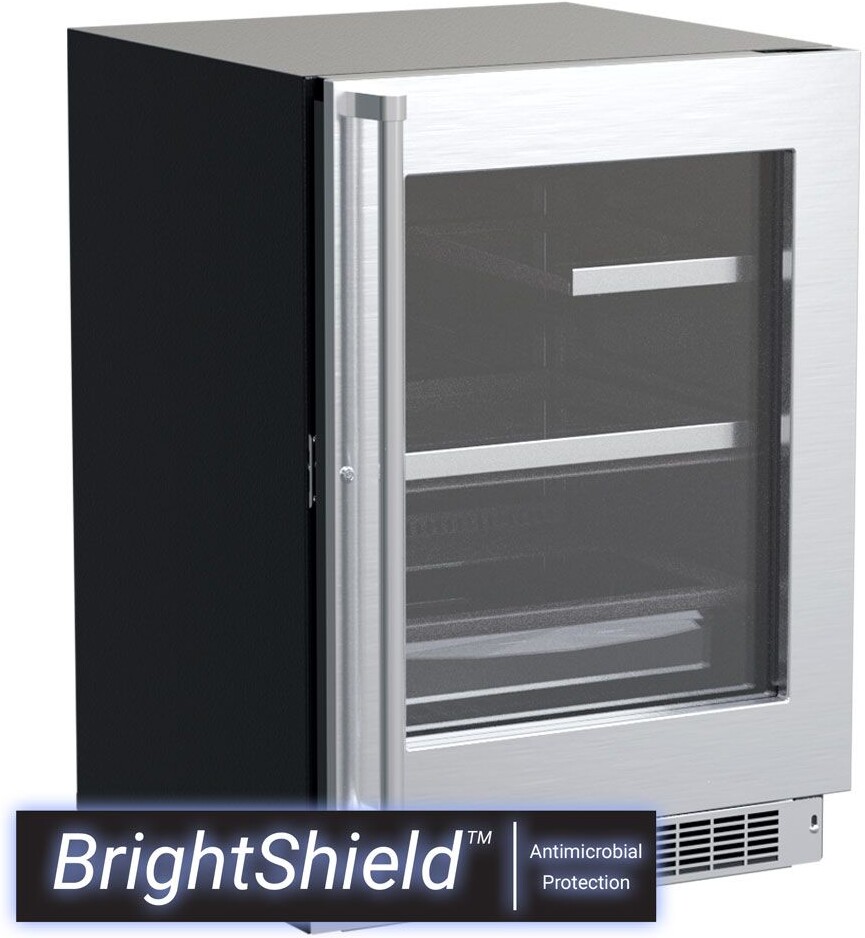
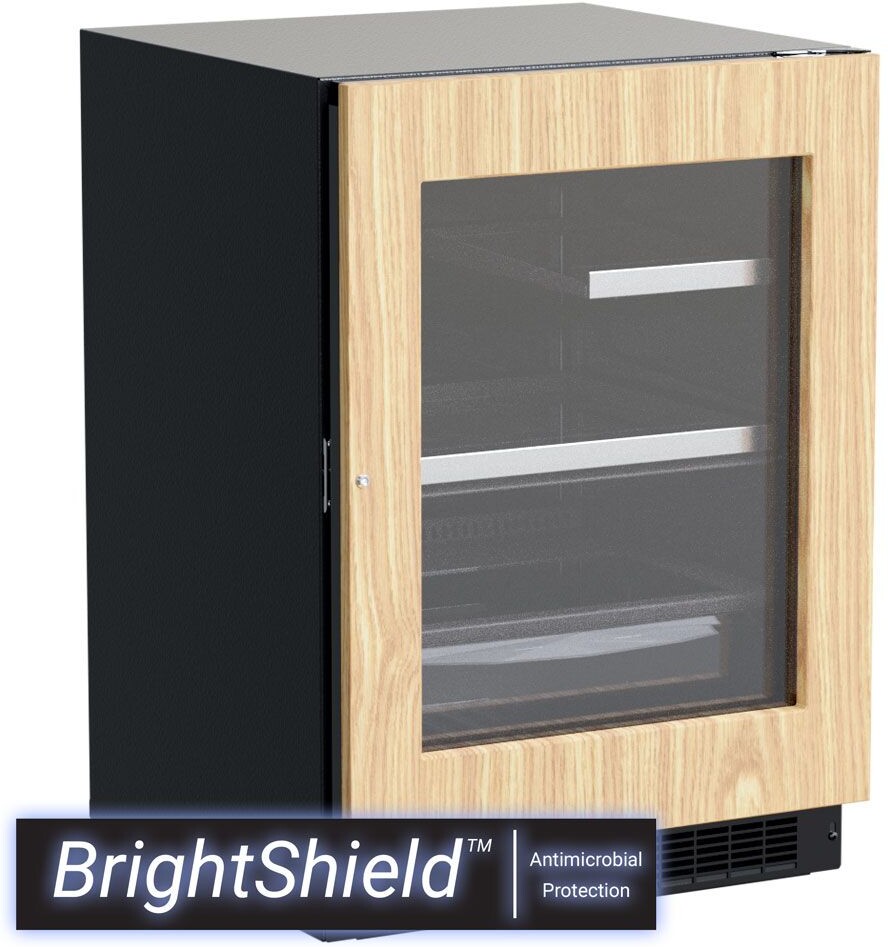
Some models have a recessed handle, while others have a small pull handle that can add some flair. There are also specialized doors with see-through panels, which can look stylish but might slightly reduce insulation. If space is tight, a reversible door gives you more flexibility in your layout.
Power consumption and noise
Since your mini fridge stays plugged in around the clock, you’ll want to check its energy usage and noise level.
Energy ratings
A fridge with an Energy Star rating can save you money in the long run. While you’re at it, you can read about energy ratings for deep freezers if you’re also considering a larger freezer. Mini fridges typically consume less power than a standard fridge, but this can vary based on design and brand.
Reducing noise
Place your mini fridge on a level surface with enough clearance for ventilation. Avoid pushing it flush against a wall or into a tight cabinet. Good airflow prevents overheating, which in turn reduces how often the compressor cycles—and cuts down noise.
Some oversights can shorten your fridge’s lifespan or compromise food safety.
Putting hot food inside immediately
Placing hot leftovers in your mini fridge can quickly raise its internal temperature. Let your food cool briefly on the counter (but not for too long) so your fridge doesn’t work overtime to regulate temperature.
Not defrosting
Many mini fridges have a small freezer compartment that accumulates ice. If you never defrost, the buildup can reduce cool air circulation and permanently damage components. Defrost regularly according to the manufacturer’s guidelines.
Neglecting the drip tray
If your mini fridge includes a freezer section, it likely has a drip tray that collects the moisture. Forgetting to empty or clean it can lead to unpleasant odors or mold. Remove, rinse, and dry the tray every time you notice excess water.
Sometimes a mini fridge is just the beginning. If your household expands or your needs grow beyond the mini fridge’s capacity, consider specialized or secondary units.
Pair with a compact freezer
A standalone compact freezer can store meats, meal preps, and bulk foods without taking much space. If you’re interested, check out shop compact freezers: deals. This combination of a mini fridge plus a separate freezer often provides the best of both worlds for smaller living areas.
Different lifestyles call for specialized storage strategies. A mini fridge can adapt to meet these unique requirements if you know how to optimize the space.
Parents storing baby food
A mini fridge is handy for parents who make homemade purees for their baby. Portion them into sealed containers, label them with the date, and stack them neatly. If you require reliable freezer space, consider purchase top freezer refrigerators: deals. A larger freezer section can keep extra baby food frozen longer.
Meal prepping for all diets
Vegetarian, vegan, low-carb—whatever your dietary needs, a mini fridge can support meal prep. Use stackable containers for breakfasts, lunches, and dinners. If you need more freezer capacity for big-batch cooking, you could buy your small chest freezer today to keep large quantities of soup, casseroles, or pre-portioned food at the ready.
Craft beer enthusiasts
If you love craft beer, storing different brews at the right serving temperature can enhance their taste. A mini fridge can be a great place to keep your personal stash, although serious connoisseurs might prefer a dedicated beer fridge. For deeper insights, check out why should i choose a beer fridge? to learn how dedicated beer fridges help maintain flavor.
Vegetarians and produce
Vegetarians often rely on fresh veggies, so it’s important to maintain stable temperatures. Even if your mini fridge lacks a crisper drawer, you can manage with sealed bins or bags. Keep moisture-sensitive produce away from the back wall where temperatures might dip too low. If you consume a lot of herbs, lettuce, or other delicate greens, you may need to restock more frequently or look into a slightly larger refrigerator.
Beyond everyday use, a mini fridge can help you throw get-togethers without overloading your main refrigerator.
Set up a self-serve drink station
Keep the mini fridge in a common area so guests can help themselves to drinks. If you host large events, consider turning the temperature dial a bit lower to offset the frequent door openings. For gathering-friendly models, browsing the best beverage fridge for a cafeteria can give you a sense of what’s out there for larger crowds.
Keep desserts and treats chilled
Store chilled desserts like cheesecakes or fruit tarts in your mini fridge so they’re ready to serve. If you’re storing homemade banana pudding, you might glance at how long is banana pudding good for in fridge? so everything stays fresh and safe to eat. Just be sure the temperature in your mini fridge stays consistently cold, especially in the small freezer area, if you’re also trying to freeze ice cream or sorbet.
Your mini fridge checklist
Here’s a concise rundown of best practices to help you decide what fits in a mini fridge and how to keep it all organized:
Evaluate capacity:
Choose a size that aligns with your lifestyle, from storing small snacks to full meal preps.
Organize smartly:
Use adjustable shelves, sub-divided bins, and stackable containers to maximize space.
Understand your needs:
Dorms, offices, small apartments, and RVs each demand different features. Identify your top priorities.
Maintain food safety:
Confirm the fridge reaches 40°F (4°C) or below, avoid overcrowding, and clean regularly to prevent odors.
Make it your own:
Customize your mini fridge’s look, and tailor its interior for baby food, craft beer, or fresh produce.
By following these steps, you can turn a compact fridge into an efficient organizer of all your chilled essentials. From leftover pizza to carefully stacked meal-prep containers, a mini fridge can handle much more than meets the eye. The key is to carefully plan capacity, manage temperature, and incorporate smart organization strategies that suit your unique situation. With a little creativity, you’ll soon find that something labeled “mini” can be surprisingly big on convenience and versatility.
From Fridge.com research
Figures below come from data Fridge.com builds and maintains. Each links to the record behind it.
Fridge.com Energy Index, built on U.S. EPA and DOE ENERGY STAR records
Across 1,728 ENERGY STAR certified compact refrigerator models, median use is 246 kWh per year — 11% better than the federal standard.