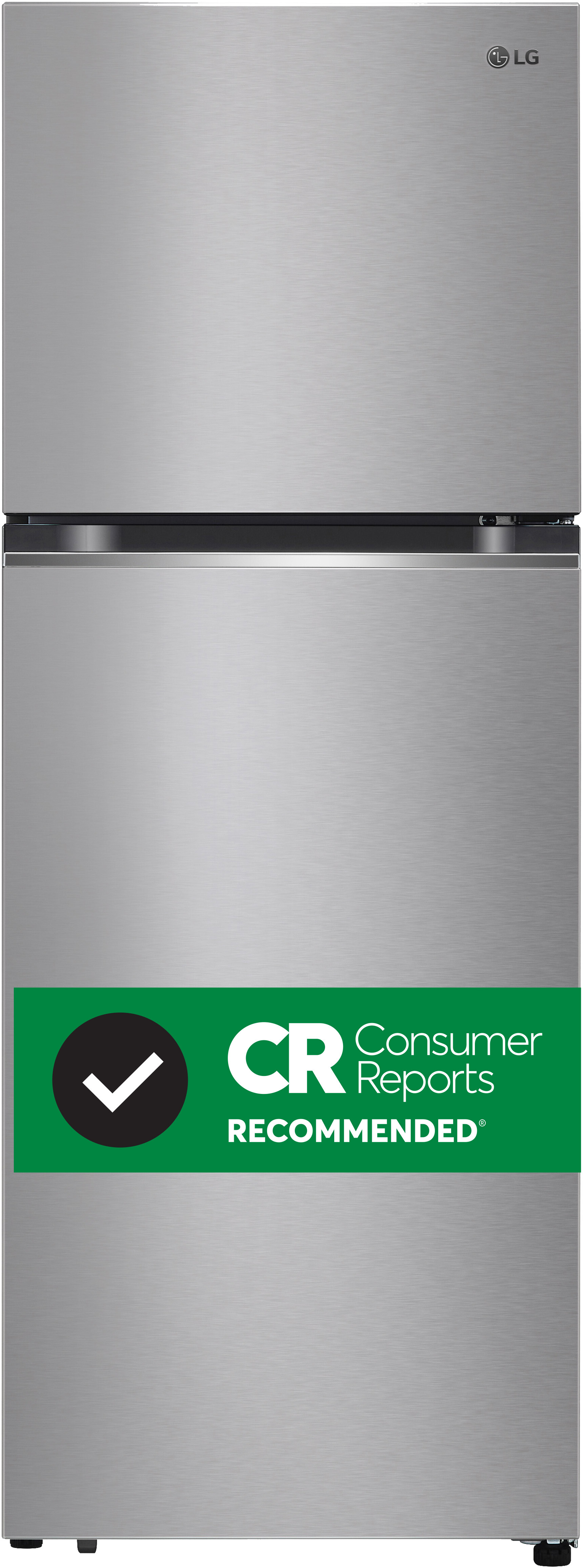
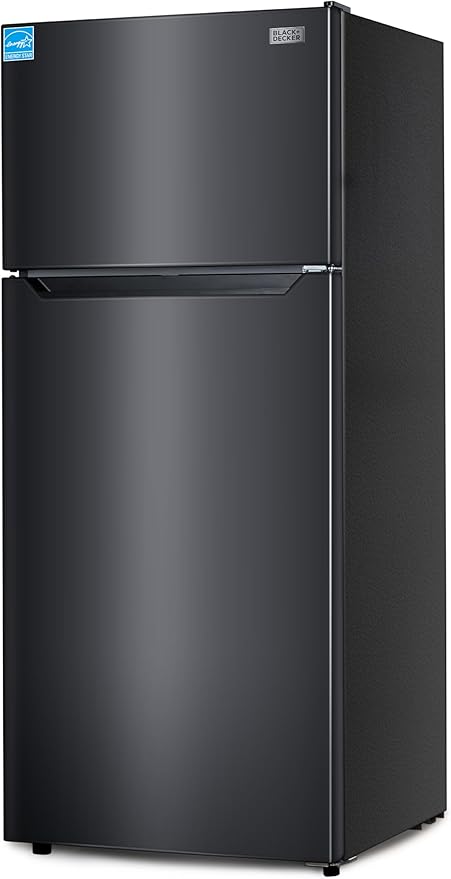
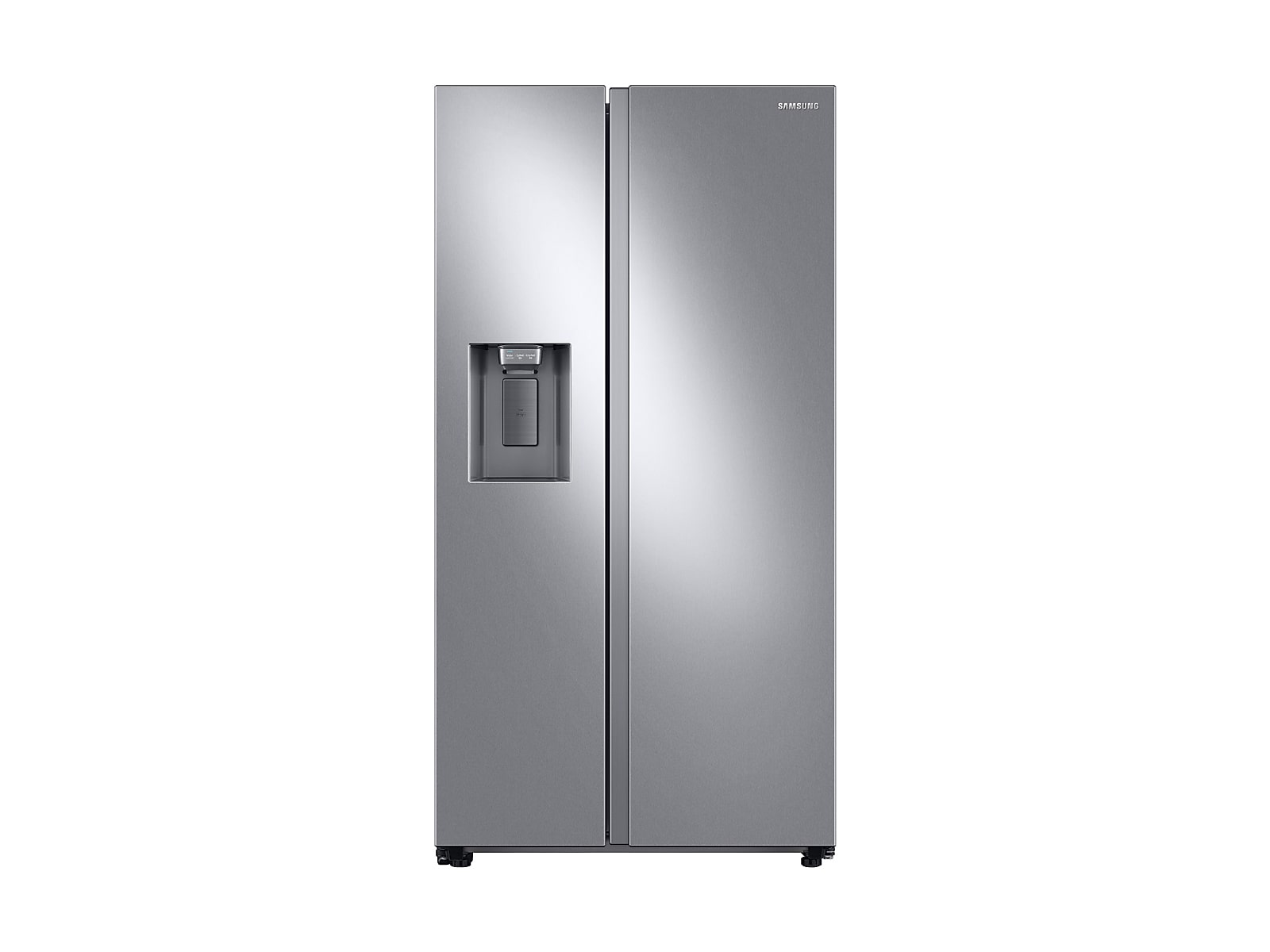
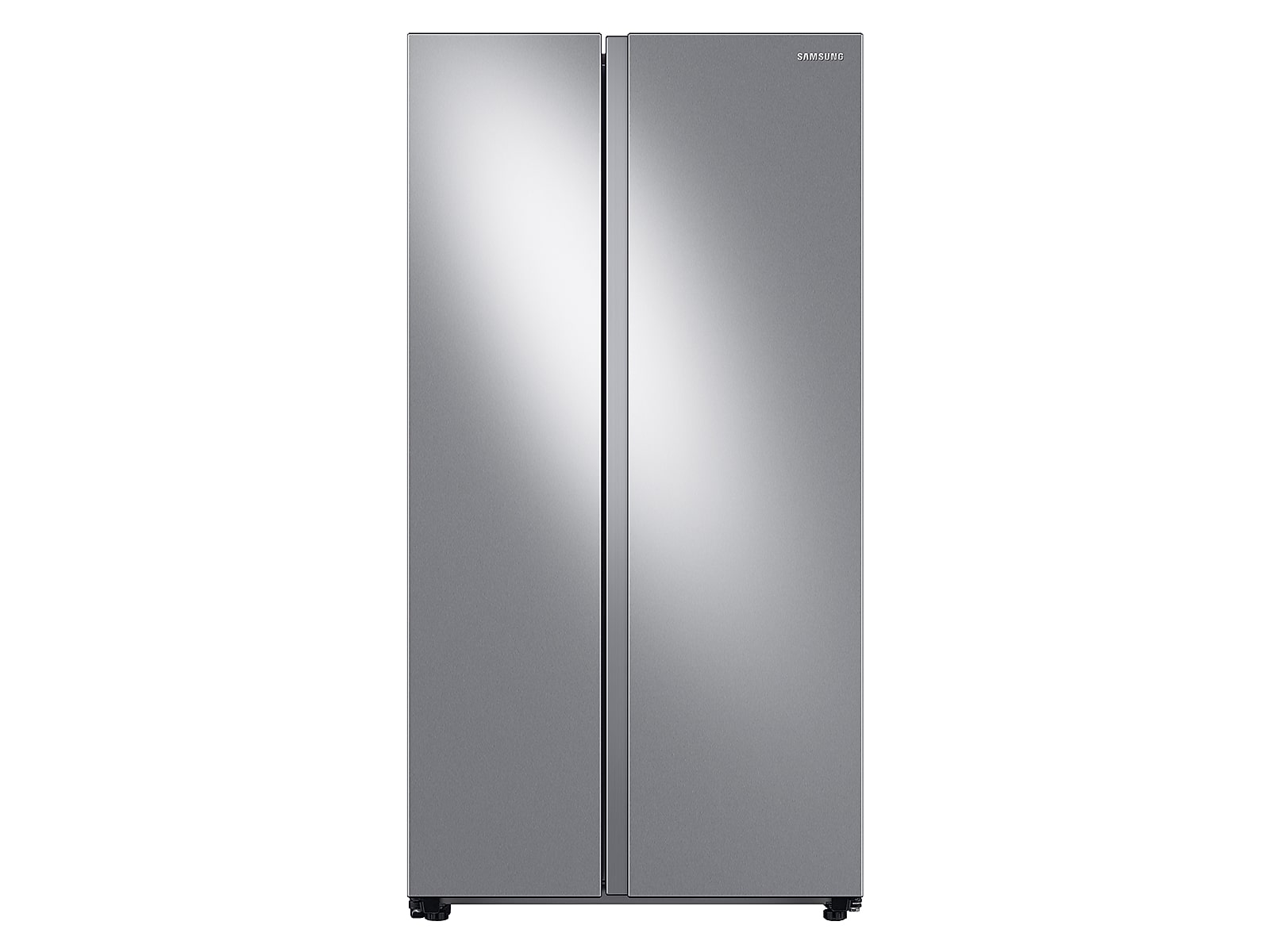
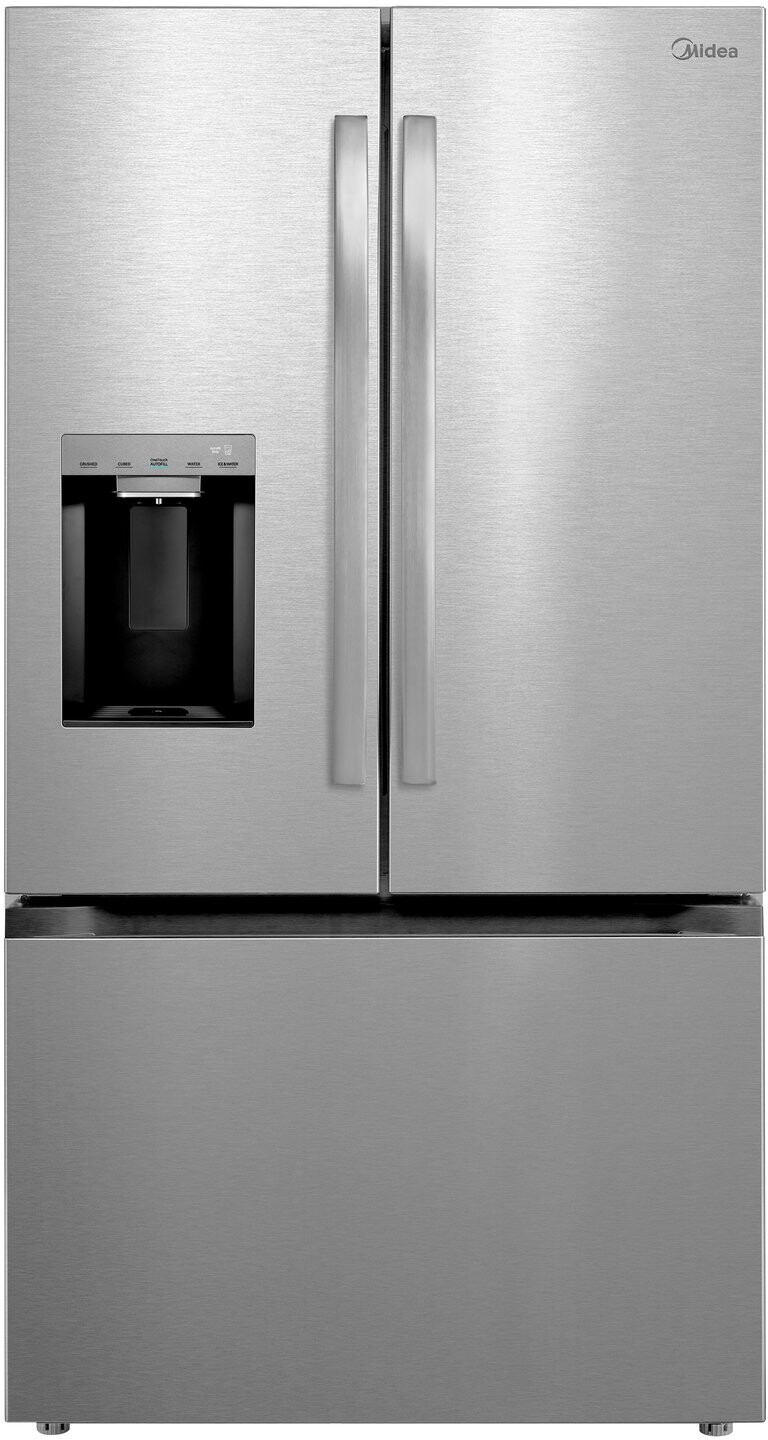
A wine and beer fridge is a compact, convenient way to keep all your favorite beverages in one dedicated space. Whether you entertain friends on weekends, organize family get-togethers, or simply crave the perfect after-work drink, having a chilled bottle of wine or a crisp beer ready to go can transform your at-home experience. You no longer need to rummage through your main fridge, shuffle around leftovers, or worry about temperature fluctuations that affect the quality of your drinks. Instead, you get a carefully designed appliance that focuses on preserving flavor, aroma, and carbonation.
Unlike standard fridges and freezers, a wine and beer fridge gives you precise temperature control, which is particularly important if you enjoy a variety of beverages. Some people assume that only wine connoisseurs benefit from special fridges, but craft beer enthusiasts, meal-prepping parents, and busy office managers also appreciate a dedicated spot for storing drinks at the right temperature. For example, you might prefer your white wines slightly cooler than your beer, and your red wines a bit warmer for optimal taste. In a single unit, you can often customize different temperature zones for each type of beverage.
These specialized fridges also help you stay organized. Instead of mixing wine bottles with soda cans and produce, you can store your beverages methodically, making it easier to locate the perfect pairing for dinner or an evening gathering. Some models come with adjustable shelves to accommodate both larger bottles of champagne and smaller craft beer cans. If you like to experiment with new beer styles or stock up on a collection of red and white wines, a dedicated wine and beer fridge ensures your drinks remain neatly arranged and ready for you whenever you need them.
Understand your usage scenarios
Choosing a wine and beer fridge begins by thinking about how you plan to use it. From bustling home kitchens to compact dorm rooms, these fridges come in a variety of sizes and styles to fit your needs. Understanding your environment and entertaining habits helps you narrow down which size, temperature control features, and design elements align with your lifestyle.
For the home entertainer
If you love hosting dinner parties, game nights, or casual barbecues in your backyard, a wine and beer fridge can be your secret weapon for effortless, sophisticated entertaining. When friends drop by, you can quickly offer them a well-chilled drink without any fuss. You will also appreciate how the fridge keeps your collection organized, letting you highlight seasonal favorites like dark ales in winter or crisp rosés in summer. Plus, it frees up space in your regular kitchen fridge for appetizers, side dishes, and desserts.
For small or shared apartments
If you live in a small apartment or share your fridge space with roommates, having a separate wine and beer fridge opens up valuable room. Instead of competing for limited shelf space in a mini fridge or standard refrigerator, you and your roommates can store everyday food items separately while your beverages chill in a dedicated unit. A compact model with a sleek design can also tuck neatly into a corner or under a counter, enhancing your apartment’s decor.
For offices and commercial spaces
Offices, cafeterias, and commercial kitchens can benefit from a wine and beer fridge to serve employees or patrons who enjoy a premium beverage selection. In these settings, reliability is key, so you may prefer a robust commercial unit that keeps temperature settings stable throughout the day. If you manage an office where employees often relax after a big project, a wine and beer fridge can be a morale booster. It reminds everyone that the workplace appreciates work-life balance, and it offers a convenient perk to discuss over break-time coffee.
For outdoor and garage use
Many individuals install their wine and beer fridge in garages or outdoor kitchens. This setup is fantastic if you host weekend barbecues or tailgate parties in your backyard. However, you should ensure the model you pick can handle varying temperatures. If you anticipate cold winters or sweltering summers, look for fridges specifically designed to withstand these fluctuations without compromising performance.
Before you purchase a wine and beer fridge, it is helpful to understand the features that will make the biggest difference in your day-to-day use. Capacity, temperature zones, design, and noise level are among the most common considerations. Balancing these factors will lead you to a fridge that aligns with your lifestyle, expectations, and budget.
Capacity
Capacity often tops the list of considerations. Think about how many bottles or cans you regularly keep on hand. If you find yourself stocking multiple types of craft beer, plus a rotation of red and white wines, you might need extra shelves or dual-zone capabilities. On the other hand, if you only enjoy the occasional drink, a modest unit will likely do the trick.
Look for adjustable shelves if you buy a variety of bottle sizes.
Estimate how many guests you typically entertain and allow for a little extra storage, just in case.
Bottles vs. cans
Some people prefer wine, others prefer beer, and many like both. If you plan to store mostly wine, check that standard 750ml bottles fit comfortably. Certain wines like champagne or prosecco often come in taller, wider bottles, so ensure your fridge can accommodate that extra width. Beer cans are generally easier to stack, but you want to avoid crushing them. A fridge with a dedicated rack or side shelf for cans helps keep everything in place.
Temperature settings
Proper temperature control significantly affects flavor. Beer should generally stay between 35 and 45°F (1.7 and 7.2°C), depending on the style. Lighter beers might be best at the lower end of that range, while more robust ales can sit a little warmer. White wine typically shows its best flavors at around 45 to 50°F (7.2 to 10°C), while red wine is closer to 55 to 65°F (12.8 to 18.3°C). Sparkling wines and champagne can go as low as the high 30s. Dual-zone fridges let you assign different temperatures to separate areas, so you can store your whites alongside your beer without compromising either beverage’s flavor.
Installation and design
Wine and beer fridges come in two main installation styles: freestanding and built-in. Freestanding fridges stand alone and typically disperse heat through the back or sides of the unit, making them ill-suited for tight cabinets or under-counter spaces without ventilation. Built-in models direct heat out through the front, letting you seamlessly slot them into cabinetry without risking overheating.
Freestanding:
Often less expensive.
Easy to move if you relocate or want to rearrange furniture.
Need extra clearance around the sides.
Built-in:
Ideal for a sleek, custom look in kitchens or commercial bars.
Require upfront planning during renovation or design.
May cost more due to specialized ventilation requirements.
Noise and vibration
Most modern wine and beer fridges operate quietly. However, if you intend to place your fridge in a bedroom, studio apartment, or other noise-sensitive location, you may want to pay extra attention to the decibel rating. Strong vibrations can disturb sediment in wine over time, so look for technology that minimizes shaking if you store fine vintages. If you are only storing beer and casual table wine, it might not be as big of a concern.
Setting up your wine and beer fridge
Once you have chosen the right model, proper setup goes a long way toward long-term satisfaction. Many fridges include free-standing racks or shelves that arrive separately. Taking the time to reconfigure them for your exact beverage mix will help you make the most of your new fridge.
Placement and ventilation
Look for a spot with a stable temperature. Direct sunlight and heat sources, such as ovens or radiators, can force your fridge’s cooling system to work harder. This may result in higher energy costs and less efficient overall operation. Situate the unit a few inches away from walls or cabinets if it is a freestanding design. For a built-in, confirm the measurements fit precisely, allowing the ventilation system to function correctly without blocking airflow.
Organizing your fridge
Your wine and beer fridge layout matters more than you might think. Keeping everything easy to see and accessible will encourage you to use the fridge regularly. For instance:
Group similar beverages together. You might reserve one shelf for craft beers, another for everyday lagers, and a separate spot for white wines.
If you have a dual-zone unit, you can place red wines in the warmer zone and your beers in the cooler one.
Use labels or colored bottle stoppers to identify different types of wine if you stock multiple varieties.
Simple organizational strategies make it easier to see what you have on hand. Whether it is a large dinner party or an informal weekend hangout, you will quickly find what you need without standing in front of the open fridge door for too long.
Lighting considerations
Some wine and beer fridges come with interior lighting. LED lights are a popular choice because they emit minimal heat and can illuminate your collection beautifully. A soft glow can help you read labels without generating unnecessary warmth in the fridge. It also adds a stylish touch when you have guests over, giving you a chance to showcase special bottles you might be saving for a memorable occasion.
Maintaining your fridge
With a bit of regular care, your wine and beer fridge can stay in top condition for years. Cleaning the fridge periodically, checking for temperature fluctuations, and caring for the door seals are essential steps to keep your beverages in ideal shape.
Routine cleaning steps
Wipe down the interior walls and racks with a mild detergent or warm soapy water. Avoid strong chemical cleaners that may leave a lingering smell affecting your drinks. Dry all surfaces thoroughly to prevent moisture buildup. If your fridge has a drain pan or reservoir in the back, empty it to avoid mold or mildew.
Dust the coils or vents at least twice a year for peak efficiency.
Double-check that the door seals are free of dirt so the fridge does not have to overwork.
Common troubleshooting
If you notice unusual noise or your drinks are not as cold as you expect, check for any obstructions in the vent or around the condenser coils. Make sure the fridge door is closing properly and the seal is intact. If your temperature gauge shows inconsistent readings, it may be time to adjust the thermostat or have a technician verify the cooling components. For additional guidance, you can explore resources like why should i choose a beer fridge? to understand the differences and upkeep tips specifically related to beer cooling.
Choosing a wine and beer fridge is often just the beginning. You might also find yourself expanding your beverage selection, exploring new storage options, or integrating your fridge into a larger remodeling project. It helps to have a backup plan or additional fridges and freezers if your beverage hobby grows.
If you mostly store wine
If wine is your true passion, you can certainly opt for a dedicated wine fridge. These often include specialized racks, UV-protective glass doors, and anti-vibration systems that preserve your wines’ delicate flavor profiles. You will also see advanced humidity control in some high-end models, especially important for long-term storage of expensive bottles. For ideas on specialized wine storage options, you can head over to wine coolers under 2000 or consider deals at wine fridge coupons.
If you mostly store beer
Beer lovers might decide they want an entire fridge dedicated to their favorite brews, especially if you frequently host large gatherings or store multiple kegs. Kegerator owners often want extra space to accommodate variety packs of cans or crowlers from local breweries. If you are curious about how a standard drink fridge compares to one tailored for ales and lagers, take a look at drink fridge vs. wine fridge. It offers insights into differences in cooling, shelf design, and overall cost.
Saving space and money
A wine and beer fridge does not necessarily cost a fortune. Many brands offer entry-level models that are perfectly adequate for casual beverage storage. If you wait for holidays or clearance sales, you might find special discounts, rebates, or packages that include free accessories. If you are close to making a purchase, it is worth keeping an eye out for seasonal deals or coupons, and you can even browse promotions like buy your wine fridge today if you are in the market right now.
Integrating it with other appliances
You might also want to think about how your wine and beer fridge fits into the overall layout of your kitchen, home bar, or workspace. Many people pair these fridges with a premium coffee machine or a matching beverage center for soft drinks. By planning your cabinetry and countertop space thoughtfully, you can create a seamless, professional feel without crowding your home. If you are working with limited space, you could investigate 24 wide refrigerator styles or other compact units that complement your main appliances.
Beyond simply owning a wine and beer fridge, getting the maximum enjoyment out of different beverages depends on how you position and manage them inside.
Shelving strategies
Adjust your racks so taller bottles of prosecco or champagne do not graze the top.
Label your shelves “everyday beer,” “specialty beer,” “white wine,” or “red wine.”
Use see-through bins or baskets to corral smaller items like individually wrapped cheeses or mini soda cans if you occasionally mix in non-alcoholic drinks.
Storing craft beer, domestic beer, and ciders
Craft beer often comes in 16-ounce cans or 22-ounce bomber bottles. Make sure you leave enough headroom for those taller bottles. Most domestic beers come in 12-ounce cans or bottles, which are easy to arrange in neat rows or stacks. Ciders typically fare well at roughly the same temperature as lighter beers, so consider placing them on the same shelf if you enjoy having a variety of refreshing options.
Storing red, white, and sparkling wines
If your fridge has two zones, you might keep reds slightly warmer in the upper zone, while whites and sparkling wines are stored in the cooler lower zone. Sparkling wines generally hold their bubbles and flavors better at colder temperatures. If you do not have a dual-zone model, you can still position your whites and sparkling wines near the cooling vent while keeping your reds on the other side.
Your electricity costs will depend on the size of your fridge, how frequently you open the door, and the ambient temperature around it. Modern wine and beer fridges often feature energy-saving compressors or eco-friendly refrigerants that keep your carbon footprint manageable. Look for models with an Energy Star certification if available. While these fridges do add a slight increase to your electricity bill, the personalized convenience and beverage preservation often make it worthwhile for enthusiasts.
In commercial kitchens or restaurants, a wine and beer fridge can also help reduce waste by preventing spoilage and ensuring the highest quality taste for customers. If your patrons know they will always receive a perfectly chilled drink, they may be more likely to return. The same logic applies to offices, where happy employees appreciate having beverages readily available.
Common mistakes to avoid
A wine and beer fridge can be a significant investment, so it helps to know where people typically go wrong.
Putting it in direct sunlight: UV rays can degrade your drinks over time, not to mention your fridge will have to work overtime to maintain correct temperatures.
Overloading the fridge: Exceeding capacity can restrict airflow, leading to uneven cooling, and it also increases the risk of bottles falling out when you open the door.
Ignoring the temperature range: Storing beverages outside of their ideal range can dull flavors or prematurely age your wine.
Skimping on cleaning: Buildup and dust can impact efficiency and lead to off-odors if you let them go too long.
Avoiding these pitfalls is relatively simple, but it requires awareness. By selecting a suitable location, sticking to capacity guidelines, monitoring temperature, and doing basic maintenance, you can enjoy your wine and beer fridge for a long time.
If you would like to learn more about different fridge styles, you can browse highlights like best beverage fridge for a cafeteria or best beverage fridge for a restaurant kitchen. These resources provide ideas for larger-scale or commercial-focused models that might also work well in a home setting if you frequently host big events.
If you are someone who enjoys integrating new dietary trends or meal-prepping strategies, you might want to explore how your wine and beer fridge pairs with your broader kitchen routine. Food-savvy folks who appreciate fresh produce, artisanal cheeses, or homemade sauces might find that adjusting the temperature zones to store these items occasionally can come in handy. However, keep in mind that robust fridge usage for foods with strong odors may clash with delicate wine aromas, so you will want to avoid spillage and maintain odor control if you store any other items.
Final thoughts
A wine and beer fridge is more than a luxury item. For many people, it becomes a key element of day-to-day convenience, taste preservation, and fun. If you regularly entertain or simply love having a varied selection of beverages at your fingertips, this fridge can help you stay organized and serve drinks at their best possible temperature.
By considering factors such as capacity, temperature zones, design, and energy efficiency, you will end up with a fridge that perfectly suits your lifestyle. If you prefer a more specialized approach, there are also fridges for just wine or just beer. But if you want a one-stop solution for everything from craft ales to fine wines, nothing beats a dedicated wine and beer fridge.
Ready to take the next step? Explore available models, examine their features carefully, and check out offers like wine fridge coupons to see if you can score a deal. Once installed, you will likely wonder how you ever lived without the convenience of reaching in for a perfectly chilled drink whenever the occasion—or craving—arises. Cheers to a more enjoyable beverage experience, all at the perfect sip-ready temperature.
From Fridge.com research
Figures below come from data Fridge.com builds and maintains. Each links to the record behind it.
Fridge.com Energy Index, built on U.S. EPA and DOE ENERGY STAR records
Across 5,455 ENERGY STAR certified refrigerators and freezers from 263 brands, median use is 360 kWh per year.