If you find you’re setting the thermostat significantly colder than 0°F, you might be using extra power without improving food quality.
Below, you’ll discover what makes energy ratings so important, how they’re determined, and the changes you can make to ensure your deep freezer runs at its very best.
Some countries have star-based rating systems (for example, a 5-star rating is typically more efficient than a 3-star).
Energy ratings for deep freezers directly impact your energy bills at home and in professional kitchens. When you shop for a new deep freezer, you’ll notice a label listing estimated annual energy consumption, helping you decide how efficiently a particular model operates. Because running a deep freezer 24/7 is no small matter, understanding energy ratings can save you money and prolong the life of your appliance. The best part is that you don’t need to sacrifice performance. With a good energy rating, you’ll get consistent freezing power without spending a small fortune each month.
Below, you’ll discover what makes energy ratings so important, how they’re determined, and the changes you can make to ensure your deep freezer runs at its very best. Whether you’re a chef seeking maximum storage for weekly meal prep, a parent storing homemade baby food, or a commercial kitchen manager needing reliable performance, these insights will help you choose more confidently.
Explore energy ratings
Energy labels for deep freezers, sometimes referred to as EnergyGuide labels or star ratings, are designed to give you a quick way to compare one freezer’s estimated electricity usage to another. Although each region may have its own labeling system, their goal is to highlight performance, efficiency, and potential operating costs.
How energy labels work
These labels are usually found on the freezer door or packaging. They list:
Estimated yearly electricity use (in kilowatt-hours, kWh).
Projected annual cost based on an average electricity rate.
Comparisons to similar models in the same capacity range.
You might see words such as “average consumption” or “estimated yearly energy cost.” This detail helps you compare freezers across different brands and styles. Because the labels are standardized, you can quickly evaluate which models rank better in energy efficiency.
If you plan to store items for special diets or just want to keep produce fresh longer, choosing a model with a favorable energy rating can be a big relief on your monthly bills. You’ll keep your deep freezer stocked while knowing you’re optimizing energy usage.
Different rating systems
Some countries have star-based rating systems (for example, a 5-star rating is typically more efficient than a 3-star). Others simply list the annual kWh usage with a bar graph indicating how a freezer compares to a baseline or average model. The principles behind these systems are similar, helping you gauge:
Power consumption efficiency.
Technology improvements (like better insulation or more efficient compressors).
Operating costs, based on general electricity rates.
No matter which labeling format appears where you live, you can trust that the lower the stated energy consumption, the more you’ll typically save each year. Also, keep an eye out for any special certifications, as they often denote above-average performance in strict efficiency tests.
Focus on freezer design
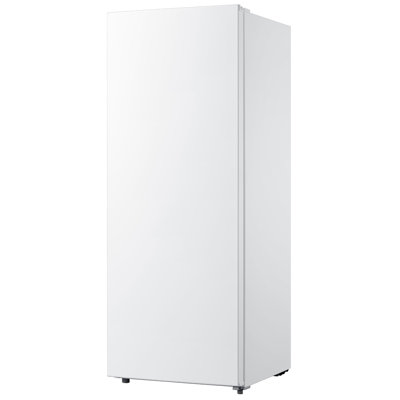
Design plays a big role in how efficiently your deep freezer uses electricity. You’ll often see two main categories: chest freezers and upright (or vertical) freezers. Each has benefits, but also some differences in how they handle power usage.
Chest vs. upright
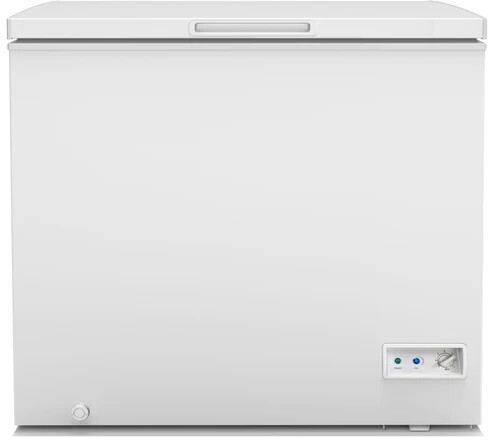
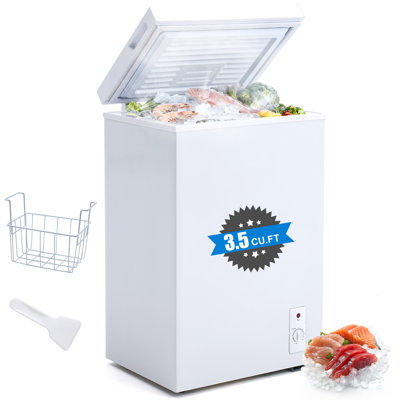
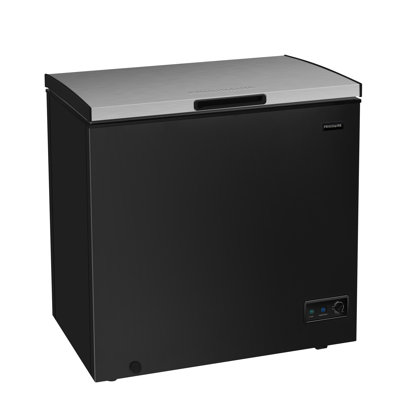
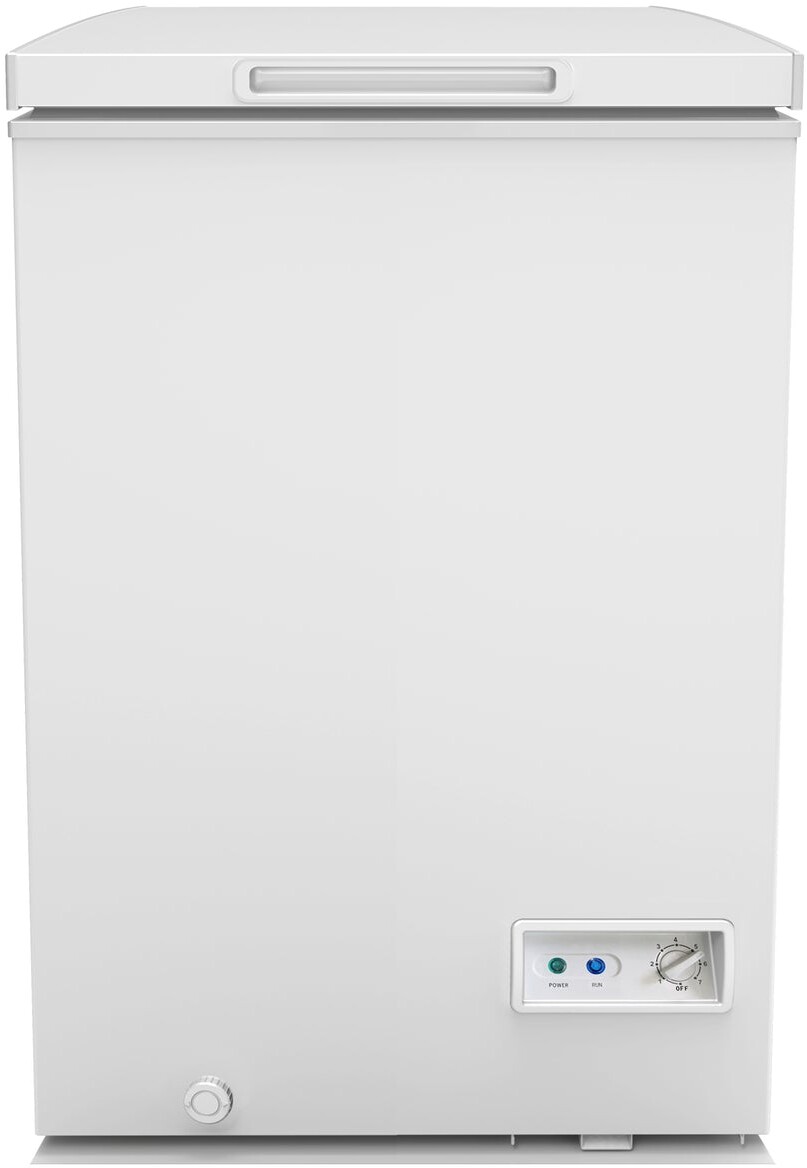
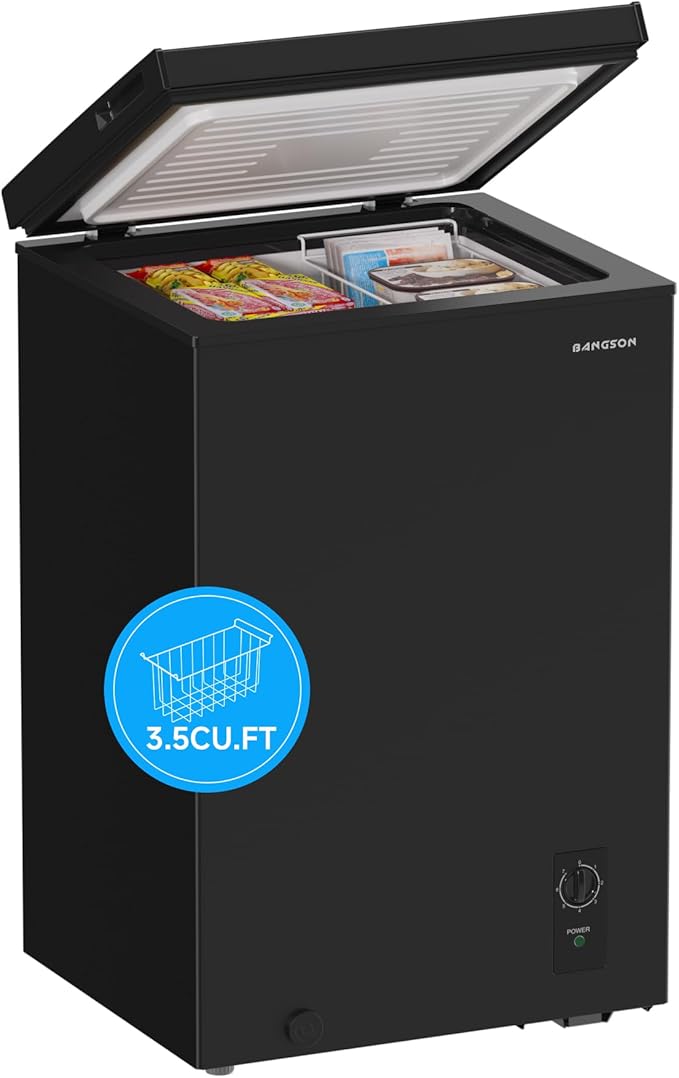
Chest freezers are generally known for their strong insulation and airtight seals. Because cold air naturally sinks, opening a chest freezer doesn’t let as much cold air escape. That translates into less compressor work to regain optimal temperatures. A chest freezer often boasts:
Typically lower energy consumption than upright models of similar size.
More consistent internal temperature due to top-opening lids and thick side insulation.
Fewer temperature fluctuations overall.
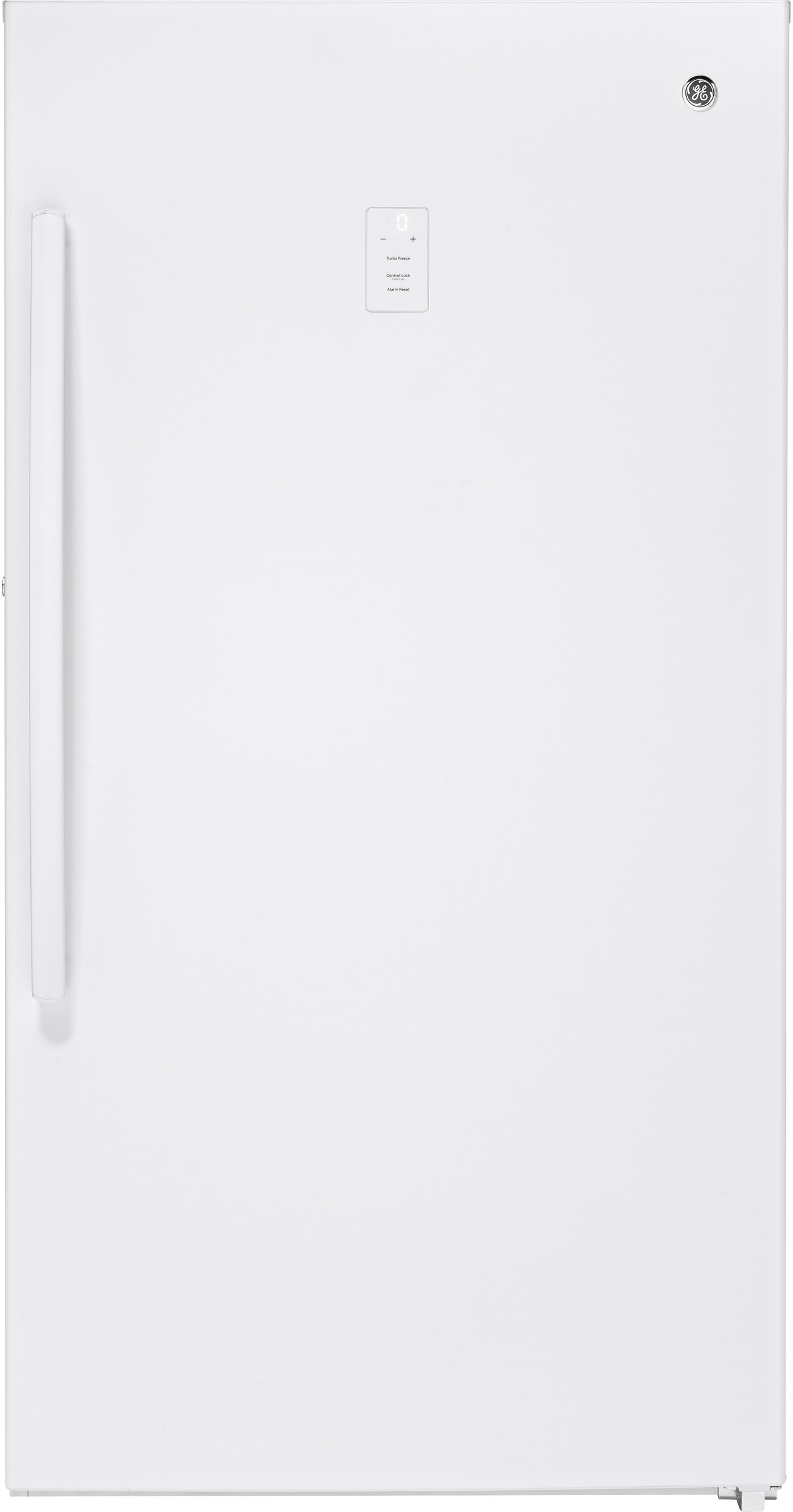
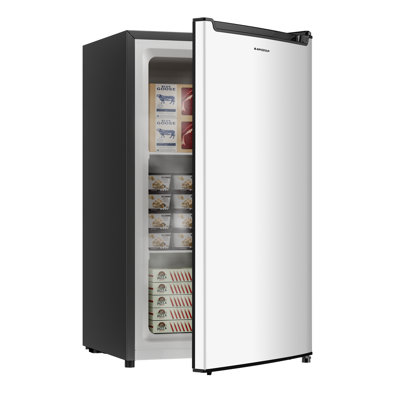
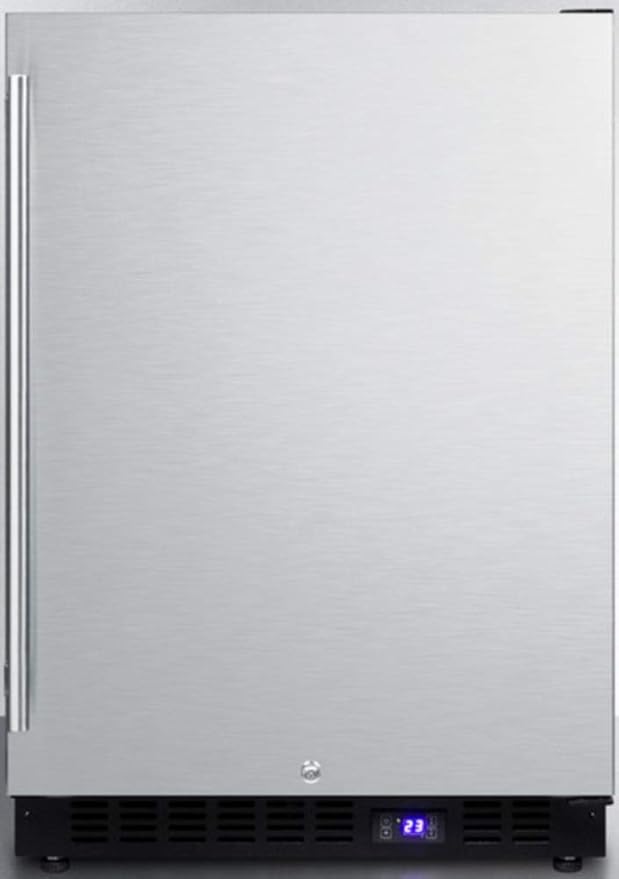
Upright freezers, on the other hand, offer quick access and adjustable shelving, but they can lose more cold air each time you open the door. Their insulation can also differ from that of chest freezers. Still, many upright models now feature highly efficient compressors, so you might find uprights with competitive energy ratings if you need the added convenience.
Manual vs. frost-free
Some deep freezers use manual defrost, meaning you’ll occasionally need to empty them and remove ice buildup by hand. Others are frost-free, which automatically cycle the freezer temperature to melt away frost. Frost-free freezers are convenient, but the defrost cycles consume more electricity in the process. Manual defrost freezers:
Typically have lower energy requirements.
Require periodic thawing, which can be a bit of work but helps maintain high efficiency.
Frost-free freezers sometimes use fans to circulate cold air and reduce ice buildup. This can maintain a more even temperature, but it may raise your energy consumption slightly. If you plan to open the freezer often or you want the easiest maintenance, a frost-free option might be right. Otherwise, a manual defrost model is great for saving on energy costs if you don’t mind occasional upkeep.
The size of your freezer determines how much it costs to operate. A larger capacity freezer holds more food but also needs more power to keep every inch cold. On the other hand, a freezer that’s too small can waste energy if you have to cram it full or even purchase a second unit for extra storage.
Household needs
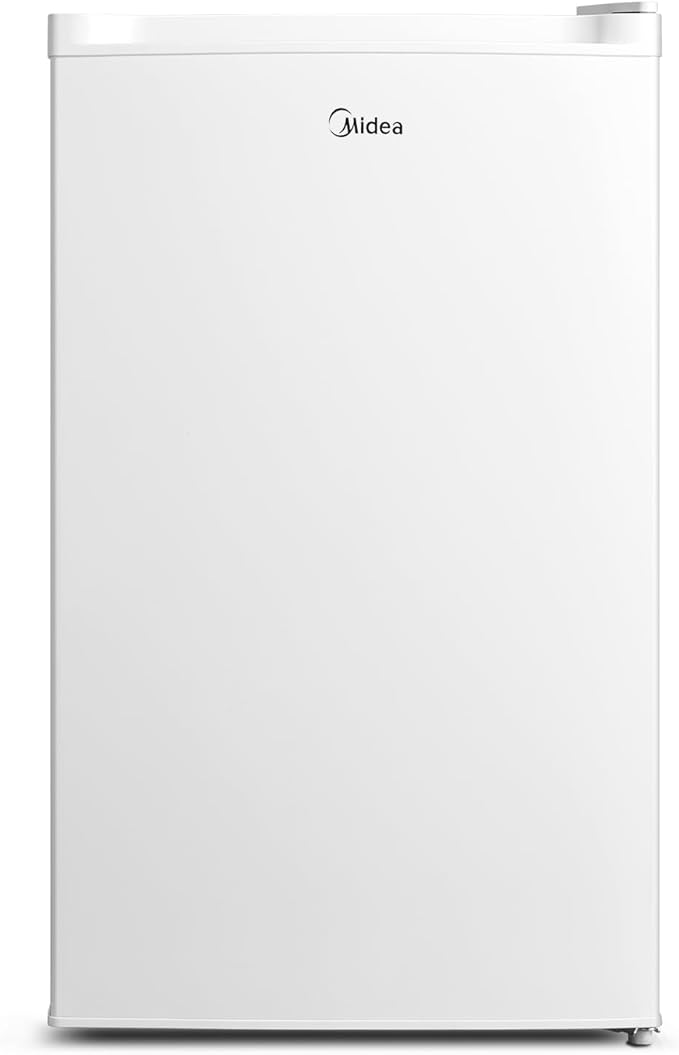
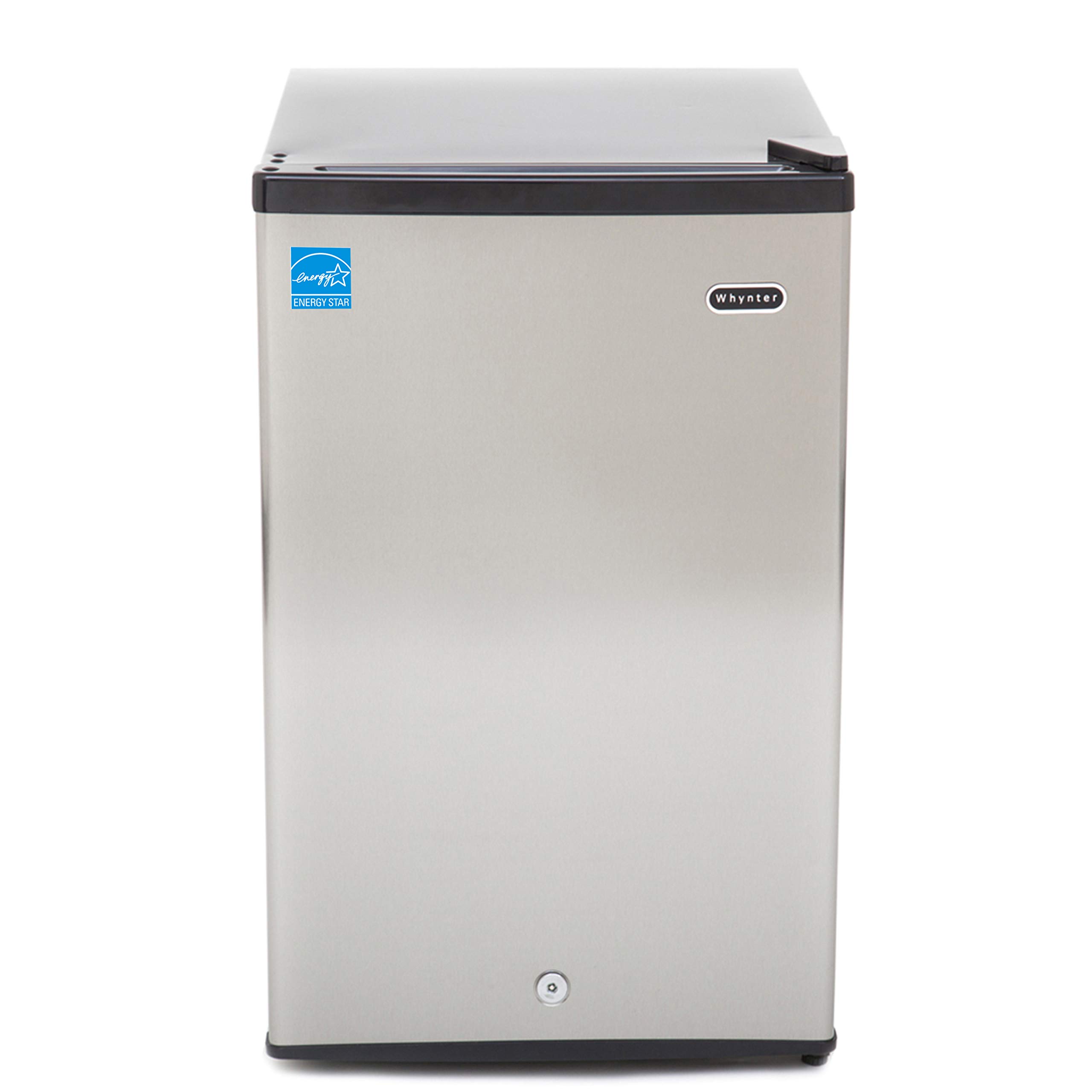
If you’re meal-prepping for your family, a modestly sized chest freezer might suffice. You don’t want empty space going unused, because the freezer works to chill the entire interior. By matching the capacity to the volume of food you typically store, you minimize wasted energy.
Before deciding on size, consider:
How many meals or frozen items you store weekly.
Whether you buy in bulk (like big cuts of meat or large numbers of frozen veggies).
The frequency of your cooking routine (daily cooking vs. weekly meal prep).
The capacity of your existing freezer space in your primary refrigerator.
If you need something smaller, you could check out buy your small chest freezer today to see potential deals on compact, energy-friendly models.
Commercial or large family needs
For cafeterias, commercial kitchens, or larger families, a bigger deep freezer might be more practical. Choosing a commercial-grade model often means a higher capacity designed to handle repeated door openings and heavier use. However, these models might not always carry the same energy efficiency standards as consumer freezers, so read the label carefully.
If you maintain a specialized diet (for instance, you want to freeze large batches of meal components), you might explore high-capacity freezers that specifically mention better temperature management and insulation. For instance, restaurants or commercial kitchens sometimes invest in freezers with advanced compressor systems to keep temperatures stable when opening the door many times a day.
If a freezer lacks proper insulation, or if the door seal is leaky, even the best compressor won’t keep your energy consumption low. Insulation helps maintain steady temperatures, so the freeze cycle runs shorter and uses less power. Meanwhile, well-functioning gaskets (the rubber or plastic seal around the door) help lock in that cold air.
Look for thick walls: The more insulating material is present, the less energy the freezer needs for cooling.
Inspect door gaskets: A tight seal prevents cold air from seeping out and warm air from creeping in.
Do the dollar-bill test: Close a dollar bill (or piece of paper) in the lid or door. If it slides out easily, the seal may need replacement.
Check the label or product specs. Some manufacturers highlight advanced insulation or specialized sealing technologies that elevate efficiency. In the end, you’re still paying for every watt of power. When the insulation is top-notch, you’ll run the freezer’s compressor less often, keeping bills in check.
Even if a deep freezer has an excellent energy rating, the way you use it day to day can have a big effect on power consumption. Simple habits like how often you open the lid and how you organize the contents contribute to overall efficiency.
Limit door openings: Each time you open the freezer, warm air rushes in. If you label and organize items, you’ll grab what you need faster.
Cool items before freezing: Storing hot or warm dishes raises the freezer’s temperature, forcing the compressor to work overtime. Let foods cool to room temperature before placing them inside.
Keep it full, but not overloaded: A moderately packed freezer retains cold temperatures better. However, overstuffing can restrict air circulation.
If you’re setting up a deep freezer in your garage, know that external temperatures might shift dramatically, affecting power use. A garage can get quite hot in summer and cold in winter. For special tips on how to handle that environment—and to see if a garage-ready model might be right for you—check out purchase garage freezers: deals.
Maintain for peak performance
Regular maintenance helps keep your deep freezer’s energy consumption in check. Simple tasks, done on a schedule, will protect both the mechanical parts and the stored food.
Defrost when necessary
On manual defrost models, accumulated ice can create a layer of insulation that forces the freezer to run harder. A thick layer of frost also reduces interior space. You may notice items stacked too close to frost build-up, reducing airflow. Defrost every few months—or whenever the ice layer reaches around a quarter-inch thickness. Follow the manufacturer’s instructions, and remove all food before you begin. Be sure to:
Unplug the freezer and place towels to catch melting water.
Gently remove ice with a plastic scraper.
Clean and dry the interior thoroughly before plugging it back in.
Clean coils and vents
The compressor works by circulating refrigerant that releases heat through coils. Dust and debris can build up on coil surfaces, reducing airflow. This buildup makes the compressor run longer to achieve the same internal temperature. A quick coil cleaning every few months often leads to:
Fewer mechanical issues.
Reduced strain on the compressor.
More stable freezing temperatures.
If you notice your freezer making loud humming noises or running continuously, dirty coils could be one culprit. Carefully unplug the freezer, locate the coils—often behind or beneath the unit—and remove dust using a vacuum or soft brush.
Check temperature settings
A key element of energy ratings for deep freezers is how well they maintain an optimal temperature. The recommended range is typically 0°F or lower. If you find you’re setting the thermostat significantly colder than 0°F, you might be using extra power without improving food quality. If in doubt about temperature adjustments, read more at the right temperature for your freezer
Energy labels tell only part of the story. Features like fast-freeze settings, external digital displays, or specialty compartments are fantastic conveniences, but they can affect energy consumption. Also pay attention to the freezer’s noise level, ease of cleaning, and door/lid design.
Fast-freeze or “quick freeze” mode: Useful if you’re adding a large batch of fresh food. The freezer temporarily drops to a colder interior temperature to rapidly freeze items, helping them retain freshness. However, it will consume more power for that phase.
External digital display: Check if it has a standby mode or auto-dimming function, so it’s not using extra electricity for the screen.
Specialty compartments or drawers: Some freezers offer drawers for easy organization. If the drawer compartments are well-insulated, they can help the freezer run efficiently. But if they’re poorly designed, you might get cold air loss every time you slide them open.
Weighing upfront cost vs. long-term savings
A deep freezer with a better energy rating might cost more upfront. However, you might recover that difference through lower monthly bills. If you plan to keep your freezer for years, an efficient model typically pays off. Plus, an appliance that isn’t running at max capacity all the time tends to have a longer lifespan, leading to fewer repairs or replacements over the years.
Energy cost estimates
When you see an annual operating cost on the label, remember:
This figure is just an estimate—actual costs depend on your local electricity rates and how you use the freezer.
Running additional appliances or using less-than-ideal storage habits (like leaving the lid ajar) can shift costs.
Lifestyle changes, such as a bigger family or a drastically different meal prep strategy, might make the original estimate less accurate over time.
That said, paying attention to these projections gives you a ballpark figure to compare different models. It’s especially handy if you’re deciding between a slightly bigger or slightly smaller freezer.
Choosing a freezer with a good energy rating is one step—using it wisely is another. Simple daily habits can yield real savings and help your freezer operate at peak performance.
List meal plans: Keep track of what’s inside. By minimizing how often you rummage in the freezer, you reduce temperature fluctuations.
Label and rotate: Place older items in front to ensure nothing goes to waste. This rotation minimizes time with the door or lid open, cutting back on energy use.
Allow airflow: Keep an inch or two of space between the freezer walls and surrounding furniture or walls. Good ventilation helps the coils release heat more efficiently.
Turn off unnecessary features: If your freezer has a “power-on” indicator light or other interactive lighting you don’t need, consult the manual. Some lights can be disabled when not required.
Avoid overfilling: While a full freezer is generally more efficient than an empty one, overfilling restricts circulation. Try to strike a balance.
You can also consider investing in a freezer alarm that alerts you if the temperature rises due to a partially open door or power failure. This not only prevents possible food spoilage but also helps you catch energy-wasting malfunctions early.
Dispose old units responsibly
When you upgrade to a freezer with a higher energy rating, it’s tempting to hold on to your old, less-efficient model as extra storage. However, running multiple appliances can drive up electricity costs. If you truly need the extra capacity for holiday gatherings or large-scale meal prep, ensure that second freezer is energy efficient as well. If not, it might be worth trading it in or recycling it.
Many local utilities or municipalities have programs to pick up and recycle old freezers.
Some regions even offer rebates for swapping out an older appliance for a more efficient model.
Proper disposal ensures harmful refrigerants or insulation are handled in an eco-friendly manner.
If you do choose to keep a second freezer—perhaps one specifically designated for special dietary needs or commercial use—be sure to maintain it regularly so it doesn’t waste energy or leak refrigerant.
Small steps can help you leverage your deep freezer’s full potential. Techniques that optimize freshness also tend to improve efficiency, because properly packaged and maintained foods create a stable environment inside.
Proper loading techniques
Wrapping foods well prevents ice crystals from forming and lowers the risk of freezer burn. A better-packaged item also keeps moisture from escaping. When you fill the freezer with properly wrapped foods:
Items freeze faster and hold temperature better.
The compressor runs less often, since the interior stays the right temperature.
You reduce the chance of partial thawing that might happen with poorly wrapped foods.
Grouping like items together—for instance, meats in one section, fish in another—lets you retrieve them quickly, so you don’t leave the door open for too long.
Watch external temperatures
If you’re storing a deep freezer in an unheated or partially climate-controlled space, keep an eye on major temperature shifts. High heat or extreme cold can affect efficiency. Many freezers are rated to operate within certain ambient temperature ranges. If you frequently experience subzero winters or scorching summers, check your freezer’s manual for recommended conditions. Otherwise, you may shorten the lifespan of your appliance or risk temperature fluctuations that could spoil food.
Pair with other appliances wisely
Certain freezers can be combined with a fridge in a matching setup. Others operate best as standalone units. Either way, spacing them out for proper airflow is essential. And if you’re also adding a beverage fridge for entertaining, you might enjoy reading about the differences in drink fridge vs. wine fridge to cover all your cold storage bases without doubling your energy bills.
Not all freezers are alike. If you’re storing specialty items—like craft beer, fresh produce, or dietary prep meals—you may look for models with advanced features such as humidity control, warmer or colder compartments, or adjustable thermostats that go below standard freezer temperature. These can be front-and-center in any marketing materials, but you’ll still want to check the official energy rating.
Chest freezers for large families or big events can offer simpler designs, typically with stronger efficiency.
Upright freezers with more compartments or advanced temperature controls might use more energy, but they provide better organization.
Portable or “RV freezers” can be ideal for on-the-road usage, though capacity may be small. If you’re curious about a travel-friendly unit, look into the camping refrigerator freezer options that fit your lifestyle.
Consider the long haul
A deep freezer can last you for a decade or more if cared for properly. Because it’s a long-term investment, your choice shouldn’t be based solely on price or size. Look at the long-term energy savings compared to the initial cost, and think about your evolving storage needs.
Do you anticipate a change in household size or meal prep habits?
Will you potentially need more or less space in the upcoming years?
Are you looking to freeze garden produce, homemade soups, or large cuts of meat regularly?
A freezer with a higher energy rating typically remains a good investment, because it pays dividends in the form of lower utility bills. And if you choose wisely now, you can avoid having to buy a second freezer later.
Energy ratings for deep freezers come down to how well a model uses electricity in day-to-day operation. Reading labels, checking capacity, and evaluating features all help ensure you end up with a reliable appliance that won’t burden you with high bills. With thoughtful usage habits and routine maintenance, a high-efficiency freezer can remain a cornerstone of your kitchen or garage for many years.
Read the energy label thoroughly before buying: This is your best guide to understanding power consumption.
Match the size to your needs: A freezer that’s too big or too small can waste energy.
Inspect insulation and seals: Proper sealing keeps cold air in.
Follow good usage habits: Avoid leaving the lid open and keep the freezer organized.
Maintain regularly: Clean coils, defrost manually when needed, and set a proper temperature.
By following these steps, you’ll have a dependable deep freezer that suits your storage goals—whether it’s for everyday cooking, large gatherings, or commercial ventures. Energy ratings aren’t just numbers on a label. They’re helpful indicators that you’re making a smart, long-term choice. If you stay aware of maintenance, usage, and design features, you’ll enjoy a freezer that keeps food fresher longer and helps you avoid surprises on your monthly energy bill.
Free tool
Freezer BTU Calculator
Free interactive tool from Fridge.com — get a quick answer while you read.