You’ll find out what influences how quickly the bananas turn brown or the pudding gets watery, as well as helpful tips for selecting the best containers and layering your dessert.
Let’s dive into ways to make sure every bite of your banana pudding remains safe, fresh, and flavorful.
Safe food handling is always essential.
Below are tips for selecting and handling bananas:.
How long is banana pudding good for in fridge? If you’ve ever wondered about this, you’re not alone. Banana pudding is a beloved dessert that combines layers of creamy flavor and soft banana slices—perfect for gatherings, special occasions, or a simple midweek treat. However, because of its delicate ingredients, your banana pudding won’t last indefinitely. You need to know how to store it properly, how to recognize when it’s past its prime, and how to extend its freshness for as long as possible.
In this article, you’ll discover how to keep your banana pudding tasting delicious from the moment you scoop it into the fridge until the last spoonful. You’ll find out what influences how quickly the bananas turn brown or the pudding gets watery, as well as helpful tips for selecting the best containers and layering your dessert. Let’s dive into ways to make sure every bite of your banana pudding remains safe, fresh, and flavorful.
Answer the shelf life question
When it comes to banana pudding, most people’s first thought is: how many days can you realistically keep it before it starts losing its appeal? Typically, you can store banana pudding in a well-chilled refrigerator for about three to four days. After that, even if it might still be safe to eat, the bananas will likely begin breaking down, and the pudding texture can become runny or grainy. Spoiled banana slices alter both the look and the taste of your dessert.
This guideline is not a hard-and-fast rule—it’s more of a general timeframe. If your banana pudding includes extensive dairy elements (such as sweetened condensed milk or whipped cream) or other perishable components (like fresh eggs in homemade custard), you’ll want to keep a closer eye on it. Microbial growth accelerates in dairy-based foods, making it essential to know exactly when it’s time to discard.
Below are a few overarching points to keep in mind about banana pudding’s shelf life:
Three to four days is a comfortable average for storing banana pudding in the fridge.
The presence of bananas makes the dessert more susceptible to browning and textural changes.
Cross-contamination with other foods in your fridge can reduce the pudding’s quality.
Because banana pudding is typically enjoyed chilled, you rarely want to let it sit out at room temperature for too long. If you’re serving it at a potluck or party, be sure to return it to the refrigerator promptly once everyone has had a serving. Temperature plays a key role in safeguarding flavor and freshness.
Factors that affect freshness
Several factors contribute to how quickly banana pudding loses that signature balance of creamy pudding and soft banana slices:
Type of bananas used. Overly ripe bananas can turn brown faster, while slightly underripe bananas can hold their color and texture a bit longer.
Pudding consistency. Thick, homemade custards often provide more stability than instant pudding mixes, as they have a richer base.
Added toppings. Whipped cream or meringue can protect the layers underneath by creating a barrier, but these toppings themselves can degrade or separate over time.
Temperature fluctuations. If the pudding is repeatedly taken out of the fridge for long periods or placed near the door where temperatures swing, it won’t last as long.
Ensure your pudding’s safety
Safe food handling is always essential. Even though banana pudding might look fine on day four or five, pay attention to:
Odd smells or sour odors.
Changes in texture that are beyond normal browning—like slimy layers.
Any signs of mold around the edges.
It can be hard to discard that last piece of dessert, but if you notice any of these issues, it’s best to throw it out. This approach ensures you keep your meals both enjoyable and risk-free.
Store your banana pudding properly
Storing banana pudding isn’t complicated, but it does require some mindful steps to ensure optimal freshness. You’ll want to reduce exposure to air, limit temperature fluctuations, and avoid cross-contamination with other foods in your refrigerator.
Here are some simple strategies to store your banana pudding:
Choose an airtight container. The less air that reaches your dessert, the slower the bananas will oxidize (turn brown) and the pudding will dry out.
Spread plastic wrap over the top layer. If you don’t have an airtight container or just want an extra layer of protection, place plastic wrap directly against the pudding’s surface before sealing the lid.
Keep it at the coldest part of your fridge. Storing your dessert deeper inside your refrigerator (rather than near the door) helps maintain a consistent temperature and thus extends the pudding’s quality.
Separate toppings if possible. If you have whipped cream or meringue, consider storing it separately. This way, you can top each serving right before enjoying it, retaining its freshness.
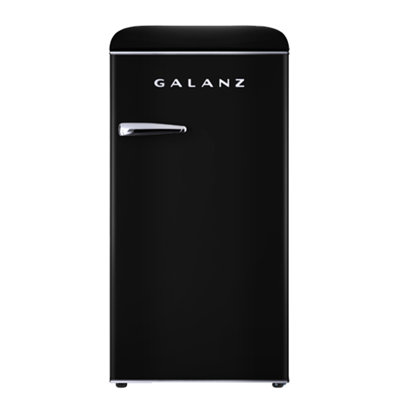
If you’re dealing with a smaller refrigerator or a compact mini fridge in the office or dorm, you can still preserve the quality of your dessert. You might find it helpful to read more about efficient fridge usage and storage by exploring what fits in a mini fridge?. Knowing how to maximize space can be invaluable for keeping items like banana pudding safe and sound.
Bananas themselves are the key ingredient that can shorten the life of your pudding, thanks to their tendency to brown and soften prematurely. If you want to preserve your pudding’s visual appeal and mouthfeel, you’ll want fresh bananas that aren’t too ripe.
Below are tips for selecting and handling bananas:
Look for bananas barely turning yellow. This ensures that by the time you use them in your pudding, they’re still firm enough to hold their shape for a few days.
Slice crucially. Slice bananas right before layering them into the pudding, minimizing their contact with air.
Consider using an acid dip. If browning is a major concern, lightly dip banana slices in acidic fruit juice (like lemon or pineapple) before layering them. This step slows down browning, though it can slightly alter the taste, so use minimal juice or pat the bananas dry if needed.
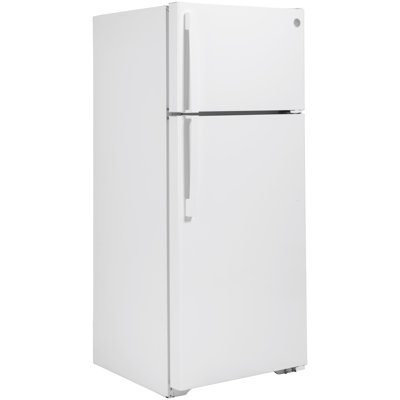
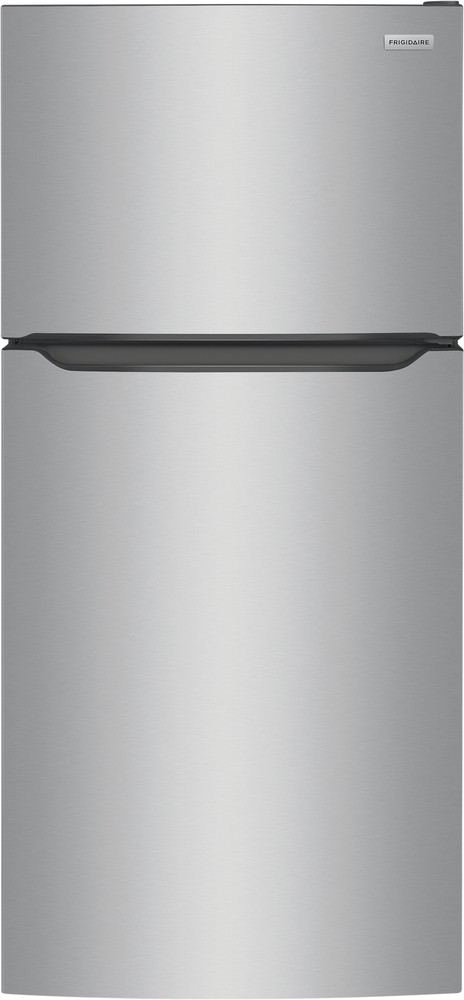
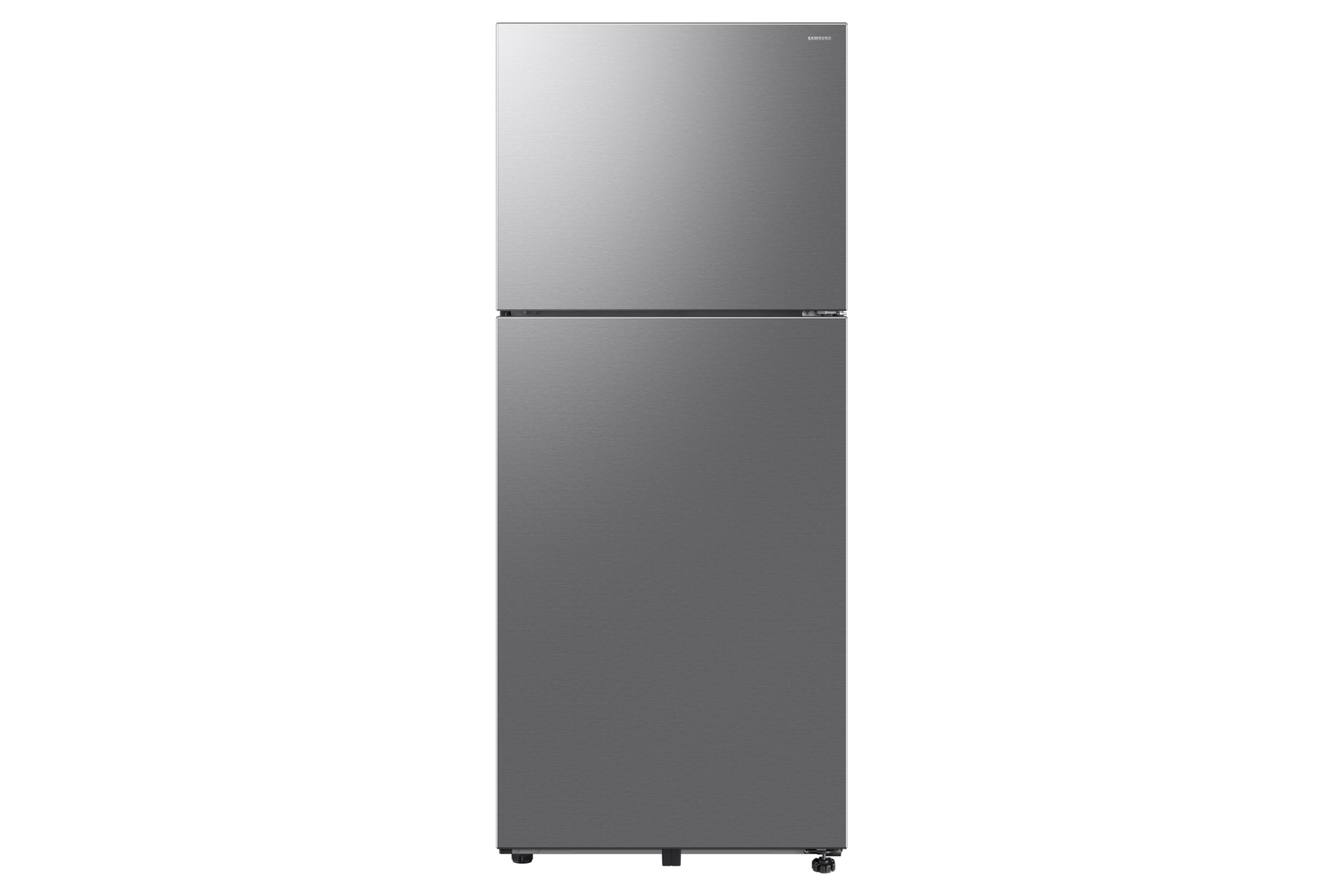
Keeping bananas in excellent condition can also apply to other foods in your refrigerator. If you’re curious about how standard refrigerators or certain specialty fridges handle perishable items, you may want to browse basic refrigerator. Understanding how your particular fridge stores produce can help you become even more confident in extending the shelf life of your banana pudding.
Layering strategy can significantly impact how well your pudding holds up over several days. When you assemble banana pudding, you likely spread out pudding, wafers, and bananas. But the thickness and order of these layers can make a difference in overall freshness.
Consider the techniques below:
Thicker pudding layers. By placing thicker pudding layers above banana slices, you seal off a lot of oxygen, which slows the browning process.
Start and finish with pudding. The bottom and top layers should be pudding. This ensures that the bananas are primarily sandwiched between creamy layers.
Use a wafer ‘shield.’ If you love wafer cookies, place one layer of wafers directly over the bananas. Although this step won’t stop browning entirely, it provides a partial barrier.
If you enjoy new dessert ideas or want to get more creative with your fridge usage, you might also find inspiration in 10 recipes that let your fridge do the cooking. Even though that collection might not have a direct banana pudding recipe, exploring how others use a fridge for convenient and innovative cuisine could spark fresh ideas for your next homemade delight.
No matter how careful you are, banana pudding will eventually show signs that it’s past its prime. Check your dessert each day to see if:
Excessive liquid forms on top. A small amount of separation (weeping) can happen with pudding, but abundant liquid indicates breakdown.
The bananas appear overly mushy or discolored. A slight brown hue is inevitable, but watch for bananas that look nearly black or slimy.
Any spots of mold emerge. White or green spots on the surface or near the edges suggest it’s time to throw the dessert away.
An off smell develops. A sour or fermented odor typically means the dairy base has started to spoil.
Sometimes, you might not see any glaring sign of trouble but still suspect something’s off. When in doubt, trust your senses. It’s better to be safe than to serve or eat food that has expired or gone bad.
Extend shelf life with best practices
Ensuring your banana pudding stays delightful for the maximum possible time doesn’t have to be a chore. A few best practices can make all the difference:
Prep ingredients carefully. Wash and thoroughly dry your prep surfaces, utensils, and hands before handling bananas or pudding.
Chill components separately. If you have the time and space, chill your pudding and bananas separately, then combine them just before serving.
Limit the time at room temperature. After serving, return leftover pudding to the fridge promptly. If you’re doing a buffet-style meal, consider serving banana pudding in smaller dishes so that each portion is eaten or cooled down quickly.
Use the right fridge. If your fridge is too crowded, consistently opened, or not maintaining a stable temperature, your pudding could spoil faster. A stable and well-regulated refrigerator is key.
You might also want to look into upgrading your cold storage arrangements. Some people opt for a second refrigerator or a specialized model for storing desserts and drinks. If you’re curious about whether you really need more than one fridge, take a look at will a fridge stay cold overnight?. You’ll learn about temperature stability and get insights into how certain fridges manage their cooling cycles, which can help you optimize the entire chilling process.
Because banana pudding requires specific storage conditions, it’s useful to explore what else your fridge can do for you. From energy-saving tips to specialized compartments, a deeper understanding of fridges and freezers helps you preserve not only banana pudding but all sorts of homemade dishes.
Below are a few additional resources you might find handy:
The right temperature for your freezer. Even though banana pudding usually belongs in the fridge, learning freezer best practices can help you store extra ingredients more safely.
Basic refrigerator. If you want an overview of how a simple fridge functions and how it might fit your lifestyle.
Purchase garage freezers: deals. If you need extra storage space beyond your primary kitchen fridge.
When you get the temperature and organization right, you can prevent cross-contamination, preserve freshness, and reduce overall food waste. All these factors contribute to a better experience with banana pudding or any other homemade treat that depends on stable cold storage.
Wrap up your dessert strategy
Banana pudding is one of those delights that resonates with so many families—some prefer a classic, custard-based recipe topped with whipped cream, while others go with a quick instant pudding approach. Whichever route you choose, the question remains: how long is banana pudding good for in fridge? The answer usually revolves around three to four days, providing you’ve taken careful steps to store and handle everything properly.
With the right storage container, a consistent refrigerator temperature, and strategies for layering bananas under protective pudding, you can make the most of every batch. You’ll save money by reducing waste, and you’ll delight your family or guests with desserts that taste fresh and decadent. And if you’re using a mini fridge in a dorm or your office, or if you have a standard or high-capacity fridge at home, the same guidelines still apply—just scale up or down as needed.
Here’s a final rundown of how to keep your banana pudding fresh:
Always start with the freshest possible bananas.
Use an airtight container and consider adding a layer of plastic wrap against the surface.
Keep the pudding near the back of your fridge, where temperatures are most stable.
Check for any changes in color, texture, or odor daily.
Throw it out if you notice mold, a sour smell, or liquid pooling.
If you’re enthusiastic about making your meals both convenient and delicious, banana pudding is just one of the many treats you can perfect in your fridge. By mastering how to properly store this dessert, you’re well on your way to building a more organized, efficient, and waste-free kitchen. Enjoy every spoonful while it lasts, and feel free to experiment with variations—just remember to keep those bananas protected and the fridge at the right temperature to savor this comforting treat for as long as possible.
Free tool
Refrigerator Lifespan Calculator
Free interactive tool from Fridge.com — get a quick answer while you read.