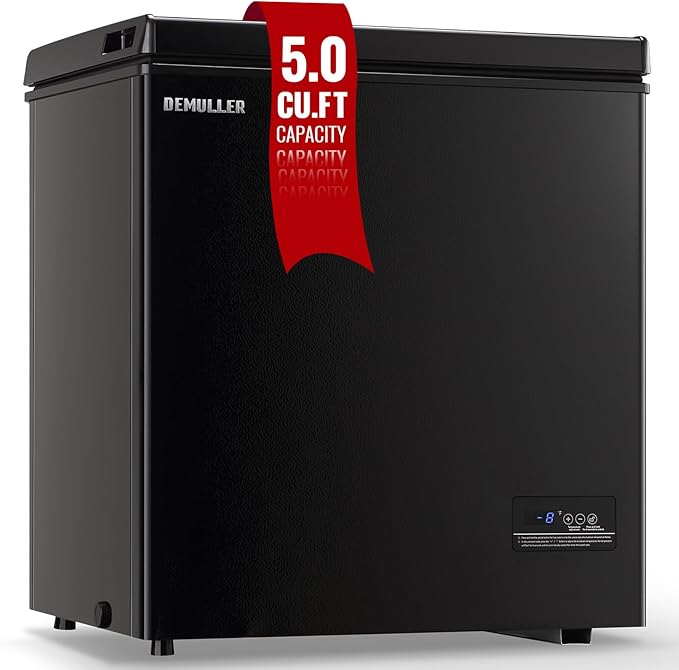
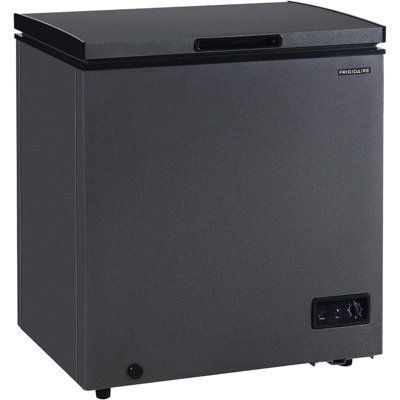
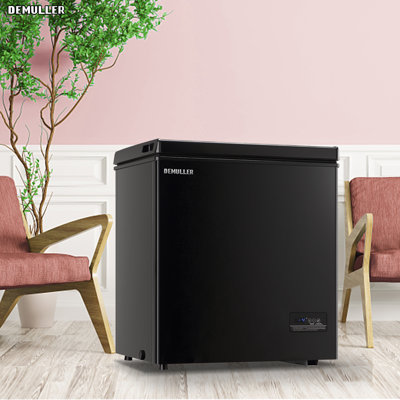
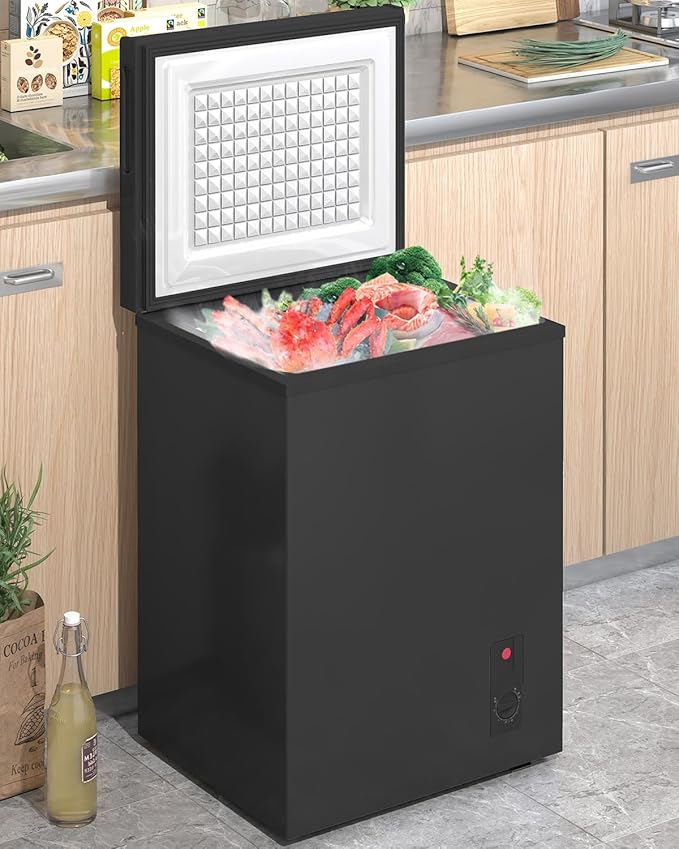
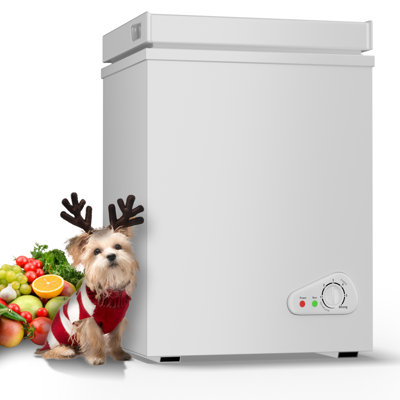
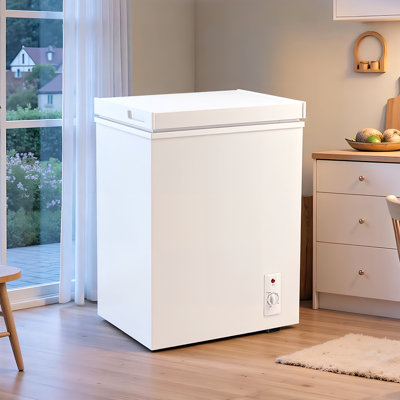
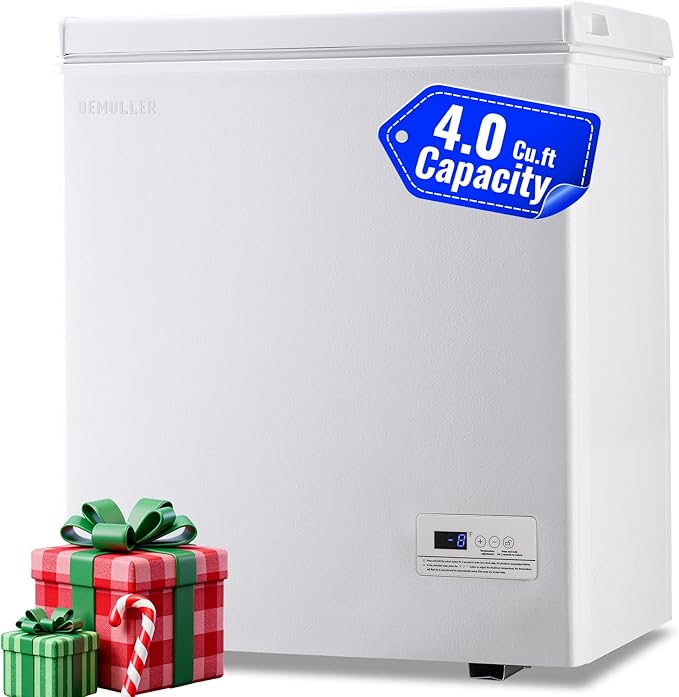
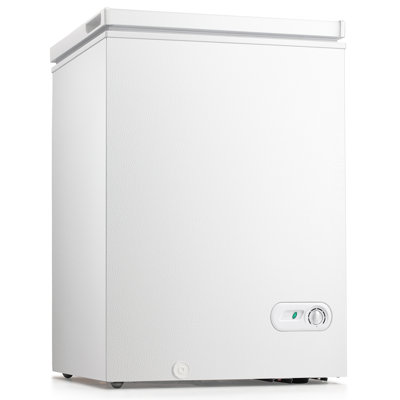
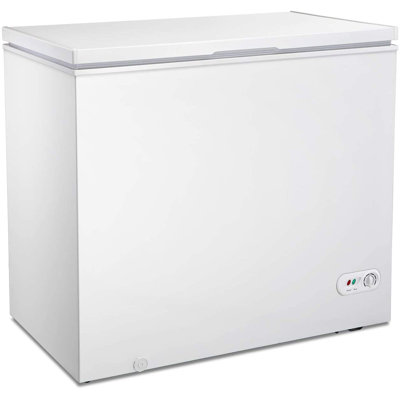
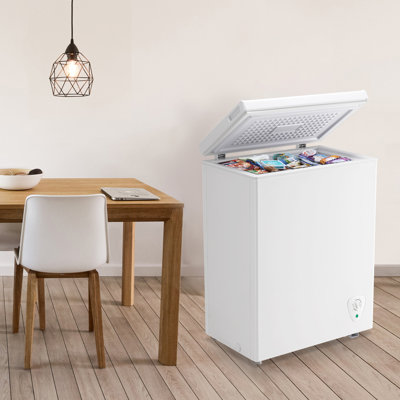
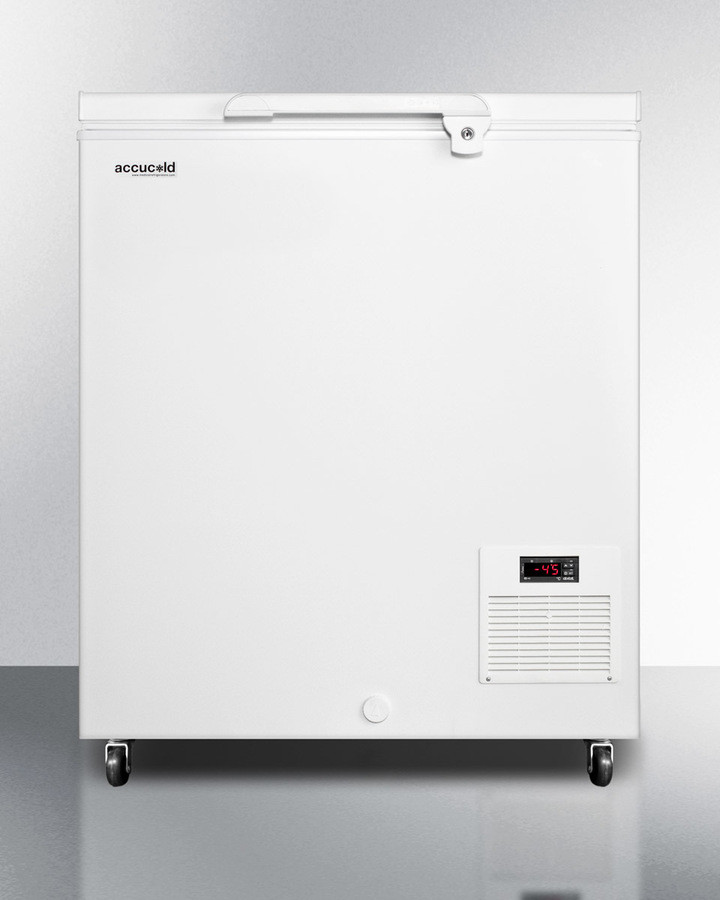
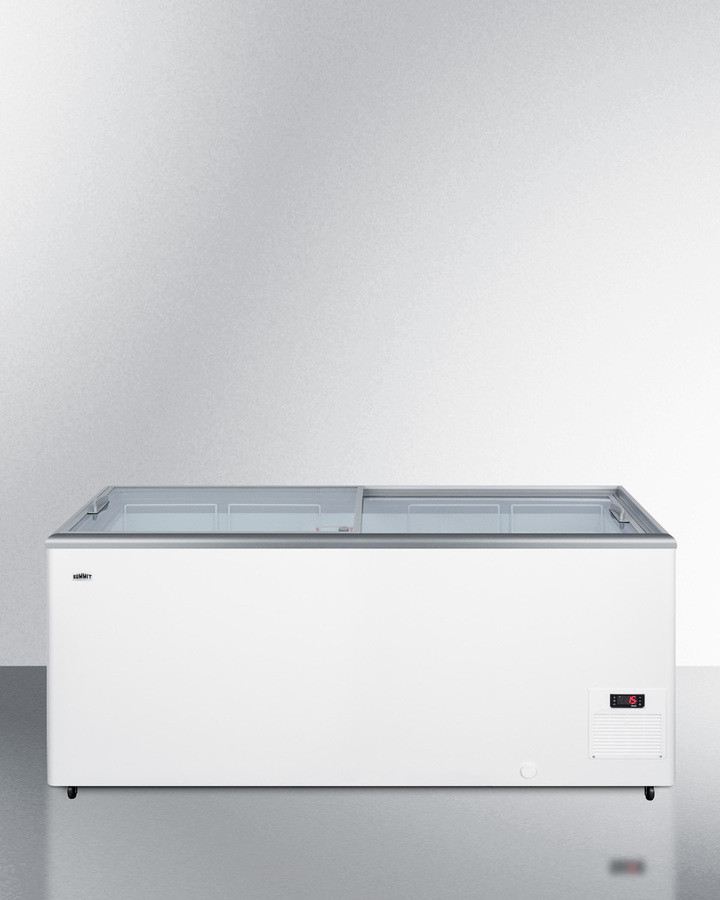
When you’re short on space but need extra freezer capacity, a small chest freezer can be a lifesaver. But what fits in a small chest freezer? You might be surprised at just how much you can pack into that compact unit—from bulk proteins for meal prep to family-sized batches of ice cream. Whether you’re stocking up for busy weekdays, entertaining friends, outfitting an RV for a road trip or setting up in a dorm room, your small chest freezer offers versatile storage at a great price.
In this guide you’ll learn how to assess your freezer’s capacity, organize contents for quick access, and store everything from meats and seafood to fruits, veggies and fully prepared meals. You’ll also pick up tricks to maximize every cubic foot of space and keep your freezer running efficiently. Ready to upgrade your storage? Don’t forget to shop chest freezers at Fridge.com for a range of sizes, features and deals that fit your lifestyle.
Assess freezer capacity
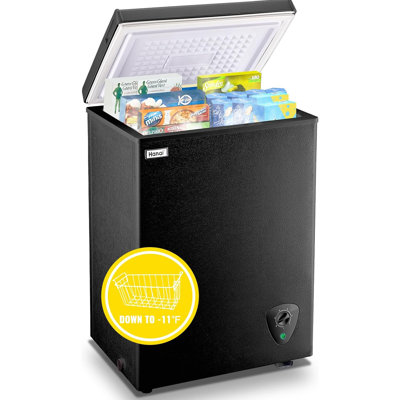
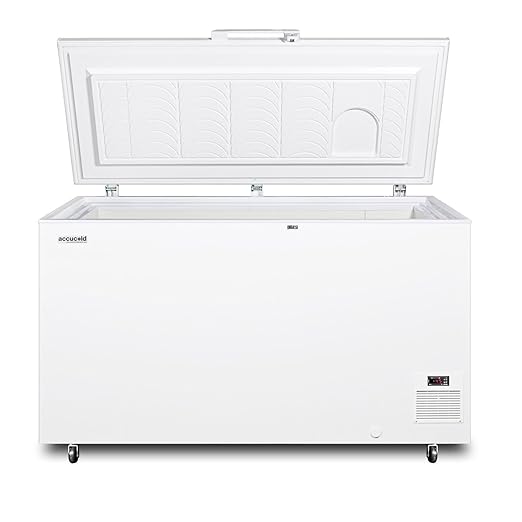
Understanding your freezer’s true capacity is the first step to filling it wisely. Chest freezers are rated by total cubic feet, but not all of that space is usable. Baskets, hinges and insulation take up room, so plan for about 10 to 15 percent less actual storage. You’ll also want to measure the exterior dimensions and ensure there’s enough clearance for the lid to open fully—especially important if you plan to place it in a basement, under a counter or in an RV compartment.
Chest freezers tend to be wider and shorter than upright models, giving you a large uninterrupted space to stack items. Unlike upright freezers, chest freezers often maintain colder temperatures when you’re loading and unloading, since the cold air settles at the bottom. However, an upright model might be easier for quick access if you’re grabbing frozen snacks or meal kits frequently. Weigh your priorities—capacity versus accessibility—before making a purchase.
Cubic foot basics
Most small chest freezers range from 3.5 to 7 cubic feet. Here’s how that translates in real life:
A 3.5 cubic foot unit holds roughly 100 standard grocery bags when packed efficiently, ideal for singles or couples.
A 5 cubic foot model can store about 150 to 175 bags, striking a good balance for small families or meal preppers.
A 7 cubic foot freezer gives you space for 200 to 250 bags, perfect for large families, party hosts or home canners.
A smart organization system transforms a chaotic chest freezer into an efficient extension of your kitchen. When everything has its place, you’ll save time hunting for ingredients and reduce waste from forgotten items.
Use bins and baskets
Invest in multiple bins or slide-out wire baskets to create layers. Use top baskets for daily essentials—frozen fruit for smoothies, ice cream pints or game-day snacks. Store bulk or seasonal items in deeper sections. Here’s one setup idea:
Top bin: Frozen fruit, ice packs, quick-grab snacks
Bottom layer: Bulk proteins, large cuts of meat, sealed bags of vegetables
Clear bins let you see contents at a glance, while colored baskets can help you categorize—green for veggies, red for proteins, blue for baked goods.
Label and date items
Nothing is more frustrating than guessing whether that bag in the back is last month’s soup or something you packed last week. Adopt a simple labeling system:
Write contents and freeze date directly on packages with a permanent marker.
Use freezer tape or adhesive labels for containers.
Note weight or portion size if you want to track servings for meal planning.
For extra organization, stick a magnet or chalkboard sticker inside the lid and attach a laminated inventory sheet. Cross off items as you use them to maintain a quick reference. You can even snap a photo of the sheet with your phone for a digital backup.
Use odor-repellent liners
If you’re storing pungent foods like garlic-based sauces or fish, add a layer of odor-repellent liner to the bottom and sides. These stainless-steel or antimicrobial liners repel smells and simplify cleanup—you can remove and wash them when needed. Learn more at what liner repels strong garlic scents effectively?.
Rotate stock first in, first out
Apply the first in, first out method to minimize waste. As you add a new purchase, move older items toward the front or top. Create a designated “eat this first” basket for items nearing their recommended freezer storage times to keep things fresh and reduce spoilage.
Store meats and seafood
Proteins form the backbone of many meals and take up a significant portion of your freezer real estate. Proper packaging and portioning ensures quality and saves space.
Bulk meat storage
When you bring home a large roast or multiple chicken thighs, break them down into meal-sized portions before freezing:
Season or marinate as desired.
Portion into individual or family-size servings.
Wrap tightly in freezer paper or heavy-duty foil, then place in sealed freezer bags or vacuum-seal pouches.
Flatten packets to about half an inch thickness and store them vertically like file folders. This method lets you slide packages in and out without disturbing the rest of the load. It also helps you see what you have at a glance.
Fish and shellfish
Seafood often comes in bulk when it’s on sale or delivered fresh. For best results:
Flash freeze: Lay fillets or shrimp in a single layer on a parchment-lined tray and freeze until solid.
Bag and seal: Transfer frozen pieces to freezer bags, squeezing out as much air as possible.
Label clearly: Note the type of fish, portion size and date.
This flash-freeze approach prevents pieces from sticking together so you can grab just what you need. Here’s a quick guide to safe freezer storage times:
Ground meat: 3 to 4 months
Steaks and chops: 4 to 12 months
Poultry pieces: 9 to 12 months
Whole poultry: up to 1 year
Fish fillets: 6 to 8 months
Shrimp and shellfish: 3 to 6 months
Marinade and meat prep hacks
Freezer marinade cubes: Pour leftover marinade into ice cube trays, freeze, then store cubes in a bag. Toss one or two cubes into meat before cooking for instant flavor.
Herb ice cubes: Chop herbs and fill trays with water or oil to create quick seasoning cubes for soups and stews.
Pre-seasoned meat bundles: Mix your spice rub directly with the meat before freezing in lay-flat pouches. No thaw-and-season later necessary.
Seasonal produce tastes amazing year-round when you freeze it correctly. Blanching, portioning and choosing the right packaging all play a role.
Blanch and prep
Blanching halts enzyme action that can cause loss of flavor, color and texture. Follow these guidelines:
Green beans and broccoli florets: 3 minutes
Carrots (sliced): 2 minutes
Peas: 1.5 minutes
Cauliflower: 3 minutes
After blanching, immediately shock veggies in ice water, drain well and pat dry. Too much surface moisture leads to ice crystals and freezer burn.
Portion and pack produce
Keep fruits and veggies ready for recipes or snacks by pre-portioning:
Berries and diced fruits: Spread on a tray, freeze until solid, then transfer to freezer bags.
Smoothie packs: Mix fruit, veggies and even protein powder in labeled bags for a no-fuss breakfast.
Vegetable medleys: Combine stir-fry mixes or soup vegetables in meal-sized bags.
Consider sugar-packing delicate fruits like strawberries or peaches by tossing pieces in a light sugar syrup before freezing. Label each bag with contents and date to stay on top of freshness.
Freezer-friendly herb storage
Fresh herbs wilt quickly but freeze well in oil or broth:
Chop herbs and place in ice cube trays.
Cover with broth, oil or melted butter.
Freeze, then transfer cubes to a sealed bag.
Use these cubes to flavor sauces, soups and sautéed dishes without losing the fresh taste.
Having a stash of homemade meals in your chest freezer saves time, reduces food waste and keeps you from ordering takeout too often.
Meal-prep containers
Choose stackable, freezer-safe containers or heavy-duty freezer bags. To get organized:
Cool hot foods completely before packing to prevent condensation.
Leave about ½ inch of headspace in rigid containers for expansion.
Label each container with meal name, date and reheating instructions.
Casseroles, soups, stews and chili all freeze well. For layered dishes like lasagna, wrap individual slices in plastic wrap before placing in a container to help maintain structure.
Baked goods and snacks
Your chest freezer can double as a bakery and snack station:
Muffins and cupcakes: Cool completely, wrap individually in plastic and bag together.
Cookie dough: Scoop into balls, freeze on a tray, then store in a bag and bake straight from frozen.
A chest freezer’s open design is a blank canvas for creative storage hacks. Try these methods to squeeze in more food without clutter.
Stack and layer strategically
Think like a packing pro:
Bottom drawers: Use removable bins for roots, bulk proteins or large items.
Floating shelf: Install a simple wire rack under the lid for flat items, such as ice pack trays or thin bags of fruit.
Top baskets: Reserve for small items like frozen herbs, seafood bags or packaged snacks.
Rotate stock by older items to the front or top so nothing gets lost at the bottom.
Vacuum seal and flatten
Vacuum sealing provides two major benefits: it removes air that causes freezer burn and it flattens packages so you can stack them like books. Ideal items include:
Soups and sauces in flat pouches
Meats and fish portioned thin
Pancake or tortilla batter poured into silicone sleeves
Use reusable silicone bags for an eco-friendly option that seals tight and flattens neatly.
Lid organizers and hanging solutions
Maximize every inch by using your lid:
Attach a magnetic wire grid or mesh organizer to the inside of the lid for small items
Hang clear zipper pouches or fabric bins to hold seasoning packs or appetizer trays
Use magnetic clips on the sides to hang recipe cards or freezer inventory sheets
A well-maintained freezer uses less energy and keeps food fresh longer. Consistent upkeep and smart placement go a long way.
Set the right temperature
Aim for 0°F or below to keep food safe and preserve quality. Use an appliance thermometer to double-check your unit’s setting. Avoid running colder than necessary, as this wastes energy and can form excessively hard ice crystals in some foods.
Clean, defrost and inspect
Ice buildup reduces airflow and usable space. When frost exceeds about ¼ inch:
Unplug the freezer and move perishable items to another cold location or ice chest.
Allow ice to melt, then wash the interior with a mild solution of water and baking soda.
Dry thoroughly before powering back on to prevent fresh frost.
Monthly, wipe down door gaskets, check for cracks or gaps and apply a thin layer of petroleum jelly to maintain the seal. Vacuum or dust around the compressor coils every quarter to help it run efficiently.
Position for performance
Keep your freezer level on a firm floor, away from direct sunlight, heat vents or appliances that generate warmth. Ensure at least two inches of clearance on all sides for proper ventilation. In a garage or workshop, avoid extreme temperatures—ideally keep the unit in a climate-controlled space between 50°F and 80°F.
Monitor power consumption
Energy efficiency matters whether you’re on a budget or running a chest freezer in an off-grid cabin. Learn how many watts does a small freezer use? to estimate your operating costs. Use a dedicated outlet or a quality surge protector to guard against voltage spikes.
A half- to one-third-full freezer runs more efficiently than an empty one, as the frozen mass helps maintain temperature when the door is opened. If you find empty gaps, store water jugs or reusable ice packs to help stabilize internal temperatures and reduce energy draw.
Bringing it all together, your small chest freezer can handle a surprising variety of foods—from bulk meats and seafood to perfectly portioned fruits, vegetables and prepared meals. Organize smart, pack tight and maintain your unit properly, and you’ll stretch your kitchen budget, cut food waste and enjoy the convenience of ready-to-go ingredients any time. Happy freezing!
Free tool
Freezer BTU Calculator
Free interactive tool from Fridge.com — get a quick answer while you read.