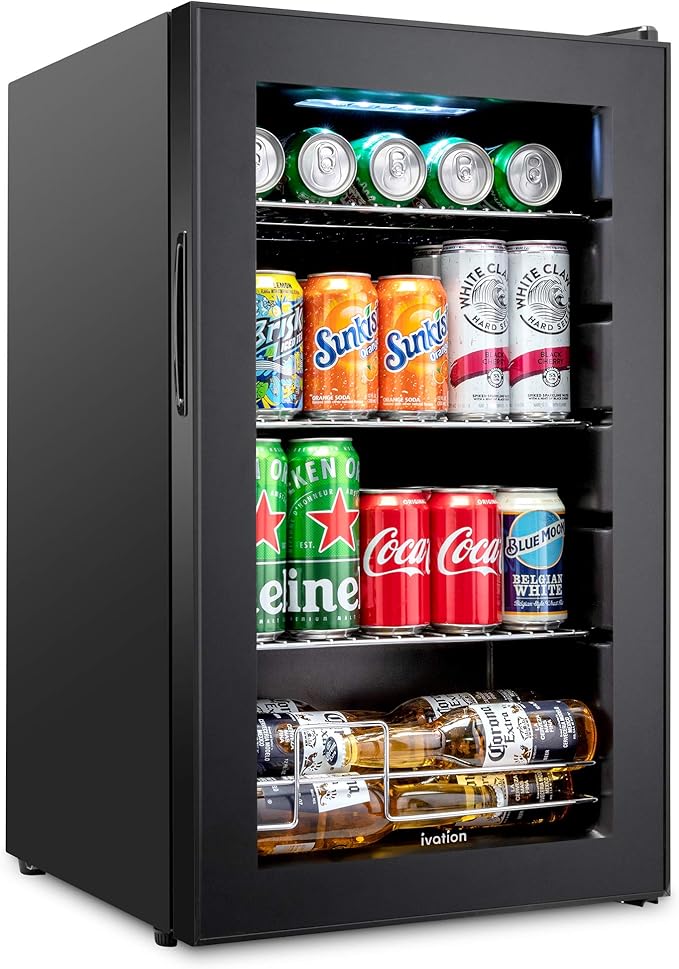
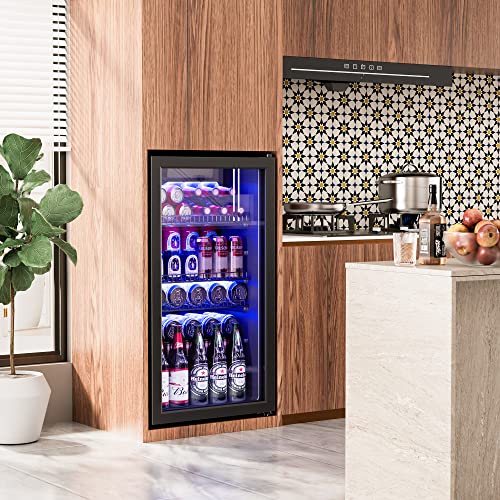
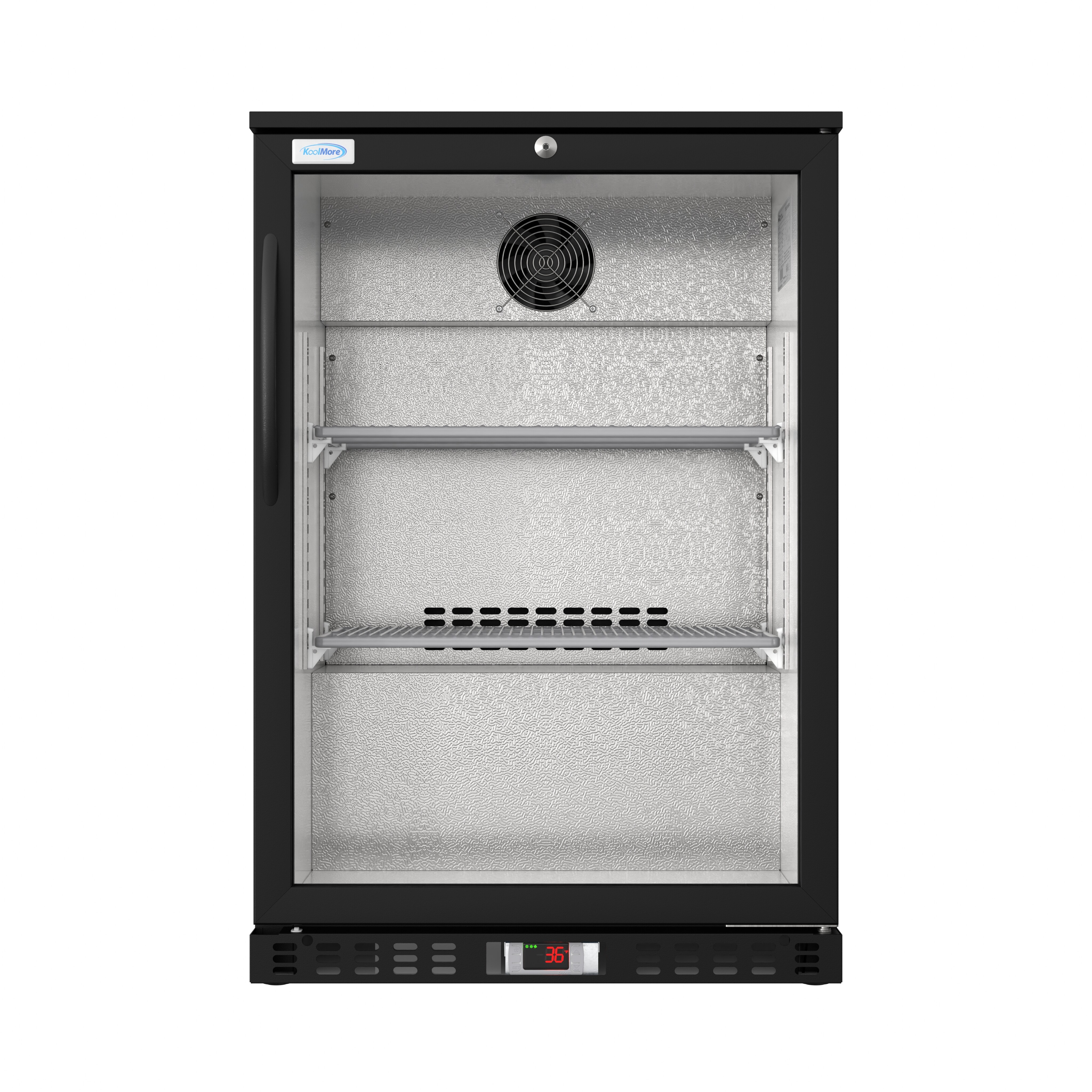
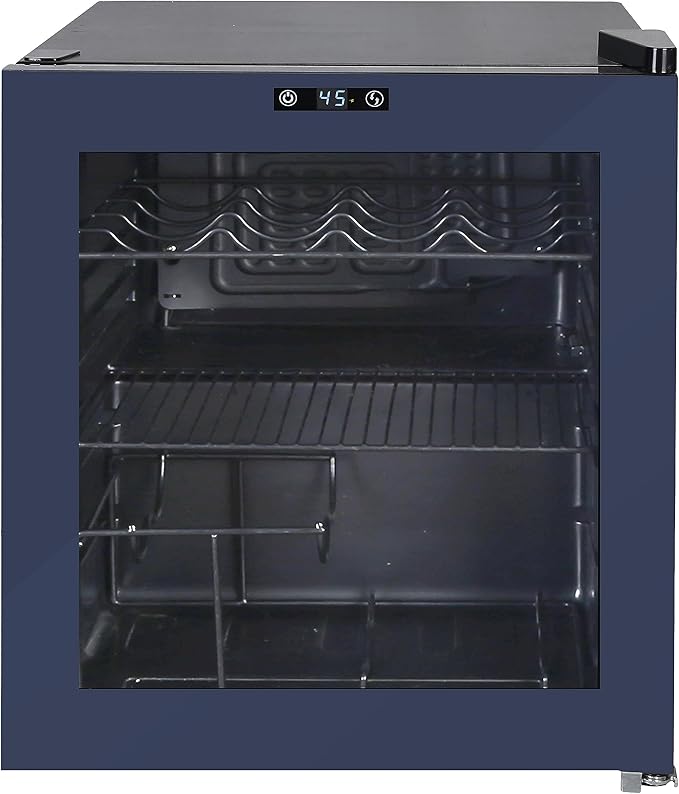
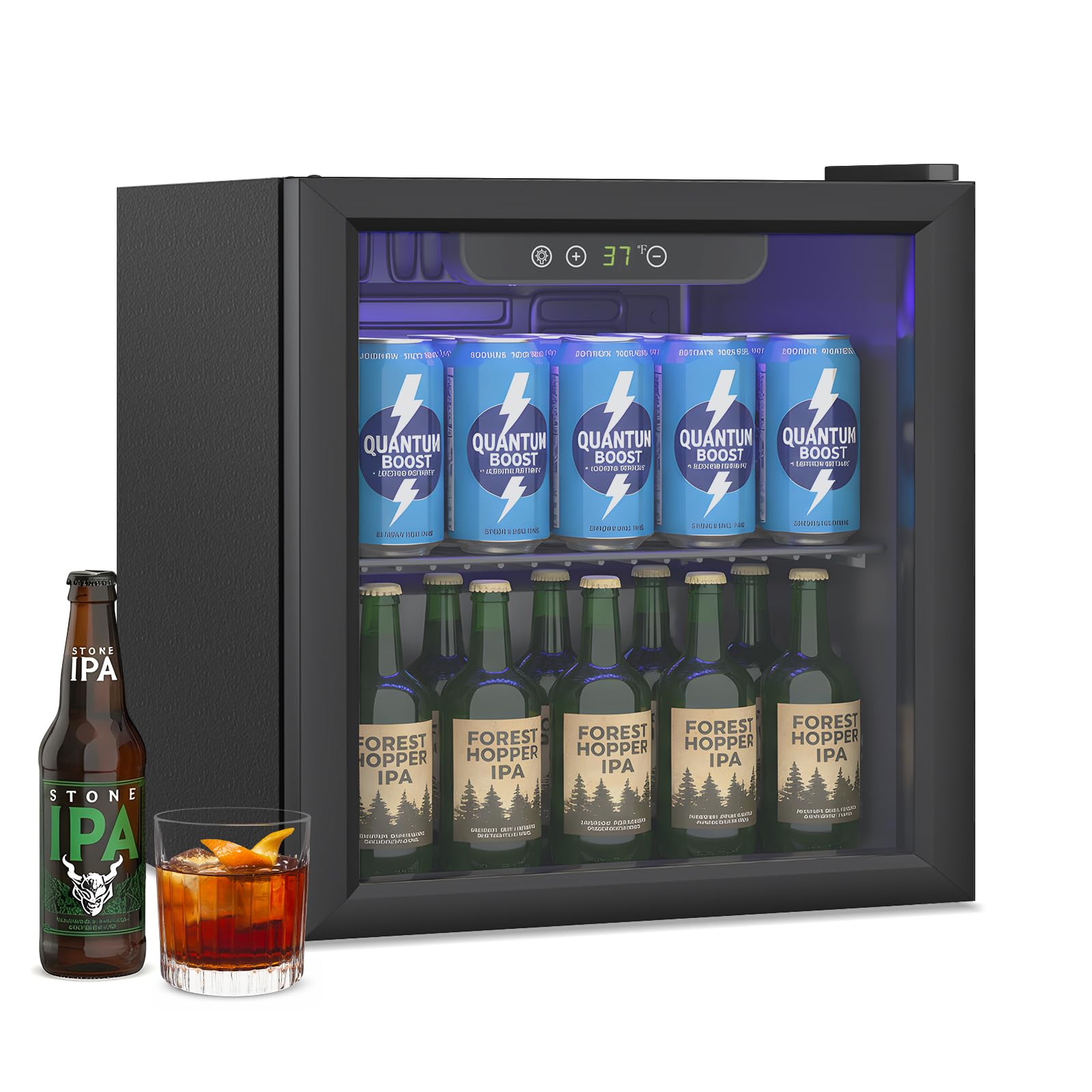
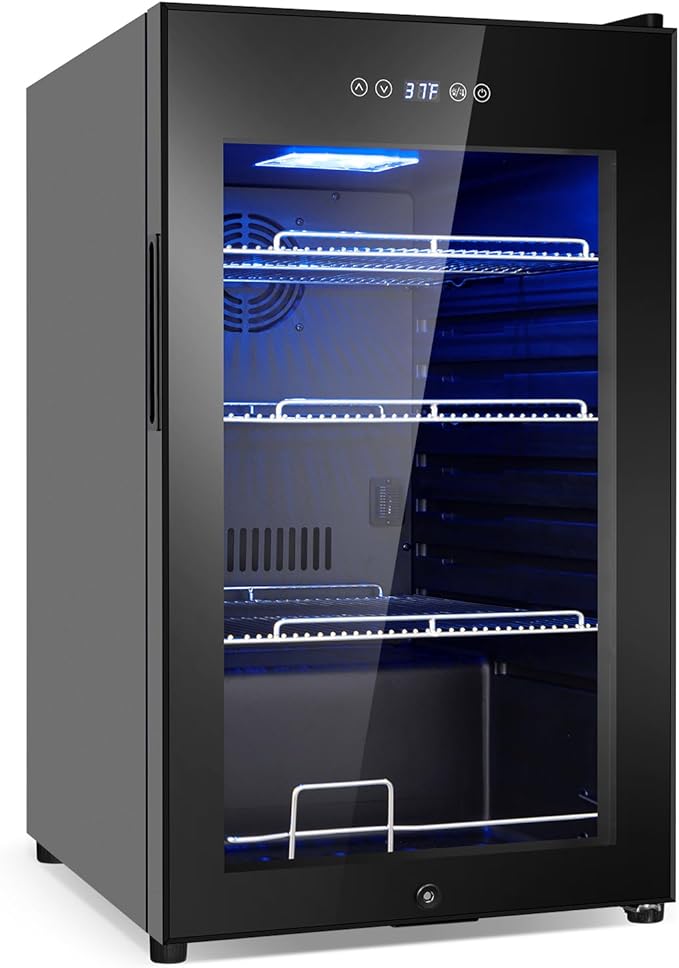
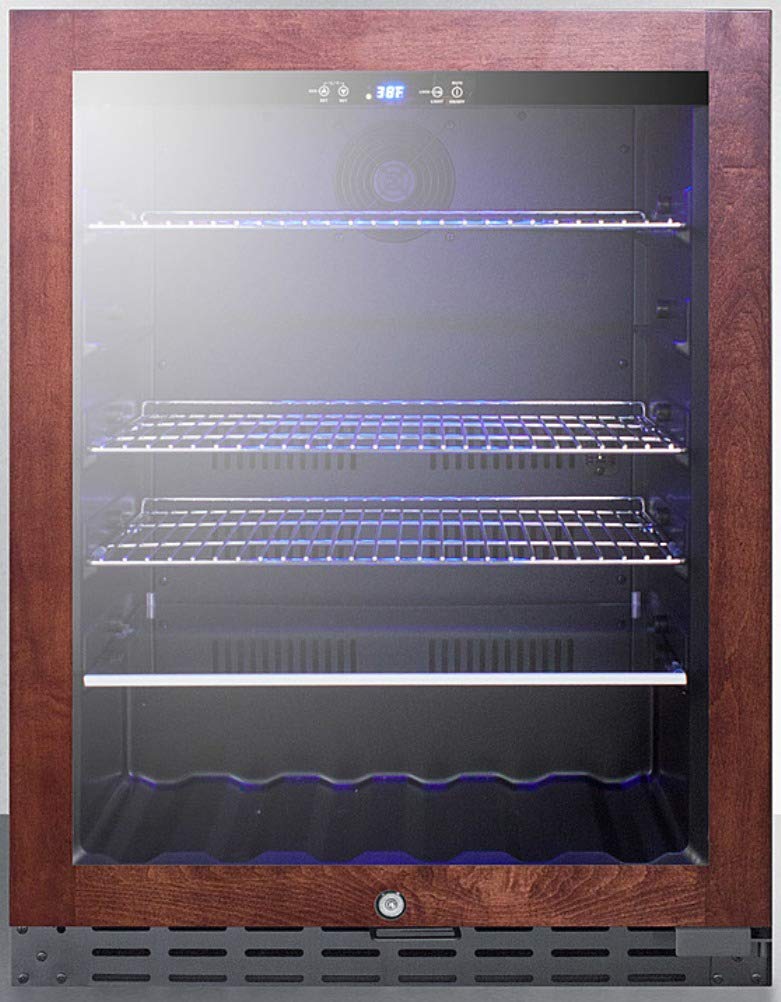
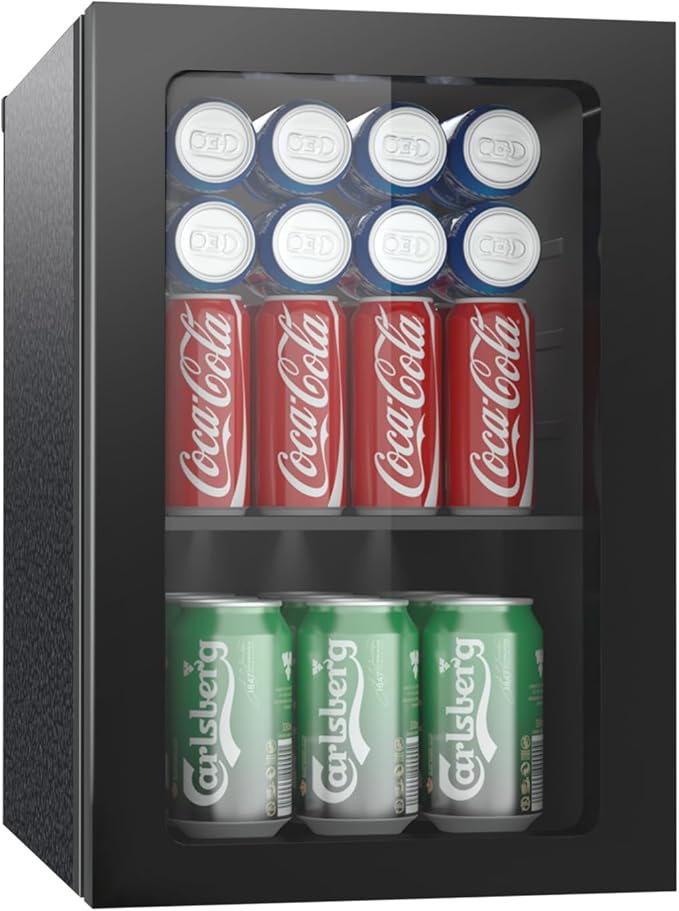
Ideally, you want a model that easily dips into the low 30s (°F) to keep drinks crisp and refreshing.
Use the tips above, check out models like a 25 inch high beverage cooler fridge if you have height constraints, and keep your cleaning routine consistent.
Another benefit you’ll appreciate is the ability to maintain multiple temperature zones if you’re looking to stock everything from bottled water to specialty sodas.
If you’re curious about the advantages of having a dedicated fridge for specific drinks, check out why should i choose a beer fridge?.
When you run a cafeteria—whether it’s in a bustling office building, a school, or a community center—you want to keep your guests satisfied with fresh and chilled drinks at all times. Finding the best beverage fridge for a cafeteria helps you store a variety of beverages without crowding your main refrigerators or compromising food storage space. A dedicated beverage fridge also means students, staff, or customers can grab a quick soda, juice, or bottle of water, keeping lines short and the atmosphere upbeat.
You’ll soon find that a beverage fridge isn’t just about storing cans. It’s also about presenting your drinks in an organized, attractive way that encourages people to help themselves. Plus, with busy cafeterias, efficiency is crucial. Choosing the right fridge setup can cut down on your prep time—no more shuffling items around to find much-needed space. Instead, your daily operations run more smoothly, and you can concentrate on creating an enjoyable dining experience.
Another benefit you’ll appreciate is the ability to maintain multiple temperature zones if you’re looking to stock everything from bottled water to specialty sodas. This versatility makes it easier to serve beverages that taste their best—no beverage is too warm or too cold. Some cafeterias even incorporate small beer selections for after-work events or private functions. If you’re curious about the advantages of having a dedicated fridge for specific drinks, check out why should i choose a beer fridge?.
Above all else, a cafeteria beverage fridge frees up your primary refrigeration units for foods and ingredients. Instead of piling up crates of drinks across shelves meant for produce and dairy, you can keep everything separate yet accessible. This thoughtful separation of foods and beverages ultimately helps you maintain better organization and ensures your cafeteria runs smoothly from morning breakfast service to evening clean-up.
Evaluate core refrigerator features
Before you invest in a beverage fridge, it’s important to pay close attention to certain fundamental features. Since cafeterias serve a wide range of people with different beverage preferences, you need a reliable and resilient fridge model capable of keeping up. Here are the key features to consider.
Capacity and adjustable configurations
Capacity is one of the first factors you’ll want to examine when choosing the best beverage fridge for a cafeteria. Think about average foot traffic and the volume of drinks you serve in a typical day. Do you go through hundreds of cans of soda or water bottles, or do you mostly offer a refined selection of specialty drinks? The capacity you choose should align with peak demand times (like lunchtime rushes) so you’re not constantly restocking.
Still, capacity alone isn’t the whole story. Determine if the fridge has adjustable shelves, dividers, or racks that let you rearrange items as needed. This flexibility comes in handy when you stash various bottle shapes and sizes or shift your inventory for seasonal drinks. For cafeterias that occasionally stock taller items—like iced teas in large bottles or sports drinks—an adjustable interior is a game-changer, ensuring you don’t waste space or force items to fit in awkward positions.
Temperature control and range
Your beverage fridge should handle various drink types—from fruit juices and sodas to energy drinks or cold-brew coffee. Check the thermostat range before buying. Ideally, you want a model that easily dips into the low 30s (°F) to keep drinks crisp and refreshing. Some cafeteria managers also prefer dual-temperature units, letting them split the fridge into two zones if they plan to store a mix of beverages that require slightly different temperatures.
Precise temperature control isn’t only about taste, it’s also about preventing waste. Drinks that aren’t chilled properly may expire sooner, creating unnecessary waste and costing you money. An accurate thermostat will help keep your inventory at the optimal point so cafeteria guests can rely on consistently chilled drinks throughout the day.
Energy efficiency
Energy consumption matters for any cafeteria, especially if you run multiple large appliance units at once. An energy-efficient beverage fridge won’t only keep your electricity bill in check, it will also minimize your environmental impact. Look for models that offer high-efficiency compressors or have Energy Star certifications.
You can further optimize energy use by considering the fridge’s location. Placing it in a cool spot away from direct sunlight or heat vents reduces how hard the unit must work. If your cafeteria has sunny windows or large cooking equipment nearby, you might need a fridge with better insulation or thicker walls so you’re not constantly battling warmer ambient temps.
Durability and materials
A cafeteria setting can be demanding. People might open and close the fridge door dozens—even hundreds—of times a day. That’s why you’ll want a model built with high-quality materials such as stainless steel exteriors and durable glass doors. These materials are more resistant to scratches, dents, and corrosion, ensuring your fridge can handle years of active use.
Inside, vinyl-coated shelves or rust-resistant racks are worth considering, especially if you’ll be placing moist or dripping cans in the fridge. These coatings help keep the interior looking clean and new, even with harsh daily wear and tear. You might also lean toward a fridge with reliable door seals to maintain proper cooling and limit energy loss.
Security features
In some cafeterias—especially in schools or shared office environments—you may occasionally want to limit access to certain items. Look for beverage fridges that come with a built-in lock or the option to add one. This feature is helpful if you carry specialty items or simply need a secure space when the cafeteria is closed.
With these core features in mind, you’re on the right track to finding a beverage fridge that simplifies your service routine without sacrificing performance or convenience.
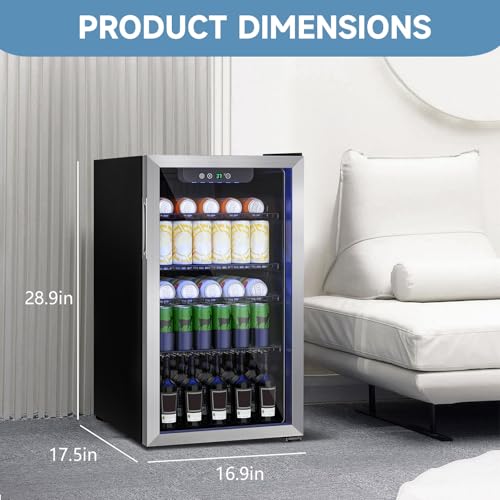
Your cafeteria’s size and layout greatly influence the type of beverage fridge you choose. You need to consider both the available floor space and the typical flow of people. A fridge that’s too large can clutter your area and disrupt foot traffic, while one that’s too small won’t provide enough capacity.
Small cafeterias
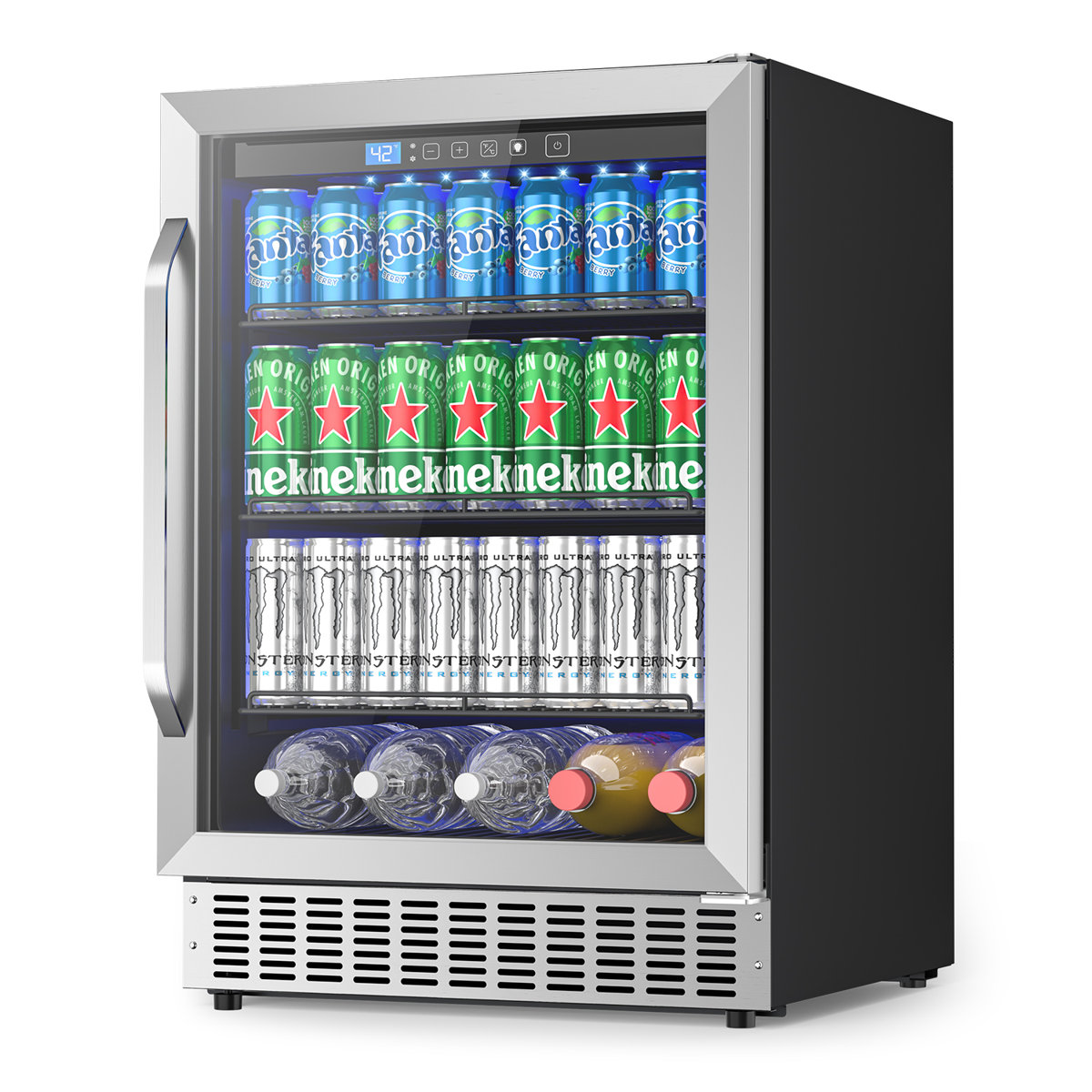
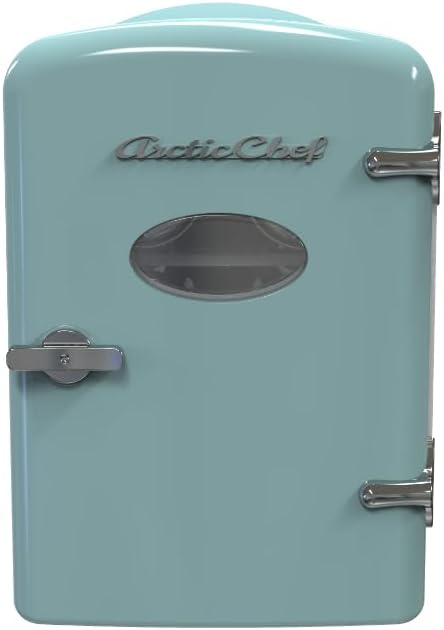
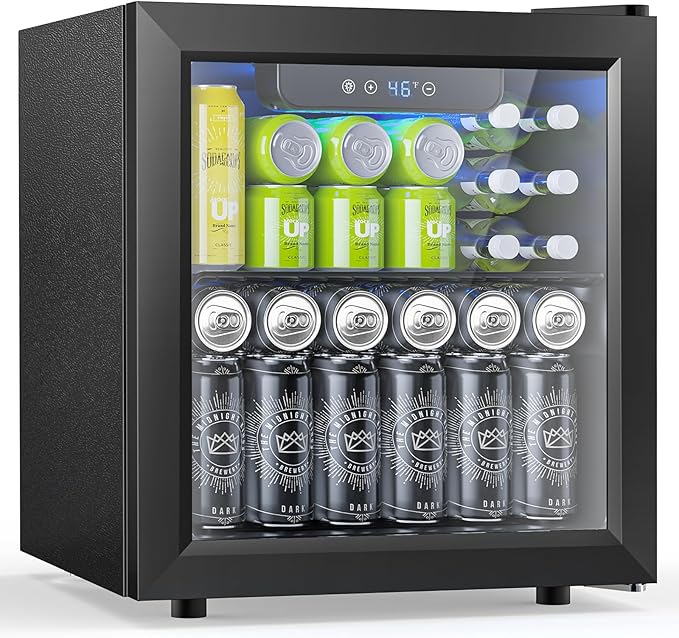
In smaller cafeterias or grab-and-go stations, a compact beverage fridge helps you maximize your limited footprint. Models known as “under-counter fridges” are perfect here. They tuck neatly below a countertop or service station, letting you maintain a sleek, organized look. You can also investigate specialized solutions, such as a 25 inch high beverage cooler fridge, if you’re working with a limited vertical area. Just be sure the door can swing fully open, and factor in the clearance required for cleaning or repairs.
Medium cafeterias
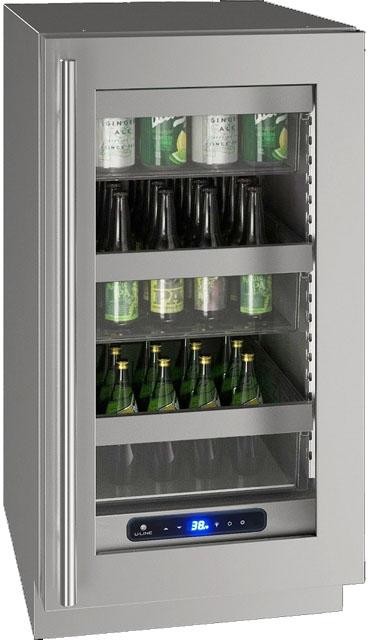
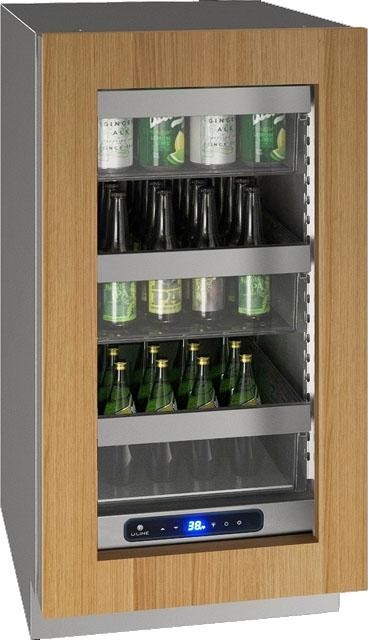
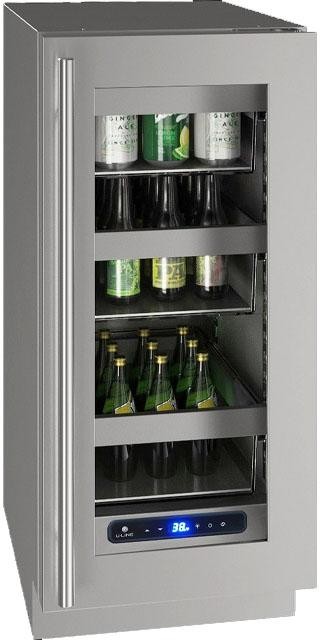
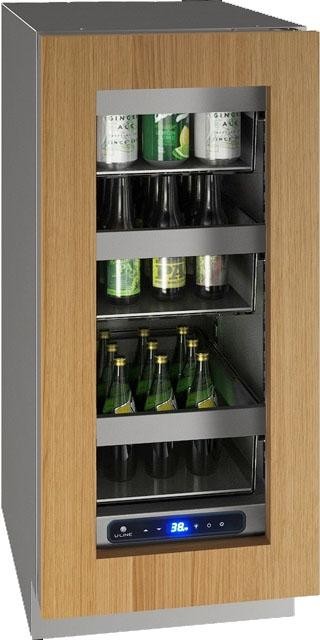
Medium-sized cafeterias might benefit from front-facing glass-door refrigerators. These models give you plenty of space to arrange colorful water bottles, sodas, juices, and even small dairy items if you like. The transparent door also functions as a display, reminding your guests that chilled refreshment is just a quick step away. However, consider whether a semi-transparent or tinted option is better if your cafeteria is in constant sunlight or if you prefer a more subdued look.
Large cafeterias
If you run a high-traffic cafeteria, like those found in busy hospitals or corporate campuses, you might need something more robust. Large glass-door fridges or wide-format beverage coolers can hold a massive variety of drinks. You might even place multiple units side by side, categorizing them by beverage type or brand. Just ensure your floor plan allows for easy restocking and minimal obstruction of foot traffic. In some scenarios, you might also prefer a dedicated beverage station corridor where multiple fridges line the walls, streamlining service for large volumes of thirsty patrons.
Explore fridge door options
One detail you might not immediately think about is the type of door your cafeteria beverage fridge will have. Sliding or swing doors each offer advantages depending on the space and style of your setup.
Sliding doors
Sliding doors are excellent for cafeterias where space is limited. Since the doors move horizontally, you don’t have to worry about door clearance in walkways. This design can also cut down on accidental door bumps if guests are often passing in front of the fridge. Sliding-door models are typically seen in larger, wide-format fridges, and they can provide a spacious view of your beverage selection.
Swing doors
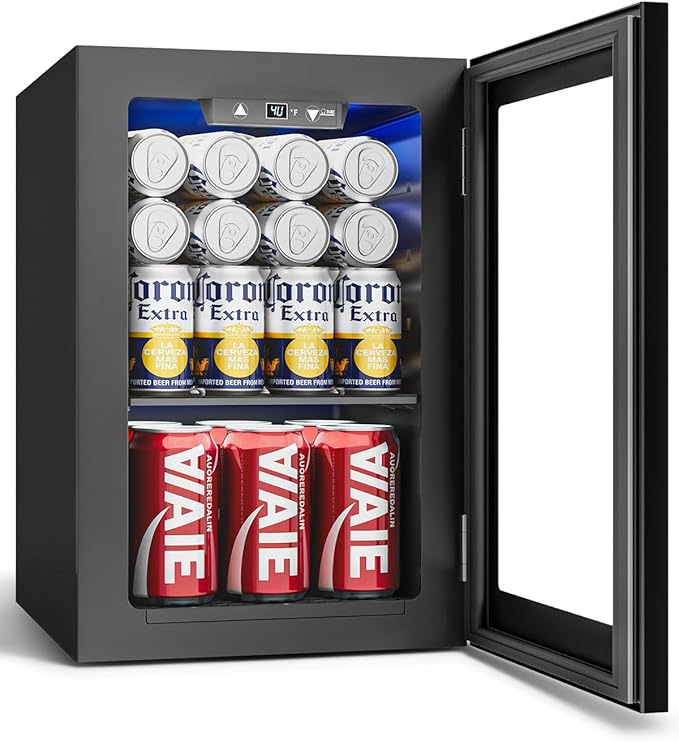
Swing doors, on the other hand, are more common in smaller beverage fridges or under-counter units. They’re often outfitted with a transparent glass window, allowing quick scanning of the interior without opening the door. You can find single or double-door configurations, depending on how wide the fridge is. If you choose a swing door model, ensure there’s enough room in front so no one gets blocked or bumped when the door is open.
Door designs for safety and accessibility
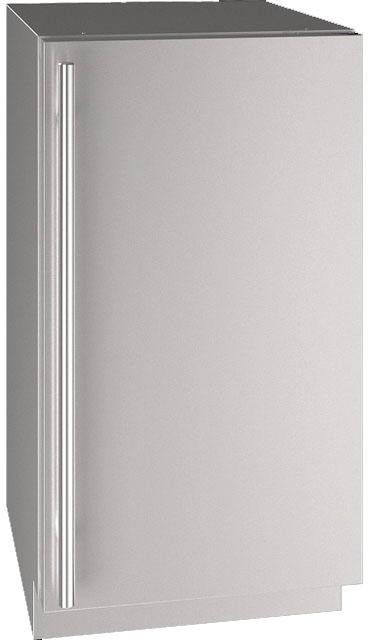
Cafeterias that cater to diverse audiences often consider doors with easy-to-grip handles. For instance, a handle design that sits flush with the door can prevent snagging if your area sees a lot of foot traffic. If you expect children or individuals with limited mobility to regularly use the fridge, choose a door with a comfortable, well-positioned handle. Durability is also crucial—sturdy hinges and hardware mean fewer repairs down the road.
Where and how you install your cafeteria beverage fridge can make a difference in how guests interact with it, as well as how easily you can maintain it. You’ll want to plan ahead so your beverage station doesn’t disrupt traffic flow or bump up against other crucial equipment.
Built-in vs. freestanding
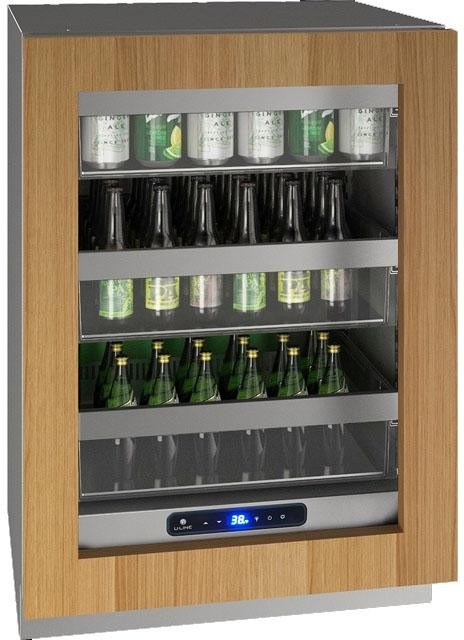
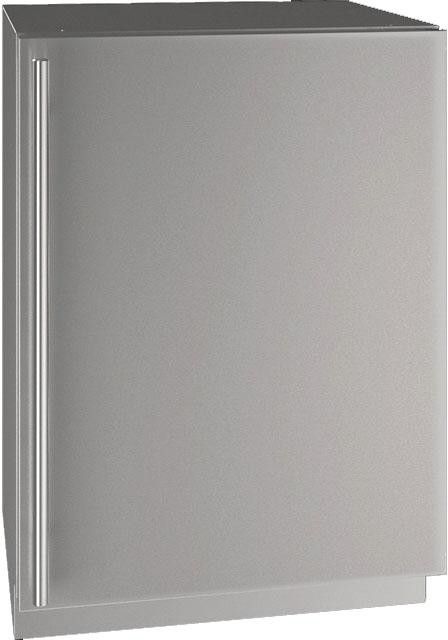
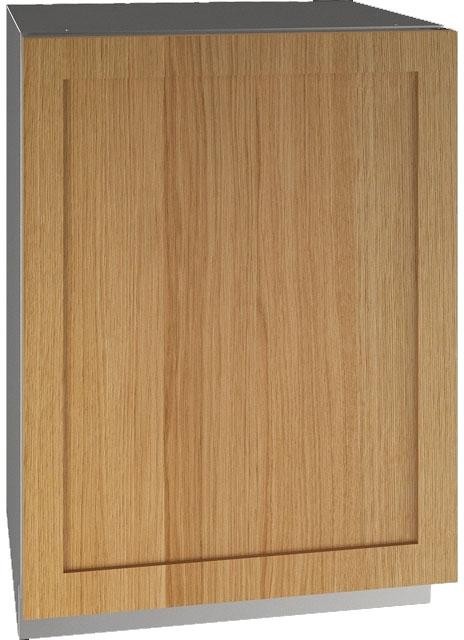
Beverage fridges typically come in built-in or freestanding designs. Built-in units integrate seamlessly under countertops, giving a polished, custom look. They also make sense if your cafeteria has limited space. However, they can be trickier to move if you decide to rearrange. Freestanding fridges—especially those on casters—offer more flexibility. You can adjust the fridge position if you reconfigure your cafeteria or discover a more convenient location.
Proximity to your serving area
Keep the fridge close to your serving line or checkout area if you want to encourage impulse buys or quick beverage grabs. If your cafeteria is more self-service oriented, placing the fridge near seating areas can also speed up the line at the main service counter. For staff behind the scenes, an accessible beverage fridge close to your prep area can make it easier to refill cups, pitchers, or beverage dispensers during busy times.
Ventilation requirements
Some beverage fridges vent out the back or sides. Others vent out the front. Make sure you follow the manufacturer’s recommended clearance around the unit. Proper airflow keeps critical components cool and can prolong the life of your fridge. If you plan to place the fridge in an enclosed area, verify that it’s specifically designed for that type of setup. Otherwise, you risk overheating the unit.
Beyond the basics—capacity, layout, door style—there are a few extra amenities you may find helpful. These optional features can boost convenience, help with organization, or provide an extra layer of service for your cafeteria.
Lighting and aesthetics
LED lighting inside your fridge is more than just decorative. Good lighting makes it easier to track inventory at a glance, ensuring you don’t unexpectedly run out of popular beverages. It also enhances the visual appeal, drawing people to the fridge. Opt for interior lighting that’s bright but not harsh, so your drinks remain visually enticing without blinding anyone when they open the door.
Smart controls
Some modern beverage fridges come with digital control panels or even app-based monitoring. These can be handy if you want to keep precise tabs on temperature or receive a notification if there’s a malfunction. While it might be an added expense, consider the value of preventing stock loss because of unnoticed temperature fluctuations.
Security and lock systems
Earlier, we touched on the importance of having a locking mechanism. If your cafeteria stays open late or you only stock certain beverages at certain times, a secure door lock can be a must. Some cafeteria managers also use integrated locks to control distribution—handy in places where you keep specialized drinks only accessible to staff or adult customers.
Branding and signage
If you want to turn your beverage fridge into a subtle advertising piece, some manufacturers let you customize the door or the paneling. You might add your cafeteria’s logo or color scheme so it feels like a smooth extension of your décor. In a highly competitive environment, eye-catching signage can give your beverage offerings a professional, enticing look.
A well-maintained beverage fridge ensures consistent drink quality and extends the life span of your investment. Keeping it pristine also shows your cafeteria patrons that you’re committed to cleanliness and professionalism.
Daily wipe-down
With dozens or even hundreds of people interacting with your fridge daily, spills and sticky residue can build up quickly, especially around the handle and interior shelves. Incorporate a simple daily routine to wipe down any visible stains or drips with a mild sanitizing solution. This helps maintain your fridge’s appearance and prevents any odors from developing.
Regular deep cleaning
Plan a deeper cleaning schedule, perhaps once every couple of weeks or monthly, depending on usage. Remove all drinks and shelves, then wash everything with warm, soapy water. Thoroughly rinse and dry the components to avoid leaving a film or soapy residue. Pay attention to door gaskets too—they can collect grime, which affects the fridge’s seal.
Temperature checks
Regularly verify that your fridge is staying within the recommended range. Place an appliance thermometer inside to double-check the built-in thermostat. Log temperature readings to spot any creeping changes that might suggest an issue with the compressor or cooling system. If you suspect a problem, schedule a service visit promptly.
Filter and condenser routine
If your unit has any kind of filter or advanced cooling mechanism, follow the manufacturer’s service guidelines. Cleaning or replacing filters at suggested intervals ensures optimal airflow. Additionally, vacuum or wipe down the condenser coils—often found at the back of the unit—to remove dust. Neglected coils force your fridge to work harder than it should, upping your energy bill and wearing down the compressor faster.
Create a purchase checklist
Picking the best beverage fridge for a cafeteria is easier when you systematically compare your options. A checklist helps you stay organized and keeps essential factors in mind.
Size and capacity: Does the fridge fit into your cafeteria’s dimensions while offering sufficient storage?
Type: Are you looking at built-in or freestanding? Under-counter or tall showpiece?
Temperature range: Does it reach the desired cooling level for your beverage types?
Shelving: Do shelves adjust for different can or bottle sizes?
Energy efficiency: Is it rated for minimal power usage, and does it have features like thick insulation or advanced compressors?
Door style: Sliding or swing? Glass or solid? Single or double?
Safety and security: Is there a lock or at least the option to install one later?
Maintenance: Look at cleaning instructions, availability of replacement parts, and warranty coverage.
Cost: Does this model fit your budget without compromising the features you absolutely need?
Creating a short list can help you narrow options quickly. Then, read reviews or talk to colleagues for real-world feedback about the brand or model you’re considering. If you’re running a more specialized commercial environment, you can also check out resources like best beverage fridge for a restaurant kitchen to see how different industries approach beverage storage.
Setting up the best beverage fridge for a cafeteria is a matter of balancing capacity, functionality, and convenience. Think carefully about the size of your space and the nature of your clientele—are you serving a massive corporate cafeteria, or is it a smaller community space with modest traffic? Do you need multiple temperature zones for varied drink types? And what about safety features if you serve a private or restricted audience?
When you thoughtfully match your requirements to the right features, you’ll end up with a beverage fridge that seamlessly supports your cafeteria’s operations. You’ll serve chilled drinks more efficiently, keep lines moving faster, and maintain a cleaner, more organized environment for everyone involved. Whether you’re upgrading your current setup or installing a beverage fridge for the first time, the right choice goes a long way in helping your cafeteria stand out.
Remember, a well-placed, quality beverage fridge can act like an invitation for people to come in, relax, and grab their favorite drink. Use the tips above, check out models like a 25 inch high beverage cooler fridge if you have height constraints, and keep your cleaning routine consistent. With the right approach, you’ll find the perfect unit to keep your guests refreshed day after day.
From Fridge.com research
Figures below come from data Fridge.com builds and maintains. Each links to the record behind it.
Fridge.com Energy Index, built on U.S. EPA and DOE ENERGY STAR records
Across 122 ENERGY STAR certified compact cooler models, median use is 134 kWh per year — 32% better than the federal standard.