And always leave at least 15 percent of capacity empty so air can circulate freely around baskets of veggies.
Set the freezer to its lowest possible temperature (ideally -30 °C or colder).
Flash freezing—sometimes called blast freezing or individual quick freezing (IQF)—refers to lowering the temperature of food very quickly, usually to around -20 °C or colder within minutes.
Unlike a standard home freezer that creeps down to 0 °F over hours, a flash freezer plummets through the critical zone (just below 0 °C) in no time.
If you’ve ever asked yourself how rapidly flash freeze locks nutrients in vegetables?, you’re in the right spot. Flash freezing is more than just a fancy term on food packaging, it’s a powerful technique that chills produce so fast you trap vitamins, color, and texture almost instantly. In this Ultimate Guide, you’ll learn why rapid freezing matters, how it works, and how you can bring restaurant-quality frozen veggies into your home kitchen or commercial setup.
Definition of Flash Freezing
Flash freezing—sometimes called blast freezing or individual quick freezing (IQF)—refers to lowering the temperature of food very quickly, usually to around -20 °C or colder within minutes. Unlike a standard home freezer that creeps down to 0 °F over hours, a flash freezer plummets through the critical zone (just below 0 °C) in no time. Those lightning-fast chills keep ice crystals microscopic, so cell walls stay intact and nutrients remain locked in place.
Rapid vs Standard Freezing
When you compare rapid flash freezing to a typical freezer cycle, the differences stand out:
Factor
Flash Freezing
Standard Freezing
Cooling Time
Minutes to -20 °C
Several hours to -18 °C
Ice Crystal Size
Tiny (microscopic)
Large (visible to the eye)
Cell Structure
Largely preserved
Often ruptured
Nutrient Retention
Highest
Moderate to low
Texture and Flavor on Thawing
Crisp, vibrant
Often mushy or soggy
With flash freezing, you not only lock in nutrition, you preserve the fresh snap and bright color that make veggies taste like they were just picked.
Nutrient Retention Basics
Before we dive into the freezing chamber, let’s cover why nutrients in vegetables matter and how they react to temperature changes.
Key Nutrients in Vegetables
Vegetables bring a host of vitamins and minerals to your plate, including:
Vitamin C, a water-soluble antioxidant that fights free radicals
B-complex vitamins like folate and thiamine for energy metabolism
Minerals such as potassium, magnesium, and iron
Phytonutrients like beta-carotene, lutein, and anthocyanins
Because many of these micronutrients degrade when exposed to heat, light, or oxygen, freezing soon after harvest helps you lock in maximum levels.
Effects of Temperature Changes
When you slowly freeze a vegetable, water inside its cells forms large ice crystals that puncture cell walls. As juices leak out, nutrients dissolve and oxidize. Flash freezing sidesteps this problem. By dropping temperature rapidly, you form thousands of tiny crystals that leave membranes intact and minimize nutrient loss.
Understanding the science behind flash freezing will help you appreciate why it’s so effective at nutrient preservation.
Ice Crystal Formation
Rapid chilling leads to supercooling, where liquid water stays liquid below its normal freezing point.
Once nucleation kicks in, water crystallizes quickly into many small seeds instead of growing a few large crystals.
Small crystals occupy space uniformly, so cells don’t rupture under stress.
Cell Structure Preservation
Plant cell walls are made of rigid cellulose and pectin, which can withstand internal pressure from microscopic ice crystals. When walls remain intact:
Water stays inside each cell.
Nutrient-rich juices don’t leak out.
Color and flavor compounds are trapped in their natural compartments.
That virtually freeze-dries the veggie in place, ready for thawing or cooking without turning to mush.
Not all freezers are built the same. Let’s contrast common approaches so you choose the right one for your needs.
Flash vs Slow Freezing
Flash Freezing:
Temperatures from -30 to -50 °C
Cooling within 30–60 minutes
Best nutrient, color, texture retention
Slow Freezing:
Temperatures around -18 to -20 °C
Cooling over several hours
More nutrient and moisture loss
Industrial vs Home Freezing
Professional kitchens and food processors often use specialized blast freezers or liquid-nitrogen tunnels to achieve sub-zero temperatures rapidly. At home, some high-end chest and upright freezers mimic these results with strong fans and optimized cooling coils.
Getting serious about nutrient-locked produce means picking the right equipment. You can spend big or go budget-friendly depending on volume and purpose.
Commercial Flash Freezers
If you run a cafeteria, catering business, or commercial kitchen, look for:
Blast freezers with temperatures down to -40 °C
Multiple airflow vents for even chilling
Stainless steel interiors for easy cleaning
Programmable cycles to suit different veggies
These units start around 1,000 kg capacity and scale up. They’re an investment, but if you flash freeze hundreds of pounds weekly, the efficiency and yield pay off.
Home Flash Freezing Options
For chefs, families, and meal-prep enthusiasts, consider:
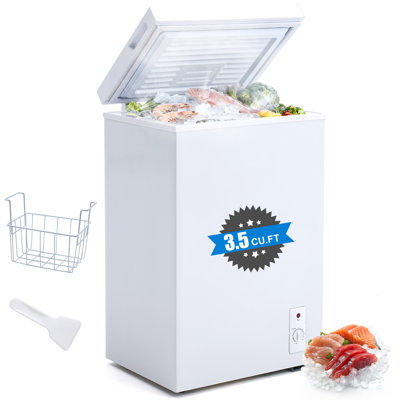
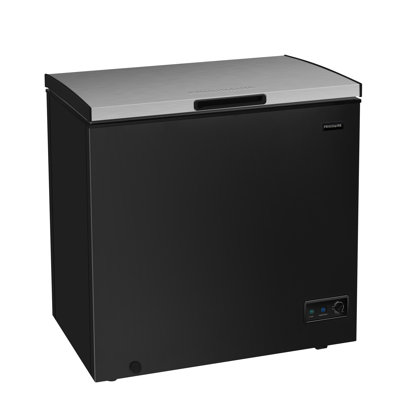
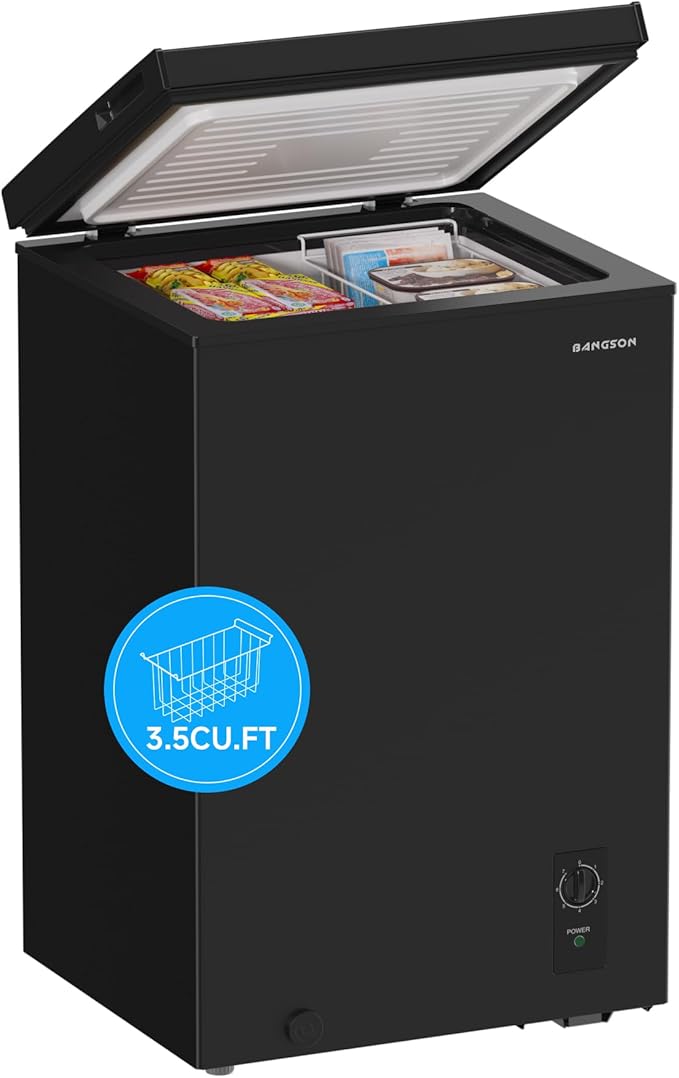
Chest freezers with strong insulation and thick lids
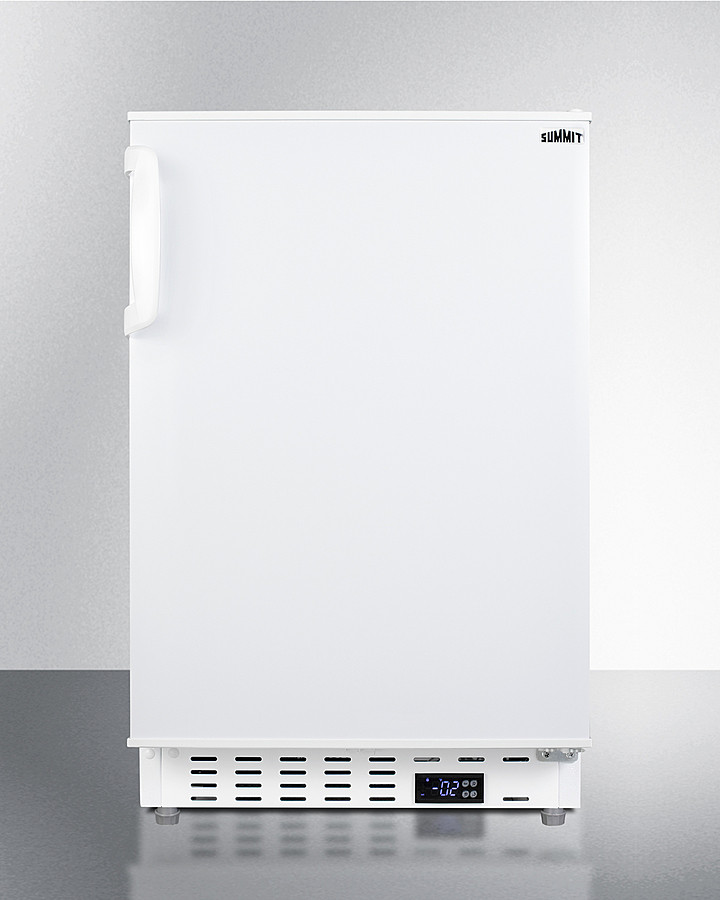
Upright freezers with quick-freeze compartments
Countertop IQF units for small batches (often sold for sous-vide and home canning fans)
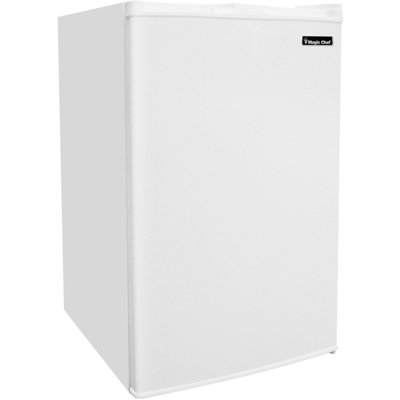
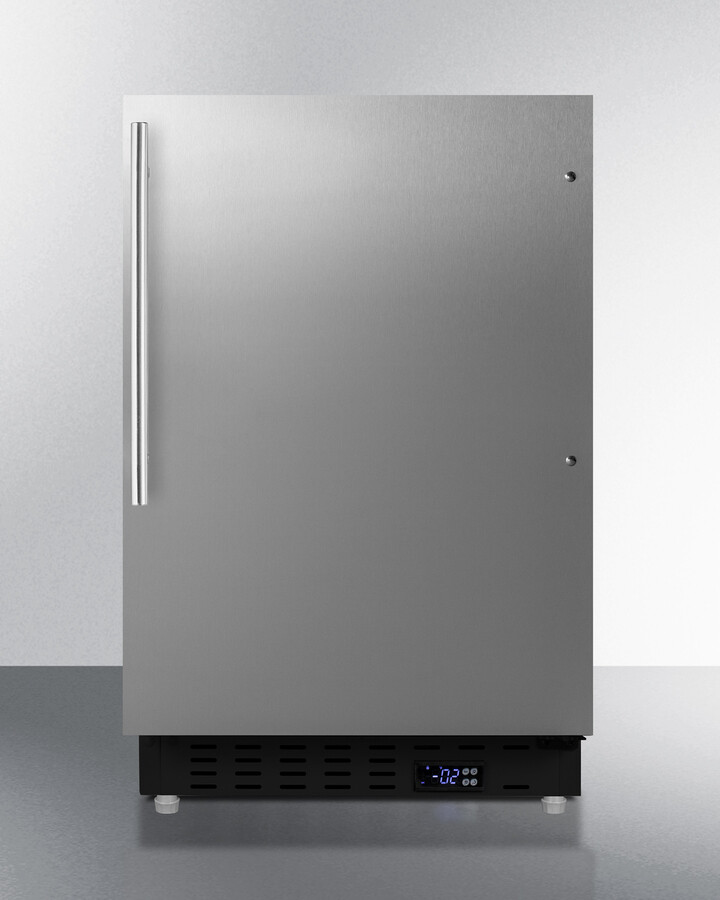
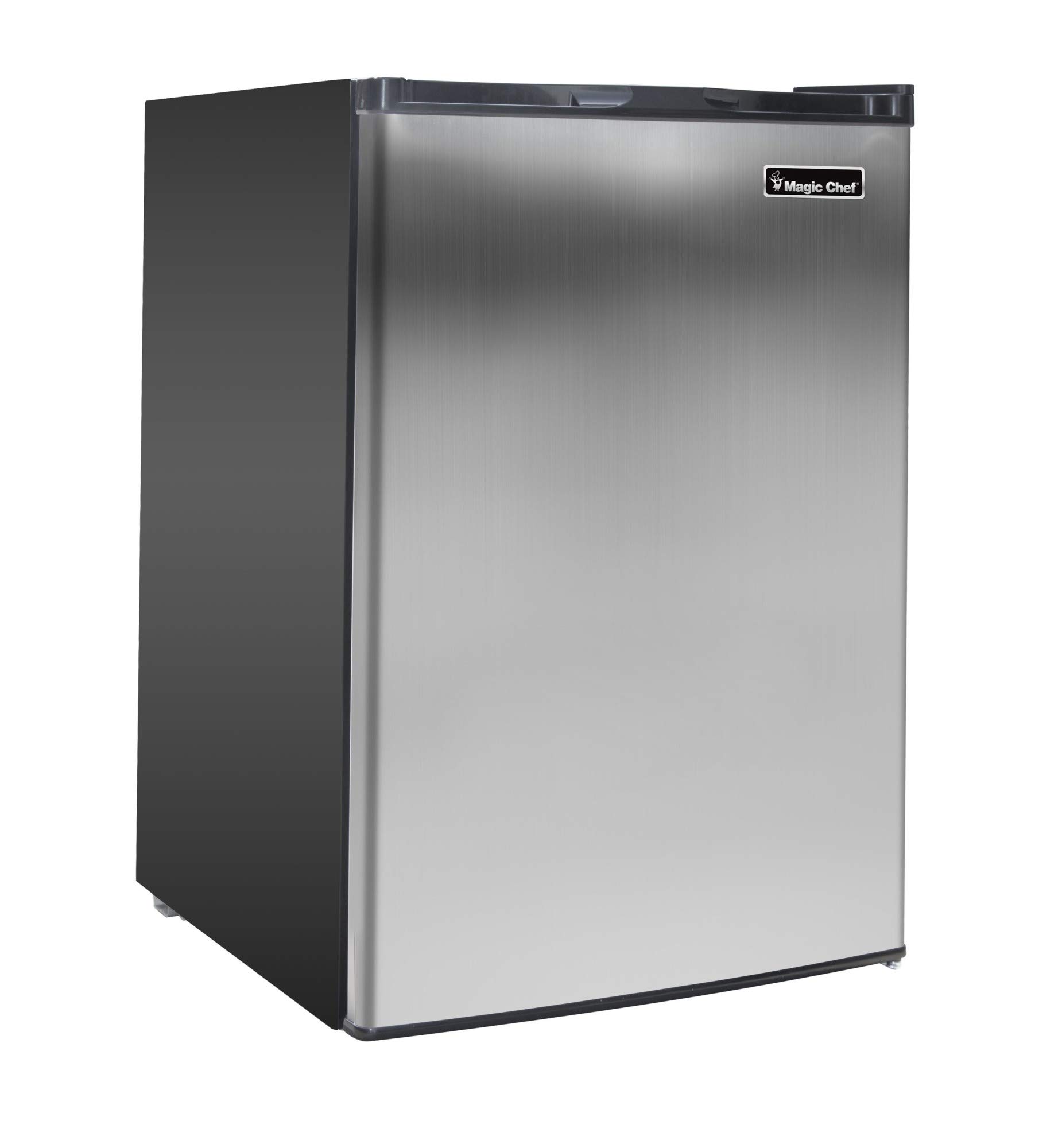
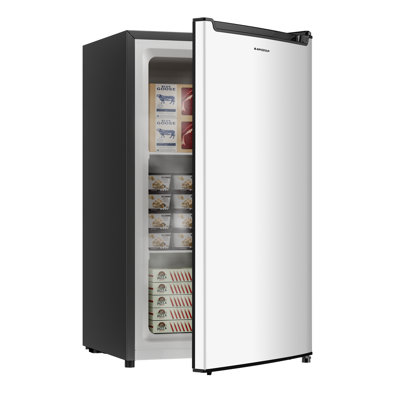
Don’t overlook deals on order compact freezers: deals if you want to shop smart. And always leave at least 15 percent of capacity empty so air can circulate freely around baskets of veggies.
Not negatively. In fact, because nutrients and aromatic compounds are trapped in intact cells, you often experience fresher flavor than with standard frozen produce.
Can You Refreeze Veggies?
You can, but it’s not ideal. Every freeze-thaw cycle forms more ice crystals, which eventually degrade texture and allow nutrient loss. Try to portion bags so you only thaw what you need.
Is Blanching Always Necessary?
Most green, root, and cruciferous vegetables benefit from blanching. Some soft veggies, like peppers and tomatoes, can be flash frozen raw because they contain less enzyme activity.
How Much Freezer Space Do I Need?
That depends on your usage. For weekly meal prep, aim for 15–20 percent of total freezer space dedicated to flash-frozen produce. If storage is tight, learn more about how much freezer space to plan your setup.
Final Thoughts
Flash freezing is your ticket to peak produce, regardless of season. By chilling vegetables rapidly, you trap nutrients, color, and texture in place so that when you thaw or cook them, they taste as if you just harvested from the garden. Whether you’re outfitting a commercial kitchen or hunting deals on a compact home freezer, the principles remain the same: pick fresh, prep correctly, freeze quickly, and store with care.
Ready to lock in flavor and nutrition? Grab your favorite veggies, fire up that freezer, and taste the difference of truly flash-frozen produce.
Frequently Asked Questions
Not negatively. In fact, because nutrients and aromatic compounds are trapped in intact cells, you often experience fresher flavor than with standard frozen produce.