Most modern refrigerators last between 10 and 15 years, depending on how well you maintain them, how often you run heavy-load cycles, and how clean the coils stay.
If you see temps bouncing between 35°F and 45°F, that’s a red flag.
A healthy fridge toggles around 37°F, give or take a degree or two.
Refrigerators account for about 10 percent of household energy use.
You probably don’t wake up thinking about your fridge’s age, but it matters more than you might guess. Most modern refrigerators last between 10 and 15 years, depending on how well you maintain them, how often you run heavy-load cycles, and how clean the coils stay. If yours is creeping past that decade mark, you’re in that “keep an eye on it” zone. Don’t panic yet, but start paying attention to little quirks—those can be your fridge waving a white flag.
Your fridge’s job is simple: keep things cold. When it stumbles, you’ll notice right away.
Check consistent temps
Grab an appliance thermometer and tuck it into the main compartment. If you see temps bouncing between 35°F and 45°F, that’s a red flag. A healthy fridge toggles around 37°F, give or take a degree or two. Big swings mean your compressor might be on its last legs, or the refrigerant flow is compromised.
Identify warm spots
Do a quick hand test on different shelves. If one area feels noticeably warmer, your fridge’s airflow could be blocked or the evaporator fan might be failing. Warm spots aren’t just annoying, they invite bacterial growth and accelerated spoilage. A fridge that can’t maintain uniform chill is edging toward retirement.
Refrigerators aren’t silent, but when everyday hums turn into ear-grating sounds, it’s time to troubleshoot.
Buzzing or clicking
A gentle buzz is normal, but if your fridge clicks on and off every few seconds, you might have a faulty start relay or compressor issue. That rapid cycling strains components and hikes your energy bill.
Grinding or rattling
Grinding sounds could point to a dying motor or fan blade hitting ice buildup. Rattles might mean loose components—panels, fan guards, or even the compressor sitting unbolted. If tightening screws and tidying coils don’t help, you’re looking at a professional repair or a replacement decision.
Ice where it shouldn’t be is your fridge begging for help.
Ice in freezer
A thin layer of frost is normal, especially in older frost-free models. But if you see thick ice bits along walls or freezer coils, defrost cycle failures could be the culprit. That frost blanket insulates coils, making your fridge work harder and fail sooner.
Excess moisture in fridge
Water droplets inside the fresh food compartment or pools on the bottom shelf signal defrost issues or a blocked drain tube. Over time that water freezes and turns into more frost, compounding cooling problems. You don’t want soggy produce or mystery puddles every time you open the door.
As fridges age, they lose efficiency. You’ll see this where it counts—on your utility bill.
Notice rising electric bills
If your electricity cost creeps up without other big changes in your home, your fridge could be the main culprit. Refrigerators account for about 10 percent of household energy use. A failing compressor works overtime, guzzling watts and hitting you with month-end sticker shock.
Inspect condenser coils
Dirty condenser coils force your fridge to run longer to shed heat. Pull it out and vacuum the coils at least twice a year. You’d be surprised how much dust and pet hair can collect back there. Clean coils help your fridge stay efficient and delay that dying-fridge feeling.
A tight door seal is your fridge’s first line of defense against warm air.
Test the gasket seal
Place a dollar bill between the door and the seal, then close the door. If you can pull the bill out easily, your gasket has lost grip. Replace a worn seal to keep cool air in and energy waste out.
Look for light leaks
In a dark kitchen, close the door and shine a flashlight inside. If you see light escaping around the edges, that’s a leak. Warm air sneaks in, frost builds up, and your fridge works overtime. A small gasket swap can often fix this before it escalates.
Some signs sneak up on you because they’re subtle at first.
Frequent spoilage
Are those leftovers growing fuzzy faster than before? If your food’s expiration dates seem accelerated, inconsistent cooling could be the reason. Fresh produce wilts, dairy sours early, and meat goes off in days instead of weeks.
Uneven cooling
You might find your milk freezing on one shelf while your eggs sit ‘tepid’ on another. Malfunctioning fans or blocked vents create hot and cold pockets. Over time, that uneven cooling can kill your compressor, so don’t ignore it.
Sometimes a quick fix isn’t worth the time or money.
Consider refrigerator age
A 12-year-old fridge only a few hundred bucks on the resale market. If you’ve already replaced expensive parts—compressor, inverter board, thermistor—each new repair chips away at value. At some point repair costs exceed half the price of a new model, and replacement makes more sense.
Review repair history
Grab your receipts or repair logs. If you’ve been making annual service calls, it might be time to cut your losses. A well-maintained fridge can stretch beyond a decade, but constant breakdowns are a sign of chronic decline.
Decide repair or replacement
When you reach the decision point, weigh cost, convenience, and energy savings.
Compare repair vs replace
Ask your technician for a repair estimate, then compare that to new-fridge prices. Factor in energy savings too. A new ENERGY STAR refrigerator can use 15 percent less energy than a 10-year-old model. That reduction can offset part of the sticker price over time.
Explore new fridge options
If replacement wins, you have choices. A few links to help you out:
If you need guidance on selecting features and getting the best deal, check buying a new refrigerator how to get the very best one.
Worried about fitting it through a tight doorway? See will a refrigerator fit through a 32 inch door?.
Eco friendly models
Look for ENERGY STAR certified fridges with inverter compressors. They adjust cooling power rather than switching fully on and off, saving energy and reducing noise.
Smart appliance features
Wi-Fi connected models let you monitor and adjust temps from your phone. Some even send alerts if the door’s left ajar or the filter needs changing.
Door size considerations
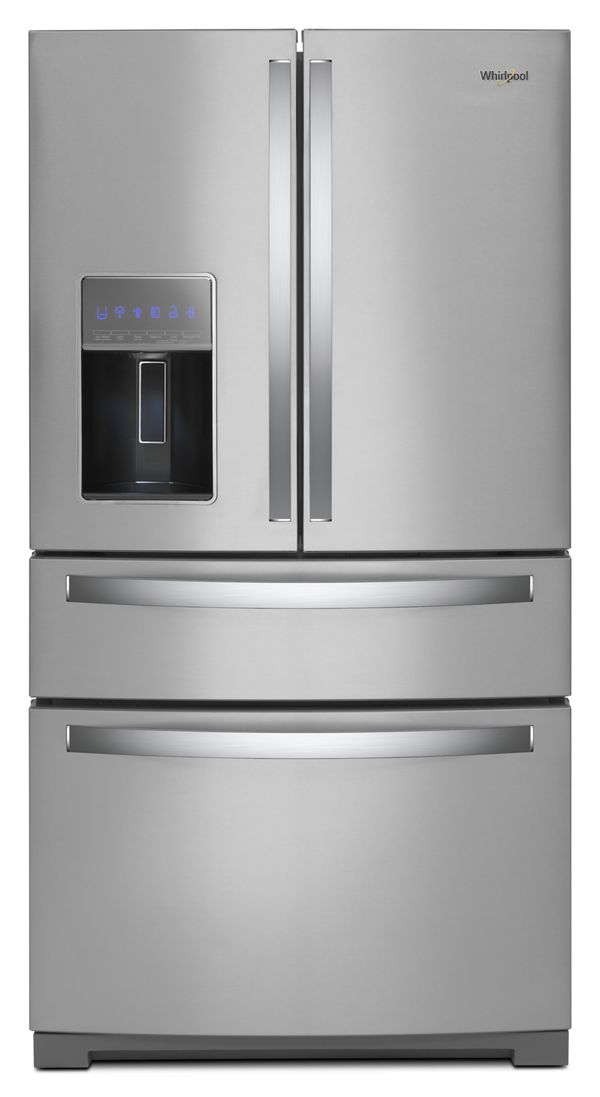
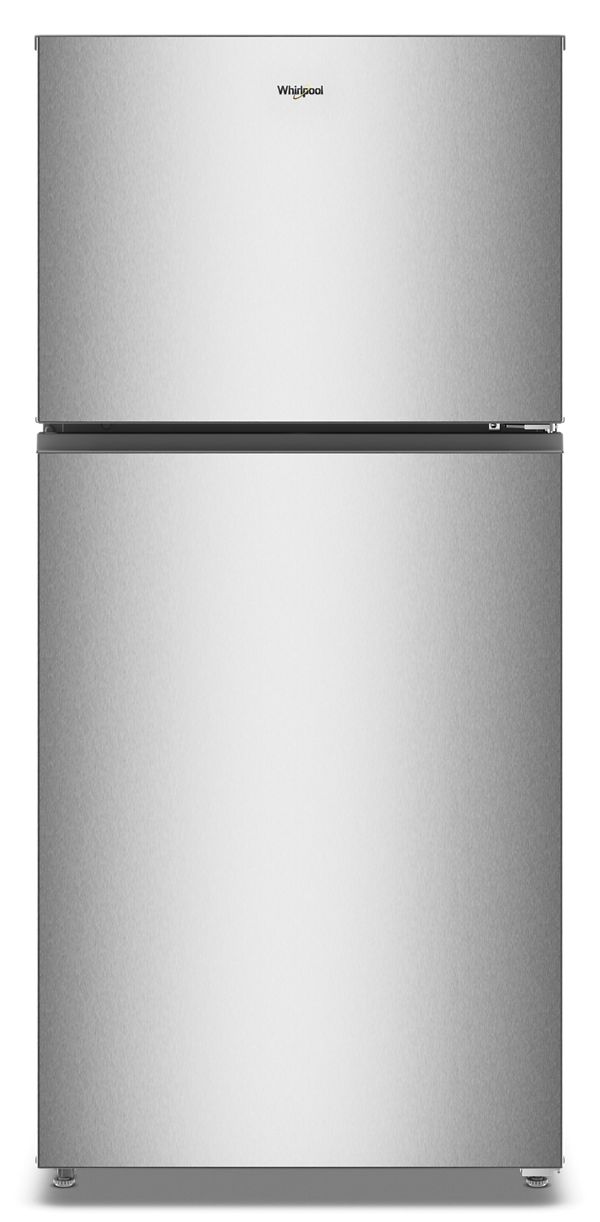
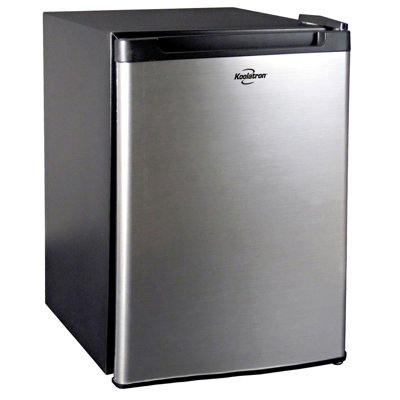
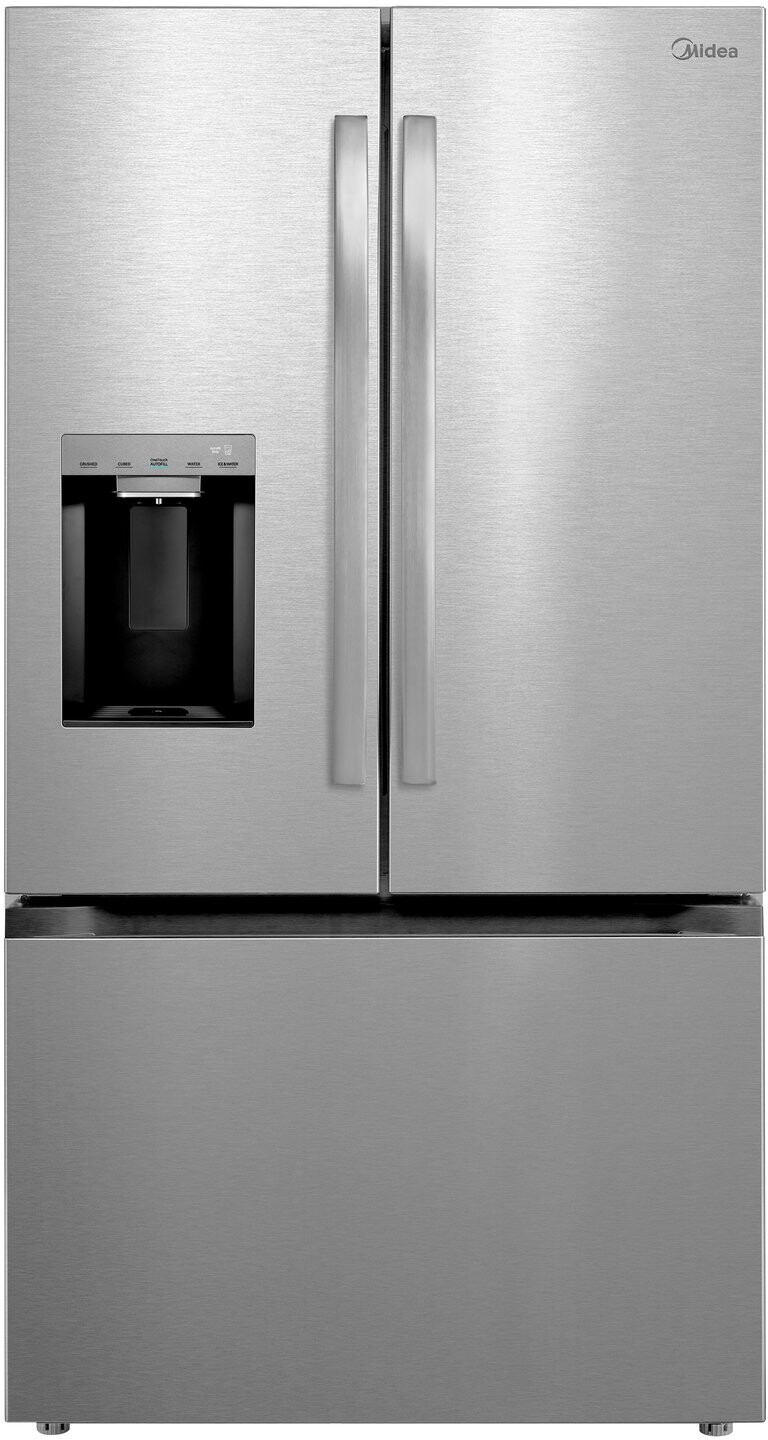
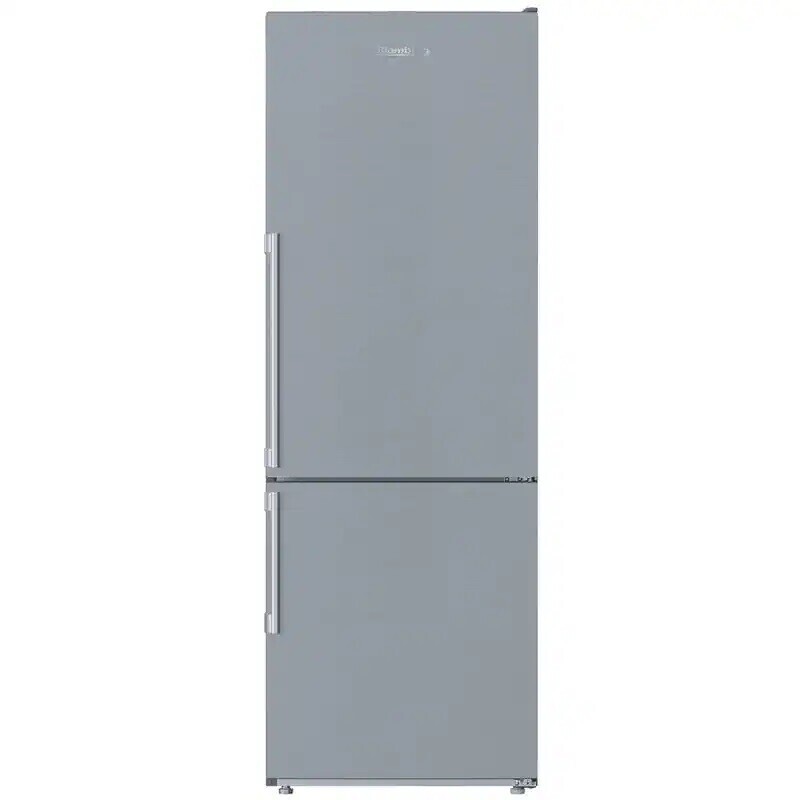
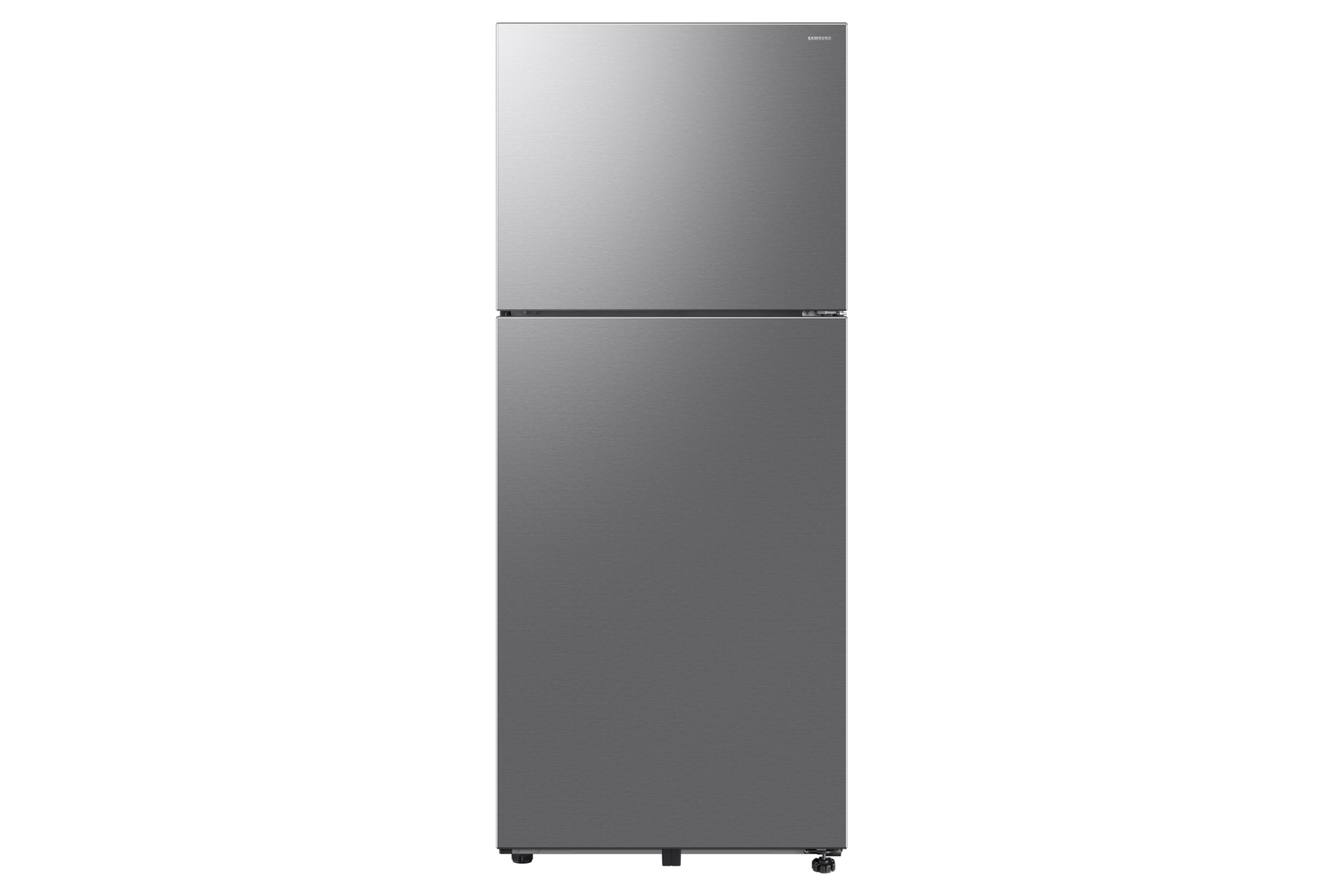
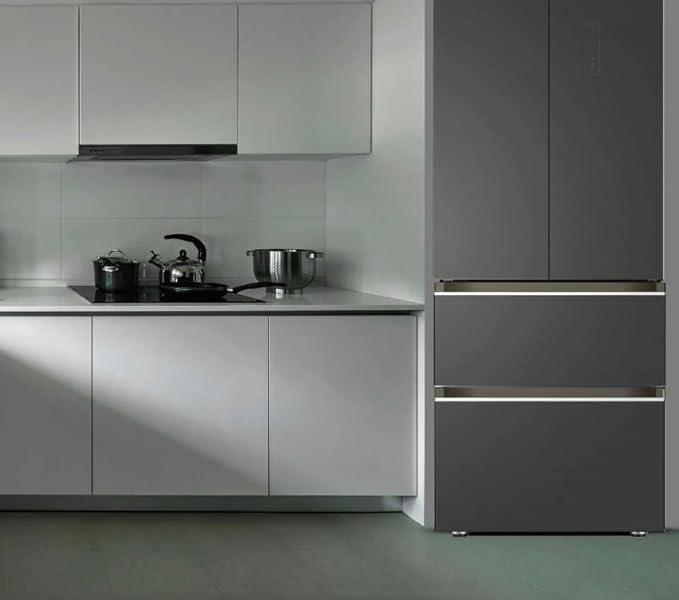
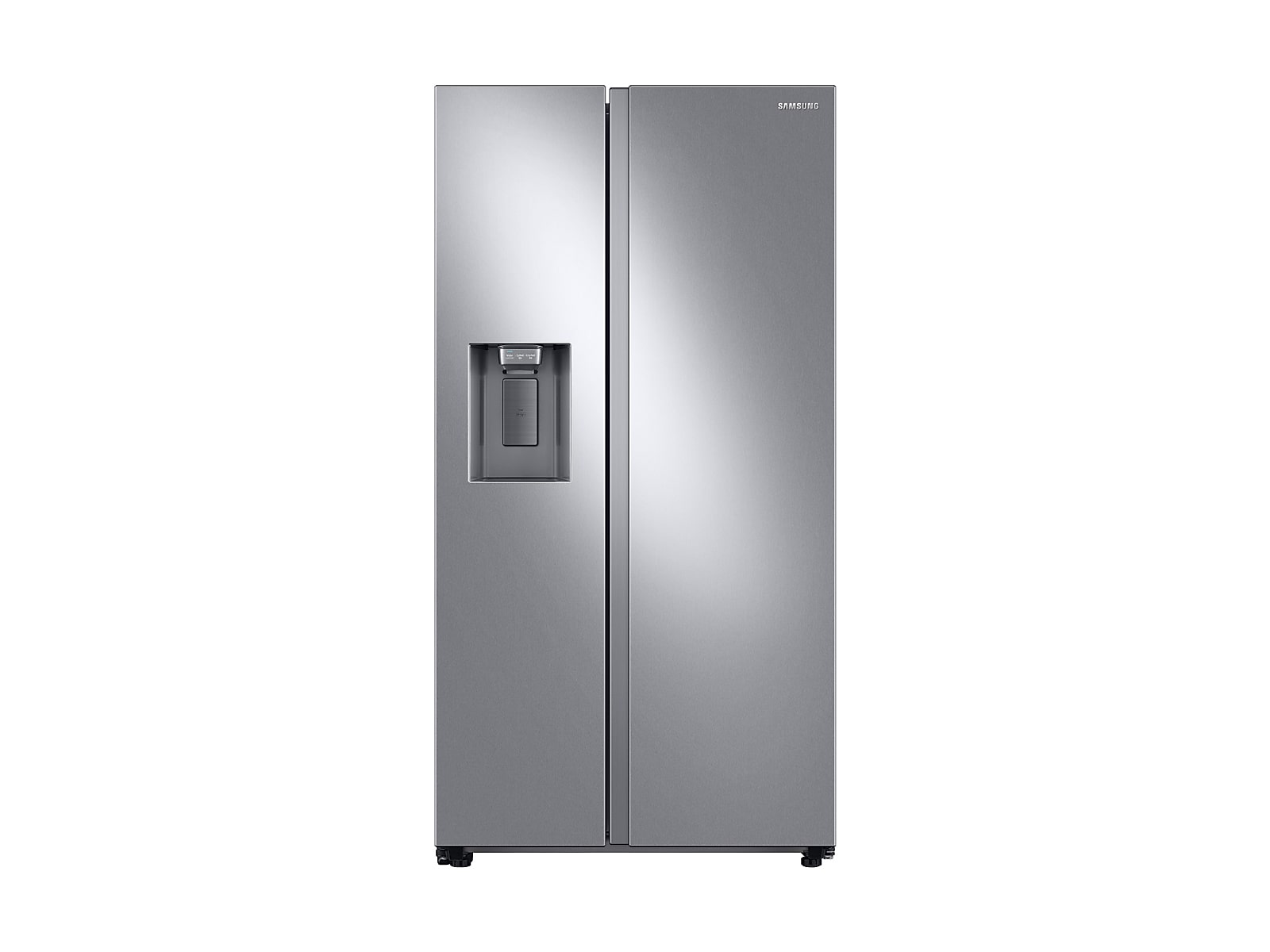
French door, side-by-side, bottom freezer or top freezer—each style fits differently in your space. Measure twice, order once.
Once you have a working fridge, keep it that way. Small habits go a long way.
Establish cleaning routine
Every few months wipe down shelves, drawers, and door gaskets with warm soapy water. For in-depth guidance, see how do you clean your fridge? - and why is it important. A clean interior prevents odors, stops mold growth, and helps you spot issues early.
Defrost freezer properly
If you have a manual-defrost unit, tackle ice buildup before it gets thicker than a pencil. For fast tips on removing ice, head to how to remove ice from the freezer quickly. You’ll improve airflow, reduce energy use, and spare your compressor.
Optimize fridge organization
Leave space around containers so cold air can circulate. Don’t stuff the fridge too full, and rotate older items to the front. If clutter is an issue, our guide on how to declutter a fridge freezer can help you regain control and spot potential problems faster.
Final thoughts
A fridge that’s dying rarely fails overnight. You’ll notice subtle cues—temperature swings, strange sounds, frost buildup, higher energy bills. Address small issues early with cleaning, gasket swaps, and coil maintenance. But when age and repair costs start stacking up, it’s wise to weigh the benefits of a fresh model. A new fridge with modern efficiency and smart features can save you time, money, and stress in the long run. Keep up regular care, and you’ll extend your fridge’s life, keep food safe, and avoid those last-minute grocery runs when your old companion finally calls it quits.
From Fridge.com research
Figures below come from data Fridge.com builds and maintains. Each links to the record behind it.
Fridge.com Energy Index, built on U.S. EPA and DOE ENERGY STAR records
Across 5,455 ENERGY STAR certified refrigerators and freezers from 263 brands, median use is 360 kWh per year.