You know those mornings when the alarm goes off and you instantly regret hitting snooze? That’s where discovering the best mom friendly fridge freezer meals for breakfast can feel like a lifesaver. When you’re balancing work calls, school drop-offs, and a household that never stops moving, having make-ahead breakfasts at the ready in your fridge or freezer gives you a nutritious head start without the morning scramble. In this guide, you’ll learn why fridge/freezer meal prep rocks, which recipes fit the bill, and how to store, reheat, and organize everything so you can reclaim your mornings—and maybe even sneak in that extra five minutes of shut-eye.
Breakfast meal prep benefits
Save time
Batch-prepping breakfast means you’re not scrambling over cereal boxes or flipping pancakes from scratch. You can grab a ready-to-go meal, reheat, and head out the door. That ease frees up time for things you actually enjoy—like sipping coffee in peace (or arguing with your kid about which cartoon to watch).
Reduce waste
When you portion meals into single servings, you avoid that sad half-bowl of leftover oatmeal in the fridge. Measuring and freezing exactly what you’ll eat helps keep produce and pantry staples from languishing until they expire.
Feed picky eaters
Sticking to a handful of tried-and-true recipes means your kids learn the good stuff early—and you waste fewer ingredients on experimental dishes that get pushed aside. Plus, you can sneak in extra veggies or protein without them even noticing.
Select mom-friendly recipes
Try these make-ahead meals that shine in both the fridge and freezer:
Freezer-friendly breakfast burritos
Scramble eggs with diced bell peppers, spinach, and cooked turkey sausage. Wrap each portion in a tortilla, then foil and freeze. On hectic mornings, unwrap and microwave for 1–2 minutes—instant handheld breakfast.Mini frittata muffins
Whisk eggs, cheese, and your favorite mix-ins (think broccoli florets or chopped ham), then pour into a greased muffin tin. Bake, cool, and stash in an airtight container. Reheat in 30 seconds for a protein-packed nibble.Smoothie freezer packs

Layer fruit, spinach, and protein powder in freezer-safe bags. When hunger strikes, dump a pack into your blender with milk or yogurt. In 60 seconds you’ve got a smoothie that tastes fresh despite living in the freezer.Overnight oats jars
In jars, combine oats, milk, chia seeds, and berries. Refrigerate overnight and grab in the morning. Swap fruits or nut butters mid-week to keep things interesting.Pancake batter pucks
Pour batter into silicone molds and freeze. Pop the pucks into a zipper bag, then toss them on the griddle straight from the freezer—no defrosting needed.Make-ahead breakfast sandwiches
Assemble English muffins with egg patties, cheese, and bacon or sausage. Wrap individually and freeze. Microwave each sandwich for 1 minute, then enjoy a melty, warm bite.Waffle stacks
Bake or toast a big batch of waffles, then layer between parchment paper in a freezer bag. Reheat in a toaster or oven for a crispy morning treat.
Store meals safely
Use freezer-safe containers
- Choose BPA-free plastic or glass containers with tight-sealing lids
- Opt for silicone bags or reusable freezer pouches for flat storage
- Avoid thin plastics that can develop freezer burn
Label and date meals
- Write the name and prep date with permanent marker
- Include reheating instructions if multiple people share the kitchen
- Rotate older items to the front so nothing gets lost in the back
Portion control tips
- Freeze in single-serving portions so you only thaw what you need
- Consider portioning by calorie or macro needs if you’re tracking intake
- Use measuring cups or kitchen scale for consistency
Reheat with ease
Microwave instructions
- Remove foil or plastic, cover with a microwave-safe lid or paper towel
- Heat on medium power in 30-second intervals to avoid soggy spots
- Flip or stir halfway through for even warming
Oven or toaster oven
- Preheat to 350°F, place meals on a baking sheet
- Heat for 8–12 minutes, flipping halfway if possible
- Ideal for crunchy textures like waffles or burritos
On-the-go options
- Municipal-approved insulated food jars keep frittatas or oats warm
- Stash a frozen smoothie pack in a Thermos and add hot water
- Use wax-paper-wrapped sandwiches that thaw in your backpack by lunchtime
Organize your freezer
First in, first out
Adopt the classic FIFO method so older meals don’t languish. When you drop a new batch in, move older bags or containers to the front.
Group by type
Keep breakfast burritos together, smoothie packs in one bin, and waffles in another. That way you’re not rifling through everything to find what you need.
Clean and declutter
Every month, empty the freezer and toss any items past their prime. For tips on streamlining your space, check out how to declutter a fridge freezer (/how-to-declutter-a-fridge-freezer).
Consider undercounter storage
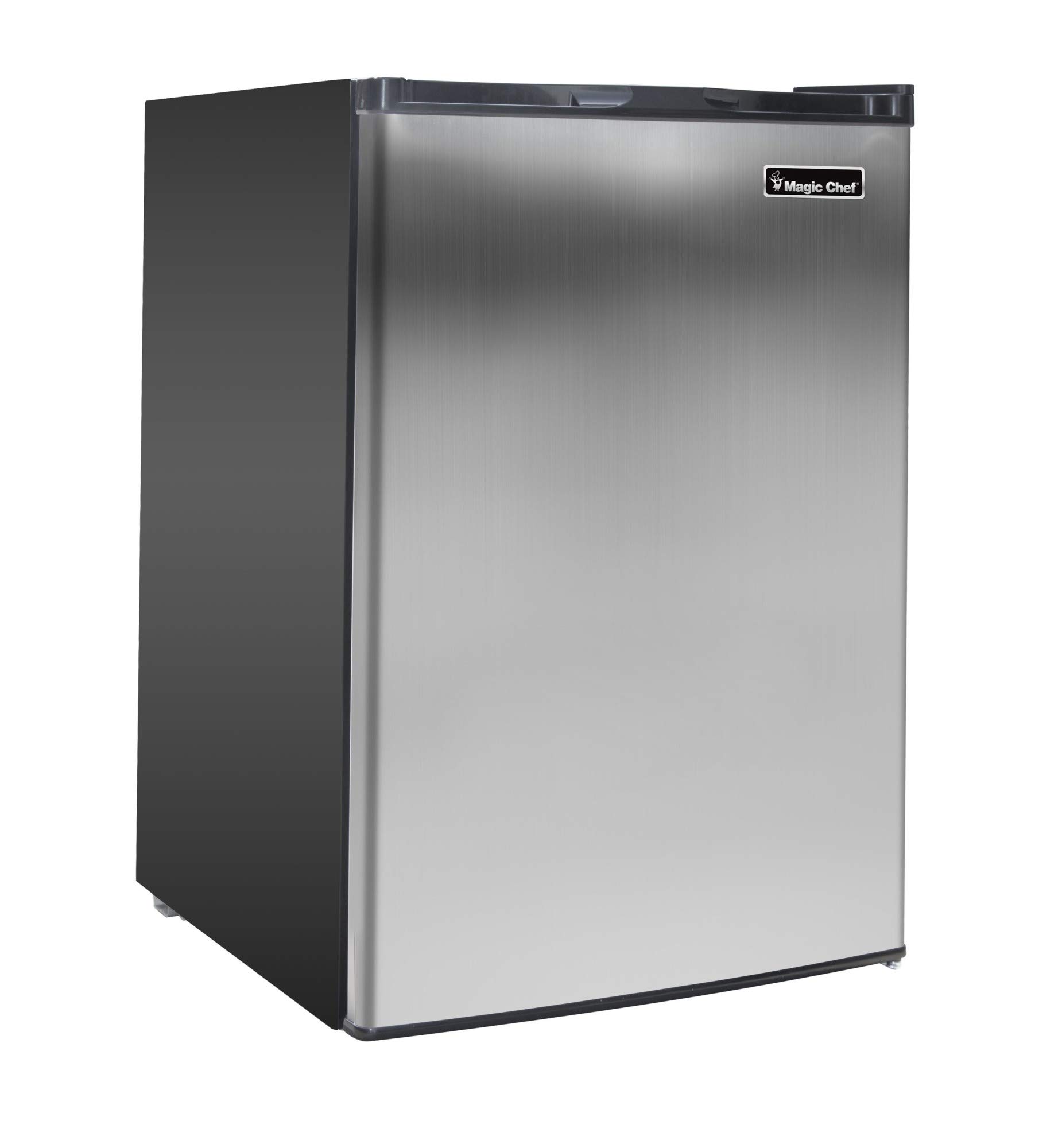
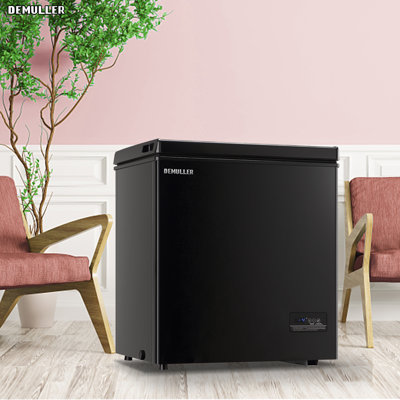
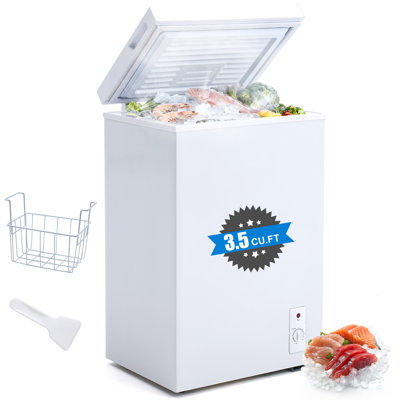
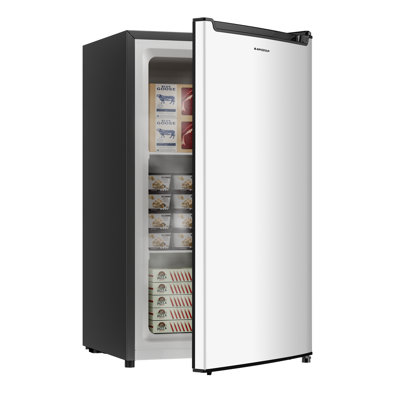
If your main fridge/freezer is overflowing, an undercounter freezer can expand capacity without eating much floor space. Compare undercounter freezers: coupons (/compare-undercounter-freezers-coupons) to find deals that fit your kitchen.
Adjust for dietary needs
Vegetarian variations
Swap sausage or bacon for sautéed mushrooms, roasted sweet potatoes, or black beans. Egg muffins filled with broccoli and cheddar offer protein and produce in one bite.
Low-carb options
Cut carbs by swapping tortillas for low-net-carb wraps or making egg-only burritos. For more recipe ideas, explore keto low carb freezer meals (/keto-low-carb-freezer-meals).
Dairy-free swaps
Use almond or oat milk in overnight oats and smoothies. Replace cheese with dairy-free shreds or nutritional yeast for a savory note.
Gluten-free tweaks
Swap pancake mix for gluten-free flour blends. Use gluten-free bread or English muffins when assembling sandwiches.
Stock pantry essentials
Spices and flavorings
Keep garlic powder, smoked paprika, cinnamon, and Italian seasoning on hand to jazz up eggs and oats.
Dry grains and legumes
Stock quinoa flakes, steel-cut oats, and chia seeds for easy breakfast bases.
Supplemental add-ins
Freeze small bags of nuts, seeds, and dried fruit. Toss a handful into oatmeal or yogurt for texture and nutrients.
Maintain freezer performance
Check temperature settings
Aim for 0°F (–18°C) in the freezer compartment. A fridge thermometer helps you verify accuracy.
Defrost regularly
Too much ice buildup reduces efficiency and can lead to freezer burn. Learn quick techniques at how to remove ice from the freezer quickly (/how-to-remove-ice-from-the-freezer-quickly).
Clean seals and vents
Wipe door gaskets monthly with warm, soapy water. Keep vents clear so cold air circulates properly.
Avoid overcrowding
Air needs room to flow. Don’t cram containers so tight that they block vents—your meals will stay fresher when air moves freely.
Enjoy stress-free mornings
Quick grab-and-go ideas
- Tuck a burrito in your bag with a napkin
- Pour oats into a travel cup and top with fresh fruit later
- Carry a smoothie in an insulated bottle for mid-commute sipping
Add fresh toppings
Keep berries, avocado slices, or a squeeze of hot sauce handy. A quick sprinkle of fresh herbs or cheese can transform a frozen meal into something that tastes made from scratch.
Plan your week
Block out 30–60 minutes on Sunday evening to assemble meals. Jot down your daily grab-and-go plan on a chalkboard or family calendar so everyone knows what’s for breakfast.
By carving out a little time now, you’ll thank yourself all week long. No more cereal spills or panic-fuelled coffee runs—just satisfying, nutritious breakfasts that let you—and your family—start every day on the right foot.