Finding the best refrigerator for Philadelphia homes comes down to balancing your kitchen’s quirks, local climate demands, and your lifestyle needs. Whether you’re a busy parent meal-prepping for the week, a craft beer enthusiast stocking up on IPAs, a dorm-dweller with limited space, or a home cook who entertains friends nightly, the right fridge keeps produce crisp, beverages chilled, and energy bills in check. In Philadelphia’s rowhouse kitchens and modern condos alike, space can be tight, summers can be humid, and winters can get chilly. That means you need a unit that fits your footprint, holds up in humidity, and operates efficiently. This guide walks you through each step of choosing the perfect refrigerator for your Philadelphia home.

Assess your kitchen space
Before you fall in love with a glossy stainless-steel model online, make sure it fits where you need it. In Philadelphia’s historic homes you might have narrow doorways, tight hallways, or built-in cabinetry that limits depth.
Measure doorways and pathways
- Note every doorway, hallway, stair landing, and corner your new fridge must pass through
- Measure height, width, and diagonal if you need to tilt the unit
- Check any obstacles like radiators, railings, or light fixtures
If you’re not sure whether your fridge will clear a standard opening, see “will a refrigerator fit through a 32 inch door?” (/will-a-refrigerator-fit-through-a-32-inch-door) for tips on measuring and maneuvering.
Determine fridge footprint
- Record the maximum width, depth, and height of your available space
- Allow at least one inch of clearance on each side and the top for ventilation
- Account for door swing: most units need an extra 20–25 inches in front when fully open
Choose counter-depth vs standard
Counter-depth refrigerators sit flush with cabinetry, giving you a streamlined look, but they typically offer 10–20% less capacity than standard-depth models. If you entertain often or have a large family, you might sacrifice style for extra storage. If you’re tight on space and love a built-in vibe, counter-depth could be worth it.
Compare fridge door types
The door configuration you choose affects capacity, organization, and how easily you can fit the unit into awkward kitchen layouts.
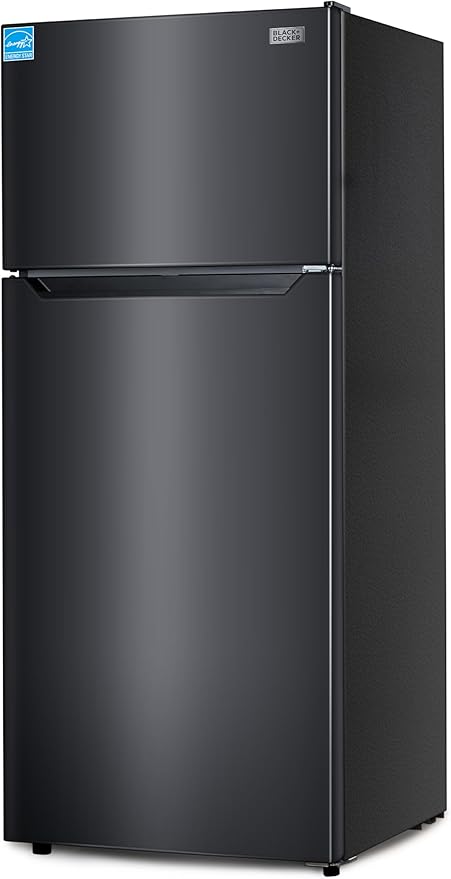
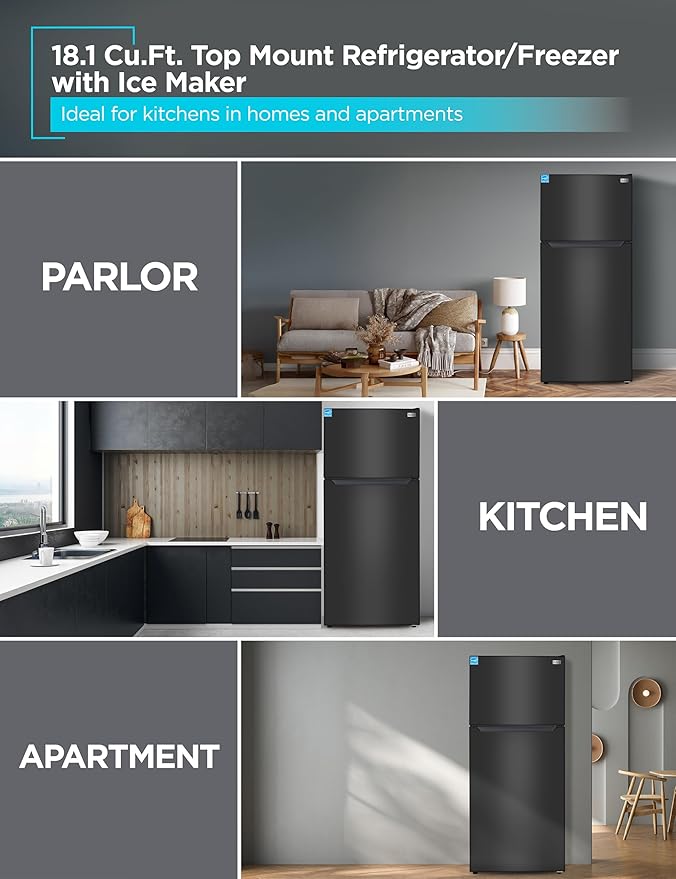
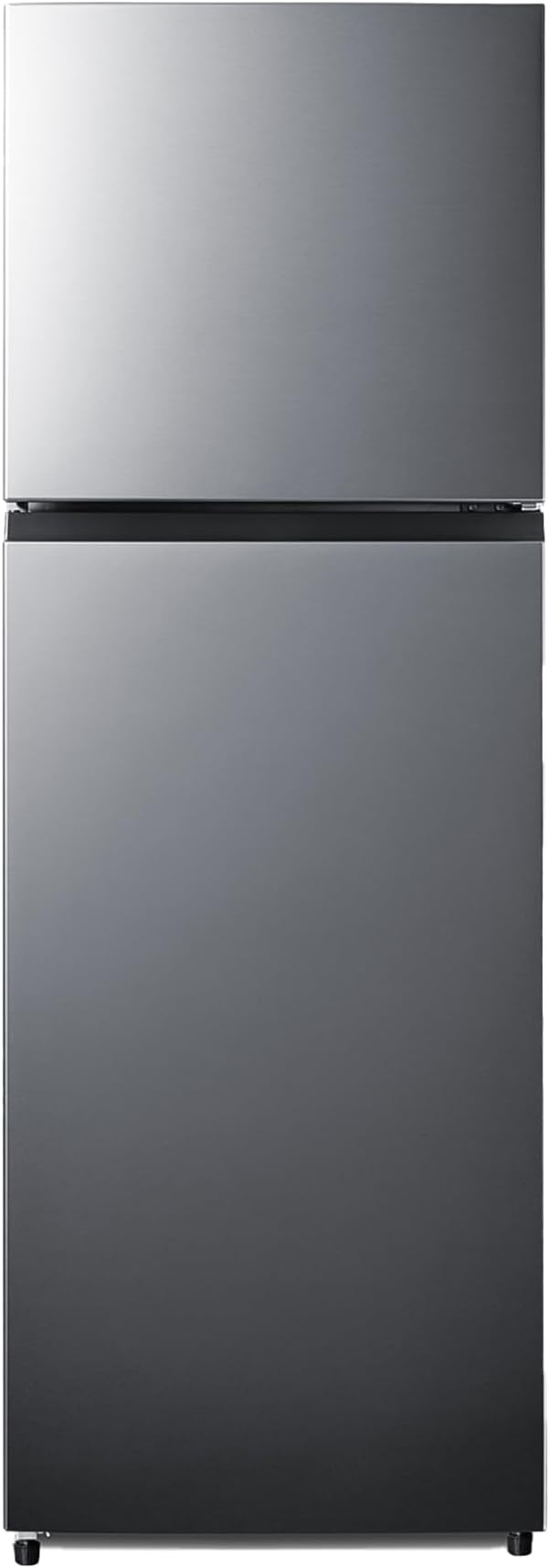
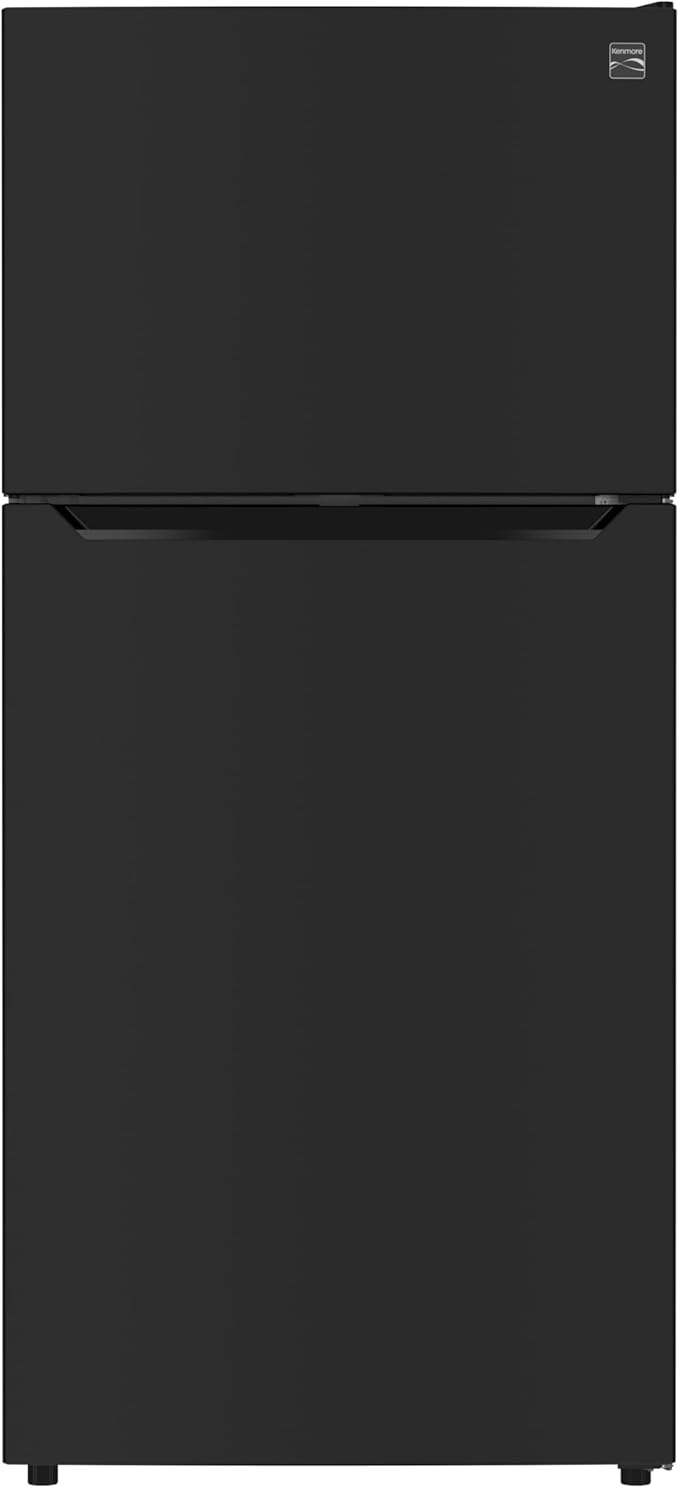
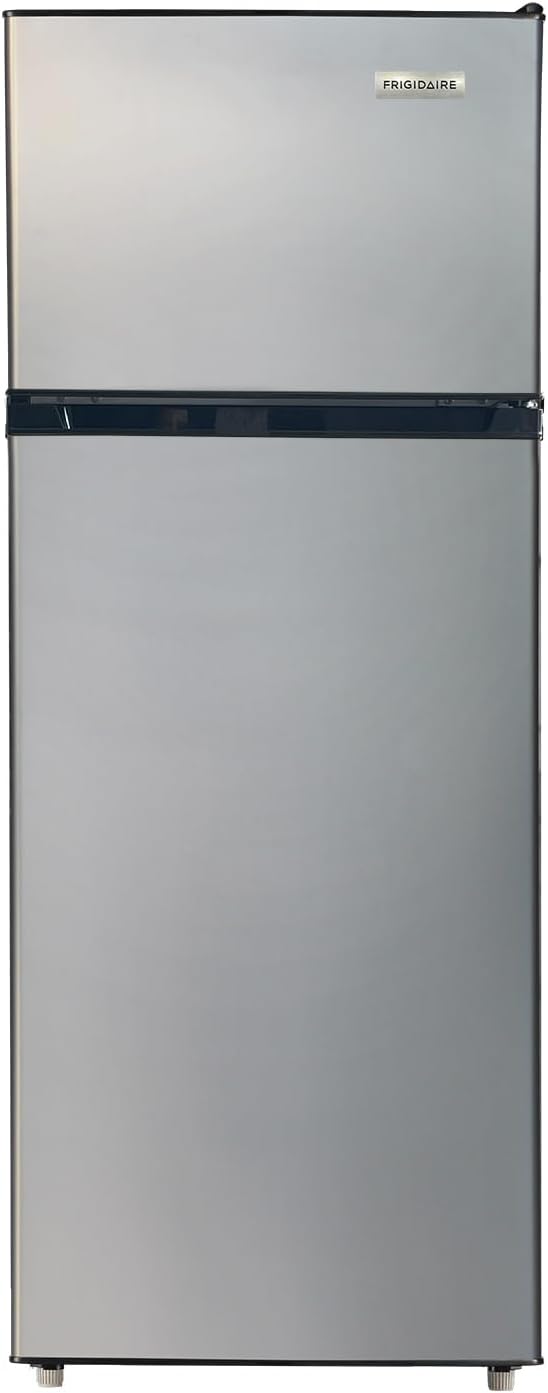
Top freezer models
- Budget-friendly and reliable
- Narrow doors, good for smaller kitchens
- Freezer at eye level may require bending to reach fridge items
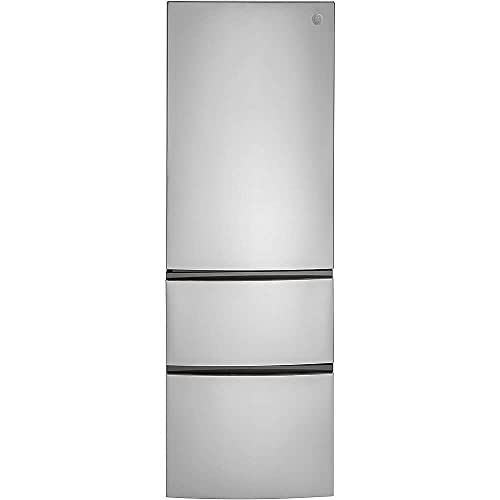
Bottom freezer models
- Fridge section at eye level for easy access to produce and leftovers
- Freezer drawer can shuffle drawers of frozen goods without bending
- Popular layout, often found in Energy Star–rated models
- For deals on bottom-freezer styles, check exclusive bottom freezer refrigerators: best prices
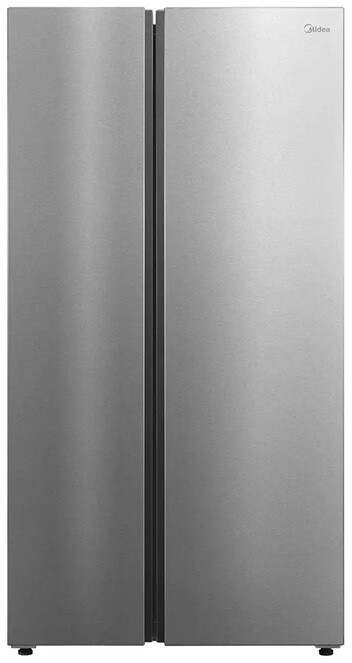
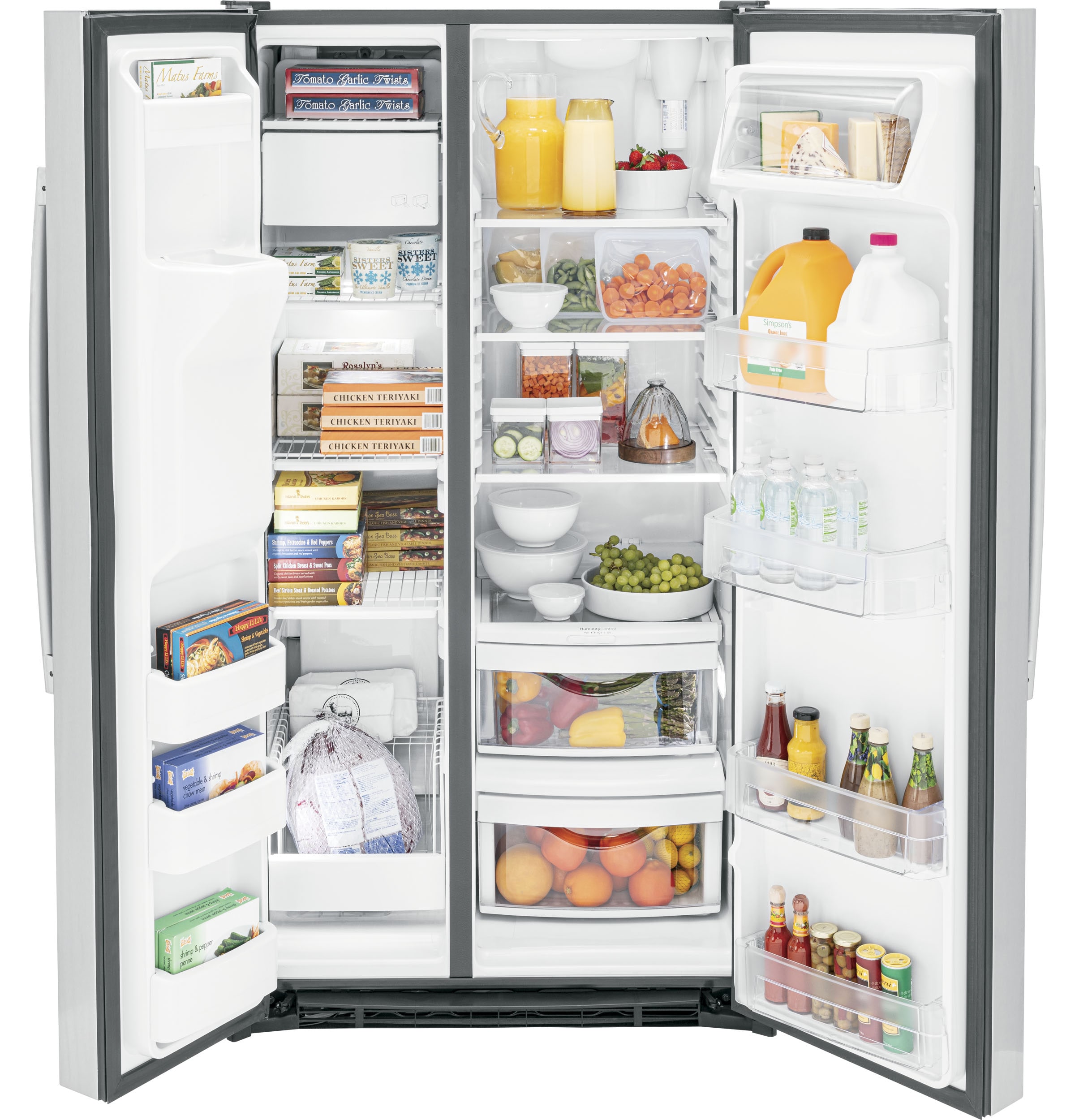
Side-by-side designs
- Even split between fridge and freezer, so neither section takes up too much room inside
- Narrow doors swing open easily in tight kitchens
- Slim shelves can limit large platters or pizza boxes
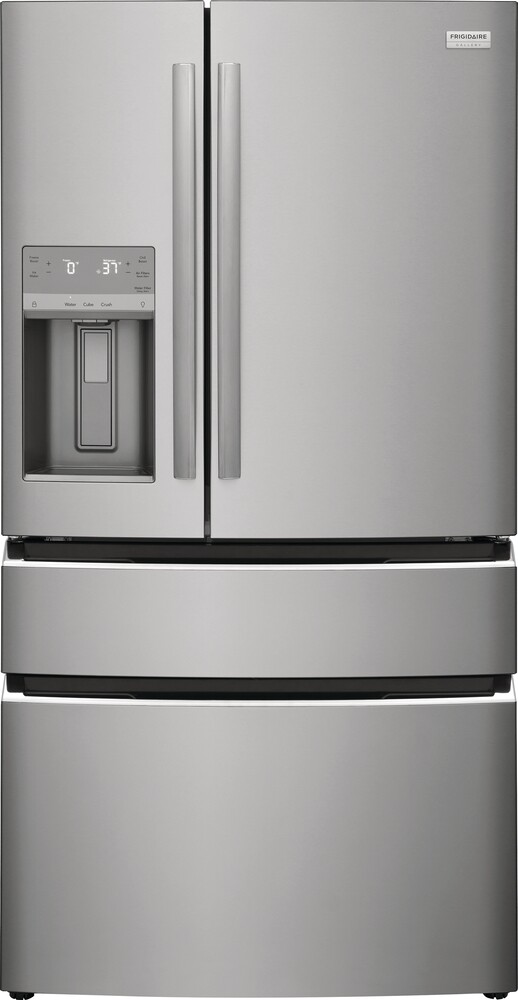
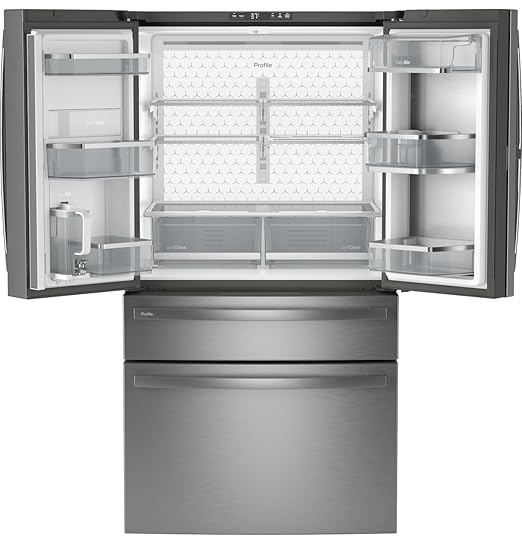
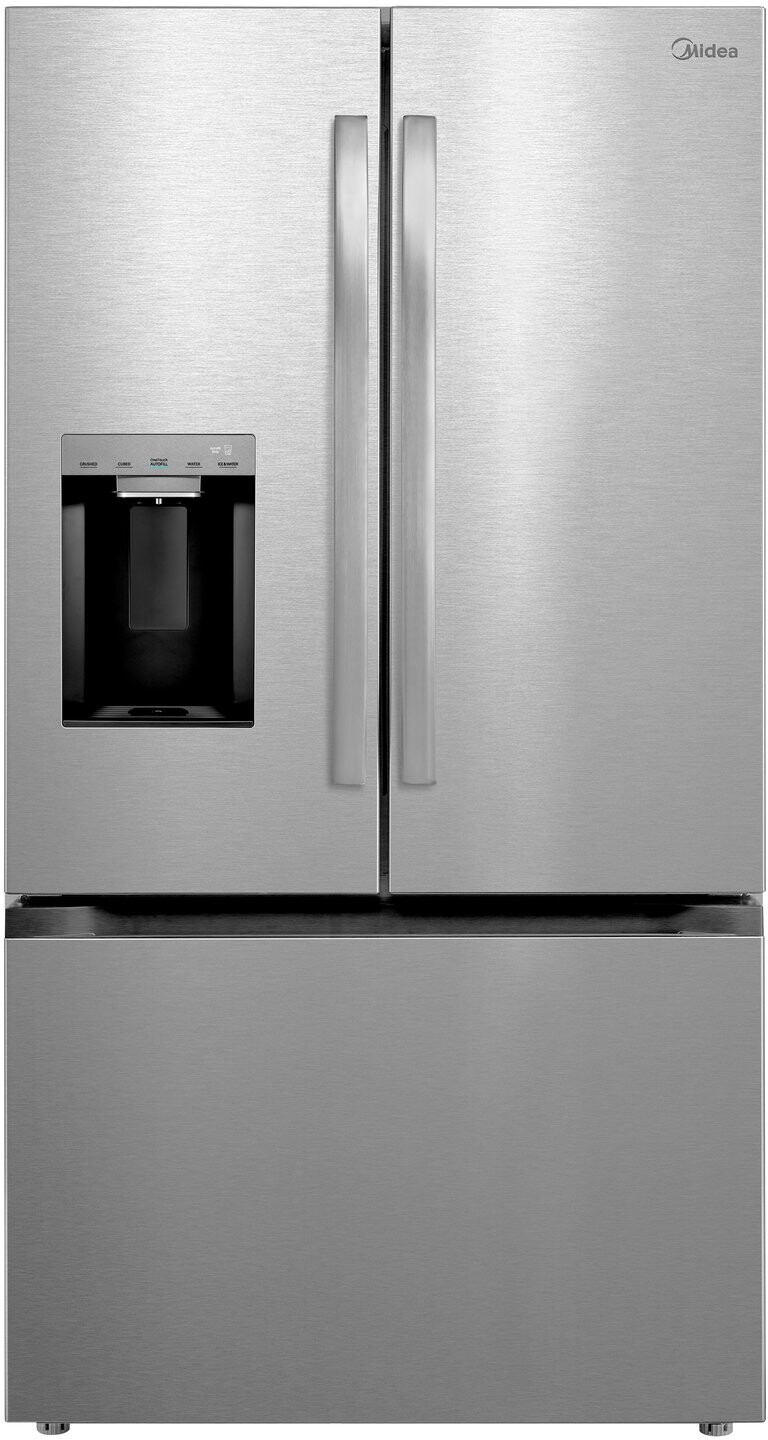
French door styles
- Wide single-door fridge on top, pull-out freezer drawer below
- Flexible storage for platters, gallon jugs, and tall items
- Often equipped with adjustable shelves and humidity-controlled crispers
- Available in counter-depth and standard-depth models
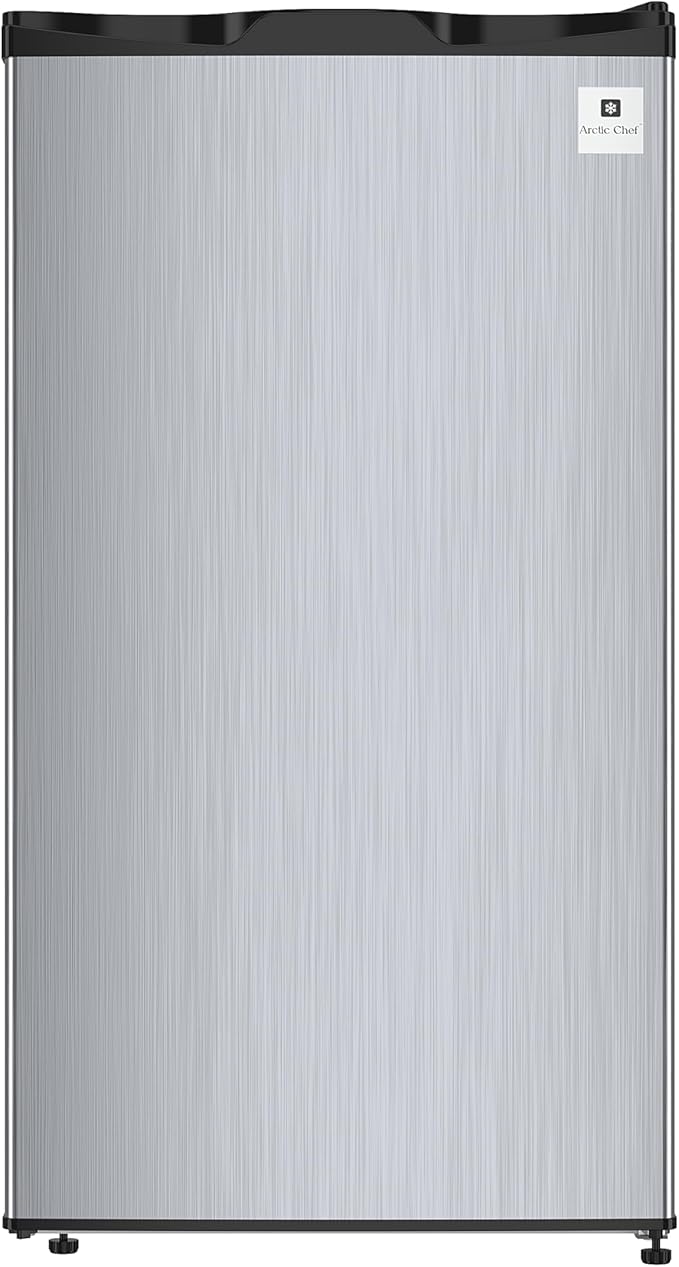
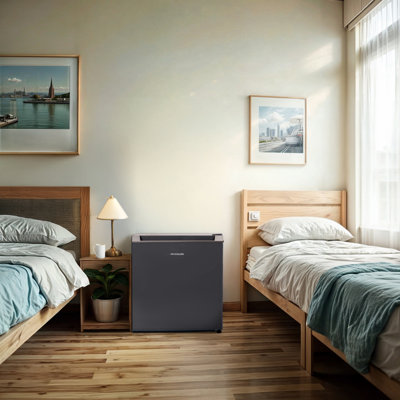
Compact refrigerators
- Ideal for home offices, rec rooms, garages, or dorms
- Look for undercounter units if you need a wet bar or mini-kitchen; see compare undercounter freezer for models that fit snugly beneath counters
- Slim and apartment-sized fridges can be as small as 18–24 inches wide
Consider energy efficiency
Philadelphia summers can drive up cooling and power use. Choosing an energy-efficient refrigerator can lower your monthly bill and reduce wear on your HVAC system.
Energy Star ratings
Appliances with the Energy Star label meet strict efficiency criteria set by the EPA. Modern refrigerators use up to 40% less energy than models from the early 2000s.
Annual energy cost
- Manufacturers typically include an estimated yearly energy cost (based on national average of $0.13 per kWh)
- A typical Energy Star fridge runs about 400–500 kWh per year, or roughly $50–$65 annually
- Older or non-certified units can exceed 1,000 kWh (around $130 per year)
Local rebate programs
Check with PECO or Philadelphia’s energy efficiency initiatives for potential rebates on high-efficiency appliances. Even a $50 rebate can offset a portion of your upfront cost.
Evaluate storage options
No two households are the same. Whether you’re storing farm-fresh produce, multiple gallon jugs, or specialty items, choose features that fit your needs.
Adjustable shelves
- Glass shelves are spill-proof and easy to clean
- Split or sliding shelves help you fit tall bottles or platters
- Some brands offer quick-move shelves that slide in and out with one hand
Special drawers
- Deli or meat drawers keep proteins at near-freezing temps
- Zero-degree zones are perfect for fish, cheese, or deli meats
- Vegetable crispers with humidity controls preserve freshness longer
Door bins
- Gallon-sized door bins hold milk, juice, and water jugs
- Smaller bins are great for condiments, yogurt cups, or wine bottles
- Consider a models with dedicated tall-item racks for champagne or specialty bottles
If you enjoy craft beer or soda, compare your options in our beer fridge vs. reach in refrigerator guide. Wine enthusiasts may want a dedicated section or a standalone unit; learn more about wine refrigerators.
Check temperature and humidity controls
The more control you have, the better you can tailor conditions for different foods.
Multi-zone temperature settings
- Some fridges let you set different temps for fridge, freezer, and specialty drawers
- Ideal if you store raw meat, produce, and dairy in separate zones
- Digital controls often deliver better precision than mechanical knobs
Humidity-controlled crisper
- Dual crisper drawers with high and low humidity settings
- Low humidity drawer keeps fruits fresh, high humidity drawer is best for leafy greens
- Prevents early spoilage and wilting
If you choose a manual-defrost freezer, you’ll need to remove ice buildup periodically. For quick tips, see how to remove ice from the freezer quickly.
Factor in local climate
Philadelphia’s weather extremes affect how your refrigerator performs over time.
Summer heat and humidity
- High ambient humidity can overwhelm a fridge’s defrost and dehumidifying cycles
- Look for models with improved door seals and adaptive defrost timers
- LED lighting inside reduces heat output compared to incandescent bulbs
Winter performance
- In unheated garages or basements, fridges rated for 50°F operation keep cooling stable
- Standard home units may struggle if temps drop below 60°F
- For unconditioned spaces, consider an appliance designed for garage use or a small chest freezer
Read user reviews
Real-world feedback reveals how models handle everyday life, from noise levels to unexpected quirks.
Reliability and longevity
- Look for comments on compressor failures, seal leaks, and door alignment after one year or more
- Brands like Whirlpool, LG, and GE often earn high marks for long-term performance
Noise and performance
- Refrigerators typically run between 32–42 decibels; anything over 45 dB can be distracting in open-plan living spaces
- Pay attention to reports of loud cycles, constant humming, or rattling
Plan delivery and setup
Once you’ve zeroed in on a handful of models, nail down the logistics so installation day goes smoothly.
Clear path measurements
- Re-measure doorways, hallways, and any tight spots before finalizing the order
- Confirm the delivery team’s measurements match yours; mistakes can mean costly return trips
- Refer to will a refrigerator fit through a 32 inch door? for guidance on tricky maneuvers
Floor protection tips
- Use furniture sliders or mats under the fridge to prevent scratches and scuffs
- Follow steps in how can i slide my fridge without scratching the floor? before you move or reposition
Electrical requirements
- Most refrigerators need a dedicated 115V, 15-amp circuit
- Avoid running the fridge on shared circuits with microwaves or air conditioners
- Confirm the outlet is grounded and within 6 feet of the fridge’s power cord
Finalize your choice
You’ve considered capacity, style, efficiency, and Philly-specific factors. Now lock in details to make it official.
Warranty and service
- Standard manufacturer warranties cover one year on parts and labor, with extended coverage on the compressor
- Consider an extended service plan if you plan to stay in your home long-term
Price and deals
- Shop sales around Presidents Day, Memorial Day, or Black Friday for the steepest discounts
- Factor in delivery, haul-away of your old unit, and any local rebate incentives
Next steps
- Revisit your top two or three finalists and compare specs side by side in your kitchen measurements
- Place your order with clear delivery instructions and confirmation of installation
- For more tips on getting the very best refrigerator, see buying a new refrigerator how to get the very best one
With careful planning and the right features, you’ll find the best refrigerator for Philadelphia homes that fits your lifestyle, keeps your groceries fresh, and operates efficiently year-round. Happy shopping!