Understand undercounter freezers
When you compare undercounter freezer models, you’ll notice they’re all about saving floor space while keeping your ingredients within arm’s reach. An undercounter freezer slides neatly beneath your countertop, giving you more room for prep, seating, or storage. Whether you’re setting up a commercial kitchen, stocking a home bar, or adding extra capacity to a small apartment, these compact freezers deserve a closer look.
Define undercounter freezers
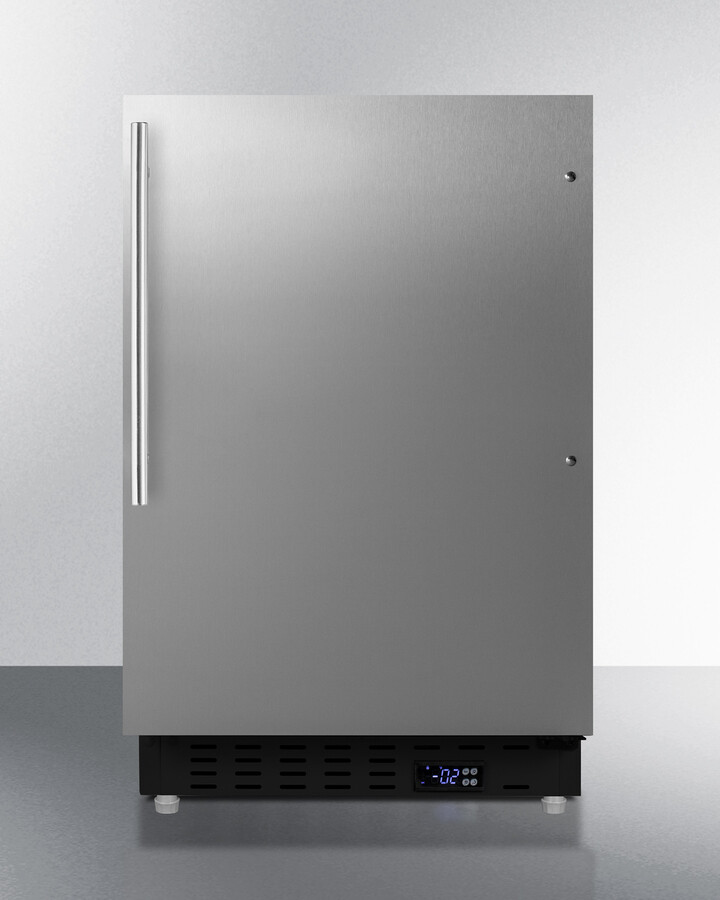
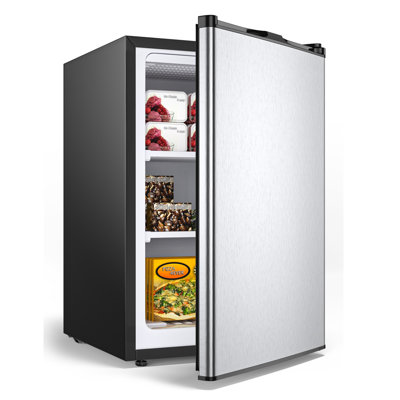
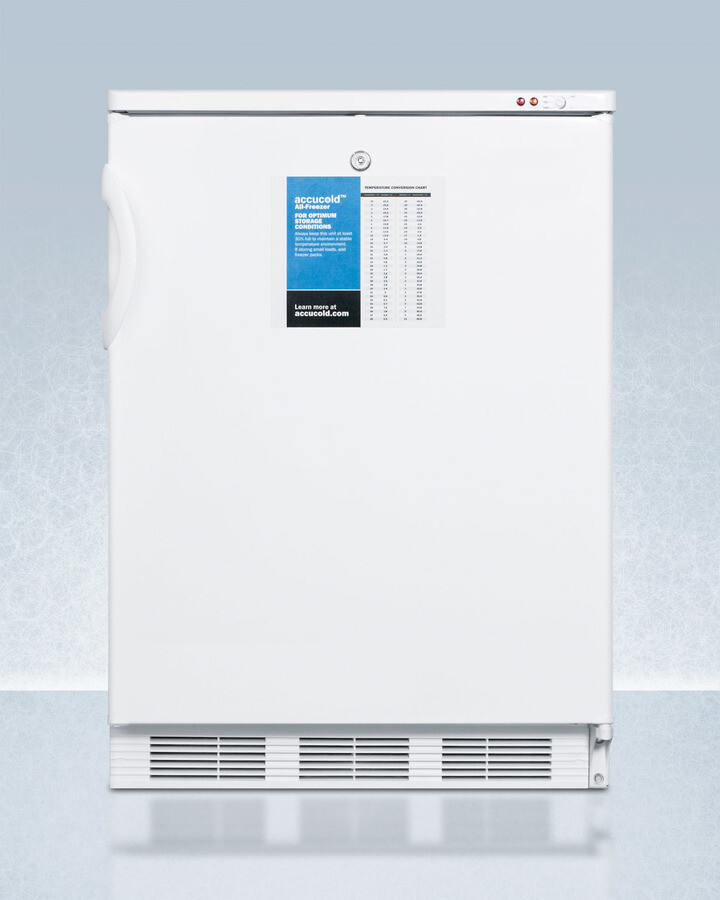
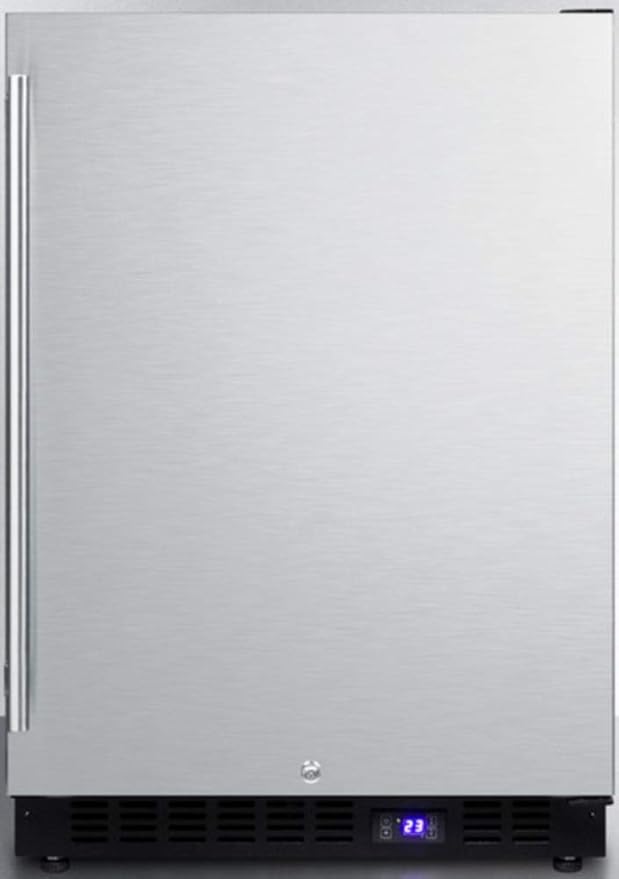
Undercounter freezers are compact units designed to fit under a standard countertop height of about 34 to 36 inches. You’ll find them in two main styles: built-in, which integrate seamlessly with surrounding cabinetry, and freestanding, which sit under your counter but don’t require custom panels. Despite their smaller footprint, many models offer generous storage, adjustable shelves, and precise temperature control.
Identify top use cases
- Home bar additions: Keep cocktail ingredients, garnishes, and chilled mixers handy.
- Commercial kitchens: Provide extra frozen storage near prep stations.
- Small apartments and dorms: Maximize storage in tight spaces.
- Outdoor kitchens and garages: Pair with a built-in grill or kegerator.
- RV trips and studio setups: Offer a compact freezer on the go.
Compare features and specs
Not all undercounter freezers are created equal. When you compare undercounter freezer specs, you’ll want to focus on temperature controls, door styles, and compressor types to match your needs.
Temperature control options
- Manual dial: Simple and budget friendly, though less precise.
- Digital thermostat: Lets you set exact temperatures, often with a built-in display.
- Smart controls: Wi-Fi enabled units allow remote monitoring and alerts via app.
Door styles and finishes
- Solid door: Offers better insulation, ideal for consistent temperatures.
- Glass door: Great for display and quick inventory checks, but may let in more heat.
- Panel ready: Customizable face panel to match your cabinetry.
- Stainless steel: Durable, fingerprint resistant, and modern looking.
Compressor types
- Standard compressor: Reliable performance, but a bit louder.
- Quiet or low-noise compressor: Designed for kitchens, bars, or offices where noise matters.
- Inverter compressor: More energy efficient, adjusts speed based on cooling demand.
Evaluate size and capacity
Even small variations in width, depth, or height can make or break your installation. You’ll also need enough capacity to meet your storage needs.

Measure installation space
- Confirm countertop height (usually 34 to 36 inches).
- Measure width and depth, allowing for manufacturer-recommended clearances.
- Check door swing or slide requirements, especially with pull-out drawers.
Gauge storage needs
Think about what you store most often. Are you freezing full-size sheet pans, beer kegs, or ice cube trays? Capacities range from around 3 to 5 cubic feet. Sketch out a rough plan:
- Estimate the number of baskets or drawers you need.
- Consider whether adjustable or removable shelves make sense.
- Account for airflow space; avoid overpacking.
Assess installation requirements
Getting your undercounter freezer in place is usually straightforward, but you’ll want to confirm power, ventilation, and clearance needs before you buy.
Built in versus freestanding
- Built in: Flush installation with custom panels, ideal for a seamless look. Requires precise measurements and sturdy cabinetry.
- Freestanding: Simpler to install, often with a finished exterior. Allows a small gap behind the unit for airflow.
Ventilation and clearances
Proper airflow is key to performance and durability. Most manufacturers recommend leaving 1 to 2 inches of clearance on the sides and back. Top-vented units draw air in from above, so you need at least 2 inches between the countertop and the freezer’s vent. If you’re worried about scuffing your floors during setup, check out tips on how to slide your fridge without scratching the floor (/how-can-i-slide-my-fridge-without-scratching-the-floor).
Explore energy efficiency
You’ll pay twice for inefficient cooling: once on the purchase and again on your electricity bill. That makes energy efficiency a top priority when you compare undercounter freezer models.
Energy Star ratings
Look for the Energy Star label, which indicates the unit meets strict efficiency guidelines. Energy Star certified undercounter freezers use up to 30 percent less energy than non-certified units.
Annual operating costs
Manufacturers often list estimated yearly energy use in kilowatt-hours (kWh). Multiply that by your local electricity rate to gauge your annual cost. Keep in mind:
- Inverter compressors typically run quieter and use less power.
- Digital controls can help you fine-tune temperatures.
- Proper insulation and door seals reduce energy loss.
Organize storage options
Once your freezer is humming, you’ll want to keep it tidy and efficient. Good organization saves time and prevents freezer burn.
Shelf and drawer layouts
- Fixed shelves: Simple but less flexible.
- Adjustable shelves: Let you customize space for taller items.
- Pull-out drawers: Easier access, especially on deep shelves.
- Wire baskets: Great for small items like ice cube trays or individual snacks.
Accessory add-ons
- Divider kits: Keep packs of veggies or meat neatly separated.
- Sliding trays: Provide quick access to frozen meals.
- Thermometer clips: Add a dedicated, accurate thermometer for peace of mind.
For tips on clearing out and arranging your freezer, see how to declutter a fridge freezer (/how-to-declutter-a-fridge-freezer).
Compare pricing and deals
Prices for undercounter freezers vary widely. Setting your budget ahead of time helps you narrow down the field.
Budget versus premium models
- Budget models: Often manual controls, basic insulation, and simpler finishes. Suitable for occasional use or secondary storage.
- Mid-range units: Offer digital controls, better insulation, and quiet compressors. A good fit for home bar enthusiasts or frequent users.
- Premium options: Panel ready designs, smart features, and ultra-quiet operation. Ideal for integrated kitchens or commercial settings.


Coupons and promotions
Before you click buy, hunt for deals. You might find discounts, rebates, or bundled offers. Check out compare undercounter freezers: coupons (/compare-undercounter-freezers-coupons) to score special savings.
Choose the right model
You’ve weighed specs, measured your space, and balanced your budget. Now it’s decision time.
Match model to lifestyle
- Casual entertainer: A 3 to 4 cubic foot unit with glass door.
- Home chef or meal prepper: A 5 cubic foot model with adjustable shelves.
- Beverage enthusiast: Consider a model with built-in keg coupler or specialized bottle racks.
- Commercial use: Prioritize stainless steel, robust compressors, and easy-clean interiors.
Final checklist
- Confirm dimensions and clearances.
- Verify energy rating and operating cost.
- Review storage layout and accessories.
- Compare warranties and service plans.
- Hunt for any last-minute deals.
By following these steps, you’ll feel confident comparing undercounter freezer models and finding the one that fits your space, budget, and lifestyle. Whether you’re chilling craft beers, stashing meal-prep portions, or keeping dessert ingredients on standby, the right undercounter freezer is out there, ready to slide into place.