Most lagers taste best between 38°F and 42°F, while stouts or ales might be slightly warmer.
If you store your CO2 tank in the same cabinet, make sure the connections are secure and no leaks are present.
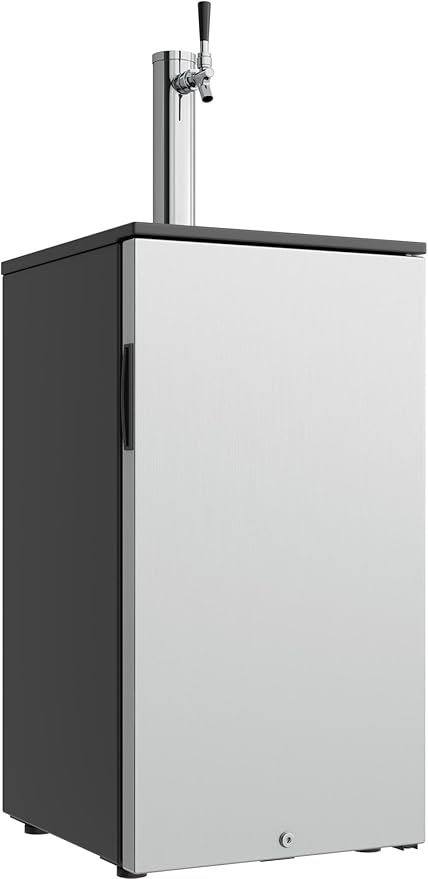
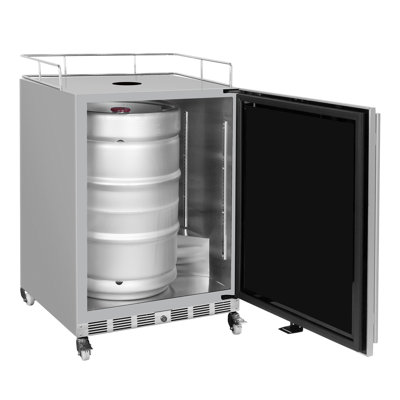
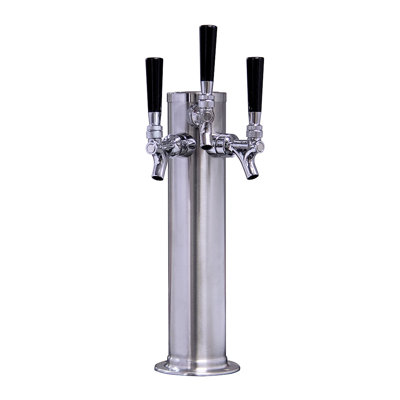
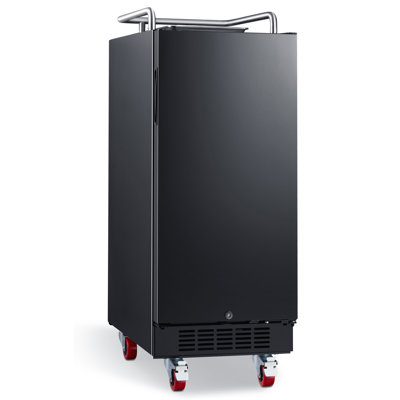
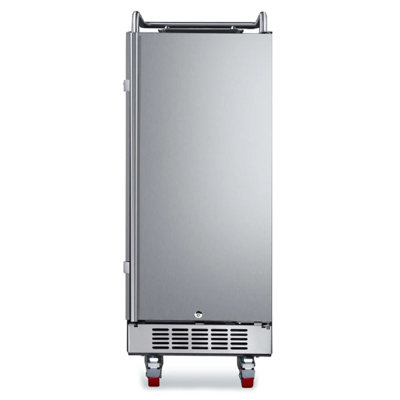
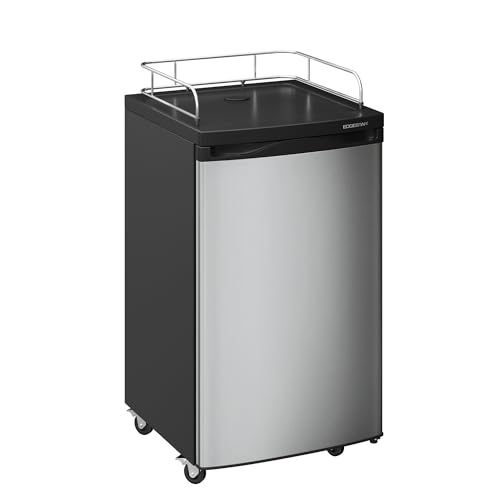
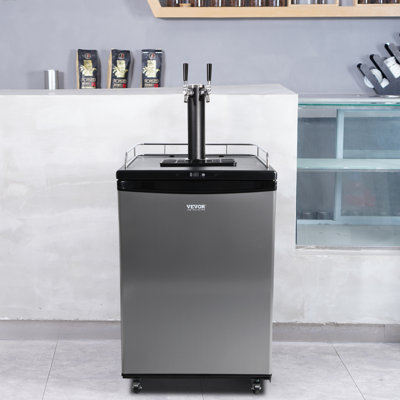
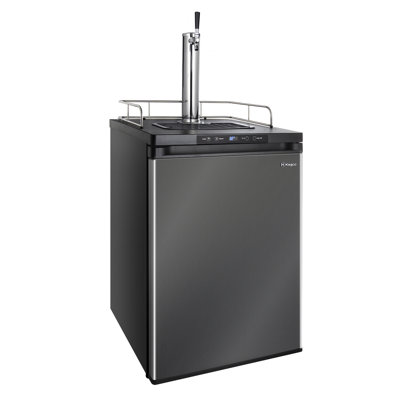
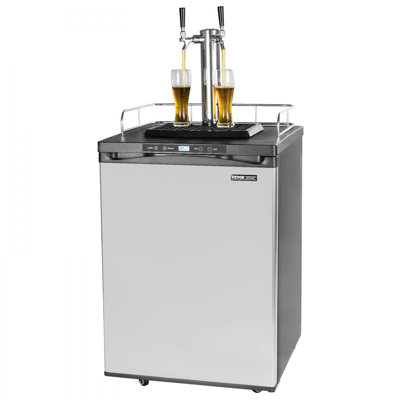
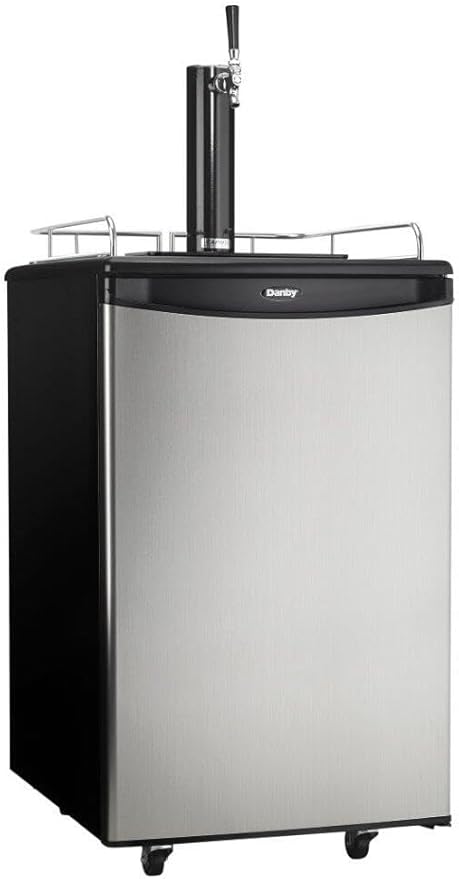
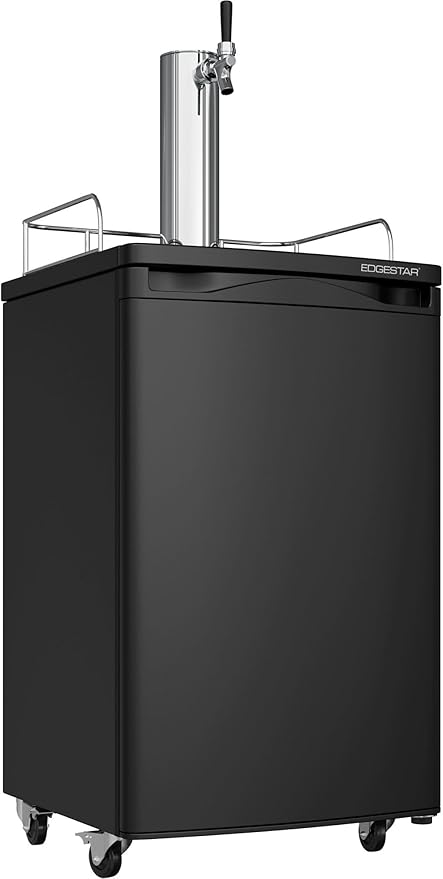
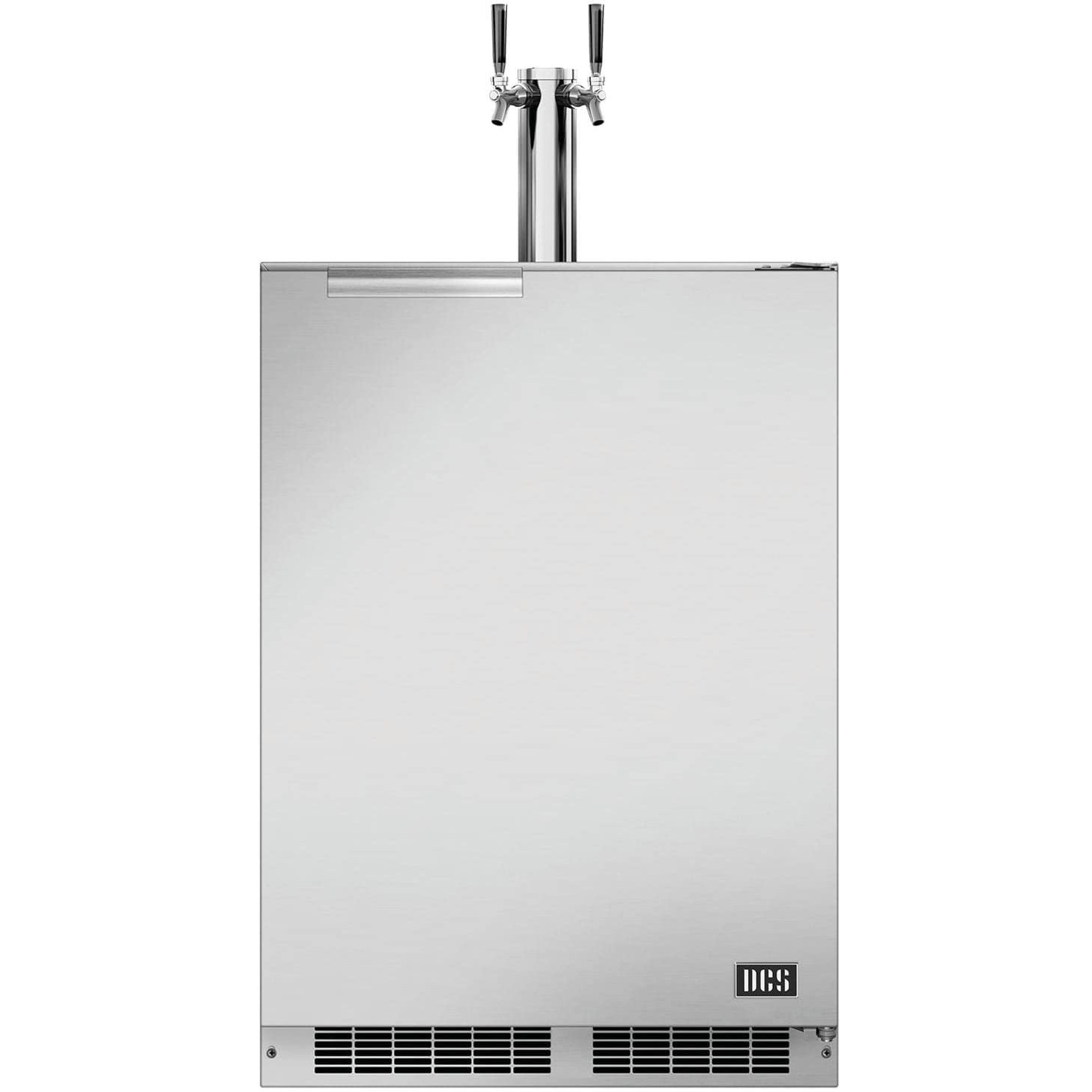
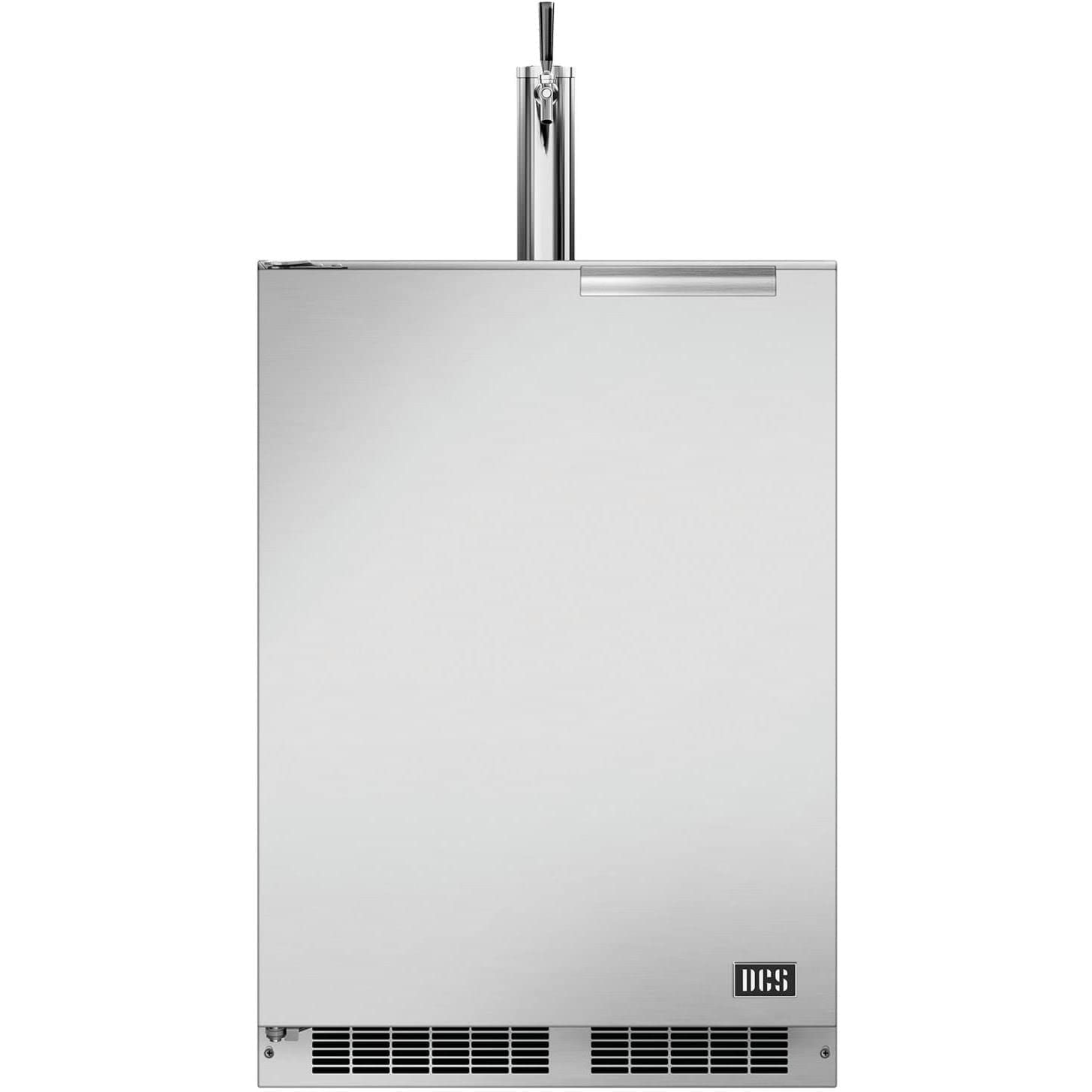
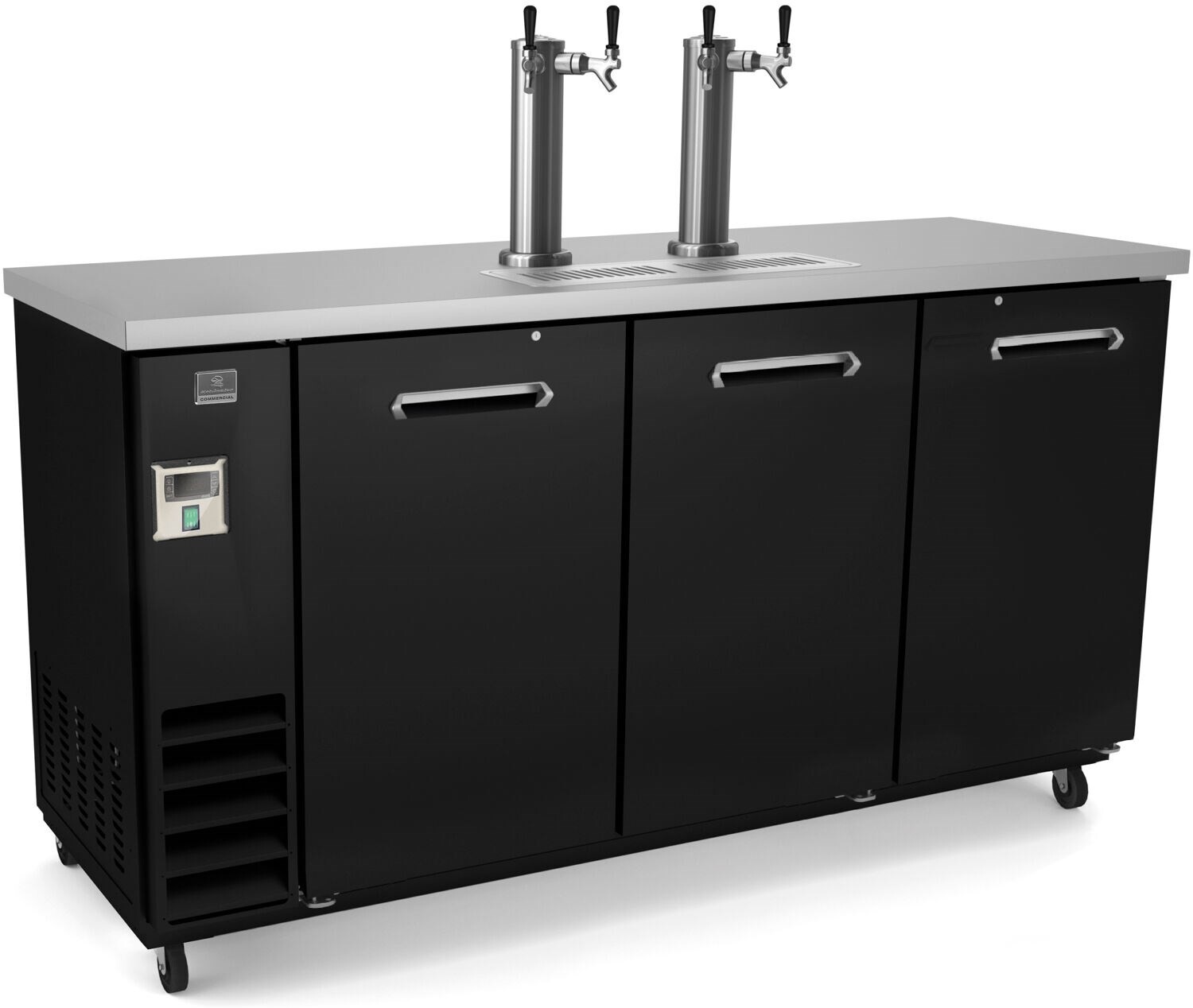
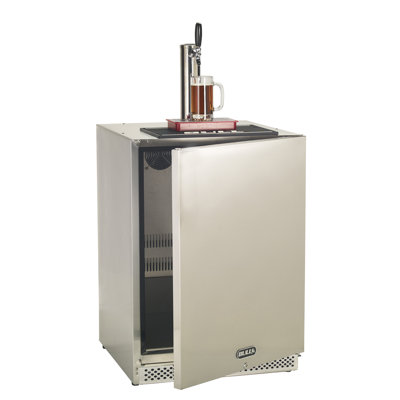
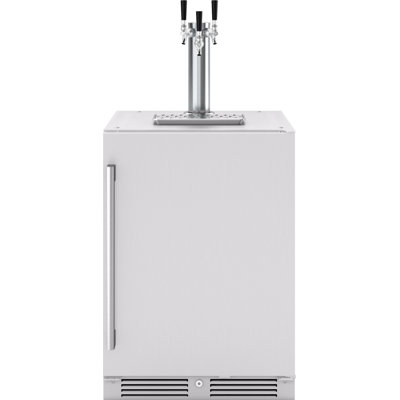
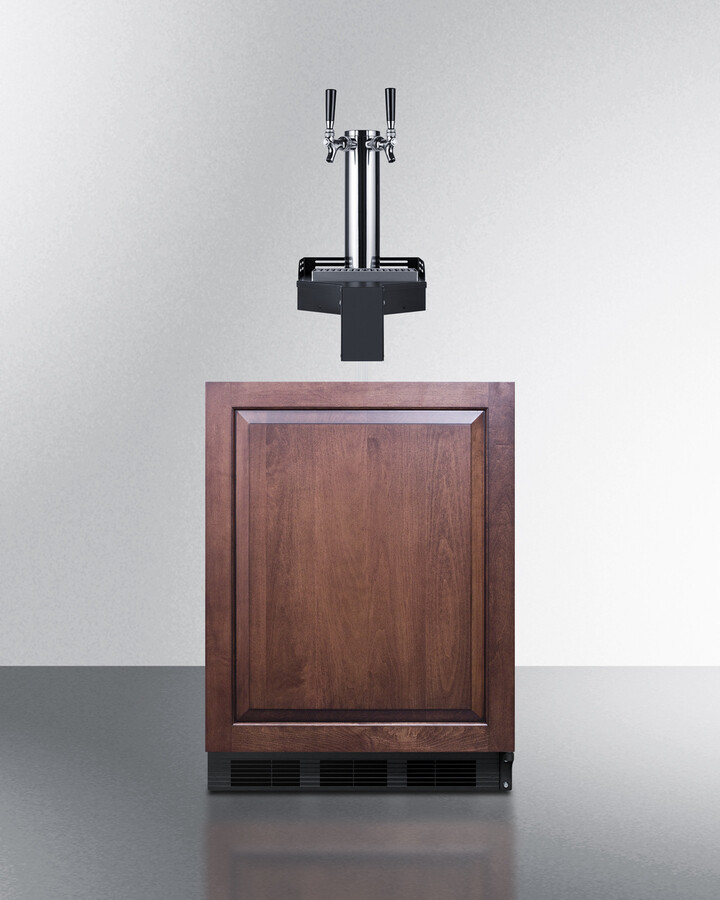
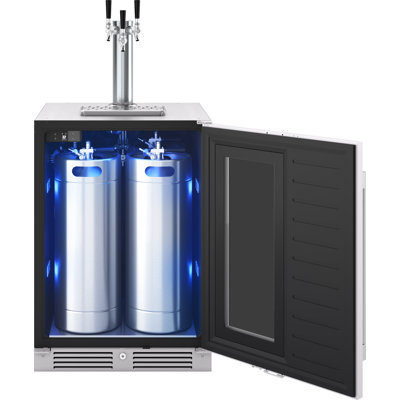
Essentially, a kegerator includes a refrigerated cabinet for the keg, a dispenser (often with a tap tower on top), and a CO2 tank or nitrogen tank to push the beverage through the lines.
Be sure to include enough clearance not only for the actual unit, but also for ventilation and the CO2 tank (unless the model stores the tank inside).
When you’re hunting for the best condo kegerators, you’re probably imagining an easy way to enjoy chilled, freshly tapped beverages without leaving your own living space. A kegerator is essentially a specialized refrigerator designed to store, chill, and dispense kegs of beer or other drinks. It can transform even a modest condo into an entertaining hotspot for friends and family. But how do you choose a model that’s right for you and your space? In this guide, we’ll walk through the key considerations—everything from size to noise levels—so you can confidently pick a kegerator that fits both your condo’s dimensions and your lifestyle.
Understand the basics
Before diving into specific features, it helps to cover the fundamentals of what makes a kegerator tick. Essentially, a kegerator includes a refrigerated cabinet for the keg, a dispenser (often with a tap tower on top), and a CO2 tank or nitrogen tank to push the beverage through the lines. This setup allows you to have fresh, draft-quality beer (or even kombucha) at home.
Why choose a kegerator instead of storing drinks in your regular fridge? It’s all about taste, convenience, and presentation. Draft beer tends to retain more flavor and carbonation because it’s directly drawn from the keg. There’s also a fun factor—you can pull your own tap in the comfort of your condo. Plus, a dedicated unit frees up space in your main refrigerator.
When people talk about “condo kegerators,” they’re typically referring to smaller models or conversions that fit seamlessly into tighter living areas. Space, noise, and style are all major factors. Since condo living often comes with restrictions on appliances or modifications, you need a unit that won’t break the rules or eat up too much square footage. Looking for best condo kegerators means you’ll focus on compact footprints, reasonable noise output, and an exterior design that complements a multifamily building.
Find the right size
One of the biggest challenges you’ll face with a condo kegerator is space. Condos often have cozier kitchens or living rooms, which can limit your options. How do you solve this puzzle? Start by getting out a tape measure and noting down the dimensions of the spot where the kegerator might go. Be sure to include enough clearance not only for the actual unit, but also for ventilation and the CO2 tank (unless the model stores the tank inside).
Measure your layout carefully
Measure the width, depth, and height of your space.
Check for additional clearance if your kegerator door swings out.
Keep an eye on ventilation. Some kegerators vent from the back or sides, so you’ll want an inch or two of breathing room.
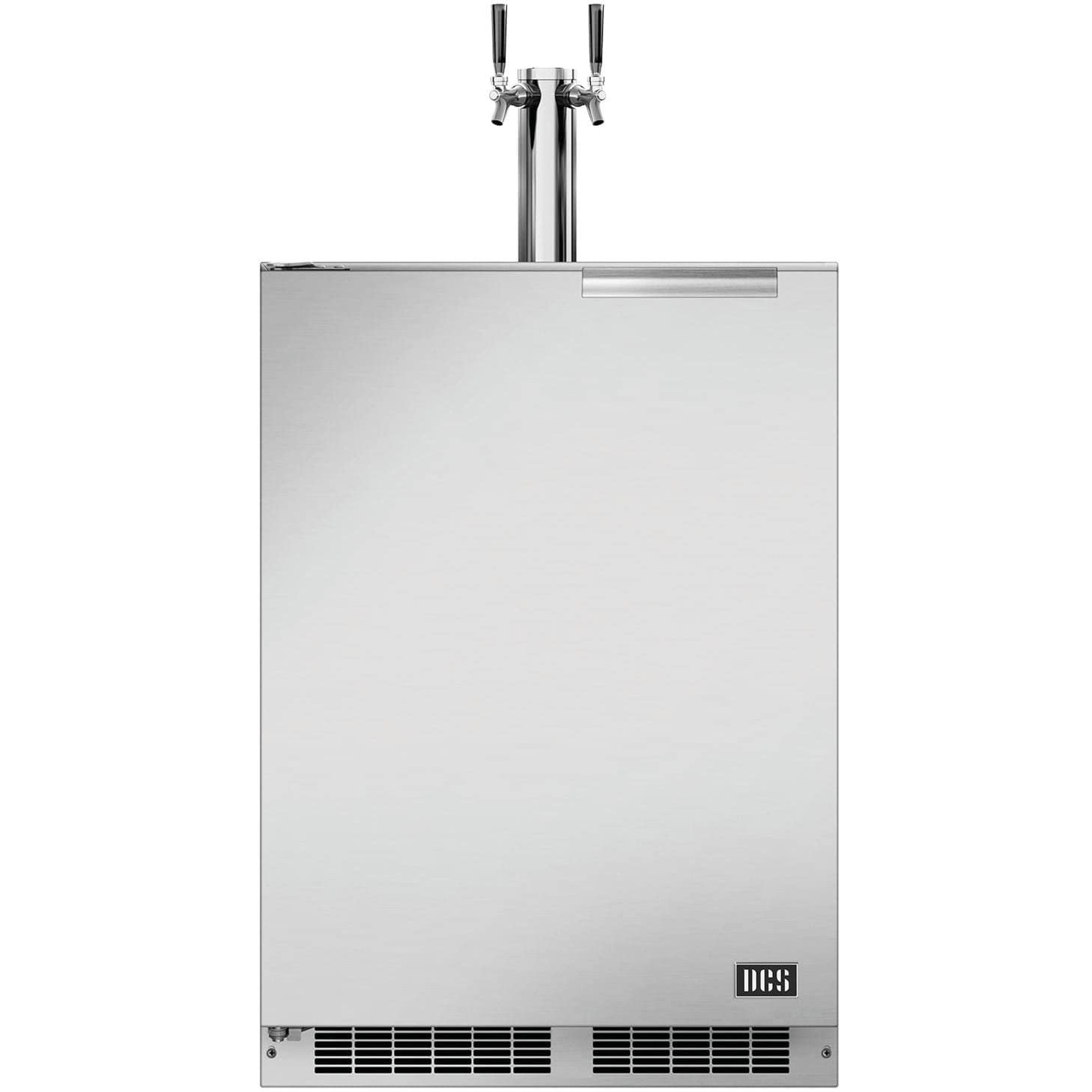
If you find your condo’s layout is extremely tight, you could explore narrower models or even under-counter installations. Under-counter kegerators integrate with cabinetry, offering a streamlined look. If you’re curious about smaller appliances that fit snugly in limited kitchen layouts, you might also enjoy comparing best beverage cooler for a small kitchen options.
You’ll also want to consider whether you’re planning to serve one type of beer or multiple. Single-tap kegerators typically take up less room than dual-tap versions, which have larger overall footprints to accommodate two kegs or a single split keg system.
Complex living often means abiding by a set of association rules or lease agreements. Some condos may have guidelines that clarify which appliances are allowed or how certain renovations must be done. It’s easy to overlook these details when you’re excited about installing your own tap system, but it’s a crucial step.
Not all condo boards or landlords have strict rules about kegerators, yet some do specify noise limits or ventilation requirements. Others might worry about potential leaks. If you’re on a higher floor, for instance, water damage or spilled beer could be a real concern for neighbors below. Before you buy, take a quick look at your condominium documents to confirm you’re allowed to install and operate a kegerator. It can save you a lot of trouble later on.
Feeling uncertain? Ask your condo’s property manager or association board. They’ll let you know if you need special approval or if there’s a list of recommended guidelines. Some buildings might even have suggestions about the best spot for hooking up extra appliances, especially if you have a dedicated bar or entertaining area in the common rooms.
One of the more surprising considerations for the best condo kegerators is noise. Often, you think about the hum of a normal fridge and assume a kegerator is exactly the same. But the compressor and fan can emit distinct sounds, especially if it’s an older or lower-quality model. In a large suburban home, you might not notice it as much, but condos usually have shared walls and smaller rooms.
You don’t want to disturb your enjoyment—or your neighbor’s peace—with constant rattling. So, how can you ensure it stays quiet?
Look for quality compressors. Units that emphasize “quiet operation” often use better insulation or advanced compressor technology.
Check product specs and user reviews. People tend to comment if a kegerator is too loud for comfort.
Consider the location. Placing your kegerator in a well-ventilated area with some distance from the main living or sleeping space can help minimize perceived noise.
If you’re particularly sensitive to sound or want something close to silent, also look at the decibel level on the product listing. Some specialized mini fridges or micro kegerators advertise extremely low decibel ratings (like 20 dB). Need more background on quiet appliances? You might find it enlightening to explore how soft whispers a 20 db micro refrigerator?.
Choose your beverage type
Ordering a fresh keg might be the most exciting part of owning a kegerator, so think carefully about what you plan on drinking. Are you a beer purist who wants to keep a big half-barrel from your favorite craft brewery? Or maybe you’re more relaxed and prefer smaller pony kegs of different brews.
Kegerators aren’t strictly for beer either. You can dispense cider, cold brew coffee, or kombucha—as long as you have the right setup. Different beverages may call for different CO2 or nitrogen levels, and some might require specialized couplers for the keg connection. If you’re planning to swap between beer and other drinks, pick a model that can handle these variations without a ton of extra parts.
Single-tap: Perfect if you stick to one beverage at a time.
Dual-tap (or more): Great for variety, but you’ll need more interior space and a slightly larger CO2 tank.
A multi-tap system can be a hit during parties, letting you offer guests different options. Just be sure your condo’s floorplan can handle the additional width and that you can keep it quiet enough so everyone can enjoy the conversation without background hum.
Not all kegerators are created equal. They vary in design, advanced functionality, and brand reputation. Here’s a quick breakdown of features that can make a big difference:
Feature
Why It Matters
Temperature control
Accurate thermostats prevent over-chilling or under-chilling.
CO2 tank size
Larger tanks last longer but demand more space.
Digital display
Makes monitoring internal temperature easier.
Reversible door
Helps you install the kegerator in tight spaces.
Drip tray design
Minimizes cleanup by capturing spills.
Door lock
Useful if you’re worried about unauthorized sips.
Temperature range
Beer types vary in ideal serving temperature. Most lagers taste best between 38°F and 42°F, while stouts or ales might be slightly warmer. A good kegerator offers a wide range, so you can fine-tune as needed.
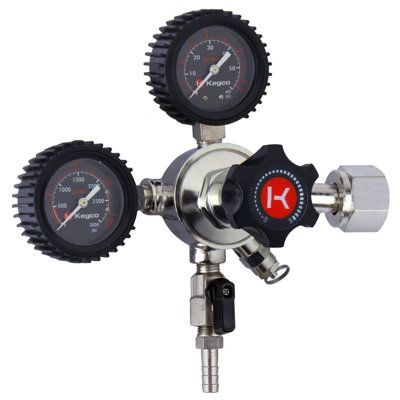
CO2 tank and regulator
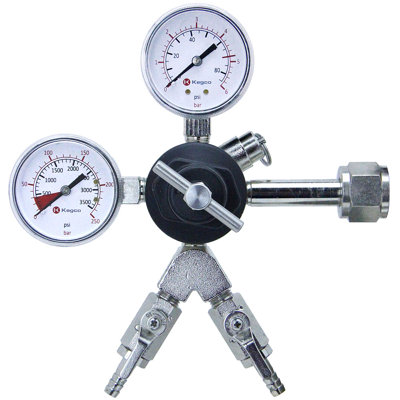
The CO2 tank is the engine behind your system’s dispensing power. Look for a solid regulator that allows you to adjust pressure accurately. If you’re curious about using a kegerator outside of standard CO2 setups—like nitrogen for stouts—check if the unit’s regulator and couplers are compatible or easy to swap out. Or, if you’re wondering about the possibility of skipping CO2 entirely, see will a kegerator work without co2?.
Cleaning kit
Yes, cleaning is not the most thrilling part of being a condo kegerator owner, but it’s essential for good taste and longevity. Models that come with or at least accommodate an easy-to-use cleaning kit can reduce your maintenance headaches. Standard kits often include a hand pump or pressurized canister, plus cleaning solution to flush out the beer lines.
Where you install your kegerator can be nearly as important as the unit you select. You might think, “Why not just put it in the kitchen corner?” But that could be less than ideal if there’s no proper ventilation or if that corner sees heavy traffic.
Consider direct access to power, ease of cleaning, and how frequently you’ll swap out kegs. If you place your kegerator under a counter, ensure enough airflow around the back or sides. Some kegerators are front-venting, allowing them to snugly fit between standard cabinets. Others require more spacious side or rear clearance.
Key installation tips
Position it away from direct sunlight to keep temperatures stable.
Keep the CO2 tank easily reachable for pressure checks or refills.
If you plan to place it under a counter, confirm the unit is specifically designed for built-in use (front-ventilated).
If you’re balancing multiple fridge-type appliances in your condo, you might also like seeing how some folks handle dual setups. For instance, a kegerator next to a beverage fridge with separate cooling circuits offers beverage variety. You can explore something like which beverage fridge runs dual independent cooling circuits? to see how it’s done.
A sparkling-clean kegerator is vital for taste, health, and longevity. Beer lines can accumulate yeast, sugar residue, and even bacteria if neglected for too long. The good news is that regular care doesn’t have to be grueling.
Clean lines at least once every two weeks if you’re regularly using the kegerator.
Detach and rinse components with warm, soapy water.
Use commercial cleaning solutions or tablets designed for beer lines to remove stubborn buildup.
Wipe down the interior whenever you change kegs.
Also, check for any condensation that might form around seals or inside the tower. A quick wipe can prevent mold or mildew. If you store your CO2 tank in the same cabinet, make sure the connections are secure and no leaks are present. If the lines ever get clogged or the tap pressure is off, you can start troubleshooting by examining the regulator settings and verifying your CO2 tank level.
Set a realistic budget
Kegerators come in a wide price range, from budget-friendly conversions to premium, feature-packed models. Before you fall in love with a particular unit, decide how much you’re willing to spend. In addition to the initial cost of the appliance, consider:
Keg costs and how often you plan to refill them.
Maintenance items (cleaning kits, new hoses, CO2 refills).
Potential surcharges if you need special shipping or installation help in a condo.
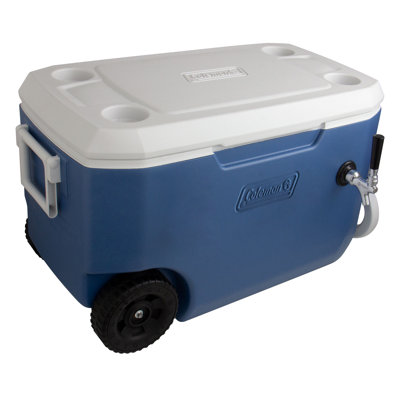
If you’re short on funds but still crave a dedicated tap, you could consider a DIY conversion kit for an existing fridge, though that typically requires more space. Another option is a smaller, single-tap mini kegerator that caters to 5-liter or corny kegs—perfect for limited condo footprints.
Of course, if you’re going all-in, you might prefer a sophisticated design with a digital display, advanced insulation, and cabinet lighting. Just keep your bottom line in mind so you don’t overshoot your budget.
You might still have a few questions swirling in your mind about day-to-day use, maintenance, or even your neighbors’ opinions. Below are some of the issues people commonly wonder about.
Can I place my kegerator anywhere indoors?
In most cases, yes, as long as there’s adequate ventilation, a suitable power outlet, and no condo rules forbidding it. However, you want to avoid tight enclosures unless the kegerator is designed for built-in installation.
How often does a keg last?
It depends on the beer type and how often you dispense. A typical half-barrel keg can stay fresh for several weeks if you maintain proper temperature and CO2 pressure.
Do I need to worry about floor support?
Generally, condo floors can handle the weight of a small kegerator plus a single keg without any structural issues. If you plan to store multiple kegs or heavier appliances, you may want to consult the property manager.
Are external CO2 tanks better than internal ones?
External tanks are easier to replace or refill. Internal tanks save space in your condo by keeping the look streamlined. Many condo owners prefer internal tanks for aesthetics.
Can I also use it for wine or cold brew coffee?
Absolutely. Just switch out the coupler and gas type as needed. Keep in mind that beverages with different carbonation needs (like nitrogen for stouts or coffee) require compatible regulators.
Wrap up the taps
A condo kegerator can be a game-changer for anyone who loves draft drinks at home. Whether you’re a craft beer enthusiast, a die-hard party host, or you simply like having fresh beverages on tap, a well-chosen kegerator transforms your condo into a welcoming social spot. You’ll want to measure carefully, think about noise, explore features such as temperature control, and stay on top of routine cleaning. If you’re in a particularly snug space, you might compare your list of options with the best apartment kegerator models as well, just to see how others solve the space constraints.
Which specific unit stands out? That depends on how you balance your budget, available square footage, and personal beverage tastes. By focusing on the key factors outlined here, you’ll be well on your way to selecting from the best condo kegerators that align perfectly with your lifestyle.
Feeling ready to take the plunge? Go ahead—crack open that draft handle. Your condo could soon become everyone’s favorite place to gather, toast, and share delicious, perfectly chilled pours. Cheers!
Frequently Asked Questions
In most cases, yes, as long as there’s adequate ventilation, a suitable power outlet, and no condo rules forbidding it. However, you want to avoid tight enclosures unless the kegerator is designed for built-in installation.