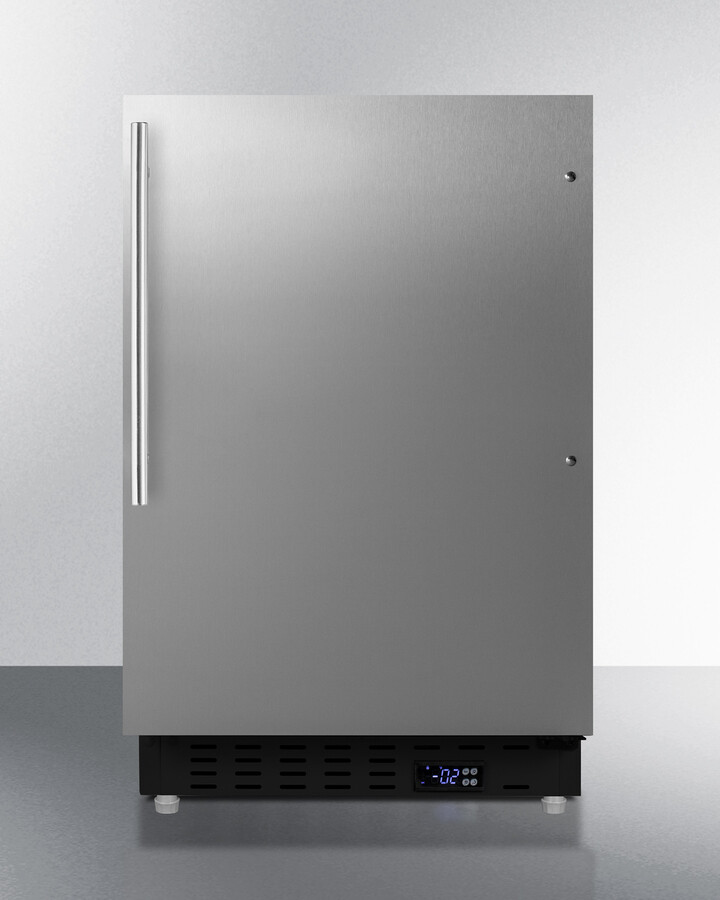
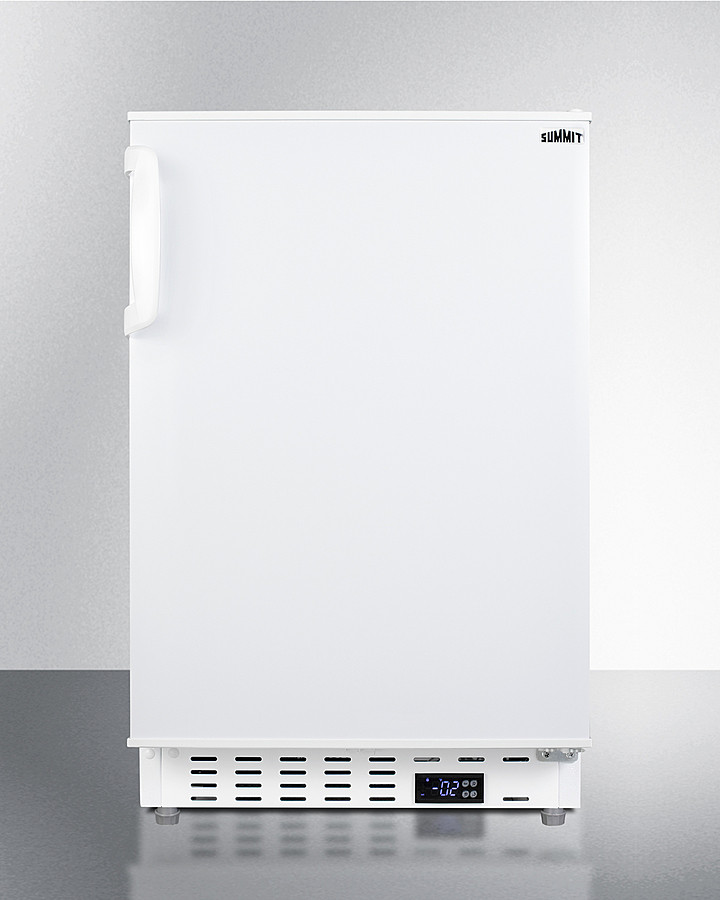
All Freezer Refrigerator Vs. Undercounter Refrigerator
Choosing the right refrigerator for your needs can be a daunting task. Both all-freezer refrigerators and undercounter refrigerators offer unique advantages. Understanding these options will help you make an informed decision.
Overview of All Freezer Refrigerators
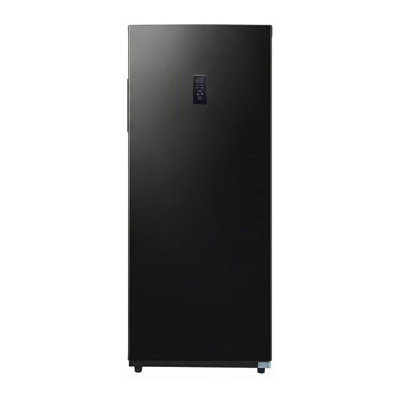
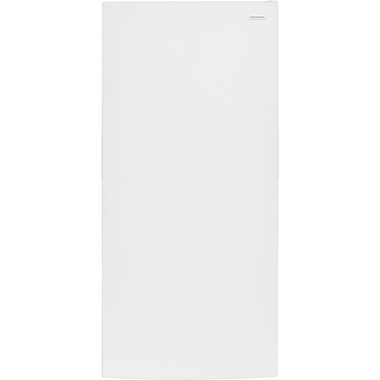
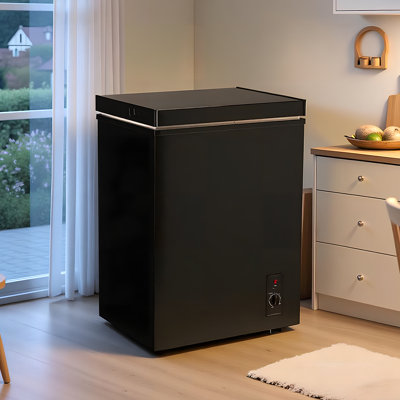
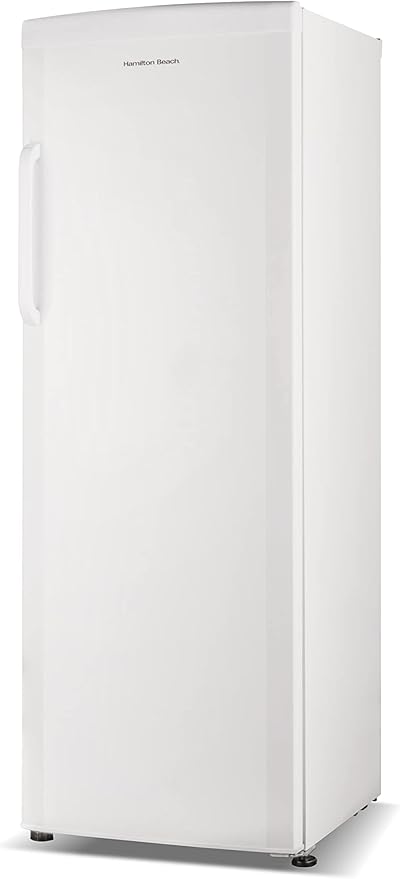
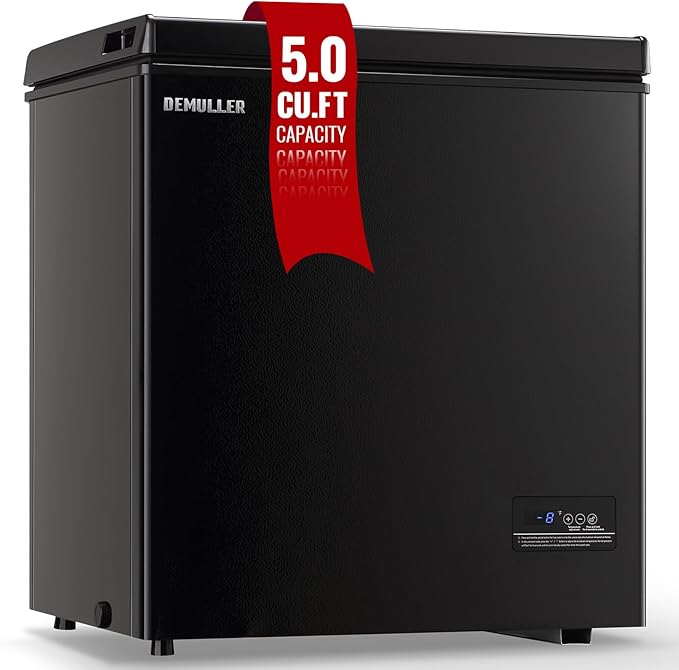
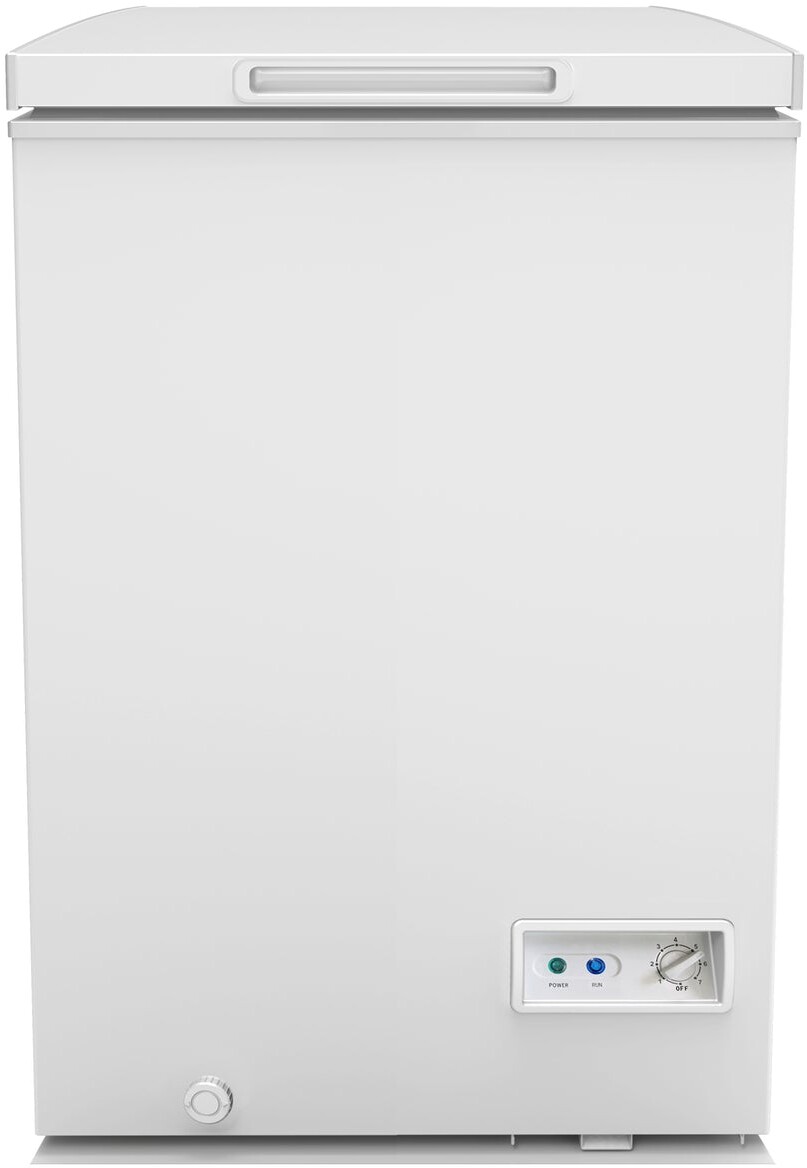
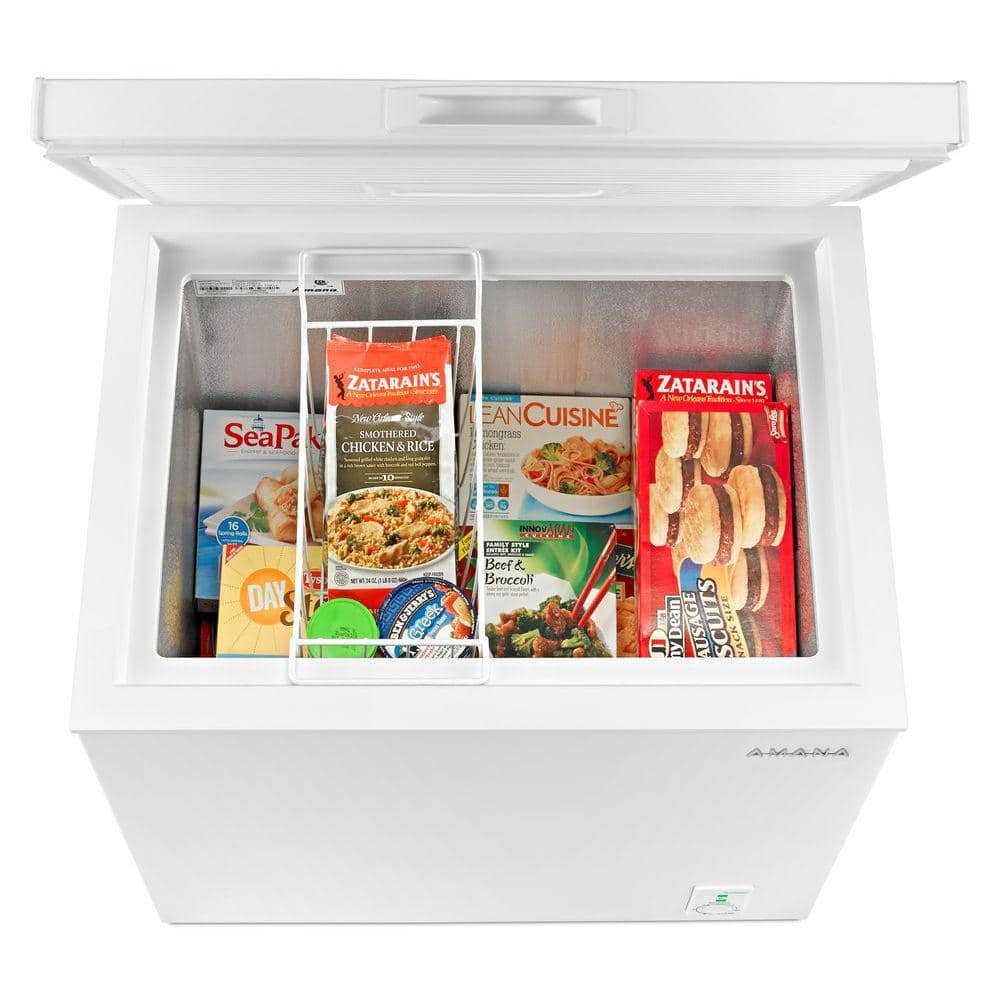
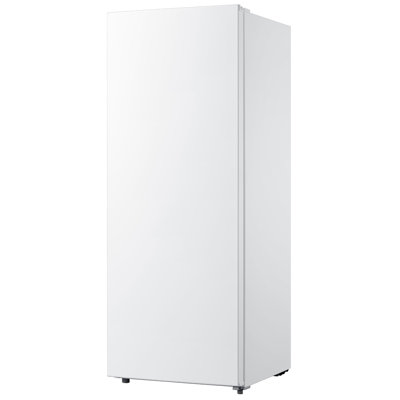
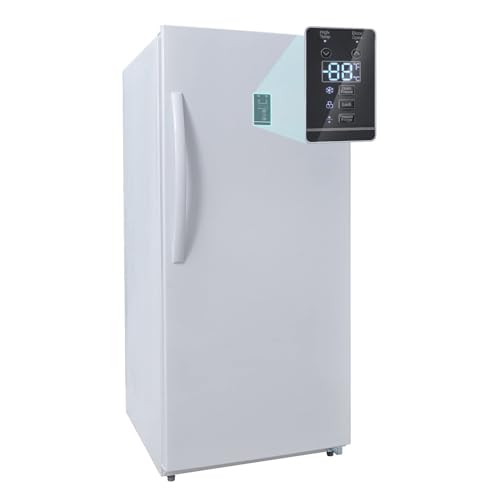
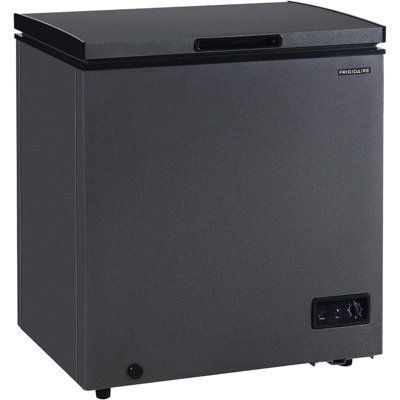
All-freezer refrigerators are designed exclusively for freezing, providing ample space to store frozen goods. These appliances are ideal for those who need additional freezer capacity, whether for a large family, entertaining guests, or storing bulk purchases. They often come with adjustable shelves, bins, and drawers to help you organize your frozen items efficiently.
Key Features:
Ample freezer space
Adjustable shelves and bins
Temperature control settings
Use Cases:
Large families
Bulk storage
Hosting parties
Overview of Undercounter Refrigerators
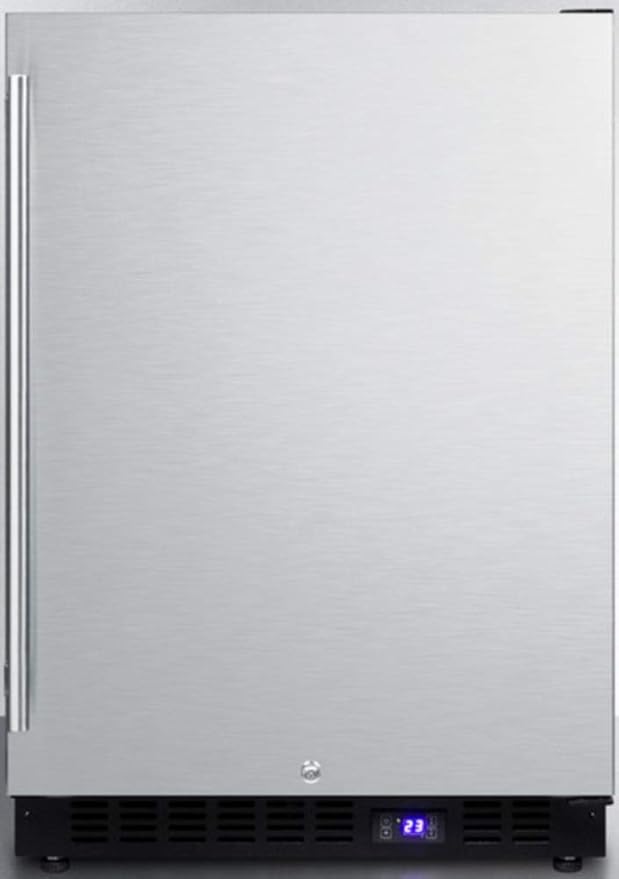
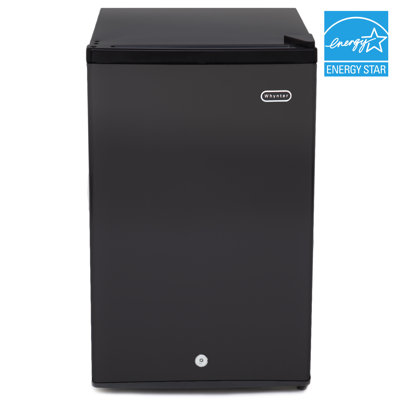
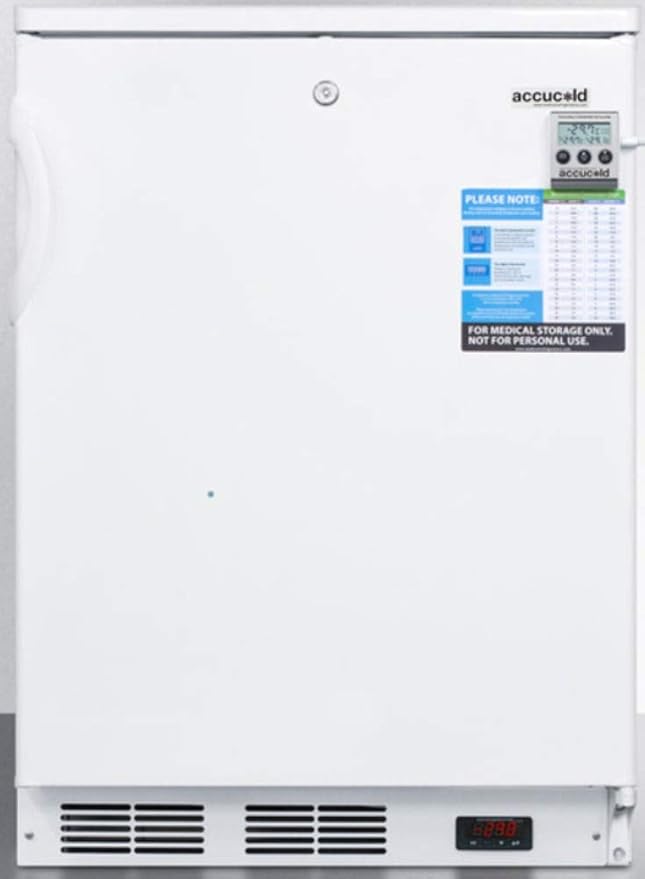
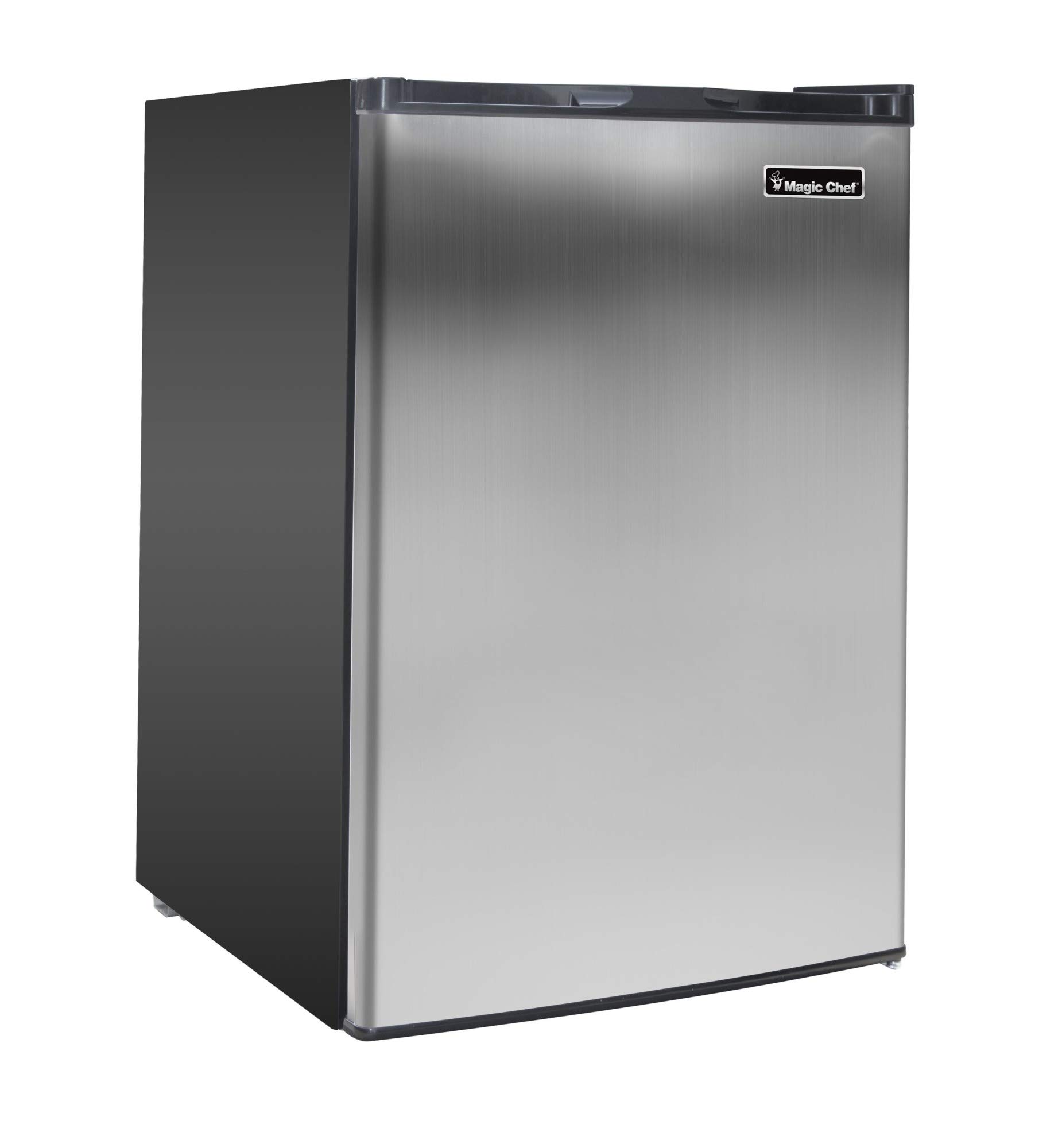
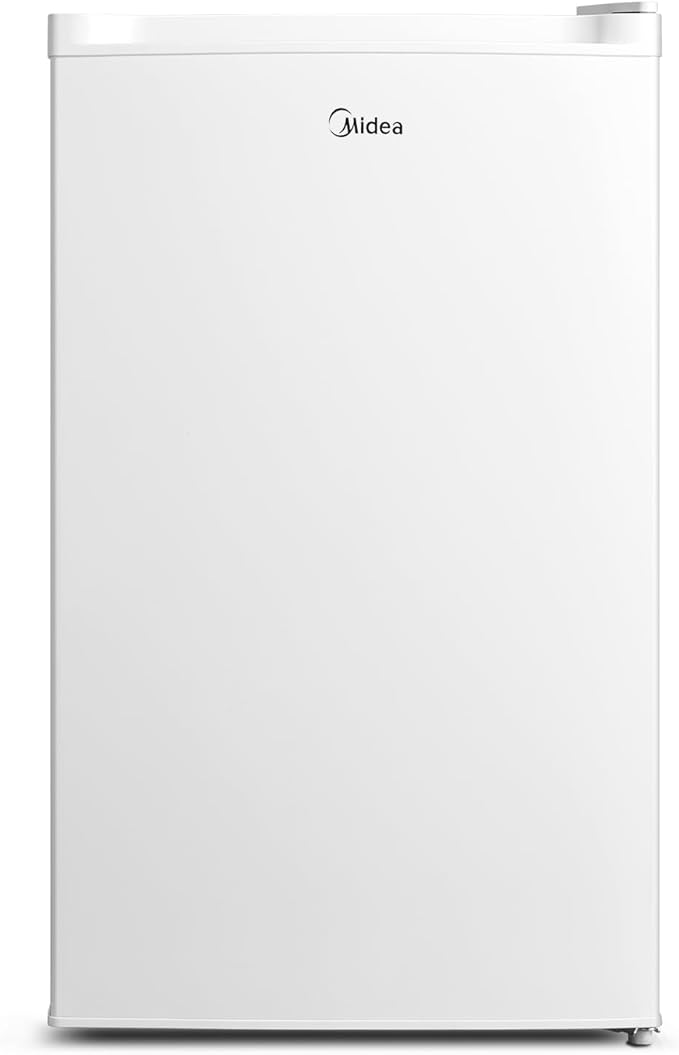
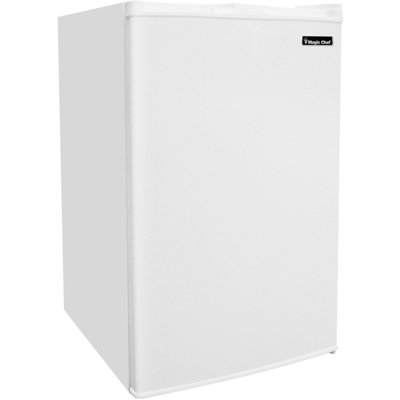
Undercounter refrigerators are compact units designed to fit under countertops, making them perfect for small spaces like apartments, offices, or kitchenettes. These refrigerators provide a convenient way to store beverages, snacks, or small amounts of perishable items. They often come with adjustable shelves and door bins, offering flexibility in organizing your items.
Key Features:
Compact size
Adjustable shelves and door bins
Often includes a small freezer compartment
Use Cases:
Small living spaces
Offices
Kitchenettes
When comparing all freezer refrigerators to undercounter refrigerators, consider your specific needs, the available space, and the type of items you plan to store. Each type of refrigerator serves a distinct purpose, and understanding these differences will help you choose the best option for your home or office.
Understanding the size and capacity of your refrigerator is crucial when deciding between an all freezer refrigerator and an undercounter refrigerator. This section will help you compare the two options.
All Freezer Refrigerator Size and Capacity
All freezer refrigerators are designed for maximum storage of frozen items. They are available in various sizes to accommodate different needs. Typically, these refrigerators are larger and can hold a significant amount of food, making them ideal for large families or those who buy in bulk.
Feature
Specification
Height
60 - 72 inches
Width
28 - 36 inches
Depth
24 - 30 inches
Capacity
10 - 25 cubic feet
All freezer refrigerators offer ample space for storing large quantities of frozen goods. They are commonly found in garages, basements, or kitchens where space is not a constraint. For more on how they compare to other types, see Fridge.com article on all freezer refrigerator Vs. column refrigerator.
Undercounter Refrigerator Size and Capacity
Undercounter refrigerators are smaller and designed to fit under standard kitchen countertops. These refrigerators are ideal for compact spaces such as apartments, offices, or as additional storage in larger kitchens.
Feature
Specification
Height
32 - 34 inches
Width
20 - 24 inches
Depth
18 - 24 inches
Capacity
2 - 5 cubic feet
Undercounter refrigerators offer a more compact solution, making them suitable for smaller living spaces or specific areas where full-sized refrigerators are impractical. Their compact nature makes them versatile and convenient for targeted cooling needs. For a comparison with other compact options, check out Fridge.com article on compact freezer Vs. medium size refrigerator.
Both types of refrigerators have their unique advantages depending on your needs, space, and lifestyle. An all freezer refrigerator provides extensive storage for larger quantities of frozen foods, while an undercounter refrigerator offers convenience and efficiency for smaller spaces. Understanding these size and capacity differences will help you choose the best option for your home or office.
Choosing between an all freezer refrigerator and an undercounter refrigerator involves considering various installation factors. Here's a detailed look at the installation considerations for both types.
All Freezer Refrigerator Installation Considerations
All freezer refrigerators are typically larger appliances that require adequate space for proper installation. These units are often freestanding or built-in, depending on your specific needs and kitchen layout.
Space Requirements:
Dimensions: Ensure you have sufficient space to accommodate the height, width, and depth of the unit.
Clearance: Allow for adequate ventilation by leaving space around the sides and back of the appliance.
Dimension
Standard Size (inches)
Height
60 - 84
Width
24 - 36
Depth
24 - 30
Electrical Considerations:
Outlet: Verify if the refrigerator requires a standard 110V outlet or a dedicated 220V outlet.
Location: The outlet should be easily accessible but not directly behind the unit to avoid bending the power cord.
Installation Type:
Freestanding: Can be placed anywhere with adequate space and ventilation.
Built-in: Requires professional installation to fit seamlessly into cabinetry, often involving custom panels.
By understanding the installation requirements for both all freezer refrigerators and undercounter refrigerators, you can choose the appliance that best fits your space and needs. This ensures optimal performance and longevity of your refrigeration unit.
When comparing an all freezer refrigerator to an undercounter refrigerator, it's important to consider their design features and stylistic aspects. Both types offer unique characteristics that can complement various settings, from homes to offices.
All Freezer Refrigerator Design Features
All freezer refrigerators are designed to provide ample freezing space, often featuring a vertical, tall structure similar to a standard refrigerator. Here are some key design features:
Size and Shape: All freezer refrigerators are typically larger and taller, making them a prominent feature in your kitchen or storage area.
Storage Options: These units often come with multiple shelves, drawers, and door compartments to maximize storage and organization.
Temperature Control: Many all freezer refrigerators offer precise temperature control settings to ensure that your frozen goods remain at the optimal temperature.
Exterior Finish: These refrigerators are available in various finishes, such as stainless steel, black, white, or custom paneling to match your existing décor.
Door Style: The doors can be single or double, with options for reversible doors to suit the layout of your space.
Undercounter Refrigerator Design Features
Undercounter refrigerators are designed to fit conveniently under kitchen counters or in smaller spaces. These compact units provide refrigeration without dominating the room. Key design features include:
Compact Size: Undercounter refrigerators are smaller and designed to fit seamlessly under counters, making them ideal for kitchens with limited space.
Flexible Storage: Despite their compact size, these refrigerators often include adjustable shelves and door bins to optimize storage.
Built-In or Freestanding: Most undercounter refrigerators can be built into cabinetry for a sleek, integrated look, or they can stand alone.
Exterior Finish: Similar to all freezer refrigerators, undercounter models come in various finishes, including stainless steel and custom panels.
Door Configuration: These units typically have a single door, with options for glass doors to display contents or solid doors for a streamlined appearance.
By examining the design and style features of both all freezer and undercounter refrigerators, you can choose the one that best fits your needs and aesthetic preferences. For more detailed comparisons, check out articles like convertible refrigerator Vs. top freezer refrigerator and beverage fridge Vs. compact refrigerator.
When comparing the cooling and freezing performance of all freezer refrigerators and undercounter refrigerators, it's essential to understand how each type operates and what benefits they offer.
Cooling Performance of All Freezer Refrigerators
All freezer refrigerators are designed specifically for freezing, providing a consistent and cold environment for your frozen goods. They maintain temperatures well below freezing, typically around 0°F (-18°C) or lower, ensuring that your items remain frozen solid.
Feature
All Freezer Refrigerator
Temperature Range
0°F (-18°C) or lower
Cooling Method
Direct cooling or frost-free
Consistency
High
All freezer refrigerators generally offer a uniform temperature throughout the unit. This consistent performance is ideal for preserving the quality and longevity of frozen foods. Direct cooling models might require manual defrosting, while frost-free models prevent ice build-up automatically.
Freezing Performance of Undercounter Refrigerators
Undercounter refrigerators, on the other hand, are primarily designed for cooling, with some models featuring a small freezer compartment. These units are perfect for storing beverages, snacks, and perishable items at a convenient height and location.
Feature
Undercounter Refrigerator
Temperature Range
34°F (1°C) to 40°F (4°C)
Cooling Method
Compressor or thermoelectric
Consistency
Moderate
The freezing performance of undercounter refrigerators is limited compared to all freezer refrigerators. The small freezer compartments, if available, are usually suitable for short-term storage of frozen items. They may not maintain the same low temperatures or consistency as dedicated freezers.
For those who need robust freezing capabilities, an all freezer refrigerator is the better choice. If you require a versatile cooling solution with a compact design, an undercounter refrigerator may be more suitable. Consider your specific needs and space constraints when deciding between the two. For more comparisons, check out convertible refrigerator Vs. top freezer refrigerator.
Energy Efficiency
When deciding between an all freezer refrigerator and an undercounter refrigerator, energy efficiency is a key factor to consider. Both types of refrigerators have their own unique features and benefits that can impact their energy consumption.
Energy Efficiency of All Freezer Refrigerators
All freezer refrigerators are designed to maintain lower temperatures for storing frozen food. This type of refrigerator typically consumes more energy compared to undercounter refrigerators due to the need to keep the contents frozen. However, advancements in technology have led to the development of more energy-efficient models. Many all freezer refrigerators come with features such as improved insulation, energy-efficient compressors, and temperature control settings that help reduce energy consumption.
To better understand the energy efficiency of all freezer refrigerators, refer to the table below:
Feature
Energy Consumption (kWh/year)
Energy Star Rating
Basic All Freezer Refrigerator
400 - 600
2 - 3
For homeowners interested in comparing the energy efficiency of other types of refrigerators, you might find Fridge.com articles on energy efficient refrigerator Vs. freestanding beverage center and convertible refrigerator Vs. top freezer refrigerator helpful.
Energy Efficiency of Undercounter Refrigerators
Undercounter refrigerators are designed to be compact and fit under countertops, making them suitable for smaller spaces like apartments, offices, and basements. These refrigerators generally consume less energy compared to all freezer refrigerators due to their smaller size and lower cooling requirements. Many undercounter refrigerators are also equipped with energy-saving features such as efficient compressors and better insulation.
The table below provides a comparison of the energy efficiency of different undercounter refrigerators:
By understanding the energy efficiency of both all freezer refrigerators and undercounter refrigerators, you can make an informed decision that aligns with your needs and preferences. Remember to consider the energy star rating and annual energy consumption when choosing your refrigerator.
When considering the purchase of an all freezer refrigerator or an undercounter refrigerator, understanding the price range is essential. Each type of refrigerator offers different features and capacities that can affect the cost.
Cost of All Freezer Refrigerators
All freezer refrigerators are designed to provide ample freezing space, making them ideal for storing a large quantity of frozen goods. The cost of these refrigerators can vary based on their size, features, and brand.
Size/Feature
Price Range ($)
Small (5-10 cu. ft.)
200 - 500
Medium (10-20 cu. ft.)
500 - 1,000
Large (20+ cu. ft.)
1,000 - 2,000
Additional Features (e.g., frost-free, digital controls)
+100 - 300
For more detailed comparisons, you might find Fridge.com article on all freezer refrigerator Vs. column refrigerator useful.
Cost of Undercounter Refrigerators
Undercounter refrigerators are compact and designed to fit seamlessly under countertops, making them perfect for smaller spaces like apartments, offices, or bars. Their cost is influenced by their size, features, and design.
Size/Feature
Price Range ($)
Small (2-5 cu. ft.)
100 - 400
Medium (5-10 cu. ft.)
400 - 800
Large (10+ cu. ft.)
800 - 1,500
Additional Features (e.g., dual-zone cooling, glass doors)
+100 - 300
If you're considering other compact options, Fridge.com article on beverage fridge Vs. compact refrigerator offers a detailed comparison.
Understanding the price ranges for these refrigerators can help you make an informed decision that fits your budget and meets your specific needs. For more guidance on choosing the right refrigerator, check out Fridge.com articles on medium size refrigerator Vs. standard refrigerator size and drawer fridge freezer Vs. glass door freezer.
Final Considerations
Factors to Consider Before Making Your Choice
When deciding between an all freezer refrigerator and an undercounter refrigerator, there are several factors to consider. Understanding these aspects can help you make an informed decision that suits your needs.
Space Availability: Assess the space where you plan to install the refrigerator. An all freezer refrigerator typically requires more space compared to an undercounter model.
Usage: Determine your primary usage. If you need a dedicated freezer for stocking frozen foods, an all freezer refrigerator may be suitable. For additional refrigeration space without taking up much room, an undercounter refrigerator might be ideal.
Capacity: Consider the storage capacity you need. All freezer refrigerators generally offer more storage for frozen items, whereas undercounter refrigerators provide convenient access to frequently used items.
Installation: Evaluate the installation requirements. All freezer refrigerators might need a more complex installation process compared to the relatively straightforward installation of undercounter refrigerators.
Energy Efficiency: Check the energy efficiency ratings of both options to ensure you choose an appliance that won't significantly impact your energy bills. For more information, explore Fridge.com article on energy efficient refrigerator Vs. freestanding beverage center.
Design Preferences: Match the design and style of the refrigerator with your existing kitchen or space décor. Both types come in various styles and finishes.
Budget: Establish your budget as prices can vary significantly between all freezer refrigerators and undercounter refrigerators.
Making the Decision: All Freezer Vs. Undercounter
Making the final decision between an all freezer refrigerator and an undercounter refrigerator involves weighing the pros and cons of each option based on your specific requirements.
By carefully considering these factors, you can make a well-informed choice that aligns with your needs and preferences. Whether you opt for the extensive storage of an all freezer refrigerator or the convenience of an undercounter refrigerator, both options offer unique benefits to enhance your kitchen or living space.
Compare prices on Fridge.com
Compare current prices and specifications on Fridge.com, then buy from the retailer you choose; delivery, installation and warranty terms are the retailer’s.
It also has tons of awesome articles about kitchen stuff and home news. Enhance your home, garage, backyard, patio, and office with the coolest essentials. With every necessary type of residential refrigerator or freezer in the collection, you're covered.
From Fridge.com research
Figures below come from data Fridge.com builds and maintains. Each links to the record behind it.
Fridge.com Energy Index, built on U.S. EPA and DOE ENERGY STAR records
Across 5,455 ENERGY STAR certified refrigerators and freezers from 263 brands, median use is 360 kWh per year.