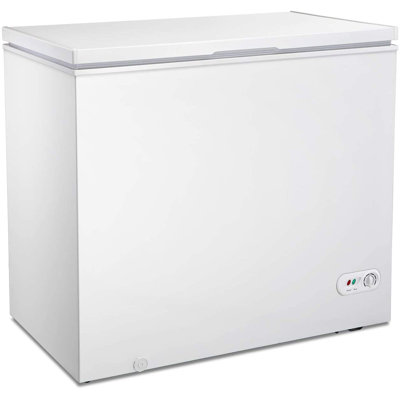
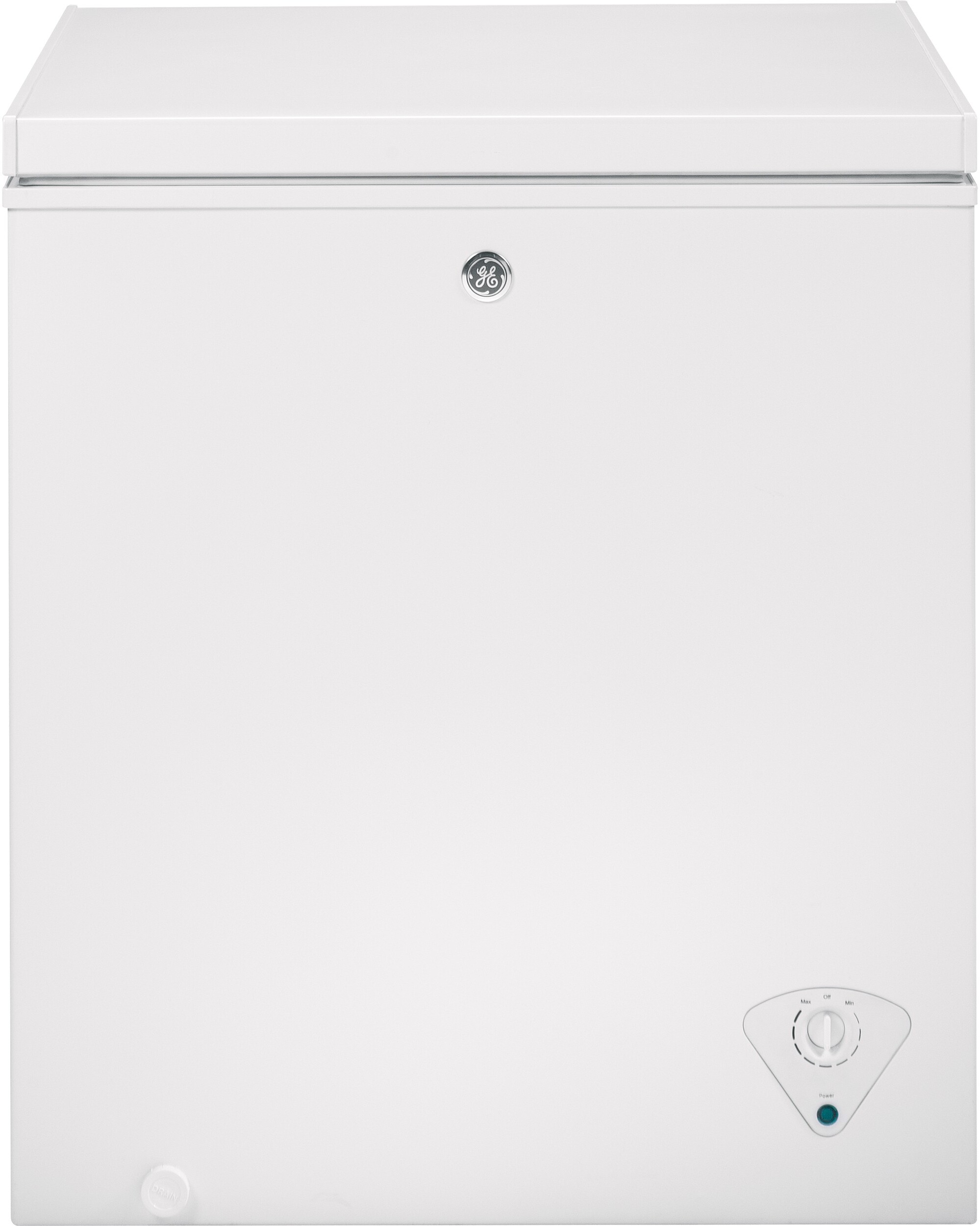
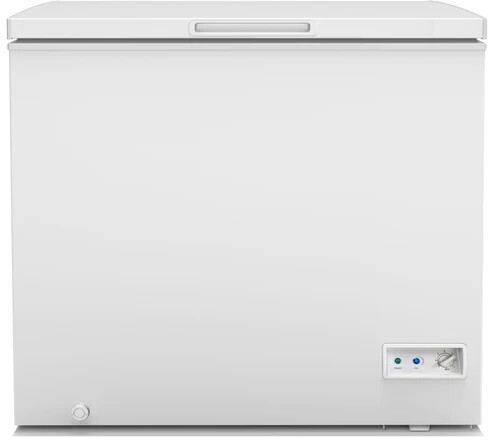
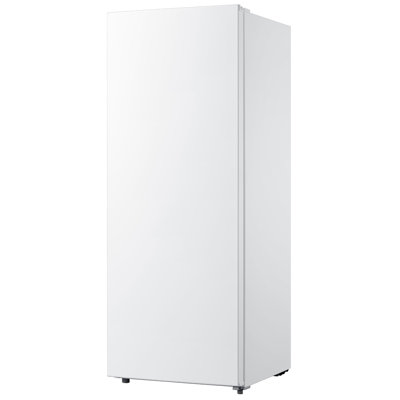
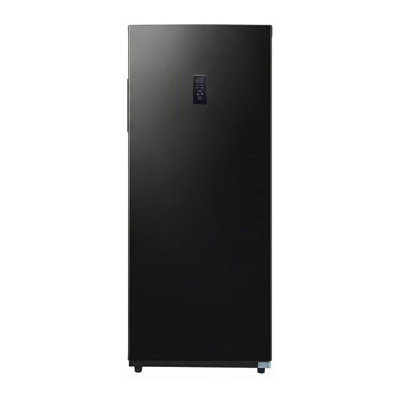
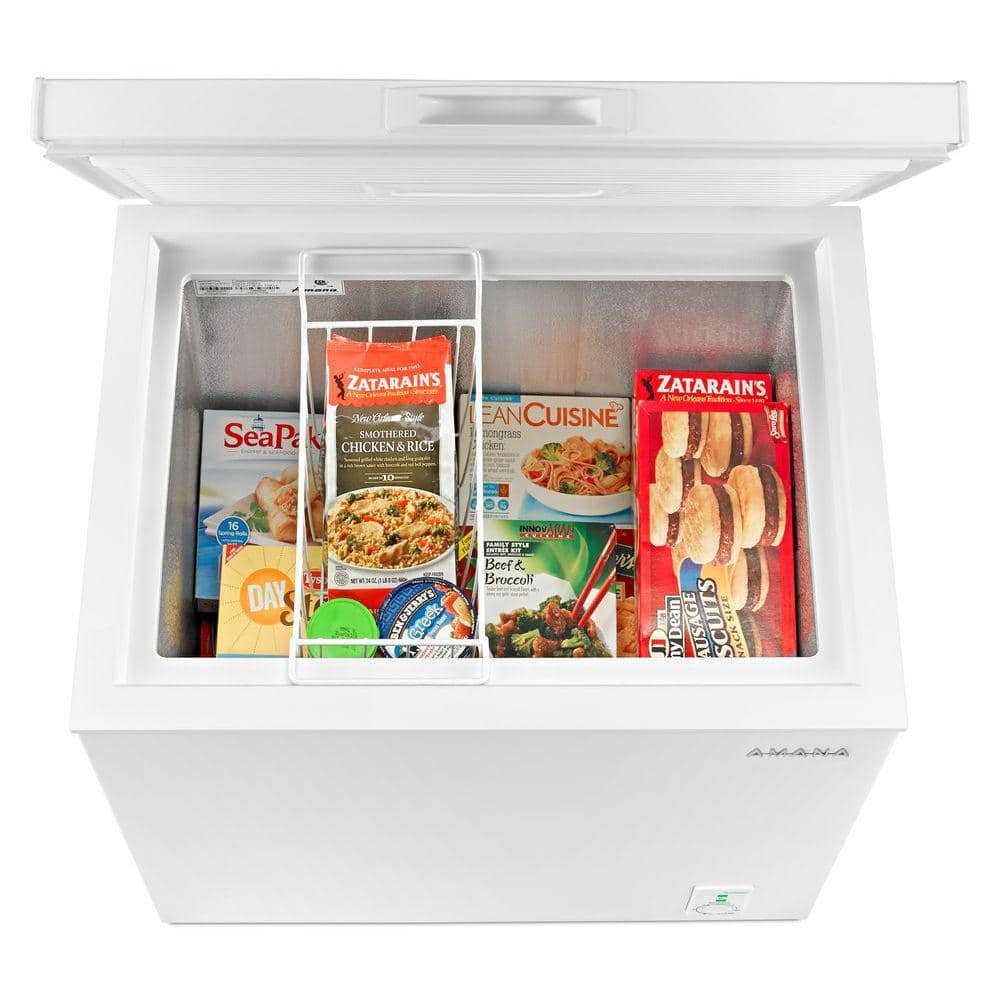
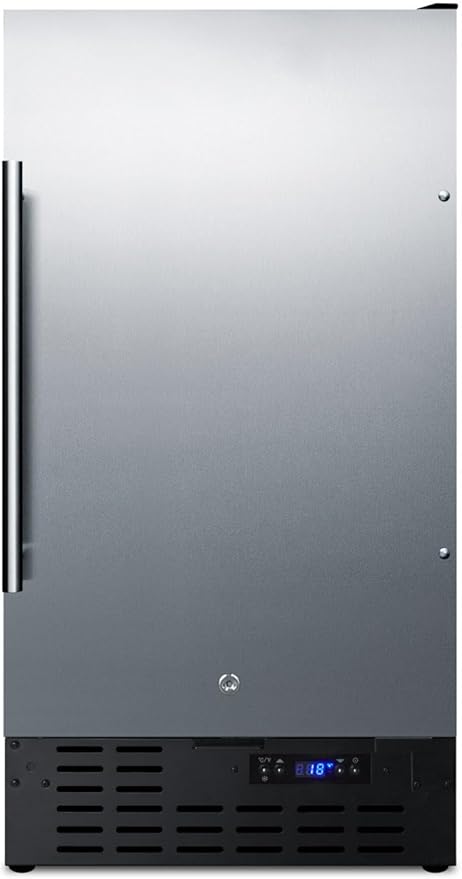
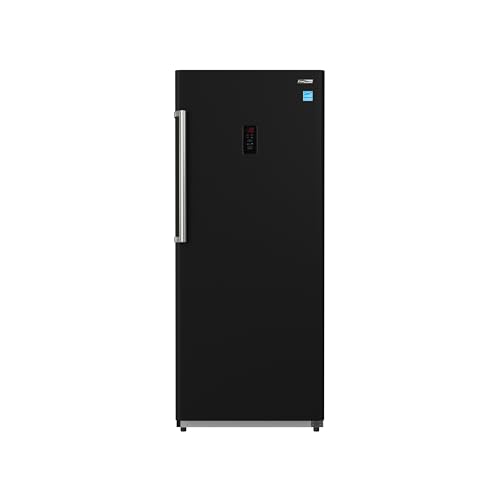
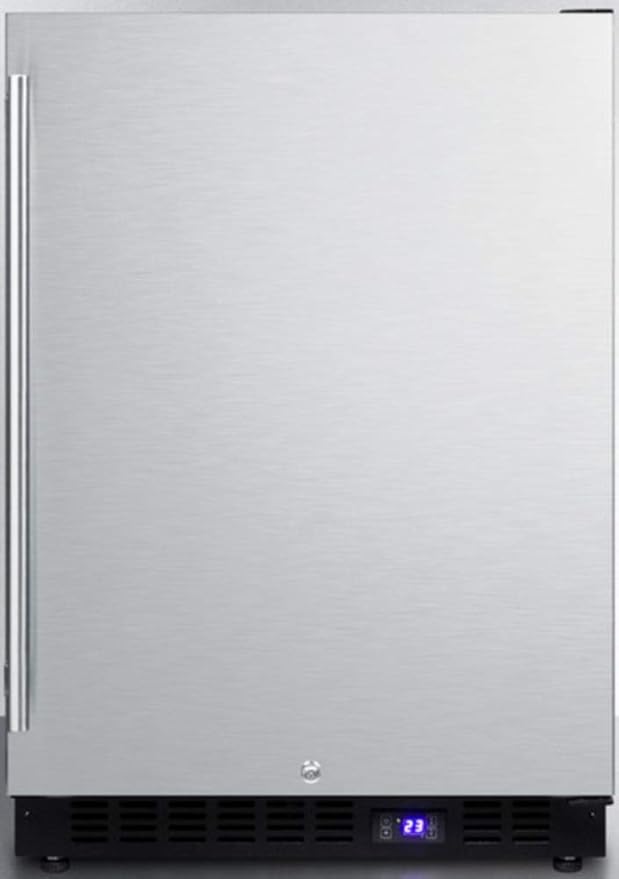
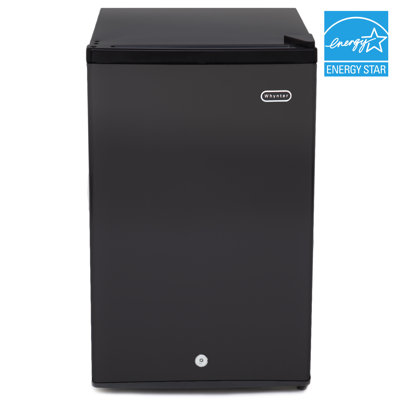
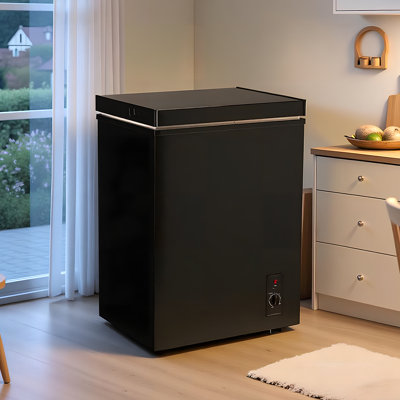
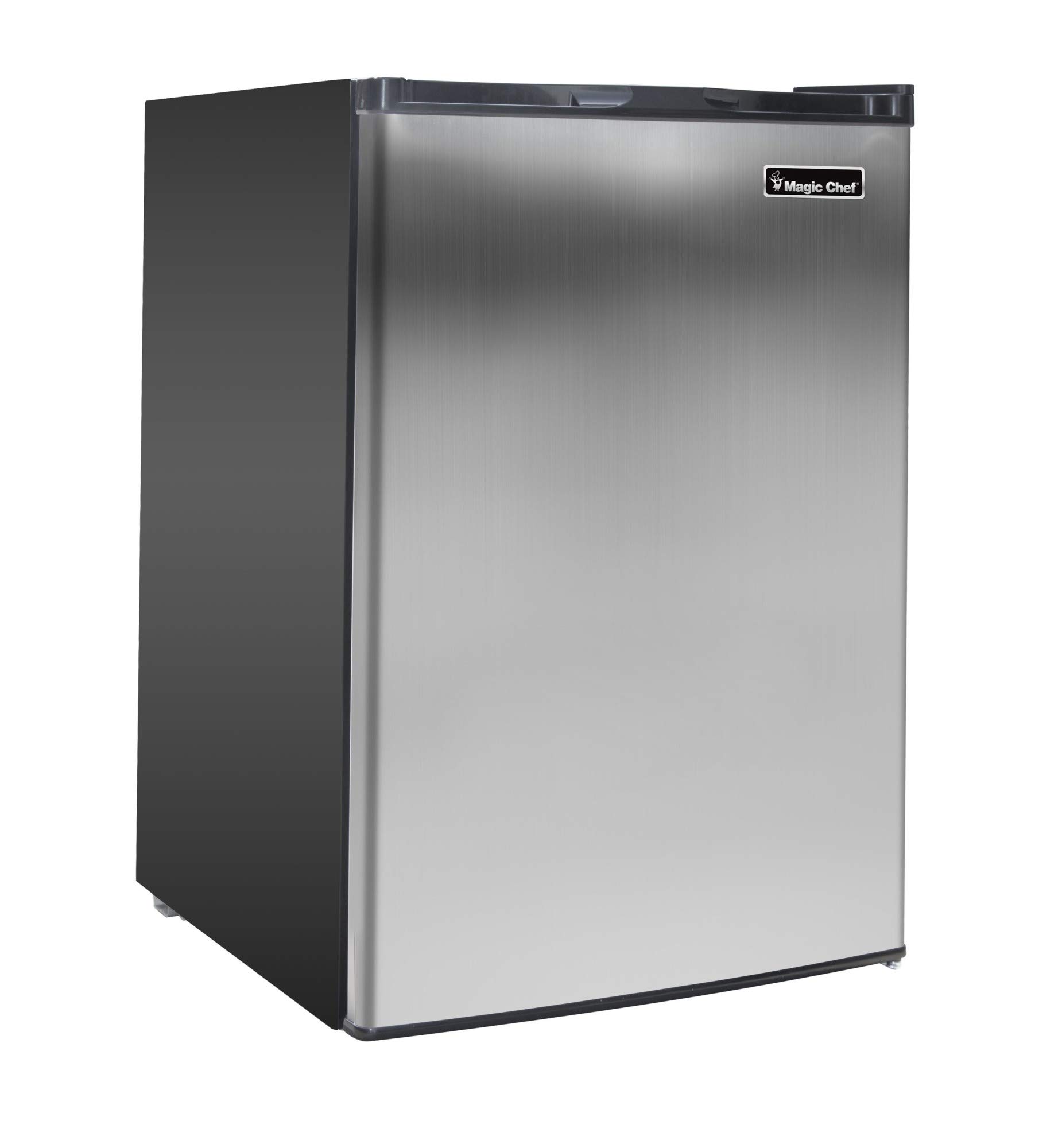
When choosing a refrigerator, it's important to understand the different types available to suit your needs. Two popular options are the all freezer refrigerator and the column refrigerator. Each has unique features and benefits, making them suitable for various settings and purposes.
All Freezer Refrigerator
An all freezer refrigerator is designed to provide ample freezer space without any refrigerator compartment. This type of appliance is ideal for those who require extensive frozen storage. It is commonly used in homes, garages, and commercial settings where the need for freezing capacity outweighs that for fresh food storage.
Key Features:
Entire unit dedicated to freezing
Often used as a supplementary unit alongside a regular refrigerator
Can store a large volume of frozen goods
Ideal For:
Homeowners with large families
Those who buy in bulk and freeze food
Commercial kitchens needing extensive freezing space
Column Refrigerator
A column refrigerator, on the other hand, is a versatile appliance that can function either as a refrigerator or a freezer, depending on your needs. These units are typically slim and can be integrated seamlessly into your kitchen cabinetry, providing a sleek and modern look.
Key Features:
Flexible use as either a refrigerator or a freezer
Modular design allows for customization
Often features advanced cooling technology for optimal freshness
Ideal For:
Modern kitchens with custom cabinetry
Homeowners seeking flexibility in their kitchen layout
Those who appreciate a sleek, integrated appliance design
When deciding between an all freezer refrigerator and a column refrigerator, it's important to consider their design and layout features. Each type offers unique benefits that cater to different needs and preferences.
All Freezer Refrigerator Features
All freezer refrigerators are designed to provide ample storage space exclusively for frozen items. This makes them ideal for those who need a dedicated freezer to store large quantities of frozen food. Key features typically include:
Spacious Freezer Compartments: All freezer refrigerators are built with multiple shelves and drawers to help organize and store frozen goods efficiently.
Adjustable Shelving: The flexibility to adjust shelves allows you to accommodate items of various sizes, from small packages to large bulk items.
Frost-Free Technology: Many all freezer refrigerators come with frost-free technology, which prevents ice build-up and reduces the need for manual defrosting.
Temperature Control: Precise temperature control settings allow you to keep your frozen items at the optimal temperature.
Feature
Description
Compartments
Multiple shelves and drawers
Shelving
Adjustable
Defrosting
Frost-free technology
Temperature Control
Precise settings
For more information on how these features compare to other types of refrigerators, you can explore Fridge.com article on convertible refrigerator Vs. top freezer refrigerator.
Column Refrigerator Features
Column refrigerators offer a versatile and customizable approach to refrigeration. These units can be paired with other columns or standalone, providing flexibility in kitchen design. Key features include:
Modular Design: Column refrigerators can be used individually or combined with other columns, such as freezers or wine coolers, to create a tailored refrigeration solution.
Customizable Interiors: Interiors often feature adjustable shelves, bins, and drawers, allowing you to organize your fresh and frozen foods as needed.
Integrated Look: Designed to blend seamlessly with your cabinetry, column refrigerators offer a sleek, built-in appearance.
Advanced Cooling Technology: Features such as dual cooling systems help maintain consistent temperatures and humidity levels, ensuring your food stays fresh longer.
Feature
Description
Design
Modular
Interiors
Customizable shelves, bins, drawers
Aesthetic
Integrated look
Cooling
Advanced cooling technology
To better understand how column refrigerators compare to other refrigeration solutions, you might find Fridge.com article on humidor refrigerator Vs. single door refrigerator helpful.
By understanding the design and layout features of both all freezer refrigerators and column refrigerators, you can make a well-informed decision that best suits your storage needs and kitchen design preferences. For further comparisons, explore Fridge.com detailed guide on mini fridge with freezer Vs. small chest freezer.
When evaluating the capacity and storage of refrigerators, it's essential to understand how they cater to different needs. Both all-freezer refrigerators and column refrigerators offer unique features that can impact your choice.
All Freezer Refrigerator Capacity
An all-freezer refrigerator is designed solely for freezing and preserving food. The capacity of these units can vary significantly based on their size and configuration.
Model Size
Capacity (cu. ft.)
Small (under 10 cu. ft.)
6 - 9
Medium (10 - 18 cu. ft.)
12 - 16
Large (over 18 cu. ft.)
20 - 25
These refrigerators are perfect for storing large quantities of frozen foods, making them ideal for families or individuals who prefer to buy in bulk. Their capacity ensures that you have ample space to organize and access your frozen items easily.
Column Refrigerator Capacity
Column refrigerators offer a flexible and customizable approach to refrigeration. These units are designed to be paired with other columns, such as a freezer column, to create a tailored refrigeration solution. The capacity of a column refrigerator typically depends on the individual unit.
Model Size
Capacity (cu. ft.)
Small (under 10 cu. ft.)
7 - 9
Medium (10 - 18 cu. ft.)
12 - 16
Large (over 18 cu. ft.)
20 - 24
Column refrigerators provide efficient storage solutions with adjustable shelves and compartments. This flexibility allows you to optimize the space according to your storage needs, whether it's for fresh produce, beverages, or other perishables. For more insights on different refrigerator types, you can explore Fridge.com article on convertible refrigerator Vs. top freezer refrigerator.
Understanding the capacity and storage options of both all-freezer refrigerators and column refrigerators helps in making an informed decision based on your specific needs. For further comparisons, you might be interested in reading about the mini fridge with freezer Vs. small chest freezer.
Understanding the cooling technology of an all freezer refrigerator is essential for making an informed decision. These appliances are designed to maintain a consistent low temperature, ideal for preserving frozen foods. Typically, all freezer refrigerators use a combination of evaporator coils and fans to circulate cold air throughout the unit. This ensures that the temperature remains uniform and prevents ice build-up.
Most all freezer refrigerators come with advanced defrost systems, which automatically melt any frost that forms on the evaporator coils. This feature helps in maintaining the efficiency of the cooling system and reduces the need for manual defrosting.
Feature
Description
Cooling Method
Evaporator coils and fans
Temperature Range
-10°F to 0°F
Defrost System
Automatic
For more details on different refrigerator types, you might find Fridge.com article on convertible refrigerator Vs. top freezer refrigerator useful.
Column Refrigerator Cooling Systems
Column refrigerators, on the other hand, are designed to offer precise temperature control and flexibility. These refrigerators often feature dual refrigeration systems, separating the cooling mechanism for the refrigerator and freezer compartments. This separation allows for optimal humidity levels and temperature control in each section.
Column refrigerators often use advanced air purification systems to remove ethylene gas, bacteria, and odors, ensuring that your food stays fresh for longer. Some models also include touch control panels for easy temperature adjustments.
Feature
Description
Cooling Method
Dual refrigeration systems
Temperature Range
34°F to 42°F (Refrigerator), -5°F to 5°F (Freezer)
Air Purification
Yes
For an in-depth comparison, check out Fridge.com article on humidor refrigerator Vs. single door refrigerator.
Understanding the cooling technology behind these refrigerators can help you choose the best option for your needs. Whether you prioritize consistent freezing temperatures or precise climate control, knowing the differences will guide you in making the right decision. For more comparisons, visit Fridge.com article on medium size refrigerator Vs. standard refrigerator size.
Installation Options
When choosing between an all-freezer refrigerator and a column refrigerator, it's crucial to consider the installation options for each type to ensure a seamless fit into your space.
All Freezer Refrigerator Installation Considerations
All-freezer refrigerators are standalone units dedicated solely to freezing. They often require ample space due to their size and design. Here’s what you need to keep in mind:
Space Requirements: Ensure you have enough room to accommodate the freezer. Measure the height, width, and depth of the unit and compare it to your available space.
Ventilation: Proper ventilation is essential for maintaining efficiency. Allow for at least a few inches of clearance on all sides to ensure adequate airflow.
Electrical Outlet: These units typically need a standard electrical outlet. Make sure you have an accessible power source nearby.
Placement: Consider where the freezer will be placed. Common locations include garages, basements, or utility rooms. Ensure the temperature of the installation area is within the freezer’s operating range.
Consideration
All Freezer Refrigerator Installation
Space Requirements
Large, standalone unit
Ventilation
Clearance on all sides
Electrical Outlet
Standard outlet
Placement
Garage, basement, utility room
Column Refrigerator Installation Considerations
Column refrigerators are modular units that can be installed individually or combined with other columns for a custom configuration. Here’s what to consider:
Modular Flexibility: Column refrigerators offer flexibility in installation. They can be placed side-by-side with other columns (e.g., a freezer column) or standalone.
Built-In Look: These units are often designed to integrate seamlessly with your kitchen cabinetry, providing a built-in look. Ensure the dimensions match your cabinetry.
Panel Options: Column refrigerators may allow for custom paneling to match your kitchen decor. Consider whether you want a stainless steel finish or a custom panel.
Electrical and Plumbing: Ensure there is an appropriate electrical outlet and, if your column refrigerator has a water dispenser or ice maker, access to plumbing.
Consideration
Column Refrigerator Installation
Modular Flexibility
Can be combined with other columns
Built-In Look
Seamless integration with cabinetry
Panel Options
Customizable panels available
Electrical/Plumbing
Standard outlet and possible plumbing
Understanding the installation considerations for both all-freezer refrigerators and column refrigerators will help you make an informed decision. For more comparisons, check out Fridge.com articles on convertible refrigerator Vs. top freezer refrigerator and humidor refrigerator Vs. single door refrigerator.
When it comes to choosing between an all freezer refrigerator and a column refrigerator, energy efficiency is a critical consideration. Both types of refrigerators have their own energy ratings, which can significantly impact your electricity bills and environmental footprint.
All Freezer Refrigerator Energy Ratings
All freezer refrigerators are designed to maintain an optimal freezing temperature, often running continuously to keep your food frozen. This can result in higher energy consumption compared to other refrigerator types. However, advancements in technology have led to more energy-efficient models that consume less power while maintaining performance.
Feature
All Freezer Refrigerator
Average Annual Energy Consumption (kWh/year)
400 - 600
Typical Energy Cost (USD/year)
$48 - $72
These refrigerators often come with features like improved insulation and energy-efficient compressors, which help reduce energy consumption. When selecting an all freezer refrigerator, look for models with an Energy Star rating to ensure lower energy use.
Column Refrigerator Energy Ratings
Column refrigerators are modular units that can be customized to fit your specific storage needs. They are generally more energy-efficient than all freezer refrigerators because they only cool the compartments you need. This targeted cooling can result in lower overall energy usage.
Feature
Column Refrigerator
Average Annual Energy Consumption (kWh/year)
300 - 500
Typical Energy Cost (USD/year)
$36 - $60
Column refrigerators often include advanced cooling technologies and better insulation, making them a more energy-efficient choice. These refrigerators also allow you to choose only the units you need, which can further reduce energy consumption.
For more information on other types of refrigerators and their energy efficiencies, check out Fridge.com articles on energy efficient refrigerator Vs. freestanding beverage center and energy efficient refrigerator Vs. standard fridge size. These comparisons can help you make a more informed decision based on energy consumption and overall performance.
Compare prices on Fridge.com
Compare current prices and specifications on Fridge.com, then buy from the retailer you choose; delivery, installation and warranty terms are the retailer’s.
It also has tons of awesome articles about kitchen stuff and home news. Enhance your home, garage, backyard, patio, and office with the coolest essentials. With every necessary type of residential refrigerator or freezer in the collection, you're covered.
From Fridge.com research
Figures below come from data Fridge.com builds and maintains. Each links to the record behind it.
Fridge.com Energy Index, built on U.S. EPA and DOE ENERGY STAR records
Across 5,455 ENERGY STAR certified refrigerators and freezers from 263 brands, median use is 360 kWh per year.