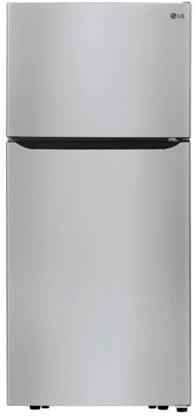
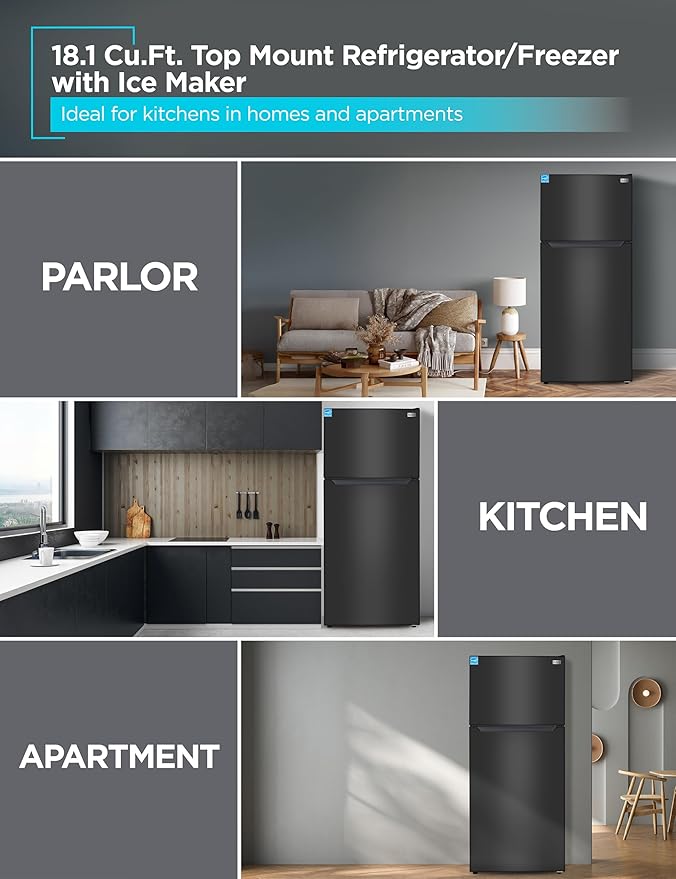
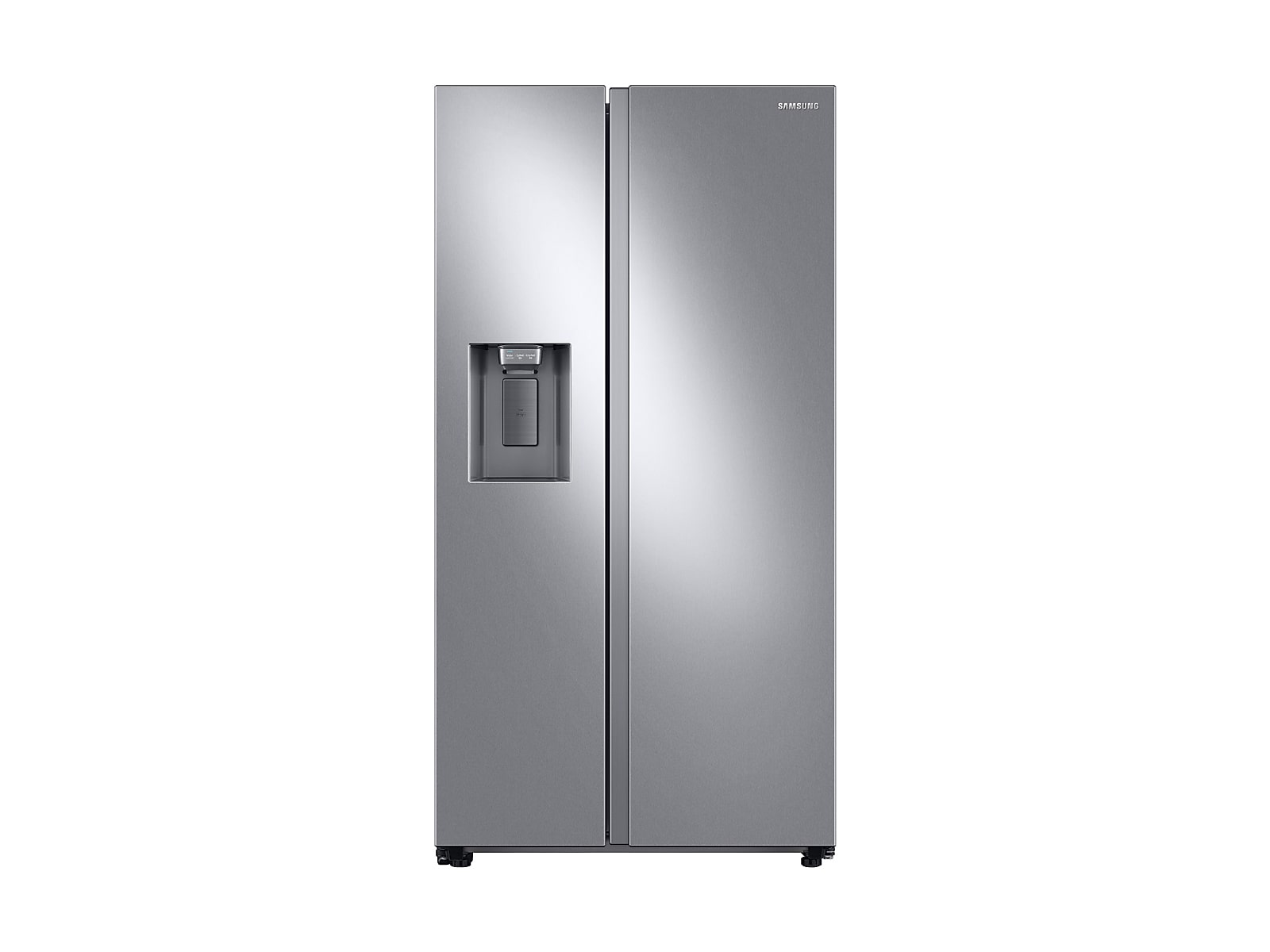
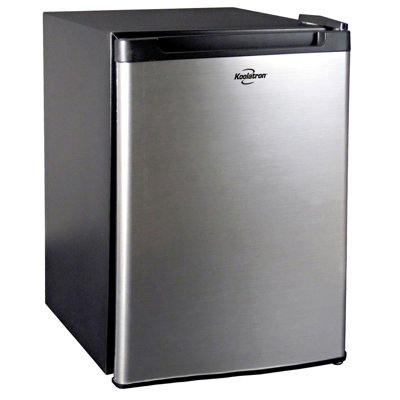
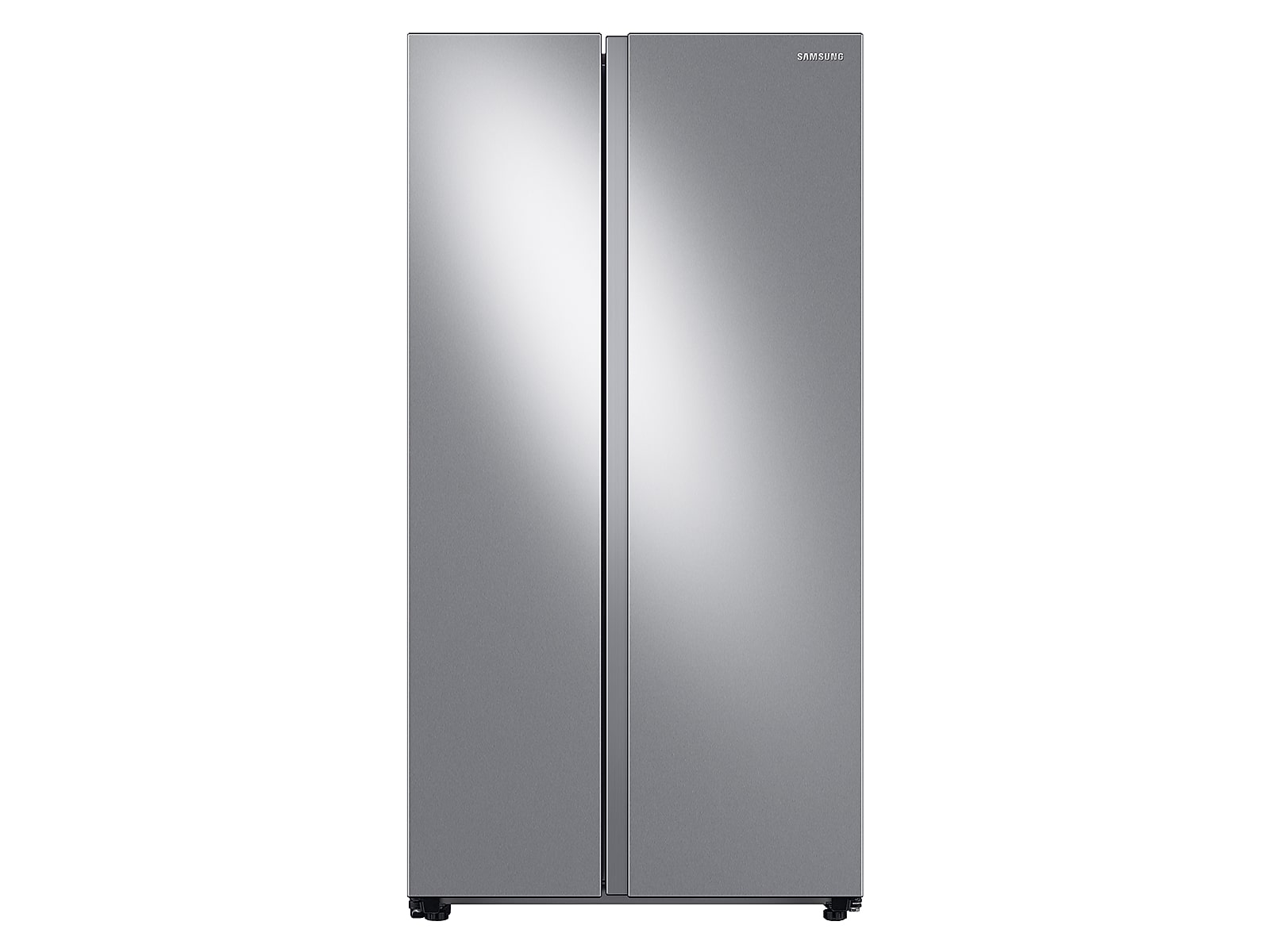
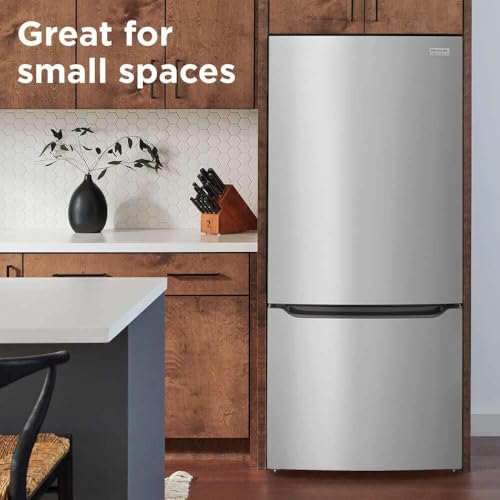
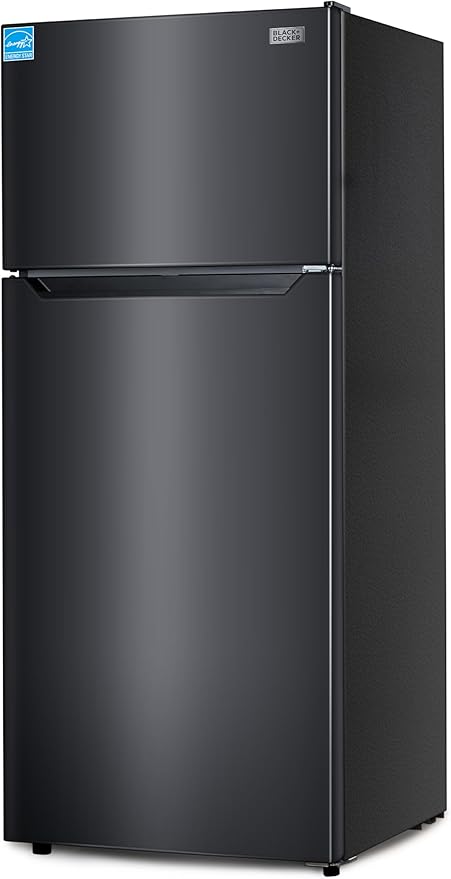
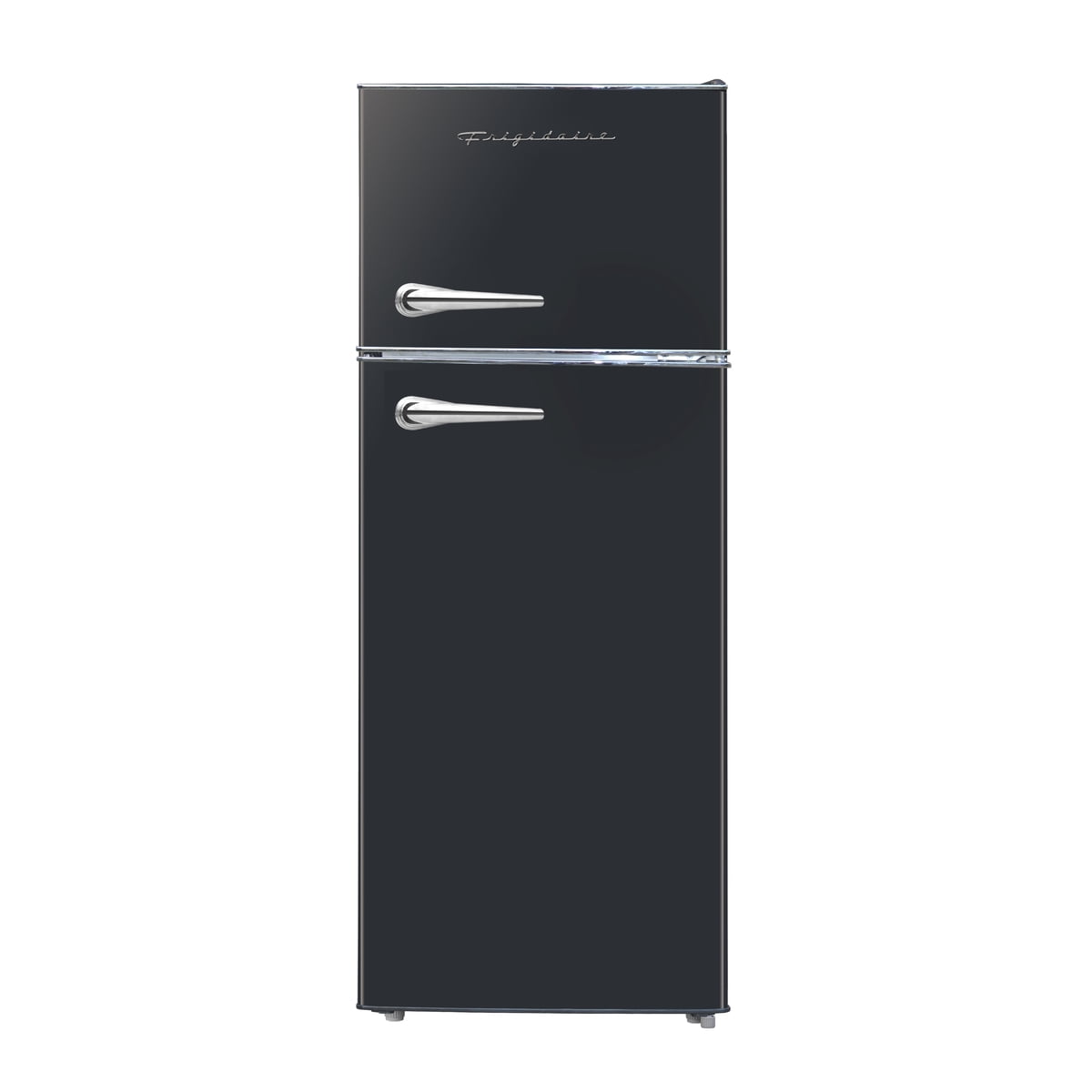
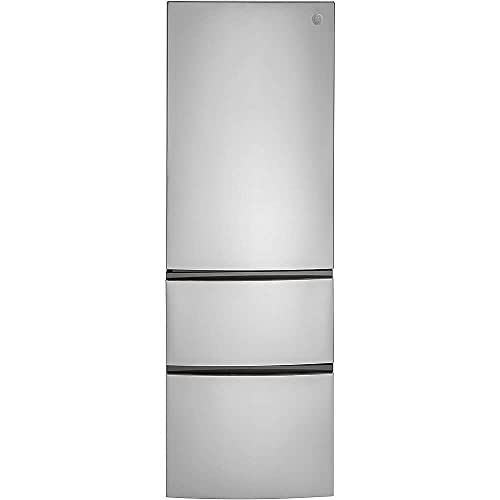
Choosing the right refrigerator size is crucial for ensuring that your appliance meets your needs and fits seamlessly into your space. This section will help you understand the importance of selecting the right size and provide an overview of both medium size and standard size refrigerators.
Importance of Choosing the Right Refrigerator Size
The size of your refrigerator can significantly impact your daily life. A refrigerator that is too small may not provide enough storage for your family's needs, leading to frequent grocery trips. Conversely, a refrigerator that is too large can take up unnecessary space and consume more energy, leading to higher utility bills.
When selecting a refrigerator, consider factors such as the size of your household, your cooking habits, and the available space in your kitchen or designated area. A well-chosen refrigerator can improve kitchen efficiency, enhance food storage, and reduce waste.
Overview of Medium Size Refrigerators
Medium size refrigerators typically offer a balance between capacity and space efficiency. They are ideal for smaller families, couples, or individuals who do not require extensive storage but still need ample space for perishable items. Medium size refrigerators can fit comfortably in various settings, such as apartments, condos, and smaller homes.
Feature
Medium Size Refrigerator
Average Dimensions
24-30 inches wide, 60-66 inches high, 28-34 inches deep
Capacity Range
10-20 cubic feet
Ideal For
Small families, couples, or individuals
Common Settings
Apartments, condos, smaller homes
Medium size refrigerators often come with essential features such as adjustable shelves, crispers for fruits and vegetables, and door storage for beverages and condiments. They provide a practical solution for those who need a functional fridge without the bulk of a larger unit.
Overview of Standard Size Refrigerators
Standard size refrigerators are generally larger and offer more storage capacity. They are suitable for larger families or households that require significant food storage space. These refrigerators are commonly found in medium to large homes and can accommodate the needs of multiple users.
Feature
Standard Size Refrigerator
Average Dimensions
30-36 inches wide, 66-70 inches high, 30-36 inches deep
Capacity Range
20-30 cubic feet
Ideal For
Larger families, households with higher storage needs
Common Settings
Medium to large homes
Standard size refrigerators often come with advanced features such as multiple temperature zones, ice makers, water dispensers, and spacious freezer compartments. These features enhance convenience and ensure that your food stays fresh longer.
When comparing medium size refrigerators to standard size refrigerators, it's important to assess your specific needs and space constraints. For more detailed comparisons, you can explore articles like compact freezer Vs. medium size refrigerator and energy efficient refrigerator Vs. standard fridge size. Understanding these differences will help you make an informed decision that best suits your lifestyle and space.
Medium size refrigerators are a practical choice for various living situations, from apartments to small homes. They offer a balanced combination of capacity and compactness, making them versatile for different needs.
Dimensions and Capacity
Medium size refrigerators typically range in height from 60 to 70 inches, width from 24 to 30 inches, and depth from 28 to 34 inches. The total capacity of these refrigerators usually falls between 10 to 20 cubic feet, providing ample storage for a household of two to four people.
Dimension
Range
Height
60 - 70 inches
Width
24 - 30 inches
Depth
28 - 34 inches
Capacity
10 - 20 cubic feet
Ideal Placement in Your Space
Medium size refrigerators are suitable for a variety of spaces, including kitchens, basements, and garages. Their moderate size allows them to fit into tighter spaces where a standard size refrigerator might be too large. When considering placement:
Ensure there is enough clearance around the refrigerator for proper ventilation.
Consider the door swing and ensure there is enough space for the door to open fully.
Measure the doorway and hallways to ensure the refrigerator can be moved to its desired location.
Features and Benefits
Medium size refrigerators come with a range of features that enhance their functionality and convenience:
Adjustable Shelves: Customize the interior layout to accommodate different types of food and beverages.
Energy Efficiency: Many medium size refrigerators are designed to be energy-efficient, helping you save on electricity bills.
Frost-Free Operation: Reduces the need for manual defrosting, saving you time and effort.
Compact Design: Ideal for smaller kitchens or secondary storage spaces like basements and garages.
Versatile Storage: Often includes specialized compartments for fruits, vegetables, and dairy, ensuring optimal storage conditions.
When comparing medium size refrigerators with standard refrigerators, it's essential to understand the characteristics of standard size refrigerators. These fridges provide ample space and features for various household needs.
Dimensions and Capacity
Standard size refrigerators are designed to offer a generous amount of storage space, making them suitable for families and those who entertain frequently. The typical dimensions for standard size refrigerators are:
Measurement
Size (inches)
Height
66 - 70
Width
30 - 36
Depth
29 - 35
In terms of capacity, standard size refrigerators usually provide:
Capacity
Size (cubic feet)
Fresh Food Compartment
14 - 20
Freezer Compartment
5 - 9
Total Capacity
19 - 29
Ideal Placement in Your Space
Standard size refrigerators require adequate space to accommodate their larger dimensions. They are ideal for:
Kitchens with a designated refrigerator space
Large households
Open-concept living areas
Homes with ample kitchen storage
When planning the placement of a standard size refrigerator, ensure there is enough clearance around the unit for ventilation and door swing. This helps maintain the appliance's efficiency and longevity.
Features and Benefits
Standard size refrigerators come with a variety of features and benefits that enhance the user experience:
Spacious Interiors: Ample room for storing groceries, beverages, and leftovers.
Adjustable Shelves: Customizable shelving to accommodate different food items.
Efficient Cooling Systems: Consistent temperature control to keep food fresh.
Additional Compartments: Separate sections for fruits, vegetables, and dairy products.
Energy Efficiency: Many models are designed to be energy-efficient, reducing electricity costs.
By understanding the dimensions, ideal placement, and features of standard size refrigerators, you can make an informed decision when choosing between a medium size refrigerator and a standard refrigerator size for your home.
Choosing between a medium size refrigerator and a standard refrigerator size involves several key considerations. Understanding these factors can help you make an informed decision.
Space Availability
The first factor to consider is the space you have available in your kitchen or designated area. Measure the dimensions of the space to ensure the refrigerator fits comfortably. A medium size refrigerator typically has smaller dimensions, making it suitable for compact spaces like apartments or offices. A standard size refrigerator, on the other hand, requires more room and is ideal for larger kitchens or households.
Refrigerator Size
Width (inches)
Height (inches)
Depth (inches)
Medium Size
24 - 30
60 - 70
28 - 34
Standard Size
30 - 36
66 - 70
30 - 36
Storage Needs
Your storage needs are another critical factor. Consider the amount of fresh and frozen food you typically store. Medium size refrigerators offer sufficient storage for smaller households or individuals. They usually feature fewer compartments and shelves. Standard size refrigerators provide more storage capacity, with larger compartments and additional shelves, making them suitable for families or those who entertain frequently.
Refrigerator Size
Fresh Food Capacity (cu. ft.)
Freezer Capacity (cu. ft.)
Medium Size
10 - 14
3 - 5
Standard Size
15 - 20
5 - 8
Energy Efficiency
Energy efficiency is crucial for reducing electricity bills and minimizing environmental impact. Check the Energy Star rating of the refrigerator. Medium size refrigerators generally consume less energy due to their smaller size. However, advancements in technology have made standard size refrigerators more energy-efficient. Compare the annual energy consumption to make an eco-friendly choice.
Refrigerator Size
Annual Energy Consumption (kWh)
Medium Size
350 - 500
Standard Size
400 - 600
For more information on energy-efficient refrigerators, you can read Fridge.com article on energy efficient refrigerator Vs. freestanding beverage center.
Budget Considerations
Your budget plays a significant role in determining the type of refrigerator you choose. Medium size refrigerators are generally more affordable due to their smaller size and fewer features. Standard size refrigerators tend to be more expensive but offer greater capacity and additional features. Evaluate your budget and prioritize features that are essential for your needs.
Refrigerator Size
Price Range ($)
Medium Size
500 - 1,200
Standard Size
800 - 2,500
By considering these factors, you can make an informed decision between a medium size refrigerator and a standard refrigerator size. Each type has its own set of advantages and is suited to different needs and spaces. For more insights, you may also explore comparisons like beverage fridge Vs. compact refrigerator and shallow depth refrigerator Vs. standard refrigerator size.
Compare prices on Fridge.com
Compare current prices and specifications on Fridge.com, then buy from the retailer you choose; delivery, installation and warranty terms are the retailer’s.
It also has tons of awesome articles about kitchen stuff and home news. Enhance your home, garage, backyard, patio, and office with the coolest essentials. With every necessary type of residential refrigerator or freezer in the collection, you're covered.
From Fridge.com research
Figures below come from data Fridge.com builds and maintains. Each links to the record behind it.
Fridge.com Energy Index, built on U.S. EPA and DOE ENERGY STAR records
Across 5,455 ENERGY STAR certified refrigerators and freezers from 263 brands, median use is 360 kWh per year.