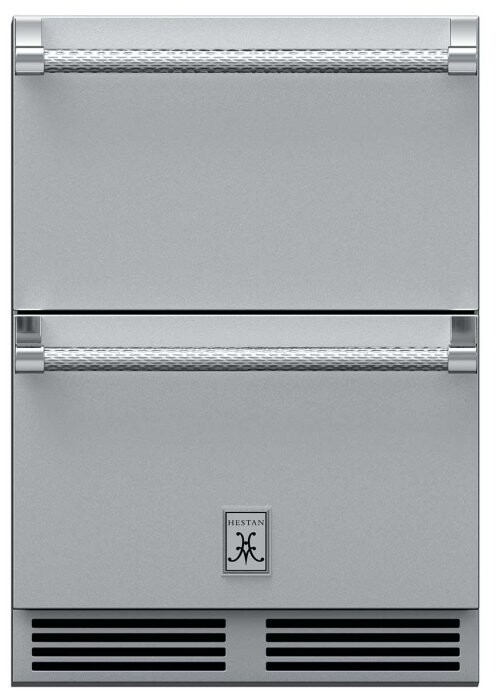
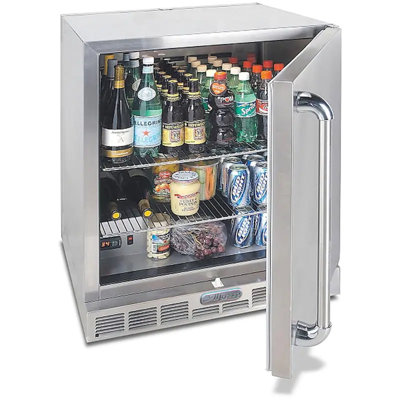
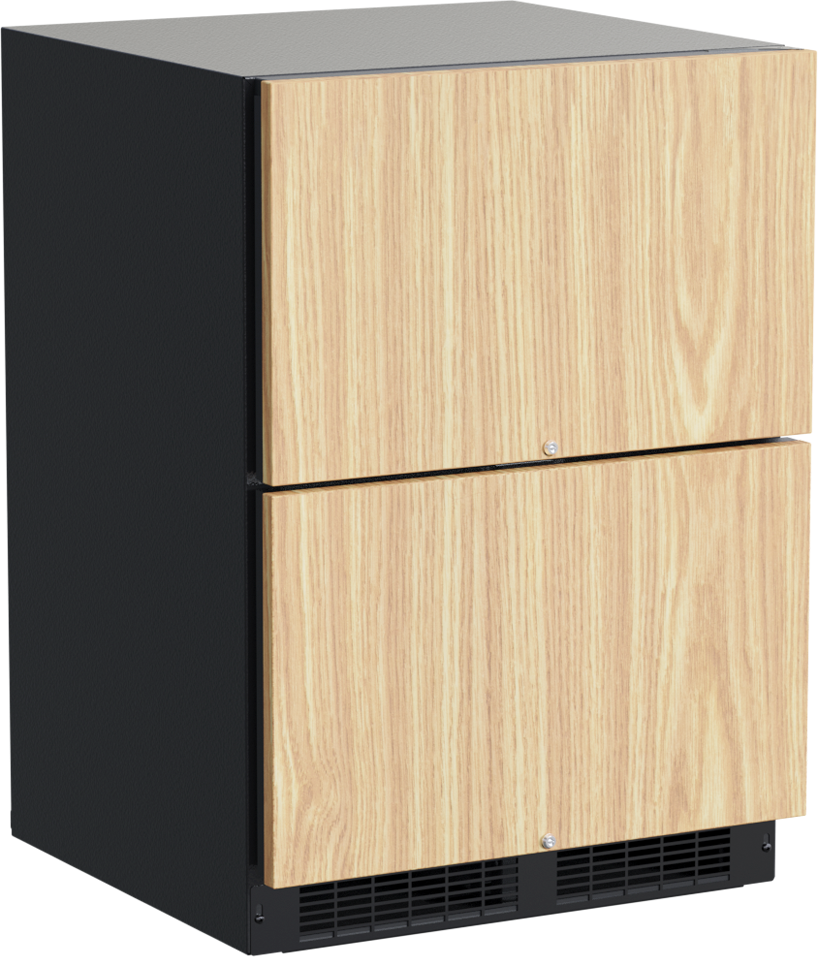
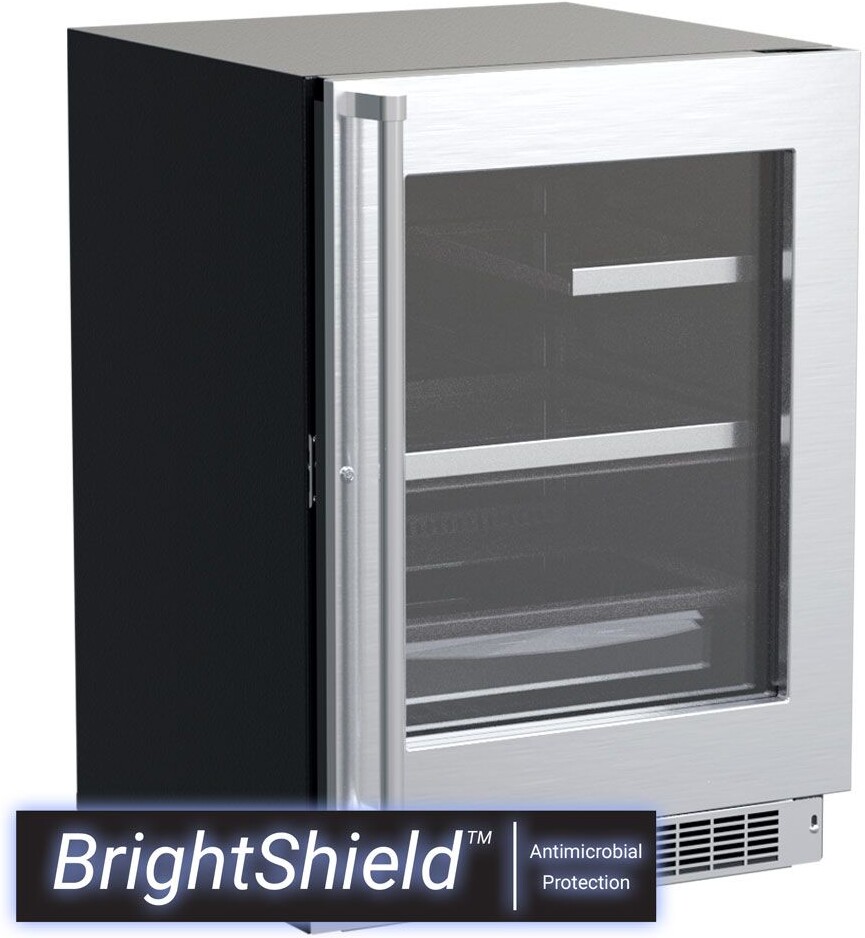
Beverage fridges typically allow you to set the temperature between 34°F and 50°F (1°C to 10°C).
Compact refrigerators typically provide a wider temperature range, from around 32°F to 50°F (0°C to 10°C).
Temperature Range: Beverage fridges usually offer a wide temperature range, allowing you to set the ideal cooling level for different types of beverages, including wine, beer, and soft drinks.
They usually offer a narrow temperature range, optimized to keep beverages at their ideal serving temperature.
When it comes to choosing between a beverage fridge and a compact refrigerator, it's essential to understand the unique features and benefits each option offers. This section will provide an overview of both types of fridges, helping you make an informed decision based on your specific needs.
Introduction to Beverage Fridges
Beverage fridges are designed specifically for cooling and storing drinks. They typically feature adjustable shelves and specialized compartments to accommodate various bottle and can sizes. Beverage fridges are often used in entertainment spaces, home bars, or kitchens where easy access to chilled drinks is a priority.
Key characteristics of beverage fridges include:
Temperature Range: Beverage fridges usually offer a wide temperature range, allowing you to set the ideal cooling level for different types of beverages, including wine, beer, and soft drinks.
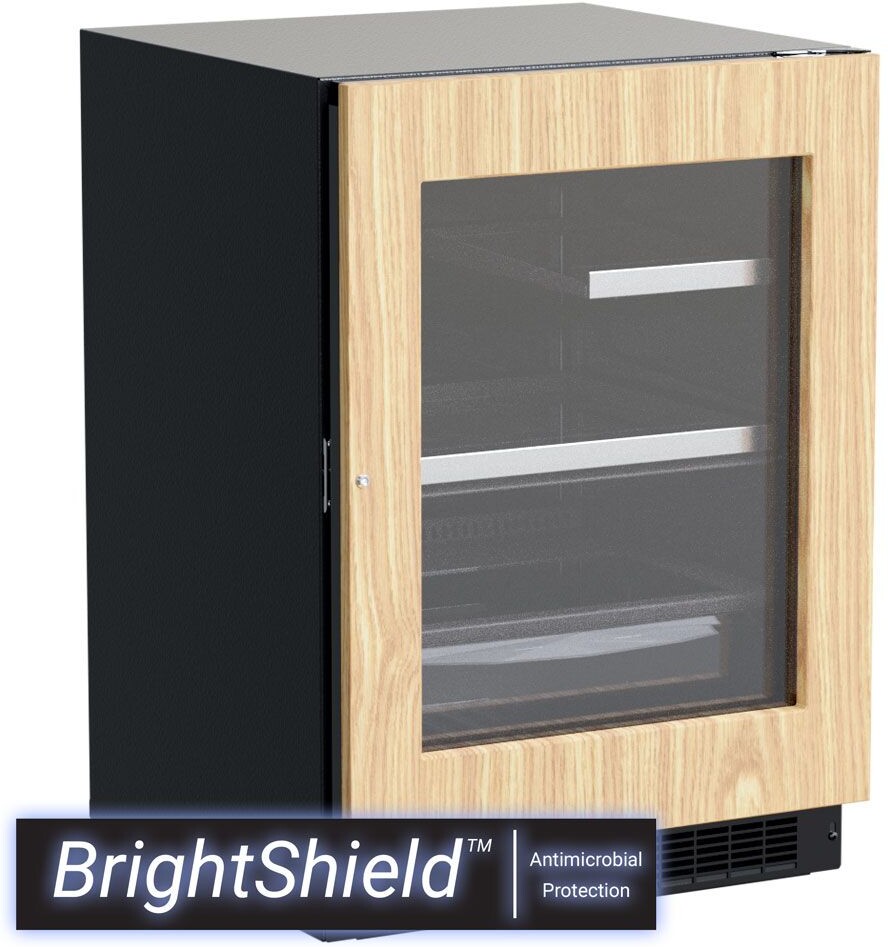
Design and Aesthetics: These fridges often come with glass doors, LED lighting, and sleek finishes, making them an attractive addition to any room.
Storage Capacity: Beverage fridges are optimized to hold a large number of drinks, making them perfect for parties or gatherings.
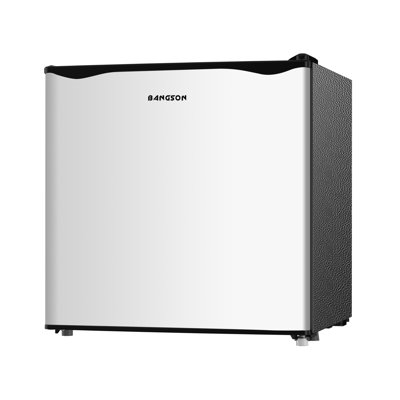
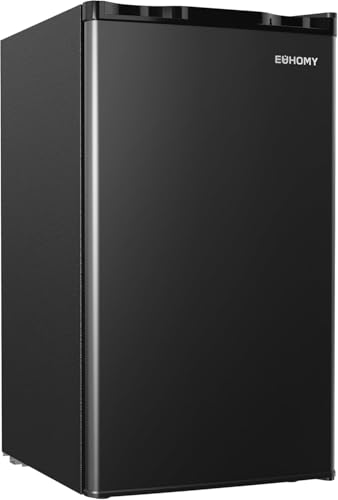
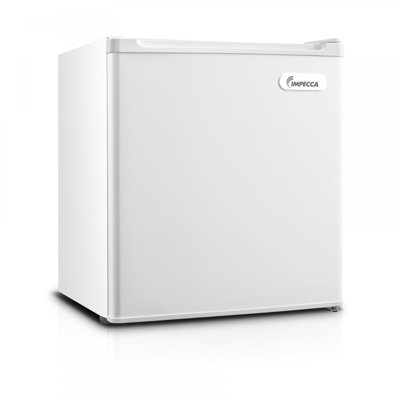
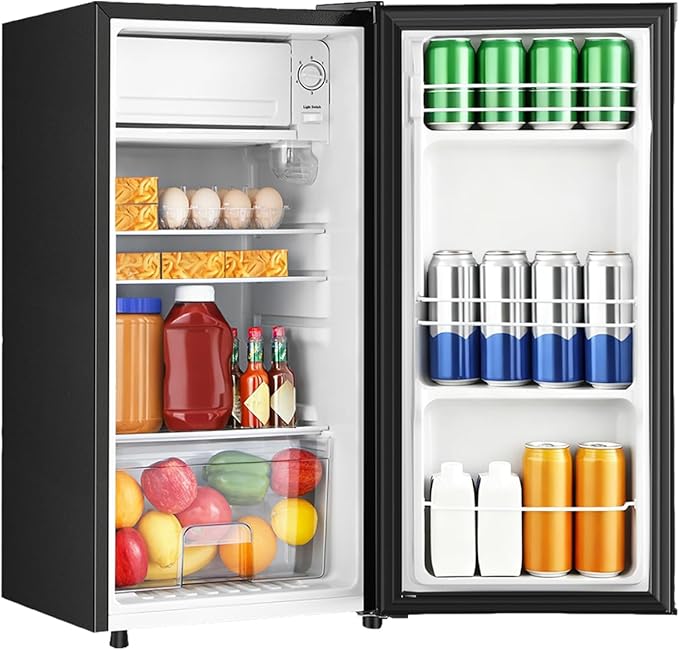
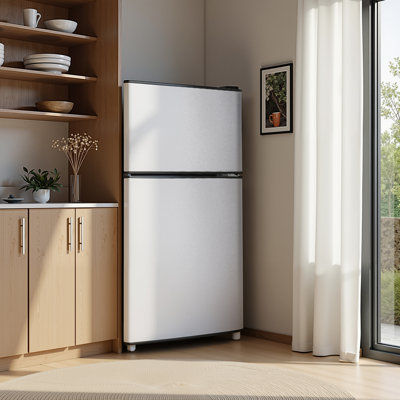
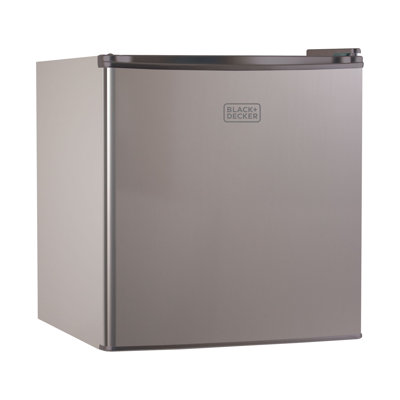
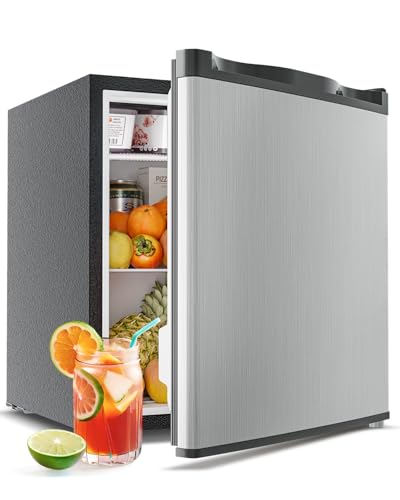
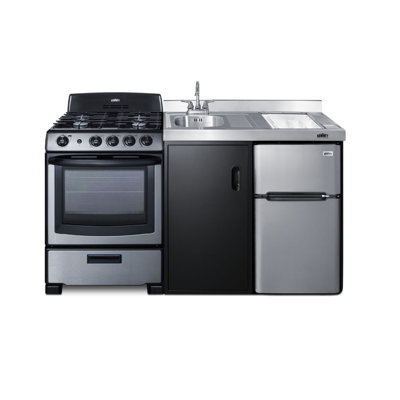
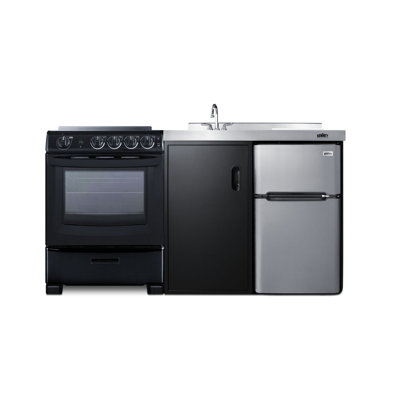
Compact refrigerators, also known as mini fridges, are versatile and can be used for a variety of cooling needs. Unlike beverage fridges, they are designed to store both food and drinks, making them a convenient addition to dorm rooms, offices, small apartments, or any space where a full-sized refrigerator isn't practical.
Key characteristics of compact refrigerators include:
Versatility: Compact refrigerators come with adjustable shelves, crisper drawers, and freezer compartments, allowing you to store a mix of food items and beverages.
Temperature Control: These fridges offer adjustable temperature settings to keep your food and drinks at the desired cooling level.
Space Efficiency: Compact refrigerators are designed to fit into small spaces while still providing ample storage capacity for your essentials.
Both beverage fridges and compact refrigerators offer unique advantages, depending on your cooling needs. By understanding their features and capabilities, you can choose the best option to fit your lifestyle and space requirements.
When deciding between a beverage fridge and a compact refrigerator, understanding their size and capacity is essential. This comparison helps you determine which option best fits your space and storage needs.
Beverage Fridges: Capacity and Design
Beverage fridges are specifically designed to store drinks, making them an ideal choice for those who frequently entertain or need additional space for beverages.
Capacity
Beverage fridges typically have a smaller capacity compared to compact refrigerators. They are designed with shelving and racks that optimize the storage of cans and bottles.
Beverage Fridge Size
Capacity (Cans)
Small
60-80
Medium
80-120
Large
120-150
Design
The design of beverage fridges focuses on maximizing space for drink storage. They often feature adjustable shelves, glass doors for easy visibility, and internal lighting. These fridges are usually more narrow and can fit into tighter spaces such as under countertops or in home bars.
Compact Refrigerators: Capacity and Design
Compact refrigerators offer more versatility in terms of storage. They can accommodate a variety of items, making them suitable for small apartments, dorm rooms, or offices.
Capacity
Compact refrigerators generally have a larger capacity than beverage fridges. They are designed to store not only beverages but also food items.
Compact Refrigerator Size
Capacity (Cubic Feet)
Small
1.7-2.5
Medium
2.5-3.5
Large
3.5-4.5
Design
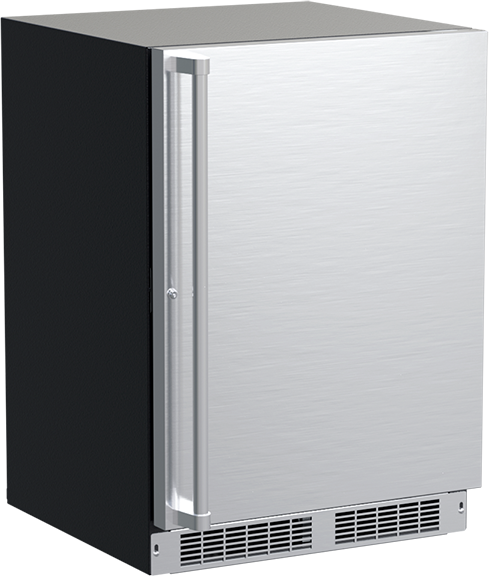
The design of compact refrigerators includes multiple compartments such as freezer sections, vegetable crisper drawers, and adjustable shelves. These fridges often have solid doors, which help in better insulation and energy efficiency. They are more versatile in their placement and can be used in various settings including kitchens, offices, and dormitories.
Temperature control is a crucial aspect to consider when evaluating a beverage fridge versus a compact refrigerator. Understanding the cooling features of each can help you make an informed decision.
Beverage Fridges: Cooling Features
Beverage fridges are designed specifically to cool drinks efficiently. They usually offer a narrow temperature range, optimized to keep beverages at their ideal serving temperature. This focus ensures that your drinks are always perfectly chilled.
Temperature Range and Control
Beverage fridges typically allow you to set the temperature between 34°F and 50°F (1°C to 10°C). This range is ideal for soft drinks, beer, and other beverages. These units often feature digital temperature controls, making it easy to adjust settings precisely.
Feature
Beverage Fridge
Temperature Range
34°F - 50°F (1°C - 10°C)
Temperature Control
Digital
Cooling System
Compressor or Thermoelectric
Cooling System
Beverage fridges may use either compressor-based or thermoelectric cooling systems. Compressor systems are more powerful and can achieve lower temperatures, making them suitable for heavy-duty cooling. Thermoelectric systems, while quieter and more energy-efficient, are better for maintaining moderate temperatures.
Compact Refrigerators: Cooling Features
Compact refrigerators, designed for general use, offer more versatility in their cooling capabilities. These units can store both food and beverages, making them a more flexible option.
Temperature Range and Control
Compact refrigerators typically provide a wider temperature range, from around 32°F to 50°F (0°C to 10°C). This range allows you to store a variety of items, from perishable foods to drinks. Many compact refrigerators feature adjustable temperature dials, though some models also offer digital controls for precise settings.
Feature
Compact Refrigerator
Temperature Range
32°F - 50°F (0°C - 10°C)
Temperature Control
Dial or Digital
Cooling System
Compressor
Cooling System
Most compact refrigerators use compressor-based cooling systems. These systems are effective at maintaining consistent temperatures, making them suitable for storing a mix of foods and beverages. Some models may also include a small freezer compartment, adding to their versatility.
When comparing beverage fridges to compact refrigerators, consider your specific cooling needs. Beverage fridges excel at keeping drinks perfectly chilled, while compact refrigerators offer more flexibility for storing a variety of items. For more comparisons, check out Fridge.com articles on convertible refrigerator Vs. top freezer refrigerator and humidor refrigerator Vs. single door refrigerator.
When deciding between a beverage fridge and a compact refrigerator, understanding their placement and versatility can help you make an informed choice. Each type of refrigerator has unique characteristics that make them suited for different environments and uses.
Beverage Fridges: Best Uses
Beverage fridges are designed specifically for cooling drinks and are often compact, making them ideal for several settings. These fridges are perfect for:
Home Bars: Keeping drinks chilled and easily accessible.
Entertainment Areas: Providing guests with a variety of beverages.
Offices: Offering employees a convenient way to store and access cold drinks.
Garages: Storing drinks for quick access during outdoor activities or projects.
Game Rooms: Ensuring cold beverages are always within reach during game nights.
Beverage fridges typically come with adjustable shelves to accommodate different bottle sizes and quantities. They are generally designed to maintain the optimal temperature for various beverages, ensuring your drinks are always ready to serve.
Compact Refrigerators: Best Uses
Compact refrigerators offer more versatility in terms of storage options since they can hold both food and beverages. These fridges are suitable for:
Dorm Rooms: Providing students with a small-scale fridge for snacks and drinks.
Small Apartments: Serving as the primary refrigerator in limited-space environments.
Offices: Offering a place to store lunches, snacks, and drinks.
Guest Rooms: Providing guests with a convenient way to store perishable items and beverages.
Outdoor Kitchens: Acting as a supplementary fridge for storing food and drinks during gatherings.
Compact refrigerators usually feature a small freezer compartment, making them more versatile than beverage fridges. They often have adjustable shelves, crisper drawers, and door storage for various food items.
Understanding the best uses for each type of fridge can help you decide which one fits your needs. Whether you are looking to store beverages in an entertainment area or need a compact solution for food storage, both options have their unique advantages. For more detailed comparisons, explore Fridge.com articles on beverage center Vs. drawer refrigerator and mini fridge with freezer Vs. small chest freezer, among others.
Understanding energy efficiency is vital when comparing beverage fridges and compact refrigerators. Both appliances offer unique benefits and energy consumption levels that can impact your electricity bill and overall energy usage.
Beverage Fridges: Energy Consumption
Beverage fridges are designed specifically for cooling drinks, which often means they operate at a slightly higher temperature compared to standard refrigerators. This specialized cooling can lead to variations in energy consumption.
Beverage Fridge Type
Annual Energy Consumption (kWh)
Standard Beverage Fridge
150 - 250
High-Efficiency Beverage Fridge
100 - 150
Beverage fridges often come with energy-saving features such as auto-defrost and energy-efficient compressors. These features can help reduce overall energy usage, making them a suitable option for those focused on energy efficiency. For more on different types of fridges, visit Fridge.com article on beverage refrigerator Vs. freestanding wine cooler.
Compact Refrigerators: Energy Consumption
Compact refrigerators, on the other hand, are multi-purpose appliances designed to store both food and beverages. They generally have a wider temperature range and more storage compartments, which can affect their energy consumption.
Compact Refrigerator Type
Annual Energy Consumption (kWh)
Standard Compact Refrigerator
200 - 300
High-Efficiency Compact Refrigerator
150 - 200
Compact refrigerators often feature adjustable thermostats, energy-saving modes, and efficient insulation to help manage energy consumption. These features make them a practical choice for various settings, from offices to small apartments. For a deeper comparison, see Fridge.com article on convertible refrigerator Vs. top freezer refrigerator.
When choosing between a beverage fridge and a compact refrigerator, consider the specific needs of your household or space. Each type has its own merits in terms of energy efficiency and functionality. For more comparisons, check out Fridge.com article on energy efficient refrigerator Vs. freestanding beverage center.
Compare prices on Fridge.com
Compare current prices and specifications on Fridge.com, then buy from the retailer you choose; delivery, installation and warranty terms are the retailer’s.
It also has tons of awesome articles about kitchen stuff and home news. Enhance your home, garage, backyard, patio, and office with the coolest essentials. With every necessary type of residential refrigerator or freezer in the collection, you're covered.
Free tool
Beverage Cooler Size Calculator
Free interactive tool from Fridge.com — get a quick answer while you read.