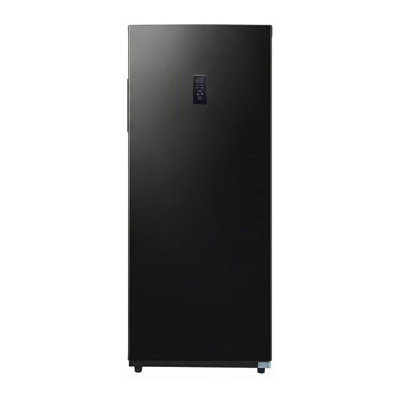
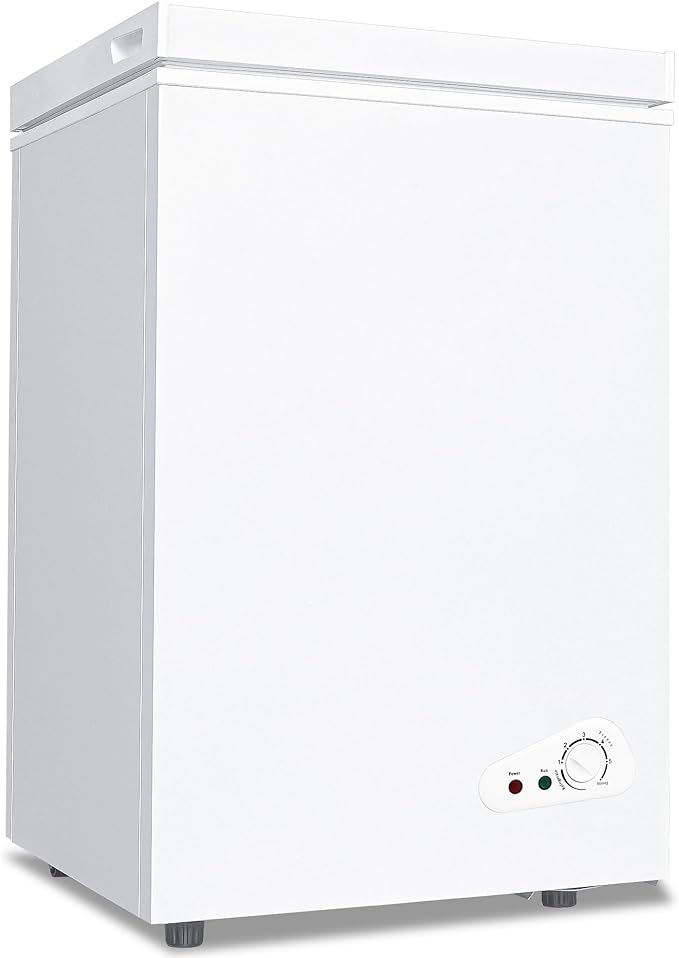
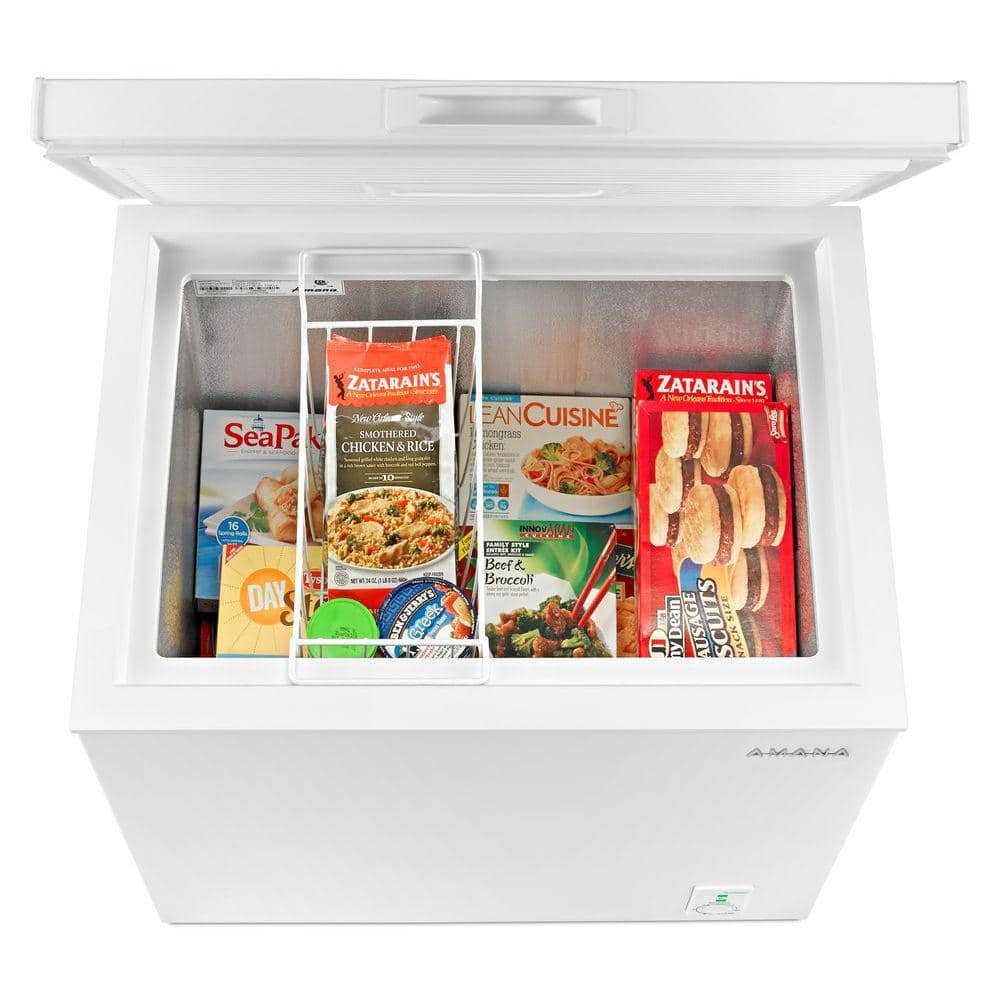
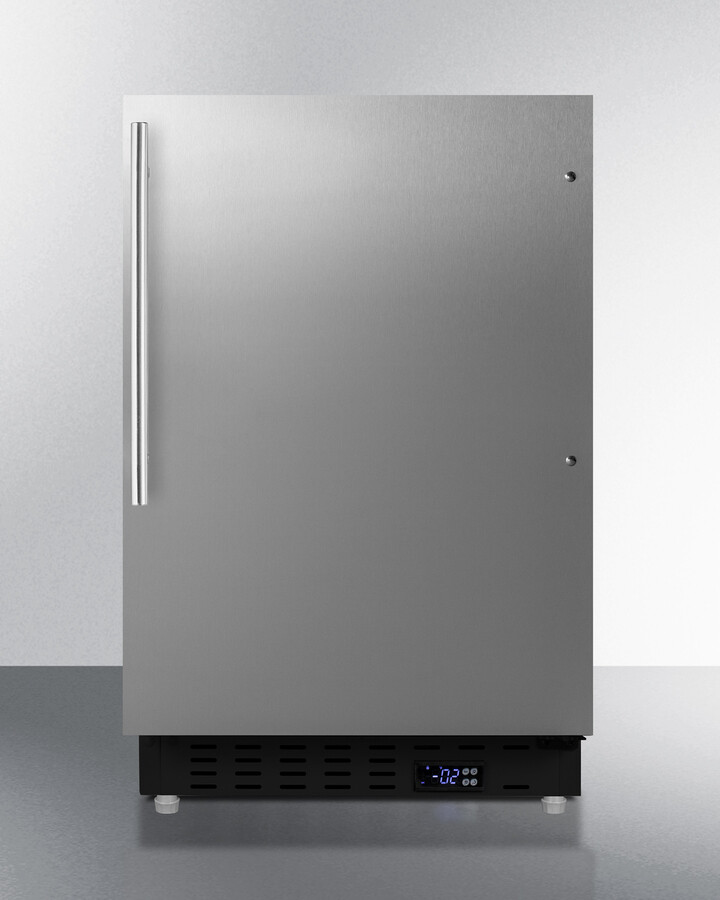
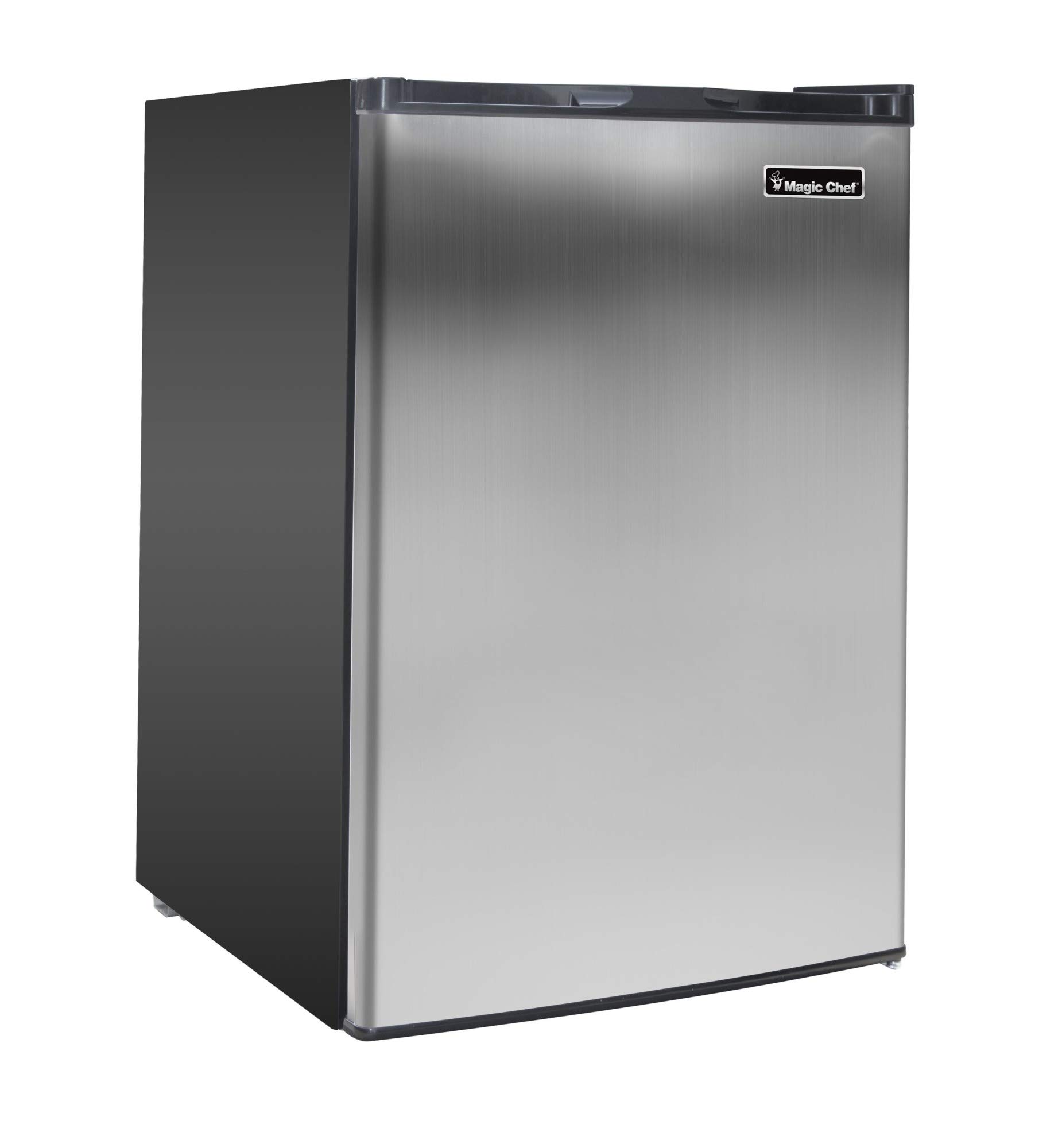
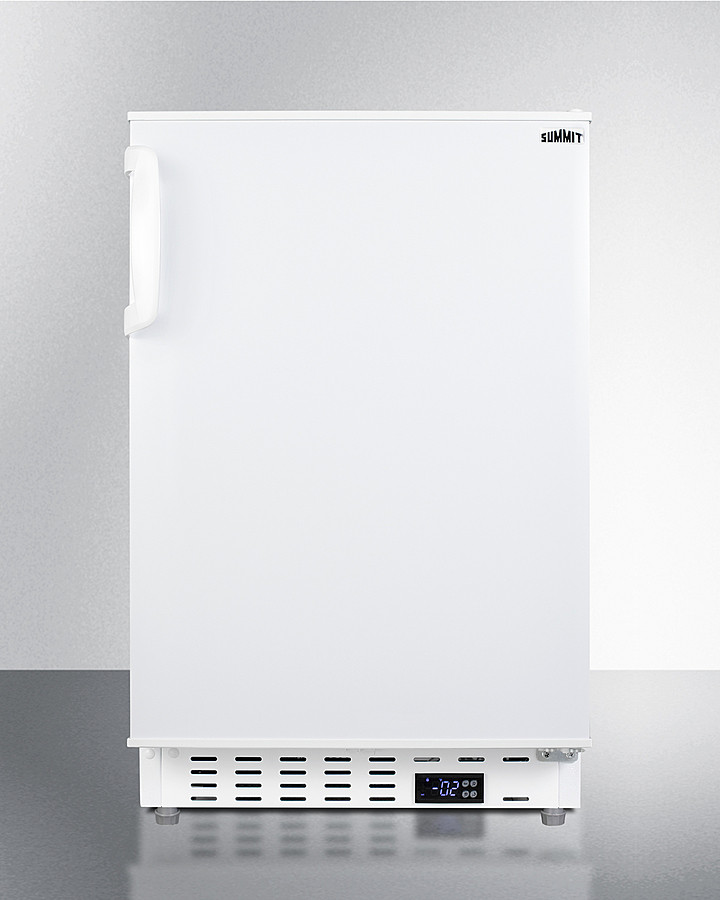
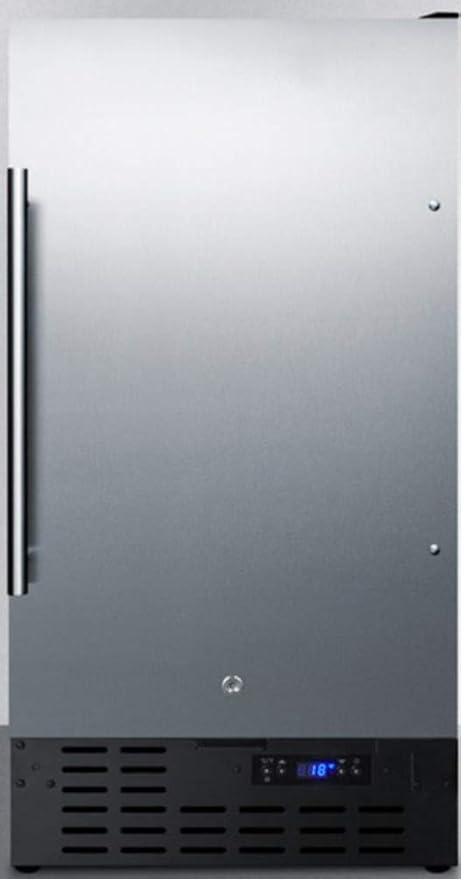
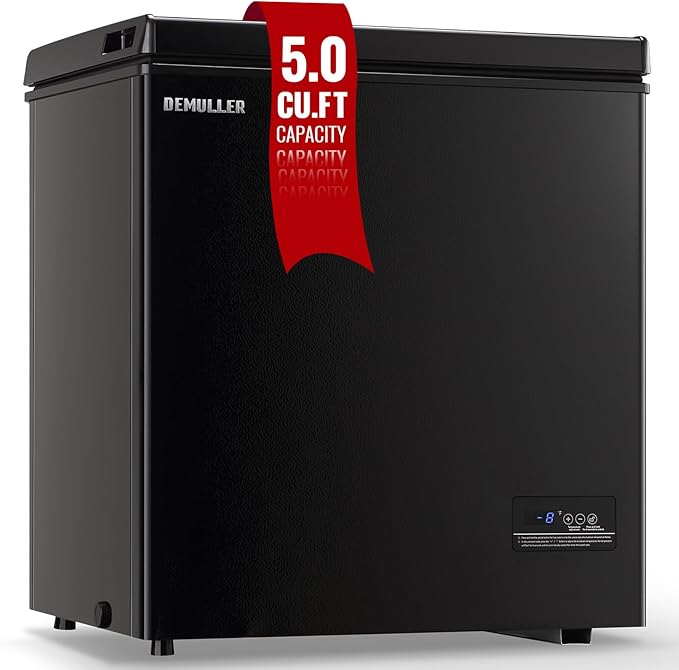
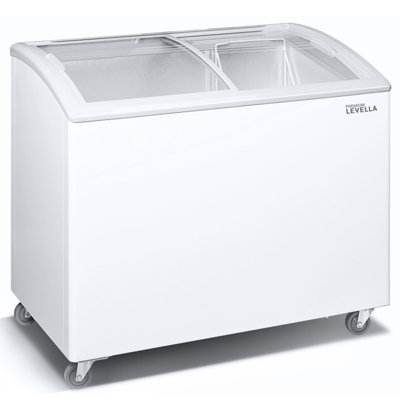
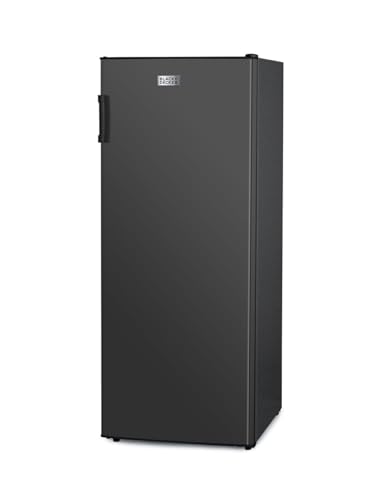
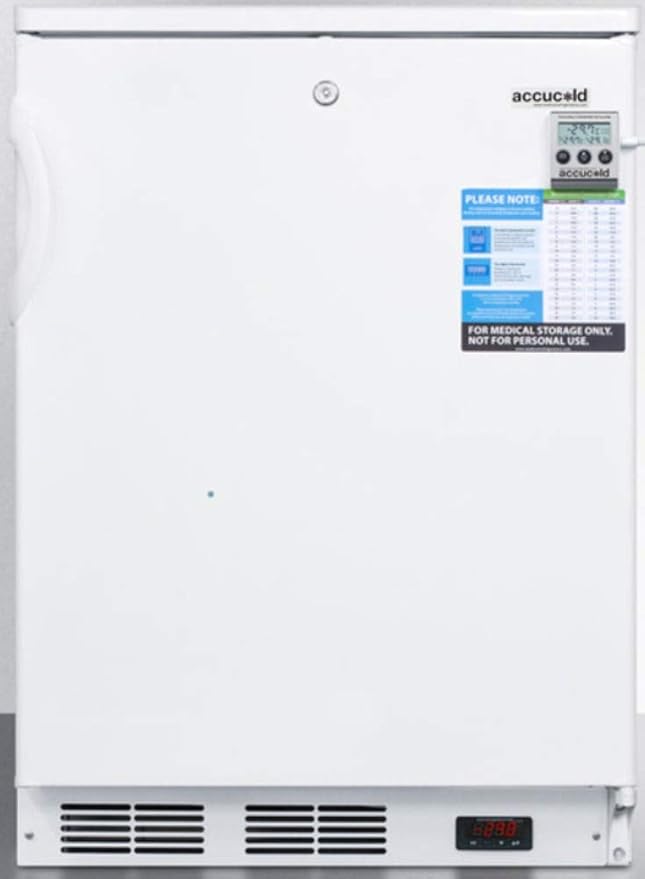
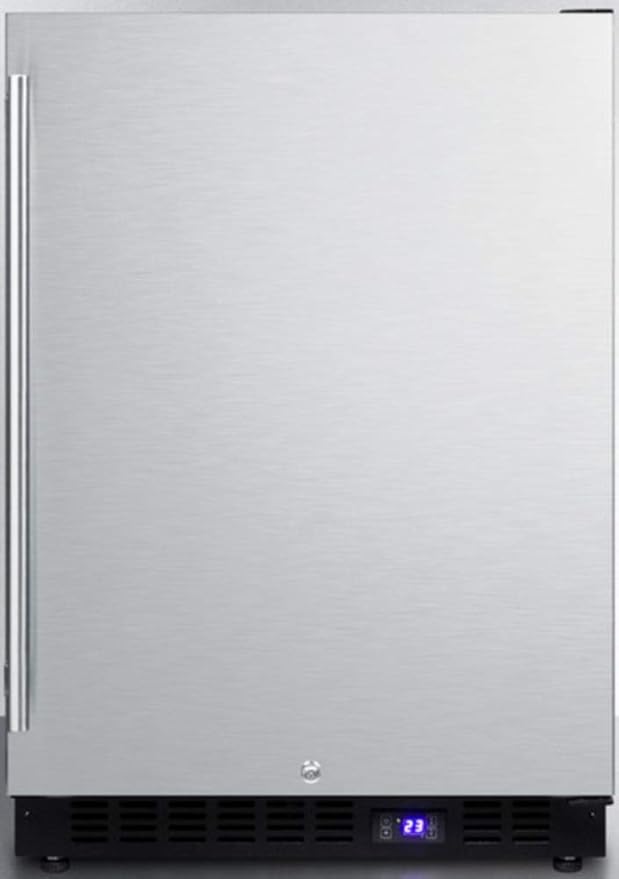
These models are typically narrower and may be shorter than full-size refrigerators, making them ideal for spaces where square footage is at a premium.
Typically requires 24-30 inches in width and 60-66 inches in height.
Typically around 24 inches in width, height varies to align with countertops.
An apartment size refrigerator typically offers a compact design that is ideal for smaller living spaces like condos, apartments, or tiny homes.
Apartment Size Refrigerator Vs. Undercounter Freezer
Understanding the Differences and Considerations
When you're outfitting your space with appliances, understanding the difference between an apartment size refrigerator and an undercounter freezer is crucial. Whether you're a homeowner, living in an apartment, condo, or even a tiny home, selecting the right appliance can make a big difference in your daily life.
An apartment size refrigerator is a compact version of a full-size fridge, designed to fit in smaller living spaces. It typically includes a freezer compartment and offers the convenience of refrigeration and freezing in one unit. This type of refrigerator is ideal if you have limited space but still require the functionalities of a standard refrigerator.
On the other hand, an undercounter freezer is a single-purpose appliance focused specifically on freezing. It is designed to fit under a standard countertop, making it a space-saving solution for those who need additional freezing capacity without taking up too much floor space.
Here are some considerations to keep in mind when deciding between the two:
Space: How much room do you have in your kitchen or designated area? Measure carefully to ensure a good fit.
Storage Needs: Consider your food storage habits. Do you need more refrigeration space, or is freezing your priority?
Usage: Think about how often you'll use each appliance. An apartment size refrigerator might be more practical for daily use.
Layout: Does the layout of your living space favor one type of appliance over the other in terms of accessibility and design?
Budget: Determine your budget for appliances as cost can vary significantly between these two options.
For further insights and comparisons on refrigeration and freezing options, you might find it helpful to explore articles like ice cream freezer vs. upright refrigerator or outdoor freezer vs. pink fridge. Understanding the specifics of each appliance can guide you to make a decision that aligns with your lifestyle and the constraints of your living space.
Size and Capacity
When you're outfitting your living space, whether it's an apartment, condo, or a tiny home, understanding the size and capacity of your refrigeration appliances is key to making the best use of your kitchen area. Let's compare the size and capacity of an apartment size refrigerator to an undercounter freezer.
Apartment Size Refrigerator
Apartment size refrigerators are designed to fit in smaller kitchens while still offering ample storage space for your perishable goods. These models are typically narrower and may be shorter than full-size refrigerators, making them ideal for spaces where square footage is at a premium.
Here's a general idea of the dimensions and capacity you can expect from an apartment size refrigerator:
Dimension
Capacity
Width
24-28 inches
Height
55-66 inches
Depth
24-30 inches
Volume
10-14 cubic feet
The capacity of an apartment size refrigerator will allow you to store a reasonable amount of groceries, including fresh produce, dairy, and beverages. For more comparisons involving apartment size refrigerators, you might find Fridge.com comparison of apartment size refrigerator vs. upright refrigerator helpful.
Undercounter Freezer
Undercounter freezers, on the other hand, are compact units that can be installed under kitchen counters or even used in bars, offices, or entertainment areas. These freezers are designed to supplement your refrigeration needs, primarily focusing on frozen goods.
Consider the following table for an idea of what to expect in terms of size and capacity:
Dimension
Capacity
Width
24-30 inches
Height
34-36 inches (counter height)
Depth
24-28 inches
Volume
4-6 cubic feet
An undercounter freezer is perfect if you're looking to increase your frozen storage without taking up additional floor space. They can be particularly handy for stocking up on frozen foods or making sure you've always got ice cream at the ready. If you're curious about how these compare to other refrigeration options, you might want to read Fridge.com article on undercounter refrigerator vs. upright freezer.
The choice between an apartment size refrigerator and an undercounter freezer will largely depend on your specific needs—whether you prioritize fresh food storage or frozen goods, and how much kitchen space you have available. Consider the size and capacity of each to make an informed decision that aligns with your lifestyle and space requirements.
Installation and Placement
Apartment Size Refrigerator
When you're considering an apartment size refrigerator, installation and placement are key factors to ensure optimal performance and convenience. These refrigerators are designed to fit in small spaces while still offering sufficient storage for your perishable goods.
Factor
Details
Space Requirements
Typically requires 24-30 inches in width and 60-66 inches in height
Ventilation
Requires space around the unit for air circulation to prevent overheating
Accessibility
Should be placed for easy access without obstructing kitchen flow
Power Source
Needs to be near an electrical outlet
For installation, you should ensure that the refrigerator is level to function correctly. Most apartment size refrigerators are freestanding units, allowing for a flexible placement within your kitchen layout or other areas of your home, such as a garage or basement. You may want to consider the direction in which the door opens to make sure it's convenient for your kitchen's layout. For more details on optimizing the placement in your home, you might find Fridge.com comparison of apartment size refrigerator vs. upright refrigerator insightful.
Undercounter Freezer
Undercounter freezers are designed to seamlessly integrate into your kitchen cabinetry, providing a space-saving solution for frozen food storage. Their compact size makes them an ideal choice for areas with limited space, such as bars or small apartments.
Factor
Details
Built-in Capabilities
Often designed to be built into cabinetry with front ventilation
Dimensions
Typically around 24 inches in width, height varies to align with countertops
Electrical Requirements
Must be installed near an electrical outlet with proper grounding
Installation
May require professional installation to ensure proper fit and ventilation
The installation of an undercounter freezer needs to be precise to align with existing cabinetry and ensure adequate ventilation, which is crucial for maintaining the longevity of the appliance. You'll want to measure the space accurately and account for any additional requirements for door swing or handle clearance. For comparisons with similar units, you might be interested in reading about the undercounter refrigerator vs. upright freezer and how they differ in terms of installation and placement.
When selecting either an apartment size refrigerator or an undercounter freezer, it's important to consider not only the space available but also the practical aspects of installation and everyday use. Proper placement will enhance your kitchen's functionality and ensure your appliance operates efficiently.
When you're choosing between an apartment size refrigerator and an undercounter freezer, understanding their features and functionality is essential. Here's a closer look at what each option offers, helping you decide which fits your lifestyle and space.
Apartment Size Refrigerator
An apartment size refrigerator offers the convenience of refrigeration and freezing in a compact form. It typically includes:
Adjustable Shelving: Customize the interior to fit various food items, from tall bottles to large platters.
Crisper Drawers: Specially designed to maintain the freshness of fruits and vegetables.
In-Door Storage: Maximizes space utilization, allowing for storage of beverages and condiments.
Freezer Compartment: Although smaller than a standard freezer, it's sufficient for basic freezing needs.
If you're considering an apartment size refrigerator, you might also want to explore features like frost-free operation, which reduces the need for manual defrosting, or smart technology integrations that can provide you with usage insights and convenience. For more comparisons on refrigeration solutions, you might find Fridge.com article on apartment size refrigerator vs. narrow refrigerator helpful.
Undercounter Freezer
An undercounter freezer, on the other hand, focuses solely on freezing capabilities. Key features include:
Compact Design: Designed to fit seamlessly under standard countertops, saving valuable floor space.
Temperature Control: Precise settings to ensure optimal conditions for frozen goods.
Slide-Out Baskets: Easy access to your frozen items without needing to dig through layers.
Consider an undercounter freezer if your primary need is additional frozen storage. Some models even offer custom panel-ready designs to blend with cabinetry, for those who prioritize aesthetics. For a comparison on how other refrigeration units stack up in terms of design, check out stainless look refrigerator vs. undercounter freezer.
When weighing features and functionality, think about your specific needs in terms of food preservation, space, and everyday use. Whether you opt for the versatility of an apartment size refrigerator or the specialized freezing of an undercounter unit, make sure to choose a model that aligns with your requirements for optimal satisfaction.
Energy Efficiency
Apartment Size Refrigerator
When considering an apartment size refrigerator, energy efficiency is a crucial factor. These refrigerators are designed to fit in smaller living spaces and are typically more energy-efficient than their full-size counterparts. They consume less electricity due to their reduced size and have fewer high-energy features such as water and ice dispensers.
Apartment size refrigerators often come with energy-saving settings and may be Energy Star certified, indicating they meet or exceed federal guidelines for energy consumption. Here's a comparison table of average energy usage for apartment size refrigerators:
Capacity (cubic feet)
Estimated Annual Electricity Use (kWh)
14-18
350-400
18-22
420-500
To optimize the energy efficiency of your apartment size refrigerator, ensure it is not placed near heat sources like ovens or direct sunlight and keep the coils clean. For more information on how to improve your refrigerator's energy efficiency, explore smart fridge vs. top freezer refrigerator.
Undercounter Freezer
Undercounter freezers are designed to be compact and fit seamlessly into your kitchen layout, often under the counter. They are typically used to supplement the freezer space of your primary refrigerator and are excellent for storing frozen goods in smaller quantities.
These units are also geared towards energy efficiency, especially if they are used as a standalone appliance. Here's a table showcasing the average energy consumption of undercounter freezers:
Capacity (cubic feet)
Estimated Annual Electricity Use (kWh)
4-5
200-300
5-7
300-400
To maximize the energy savings of your undercounter freezer, consider defrosting it regularly to prevent ice buildup, which can increase energy use. Additionally, keep the freezer at least three-quarters full to maintain cold temperatures more efficiently. For comparisons with other freezer types, you may find undercounter refrigerator vs. upright freezer helpful.
Whether you opt for an apartment size refrigerator or an undercounter freezer, assessing energy efficiency will help you make a more informed decision that aligns with your needs and values for sustainability. Remember to look for energy certifications and compare the energy use of different models to find the best fit for your home.
Design and Style
When choosing between an apartment size refrigerator and an undercounter freezer, design and style play a significant role in your decision. These appliances not only serve a functional purpose but also contribute to the aesthetic of your living space.
Apartment Size Refrigerator
An apartment size refrigerator typically offers a compact design that is ideal for smaller living spaces like condos, apartments, or tiny homes. Despite their smaller size, they come in a variety of styles to complement your decor - from classic white to modern stainless steel finishes. The design of these refrigerators is often sleek and space-efficient, with some models featuring reversible door hinges to suit the layout of your kitchen.
The visual appeal of an apartment size refrigerator can be an important factor, especially if you have an open-plan space where the kitchen integrates with the living area. They usually feature a layout similar to larger models, with separate compartments for fresh food and freezer items. For those with a particular aesthetic in mind, you may consider browsing options like retro fridges or panel-ready refrigerators that allow custom panels to match your cabinetry.
Undercounter Freezer
Undercounter freezers, on the other hand, are designed to fit seamlessly under kitchen counters, providing a built-in look that can blend with your kitchen's cabinetry. They are a smart choice for those who prioritize a tidy and uncluttered kitchen design. These units often come in a variety of finishes, including stainless steel, black, and custom panel-ready options, allowing for a coordinated kitchen design.
The style of an undercounter freezer is minimalist and modern, often with clean lines that help it disappear into the kitchen layout. Some models feature drawer pull-outs for easy access and organization of frozen goods. If you're interested in maintaining a specific theme in your kitchen, you might explore stainless look refrigerators or glass door mini fridges for a sleek and professional look.
Both appliance types come in various designs, but your choice may ultimately depend on your specific needs for storage capacity, available space, and personal style preferences. Whether you choose an apartment size refrigerator for its compact convenience or an undercounter freezer for its integrated style, ensuring that the appliance complements your living space is key. Make sure to consider how each option aligns with your interior design vision and practical requirements.
When you're outfitting your living space with appliances, understanding the cost and value of each option is crucial. Whether you're considering an apartment size refrigerator or an undercounter freezer, the initial cost, long-term value, and potential savings are factors you should weigh carefully.
Apartment Size Refrigerator
Apartment size refrigerators are designed to fit in smaller spaces while still offering ample storage for perishable goods. They typically have a range of features that can include adjustable shelving, crispers for fruits and vegetables, and in some cases, a small freezer compartment.
Feature
Approximate Cost Range
Basic models
$450 - $600
Mid-range models
$600 - $800
High-end models
$800 - $1,200+
The value of an apartment size refrigerator extends beyond just the price tag. It's about finding a balance between size, efficiency, and the convenience it brings to your daily life. Moreover, these refrigerators can be energy-efficient, which may lead to lower utility bills over time. For comparisons with other refrigerator types, check out apartment size refrigerator vs. upright refrigerator.
Undercounter Freezer
An undercounter freezer is designed to be compact enough to fit under standard countertops, providing additional freezing capacity without taking up too much space. It's an ideal choice if you need extra room to store frozen foods or wish to keep certain items within easy reach.
Feature
Approximate Cost Range
Basic models
$400 - $550
Mid-range models
$550 - $700
High-end models with additional features
$700 - $1,500+
The value in an undercounter freezer comes from its ability to integrate seamlessly into your kitchen layout while offering convenience and efficiency. These units are particularly useful for those who like to buy in bulk or prepare meals ahead of time. Energy efficiency is also a key consideration, as better insulation and modern compressors can lead to cost savings on your energy bills. To explore different design options, you might be interested in stainless look refrigerator vs. undercounter freezer.
When comparing the cost and value of an apartment size refrigerator and an undercounter freezer, consider your specific needs, the available space, and how the appliance will serve you in the long run. Both have their own sets of advantages and could be worthwhile investments depending on your lifestyle and food preservation requirements. Remember to consider the longevity of the appliance and any warranty or after-sales service that may accompany your purchase.
Maintenance and Care
Proper maintenance and care are essential for the longevity and performance of both apartment size refrigerators and undercounter freezers. By following the right practices, you can ensure your appliance runs efficiently and remains in good condition over time.
Apartment Size Refrigerator
Maintaining an apartment size refrigerator involves several key practices:
Regular Cleaning: It’s important to clean both the interior and exterior of your refrigerator regularly. Wipe down shelves, bins, and surfaces with a mild detergent and warm water to prevent the buildup of bacteria and odors.
Defrosting: If your refrigerator is not frost-free, you'll need to defrost it periodically to prevent ice buildup. Make sure to follow the manufacturer's instructions for safe defrosting.
Door Seals: Check the door seals (gaskets) for any wear or tear. A tight seal ensures that cool air doesn't escape, which can cause your refrigerator to work harder and consume more energy.
Temperature: Keep the refrigerator temperature at the recommended setting to ensure food safety and avoid overworking the appliance.
Coil Cleaning: Dust and debris can accumulate on the condenser coils, leading to decreased efficiency. Clean these coils at least twice a year to maintain optimal performance.
For additional information on taking care of your refrigerator, you might find apartment size refrigerator vs. upright refrigerator helpful.
Undercounter Freezer
Caring for an undercounter freezer involves similar but slightly different routines:
Interior Cleaning: Periodically clean the interior with a solution of baking soda and warm water. This helps to eliminate stains and odors.
Defrosting Schedule: Most undercounter freezers require manual defrosting. Ensure that you defrost the freezer regularly to prevent frost from affecting its efficiency.
Seal Inspection: Just like with refrigerators, the freezer's door seal should be inspected for leaks. Replace the seal if it's not effectively keeping cold air inside.
Proper Ventilation: Ensure that there is adequate space around the freezer for air to circulate. This helps the condenser coils release heat and work less strenuously.
Avoid Overloading: Do not overload the freezer with more food than it can handle. This puts extra strain on the appliance and can lead to increased energy consumption and reduced lifespan.
For more tips on freezer maintenance, the article undercounter refrigerator vs. upright freezer might be of interest.
By adhering to these maintenance and care routines, you can significantly improve the efficiency and extend the working life of your apartment size refrigerator and undercounter freezer. Regular upkeep not only ensures that your appliances remain reliable but also helps in conserving energy and saving on utility bills.
Compare prices on Fridge.com
Compare current prices and specifications on Fridge.com, then buy from the retailer you choose; delivery, installation and warranty terms are the retailer’s.
It also has tons of awesome articles about kitchen stuff and home news. Enhance your home, garage, backyard, patio, and office with the coolest essentials. With every necessary type of residential refrigerator or freezer in the collection, you're covered.
From Fridge.com research
Figures below come from data Fridge.com builds and maintains. Each links to the record behind it.
Fridge.com Energy Index, built on U.S. EPA and DOE ENERGY STAR records
Across 5,455 ENERGY STAR certified refrigerators and freezers from 263 brands, median use is 360 kWh per year.