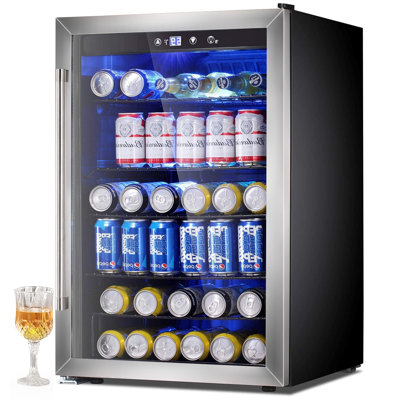
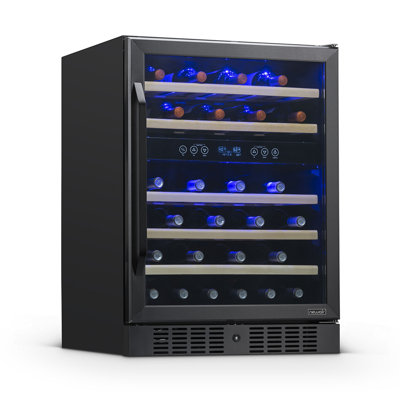
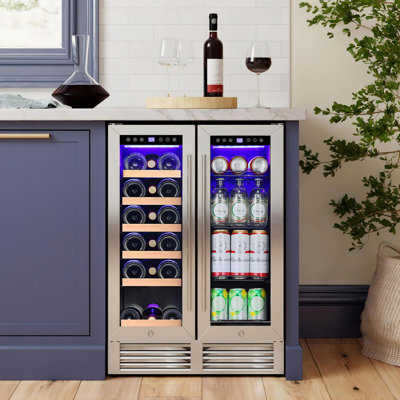
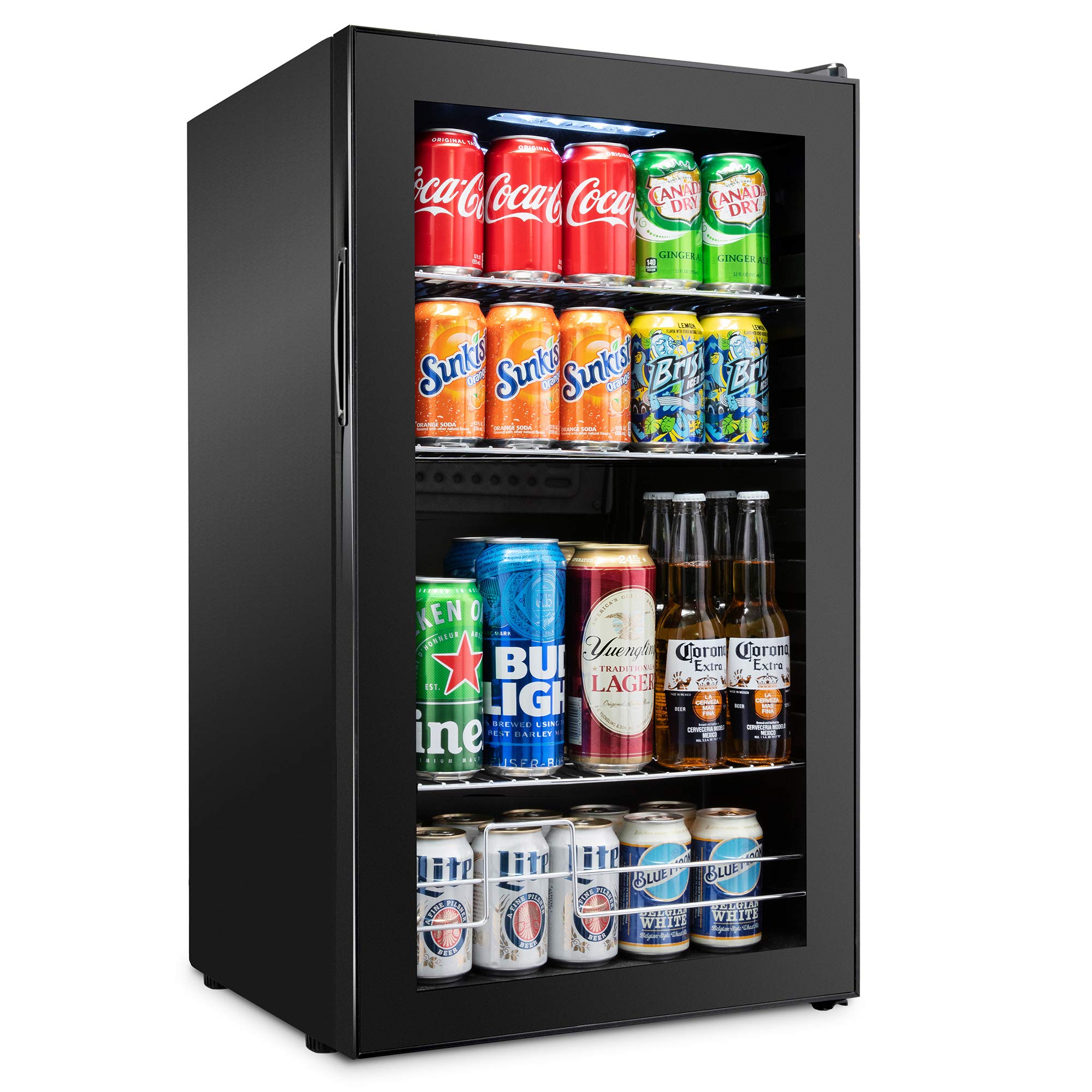
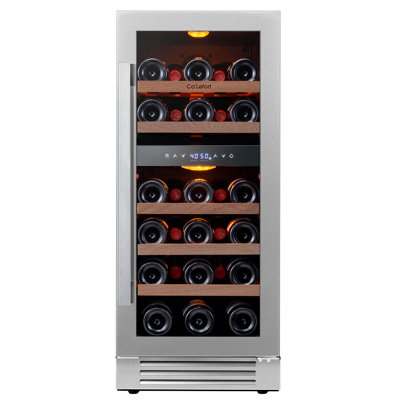
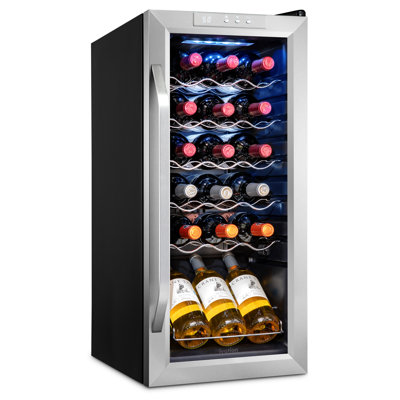
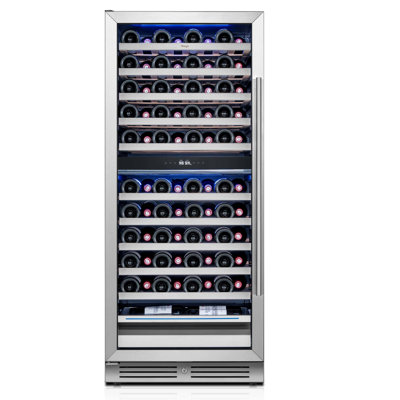
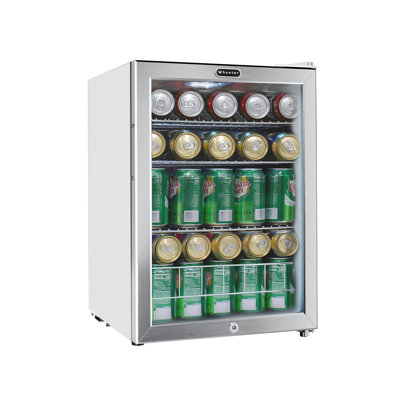
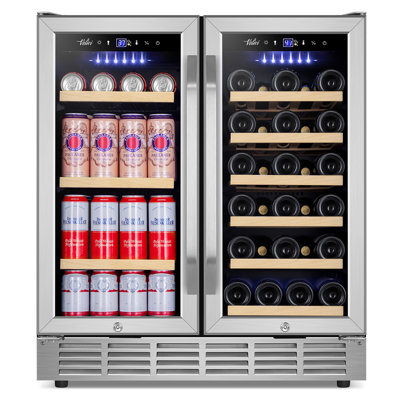
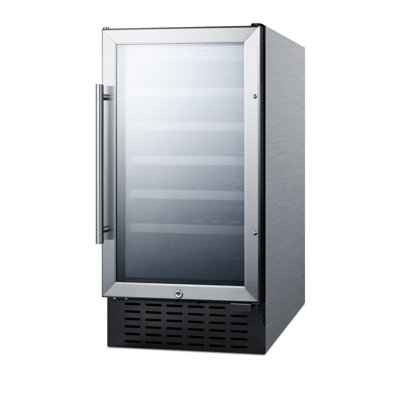
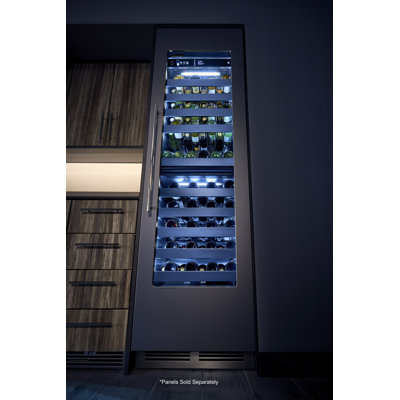
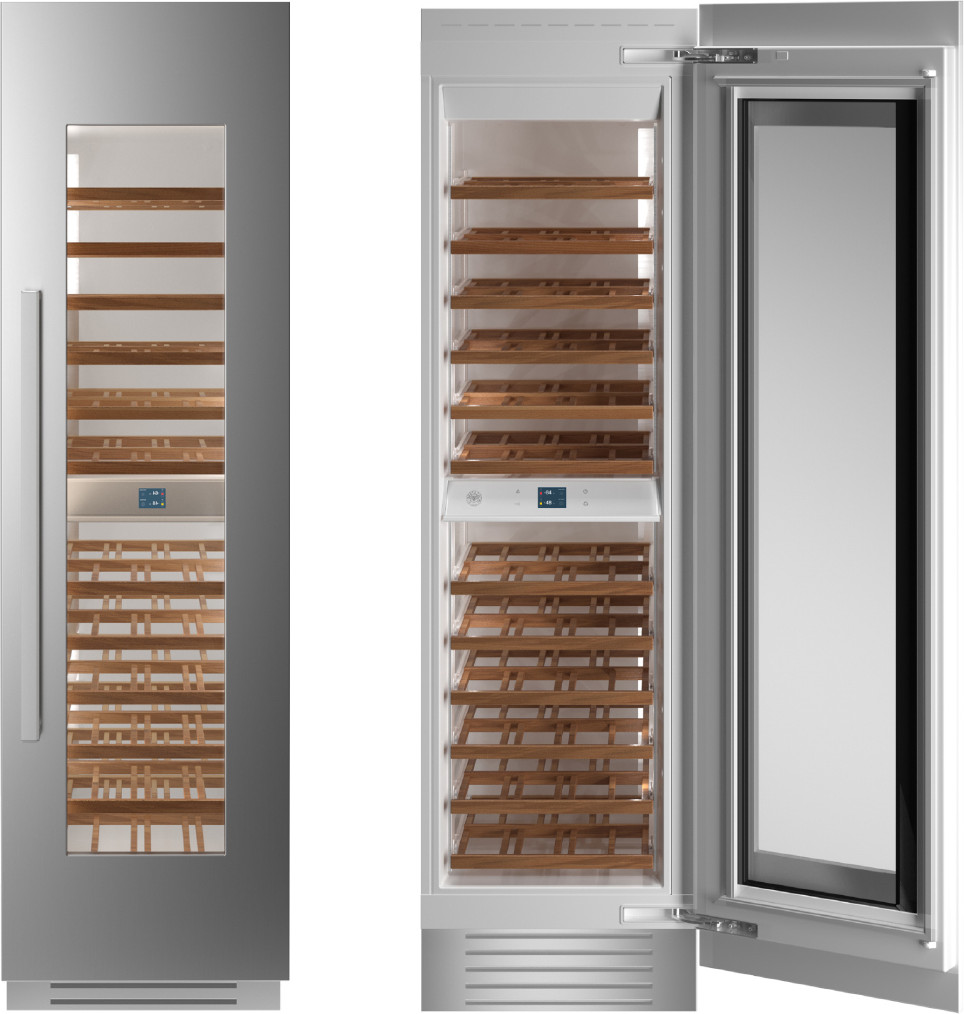
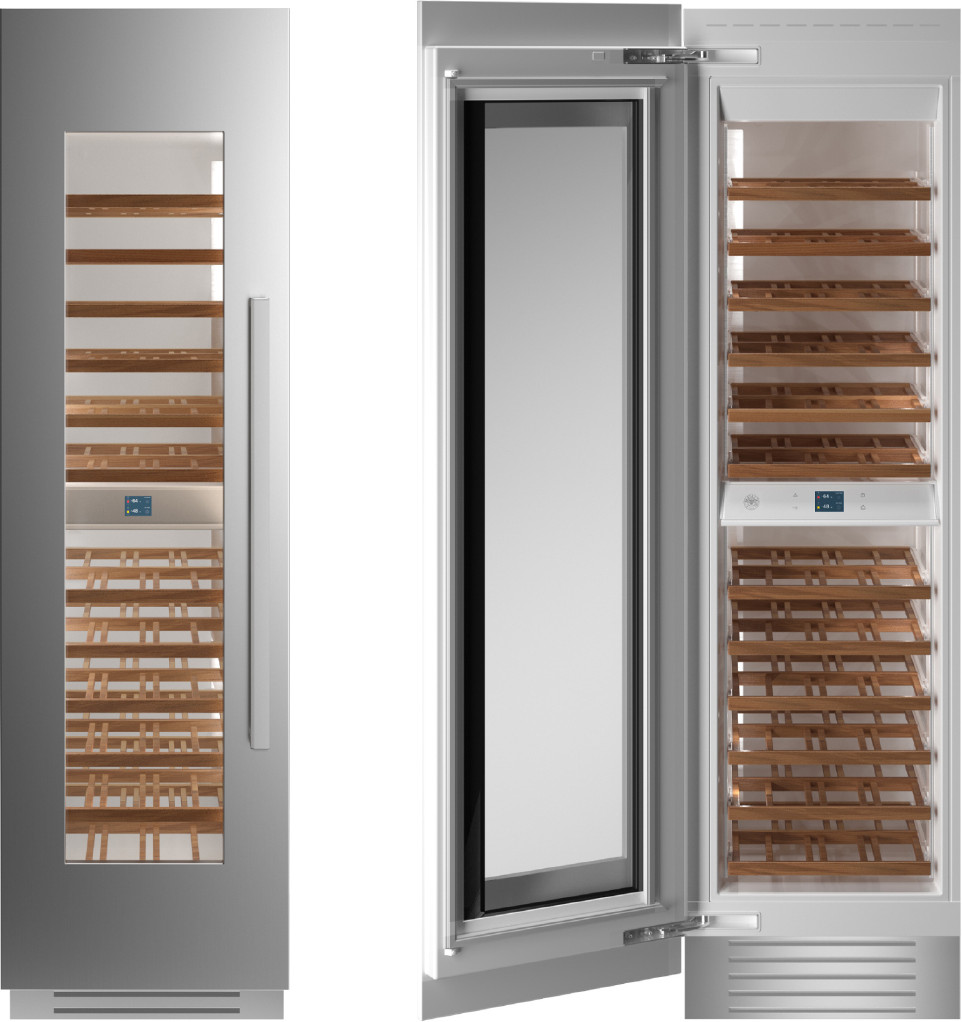
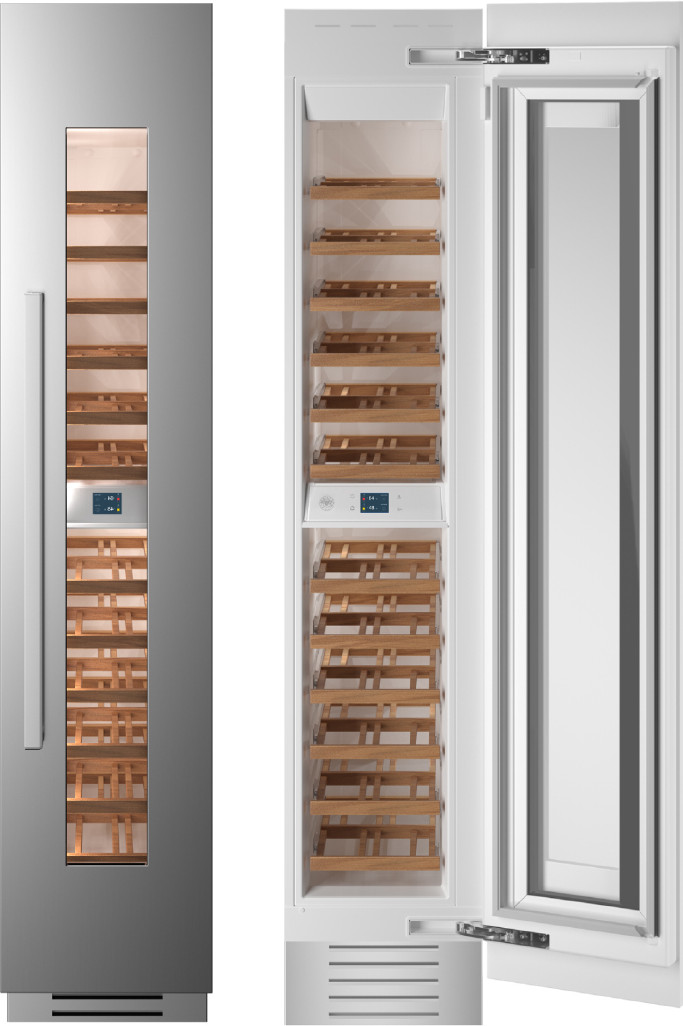
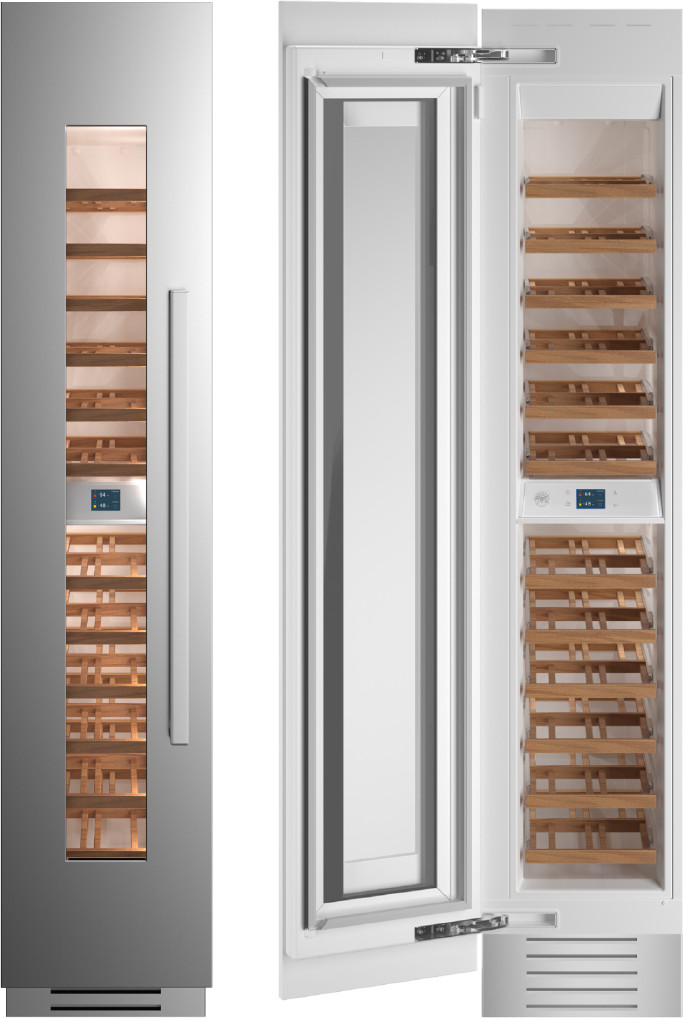
If you love a good glass of wine, investing in wine coolers under 2000 can be a practical way to store your favorite bottles. Wine coolers, sometimes called wine fridges, are designed to maintain an ideal environment that preserves the delicate flavors and aromas of your wines. They can be perfect for home cooks, apartment dwellers, large families, or even office break rooms. Whether you prefer reds, whites, or sparkling selections, today’s market offers a variety of wine coolers under $2,000 that feature sleek designs, user-friendly controls, and reliable temperature management. In the following sections, you’ll find everything you need to know about choosing a wine cooler that suits your space, collection size, and budget well below that $2,000 mark.
A quality wine cooler helps you serve wine at its best. By maintaining just the right temperature range, your whites stay crisp, your reds stay robust, and your sparkling wines stay nicely effervescent. Even if you’re not a wine connoisseur, having a dedicated place to store your bottles creates an inviting atmosphere for entertaining friends, sharing a meal with family, or just unwinding after a long day. As you explore the market, it’s useful to first grasp the benefits of owning a wine cooler, then learn about the features that set good models apart from the rest.
Key benefits of owning a wine cooler
Investing in a wine cooler under 2000 can upgrade your wine experience from casual sipping to truly enjoying your favorite varietals. Here are the main advantages.
Preserve flavor and aroma
Wine is sensitive to temperature fluctuations. When you keep your bottles in a standard refrigerator—or, worse, on a countertop—you risk exposing them to conditions that diminish taste. A wine cooler maintains a stable temperature, ensuring your wine will taste just the way the vineyard intended. Reds kept slightly below room temperature preserve their bold flavors, while crisp whites stay chilled to bring out fresh citrus or floral notes. If you want to serve wine as intended by the winemaker, stable storage is a must.
Organize your collection
One of the biggest perks of having a wine cooler is the ability to organize your bottles by type, region, or even vintage. Instead of rummaging through your fridge or a cluttered pantry shelf, you can arrange bottles on specially designed racks or shelves. Clear digital displays on many wine coolers make it easy to see which zone is set for reds versus whites. With an organized setup, you’ll quickly grab the bottle you want to pour and move on to pairing it with your meal or guests.
Enhance your entertaining space
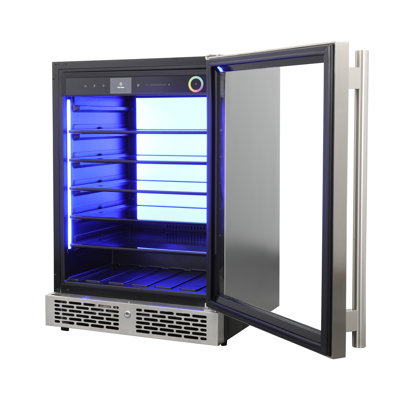
A wine cooler doesn’t just help with storage—it also adds a stylish, polished vibe to your home. Many models under $2,000 come with sleek glass doors, LED lighting, and modern finishes. Placing a wine cooler in your kitchen or living area creates a refined environment for hosting dinner parties, casual gatherings, or wine tastings. You set out your charcuterie board, pick out a chilled chardonnay, and let your guests serve themselves a glass, creating a social focal point that turns any get-together into an elegant soirée.
Before selecting your wine cooler, you’ll want to delve into important features that can make or break your experience. From capacity and temperature control to shelf design and noise levels, these details help you narrow the vast range of wine coolers under 2000.
Temperature control
A dedicated wine cooler is built to maintain consistent temperatures, which is crucial for preserving wine’s flavors and bouquet. Many wine coolers come with digital thermostats that let you select a specific range, often anywhere between 40°F and 66°F. This broad span accommodates the serving needs of both bold reds and lighter whites. If you enjoy storing different types of wine in the same cooler, consider a dual-zone wine fridge that offers separate compartments with independent temperature settings.
Capacity and dimensions
Capacity is another crucial factor. If you tend to keep a variety of wines on hand, you might appreciate a model that can hold 40, 50, or even more bottles. However, bigger is not always better. Think about your available floor space and the number of bottles you typically keep. A smaller 18-bottle model might be ideal if you’re in a dorm room, studio apartment, or you only open wine on special occasions. Larger 50+ bottle coolers suit extended families, hobbyists with growing collections, or offices that occasionally host events.
Countertop vs. freestanding vs. built-in
Wine coolers under $2,000 typically fall into one of three installation categories:
Countertop: These compact coolers have a small footprint and are ideal for limited spaces such as RV trips or smaller kitchens.
Freestanding: You can place these units anywhere an outlet is handy. They require a few inches of clearance around the sides and rear for proper ventilation.
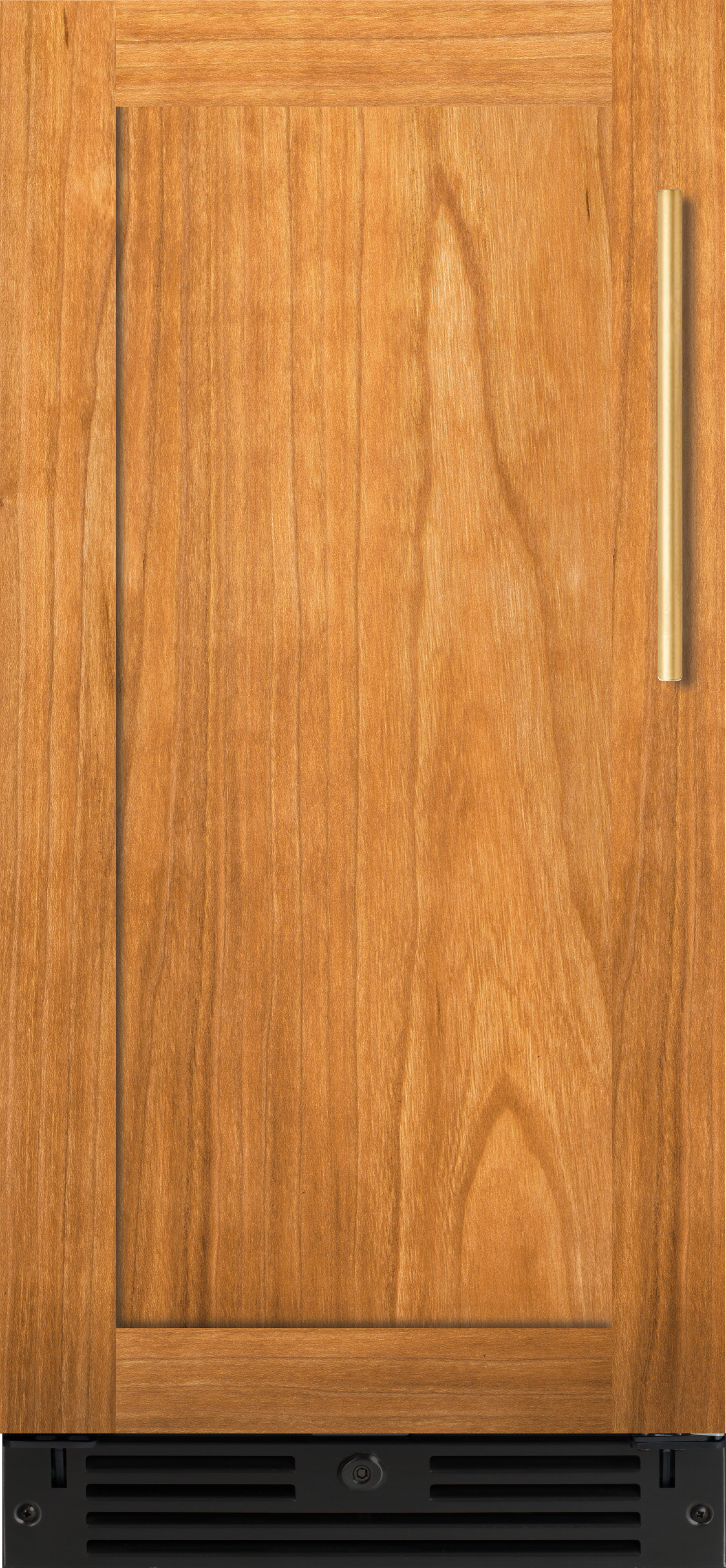
Built-in: Designed to fit flush with your cabinetry, built-in wine coolers feature front ventilation and blend neatly into a modern kitchen design.
Bottle orientation and shelving
Unlike typical kitchen fridges, wine coolers often feature specially contoured metal or wooden shelves to cradle bottles horizontally. This horizontal orientation keeps corks damp, which helps preserve a wine’s freshness. If you prefer to store some bottles upright (e.g., open bottles or non-corked wines), look for adjustable or removable shelf configurations. Also consider shelf material—metal wire shelves are durable and sleek, but wooden racks lend a warm aesthetic and can absorb minor vibrations.
Door type and insulation
The door is where temperature stability meets style. Many wine coolers come with clear, tempered glass doors that allow you to see your collection at a glance. Look for models with double or triple-pane glass to reduce UV exposure and heat transfer from outside light. On top of that, good insulation and rubber gaskets ensure minimal cold air escapes, maintaining an even internal environment. When checking user reviews, keep an eye out for how effectively the door seals.
Noise level
If you live in a smaller place, or you’re sensitive to noise, a quieter cooling system can be a deal-breaker. Some wine coolers use thermoelectric technology—these units vibrate less and often run quieter than compressor-based coolers. However, thermoelectric models typically have limitations in maintaining very low temperatures or handling warmer ambient environments. If you require robust cooling, a compressor-based model might serve you better; just be sure to read specs or user feedback on decibel ratings.
How to choose the best model for your home
01
Assess your available space
Start by measuring where you plan to place the cooler. Ensure you have enough clearance for ventilation if you’re opting for a freestanding unit. Think about nearby power outlets and how often you’ll open the door. If you plan to integrate the cooler into cabinetry, a built-in model with front-facing vents might suit you perfectly.
02
Decide on single-zone or dual-zone
If you mainly prefer reds, a single-zone fridge set around 55°F will keep them mellow. On the other hand, if your tastes vary between whites and reds—or you frequently entertain guests who appreciate different varietals—a dual-zone cooler allows you to set one zone for cooler whites (around 45°F) and another for slightly warmer reds (around 55–60°F). While dual-zone wine coolers under 2000 are typically more expensive, they offer greater versatility.
03
Look for energy efficiency
Whether you’re a college student on a tight budget or a parent seeking long-term savings, energy efficiency is a bonus with wine coolers. While they don’t usually consume as much electricity as a full-sized fridge, certain models carry ENERGY STAR certification. If you’re keen on reducing your power bills, consider scanning for that label or comparing the wattage between different units.
04
Consider durability and warranty
A sturdy build can save you from future repairs. Read product descriptions to see if the shelves are reinforced against heavier bottles, if the steel is prone to rust, or if the electronics are supported by a stable power supply. Many reputable brands offer 1–2 year limited warranties, while premium models may provide even longer coverage for parts and labor. Double-check reviews for feedback on how responsive the manufacturer is when it comes to fixing or replacing defective units.
Owning a wine cooler is not just about plugging it in and forgetting about it. Like any appliance, it needs a little upkeep to keep running smoothly. Caring for your cooler will ensure it continues to protect your favorite vintages.
Cleaning tips
It’s best to wipe down the interior and shelves every few months with a mild soapy solution. Avoid harsh chemicals or abrasive tools that might damage the lining or leave strong odors behind. If you notice any liquid spills, clean them up promptly to avoid unpleasant smells that can seep into corks. Don’t forget to clean the exterior surfaces regularly with a gentle cleaner to maintain that polished look.
Temperature calibration
Over time, temperature sensors can drift slightly. Double-check the internal temperature using a separate refrigerator thermometer, especially if you have expensive wines you’re safeguarding. Adjust the thermostat accordingly to make sure your cooler is meeting the set temperatures without fluctuations. For dual-zone models, test both compartments to confirm that each zone is calibrated correctly.
Routine checks
Schedule occasional checkups to confirm seals around the door are in good shape. If you feel cold air leaking near the gaskets, you might need a replacement or adjustment. Ensure vents are unobstructed so the cooler can ventilate properly. In compressor-based models, you should lightly vacuum or wipe the condenser coils (if accessible) once or twice a year to dislodge any dust.
Do I really need a wine cooler if I have a standard fridge?
A standard kitchen fridge is typically colder and drier than wine-friendly conditions. Wines stored in overly cold, dry environments can lose flavor or develop musty corks. A wine cooler keeps your bottles at a stable, slightly warmer humidity and temperature range.
Can I store other beverages in a wine cooler?
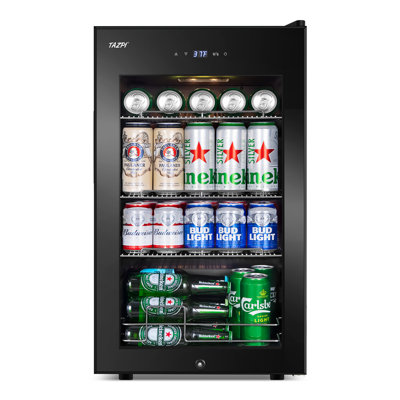
Yes. Although the shelving is often shaped for wine bottles, many people store soda, beer, or seltzers in the cooler, especially if they have extra space. For a combined beverage experience, you could even look into a dedicated wine and beer fridge so that you can chill both types of drinks at the right temperature.
How many bottles should my cooler hold if I normally buy wine occasionally?
If you only buy wine for special occasions—like anniversaries, holiday dinners, or get-togethers—a smaller cooler with a 12- to 20-bottle capacity might be enough. Larger models are great for wine enthusiasts or anyone who plans to expand their collection.
What is the difference between single-zone and dual-zone coolers?
A single-zone cooler keeps all bottles at one temperature, ideal if you prefer only reds or only whites. A dual-zone cooler has two independent temperature sections, allowing you to store reds and whites under different conditions simultaneously.
Where can I find a good model under $2,000?
You’ll find plenty of reputable models in online stores and appliance showrooms. For a convenient starting point, you can buy your wine fridge today to explore various styles and price points, ensuring you secure the perfect fit for your tastes and budget.
Maximizing value for under $2,000
Even if you’re set on keeping the purchase below $2,000, you still have ample options boasting modern features. From digital displays to custom temperature settings, these enhancements can bring extra convenience and style without forcing you to break the bank. Some people assume that a great wine cooler must cost a fortune, but mid-range models often meet—or exceed—homeowners’ expectations for reliability, looks, and optimal performance.
By carefully reading product descriptions and comparing reviews, you can spot hidden gems that deliver consistent cooling at a fair price. Don’t forget to check for seasonal sales or manufacturer promotions. If you’re interested in saving on shipping or want additional perks like extended warranties, keep an eye on bundled deals from appliance retailers. Sometimes, you’ll find discount codes or rebates, further driving down the final cost.
Not all living spaces allow for large freestanding appliances. If you live in a condo or have strict HOA guidelines, you may want a more compact solution. Many wine coolers under 2000 are designed for smaller kitchens or living areas while still offering robust features like dual temperature zones. If you’re looking to outfit a condo, consider checking out the best condo wine cooler for ideas, especially if you’re balancing limited space with a desire for premium wine storage.
Tailoring your wine cooler setup can elevate not just your individual sipping sessions but also your hosting capabilities. Guests appreciate when their wine is served at precisely the right temperature—especially if you keep a variety of wines for different palates.
Keep a printed cheat sheet on the cooler door listing your preferred temperature for each type of wine.
Regularly rotate and rearrange your wines so older bottles get used first.
If you love pairing cheese, fruit, or nuts with wine, dedicate a small fridge space in your main kitchen or in a drink fridge vs. wine fridge scenario for those quick side dishes.
These small touches make your gatherings feel thoughtfully planned and ensure nobody waits too long before tasting that new bottle of Cabernet Sauvignon or crisp Pinot Grigio.
Tips for first-time buyers
If you’re only just beginning your wine storage journey, it’s wise to start with a modestly sized wine cooler under $2,000. Below are helpful tips to make the most of your purchase:
Try different wines: Experiment with new wines and see how temperature profoundly affects the tasting experience.
Maintain a wine journal: Keep track of your favorite bottles, including tasting notes and serving temperatures. That way, you’ll have a reference to guide your future wine selections.
Use it for multi-purpose storage: If you have extra space, feel free to stash sparkling water or craft beer along with the wine. Some folks even store juices or protein shakes if they’re strapped for cold storage in the main fridge.
Some wine coolers under 2000 focus on sleek design—think stainless steel exteriors, tinted glass doors, and elegant LED lighting. Others prioritize function, featuring sturdy compressors and extra shelf space for collectors. Figuring out your priorities helps you narrow your choices efficiently. Perhaps your primary goal is to show off a curated selection of high-end wines in a living area, or maybe you simply need an unobtrusive unit in the garage to keep a few bottles chilled for everyday cooking and toasting.
Take notes on design elements you value before browsing:
Would you prefer a seamless, built-in look alongside your countertops?
Do you care about adjustable LED lighting or adjustable metal racks?
Are you a fan of wood-trimmed shelving for a warmer vibe?
These may sound like minor details, but they can make a big difference in how your wine cooler fits into your overall home aesthetic.
Although you might only keep a dozen bottles on hand right now, it’s worth considering future expansion. Have you been reading about new vintages you want to try, or are you hoping to host more dinner parties? Buying a slightly larger wine cooler under $2,000 could save you from having to upgrade in a year or two. If you’re exploring or switching diets—like adopting a vegetarian approach or storing baby food in your main fridge—a dedicated wine cooler can also free up shelf space in your kitchen.
And when you’re picking a model, remember to double-check the bottle capacity with the type of bottles you typically buy. For instance, Champagne or sparkling wine bottles may be larger and less likely to fit standard racks. Some coolers offer specially shaped shelves for these bigger bottles. This ensures you aren’t stuck rearranging shelves every time you bring home a bottle of Prosecco.
Troubleshooting common issues
While most wine coolers under $2,000 are designed for longevity, you may occasionally encounter minor hiccups.
Temperature fluctuations: Make sure your cooler is placed away from direct sunlight and major appliances that generate heat. Check that the door seals are tight and that you have enough clearance for ventilation.
Excessive noise: If you have a compressor-based cooler, slight humming is normal. However, if the noise level suddenly spikes, ensure the unit is level on the floor, and confirm that nothing is vibrating against the rear.
Interior condensation: Occasional moisture build-up can occur if you’re opening the door frequently or if the ambient humidity is high. Wipe it away with a clean cloth. If condensation is constant, look at the door gasket for any damage.
In most cases, simple maintenance or contacting the manufacturer for a part replacement keeps your cooler running smoothly. If you need general insights on garage storage or energy ratings, you can explore resources such as purchase garage freezers: deals or energy ratings for deep freezers. Although these are different product categories, sometimes the tips on power usage and placement apply broadly to wine cooling appliances as well.
By now, you should feel comfortable navigating the world of wine coolers under 2000—from understanding what to look for in temperature range, capacity, and design, to caring for your new purchase and troubleshooting minor issues. Whether your motive is purely functional wine storage, adding flair to your kitchen, or elevating your home-entertaining style, a wine cooler can become a statement piece that transforms how you enjoy your favorite bottles.
If you ever decide to expand your collection or upgrade your setup, be sure to consider the wide array of models, each offering unique features and styles. And if you want further direction for picking a homeowner-friendly cooler, you can investigate specialized offerings like the best condo wine cooler or check out options at buy your wine fridge today. Whichever route you choose, storing wine at optimal conditions can enrich your tasting experiences and add a finishing touch to your kitchen or entertaining area. Cheers to finding a cooler that fits your budget, your home, and your palate!
From Fridge.com research
Figures below come from data Fridge.com builds and maintains. Each links to the record behind it.
Fridge.com Energy Index, built on U.S. EPA and DOE ENERGY STAR records
Across 5,455 ENERGY STAR certified refrigerators and freezers from 263 brands, median use is 360 kWh per year.