If you’ve ever paused in the kitchen and asked yourself, what are the pros and cons of a smart fridge, you’re not alone. These connected appliances promise to revolutionize how you store food, plan meals, and even restock groceries. But before you splurge on a sleek touchscreen model with interior cameras, it helps to weigh the real-world benefits and potential drawbacks.
In this guide, you’ll get a clear look at how smart fridges work, the advantages they bring to chefs, families, and apartment dwellers, plus the downsides that might make you think twice. By the end, you’ll have the insights you need to decide if a connected refrigerator is the right match for your kitchen—and your budget.
How smart fridges work
Smart fridges aren’t magic boxes—they combine sensors, connectivity, and onboard software to give you a more interactive cooling experience. At their core, these units use:
Sensors and cameras
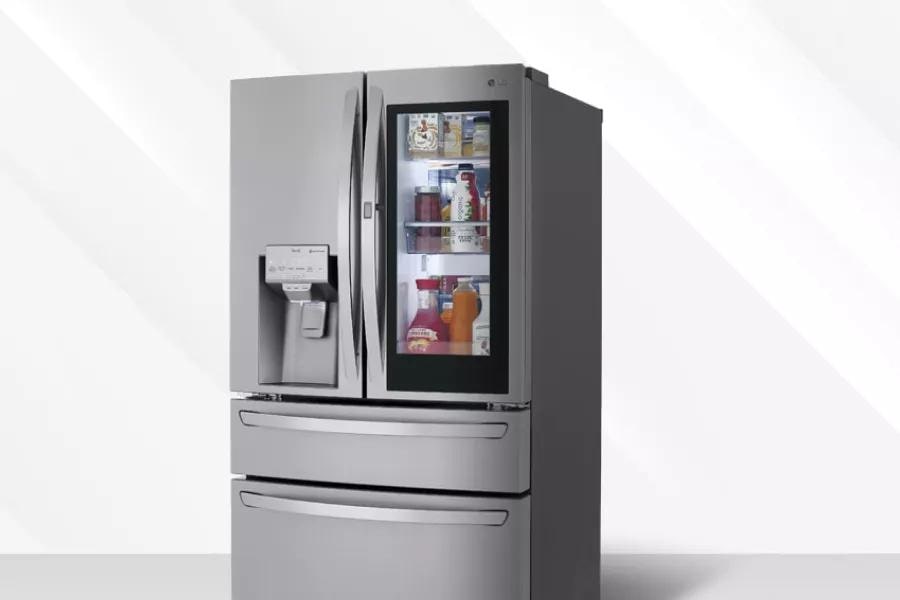
Most models include weight sensors on shelves or small cameras inside that snap photos whenever the door closes. Those images let you check contents remotely via a smartphone app, so you’re never left guessing what’s in the back corner of the fridge.
Connectivity and control
Wi-Fi or Bluetooth lets your fridge communicate with other smart devices. You can adjust temperature settings from bed, sync calendars to the display screen, or even command the fridge with your voice if it’s tied into a smart speaker.
Touchscreen interface
Built-in touchscreens range from compact panels to full-blown tablets. You’ll find recipe suggestions based on what’s inside, family calendars, sticky-note apps, and sometimes streaming services. It’s like having a central command center right on your fridge door.
Automated ordering
Some high-end models can detect when staple items run low and automatically reorder milk, eggs, or groceries through partnered delivery services. That feature alone can save you a trip to the store—assuming you trust a machine to do your shopping.
Smart fridges carry a premium price tag, but they deliver a bundle of perks that can justify the investment if you value convenience, waste reduction, and a more organized kitchen.
Remote access and control
You can change settings, switch to vacation mode, or get alerts if the door stays open—all from your phone. That’s a game-changer when you’re at work and suddenly remember you forgot to lower the temperature before a long weekend trip.
Food inventory tracking
Automatic expiration alerts and inventory lists help you stay on top of what’s in your fridge. No more mystery leftovers languishing until they spoil. This feature can cut down on food waste and save money on groceries over time.
Energy optimization
Smart cooling systems adjust compressor cycles based on door-opening patterns and internal load. Some models run more efficiently during off-peak hours or fine-tune cooling in different zones, which can lower your energy bill compared with a less sophisticated unit.
Smart home integration
If you already have a well-oiled smart home setup, your fridge can tie into routines. Imagine having your lights dim, your coffee maker start, and your fridge screen display the weather forecast—all as part of your morning ritual.
Recipe suggestions and entertainment
With built-in apps, you can pull up recipes that use the ingredients you have on hand. Some fridges even let you stream music or videos while you prep dinner, turning your kitchen into a mini command center.
Long-term cost savings
Though the up-front cost is higher, reduced food waste and potential energy savings can help offset the initial investment. If you’re meal-prepping, hosting large gatherings, or managing a busy household, those savings add up.
No product is perfect, and smart fridges come with trade-offs you should consider before upgrading.
Higher upfront cost
Expect to pay hundreds or even thousands more than a comparable non-smart model. If your budget is tight, the fancy touchscreen and connectivity features might not be worth the extra sticker price.
Data privacy concerns
A connected fridge collects usage data—when you open the door, what you store, and more. That information may be stored in the cloud, raising questions about who has access and how securely it’s kept.
Reliance on connectivity
If your Wi-Fi goes offline, some features may be limited or inaccessible. You’ll still get basic cooling, but you won’t be able to check inventory remotely or receive push notifications until your network is back online.
Complex setup and maintenance
Synchronizing apps, creating user profiles, and updating firmware can feel overwhelming if you’re used to plugging in and going. Plus, troubleshooting connectivity issues may require tech support rather than a quick call to a local appliance guy.
Potential repair expenses
When sensors, cameras, or touchscreens fail, repairs can be pricier than fixing a traditional fridge. Specialized parts aren’t always in stock at your neighborhood appliance store, and expert service visits may cost more.
Obsolescence risk
Technology moves fast. The fridge that’s cutting-edge today could feel dated in a few years if the manufacturer stops pushing updates. You may end up replacing the unit sooner than you would a standard refrigerator.
If you’re still on the fence, a quick feature comparison can help.
Feature
Smart fridge
Traditional fridge
Connectivity
Wi-Fi, apps, voice control
None
Maintenance
Software updates, specialized parts
Simple components
Food organization
Inventory alerts, cameras
Manual check, manual labels
Longevity
Risk of tech obsolescence
Proven reliability
Traditional models win on simplicity, reliability, and purchase price. Smart units score higher on convenience, automation, and advanced energy management. Your ideal choice hinges on whether those added features match your lifestyle and kitchen habits.
Maintaining your smart fridge
Even though these fridges can handle a lot of chores on their own, you still need a regular care routine to keep everything running smoothly.
Keep firmware updated
Manufacturers push updates to improve security, add features, and fix bugs. Make it a habit to check for updates in the companion app or on the fridge’s touchscreen once a month.
Clean sensors and cameras
Dust and food debris can interfere with interior cameras and weight sensors. Wipe down lenses and sensor pads gently with a soft cloth. If you see ice buildup in a built-in freezer, follow our guide on how to defrost a freezer to keep sensors accurate.
Organize interior efficiently
Use bins, labels, and clear containers to help the fridge’s inventory tracking stay on point. If you need tips on streamlining your space, check out how to declutter a refrigerator.
Monitor energy usage
Many smart fridges provide energy-monitoring dashboards. Review those stats quarterly to spot unusual spikes—like a defrost cycle stuck on—or to adjust temperature settings for greener operation.
Troubleshoot connectivity
If the fridge drops off your home network, reboot your router first. Then restart the fridge’s Wi-Fi module in settings. If issues persist, consult the manual or reach out to support before data errors start affecting temperature management.
A smart fridge can be a game changer, but it’s not for every kitchen or budget. Ask yourself:
Do you crave remote access and real-time inventory updates?
Will automated grocery ordering save you more time than it costs?
Could built-in recipe suggestions help you eat healthier or reduce takeout?
Are you comfortable managing firmware updates and app passwords?
Is your home network reliable enough to support a connected appliance?
Would a simpler, more affordable dual function fridge better meet your needs?
If you answer yes to most questions, a smart fridge may be a perfect fit—especially for chefs, meal-prep enthusiasts, or busy parents juggling calendars and grocery lists. If you lean toward “no,” a traditional model might serve you just as well without the tech overhead.
Compare current prices and specifications on Fridge.com, then buy from the retailer you choose; delivery, installation and warranty terms are the retailer’s.
From Fridge.com research
Figures below come from data Fridge.com builds and maintains. Each links to the record behind it.
Fridge.com Energy Index, built on U.S. EPA and DOE ENERGY STAR records
Across 5,455 ENERGY STAR certified refrigerators and freezers from 263 brands, median use is 360 kWh per year.