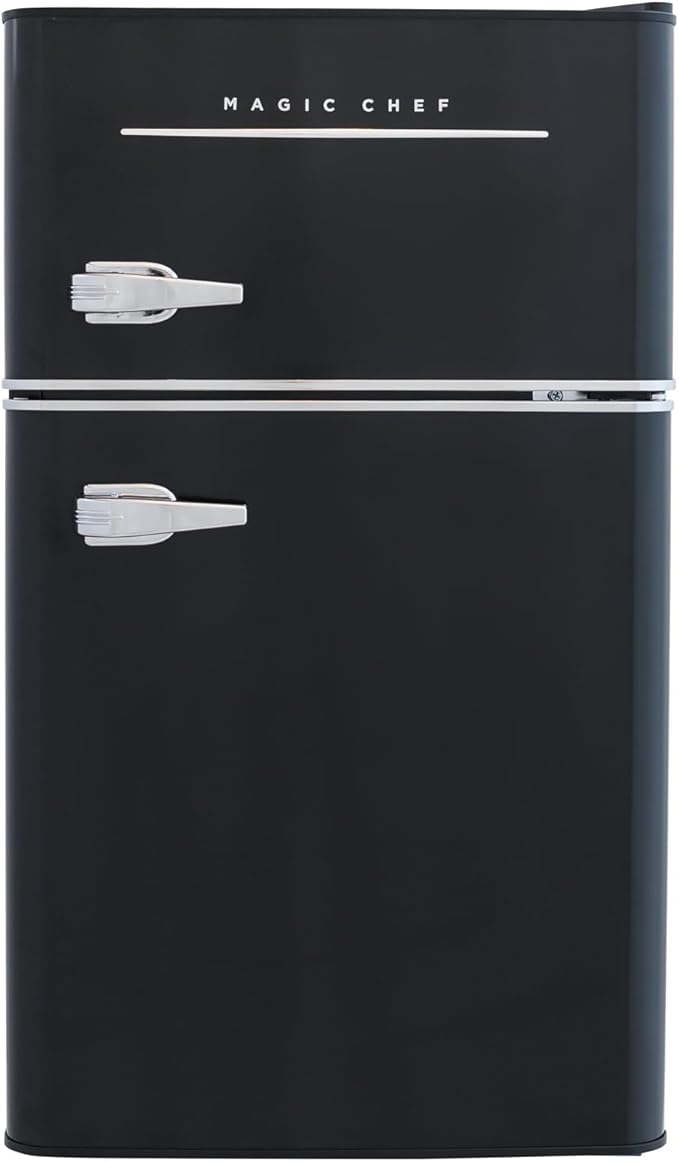
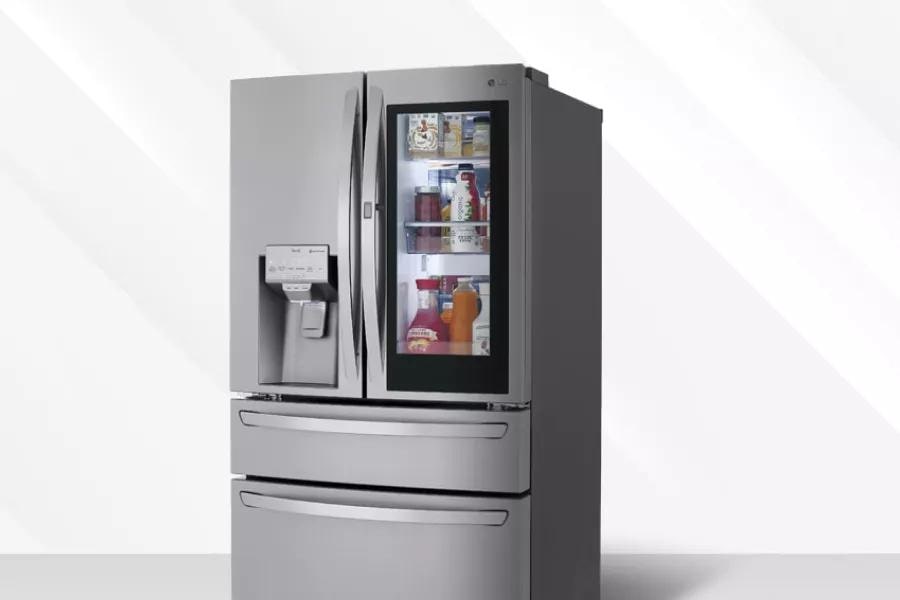
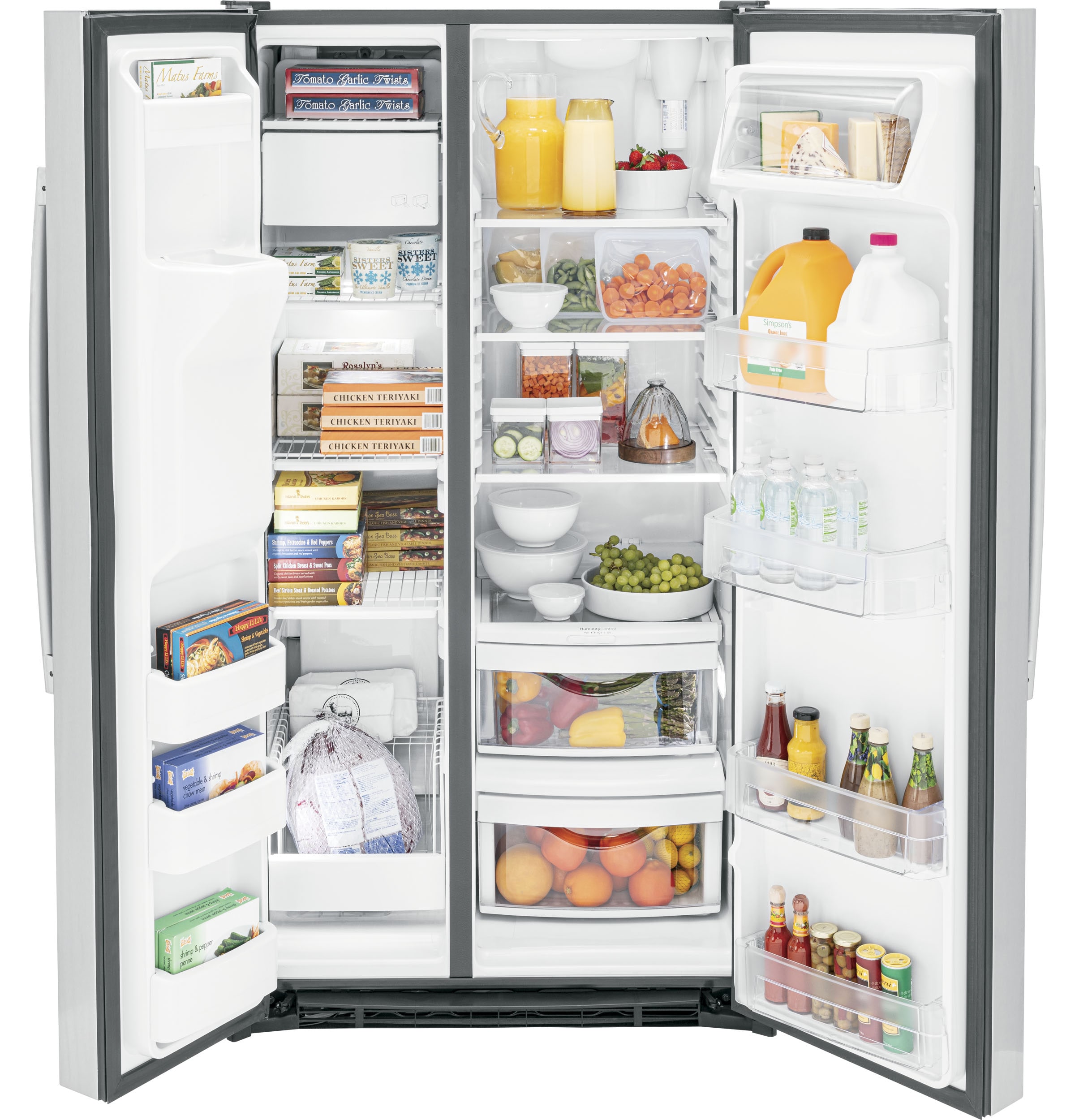
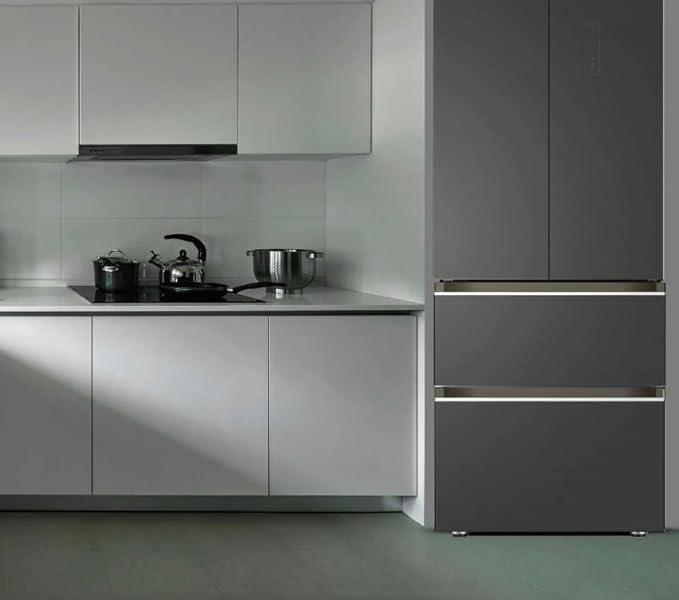
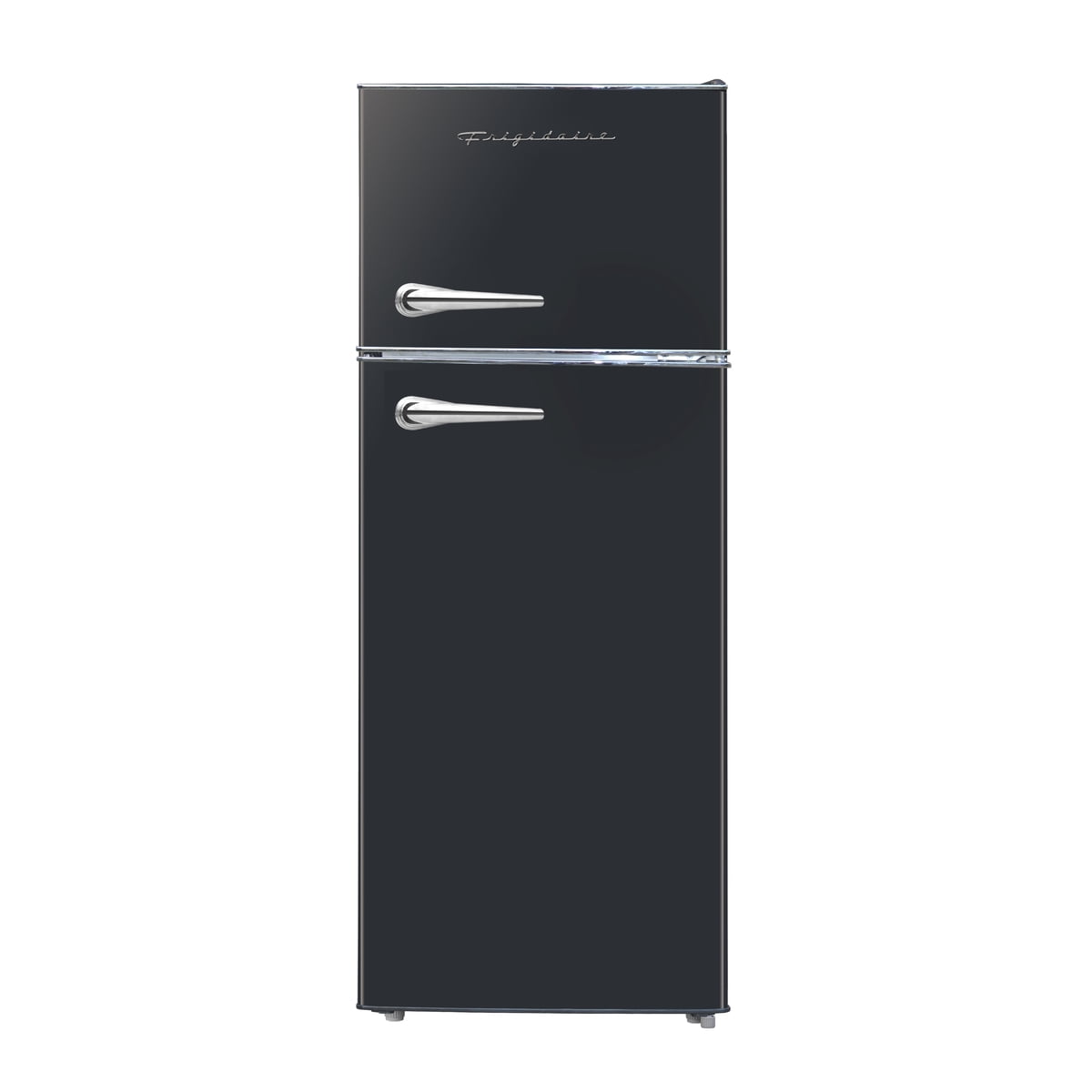
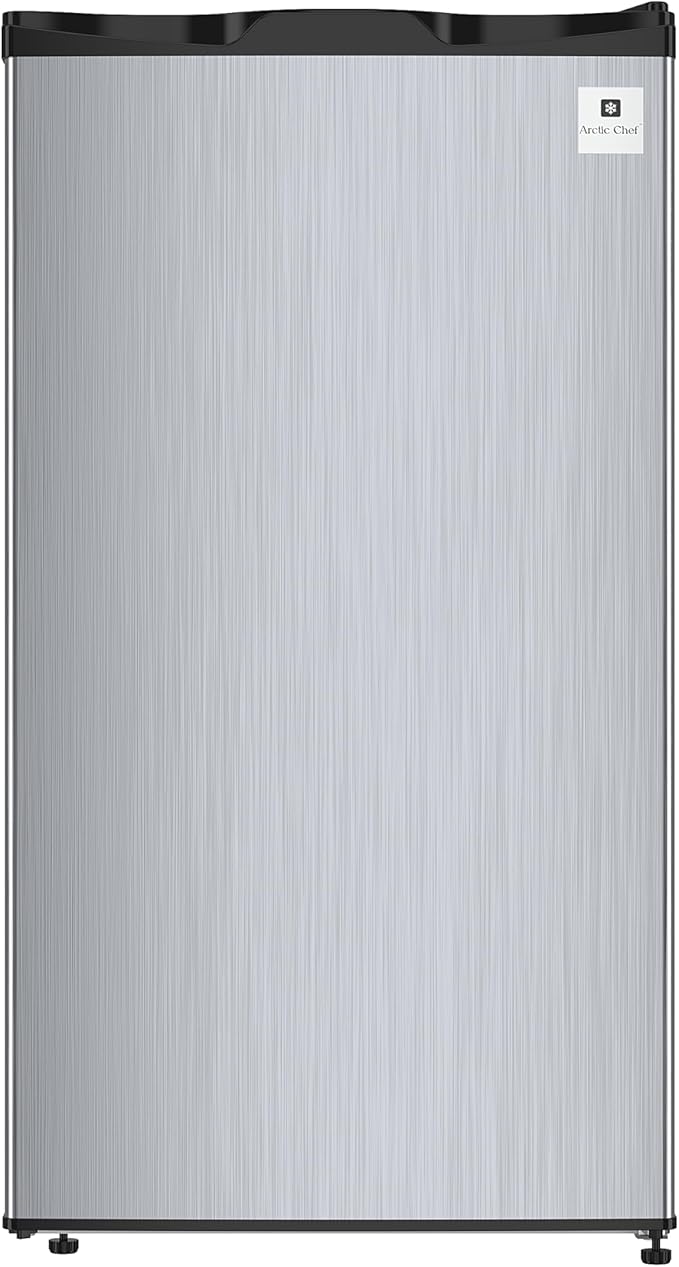
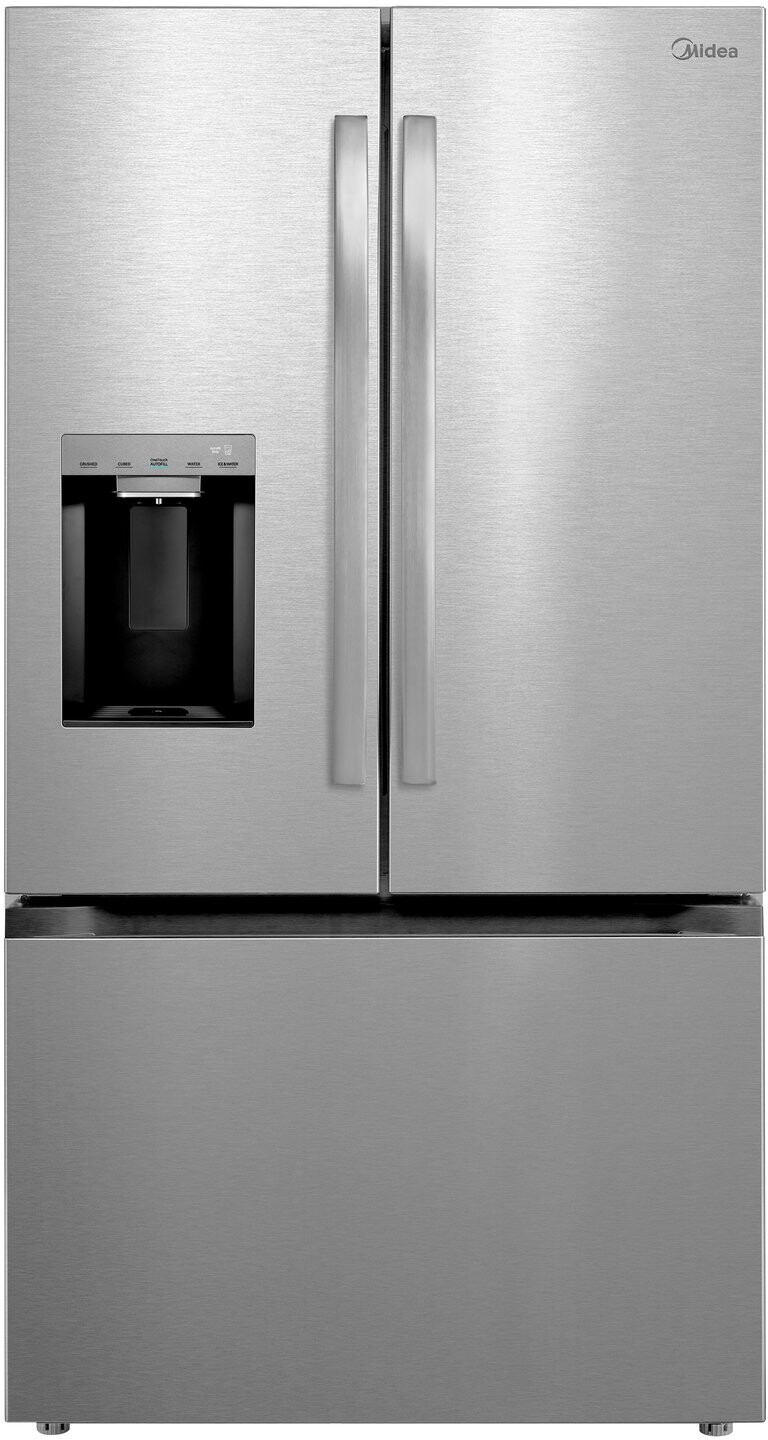
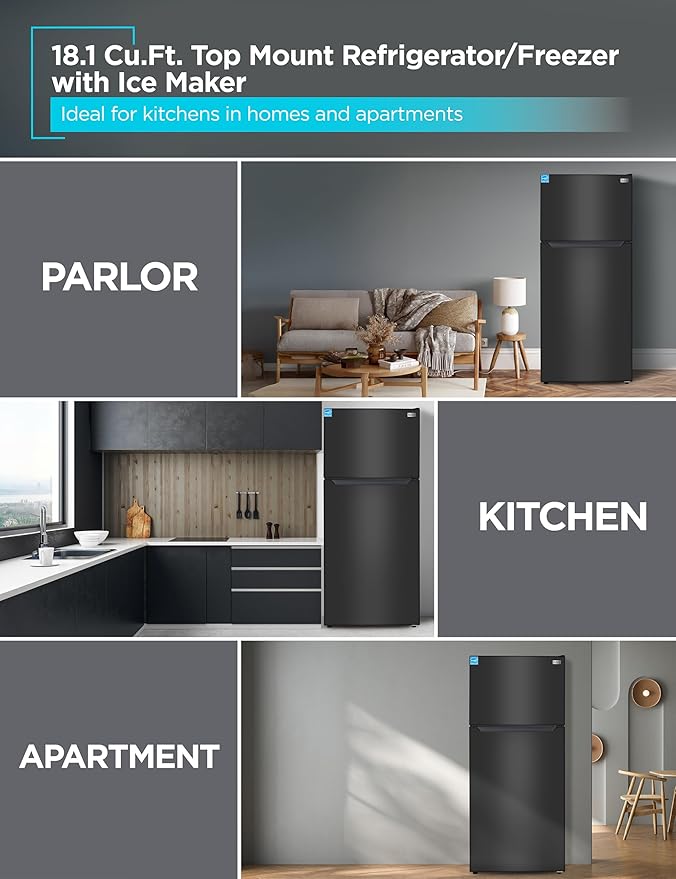
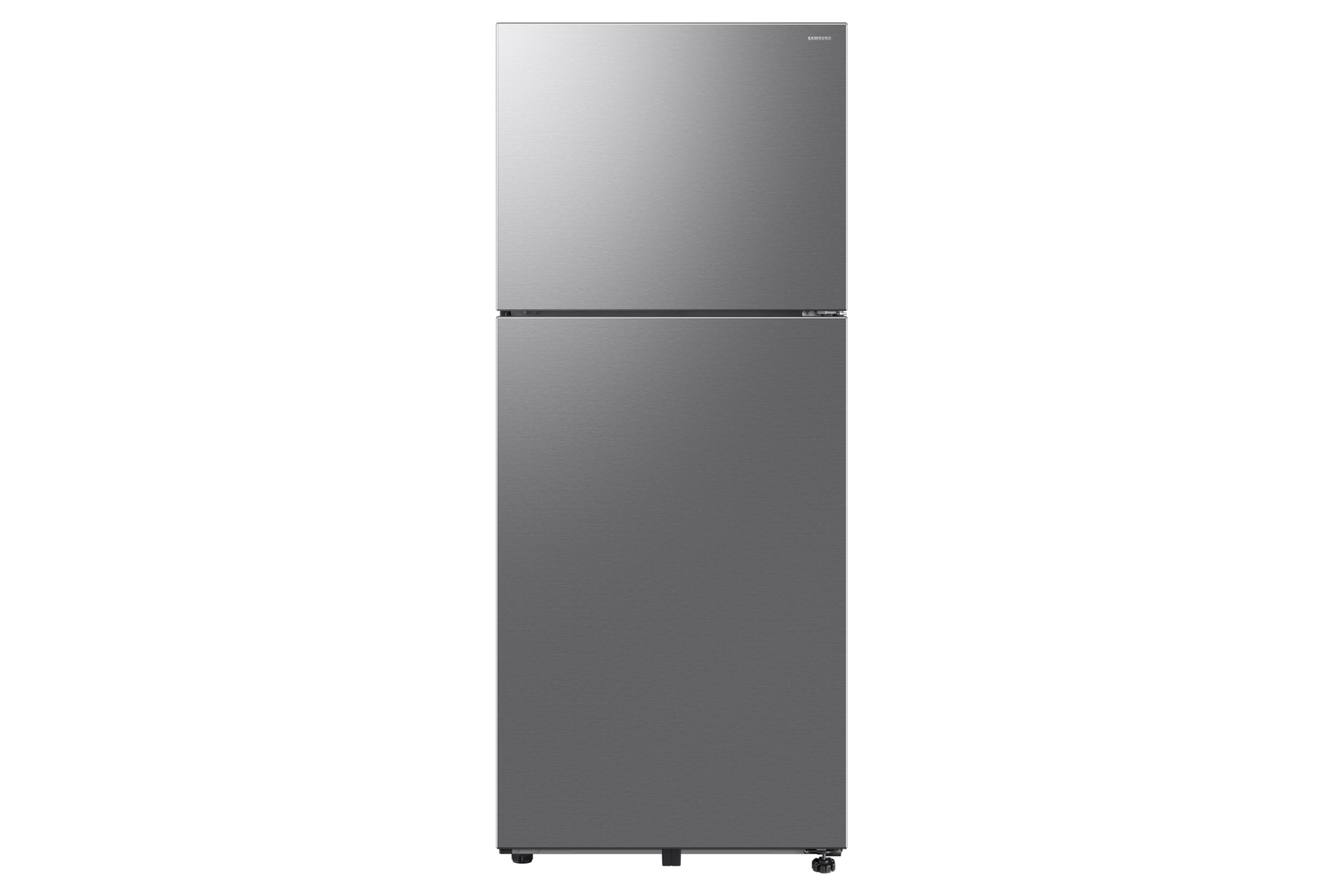
Maybe you’ve spotted that pastel mint or cherry-red appliance at your friend’s place and wondered, what are the pros and cons of a retro fridge? You’re not alone. Retro fridges blend eye-catching mid-century curves, chrome handles and bold color palettes with today’s cooling tech. Whether you’re outfitting a studio apartment, an outdoor kitchen, an office nook or a dorm room, a retro-style refrigerator can be a true centerpiece.
At their core, retro fridges come in two flavors: genuine vintage units, like that 1960 refrigerator you found on a classified ad, and modern reproductions that replicate the look while packing updated components. Vintage finds often need a full restoration—new gaskets, fresh refrigerant and rewired interiors—while reproduction models deliver factory warranties, Energy Star options and factory-fresh interiors. You’ll see settings ranging from compact 3.3 cu ft models up to full-size 20 cu ft beasts, so there’s almost always a fit for your space.
Nostalgia is the real draw. Those rounded edges and retro handles remind you of diner counters and classic soda fountains. But you’ll also enjoy features like adjustable shelves, door-bin flexibility and frost-free cycles, depending on the model you choose. If you’re curious about how retro fridges stack up against the latest connected appliances, you might want to explore the history of smart fridges to see how technology has evolved. Ultimately, the style and function mix is what makes this category so appealing—and so worth a closer look.
Pros of retro fridges
Aesthetic appeal
You give your kitchen or bar area an instant style lift. Retro fridges are available in bold shades—turquoise, tangerine, pastel yellow—that you won’t find in standard white or stainless steel models. They become a focal point, showing off your personality and making your home feel uniquely yours.
Modern technology inside
Despite their old-school looks, most new retro-style fridges come with energy-efficient compressors, R600a refrigerant and insulation upgrades. You get frost-free operation, built-in LED lighting and adjustable temperature settings, so you don’t sacrifice performance for style.
Versatile sizes
From compact 3.3 cu ft mini fridges to spacious 20 cu ft models, there’s a retro option for every scenario. Have a tight dorm setup? A small model can double as a snack station. Hosting backyard cookouts? A larger unit can stash beverages and sides. If you’re vegetarian or do a lot of meal-prep, check out our best compact refrigerator for vegetarian diet guide for ideas.
Nostalgia factor
The emotional connection is real. When you pull open that chrome-trimmed door, you’re tapping into a simpler era. It’s not just about chilling your juice—it’s about creating a vibe, whether you’re entertaining friends or prepping family dinners.
Conversation starter
Guests will comment on your bold choice. A retro fridge invites questions—“Where did you get that from?”—and gives you a chance to share your design story. It’s a functional piece of practical art.
Reproduction models typically cost between $1,200 and $2,500, a premium over standard-line refrigerators. Genuine vintage finds might go for $200 to $800, but you’ll likely spend extra on restoration and parts.
Reduced interior capacity
Because of their rounded corners and thick doors, retro fridges often net 5–10% less usable space than boxy modern units of the same external dimensions. If you’re feeding a large family or meal-prepping for the week, you might find yourself juggling shelves more often.
Energy inefficiency
While many new retro models are Energy Star certified, they can still draw more power than their sleek counterparts due to heavier insulation and less airflow optimization. Vintage units almost certainly consume far more energy and may require phased-out refrigerants.
Fewer advanced features
Don’t expect Wi-Fi connectivity, smart temperature alerts or customizable humidity zones unless you pay extra for a top-end reproduction. If you rely on precise control for produce, deli and beverages, a modern fridge may have the edge.
Parts and repairs
Finding replacement gaskets, trim pieces or internal components for a 1950s original can be a scavenger hunt. Even reproduction models may use proprietary hardware, so repairs could be pricier and slower than with mainstream brands.
Energy efficiency comparison
When weighing your options, energy consumption is a key factor. Here’s a quick look at how retro-styled models stack up against true vintage units:
Feature
Retro-styled models
Original vintage units
Insulation quality
Modern foam insulation
Thinner or none
Refrigerant type
R600a or R134a
R12 or R22 (phased out)
Annual energy draw
Moderate to low
High
Smart efficiency controls
Basic or optional
Absent
To maximize efficiency, choose a unit with the Energy Star badge, keep coils clean and make sure the door seals snugly. If you’re browsing top-performing models, you might compare features with an energy star top freezer refrigerator to see how retro options measure up.
When budgeting, consider both initial outlay and long-term expenses:
Reproduction models
Upfront cost: $1,200 to $2,500+
Warranty: Often 1–2 years
Repair ease: Moderate, parts can be ordered from manufacturer
Vintage originals
Purchase price: $200 to $800 (varies by condition)
Restoration cost: $150 to $500+ (gaskets, coils, wiring)
Warranty: None, unless seller offers a short-term guarantee
Repair ease: Challenging, parts may be custom or reclaimed
Energy bills factor in too. A modern retro-style fridge might cost $50–$70 per year to run, whereas a restored 1970s unit could run $100–$150 annually, depending on local rates. Always check estimated annual kWh usage before you buy.
If you’re ready to pull the trigger, you can find a curated selection and special offers at fridges for sale, making Fridge.com a convenient one-stop shop.
Maintenance and care
Keeping your retro fridge in top shape ensures it runs efficiently and looks killer in your space.
Daily maintenance
Wipe spills immediately with mild soap and water
Keep door gasket area free of crumbs and debris
Organize interior to allow air circulation
Periodic maintenance
Clean condenser coils every 3–6 months using a coil brush
Check door seals for cracks; replace gaskets if they won’t close tightly
Defrost manual units as needed to prevent ice buildup
Inspect drip trays and drains for blockages
Vintage owners should run their units at least once per month to keep compressors lubricated. If you notice unusual noises or warming, refer to a qualified technician rather than pushing the appliance past its limits.
Before you add one to your cart, answer these questions:
How much space do you have?
Measure width, height and depth, remembering that curved doors need extra clearance. If you’re tight on room, consider checking our best apartment size refrigerator for labor day picks.
What capacity do you need?
Singles and couples often get by with 3–6 cu ft, while families may want 12–20 cu ft.
Freezer placement?
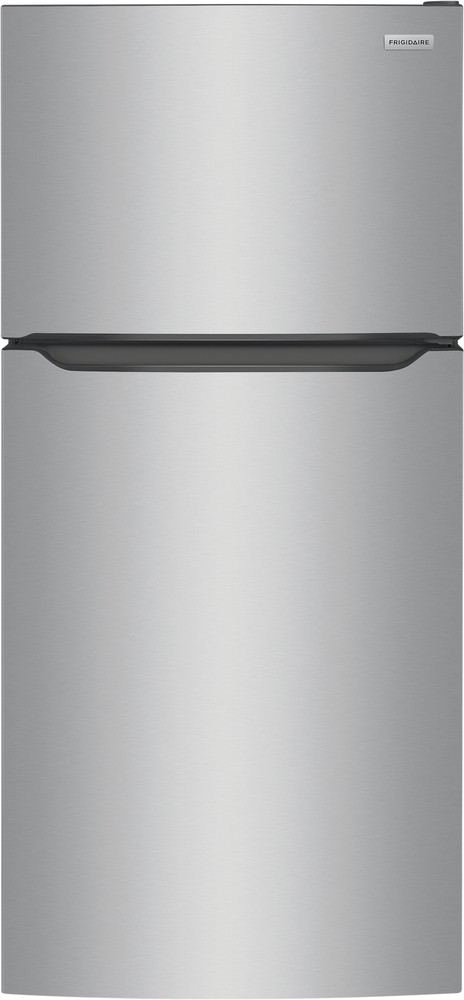
Top-freezer models save counter space, but bottom-freezer or side-by-side might suit your cooking style better.
Door latch quality?
A snug seal is crucial for efficiency. If you’re concerned, see our guide on which freezer latch seals firmly without effort?.
Color and finish options?
Think about coordinating your fridge with other accents—copper handles, matte pastels or high-gloss primary colors.
Once you’ve nailed down the specs, compare pricing and warranties. Original vintage might be less expensive up front, but reproduction models deliver peace of mind and fewer hidden costs over time.
Retro vs modern fridges
If you’re debating between a retro fridge and a state-of-the-art model, here’s how they differ:
Controls
Retro: Analog dials and sliding levers
Modern: Digital touchpads, timers and app integration
Interior features
Retro: Basic shelving and door bins
Modern: Adjustable humidity drawers, deli drawers, customizable LED lighting
Alerts
Retro: No door-open alarms
Modern: Alarms for open doors, temperature fluctuations and filter changes
Connectivity
Retro: None
Modern: Wi-Fi, smartphone alerts, voice control
Design focus
Retro: Statement aesthetic
Modern: Sleek minimalism
For a deeper dive into how refrigerators got “smart,” check out the history of smart fridges. Your decision comes down to whether you value functional bells and whistles or crave that authentic mid-century vibe.
Ultimately, what are the pros and cons of a retro fridge? You get unrivaled style, conversation-starting color and a pinch of nostalgia, balanced against a possible price premium, slightly reduced capacity and fewer cutting-edge features. If you’re ready to inject personality into your kitchen, pay attention to size, energy ratings, latch quality and your budget.
Weigh your priorities, explore both vintage finds and modern reproductions, then make your pick. When you’re ready, remember you can shop fridges for sale at Fridge.com to compare models side by side. Whether you go full retro or blend old and new, your kitchen will thank you for a touch of timeless charm.
From Fridge.com research
Figures below come from data Fridge.com builds and maintains. Each links to the record behind it.
Fridge.com Energy Index, built on U.S. EPA and DOE ENERGY STAR records
Across 5,455 ENERGY STAR certified refrigerators and freezers from 263 brands, median use is 360 kWh per year.