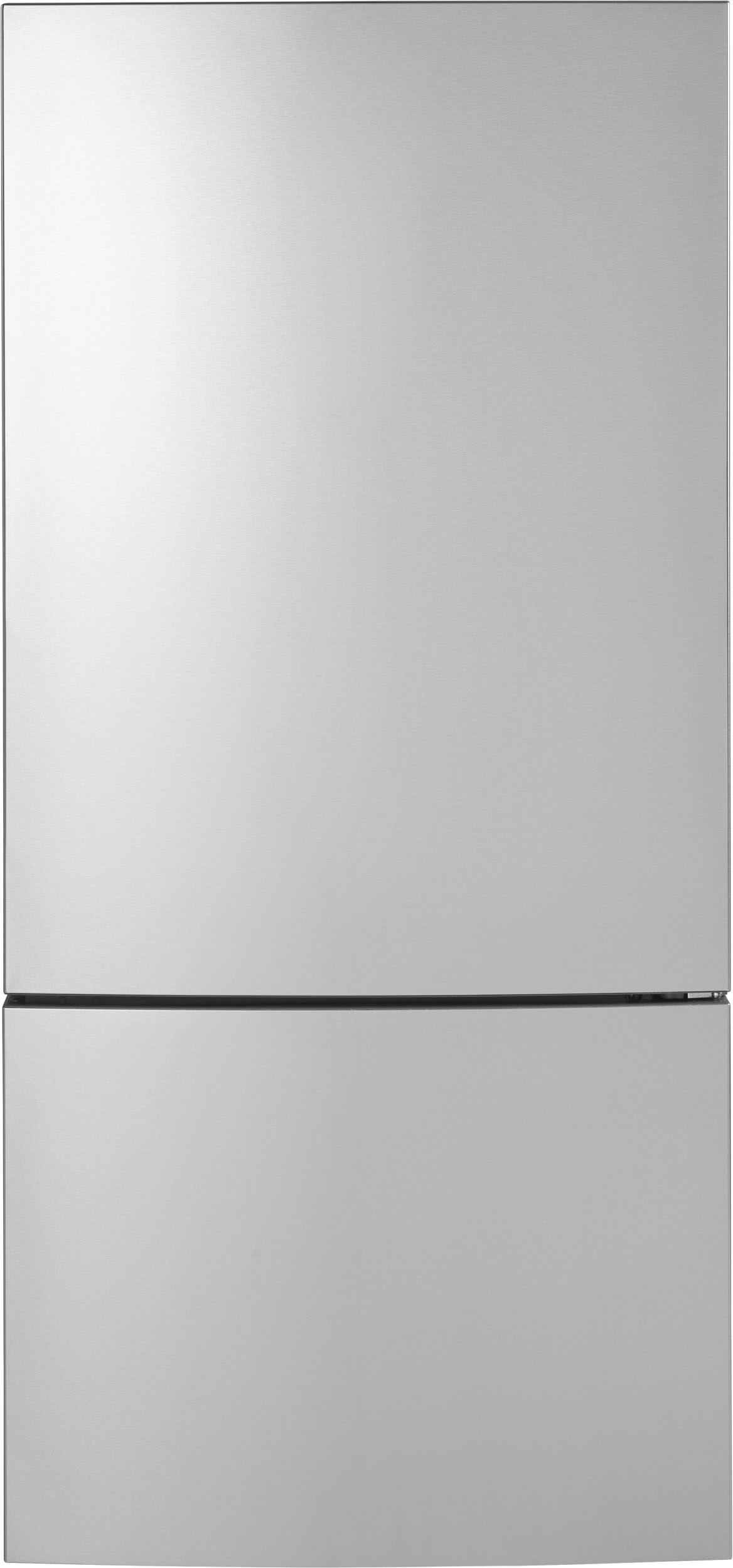
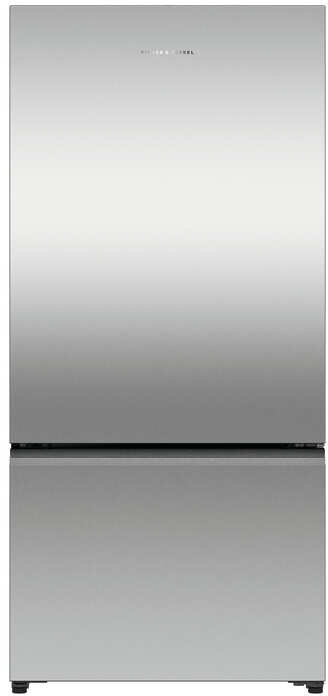
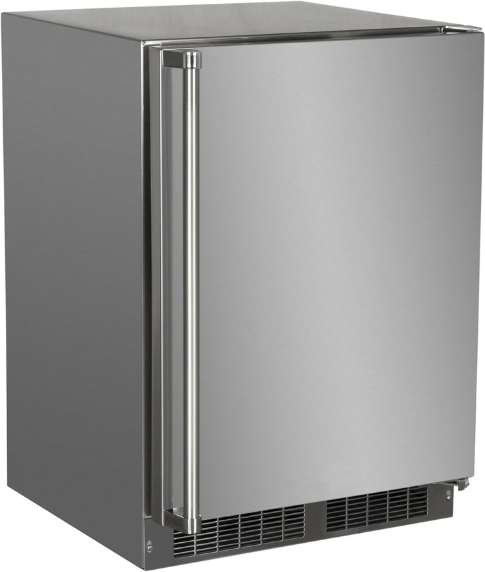
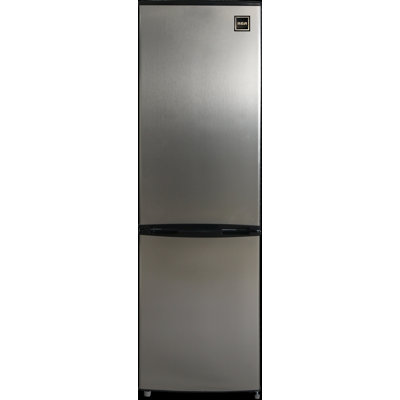
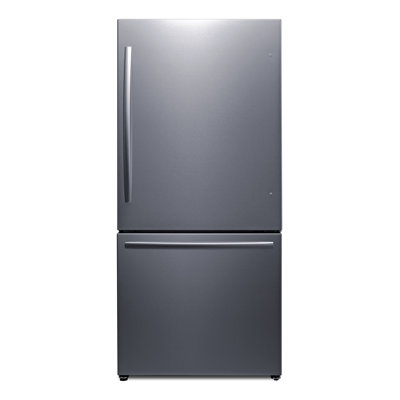
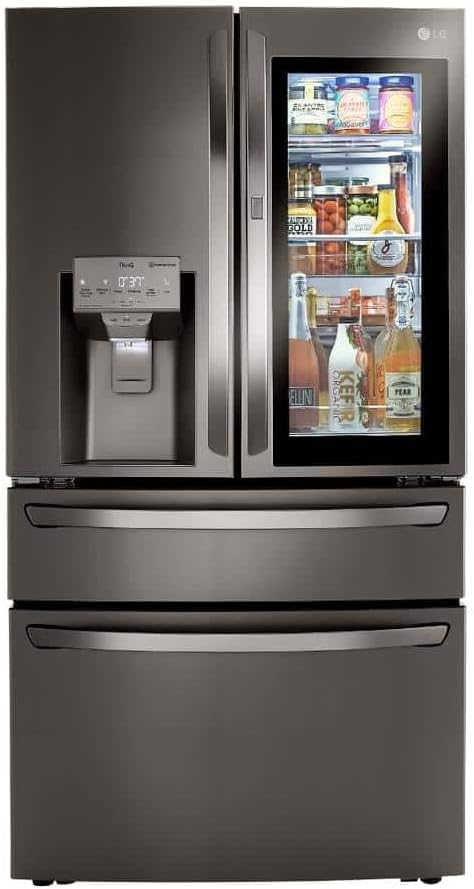
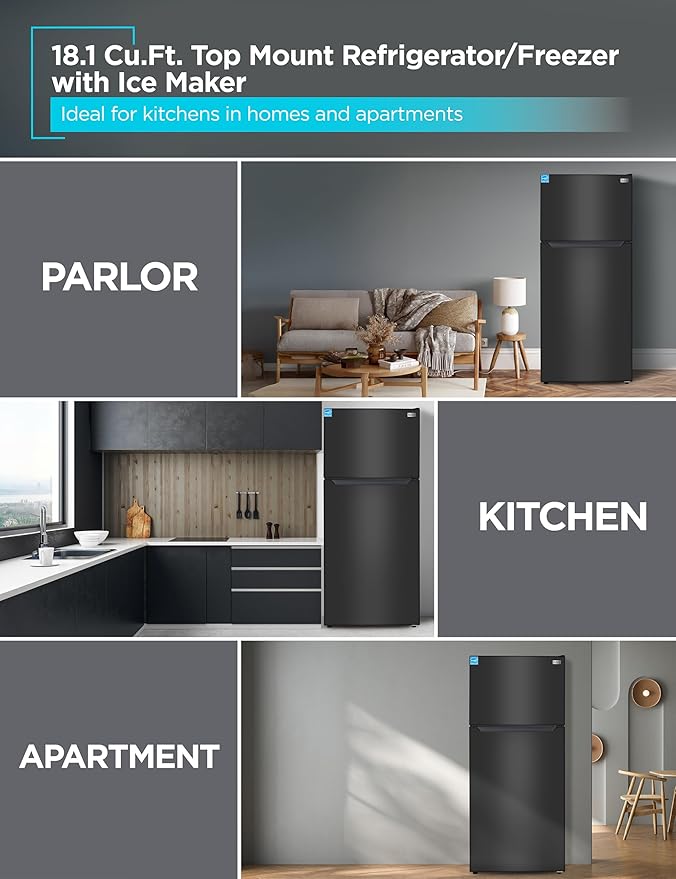
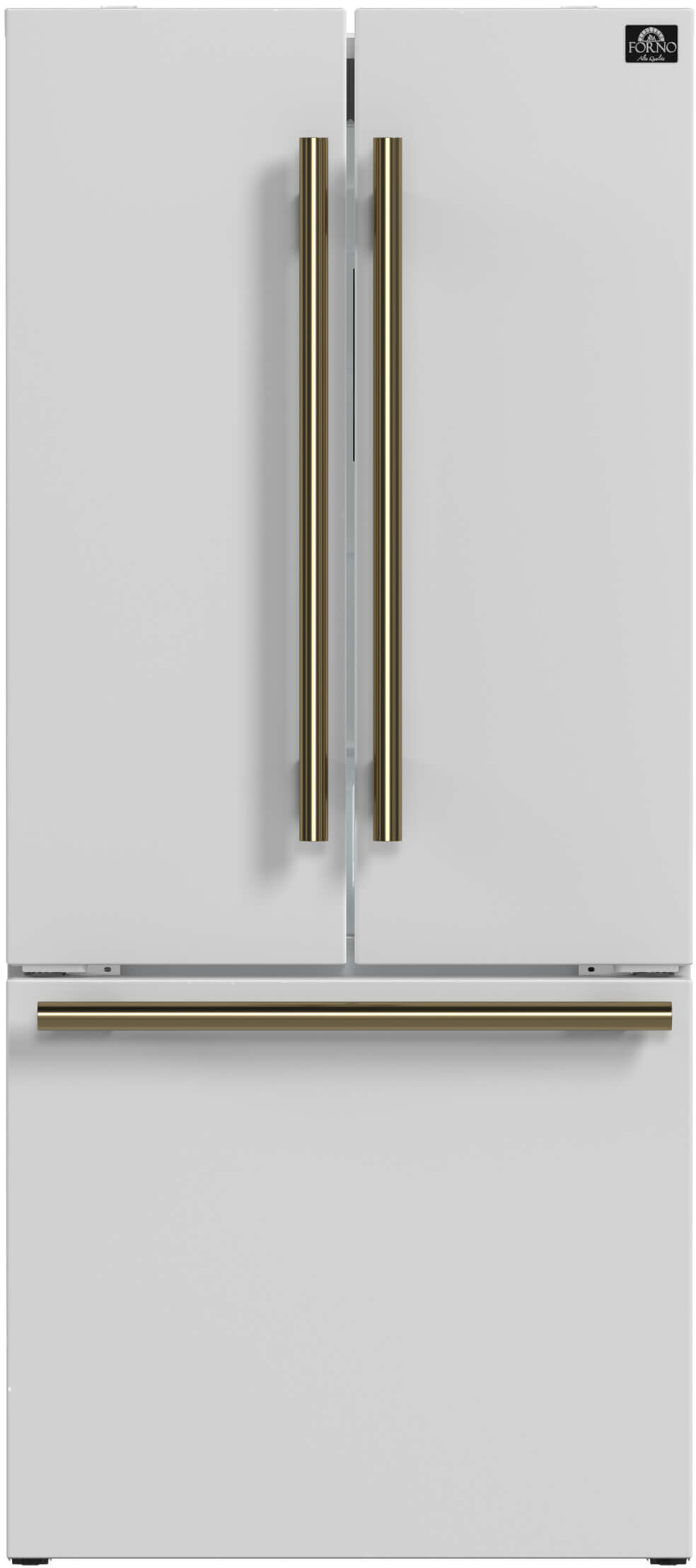
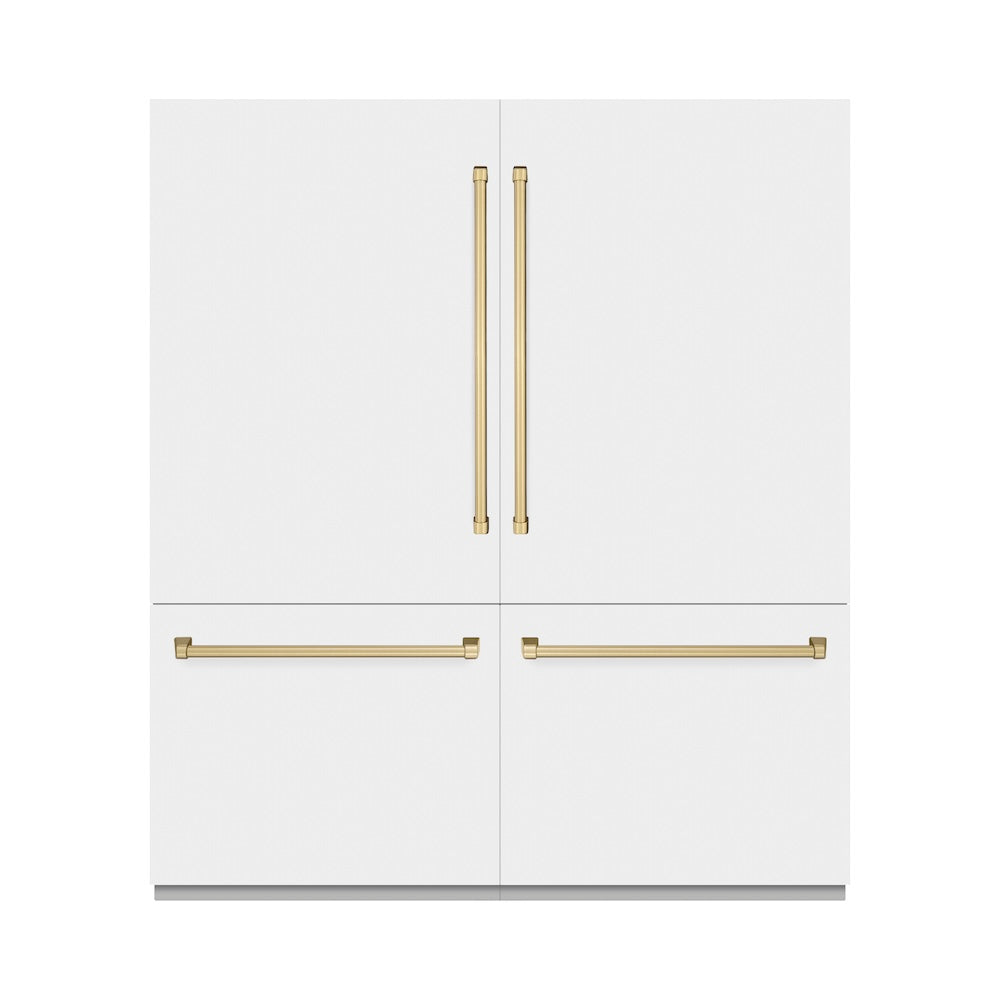
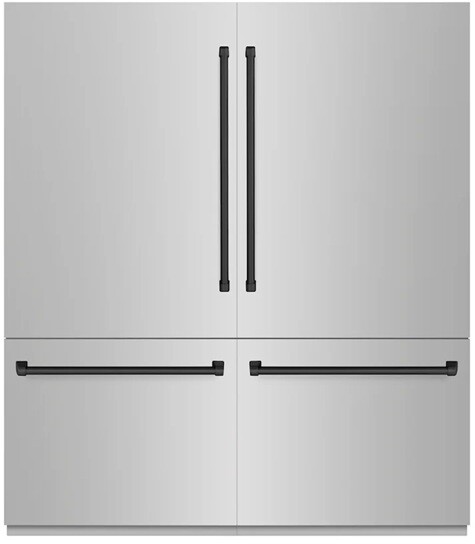
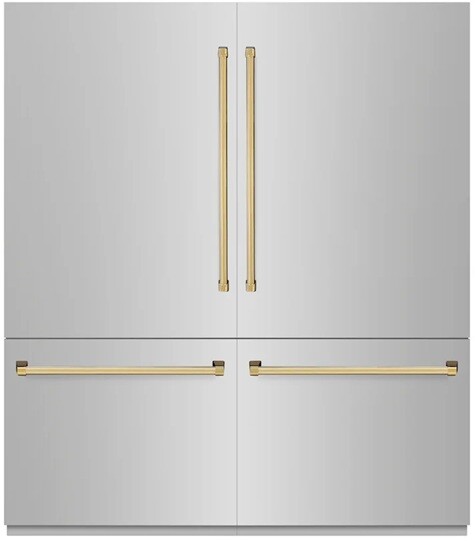
The ideal temperature range for storing meat is usually between 33°F and 36°F to prevent bacterial growth and maintain freshness.
The typical temperature range for a narrow refrigerator should be set around 35°F to 38°F for the refrigerated compartment.
They typically feature specialized compartments that maintain lower temperatures, ideal for storing various types of meat.
This type of refrigerator may be ideal if you're a culinary enthusiast with a penchant for fresh meats or if you require professional-grade food storage at home.
When you're in the market for a new refrigerator, understanding the different types available can help you make the best choice for your needs. Whether you're outfitting a gourmet kitchen or looking for a space-saving solution, two types you may encounter are meat refrigerators and narrow refrigerators. Each serves a distinct purpose and offers different benefits.
Meat Refrigerator
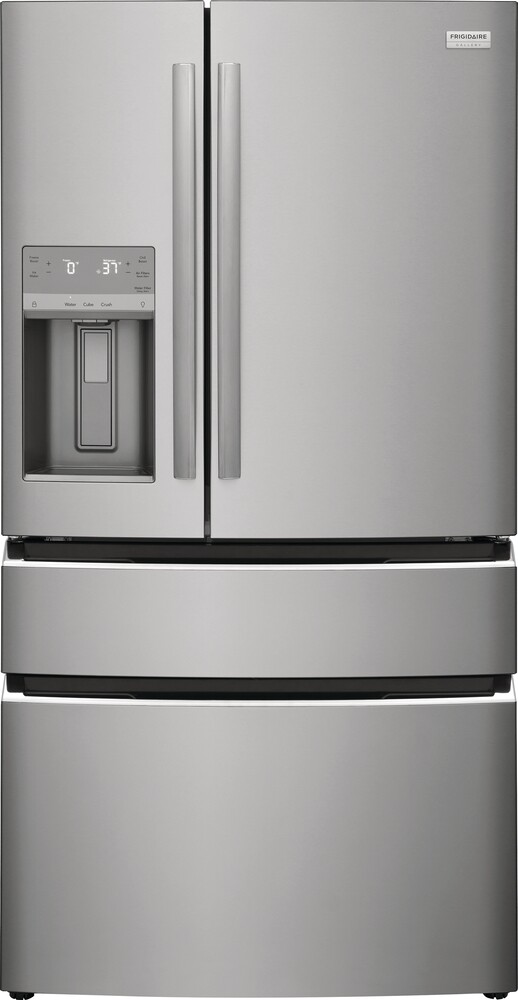
A meat refrigerator is specifically designed to store meats at optimal temperatures, which are typically lower than the standard refrigerator range. These specialized refrigerators are geared towards maintaining the quality and extending the shelf life of various meats, from beef to poultry. They often feature precise temperature controls and high-quality insulation to ensure that meat stays at a consistent temperature, which is crucial for food safety and taste preservation. This type of refrigerator may be ideal if you're a culinary enthusiast with a penchant for fresh meats or if you require professional-grade food storage at home.
Narrow Refrigerator
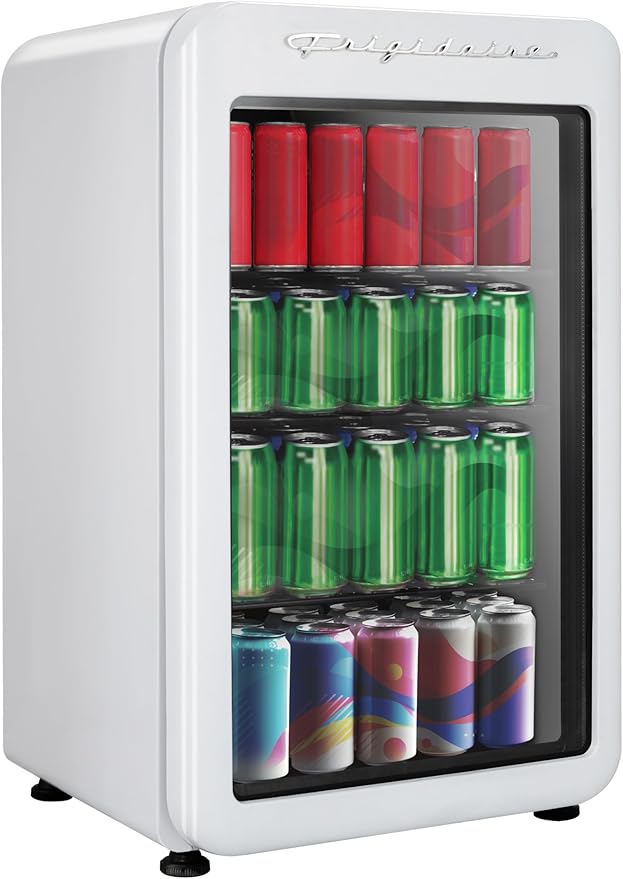
On the other hand, a narrow refrigerator is designed to fit into smaller spaces without compromising on functionality. They are typically slimmer than the average refrigerator, making them perfect for compact urban apartments, tiny homes, or as secondary storage in a garage or basement. Despite their smaller footprint, these refrigerators can still offer a range of features like adjustable shelving and in-door storage, providing the convenience of a full-size fridge in a more space-efficient package.
Key Differences
Feature
Meat Refrigerator
Narrow Refrigerator
Width
Standard to Wide
Slim
Temperature Range
Lower for meat preservation
Standard refrigeration range
Capacity
Varies, often larger
Typically smaller due to narrow design
Intended Use
Storing and preserving meats
Space-saving refrigeration solution
Location
Professional kitchens, home kitchens
Apartments, secondary storage areas
The primary differences between a meat refrigerator and a narrow refrigerator lie in their intended use and design. Meat refrigerators focus on precise temperature control for meat storage, while narrow refrigerators emphasize space-efficiency. Whether you prioritize specialty food storage or are constrained by space, understanding these differences is key to selecting the right appliance.
When selecting a refrigerator, capacity and storage options are paramount. The distinctions between a meat refrigerator and a narrow refrigerator are particularly relevant for you, depending on the intended use and available space in your home or facility.
Meat Refrigerator Features
Meat refrigerators are designed for those who require dedicated space for storing and preserving meat. These units often come with specialized features:
Temperature Zones: Some have multiple temperature zones to separate different types of meat.
Humidity Control: They may offer humidity control to keep meat at optimal freshness.
Spacious Compartments: Ample space to accommodate large cuts of meat or bulk purchases.
Here's a snapshot of the typical capacity ranges you might find in a meat refrigerator:
Feature
Capacity Range
Total Volume
15 - 25 cubic feet
Meat Compartment
5 - 10 cubic feet
Narrow Refrigerator Features
Narrow refrigerators are ideal for places with limited space, like small apartments or offices. Here are their typical features:
Slim Profile: Designed to fit into tight spaces without sacrificing too much storage volume.
Flexible Shelving: They often have adjustable shelving to make room for tall items.
In-Door Storage: Efficient in-door storage options for frequently accessed items.
The capacity for narrow refrigerators is relatively less, accommodating the needs of space-saving environments:
Feature
Capacity Range
Total Volume
10 - 18 cubic feet
Freezer Compartment
3 - 5 cubic feet
Comparing Storage Capacities
When weighing a meat refrigerator vs. a narrow refrigerator, consider both the available space in your kitchen and your storage needs. Meat refrigerators are typically larger, catering to specific storage requirements for meat, while narrow refrigerators are more about space conservation.
Below is a comparison of storage capacities:
Refrigerator Type
Average Total Capacity
Average Freezer Compartment Capacity
Meat Refrigerator
Up to 25 cubic feet
5 - 10 cubic feet
Narrow Refrigerator
Up to 18 cubic feet
3 - 5 cubic feet
The right choice depends on your personal or professional requirements. If you need to store large quantities of meat, a meat refrigerator might be essential. However, if you're constrained by the size of your living space, a narrow refrigerator offers a practical solution. For further comparisons, you may want to explore articles like column refrigerator freezer vs. mini fridge freezer or apartment size refrigerator vs. tall refrigerator to make an informed decision.
Temperature Control and Maintenance
Managing the correct temperature is essential for any refrigerator, but when considering a meat refrigerator versus a narrow refrigerator, the settings and maintenance requirements may differ significantly.
Meat Refrigerator Settings
Meat refrigerators, designed specifically for storing and preserving meats, typically have more precise temperature controls to ensure that meat remains at a safe and optimal chilling point. The ideal temperature range for storing meat is usually between 33°F and 36°F to prevent bacterial growth and maintain freshness.
Temperature Feature
Meat Refrigerator
Ideal Temperature Range
33°F - 36°F
Adjustable Thermostat
Yes
Defrost Function
Automatic or Manual
To maintain these refrigerators, regular cleaning to prevent cross-contamination is critical. Additionally, checking the door seals and ensuring the thermostat is functioning correctly will help in maintaining the desired temperature. For more information on temperature settings for various types of stored goods, you might want to explore freezer cooler vs. small chest freezer.
Narrow Refrigerator Settings
Narrow refrigerators, on the other hand, are often used in space-constrained environments and may not require the same precise temperature control as meat refrigerators. However, it's still important to maintain a consistent temperature to keep all types of food safe. The typical temperature range for a narrow refrigerator should be set around 35°F to 38°F for the refrigerated compartment.
Temperature Feature
Narrow Refrigerator
Ideal Temperature Range
35°F - 38°F
Adjustable Thermostat
Yes, usually
Defrost Function
Typically Automatic
Maintenance for narrow refrigerators is similar, involving regular cleaning and monitoring of temperature consistency. Checking for proper door closure and seal integrity is also crucial for preventing cool air from escaping.
Energy Efficiency
Energy efficiency is a crucial aspect of both meat and narrow refrigerators, as it impacts both the environment and your electricity bill. Modern refrigerators often come with energy-saving features such as LED lighting, energy-efficient compressors, and better insulation.
Refrigerator Type
Energy Efficiency Features
Meat Refrigerator
High-efficiency compressors, Insulation
Narrow Refrigerator
Energy Star ratings, Eco Mode
To maximize energy efficiency, ensure that your refrigerator is not placed near a heat source and that it is kept clean and well-maintained. Additionally, consider investing in a model with a high Energy Star rating to reduce environmental impact and operational costs. For comparisons of energy efficiency in different refrigerator types, check out energy efficient refrigerator vs. mini fridge freezer.
Proper temperature control and maintenance are essential for the longevity of your refrigerator and the safety of your food. By understanding the specific settings and energy efficiency of meat refrigerators and narrow refrigerators, you can make informed decisions about which type best suits your lifestyle and needs.
The design and placement of a refrigerator are crucial considerations that can affect not only the aesthetics of your space but also its functionality. When deciding between a meat refrigerator and a narrow refrigerator, understanding their respective designs and how they might fit into your living or working environment is essential.
Meat Refrigerator Design
Meat refrigerators are specifically designed to store and preserve various types of meat products. They typically feature powerful cooling systems and specialized compartments to maintain the optimal temperature for meat storage. The design often emphasizes ease of cleaning and may include removable shelves or drawers to accommodate large cuts of meat.
Due to their purpose, meat refrigerators might have a more industrial look and are often found in the kitchen of a culinary enthusiast or a professional setting such as a restaurant. Their size may vary, but generally, they are larger than standard household refrigerators to accommodate bulk storage.
When considering placement, ensure you have ample space not only for the unit itself but also for door clearance and ventilation. The design of these units is less about saving space and more about providing the ideal environment for meat preservation.
Narrow Refrigerator Design
Narrow refrigerators, on the other hand, are slim and designed to fit into tight spaces. They are perfect for small apartments, condos, offices, or any area where space is at a premium. Despite their reduced width, these refrigerators still offer a range of features, including multiple shelves, door storage, and sometimes even a small freezer compartment.
The sleek design of narrow refrigerators often makes them an attractive addition to small kitchens or as a secondary fridge in a home office or entertainment area. They are engineered to maximize storage in a minimal footprint, making them a practical choice for those who need to conserve space.
Space Considerations
When choosing between a meat refrigerator and a narrow refrigerator, one of the primary considerations is the amount of space available. Here's a comparison of the typical dimensions you might expect from each type:
Refrigerator Type
Width
Depth
Height
Meat Refrigerator
30-36 inches
24-32 inches
72-84 inches
Narrow Refrigerator
17-24 inches
24-30 inches
55-75 inches
Before deciding on a refrigerator, measure the intended placement area in your home or commercial establishment. Consider the space needed for door swing, which is particularly important for meat refrigerators that may have larger doors. Think about how the refrigerator placement will affect movement within the room and access to other appliances or cabinets.
Choosing the right refrigerator design and considering its placement are key to ensuring that your refrigeration solution not only meets your storage needs but also fits harmoniously within your space. Whether you opt for a meat refrigerator to expertly preserve a variety of meats or a narrow refrigerator to efficiently utilize limited space, both options offer unique benefits to suit different lifestyles and requirements.
When selecting a refrigerator, how you plan to organize and access your food items is a crucial factor. The interior layout of your refrigerator can significantly impact your daily routine. Below Fridge.com compares the organization and accessibility features of meat refrigerators and narrow refrigerators to help guide your decision.
Interior Layout of Meat Refrigerator
Meat refrigerators are designed with a focus on preserving meats at optimal conditions. They typically feature specialized compartments that maintain lower temperatures, ideal for storing various types of meat. Moreover, these compartments are often equipped with adjustable shelves or drawers to separate different meat cuts and types for better organization.
Feature
Description
Dedicated Meat Compartments
Separate sections with temperature control for different meats
Adjustable Shelves/Drawers
Flexibility for accommodating large cuts or quantities of meat
Slide-Out Baskets
Easy access to frequently used items
Interior Layout of Narrow Refrigerator
Narrow refrigerators are tailored for spaces where a compact design is paramount. They offer clever storage solutions to maximize the interior space. This might include adjustable shelving, door compartments, and sometimes pull-out drawers that provide organized sections for different food groups.
Feature
Description
Adjustable Shelving
Customizable spaces for different-sized items
Door Compartments
Extra storage for condiments and smaller items
Pull-Out Drawers
Separation of fruits and vegetables from other items
Ease of Access and Organization Options
Both meat and narrow refrigerators offer unique organization options. Meat refrigerators allow you to store large quantities of meat, making them ideal if you frequently entertain or prepare large meals. On the other hand, narrow refrigerators cater to those with limited space without compromising on accessibility.
For meat refrigerators, look for features such as:
Full-extension drawers that glide out to provide easy access to items at the back
Dividers or organizers within drawers to categorize different meat types or cuts
Narrow refrigerators may offer:
Adjustable door bins that can accommodate tall bottles or jars
Split shelves that can be rearranged to fit tall items in the main compartment
Both types should provide clear visibility of contents, reducing the time you spend searching for items. For further insights into optimizing your refrigerator space, explore comparisons like shallow depth refrigerator vs. upright freezer and mini fridge with freezer vs. refrigerator drawer. Choosing the right refrigerator hinges on your lifestyle needs and the importance of convenience and efficiency in your kitchen.
It also has tons of awesome articles about kitchen stuff and home news. Enhance your home, garage, backyard, patio, and office with the coolest essentials. With every necessary type of residentialrefrigeratoror freezer in the collection, you're covered.