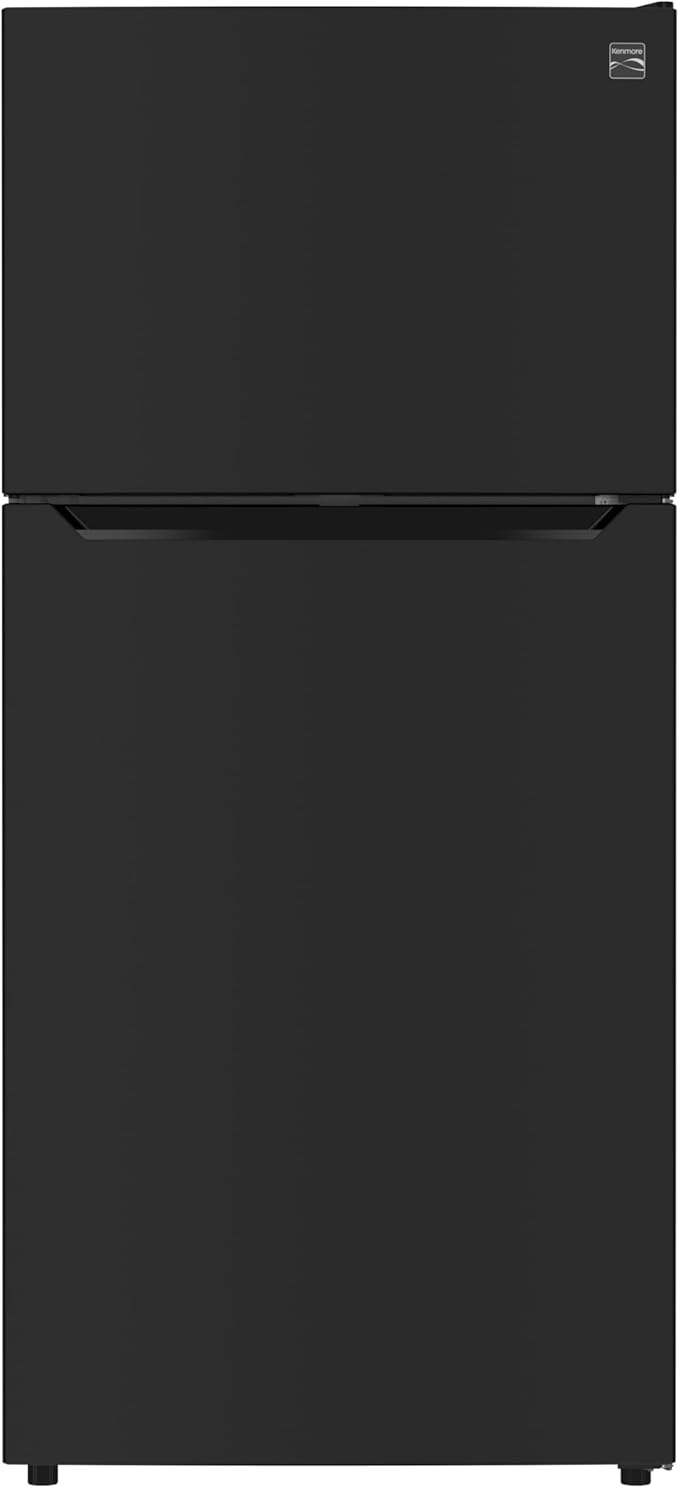
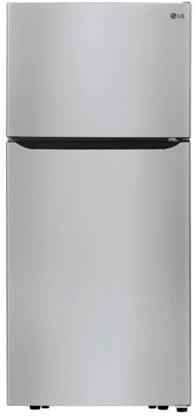
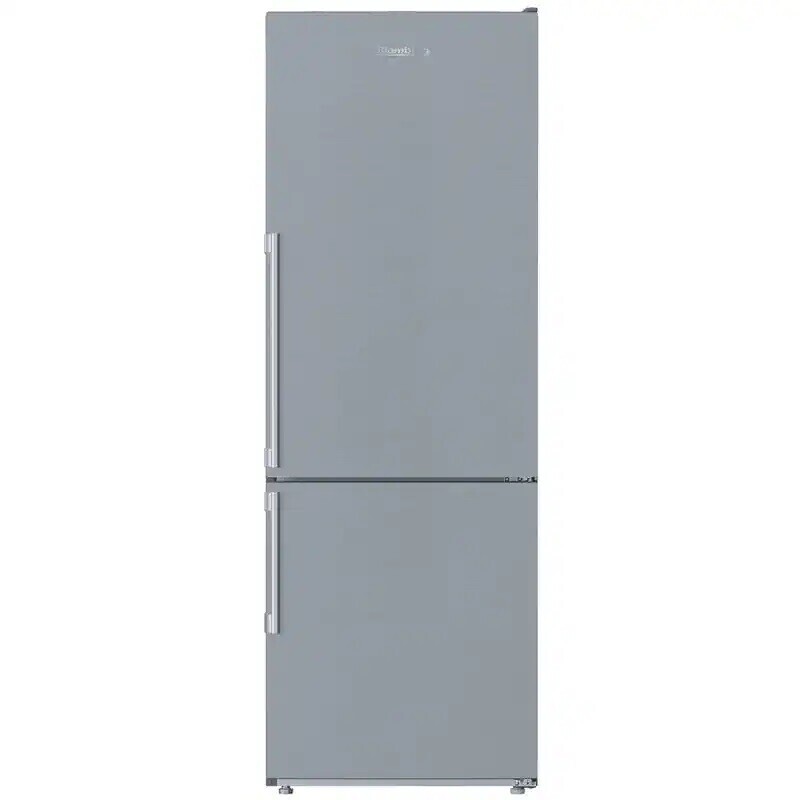
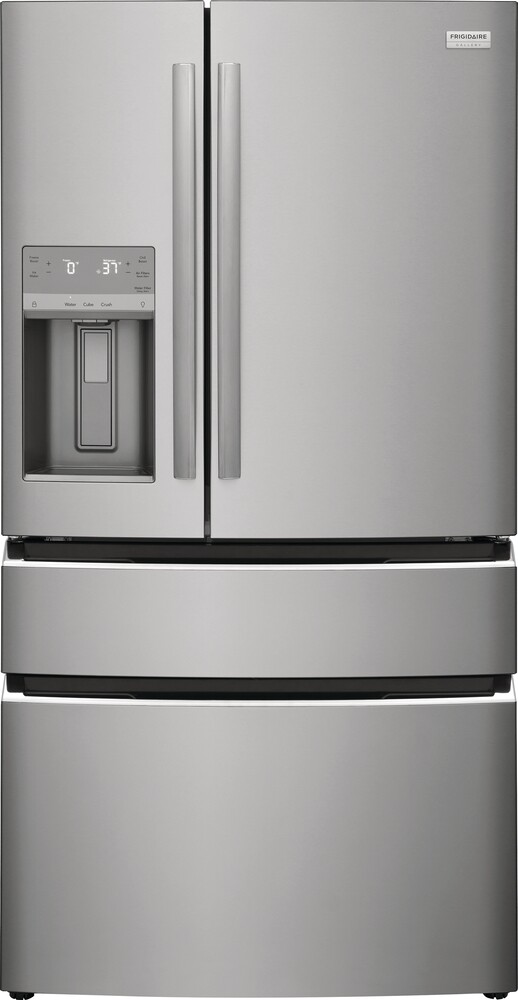
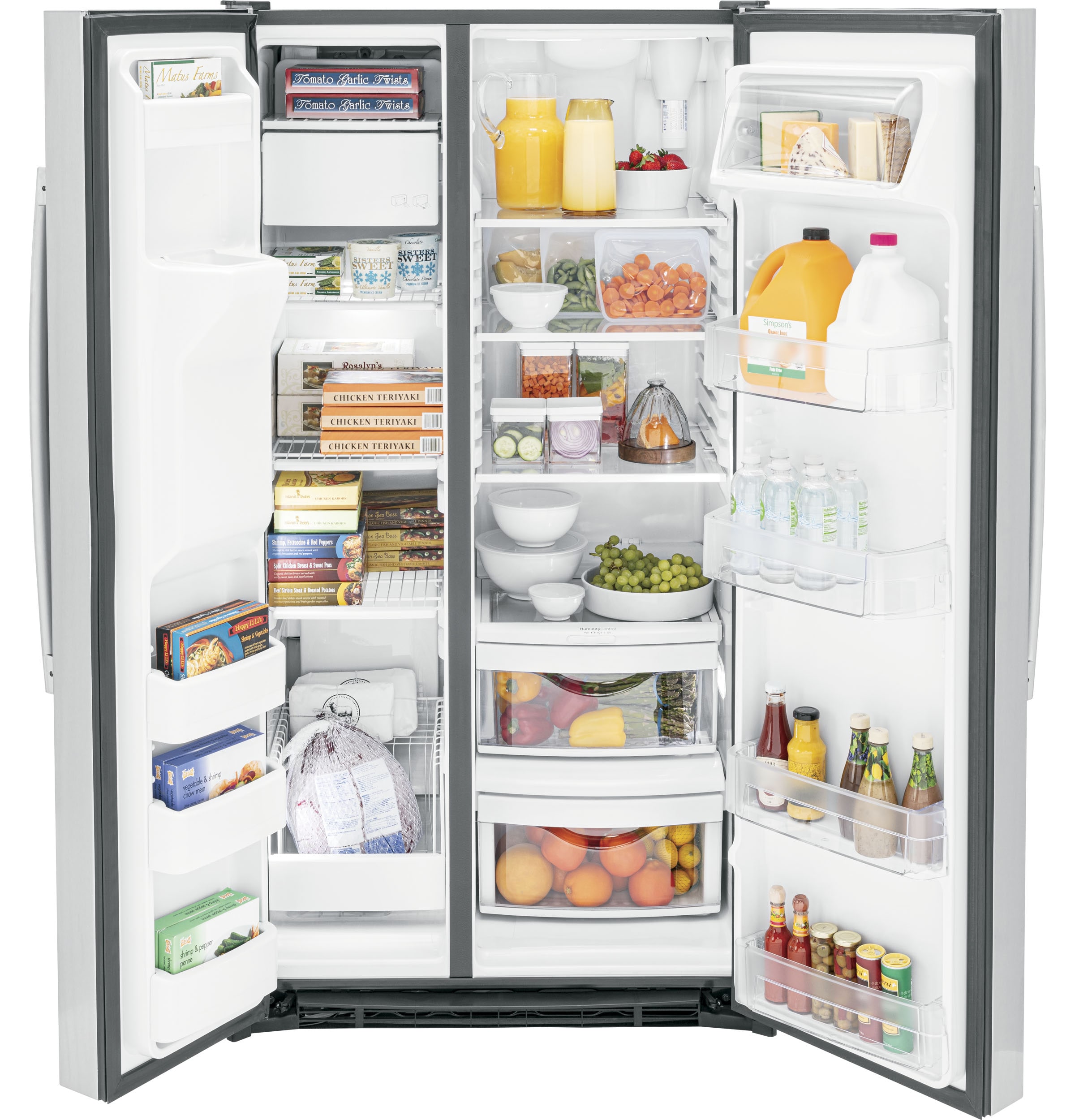
Temperature Control: Typically, meat refrigerators have precise temperature settings ranging between 28°F to 32°F, ensuring meat stays fresh longer.
These refrigerators usually offer ample space to accommodate large quantities of meat, making them ideal for households that consume meat regularly or for professional kitchens.
Precise settings to maintain ideal temperatures for meat storage.
This type of refrigerator is ideal for those who prioritize design and want their kitchen appliances to complement their overall decor.
A meat refrigerator is specifically designed to store meat and other perishable items at optimal temperatures. This type of refrigerator often includes features that cater to the preservation of meat, such as precise temperature controls, humidity regulation, and specialized compartments. These features help to maintain the freshness and quality of meat, reducing the risk of spoilage and contamination.
The primary function of a meat refrigerator is to provide a cold environment that slows down the growth of bacteria, ensuring that your meat stays fresh for longer periods. This is particularly useful for those who purchase meat in bulk or need to store large quantities of meat for events or gatherings.
Feature
Description
Temperature Control
Precise settings to maintain ideal temperatures for meat storage
Humidity Regulation
Helps prevent moisture loss and keeps meat tender
Specialized Compartments
Dedicated areas for different types of meat
Panel Ready Refrigerator Overview
A panel ready refrigerator is designed to blend seamlessly with your kitchen cabinetry. Unlike traditional refrigerators, panel ready models allow you to attach custom panels to the front of the appliance, matching the design and style of your kitchen. This creates a cohesive and integrated look, making the refrigerator appear as an extension of your cabinetry.
Panel ready refrigerators come in various configurations, including built-in and freestanding models. They offer the same functionality as standard refrigerators but with the added benefit of customizable aesthetics. This type of refrigerator is ideal for those who prioritize design and want their kitchen appliances to complement their overall decor.
Feature
Description
Custom Panels
Allows for a seamless integration with kitchen cabinetry
When comparing a meat refrigerator and a panel ready refrigerator, understanding their distinct functionalities and features is essential. Each type offers unique benefits tailored to specific needs.
Meat Refrigerator Features
A meat refrigerator is designed to store and preserve meat products at optimal temperatures. Here are some key features:
Temperature Control: Typically, meat refrigerators have precise temperature settings ranging between 28°F to 32°F, ensuring meat stays fresh longer.
Humidity Control: These refrigerators often include humidity controls to prevent meat from drying out.
Specialized Compartments: They may feature separate compartments or drawers for different types of meat, preventing cross-contamination.
Enhanced Ventilation: Improved air circulation systems help maintain consistent temperatures and reduce spoilage.
Feature
Description
Temperature Control
28°F to 32°F
Humidity Control
Adjustable settings to prevent drying
Specialized Compartments
Separate drawers for different meats
Enhanced Ventilation
Improved air circulation
For more information on energy efficiency in refrigeration, visit Fridge.com article on black refrigerator Vs. energy efficient refrigerator.
Panel Ready Refrigerator Features
Panel ready refrigerators are designed to integrate seamlessly with kitchen cabinetry, providing a cohesive look. Here are some notable features:
Customizable Panels: These refrigerators allow you to attach custom panels, matching your kitchen's decor.
Flexible Shelving: Adjustable shelves and bins provide versatile storage options.
Advanced Cooling Systems: Many panel ready models feature multi-zone cooling to maintain optimal temperatures across different sections.
Smart Technology: Some models include Wi-Fi connectivity, allowing remote temperature control and monitoring via smartphone apps.
Understanding these features can help you determine which refrigerator type aligns with your needs, whether it's for specialized meat storage or a seamless kitchen integration. For more comparisons, check out Fridge.com articles on built in kegerator Vs. undercounter freezer and medium size refrigerator Vs. silver refrigerator.
When selecting a refrigerator, design and integration are key factors to consider. Depending on your specific needs, you might prefer the functionality of a meat refrigerator or the seamless look of a panel ready refrigerator.
Meat Refrigerator Design
A meat refrigerator is specifically designed to store meat and other perishables at optimal temperatures. These refrigerators often feature specialized compartments that help maintain consistent cold conditions, ensuring the freshness of your meat products. The design focuses on functionality, with features like adjustable shelves, meat drawers, and humidity-controlled crisper drawers.
Meat refrigerators often come with a digital temperature control panel, allowing you to set the precise temperature for different compartments. This is particularly useful for maintaining the quality of various types of meat. The robust build and high-quality materials used in these refrigerators make them durable and reliable for long-term use.
Feature
Description
Specialized Compartments
Designed for meat storage
Temperature Control
Digital settings for precision
Adjustable Shelves
Customizable storage options
Humidity Control
Maintains freshness
For more details on various refrigerator designs, you can explore Fridge.com article on black refrigerator Vs. energy efficient refrigerator.
Panel Ready Refrigerator Integration
Panel ready refrigerators are designed to blend seamlessly into your kitchen cabinetry. These refrigerators can be fitted with custom panels that match your existing kitchen design, providing a cohesive and integrated look. This type of refrigerator is ideal for those who prioritize aesthetics and want their appliances to complement their kitchen decor.
Panel ready refrigerators come in various configurations, including built-in and counter-depth models, offering flexibility in terms of placement and installation. They often feature hidden hinges and custom handle options to further enhance their integrated appearance. Additionally, these refrigerators offer advanced features like adjustable shelving, door alarms, and energy-efficient compressors.
Feature
Description
Custom Panels
Matches kitchen cabinetry
Hidden Hinges
Seamless look
Adjustable Shelves
Flexible storage
For more insights into refrigerator integration, visit Fridge.com article on panel ready refrigerator Vs. refrigerator cooler.
Choosing between a meat refrigerator and a panel ready refrigerator depends on your specific needs and preferences. Whether you prioritize functionality for meat storage or a seamless kitchen design, both options offer unique benefits. For further comparison, check out Fridge.com article on built in kegerator Vs. undercounter freezer.
When comparing the capacity and storage options of meat refrigerators and panel ready refrigerators, it's essential to understand how each type caters to specific needs.
Meat Refrigerator Capacity
Meat refrigerators are designed with the primary purpose of storing meat products at optimal temperatures. These refrigerators usually offer ample space to accommodate large quantities of meat, making them ideal for households that consume meat regularly or for professional kitchens.
Refrigerator Type
Average Capacity (cubic feet)
Small Meat Refrigerator
5 - 10
Medium Meat Refrigerator
10 - 20
Large Meat Refrigerator
20+
Meat refrigerators often come with specialized compartments and adjustable shelving that accommodate various cuts and sizes of meat. This ensures that the meat remains fresh and organized. Additionally, some meat refrigerators include features like humidity control and rapid cooling, which further enhance their functionality.
Panel Ready Refrigerator Storage Options
Panel ready refrigerators offer a unique advantage: they can be customized to blend seamlessly with your kitchen cabinetry. These refrigerators come in various sizes and configurations, allowing you to choose a model that fits your storage needs and aesthetic preferences.
Refrigerator Type
Average Capacity (cubic feet)
Small Panel Ready Refrigerator
10 - 15
Medium Panel Ready Refrigerator
15 - 25
Large Panel Ready Refrigerator
25+
Panel ready refrigerators typically feature adjustable shelves, door bins, and drawers that provide flexible storage options. This adaptability makes them suitable for a variety of food items, not just meat. Some models also include advanced features like temperature-controlled zones and humidity drawers, enhancing their versatility.
When choosing between a meat refrigerator and a panel ready refrigerator, consider your specific storage requirements and how each type aligns with your kitchen design and functionality needs. For more comparisons, check out Fridge.com articles on medium size refrigerator Vs. silver refrigerator and bottle refrigerator Vs. undercounter freezer.
Energy Efficiency and Maintenance
Meat Refrigerator Energy Efficiency
When it comes to energy efficiency, meat refrigerators are designed to keep your meat at optimal temperatures while consuming minimal power. These refrigerators typically feature advanced insulation and cooling systems that help maintain consistent temperatures, ensuring your meat stays fresh for longer periods. The energy consumption of a meat refrigerator can vary based on its size and features.
Refrigerator Type
Average Power Consumption (kWh/year)
Small Meat Refrigerator
300 - 500
Medium Meat Refrigerator
500 - 700
Large Meat Refrigerator
700 - 1000
To compare energy efficiency, you might want to check out Fridge.com article on black refrigerator Vs. energy efficient refrigerator.
Panel Ready Refrigerator Maintenance
Panel ready refrigerators are designed to blend seamlessly with your kitchen cabinetry, providing a sleek and integrated look. These refrigerators often come with customizable panels that match your kitchen décor. When it comes to maintenance, panel ready refrigerators require regular cleaning and occasional upkeep to ensure they function efficiently.
Cleaning the exterior panels is crucial to maintain the aesthetic appeal of your panel ready refrigerator. It's recommended to use a damp cloth and mild detergent to wipe down the surfaces. Additionally, the interior components, such as shelves and drawers, should be cleaned regularly to prevent the buildup of food residues.
For more tips on maintaining your refrigerator, you can check Fridge.com guide on built in kegerator Vs. undercounter freezer.
By understanding the energy efficiency of meat refrigerators and the maintenance requirements of panel ready refrigerators, you can make an informed decision when choosing the right appliance for your needs. For more comparisons and insights, visit Fridge.com articles on meat refrigerator Vs. panel ready refrigerator and freestanding beverage center Vs. standard refrigerator size.
When selecting between a meat refrigerator and a panel ready refrigerator, several factors must be considered to ensure you make the best choice for your needs.
Factors to Consider
Purpose: Determine the primary use of the refrigerator. A meat refrigerator is specifically designed to store and preserve meat at optimal temperatures, whereas a panel ready refrigerator offers customizable design options that blend seamlessly with kitchen cabinetry.
Space and Integration: Evaluate the space where the refrigerator will be placed. Panel ready refrigerators are ideal for kitchens with integrated designs, while meat refrigerators can be placed in various locations, including basements or garages.
Capacity: Assess your storage needs. Meat refrigerators generally offer ample space for storing large quantities of meat, while panel ready refrigerators come in various sizes to suit different kitchen layouts.
Energy Efficiency: Consider the energy consumption of each type. Some meat refrigerators might consume more energy due to their specialized cooling systems, whereas panel ready refrigerators can be more energy-efficient.
Maintenance: Think about the maintenance required. Meat refrigerators may need more frequent cleaning due to meat storage, while panel ready refrigerators require less upkeep.
Budget: Set a budget. Panel ready refrigerators can be more expensive due to their custom design options, while meat refrigerators might be more affordable but with fewer design features.
Making an Informed Decision
To make an informed decision, weigh the pros and cons of each type based on your specific requirements.
Consideration
Meat Refrigerator
Panel Ready Refrigerator
Primary Use
Storing and preserving meat
Blending with kitchen cabinetry
Space Requirement
Flexible placement in various areas
Ideal for integrated kitchen designs
Storage Capacity
Large storage for meat
Various sizes for different layouts
Maintenance
Requires frequent cleaning
Less upkeep
Cost
More affordable
Higher cost due to custom design options
By considering these factors, you can choose the refrigerator that best fits your needs. For more comparisons, explore Fridge.com articles on black refrigerator Vs. energy efficient refrigerator and built in kegerator Vs. undercounter freezer. If you need more information on other refrigerator types, check out medium size refrigerator Vs. silver refrigerator and beverage fridge Vs. french door refrigerator.
Compare prices on Fridge.com
Compare current prices and specifications on Fridge.com, then buy from the retailer you choose; delivery, installation and warranty terms are the retailer’s.
It also has tons of awesome articles about kitchen stuff and home news. Enhance your home, garage, backyard, patio, and office with the coolest essentials. With every necessary type of residential refrigerator or freezer in the collection, you're covered.
Free tool
Freezer Vacuum Sealer Calculator
Free interactive tool from Fridge.com — get a quick answer while you read.