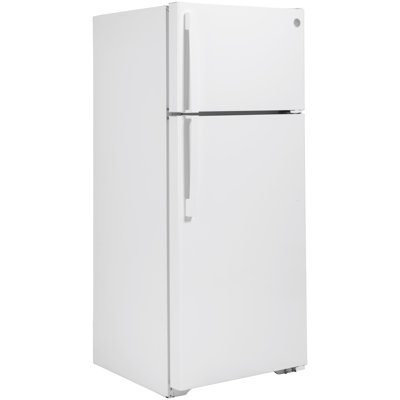
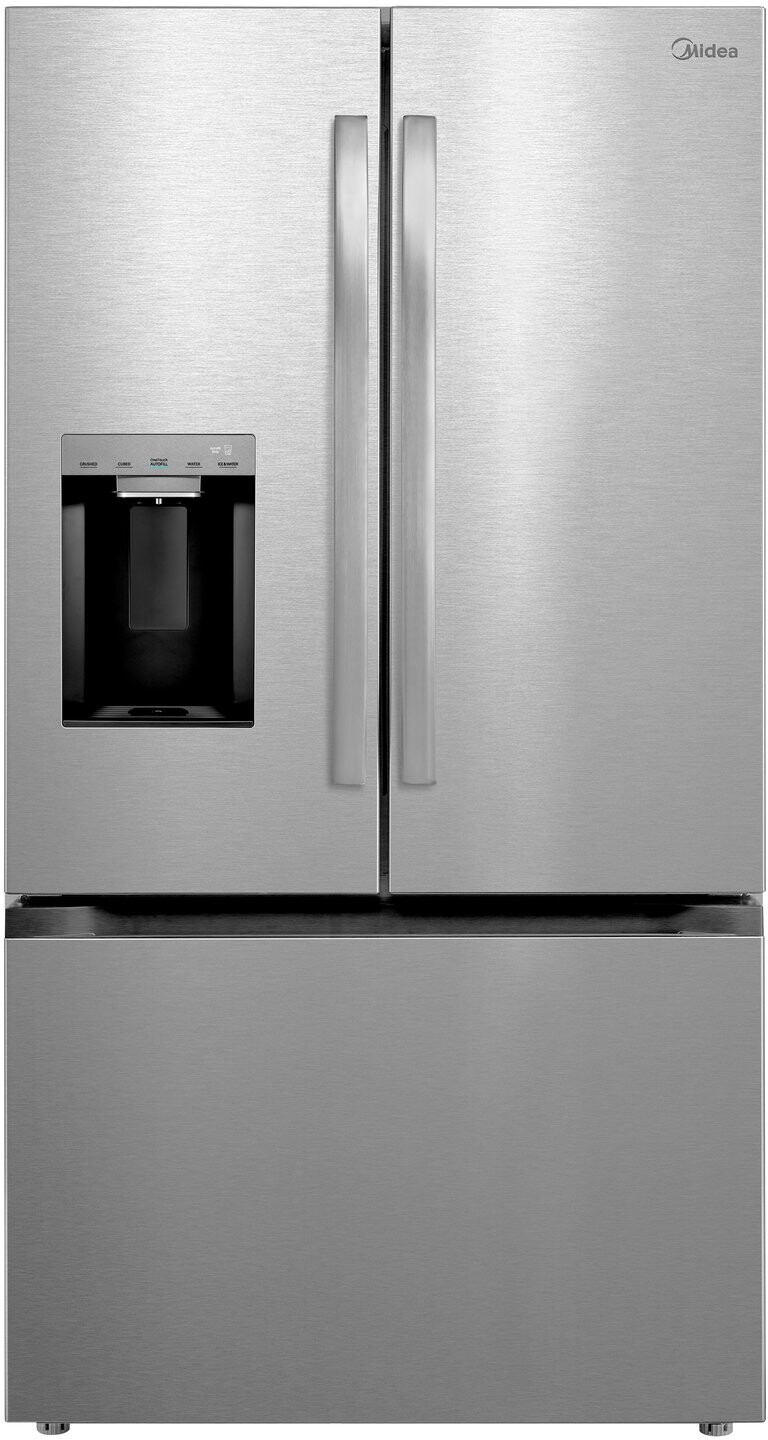
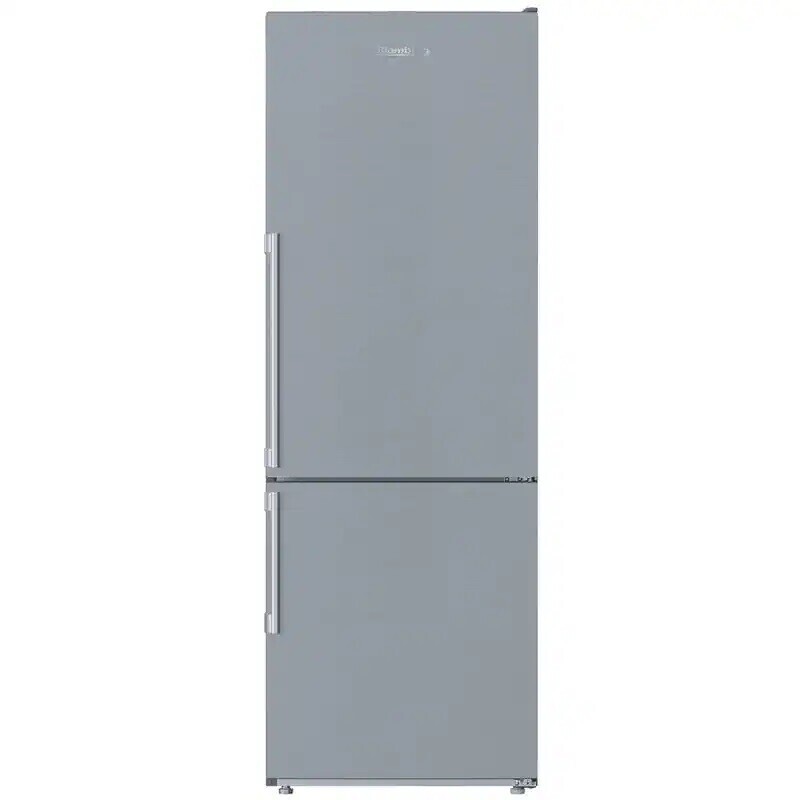
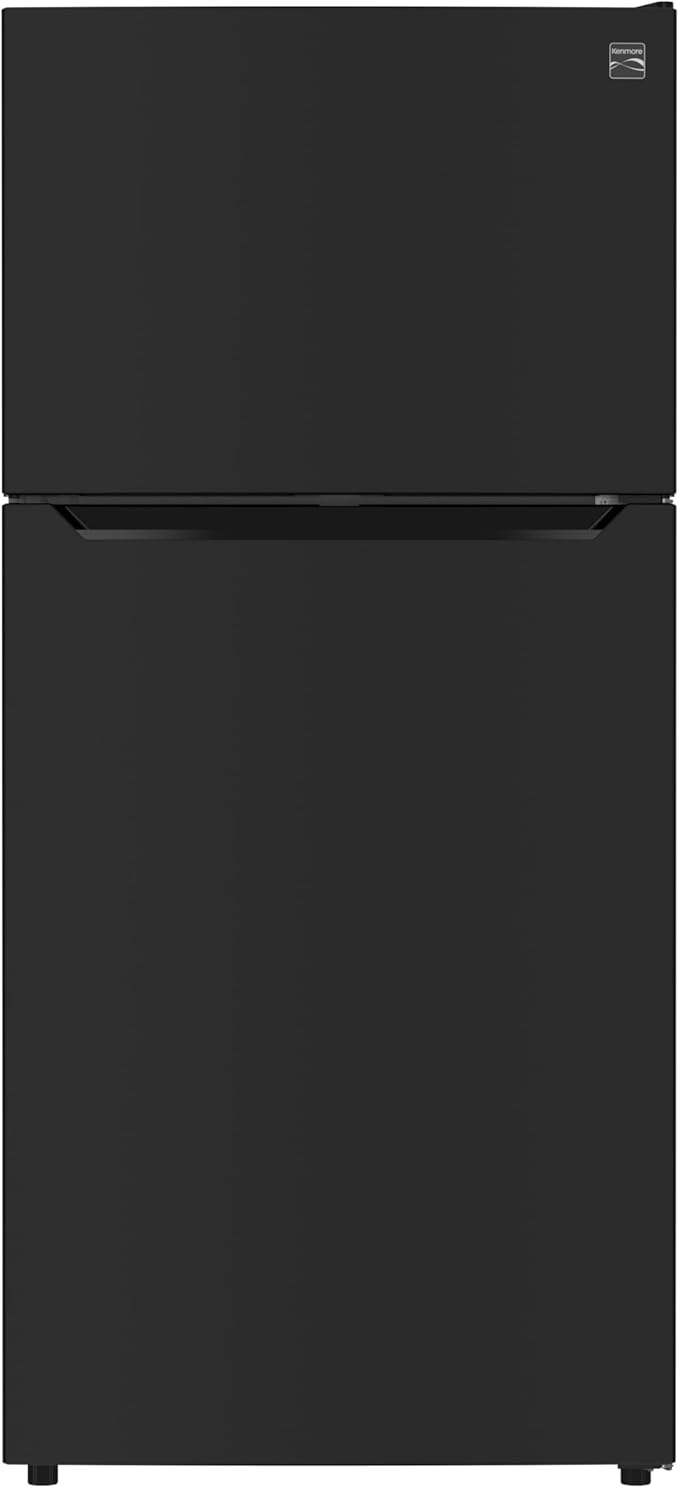
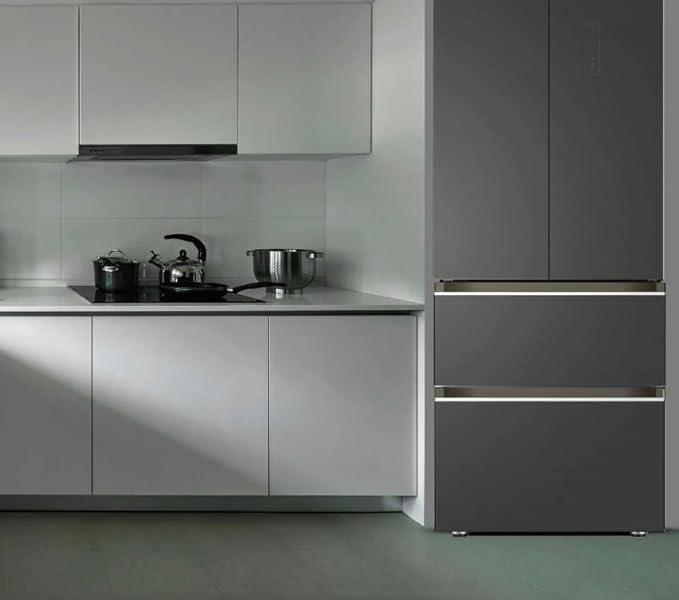
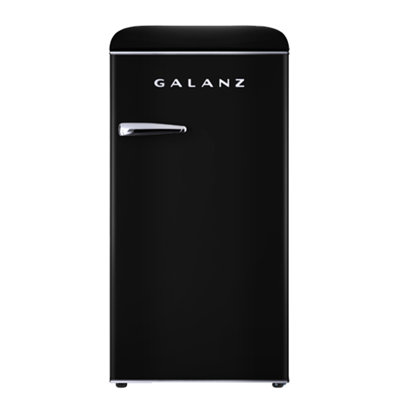
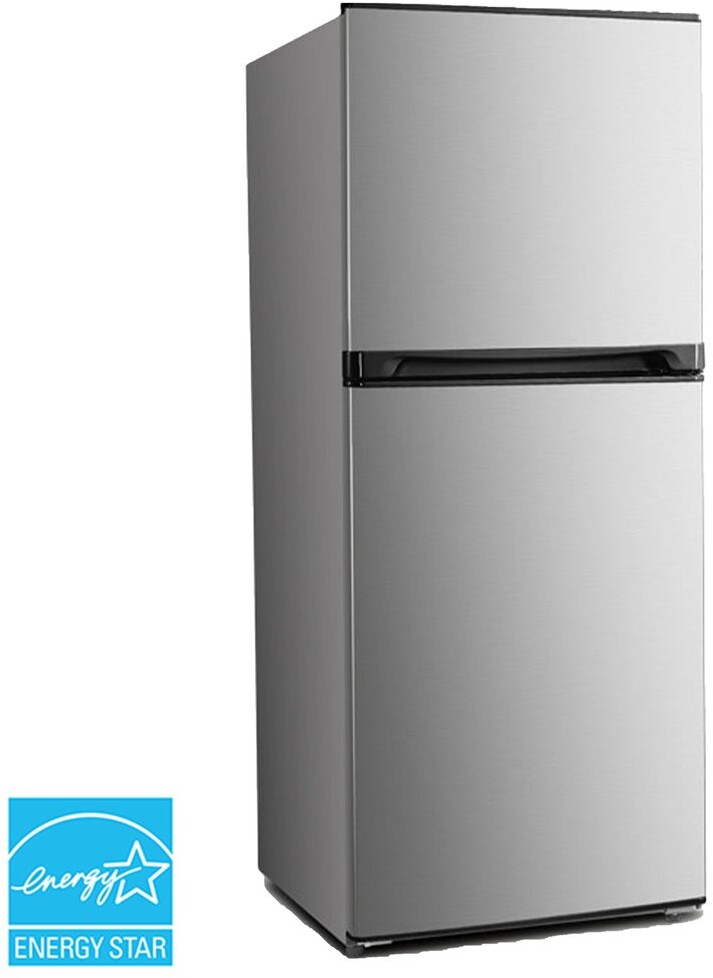
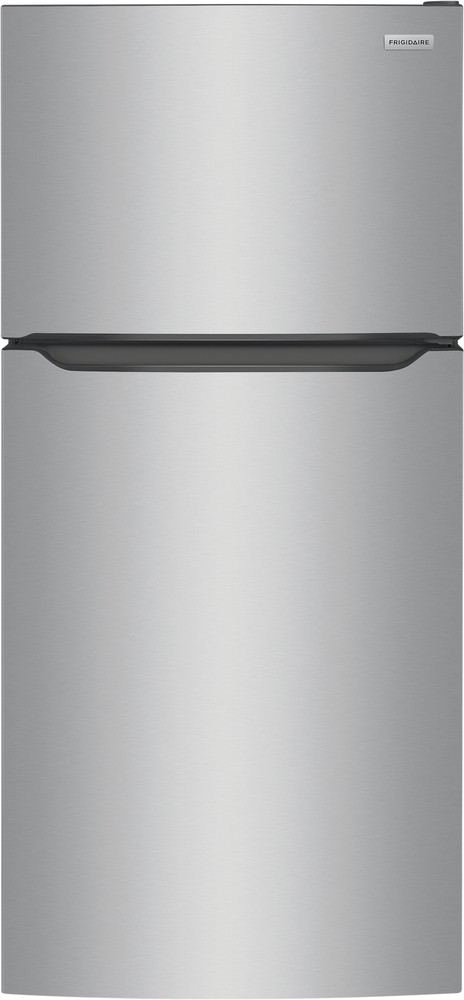
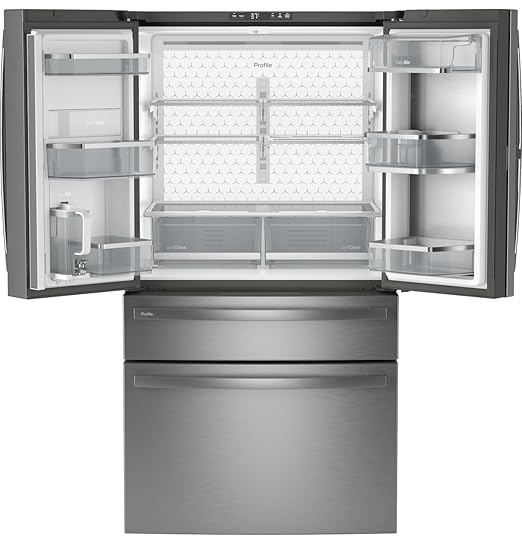
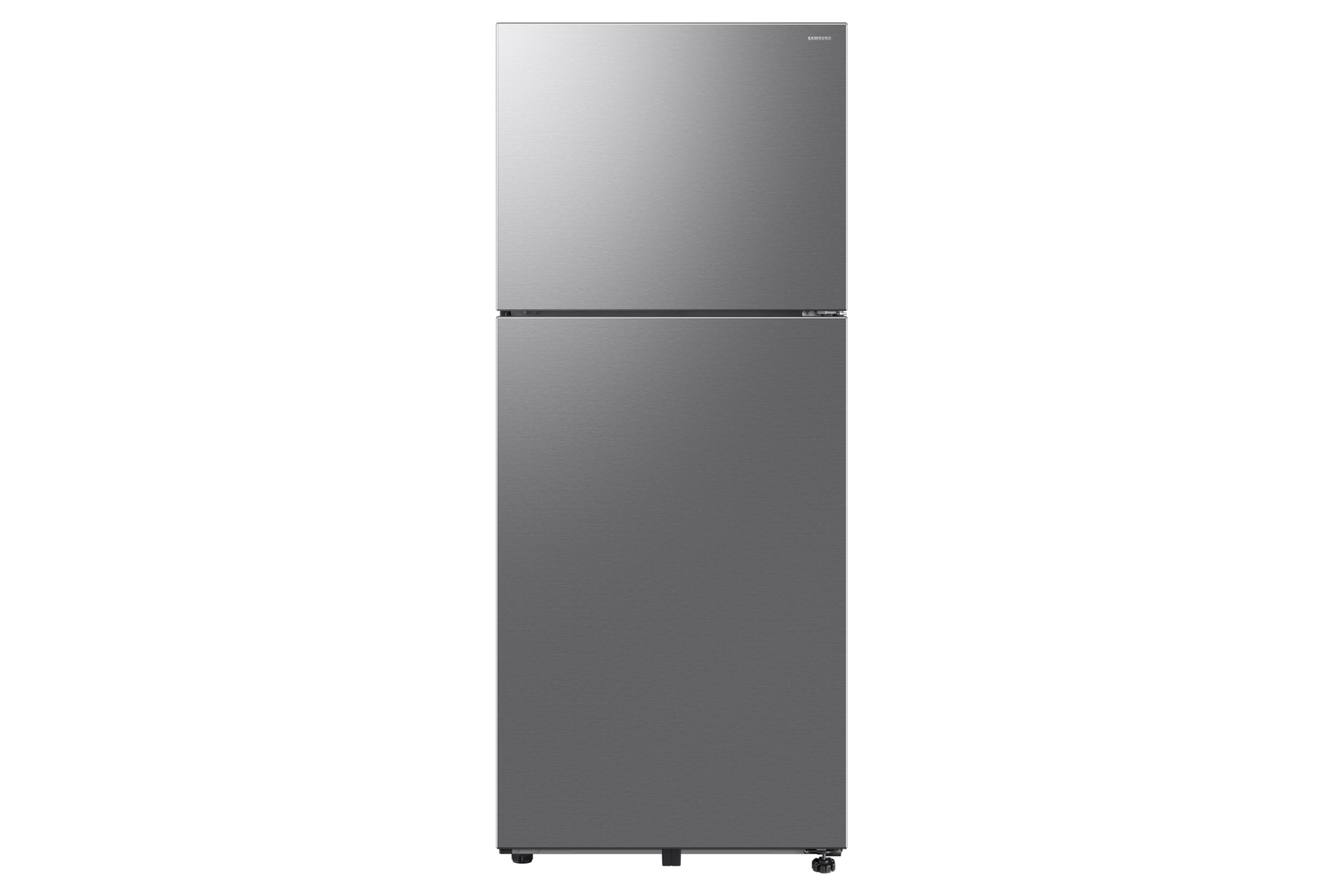
They typically stand at about 70 inches in height and offer a range of functionalities to accommodate your food preservation needs.
Undercounter Coolers: Space-saving options that fit under kitchen counters, ideal for storing beverages or as an additional cooling space.
Apartment size refrigerators offer several features and benefits that make them ideal for smaller spaces:.
With larger shelf space, produce bins, and door storage, you have the flexibility to organize and store a significant amount of groceries, which is ideal for families or those who enjoy entertaining.
Refrigerators are an integral part of modern life, providing the necessary climate to preserve the freshness of perishable goods and extend their shelf life. Choosing the right refrigerator can have a significant impact on your day-to-day living, particularly when it comes to kitchen space, energy efficiency, and food storage needs.
The Role of Refrigerators in Everyday Life
You rely on refrigerators to keep your food and beverages chilled and safe for consumption. They are essential for storing leftovers, keeping produce crisp, and ensuring that dairy, meats, and other perishables remain at safe temperatures. Beyond preservation, refrigerators play a key role in meal planning and can influence your eating habits by providing space for ready-to-eat meals and healthy snacks.
Understanding Different Types of Refrigerators
There's a wide array of refrigerators to choose from, each with its own set of features and benefits. Here's a brief overview of some common types:
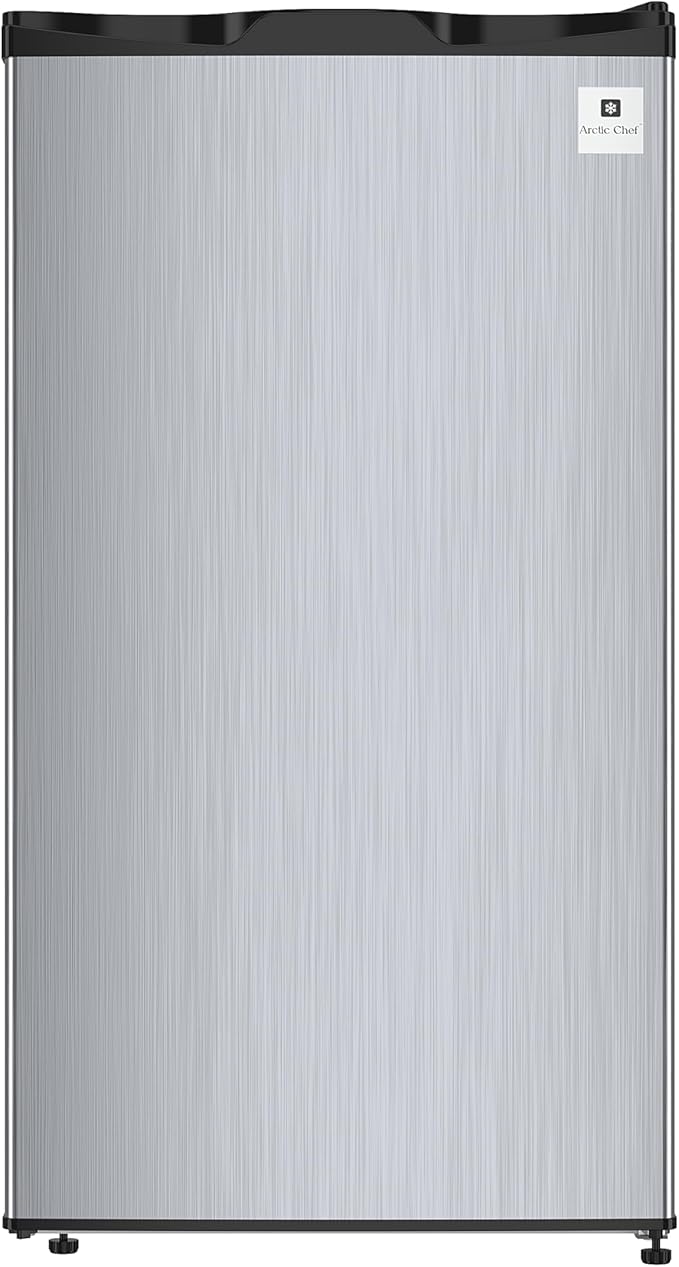
Apartment Size Refrigerators: Compact units designed to fit in small kitchens or studio apartments without sacrificing functionality.
Tall Refrigerators: Full-sized models offering ample storage space, suitable for family homes or individuals who frequently entertain guests.
Column Refrigerator and Freezers: Offering complete customization, these units can be installed separately for a tailored kitchen layout.
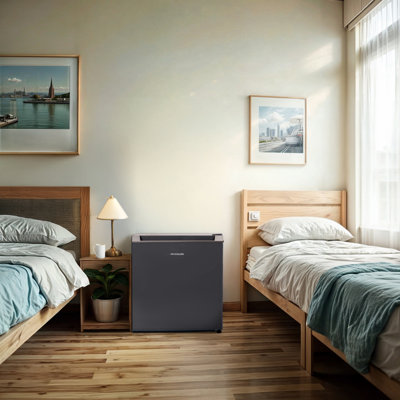
Undercounter Coolers: Space-saving options that fit under kitchen counters, ideal for storing beverages or as an additional cooling space.
Convertible Refrigerators: Versatile models that can switch between fridge and freezer modes, adapting to your changing needs.
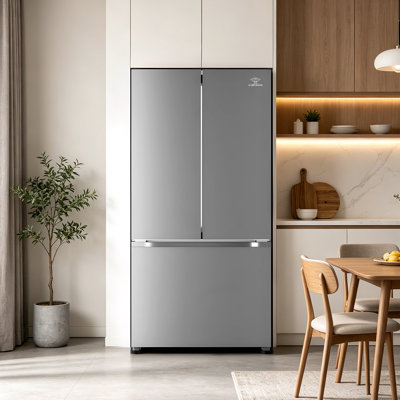
French Door Refrigerators: Stylish and spacious, with side-by-side fridge doors and a bottom freezer for easy access.
In this article, Fridge.com will focus on comparing apartment size refrigerators vs. tall refrigerators, helping you understand their unique attributes and find the best fit for your space and lifestyle. Whether you're outfitting a cozy city apartment or a sprawling suburban home, knowing the distinctions between these two refrigerator types is key to making an informed decision.
Apartment size refrigerators are designed to fit seamlessly into smaller living spaces. These compact units provide functionality and efficiency without occupying the floor space a larger model would require.
Features and Benefits of Apartment Size Refrigerators
Apartment size refrigerators offer several features and benefits that make them ideal for smaller spaces:
Space Efficiency: Their compact footprint makes them a perfect fit for apartments, condos, and other areas where space is at a premium.
Cost-Effectiveness: Generally, they are less expensive than their full-size counterparts, making them an economical choice.
Energy Savings: Due to their smaller size, they often consume less electricity, which can lead to lower utility bills.
Mobility: These refrigerators are easier to move, which is especially beneficial for renters or those who relocate frequently.
Sufficient Storage: Despite their size, many models are designed to maximize internal storage with clever shelving and in-door compartments.
Considerations for Choosing an Apartment Size Refrigerator
When selecting an apartment size refrigerator, consider the following factors to ensure it meets your needs:
Capacity: Assess your food storage requirements. An individual or a couple may find an apartment size refrigerator quite sufficient, while a larger family might need additional storage space.
Dimensions: Measure your available space carefully, including height, width, and depth, to ensure a proper fit.
Layout and Design: Look for adjustable shelving and storage options that can accommodate a variety of food items.
Energy Efficiency: Opt for models with good energy ratings to save on electricity costs. You can learn more about energy efficiency comparisons in Fridge.com article on energy efficient refrigerator vs. mini fridge freezer.
Noise Level: Consider the operational noise, especially in open-plan living areas or studios where noise could be disruptive.
Additional Features: Some apartment refrigerators come with features like reversible doors, automatic defrost, and even frost-free options.
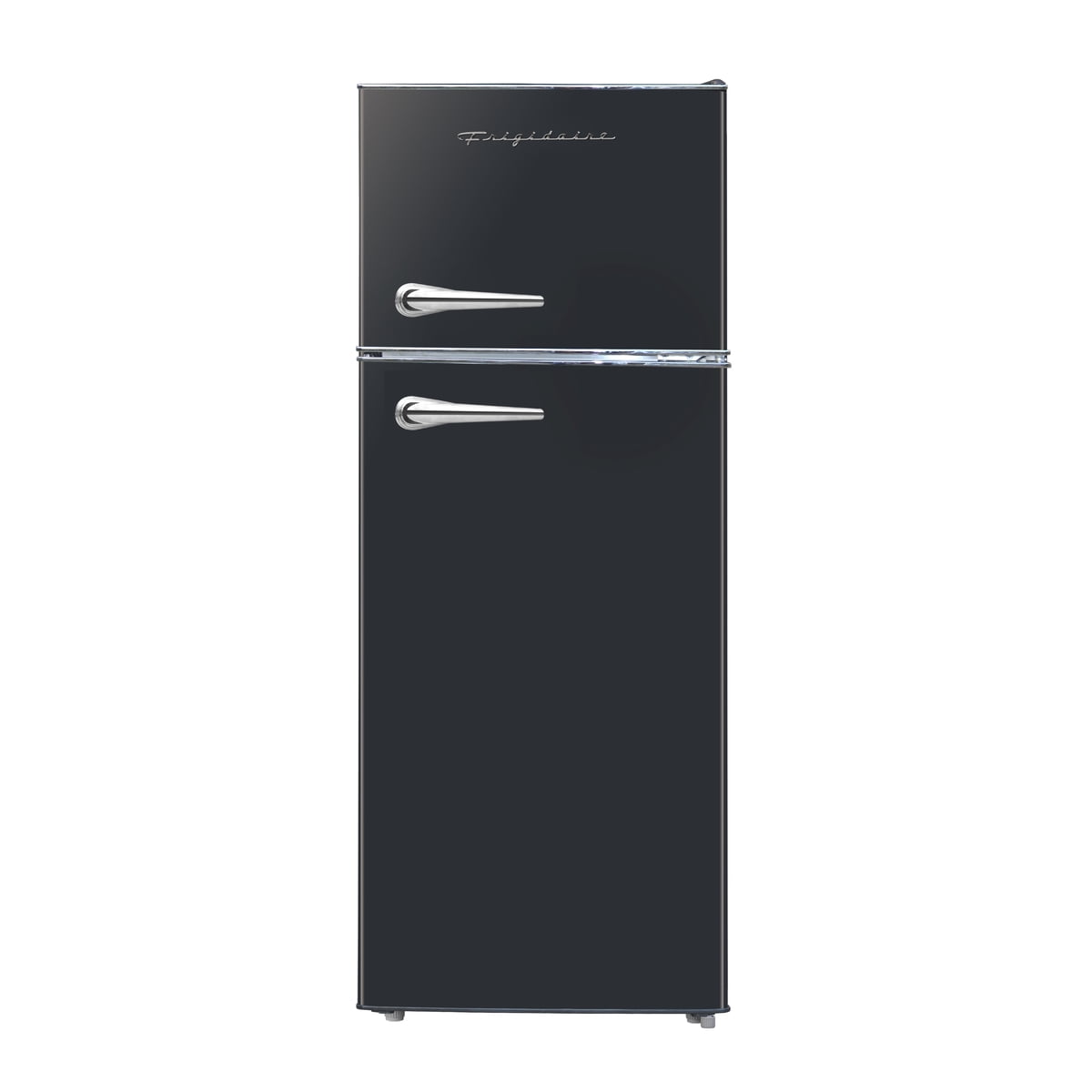
Tall refrigerators, often referred to as full-size or standard refrigerators, are known for their ample storage capacity and variety of features. They typically stand at about 70 inches in height and offer a range of functionalities to accommodate your food preservation needs.
The primary benefit of a tall refrigerator is its size and the consequent storage it provides. With larger shelf space, produce bins, and door storage, you have the flexibility to organize and store a significant amount of groceries, which is ideal for families or those who enjoy entertaining.
Feature
Benefit
Ample shelving
Allows for organization of various food items and containers
Larger freezer compartment
Provides more space for frozen goods
Advanced cooling technology
Ensures even temperature distribution to keep food fresh
Water and ice dispensers
Offers convenience and encourages hydration
Smart features
May include Wi-Fi connectivity, temperature control, and more
Another advantage is the range of designs and finishes available, allowing these refrigerators to fit seamlessly into any kitchen decor. From stainless steel to modern panel-ready options, there's a style to match every preference.
When considering a tall refrigerator, you can also look into models with innovative food preservation features such as dual cooling systems, which maintain optimal humidity levels for both the fridge and freezer compartments. These features help to extend the freshness of your perishables, providing value over time.
For further information on how tall refrigerators compare with other types, such as column or mini-fridge freezers, you can refer to Fridge.com comparison of column refrigerator freezer vs. mini fridge freezer.
Considerations for Choosing a Tall Refrigerator
When selecting a tall refrigerator, it's crucial to consider not only the features but also how it will fit into your lifestyle and kitchen space. Here are some key considerations:
Consideration
Description
Size and fit
Ensure the refrigerator fits within your kitchen space, accounting for door swing and ventilation clearance.
Storage needs
Consider the amount of storage required for your household's weekly groceries and whether specialized compartments are necessary.
Noise level
Check the noise rating if the refrigerator will be placed in an open-plan area or near living spaces.
Budget
Determine your price range and consider the long-term savings from energy-efficient models.
Remember that a tall refrigerator usually comes with a higher energy consumption due to its size, so it's beneficial to look for energy-efficient models. Understanding Energy Star ratings can help you make an informed decision regarding long-term cost savings.
Additionally, consider the layout of your kitchen and whether a tall refrigerator will enhance the workflow. The placement should provide easy access to ingredients while cooking and should integrate well with other appliances.
When selecting a refrigerator, capacity and storage configurations are among the most critical considerations. The choice between an apartment size refrigerator and a tall refrigerator will significantly impact how much you can store and organize your food items.
Comparing Storage Capacity in Apartment Size and Tall Refrigerators
Apartment size refrigerators are typically designed for smaller living spaces and have a smaller footprint. While their storage capacity is less than that of tall refrigerators, they can still adequately meet the needs of a small household or someone living alone.
Refrigerator Type
Average Capacity (cubic feet)
Apartment Size Refrigerator
7 to 14
Tall Refrigerator
20 to 28
Tall refrigerators, on the other hand, offer more storage space and are better suited for larger households or those who like to stock up on groceries. They come with more shelf space and can accommodate larger items, making them ideal for families or regular entertainers.
Understanding Shelf and Drawer Configurations
Shelves and drawers in refrigerators are not just about the number, but also about their adjustability, material, and design. Both apartment size and tall refrigerators come with a variety of shelf and drawer configurations that allow for customization based on your storage needs.
Apartment size refrigerators often feature adjustable shelving to maximize the available space. Glass shelves are common as they are easy to clean and allow you to see through to the items below. These refrigerators typically come with a crisper drawer to keep fruits and vegetables fresh, and some models may include additional door storage for condiments and bottles.
Refrigerator Type
Shelf Material
Drawer Type
Apartment Size Refrigerator
Glass/Plastic
Crisper Drawer
Tall Refrigerator
Glass/Plastic/Wire
Multiple Crisper Drawers, Deli Drawer
Tall refrigerators offer a broader range of storage options, often including multiple crisper drawers, a deli or meats drawer with adjustable temperature settings, and sometimes, a specially designed beverage compartment. The shelving in tall refrigerators is typically adjustable and can be either glass or wire, with some models offering spill-proof shelves to contain leaks and simplify cleanup.
In both types of refrigerators, door bins play a crucial role in storage. Tall refrigerators have the advantage of offering more door bin space, which can often accommodate gallon-sized containers.
When considering a refrigerator for your living space, whether it's for a compact apartment or a spacious home, it's essential to evaluate how the storage capacity and configurations will align with your food storage habits and space requirements. Consider the types and quantities of food you typically store, as well as your organizational preferences, to determine which refrigerator configuration will work best for you.
Energy Efficiency
When considering a refrigerator for your living space, energy efficiency is a critical factor. Whether you opt for an apartment size refrigerator or a tall refrigerator, understanding how each impacts your energy consumption and utility bills is important.
Evaluating Energy Efficiency in Apartment Size vs. Tall Refrigerators
Apartment size refrigerators, due to their compact size, generally consume less energy than their taller counterparts. They are designed for smaller spaces and have a reduced capacity, which typically means they require less power to operate. Here are some average energy consumption figures to consider:
Refrigerator Type
Average Annual Energy Consumption (kWh)
Apartment Size Refrigerator
300 - 400
Tall Refrigerator
500 - 800
However, it's not just the size that affects energy efficiency. The model, insulation, and features like automatic defrost can also play a role. When selecting a refrigerator, it's beneficial to compare the energy consumption of different models. You can often find this information on the manufacturer's label or in the product description.
Energy Star ratings are a reliable way to gauge the energy efficiency of refrigerators. Appliances carrying the Energy Star label meet strict energy efficiency guidelines set by the U.S. Environmental Protection Agency. An Energy Star certified refrigerator can use up to 15% less energy than non-certified models.
Energy Star Rating
Expected Energy Savings
Certified
Up to 15% less energy than standard models
Not Certified
Standard energy consumption
When comparing an apartment size refrigerator vs. tall refrigerator, look for the Energy Star label to ensure you're getting a model that conserves energy without sacrificing performance. Alongside the savings on your energy bills, choosing an energy-efficient refrigerator can also contribute to reducing your carbon footprint.
Remember, the most energy-efficient refrigerator is one that fits your needs and lifestyle without wasting resources. Considering both the size of the refrigerator and its Energy Star rating will help you make a choice that is both eco-friendly and economical.
Design and aesthetics play a significant role in the selection of a refrigerator, as it not only serves as a functional appliance but also contributes to the overall look and feel of your living space.
Comparing Design Options for Apartment Size and Tall Refrigerators
Apartment size refrigerators are designed to fit in smaller spaces, presenting a compact and space-efficient solution. They often have a sleek and minimalistic look to blend into the kitchen subtly. On the other hand, tall refrigerators offer a more commanding presence, often serving as the focal point of a kitchen design.
Refrigerator Type
Design Characteristics
Apartment Size
Compact, space-saving, simple lines
Tall Refrigerator
Larger, more prominent, potentially more finish options
When considering apartment size refrigerator vs. tall refrigerator, you'll notice that apartment size models may have fewer external features, but manufacturers have optimized the interior layout for maximum storage efficiency. In contrast, tall refrigerators may offer a wider range of external features and finishes, such as water and ice dispensers or a French door design.
Integrating Refrigerators into Different Spaces
Whether you live in an apartment, condo, or house, integrating a refrigerator into the kitchen or other spaces should be done with consideration to aesthetics and functionality. Apartment size refrigerators can be a perfect match for smaller apartments, condos, and even as a secondary fridge in a garage or office. Their compact size allows for more flexible placement and can be particularly useful in unconventional or multi-use spaces.
Tall refrigerators are typically suited for larger kitchens in homes, where they can be built into cabinetry for a seamless look. For a more custom appearance, panel-ready options allow the appliance to be covered with a panel that matches the kitchen cabinetry. Conversely, a standalone tall refrigerator can make a striking statement piece, especially in designs such as black stainless steel or with a glass door feature.
When planning your space, consider the following:
The overall style and theme of your kitchen or space
The color scheme and how the refrigerator's finish will complement or contrast it
The layout and whether the refrigerator doors will have enough clearance
The size and scale of the refrigerator in relation to other elements in the room
Ultimately, whether you opt for an apartment size or tall refrigerator, aligning the design with the aesthetics of your space will create a cohesive and inviting environment. If you're looking for additional insights on how to choose the right refrigerator for your space, explore Fridge.com comparisons like undercounter beverage cooler vs. upright refrigerator and small refrigerator vs. upright freezer to inform your decision.
Compare prices on Fridge.com
Compare current prices and specifications on Fridge.com, then buy from the retailer you choose; delivery, installation and warranty terms are the retailer’s.
It also has tons of awesome articles about kitchen stuff and home news. Enhance your home, garage, backyard, patio, and office with the coolest essentials. With every necessary type of residentialrefrigeratoror freezer in the collection, you're covered.
From Fridge.com research
Figures below come from data Fridge.com builds and maintains. Each links to the record behind it.
Fridge.com Energy Index, built on U.S. EPA and DOE ENERGY STAR records
Across 5,455 ENERGY STAR certified refrigerators and freezers from 263 brands, median use is 360 kWh per year.