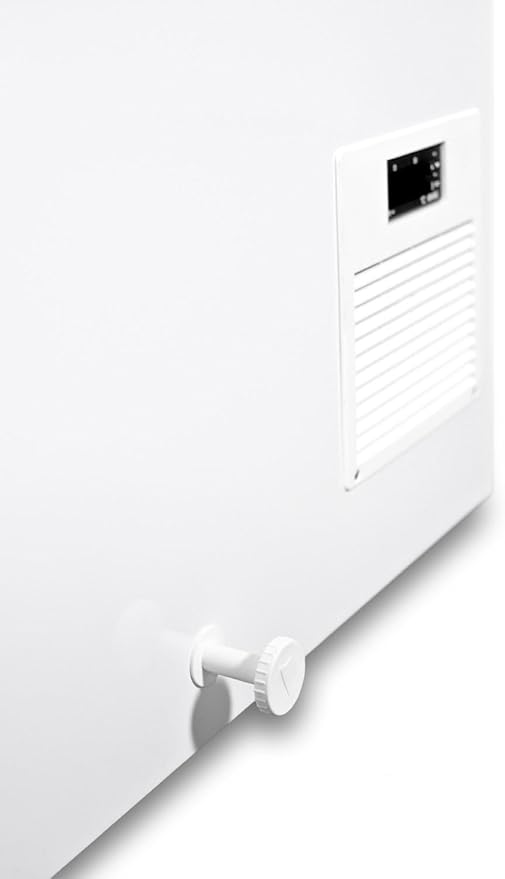
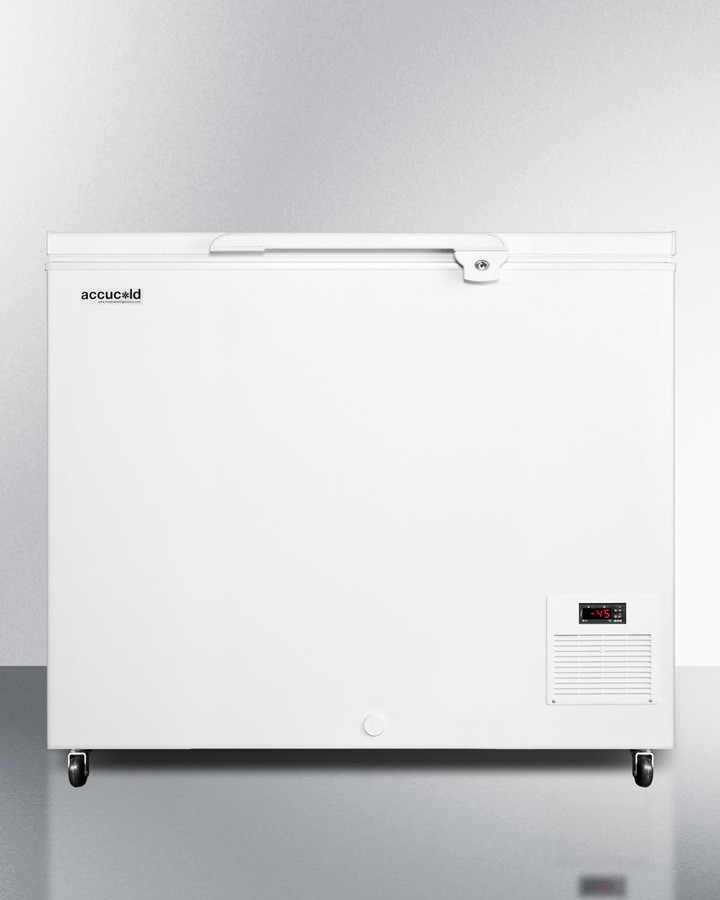
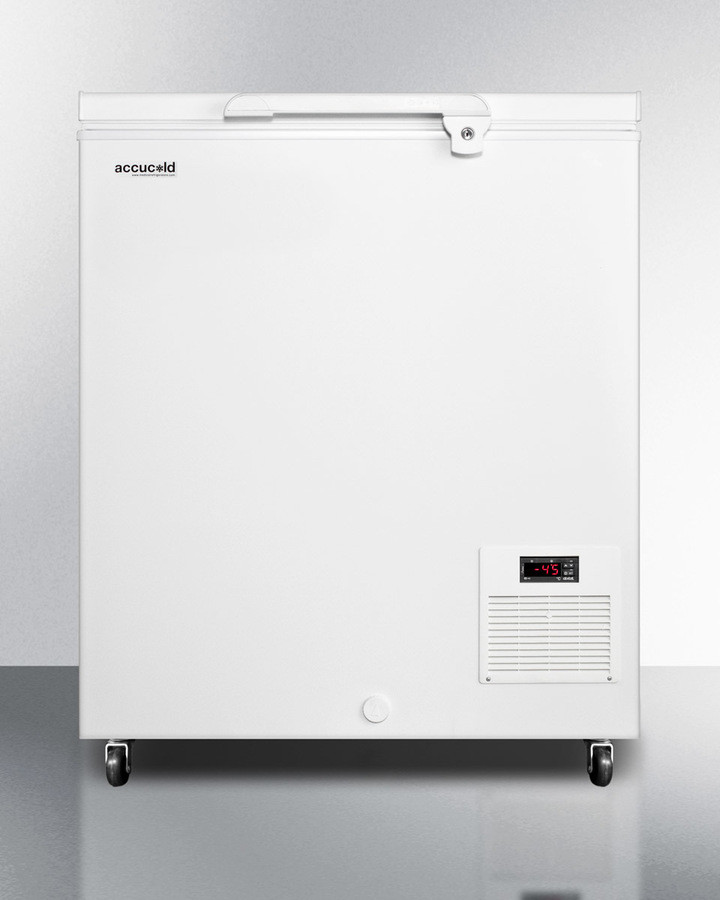
When it comes to temperature control, these units generally have a basic thermostat that allows for temperature adjustments, typically ranging from 0°F to -8°F.
Freezer coolers are typically designed for temporary use and portability, which means they may not always be as energy-efficient as their stationary counterparts.
The noise level of a freezer cooler typically ranges from 35 to 45 decibels, similar to the sound of a quiet conversation at home.
It's ideal for those who require the mobility of a cooling device, whether for road trips, camping, or outdoor events.
When you're in the market for additional cold storage, you might be considering a freezer cooler or a small chest freezer. Both options offer unique benefits and could be the perfect solution depending on your space, needs, and lifestyle.
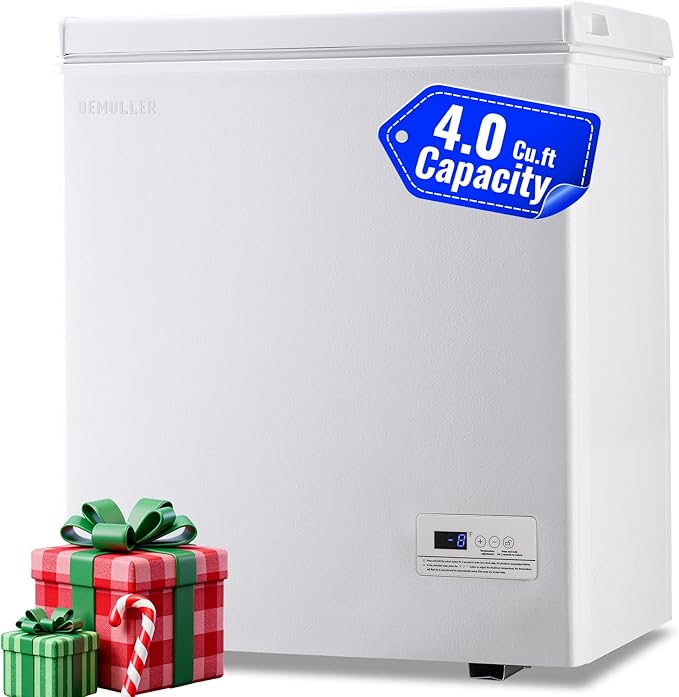
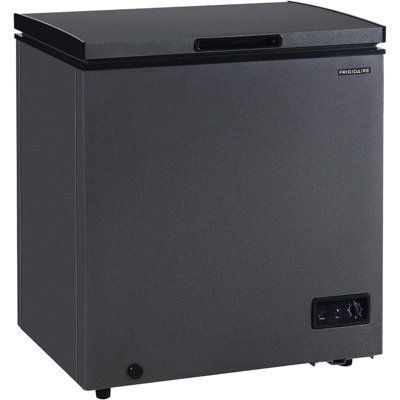
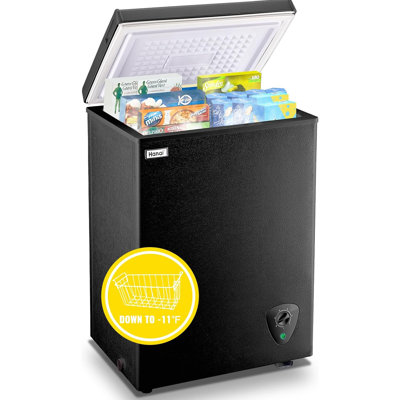
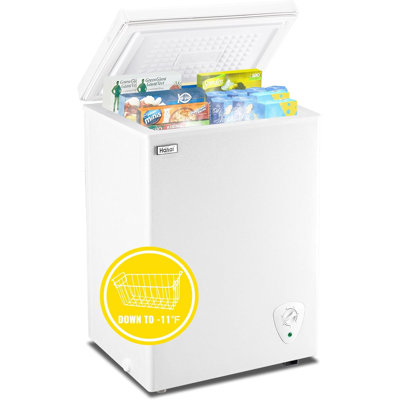
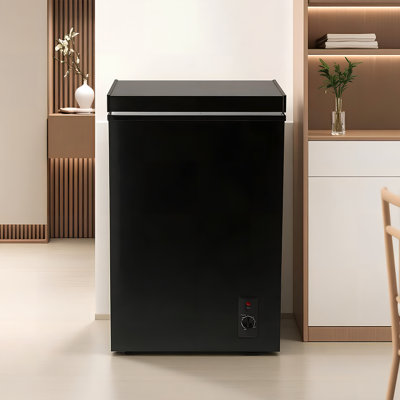
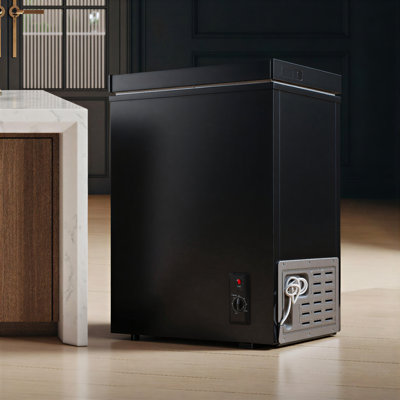
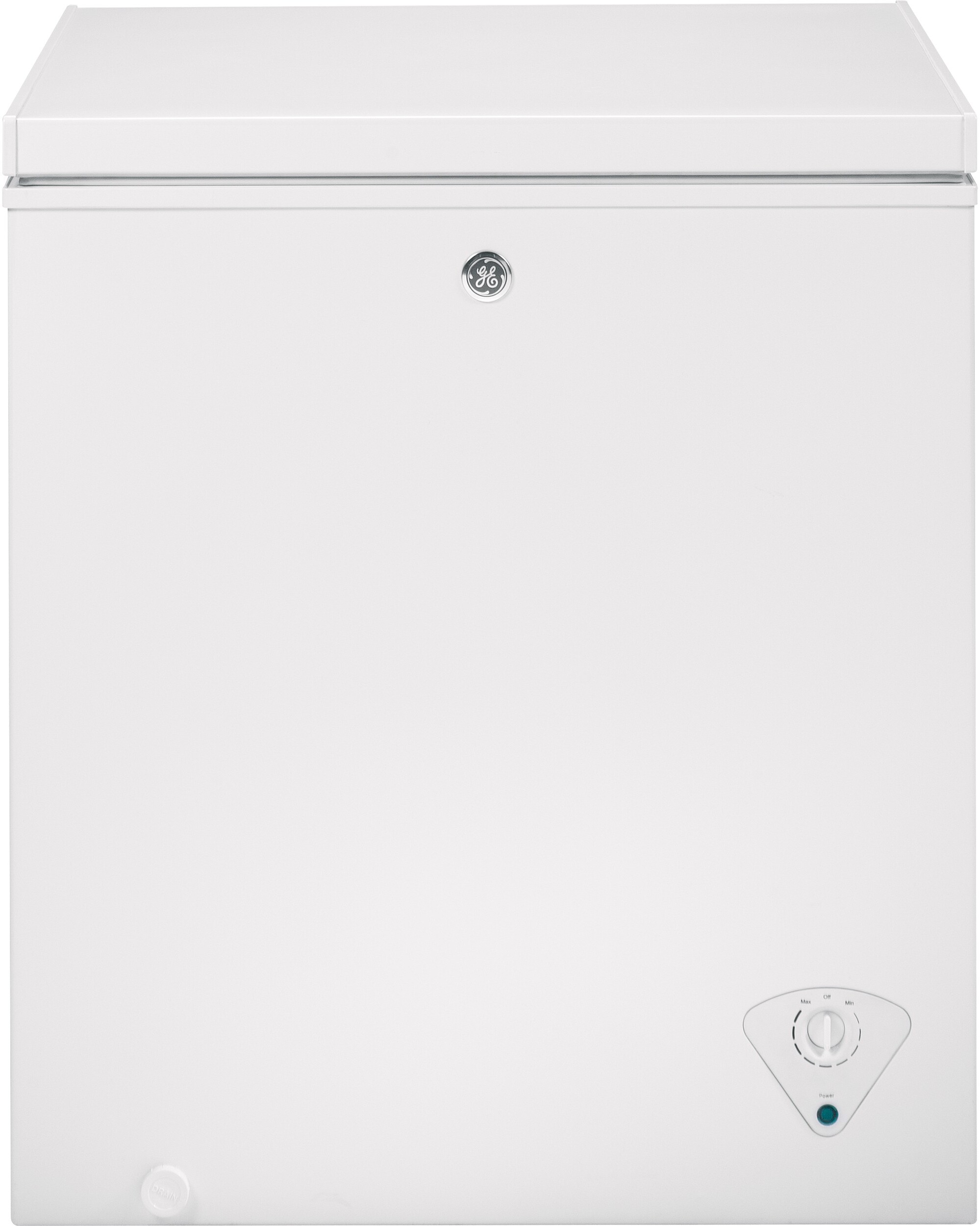
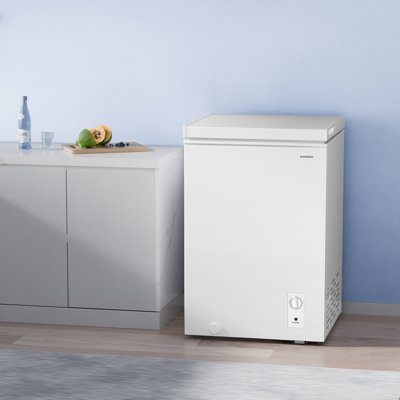
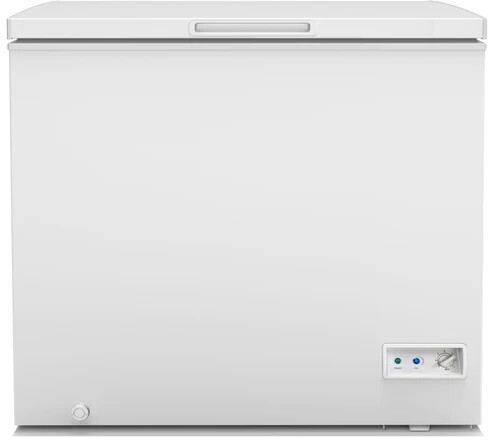
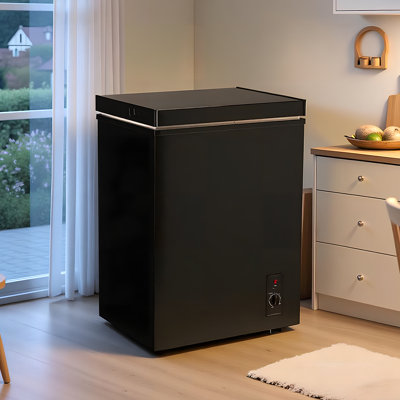
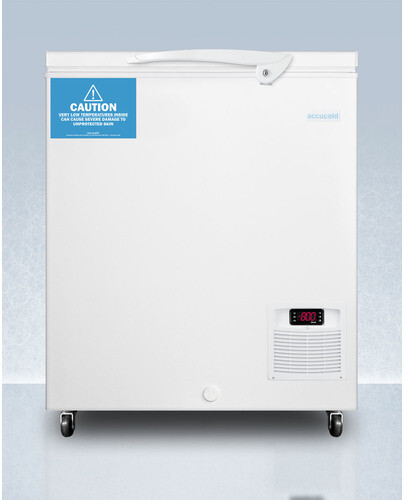
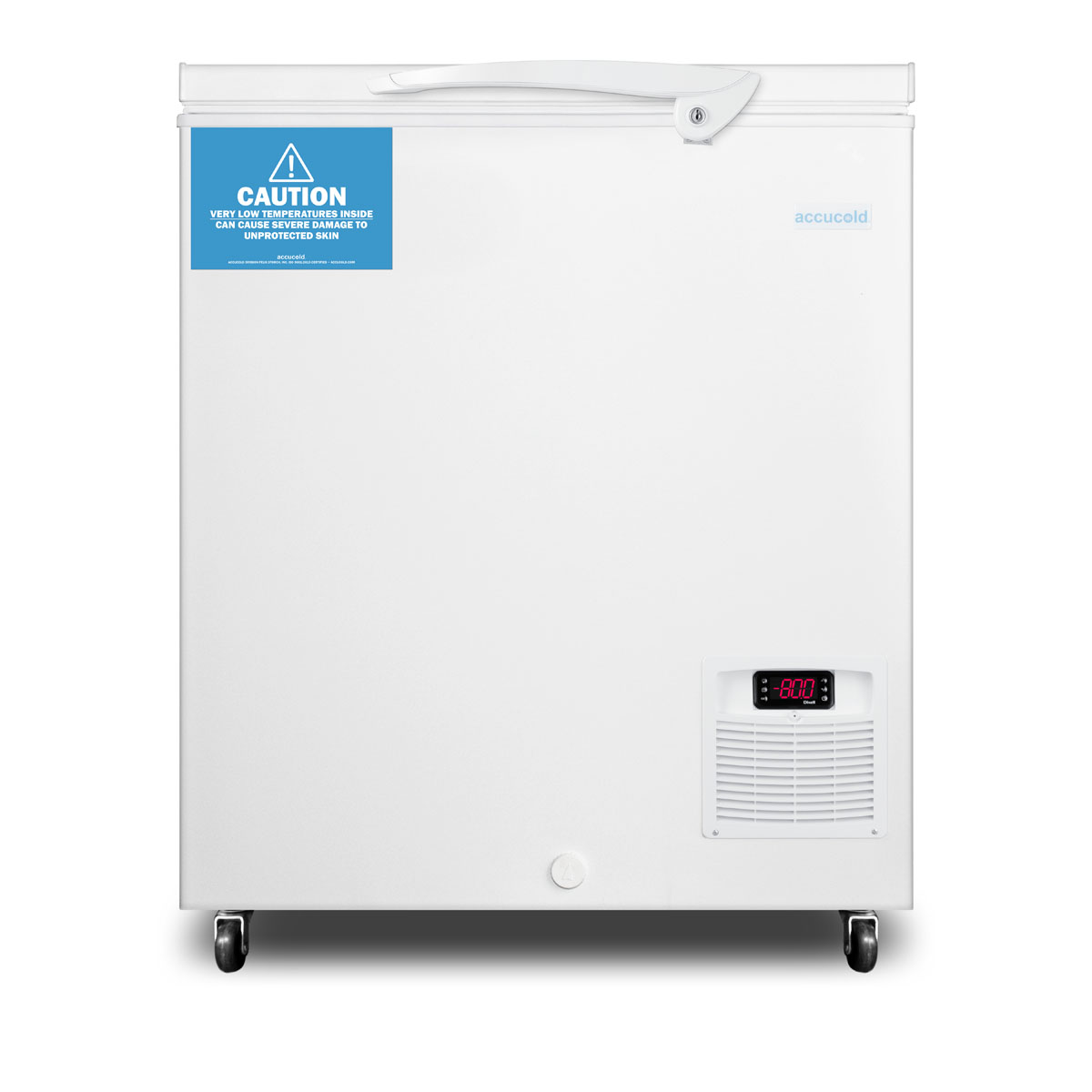
A freezer cooler, sometimes referred to as a portable freezer, is a versatile and compact option that you can easily move around. It's ideal for those who require the mobility of a cooling device, whether for road trips, camping, or outdoor events. On the other hand, a small chest freezer is a stationary unit designed to be placed in a garage, basement, or utility room, providing a larger storage capacity than most freezer coolers.
The primary differences between a freezer cooler and a small chest freezer lie in their capacity, temperature control, storage organization, portability, energy efficiency, noise levels, and maintenance requirements. While a freezer cooler offers convenience and portability, a small chest freezer typically affords greater storage space and more efficient long-term freezing capabilities, which can be more suitable for households needing to store larger quantities of frozen goods.
Understanding your specific requirements will guide you towards the right choice. For example, if you live in a small apartment and need to maximize space, a freezer cooler could be more appropriate. Conversely, if you're part of a larger household or you bulk-buy frozen items, a small chest freezer may better satisfy your needs.
By understanding the distinctions between a freezer cooler and a small chest freezer, you can make an informed decision that aligns with your requirements for food preservation, available space, and personal preferences. Whether you opt for the portability of a freezer cooler or the expanded capacity of a small chest freezer, ensuring you have the right fit will enhance your ability to organize and store your frozen goods effectively.
Capacity and Size
When comparing a freezer cooler with a small chest freezer, two critical factors to consider are capacity and size. These attributes will largely determine how the appliance fits into your living space and how well it serves your freezing needs.
Freezer Cooler Capacity and Size
Freezer coolers are compact and designed for portability, offering a convenient solution for supplemental freezing capacity. They are especially suitable for spaces like apartments, condos, or offices, where space is at a premium.
Here's a quick overview of the typical capacity and size range for freezer coolers:
Capacity (Cubic Feet)
Width (Inches)
Height (Inches)
Depth (Inches)
1.1 - 2.5
17 - 24
19 - 33
18.5 - 20
These dimensions are indicative and can vary based on the design and model. Freezer coolers may fit conveniently under a counter or desk, making them a versatile option for keeping extra items frozen without requiring too much space. For a closer comparison of space-saving options, you might explore undercounter beverage cooler vs. upright refrigerator.
Small Chest Freezer Capacity and Size
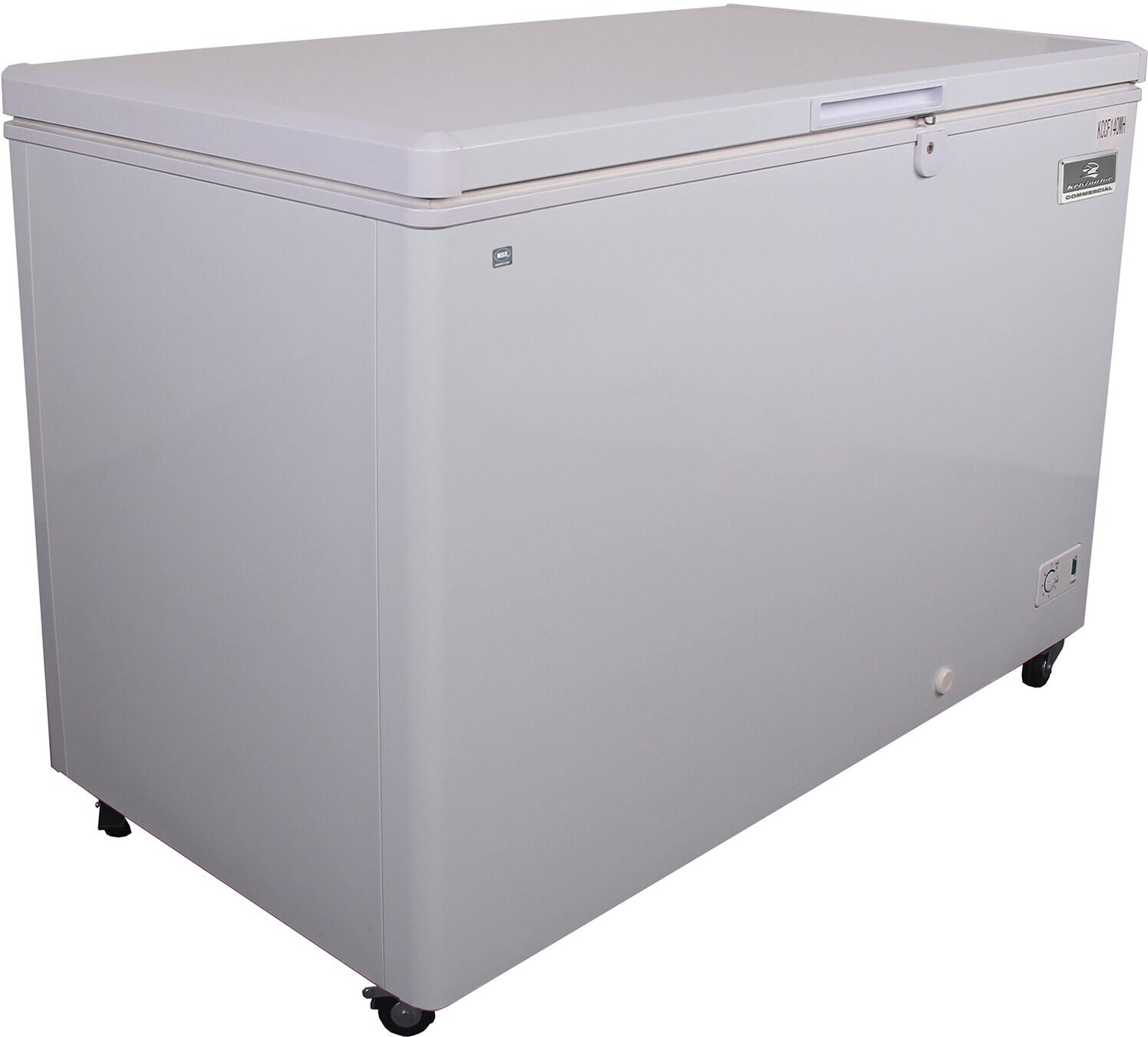
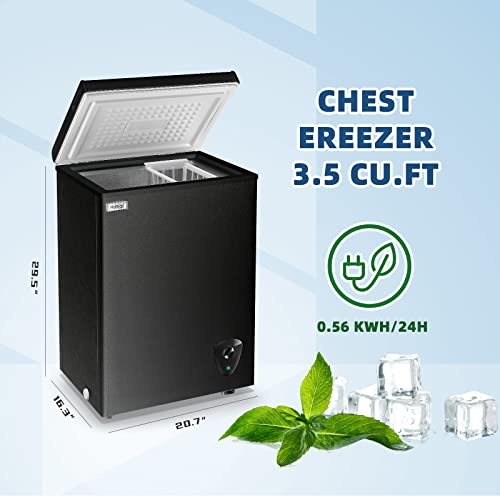
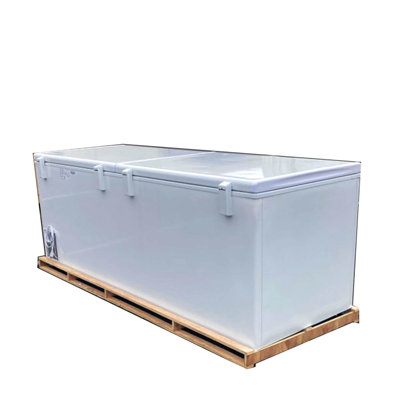
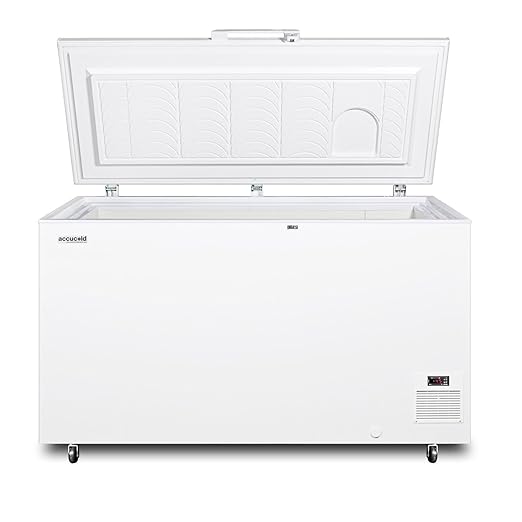
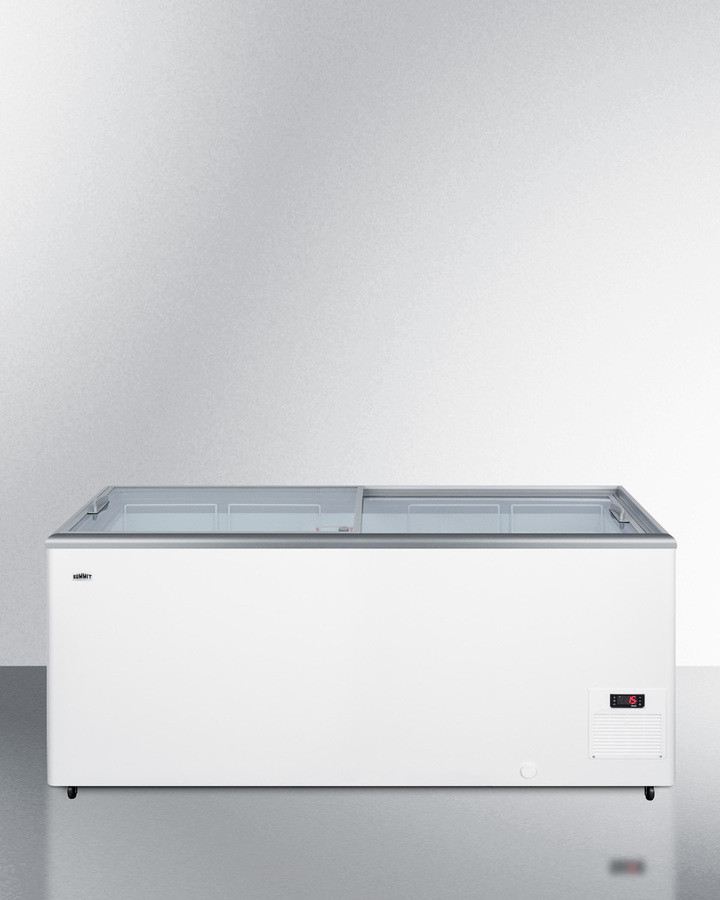
Small chest freezers, on the other hand, offer a more substantial freezing solution. They are generally utilized in homes or for commercial purposes where a higher capacity is necessary but space constraints still exist.
Here's a table highlighting a general range for small chest freezer dimensions:
Capacity (Cubic Feet)
Width (Inches)
Height (Inches)
Depth (Inches)
3.5 - 7
22 - 39
33 - 36
22 - 25
These measurements provide more room for bulk storage, making small chest freezers a great choice for families, those who entertain frequently, or for storing larger quantities of food. They fit well in garages, basements, or utility rooms. For additional insights on how these dimensions compare to other appliances, consider reviewing garage freezer vs. medium size refrigerator.
It's essential to assess your storage needs and available space before deciding between a freezer cooler and a small chest freezer. Each has its advantages in terms of capacity and size, and the best choice will depend on your specific circumstances and requirements.
Freezer coolers are designed with a focus on portability and convenience, offering you the flexibility to keep items frozen while on the move. When it comes to temperature control, these units generally have a basic thermostat that allows for temperature adjustments, typically ranging from 0°F to -8°F.
The cooling efficiency of freezer coolers is dependent on their insulation and the external environment. Since they're often used in various locations, including outdoor settings, they are constructed to provide adequate insulation to maintain steady temperatures.
Here's a basic overview of temperature control features you might find in a freezer cooler:
Feature
Description
Adjustable Thermostat
Allows setting specific temperatures within the cooler's range
Insulation Quality
Influences the retention of cold air and efficiency
External Temperature Influence
Can impact the internal temperature stability
It is essential to pre-chill your items before placing them in the freezer cooler to ensure optimal cooling efficiency. For tips on maintaining the right temperature in your cooling devices, consider reading about energy efficient refrigerator vs. mini fridge freezer.
Small Chest Freezer Temperature Control
Small chest freezers, often found in homes or small businesses, offer a more stable and enduring solution for freezing needs. They typically feature a more precise temperature control system, with the capability to maintain temperatures ranging from 0°F to -20°F or lower, making them suitable for long-term storage of frozen goods.
The cooling efficiency in small chest freezers is higher than that of portable freezer coolers due to better insulation and a static environment. They are designed to keep a consistent temperature, which is crucial for preserving food quality and safety.
Highlighted below are some temperature control characteristics you might encounter with small chest freezers:
Feature
Description
Precise Thermostat
Enables fine-tuning of internal temperatures
Insulation
Superior insulation to maintain consistent temperatures
Lid Seal
Prevents cold air from escaping, enhancing efficiency
Regularly defrosting and maintaining your small chest freezer can aid in optimal temperature control and efficiency. For guidance on storing and organizing your frozen goods effectively, you might find interest in small refrigerator vs. upright freezer.
Understanding the temperature control and cooling efficiency of both freezer coolers and small chest freezers will help you make an informed decision based on your specific needs, be it for travel, outdoor activities, or efficient home storage. Each option offers distinct advantages, and considering these factors will ensure that your perishables are preserved appropriately.
When evaluating your cold storage solutions, it's important to consider how each option accommodates your organizational needs. The way you plan to store your items could greatly influence whether you choose a freezer cooler or a small chest freezer.
Freezer Cooler Storage Features
Freezer coolers typically offer a compact and convenient solution for storing a limited amount of items. Many models come with built-in shelves or baskets that help you organize your goods efficiently. These can be especially useful for separating different types of food or for quick access to frequently used items.
Below is a table illustrating common storage features found in freezer coolers:
Feature
Benefit
Removable Baskets
Allows for flexible arrangement and easy cleaning.
Adjustable Shelves
Provides versatility for items of varying sizes.
Door Storage
Offers additional space for smaller items.
Lock and Key
Keeps contents secure, especially useful for communal spaces.
When choosing a freezer cooler, you should consider how its storage features align with your needs. For instance, if you require easy access to frozen goods or prefer a modular setup, a freezer cooler may be ideal. For more comparison on storage options, see Fridge.com article on column refrigerator freezer vs. mini fridge freezer.
Small Chest Freezer Storage Features
Small chest freezers, in contrast, provide a more spacious environment that's well-suited for bulk storage. The horizontal layout allows for stacking and organization of larger quantities of food. Some chest freezers come with sliding baskets or dividers that can help you categorize and retrieve items with greater ease.
Here's a table that outlines common storage features in small chest freezers:
Feature
Benefit
Deep Storage Space
Accommodates larger items or bulk purchases.
Hanging Baskets
Enables organization of smaller items within easy reach.
Dividers
Helps to categorize and separate different food types.
Drainage System
Facilitates defrosting and cleaning processes.
If you're looking for a solution that can handle substantial food storage needs, a small chest freezer might be the way to go. Its design is particularly beneficial for those who buy in bulk or require long-term storage for large items. For a deeper exploration of storage layouts, check Fridge.com article on shallow depth refrigerator vs. upright freezer.
In summary, when you weigh your options between a freezer cooler and a small chest freezer, consider how the storage features of each will serve your lifestyle and space. Both offer unique benefits, whether you need a more portable and organized system, or a robust solution for extensive food storage.
When choosing between a freezer cooler and a small chest freezer, you must consider how you will integrate the appliance into your living space. Portability and placement are crucial factors that can influence your decision based on your lifestyle and the layout of your home or office.
Freezer Cooler Portability
Freezer coolers, often referred to as portable freezers, are designed with mobility in mind. They are typically lightweight, compact, and sometimes come with features like carry handles or wheels for easy transportation. This makes them particularly suitable for those who enjoy outdoor activities like camping or tailgating, as well as for individuals who frequently move or have limited space.
Feature
Benefit
Lightweight Design
Easy to move and transport
Compact Size
Fits in small spaces and vehicles
Carry Handles/Wheels
Enhances mobility
Due to their portability, freezer coolers can be conveniently placed in a variety of locations, whether you're at home or on the go. However, you should still consider access to a power source and protect the appliance from the elements when used outdoors. For more insights into portable cooling solutions, explore Fridge.com comparison of mini fridge freezer vs. portable freezer.
Small Chest Freezer Placement Considerations
On the other hand, small chest freezers are more stationary and require a dedicated spot in your home or office. They are larger and heavier than freezer coolers, making them less convenient to move. You'll need to choose a location where the freezer can remain for an extended period, ideally near a power outlet and in an area with a stable temperature to ensure efficient operation.
Feature
Consideration
Size
Ensure it fits in the desired space
Weight
May require assistance to move
Power Access
Placement near an outlet is necessary
Placement considerations include the clearance space for opening the lid and proper ventilation to prevent overheating. It's also wise to select a location with easy access for loading and unloading items, such as a garage, basement, or utility room. For placement ideas and comparisons with other types of freezers, consider reading about garage freezer vs. medium size refrigerator.
Choosing between a freezer cooler and a small chest freezer largely depends on your preferred balance between portability and permanent placement. While freezer coolers offer flexibility and ease of movement, small chest freezers provide a more stable and potentially larger storage solution. Evaluate your space, needs, and lifestyle to determine which option aligns best with your refrigeration requirements.
Energy Efficiency and Operating Costs
When debating between a freezer cooler and a small chest freezer, energy efficiency and the associated operating costs are vital factors to consider. These can impact your electricity bill as well as your environmental footprint.
Freezer Cooler Energy Efficiency
Freezer coolers are typically designed for temporary use and portability, which means they may not always be as energy-efficient as their stationary counterparts. However, advancements in technology have led to the development of more energy-efficient models that can maintain cool temperatures without drawing excessive power.
Here's a simplified table showcasing the potential energy usage of freezer coolers, keeping in mind that actual energy consumption may vary based on model, usage, and other factors:
Capacity (Quarts)
Estimated Energy Use (Watt-hours/day)
25
150 - 200
40
200 - 250
60
250 - 300
To maximize energy savings, look for freezer coolers that have energy-saving modes or are certified by energy efficiency standards. Always check the manufacturer's specifications for energy consumption details. You can learn more about energy-efficient appliances by visiting Fridge.com article on energy efficient refrigerator vs. mini fridge freezer.
Small Chest Freezer Operating Costs
Small chest freezers are generally more energy-efficient than freezer coolers, especially when considering long-term use. They are well-insulated and designed to hold a stable temperature for extended periods, which can lead to lower operating costs.
However, the actual cost to operate a small chest freezer will depend on its size, the temperature settings, and the cost of electricity in your area. Here's a table that estimates the yearly operating costs for small chest freezers of various sizes:
Capacity (Cubic Feet)
Estimated Yearly Operating Cost (USD)
5
$20 - $30
7
$25 - $35
10
$30 - $40
To ensure you're selecting the most cost-effective option for your needs, consider the appliance's energy efficiency rating, which is typically expressed as an Energy Star rating or similar certification. For more in-depth information, take a look at Fridge.com comparison of column refrigerator freezer vs. mini fridge freezer.
When choosing between a freezer cooler and a small chest freezer, weigh the energy efficiency and operating costs against your specific needs, such as capacity, frequency of use, and intended location. Both options have their advantages, and by considering these factors, you can make an informed decision that aligns with your lifestyle and budget.
When comparing a freezer cooler to a small chest freezer, noise levels and maintenance are two important factors to consider. Each has its own set of characteristics that could influence your decision based on your living environment and willingness to perform regular upkeep.
Freezer Cooler Noise Levels
Freezer coolers are designed to be compact and convenient, which includes being relatively quiet during operation. The noise level of a freezer cooler typically ranges from 35 to 45 decibels, similar to the sound of a quiet conversation at home. This makes them suitable for use in living areas or bedrooms where low noise is preferable.
Freezer Cooler Type
Noise Level (decibels)
Portable Freezer Cooler
35 - 40
Built-in Freezer Cooler
38 - 45
For those who prioritize a peaceful environment, a freezer cooler may be the preferable choice. It's important to consider the placement of the unit to ensure the noise level remains unobtrusive. For more comparisons on noise levels of different refrigeration units, see Fridge.com article on bar fridge vs. built in freezer.
Small Chest Freezer Maintenance Requirements
Small chest freezers require regular maintenance to ensure optimal performance and longevity. This includes periodic defrosting to prevent ice buildup, which can affect cooling efficiency and storage capacity. Some small chest freezers come with manual defrost systems, while others may have an automatic defrost feature.
Maintenance for a small chest freezer involves keeping the interior clean, checking the door seal for air leaks, and ensuring the exterior coils are dust-free. A maintenance schedule may look like the following:
Maintenance Task
Frequency
Interior Cleaning
Monthly
Defrosting
Every 3-6 Months
Door Seal Inspection
Annually
Exterior Coil Cleaning
Annually
By adhering to a regular maintenance schedule, you can keep your small chest freezer running efficiently and prolong its service life. For further information on maintaining different types of freezers, you may find Fridge.com article on freezer cooler vs. large refrigerator helpful.
Overall, when considering a freezer cooler and a small chest freezer, you should weigh the importance of noise levels against the effort required for maintenance. Your choice should align with your personal preferences and the specific needs of your household.
Ideal Use Cases
When you're in the market for additional freezing options, understanding the ideal use cases for a freezer cooler versus a small chest freezer can guide your decision-making process. Here's how to discern which appliance might best suit your needs.
Freezer Cooler Ideal Use Cases
A freezer cooler is a portable solution that provides versatility and convenience. It's perfect for those who:
Frequently travel and require a mobile cooling solution for road trips, camping, or boating.
Need additional freezer space temporarily, such as for special events or gatherings where food and beverages need to be kept frozen.
Live in spaces where a traditional freezer is impractical, like dormitories, small apartments, or offices.
Desire an easily accessible way to keep items frozen in outdoor kitchens or patios during social events.
Given its portability, the freezer cooler is also a great option for those who participate in outdoor activities such as tailgating or picnics. It can easily be transported to various locations and powered through a car battery or portable generator. For more insights on space-saving and portable refrigeration options, take a look at mini fridge freezer vs. portable freezer.
Small Chest Freezer Ideal Use Cases
A small chest freezer, on the other hand, is more stationary and offers a larger capacity for long-term storage. It is well-suited for:
Families requiring extra space to store bulk purchases or meal prep batches, thereby reducing shopping frequency and saving on costs.
Individuals with a penchant for gardening or fishing who need to preserve large quantities of produce or catches over longer periods.
Homeowners with adequate space in their garage, basement, or utility room looking for a dedicated freezing solution.
Food enthusiasts or amateur chefs who like to have a variety of ingredients on hand for experimenting with new recipes or techniques.
The small chest freezer serves as an excellent backup to the main kitchen freezer, allowing you to stock up on sales or store seasonal items like holiday meats and treats. For a comparison with other types of freezers that might fit into your home setup, explore garage freezer vs. medium size refrigerator or built-in freezer vs. refrigerator drawer.
Choosing between a freezer cooler and a small chest freezer depends largely on your lifestyle, space considerations, and storage needs. Evaluate your specific circumstances and preferences to determine which appliance will serve you best for your freezing requirements.
Compare prices on Fridge.com
Compare current prices and specifications on Fridge.com, then buy from the retailer you choose; delivery, installation and warranty terms are the retailer’s.
It also has tons of awesome articles about kitchen stuff and home news. Enhance your home, garage, backyard, patio, and office with the coolest essentials. With every necessary type of residentialrefrigeratoror freezer in the collection, you're covered.
From Fridge.com research
Figures below come from data Fridge.com builds and maintains. Each links to the record behind it.
Fridge.com Energy Index, built on U.S. EPA and DOE ENERGY STAR records
Across 5,455 ENERGY STAR certified refrigerators and freezers from 263 brands, median use is 360 kWh per year.