When you’re in the mood for a decadent seafood treat, lobster rolls can be hard to beat. They’re creamy, flavorful, and often vanish in moments—unless you have leftovers. But “lobster rolls: how to store them in the fridge” can be a bit of a puzzle, especially if you’re hoping to preserve that sweet, briny taste for later. In this guide, you’ll discover the best ways to store your lobster rolls, how long they actually last, and what you need to know to keep them fresh. We’ll also talk about whether freezing is possible, how to reheat them (or enjoy them cold), and common pitfalls to avoid. By the end, you’ll feel confident about tossing your remaining lobster rolls into your fridge without losing any of the original magic.
Before we dive in, here’s a quick promise: You’ll learn practical tips to prevent soggy bread, rubbery lobster, and other storage mishaps—while keeping that classic seaside flavor intact.
Why storing lobster rolls properly matters
Storing lobster rolls properly isn’t just about preventing spoilage, it’s about maintaining taste and texture. After all, you don’t want to bite into a lobster roll the next day and be greeted by limp lettuce or tough lobster meat. Proper storage is also important to avoid any issues related to food safety. That mayonnaise dressing, for instance, can become a bacteria-growing playground if it sits out at the wrong temperature.
Even if you’re someone who usually polishes off your lobster rolls in one sitting, it’s helpful to know how to store any extras should the need arise. Maybe you hosted a gathering where you overestimated how many your guests would eat. Or you simply prepared a few more rolls than you needed. In any scenario, when you do have leftovers, you want them to be safe, tasty, and ready to go when it’s time for round two.
The role of temperature and timing
When it comes to leftovers, quick action makes a massive difference. Aim to get your lobster rolls into the refrigerator no later than two hours after they’ve been served. If it’s a particularly warm day—say you left the platter out on a sunny patio—try to place them in your fridge even sooner, ideally within one hour.
Why such urgency? Lobster meat is highly perishable, and you don’t want it lingering in the “danger zone” (40°F to 140°F) for too long. Bacteria thrive in that range, multiplying rapidly and potentially spoiling your meal or causing food-borne illness. By refrigerating your lobster rolls promptly, you reduce the number of bacteria that might get comfortable on that delicious mixture of lobster, mayo, and bread.
Step-by-step: How to store lobster rolls in the fridge
You might picture tossing everything into a container and calling it a day. However, a little bit of prep can extend the freshness and quality of your leftover lobster rolls:
Cool them quickly
As soon as you realize you won’t finish your lobster rolls, relocate them from the table to a cooler or the fridge. The quicker you drop that temperature, the more you retain their flavor and safety.
Separate if possible
If you can, separate the lobster filling from the bun. This keeps the bread from soaking up moisture and getting soggy. You’ll thank yourself later when your roll is still fluffy and not a mushy mess.
Choose proper containers
Airtight containers or heavy-duty zip-lock bags are your best bet. This helps prevent cross-contamination with other items in the fridge and keeps your lobster filling from absorbing any strong odors (looking at you, onions and garlic).
Wrap your buns
For the buns, a simple wrap in aluminum foil or plastic wrap is sufficient. Keep them on a shelf in your refrigerator where they won’t get squashed. If you’re storing the lobster meat separately, ensure that container is well sealed before placing it on a different shelf.
Label and date
It never hurts to be extra cautious. Jot down the date on the container or bag. This step may feel a bit fussy, but you’ll appreciate the clarity later when you want to quickly decide if your leftovers are still safe to eat.
So, you’ve cooled them, stored them, labeled them—how long can you let those lobster rolls chill before it’s time to toss them out? Typically, properly stored lobster meat can last around two days in the fridge. You might stretch it to three days in some cases, but any longer starts to push your luck. The mayo and lobster combo can deteriorate quickly, which impacts both taste and food safety.
If you separated the lobster from the bun, you have a small edge in preserving texture. The bread might hold up better, and the seafood won’t be mingling with the bread’s moisture. Even so, the overall rule of thumb remains the same: plan to enjoy your rolls by day two, and definitely do a thorough smell check before you dig in.
How to tell if they’ve gone bad
Always trust your nose and eyes:
A sour or “off” smell indicates the lobster needs to go.
If the lobster meat appears slimy or discolored, it’s best to err on the side of caution.
Any mold or strange growth is an automatic toss.
Above all, if you’re uncertain, don’t risk it. Discard the lobster rolls and save yourself from unwanted tummy trouble.
Can you freeze lobster rolls?
You might be thinking about the freezer as a long-term solution for leftover lobster rolls—especially if you bought or prepared a massive batch. Freezing can work, but it comes with a few caveats. The mayonnaise dressing doesn’t always fare well when frozen, often separating upon thawing. Plus, the bread can turn stale or grainy in the freezer unless you wrap it with care.
Best practices for freezing
Separate the components. Wrap the lobster meat in its own freezer-safe container or heavy-duty freezer bag. Double-bagging might seem overkill, but it helps prevent freezer burn.
Wrap the rolls. If you want to freeze the buns, consider doing so separately, and remove as much air as possible.
Label everything. Mark the date and contents, so you won’t be rummaging through your freezer six weeks later, wondering which container has the lobster.
Keep a short timeline. Aim to consume frozen lobster within one to two months for best results. Any longer can diminish flavor and texture in a big way.
If you’d rather freeze just the bread portion, you could check out tips on proper bread storage, such as how to store pita bread in the freezer properly. While the subject is different, the core principles of wrapping and sealing are quite similar.
Some folks love their lobster rolls chilled, especially on a hot summer day. If that’s you, then reheating isn’t an issue—just open the container and enjoy. However, if you prefer a warm roll, you have a couple of simple options for heating it up without ruining that delicate flavor:
Oven warm-up
Preheat your oven to 350°F.
Separate the lobster filling from the bread if possible.
Lightly wrap the lobster filling in foil. Heat it for about 5 minutes, checking it halfway to ensure it doesn’t dry out.
Meanwhile, place your bread (in a different foil wrap or naked on a baking sheet) in the oven for the last minute or two.
Stovetop approach
Warm a small pan over low heat.
Add a drizzle of butter or oil to keep the lobster from sticking.
Stir gently for 2–3 minutes. You don’t want to overcook the lobster—just enough warmth to bring it back to a pleasant temperature.
Lightly toast the bun in a separate skillet with a bit of butter on medium-low heat.
Microwave caution
Microwaving seafood can easily lead to rubbery textures, so proceed with caution if the microwave is your only option. Use short intervals (10–15 seconds) and check frequently.
No matter which method you choose, remember that leftover lobster cooked once can be more prone to dryness when reheated. Keep a watchful eye, and use butter or a brief splash of water to keep the meat moist. If the bread starts losing shape or seems too soft, a quick toast or warm-up in the oven can work wonders.
Avoiding common pitfalls
Even if you know the basics of storing lobster rolls, a few errors can sneak up and compromise that perfect bite the next day. Here are the pitfalls to dodge:
Letting them sit out too long. The golden rule is two hours, or one hour if it’s hot outside. Beyond that, bacteria can grow rapidly.
Overpackaging. It might sound strange, but sealing lobster in a tiny container filled to the brim, then forgetting it in the fridge for several days can create a soggy, funky environment. Aim for a container that’s just the right size, so there’s some air circulation.
Freezing the entire roll. If you absolutely must freeze, do yourself a favor and separate the components. Trying to freeze a fully assembled roll is a fast track to unappetizing texture.
Relying on the microwave for reheating. Overly nuking your lobster rolls can leave you with sad, rubbery lobster. Low-and-slow warming methods are best.
Storing next to strong-smelling foods. Lobster can pick up flavors from pungent neighbors. If possible, keep them in a sealed container away from items like onions, garlic, or strong cheeses.
You might be surprised by how applying a bit of gear know-how can elevate your leftover storage game. Here’s a quick breakdown of popular container types and which ones shine when storing lobster rolls:
Container Type
Pros
Cons
Airtight plastic box
Protects against odors, easy to stack
May stain or retain smells over time
Glass container
Doesn’t absorb odors, safe for reheating
Heavier and more breakable if dropped
Resealable bags
Great for saving space, good for short term
Can squish the bread if overpacked
Aluminum foil
Handy for wrapping bread separately
Not as airtight for the lobster filling
Heavy-duty freezer bag
Travel-friendly for freezing components
Requires careful sealing to avoid leaks
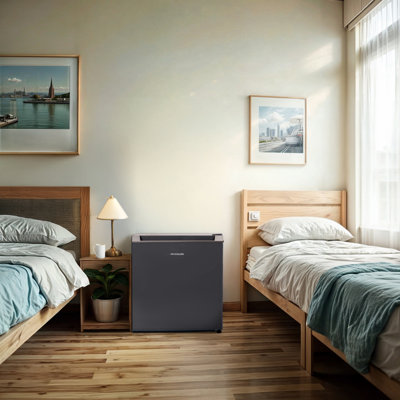
If your fridge is on the smaller side—or you want to dedicate a special zone for leftovers—consider checking out a space-saving model. For example, if you’re curious about kitchen layouts or specialized units, you might want to peek at the best beverage cooler for a small kitchen
. A dedicated cooler or small fridge can help you store items neatly and reduce the risk of your lobster rolls absorbing random fridge odors.
Handling large quantities
What if you’ve got not just one or two leftover rolls, but an entire tray’s worth after a big event? In that case, the strategies are similar, but the process is more about managing volume:
Break it down into smaller portions. Instead of cramming 10 or 12 lobster rolls in one oversized container, split them into batches of two or three. This strategy keeps the temperature even and prevents spoilage if one container somehow becomes compromised.
Utilize multiple shelves. Spread the containers throughout your fridge, allowing proper airflow. Stacking everything in one place can make it harder for the cold air to circulate, leading to uneven chilling.
Keep bread separate from the seafood mixture. This tip might feel repetitive, but it really helps maintain a better texture.
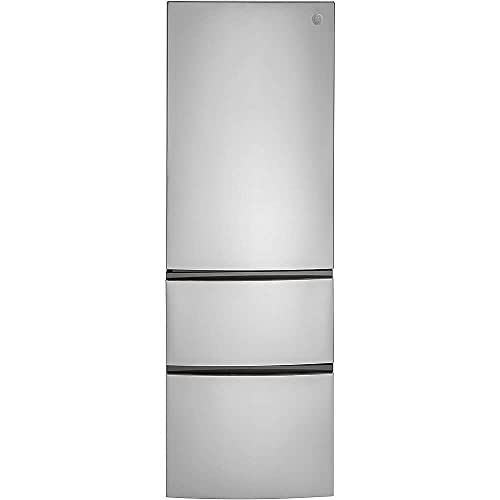
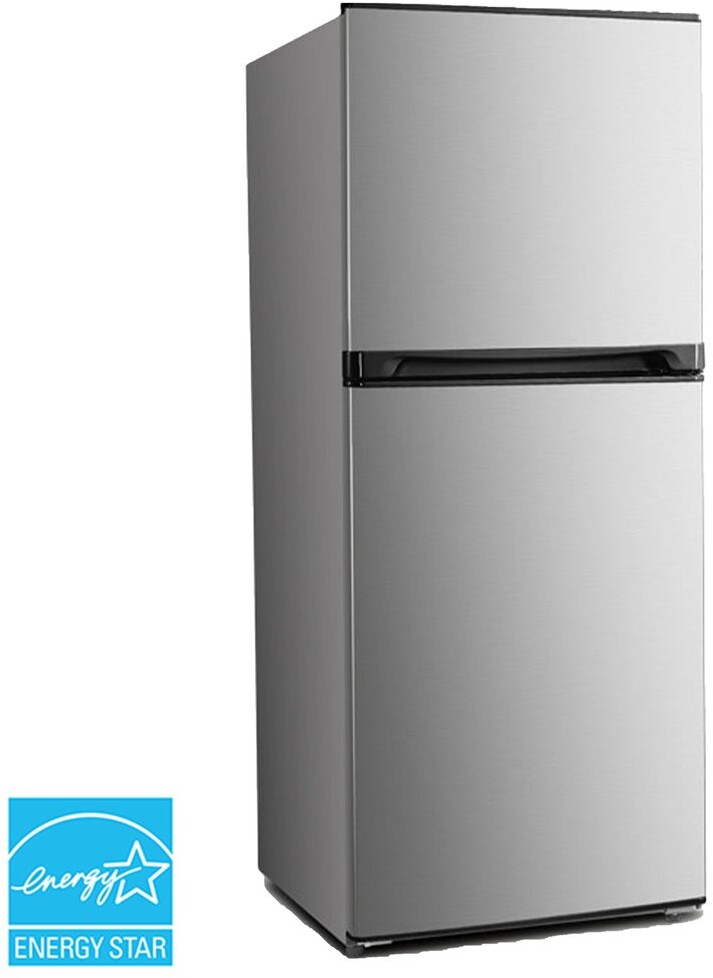
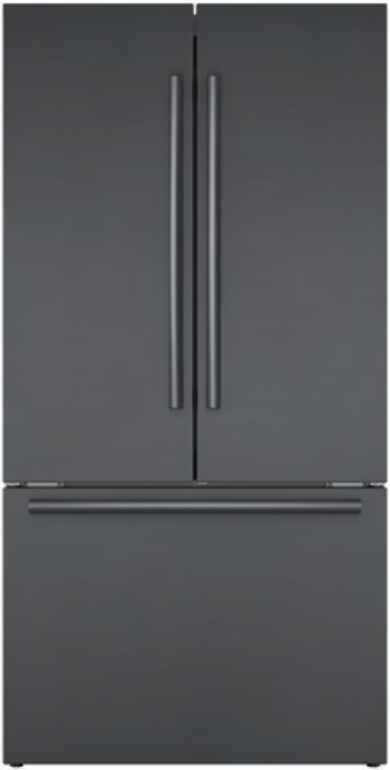
If you’re also juggling additional leftover seafood, side dishes, or beverages, it might be time to evaluate your fridge’s capacity. Larger families or those who love entertaining often discover that a spacious model is essential for accommodating leftover feasts.
If you’ve been picking up a theme, separating the bread from the lobster mixture is incredibly helpful in preserving both flavor and texture. Without separation, the bread gets soggy fast, and the seafood can lose some of its freshness more quickly. Ideally, you’d store each item in its own container, then assemble them right before eating.
Assembling post-storage
When you’re ready to eat:
Remove the bread from the fridge, and let it warm slightly at room temperature (about 5–10 minutes).
Gently reheat or refresh the lobster mixture (depending on your preference for hot or cold).
Add fresh lettuce or a light spread of mayo if needed.
Combine it all, garnish with a sprinkle of chives or a dash of lemon, and dig in.
This approach might feel like extra work, but it can rescue you from the dreaded soggy-roll scenario.
In addition to flavor, let’s not forget the food safety aspect. Here are a few foundational rules:
Keep your refrigerator temperature at or below 40°F (4°C). If you’re uncertain, use a fridge thermometer to confirm.
Always ensure your hands are clean before handling the leftovers.
Avoid cross-contamination by using separate utensils for raw and cooked foods.
For extra peace of mind, you might want to check out some general refrigerator maintenance tips. For instance, learning how to store pita bread in the freezer properly can offer pointers on sealing and preventing freezer burn. And if you’re thinking about upgrading your fridge, the best counter depth refrigerator guide might help you find a model tailored to your kitchen setup.
Traveling with leftover lobster rolls
It’s not uncommon to bring lobster rolls to a friend’s place, a potluck, or even on a weekend getaway. In these scenarios, the goal is to keep them chilled:
Use a cooler with ice packs if you won’t have access to a fridge for several hours.
Place the rolls (or separate components) in airtight containers, then tuck them at the bottom of the cooler, close to the ice packs.
Try not to open the cooler unnecessarily, since each peek lets cold air out.
Remember to pop them into a proper fridge as soon as you can. The same rule applies: aim for within two hours (one hour if it’s scorching outside) to ensure your lobster remains safe.
When you serve leftover lobster rolls, you might want to freshen them up. There’s no shame in adding a new twist:
Squeeze a bit of fresh lemon juice onto the lobster to perk up the flavor.
Add diced celery or fresh herbs (like dill or parsley) for added crunch.
Refresh the bread. Whether it’s a quick toast or a few minutes in a warm oven, a little crispiness can compensate for any day-old dryness.
If you’re aiming for a healthier spin and want to go light on the mayo or bread, you might consider side dishes that fit well with your rolls. For additional healthy meal ideas, you can see fridge.com: low fat diet meaning and recipes. Chatting with friends and family about new serving options can be fun—especially if you’re all learning to store and repurpose leftovers in creative ways.
Frequently asked questions
Can you eat lobster rolls cold the next day?
Absolutely. Plenty of people enjoy their leftover lobster rolls straight from the fridge. Just make sure they’ve been stored correctly and haven’t been hanging out for more than two or three days. The cold version can be really refreshing, especially if the lobster is still nice and tender.
Do you have to remove the lettuce before storing?
If your roll includes lettuce, it’s generally wise to remove it to keep it from getting slimy. You can always add fresh lettuce later. Still, if convenience is your priority, storing it as-is for one day won’t ruin everything—it just won’t be as crisp.
Is it safe to store lobster rolls in the same container as other seafood?
In theory, storing different types of seafood together is okay if all are fully cooked and you’re certain they’re in good condition. But do check the smell and overall freshness. Mixing leftover cod or shrimp with your lobster might result in some flavor blending or an odd odor. It’s usually better to keep each dish separate.
How can I tell if my fridge is at the right temperature?
A dedicated fridge thermometer is your best friend. Most models are inexpensive and provide peace of mind. Ideally, you want the temperature at or below 40°F. If your model has digital controls, double-check those readings with a separate thermometer for accuracy.
Can you add more mayo after reheating?
Sure. Some lobster roll fans like extra mayo or a drizzle of melted butter post-reheat, especially if the filling feels a bit dry. Just remember that additional mayo should be kept chilled. Don’t leave that mayonnaise-based mixture out on the counter for hours afterward.
If you really love your lobster rolls—and who doesn’t—here are some final tips for stretching that freshness a bit further:
Buy the freshest possible lobster meat. Your leftover game starts at the source, so be sure you’re working with top-quality ingredients.
Pack them in smaller portions. If you tend to eat one roll at a time, store them individually. That way, you’re not repeatedly opening and closing one big container.
Check your fridge’s performance. Any fridge that’s struggling to maintain a stable temperature might put your food at risk. If you sense it’s time for a deeper maintenance check, you could explore pointers on how do you clean the condenser coils on the back of a refrigerator?. Clean coils help your fridge run more efficiently and keep that temperature stable.
Key takeaways
Storing leftover lobster rolls in the fridge can be straightforward with the right approach. The main idea is to separate the filling and the bread whenever possible, chill everything promptly, and use airtight or well-wrapped containers to lock in freshness. You’ll likely have the best outcomes if you enjoy them by day two. Reheating can be done gently via oven or stovetop, though plenty of people prefer lobster rolls chilled. If you’re tempted to freeze them, remember that mayo and bread can suffer texture changes, so a little extra care is needed. Above all, follow basic food safety: keep track of time, temperature, and any changes in texture or smell.
By following these simple steps, you’ll have your “lobster rolls: how to store them in the fridge” questions answered, and you can feel confident you’re getting the most from this delightful meal. Now, go ahead—give your leftover lobster rolls some TLC, and enjoy them whenever that craving strikes again!
Frequently Asked Questions
So, you’ve cooled them, stored them, labeled them—how long can you let those lobster rolls chill before it’s time to toss them out? Typically, properly stored lobster meat can last around two days in the fridge. You might stretch it to three days in some cases, but any longer starts to push your luck. The mayo and lobster combo can deteriorate quickly, which impacts both taste and food safety. If you separated the lobster from the bun, you have a small edge in preserving texture. The bread might hold up better, and the seafood won’t be mingling with the bread’s moisture. Even so, the overall rule of thumb remains the same: plan to enjoy your rolls by day two, and definitely do a thorough smell check before you dig in.