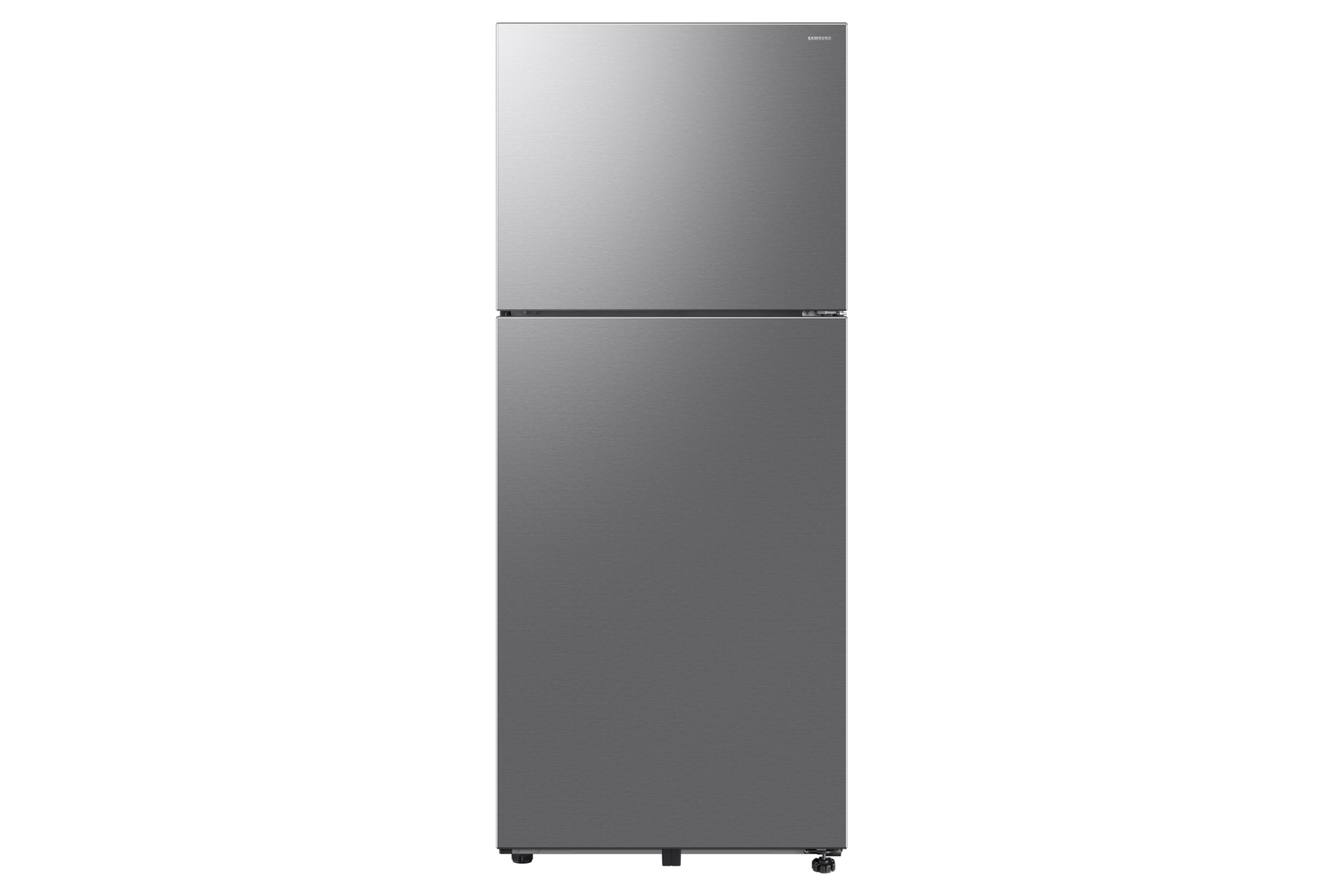
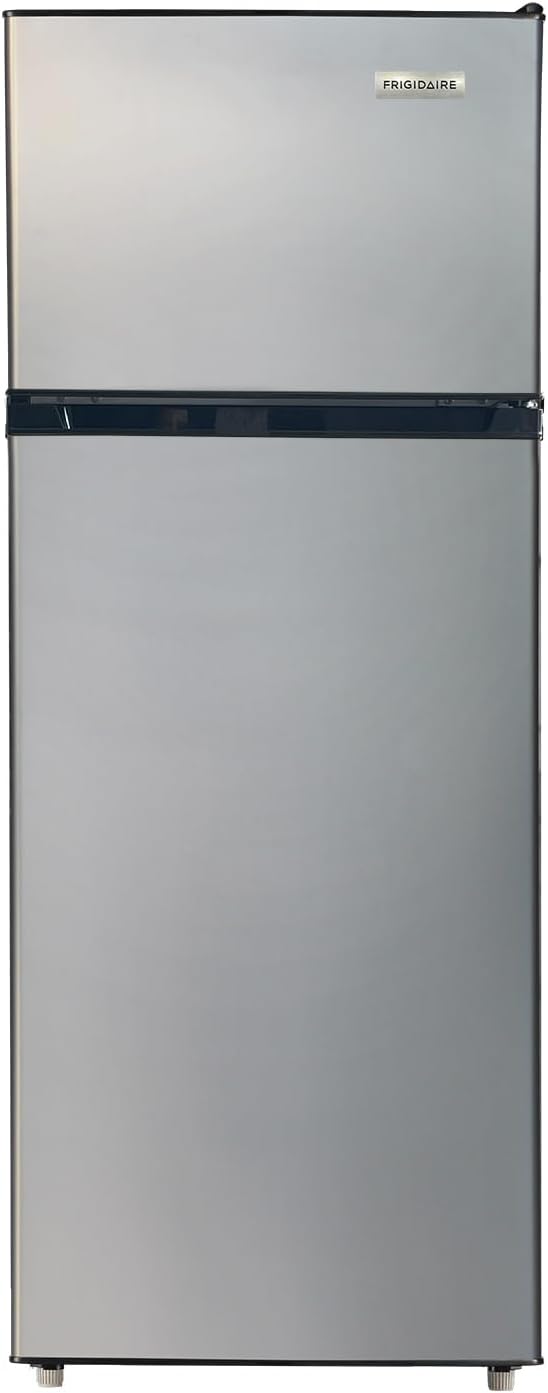
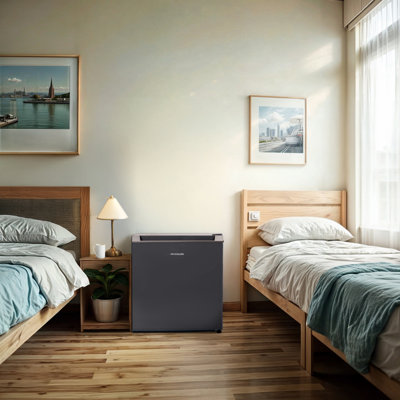
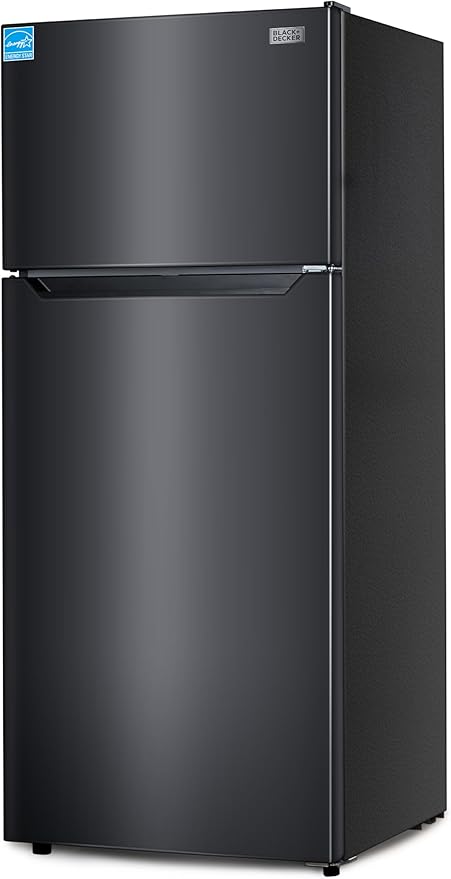
Once you have those numbers, compare them to the fridge’s spec sheet, factoring in recommended clearance: usually 0.5–1 inch on each side and 1–2 inches above for proper airflow.
When you know how wide measures a 4.3 cu ft desk refrigerator, you’re one step closer to a hassle-free install and happy, chilled beverages or meals at your fingertips.
Basic units from budget brands often stick close to 18 inches wide, making them ideal for really tight spots.
A popular choice for students, the 3.9 cu ft dorm fridge freezer usually measures around 18 inches wide, similar to entry-level 4.3 cu ft models.
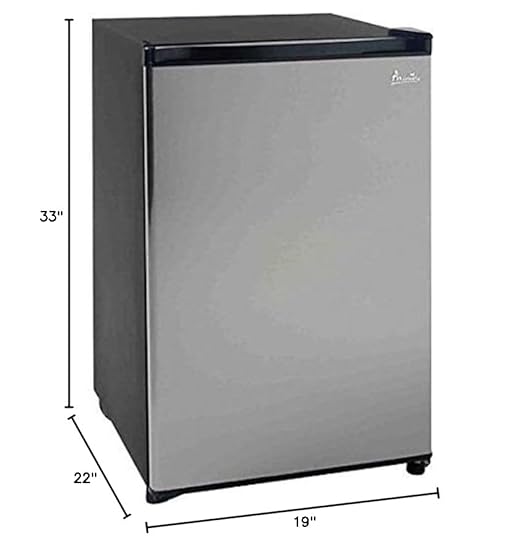
Have you ever wondered how wide measures a 4.3 cu ft desk refrigerator? If you’re planning to tuck a compact fridge under your desk, in your dorm room, or inside an office nook, knowing the exact width is key. A 4.3 cubic foot desk refrigerator typically ranges between 18 and 20 inches wide, depending on the model and manufacturer. In this guide, you’ll learn how to confirm that measurement, compare popular options, plan for proper clearance, and make sure your new fridge fits seamlessly into your space.
Whether you’re a student looking for a snug dorm setup, a home cook needing extra cold storage, or a craft beer fan eyeing a small kegerator, this article will walk you through every step. You’ll discover what “4.3 cu ft” really means in terms of internal capacity, how to accurately measure your intended location, and which variations you might encounter. By the end, you’ll feel confident that your desk refrigerator won’t cramp your style—or your legs.
Understand fridge dimensions
Before you dive into specific measurements, it helps to get clear on the three key dimensions every fridge has: width, depth, and height. While capacity (measured in cubic feet) tells you how much you can store inside, the physical footprint determines where you can place the appliance.
Width vs depth vs height
Width: The side-to-side measurement you’ll need to clear enough horizontal space.
Depth: How far the fridge extends front to back, affecting how much it sticks out.
Height: The top-to-bottom clearance you need, especially under cabinets or shelves.
When someone asks how wide measures a 4.3 cu ft desk refrigerator, they’re zeroing in on that first number. Keep in mind that the manufacturer’s listed width often excludes door handles, so you may need to add an extra inch or two for the handle clearance.
What 4.3 cu ft means
Cubic feet measure internal volume, so 4.3 cu ft roughly equals 121.8 liters of storage space. That’s enough room for:
Up to two standard grocery bags of produce
A dozen 12-oz cans plus some bottled water
Meal-prep containers for 3 to 4 days
Remember, capacity is about interior space, not external size. Two fridges can share the same cubic footage but differ in footprint based on their design—drawer refrigerators, for example, spread storage horizontally, while traditional mini fridges stack vertically.
Measure your desk area
You’ve scoped out the perfect spot, but before ordering, it’s wise to measure twice and buy once. A few minutes spent with a tape measure now will save you from a frustrating returns process later.
Tools you need
A reliable tape measure (at least 6 feet long)
A level or straightedge (to ensure you measure along a flat plane)
A notepad or phone app (to record your dimensions and any obstacles)
Step-by-step measurement
Clear the area. Remove any clutter so you can see the true floor or shelf surface.
Measure width. Place the tape measure on the leftmost point and extend it to the rightmost point where the fridge will sit. Note the narrowest width if there are walls or furniture on either side.
Measure depth. From the back wall or surface, pull the tape measure to the front edge. Remember to include any molding or baseboard.
Measure height. If the fridge will be under a shelf or cabinet, measure floor to underside of the overhang. Add at least one inch for ventilation.
Record clearance. Identify any outlets, switches, or vents that could interfere with installation.
Once you have those numbers, compare them to the fridge’s spec sheet, factoring in recommended clearance: usually 0.5–1 inch on each side and 1–2 inches above for proper airflow.
Not all 4.3 cu ft desk refrigerators are created equal. Widths can vary based on door style, handle design, and overall footprint. Here’s what you’ll typically find.
Typical 4.3 cu ft widths
Model type
Approximate width
Notes
Entry-level mini fridge
18 to 19 inches
Slim profile, minimal features
Premium compact fridge
19 to 20 inches
Built-in style, stainless steel or panels
Entry-level models
Basic units from budget brands often stick close to 18 inches wide, making them ideal for really tight spots. They may lack a reversible door or digital controls, but they’ll keep your drinks cold.
Premium models
If you want a sleeker look—think stainless steel finish, digital thermostat, or a reversible door—expect widths closer to 20 inches. These models often include features like adjustable shelving and interior lighting.
Similar compact options
If you’re still exploring different capacities or styles, consider:
3.9 cu foot dorm fridge freezer
A popular choice for students, the 3.9 cu ft dorm fridge freezer usually measures around 18 inches wide, similar to entry-level 4.3 cu ft models. If you need freezer space for ice trays or frozen meals, this could be an attractive alternative. Check out our guide to the 3.9 cu foot dorm fridge freezer for more details.
Drawer refrigerators
Looking for a sleek under-counter option? Drawer refrigerators provide pull-out access and can fit under custom countertops. Their widths start around 18 inches but double check the model’s specs, since drawer mounts and faceframes can add extra inches.
Mini fridge pros and cons
Not sure whether a compact fridge is the right choice? Dive into the pros and cons of a mini fridge to weigh storage needs, energy use, noise levels, and more before deciding.
Even if your measurement matches the fridge specs exactly, you’ll want to leave breathing room. Proper clearance ensures efficient cooling, prevents overheating, and allows door swings.
Ventilation requirements
Compact refrigerators often have rear vents that draw in air to cool the compressor. If those vents sit flush against a wall, airflow is blocked, and the fridge works harder, risking higher energy bills and shorter lifespan. Aim for:
At least 0.5 inch of space on both sides
1 inch above the top surface if the vents are located there
A few inches of open air at the rear
Some built-in models specify “zero clearance,” but always confirm that claim in the manual and test that vents are unobstructed.
Door swing space
Consider how the door opens:
Reversible doors can accommodate left- or right-hand hinges. Pick the orientation that avoids bumping into desks, chairs, or walls.
Some models feature inset handles to reduce total width, saving up to an inch of swing space.
If you’re tight on room, measure the door’s radius and make sure it won’t hit baseboards, cabinets, or other furniture.
Where you place your 4.3 cu ft desk refrigerator can affect both usability and aesthetics. Here’s how to decide between freestanding and built-in setups, plus some tips for blending it with your decor.
Built-in vs freestanding
Freestanding: Simply plug in and go, with vents typically on the back. You’ll need those side and rear clearances we discussed.
Built-in: Designed to mount flush with cabinetry, often with front-venting systems that allow zero or minimal clearance behind. This style delivers a custom look but can cost more and require professional installation.
Desk placement tips
Hide cords: Use cable clips or a small raceway to guide the power cord neatly along the desk leg.
Elevate for airflow: Place the fridge on adjustable feet or a small platform to ensure airflow under the unit.
Keep it level: A crooked fridge can cause cooling issues or noisy operation. Use a level and adjust feet until the unit sits flat.
Maintain fridge performance
Once you’ve got your fridge set up, regular upkeep will keep it running smoothly and looking fresh. A little care goes a long way.
Cleaning and spacing
Defrost when needed: If your model isn’t frost-free, plan to defrost every few months or whenever ice buildup exceeds 1/4 inch.
Wipe spills promptly: Use mild soap and water on shelves and walls to prevent odors and sticky messes.
Check seals: Inspect door gaskets for cracks or debris and clean them with a damp cloth so they seal tightly.
Temperature consistency
Set your thermostat: For perishables, aim for 35–38°F inside the fridge compartment.
Monitor with a thermometer: A small fridge can fluctuate more than a full-size unit, so keep a fridge-safe thermometer on a middle shelf.
Avoid overloading: Too much food blocks air vents and creates hot spots. Keep items loosely arranged and rotate them regularly.
Q: Can a 4.3 cu ft desk refrigerator fit under a standard desk?
A: Most desks have 28 to 30 inches of knee clearance, so an 18–20 inch-wide, 20–22 inch-tall fridge will fit comfortably. Just verify depth if your desk has a back panel.
Q: How much does a 4.3 cu ft desk refrigerator weigh?
A: Expect 45 to 60 pounds, depending on materials and compressor type. If you plan to move it frequently, look for models with built-in handles or wheels.
Q: Is a 4.3 cu ft fridge big enough for meal prep?
A: For single cooks or couples, yes. You can store meal-prep containers, dairy, and veggies easily. If you need more freezer space, consider a dorm-style model with a small freezer compartment.
Q: How energy efficient are these fridges?
A: Most compact fridges use 200–300 kWh per year. Look for ENERGY STAR certified units if you want the lowest running costs.
Q: Can I stack a mini freezer on top?
A: It’s not recommended unless specified by the manufacturer. Stacking alters airflow and can overload the fridge’s weight capacity.
Q: How do I dispose of an old desk refrigerator?
A: Many municipalities require you to remove refrigerant. Check if your local waste facility offers appliance pickup, or contact an appliance recycler.
Final thoughts
When you know how wide measures a 4.3 cu ft desk refrigerator, you’re one step closer to a hassle-free install and happy, chilled beverages or meals at your fingertips. By measuring carefully, planning for clearance, and selecting the right model type, you’ll enjoy the convenience of extra cold storage without the headaches of an ill-fitting appliance.
Remember, if you’re torn between styles, check out our guides on drawer refrigerators or dive into the pros and cons of a mini fridge before you commit. With the right prep and placement, your desk refrigerator will be a cool addition to your space for years to come.
From Fridge.com research
Figures below come from data Fridge.com builds and maintains. Each links to the record behind it.
Fridge.com Energy Index, built on U.S. EPA and DOE ENERGY STAR records
Across 5,455 ENERGY STAR certified refrigerators and freezers from 263 brands, median use is 360 kWh per year.