Humidity control is one of the most practical features in modern refrigerators, yet many shoppers overlook it when comparing models. If you have ever opened a drawer of wilted lettuce or slimy spinach, you have run into the limits of a fridge that cannot manage moisture. Refrigerators with adjustable humidity drawers—often called crispers or freshness drawers—keep produce fresher longer by letting you match the setting to what you store. This guide explains how humidity control works, which foods benefit, and what to look for when you compare refrigerators.
Why Humidity Matters in the Refrigerator
Refrigeration slows spoilage by lowering temperature, but temperature alone is only part of the story. Many fruits and vegetables continue to lose water through their skin or leaves after harvest. In a dry environment, that moisture escapes into the air and produce wilts or shrivels. In a sealed drawer with high humidity, the air holds more moisture and that loss slows down, so greens stay crisp and roots stay firm longer.
According to the USDA, proper storage can significantly extend the usable life of fresh produce. Temperature and humidity work together: cold slows microbial growth and enzyme activity, while humidity helps prevent moisture loss that leads to limp leaves, rubbery carrots, and shriveled berries. Without some form of humidity control, the dry air inside a refrigerator steadily pulls water out of fruits and vegetables, especially from large surface areas like leafy greens.
At the same time, some produce gives off ethylene gas, which speeds ripening and decay. If ethylene-sensitive items sit in a closed, humid space with high-ethylene fruits, they spoil faster. So the ideal setup is to separate ethylene producers from sensitive items and to use humidity settings that suit each type. That is exactly what well-designed humidity drawers and multi-zone drawers are for.
How Humidity Drawers Work
Most refrigerators with humidity control use one or more drawers with a vent or slider. When the vent is closed, the drawer traps moisture from the produce inside and the humidity stays high. When the vent is open, drier air from the main fridge circulates in and humidity drops. That simple mechanism is enough to make a big difference for storage life.
The physics is straightforward. Refrigerator air is relatively dry because the cooling process removes moisture. When a drawer is closed off from that air, the only moisture present is what the produce releases. Leafy vegetables and other water-rich items release enough moisture to raise the humidity inside the drawer to a level that slows further water loss. When you open the vent, you allow the drier cabinet air to mix in, so the humidity drops and the drawer becomes better suited to fruits that you do not want sitting in a damp environment.
High humidity (vent closed) is best for leafy greens, broccoli, carrots, asparagus, and other vegetables that wilt or dry out quickly. Low humidity (vent open) is better for fruits that release ethylene, such as apples, pears, and avocados, and for produce that is prone to mold or rot in damp conditions. Some refrigerators label the drawers “vegetables” and “fruits” or “high humidity” and “low humidity” to make this easier.
High Humidity vs. Low Humidity: Which Setting for What
Use the high-humidity setting (closed vent) for vegetables that lose moisture quickly: spinach, kale, arugula, lettuce, chard, herbs, broccoli, green beans, carrots, and asparagus. These items keep best when the air around them is moist. If you have two high-humidity drawers, you can use both for different vegetable types or rotate stock.
Leafy greens are the most obvious candidates. A head of lettuce or a bunch of kale has a large surface area and thin leaves, so it loses water rapidly in dry air. The same goes for fresh herbs like cilantro and parsley. Broccoli, cauliflower, and green beans also benefit from high humidity because they tend to wilt or become rubbery when dried out. Root vegetables such as carrots and parsnips stay crisp and firm longer when stored in a high-humidity drawer rather than on an open shelf.
Use the low-humidity setting (open vent) for fruits that produce ethylene, such as apples, pears, peaches, plums, and avocados. Storing these in a closed drawer with ethylene-sensitive vegetables would shorten the life of the vegetables. Also use low humidity for produce that is susceptible to rot in damp conditions, such as mushrooms, if you prefer to keep them in a drawer. Many people store onions and potatoes in a cool, dark place outside the fridge rather than in humidity drawers.
Ethylene is a natural plant hormone that triggers ripening. Fruits like apples and pears release it in noticeable amounts, and when that gas builds up in a closed space, it can cause nearby produce to ripen or decay faster. Lettuce, broccoli, and carrots are among the vegetables that are sensitive to ethylene, so keeping them in a separate drawer from apples and pears—or at least in a drawer with the vent open if you must share space—reduces unnecessary spoilage.
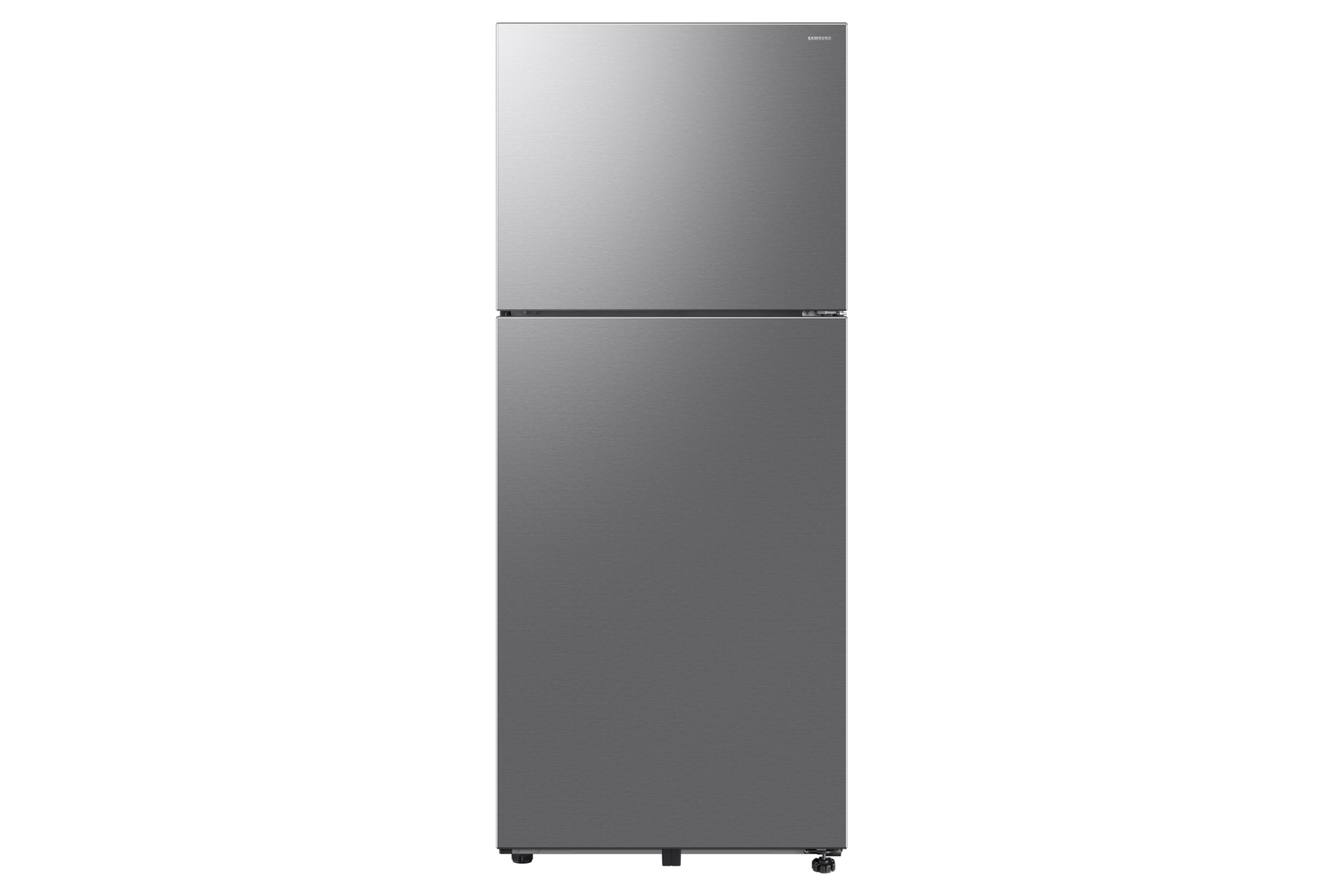
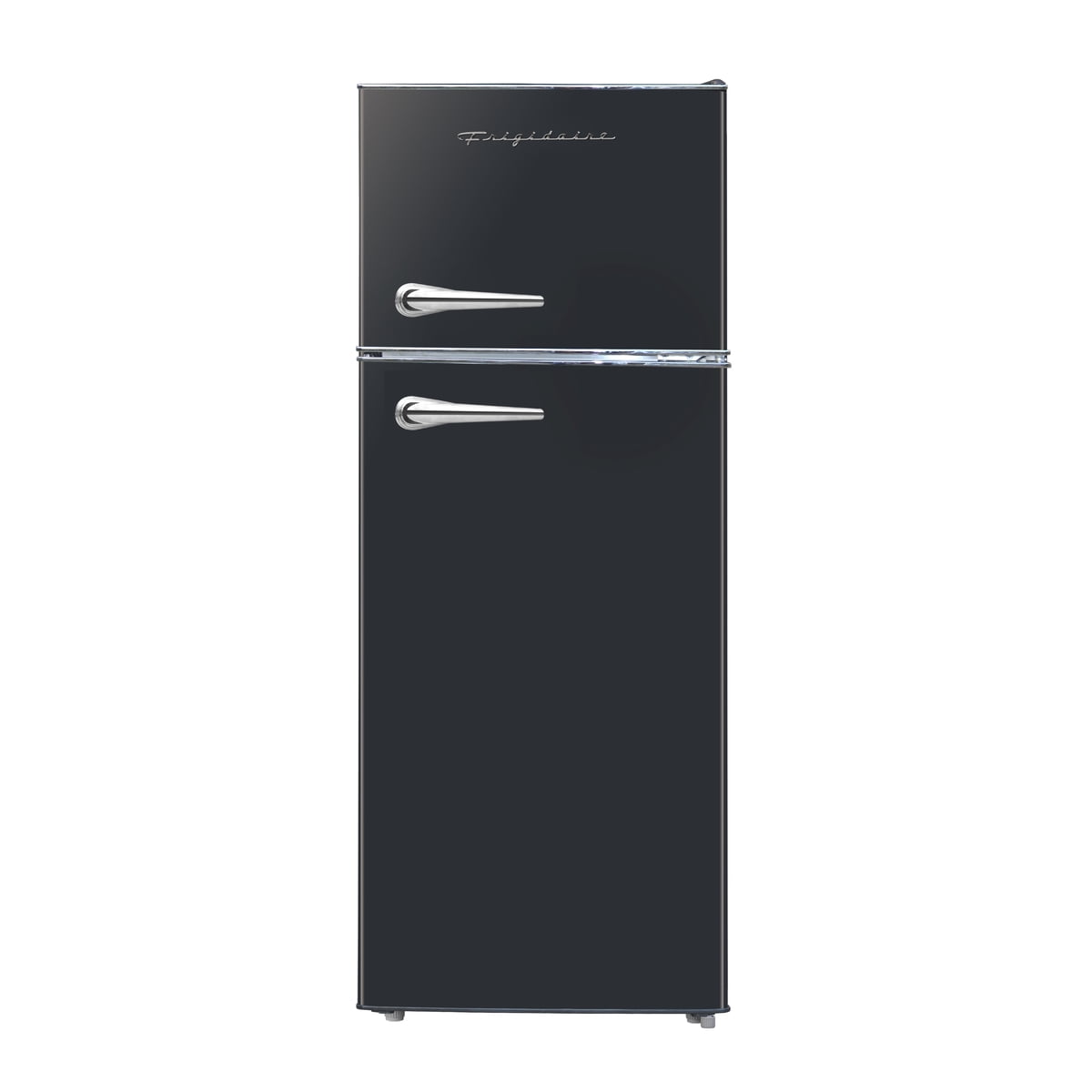
Entry-level and older refrigerators often have one or two crisper drawers with no adjustable vent; humidity is whatever the sealed or partly open drawer creates. Those drawers still help by providing a partially enclosed space, but you cannot tailor the environment to different types of produce. Mid-range and premium models typically add a slider or lever on each drawer so you can choose high or low humidity.
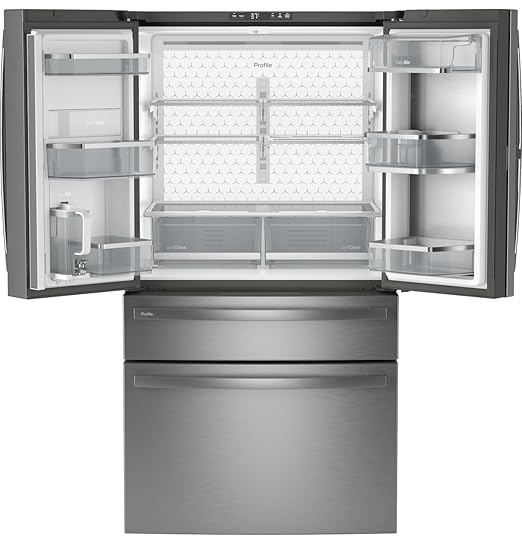
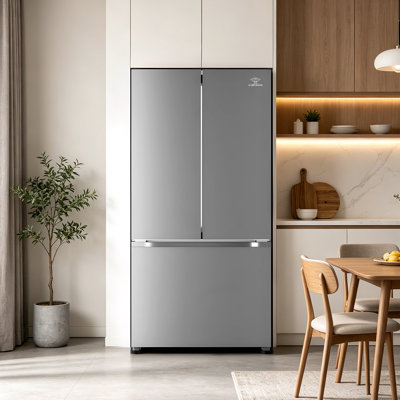
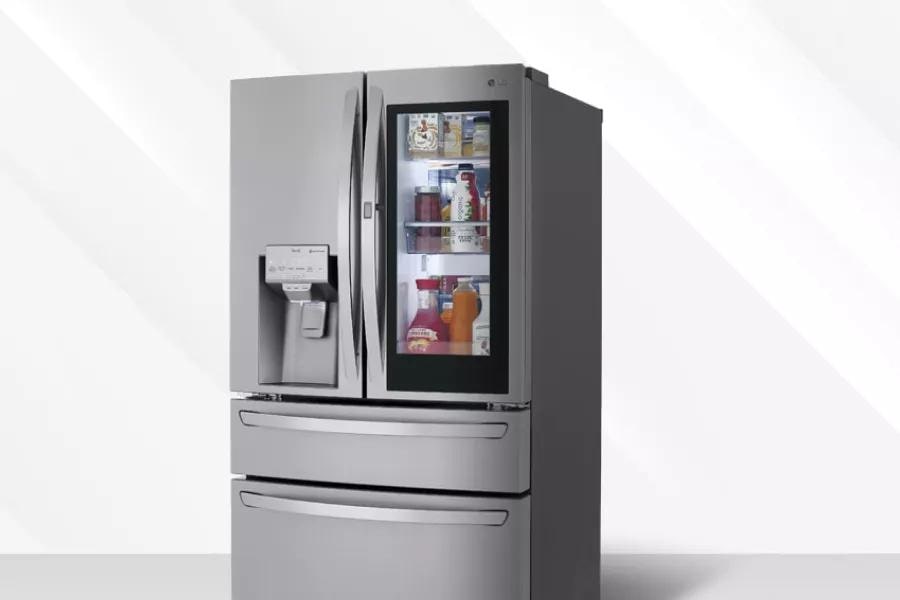
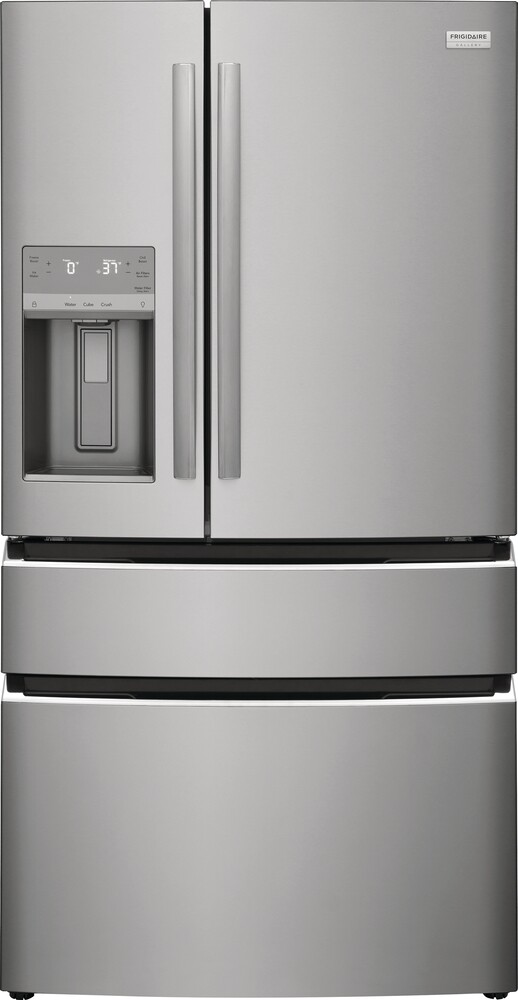
Some French door and bottom-freezer refrigerators offer two full-width drawers, each with its own humidity setting, which makes it easy to separate fruits and vegetables and optimize both. Full-width drawers also hold more than the smaller crispers found in many top-freezer or side-by-side units, which is useful if you buy a lot of produce or cook with fresh vegetables often.
A few high-end refrigerators go further with dedicated “fresh” or “produce” compartments that have their own temperature and humidity controls, sometimes with a third setting or a digital control. These compartments may sit above or beside the main crispers and are marketed for maximum freshness. They are especially useful if you buy a lot of produce or shop less often. When comparing refrigerators, check the product specifications or look at the drawer design in photos to see whether humidity is adjustable and how many drawers offer it.
With the right settings, leafy greens can last several days longer in a high-humidity drawer than on an open shelf. Carrots, celery, and broccoli also hold their texture and color better. That means less food waste and fewer trips to the store. It also means salads and sides made from fresh produce are more appealing and nutritious, since vitamins and quality decline as produce wilts or rots.
Reducing food waste has a direct impact on your grocery budget and on the environment. The U.S. Environmental Protection Agency notes that food is the largest category of material in municipal solid waste, and much of that is avoidable with better storage. Humidity control will not fix every storage problem—temperature, handling, and how long produce sits before you buy it all matter—but it is one lever you can control once you get the food home.
If you grow your own vegetables or buy in bulk from farmers’ markets, humidity control is even more valuable. Large batches of greens or roots can be stored in dedicated drawers without crowding the rest of the fridge, and the right humidity keeps them usable for a longer window. That can make the difference between using up a haul of kale or lettuce and having to compost part of it.
Tips for Using Humidity Drawers Effectively
Do not overpack the drawers. Air needs to circulate a bit even in high-humidity mode, and cramming produce in can trap moisture in pockets and encourage mold. Leave some space and avoid sealing produce in plastic bags inside the drawer unless the bag is vented or you are following a specific storage tip.
Check the vents periodically. If drawers have sliders, make sure they are set the way you want—high for greens and tender vegetables, low for ethylene-producing fruits. If you notice one drawer’s contents spoiling faster, try switching the setting or moving items to the other drawer. Sometimes a drawer that you thought was set to high humidity has been bumped to open, or vice versa.
Clean the drawers occasionally. Spills and bits of produce can promote mold or odors. Wiping the drawers with a mild cleaner and drying them before putting produce back helps keep the fridge fresh and the humidity system working as intended. If a drawer develops a persistent smell, a baking soda solution or a diluted vinegar wipe can help before you restock.
If you are unsure whether a particular item belongs in high or low humidity, a quick rule of thumb: most leafy and tender vegetables do best in high humidity; most fruits that continue to ripen after picking, and anything that rots easily in damp conditions, do better in low humidity or on a shelf. When in doubt, check the USDA’s storage guidelines for that specific fruit or vegetable.
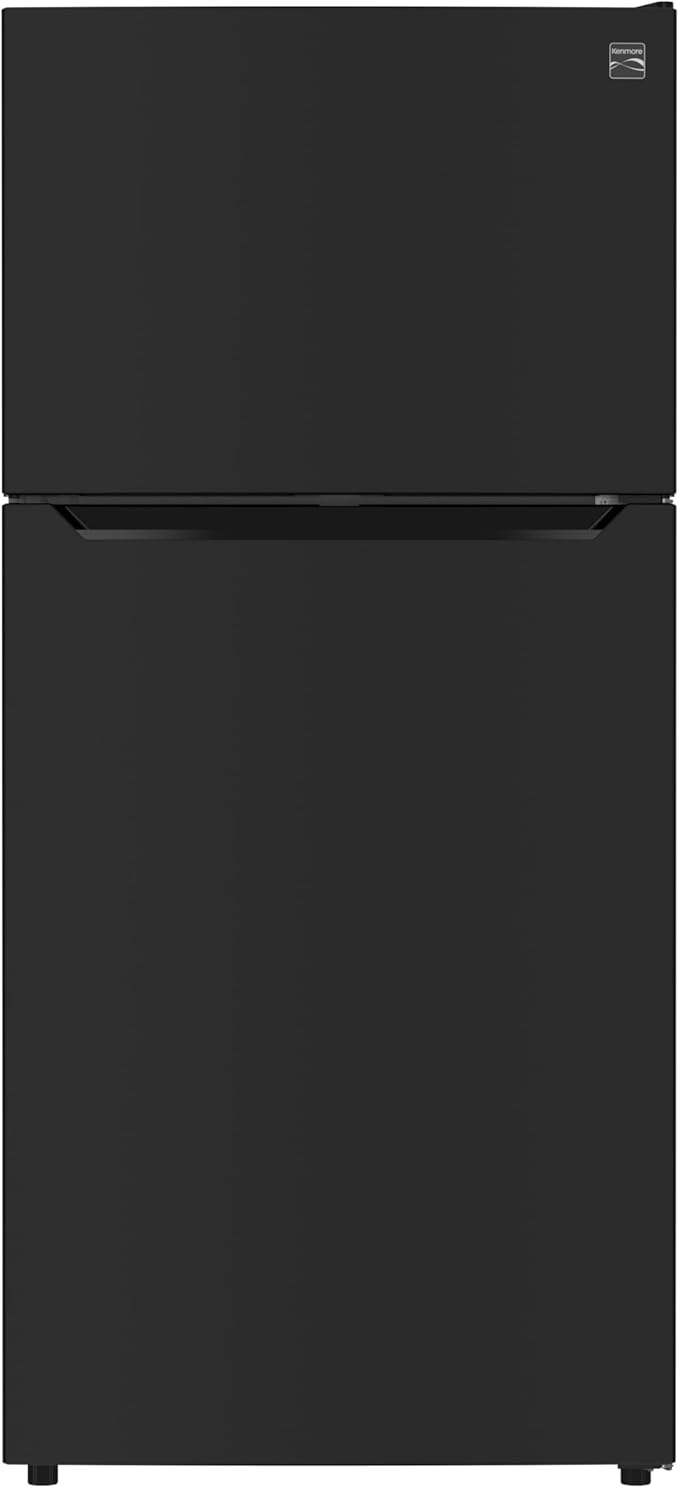
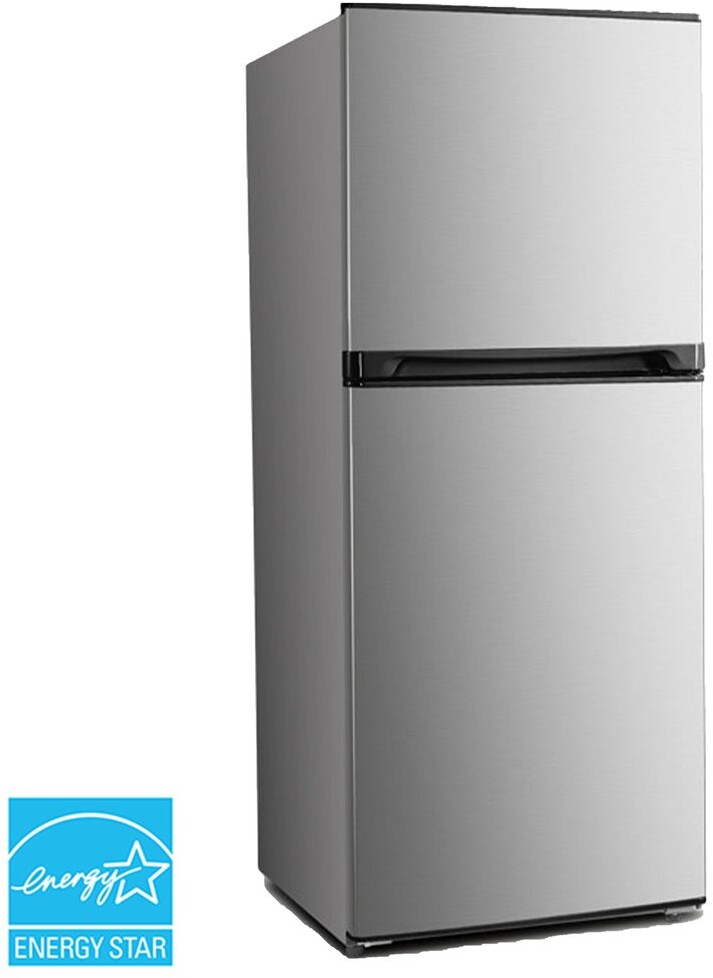
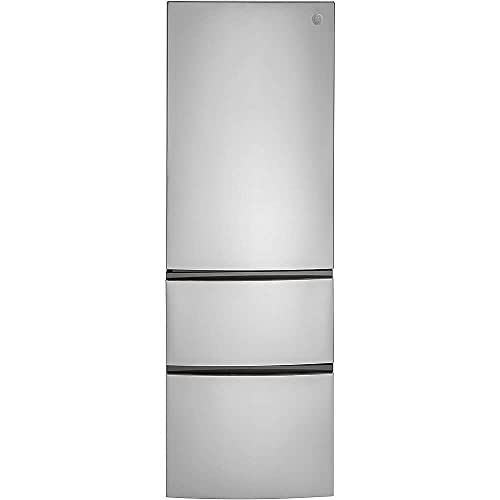
If humidity control is important to you, look for models that explicitly mention adjustable humidity, crisper controls, or fresh drawers with high/low settings. French door and bottom-freezer refrigerators often have two full-width drawers, which give more room for separating fruits and vegetables. Top-freezer and some side-by-side models may have one or two smaller drawers; check whether they have a vent or slider.
Product specs and comparison tools can help you filter by “humidity control” or “crisper type” so you only look at refrigerators that meet your needs. Comparing dimensions, capacity, and energy use alongside humidity features will help you choose a model that fits your kitchen and your habits. If you cook with a lot of fresh produce, investing in a model with at least two adjustable-humidity drawers can pay off in reduced waste and better-tasting meals.
When you read reviews or look at product pages, note whether the drawers are described as “sealed” or “adjustable” and whether there is one drawer or two. Some manufacturers highlight their freshness or produce drawer as a selling point; others bury the detail in the spec sheet. A quick scan of the feature list or the interior photos is usually enough to tell you what you are getting.
One of the most common mistakes is storing all produce in the same drawer with the same setting. If you put apples in a closed high-humidity drawer with your lettuce, the ethylene from the apples will speed up decay of the greens. Always separate high-ethylene fruits from ethylene-sensitive vegetables, and use the appropriate humidity for each group.
Another mistake is leaving the high-humidity vent wide open. If you want to keep greens crisp, the vent should be closed so that moisture stays in the drawer. Some users leave both drawers on the same setting out of habit; taking a few seconds to set one for vegetables and one for fruits can make a noticeable difference in how long your produce lasts.
Finally, avoid storing produce in sealed plastic bags inside the humidity drawer unless you have punched holes in the bag or are using a bag designed for ventilation. A completely sealed bag can trap too much moisture and encourage rot, especially for items that are already damp when you put them away.
Matching Your Habits to the Right Refrigerator
How much you rely on fresh produce should influence how much you prioritize humidity control. If you mostly use frozen vegetables and buy only a head of lettuce or a few apples per week, a single adjustable drawer may be enough. If you eat salads daily, keep herbs on hand, or buy large quantities of vegetables at once, two drawers with independent humidity settings will give you more flexibility and better results.
Household size matters too. A couple may find one well-designed crisper sufficient, while a family that goes through multiple bags of greens and several pounds of fruit each week will benefit from two full-width drawers and clear labels so everyone in the house can use the right setting. When you compare refrigerators, think about how much produce you typically store and how often you want to adjust the vents.
Humidity control in refrigerators helps keep produce fresher by matching drawer humidity to what you store: high humidity for leafy greens and tender vegetables, low humidity for ethylene-releasing fruits and moisture-sensitive items. Adjustable vents or sliders on one or more drawers are the standard way to get this feature. When you compare refrigerators, look for models with at least one adjustable-humidity drawer—and preferably two—so you can separate fruits and vegetables and reduce food waste. For more help choosing a model, you can compare specs and current prices across brands and retailers.
Frequently Asked Questions
The humidity drawer (crisper) is a sealed or vented compartment that lets you control moisture so leafy greens stay crisp and ethylene-producing fruits don’t speed up spoilage of vegetables.