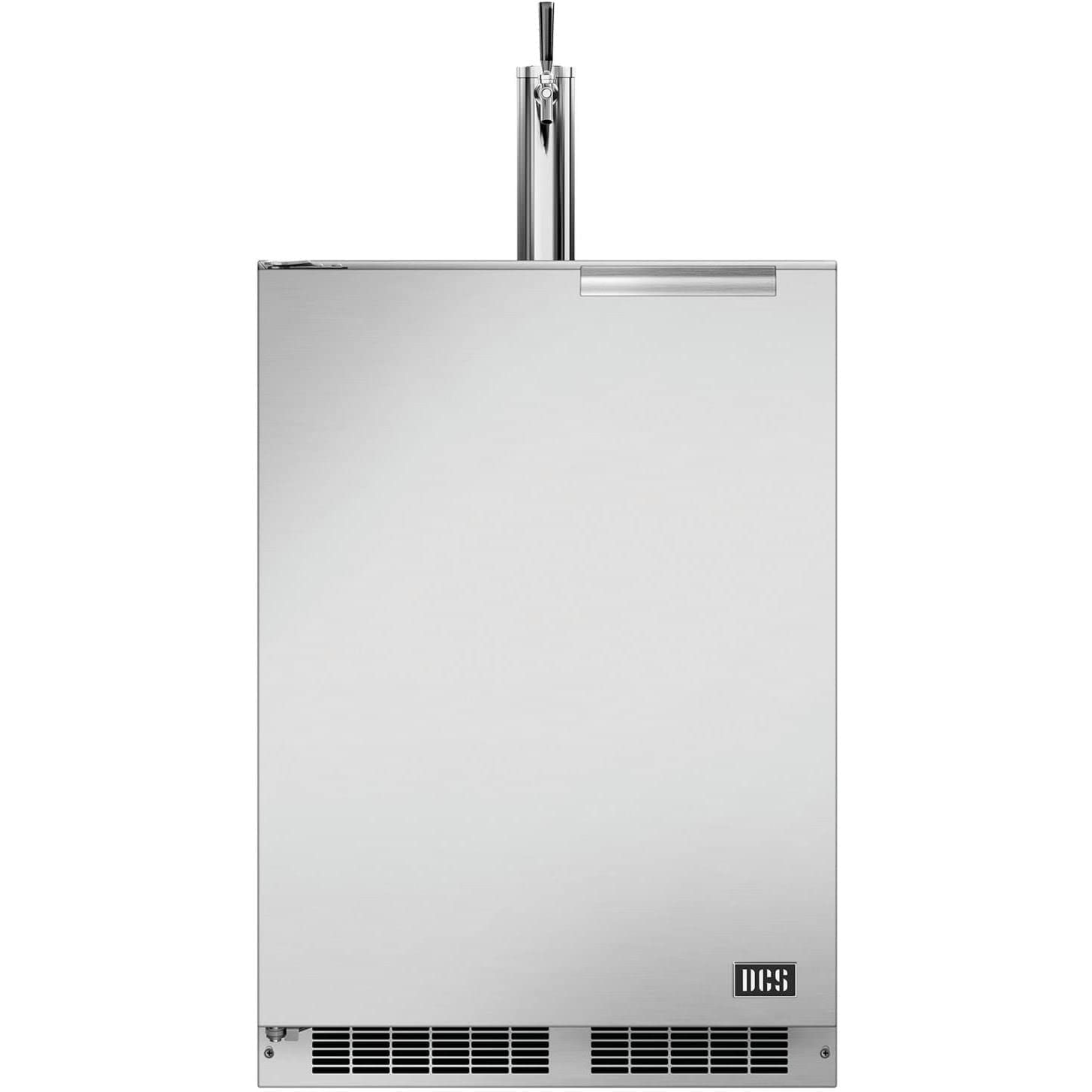
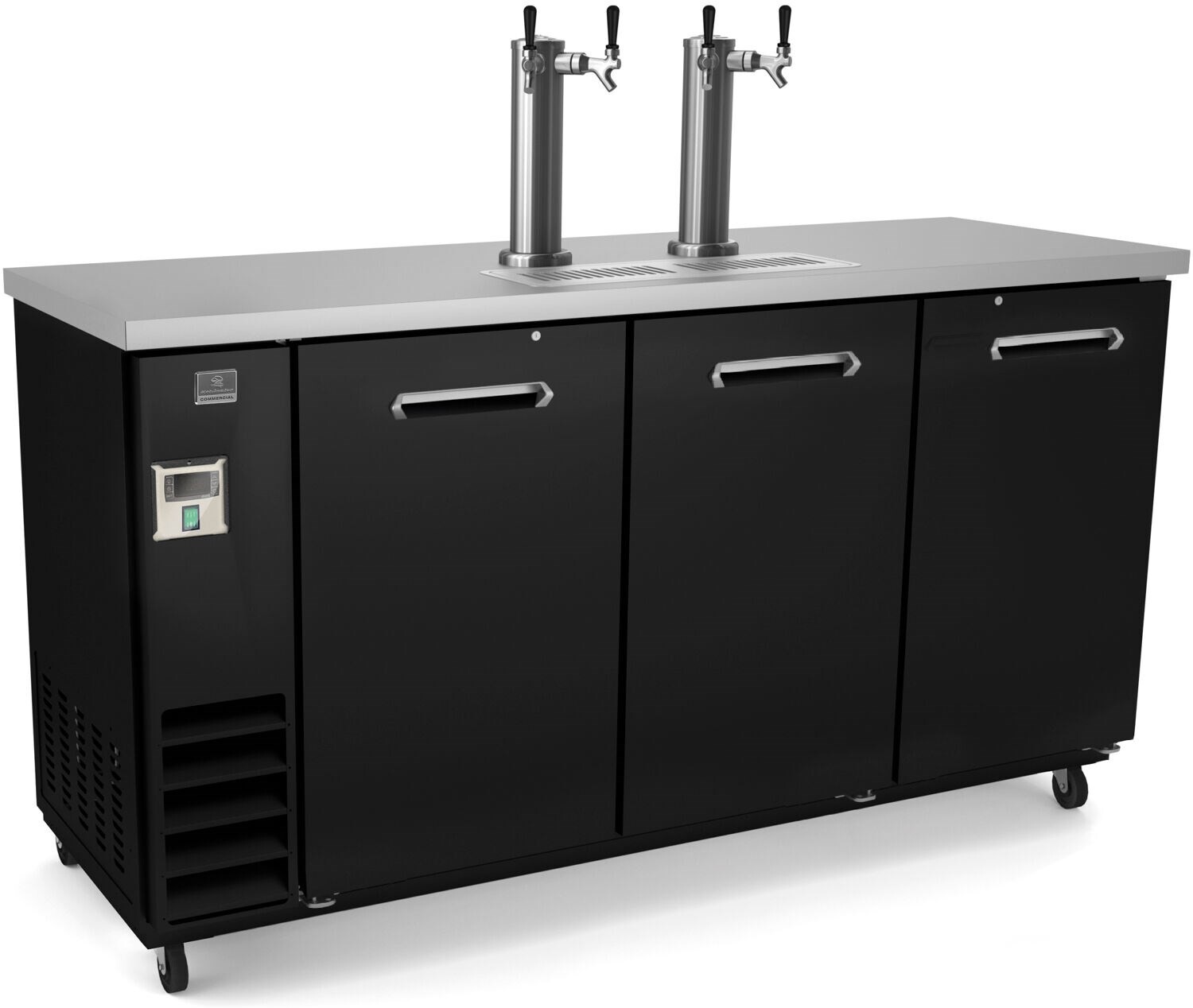
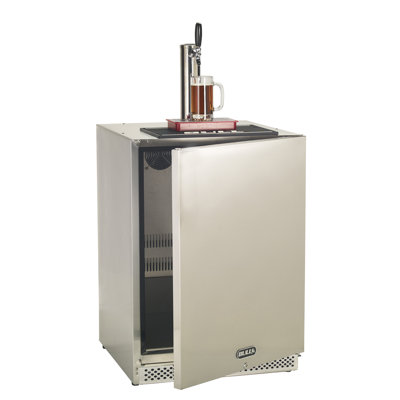
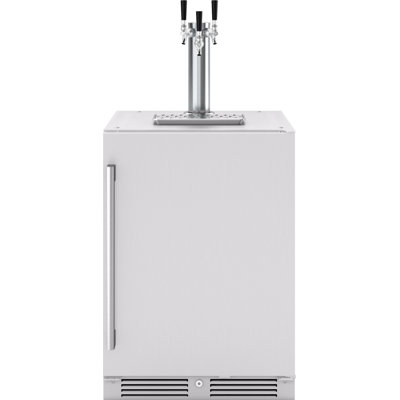
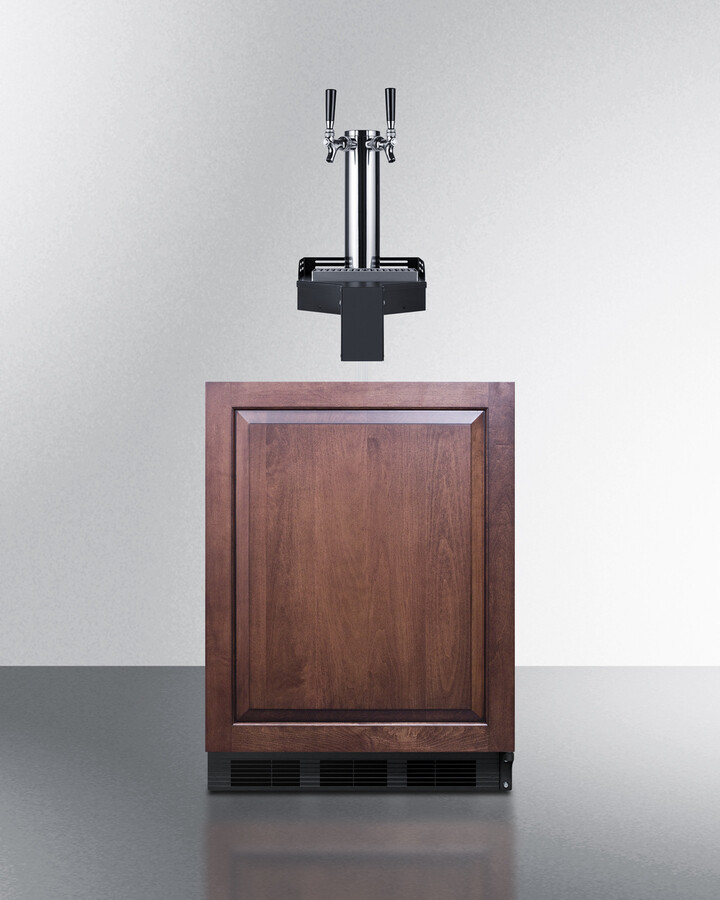
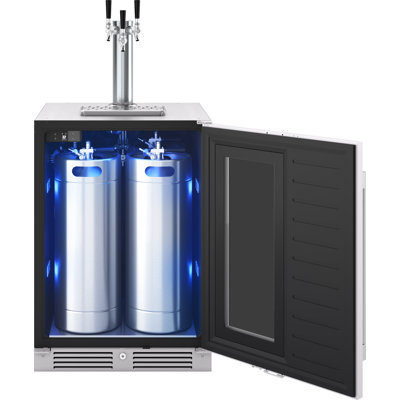
We’ll walk through the types of kegerators available, the must-have features, top picks under 1000, plus tips on installation, cleaning, and accessories.
Temperature range: Look for a unit that goes from about 32°F to 50°F so you can dial in the ideal beer-serving temperature.
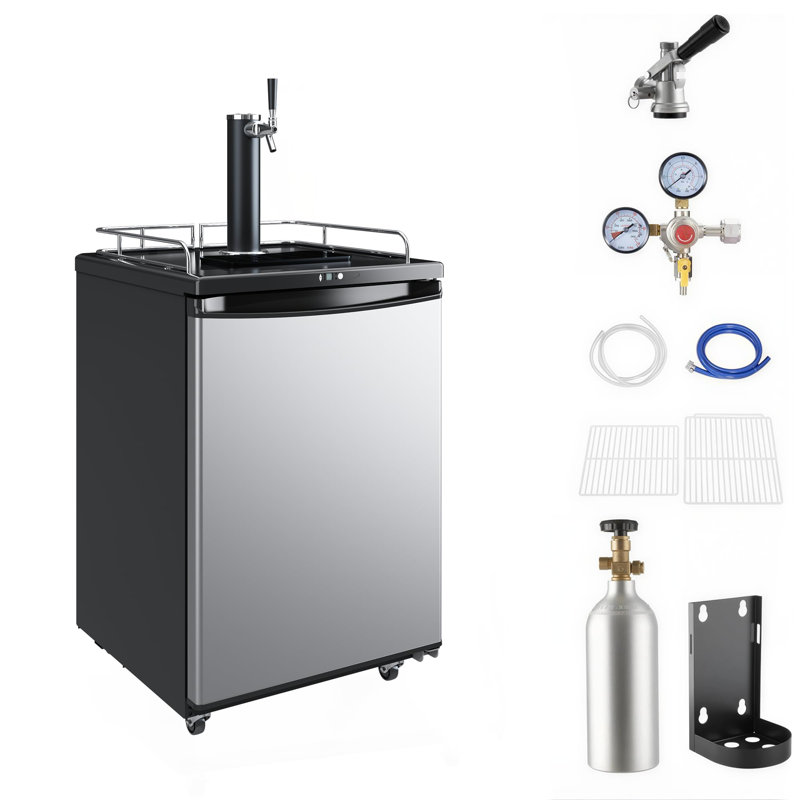
Large 6 cu ft capacity, ideal for homebrew batch sharing.
Many under-$1,000 models deliver consistent cooling, reliable CO2 regulation, and solid build materials.
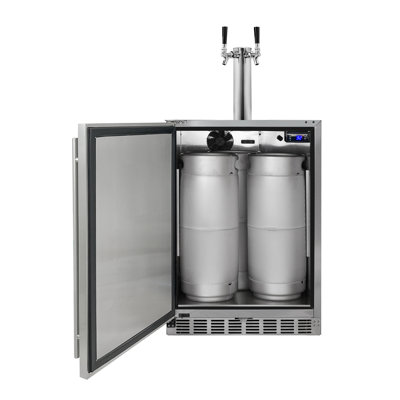
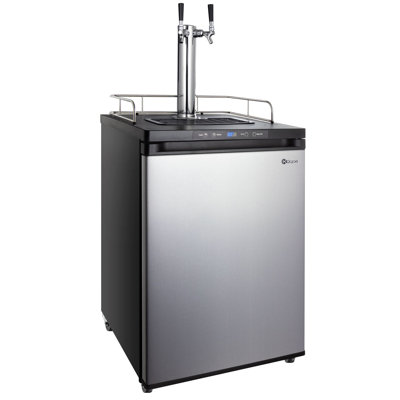
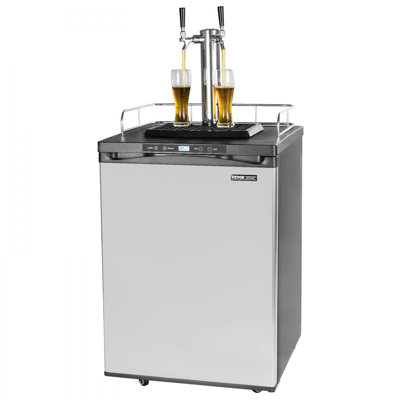
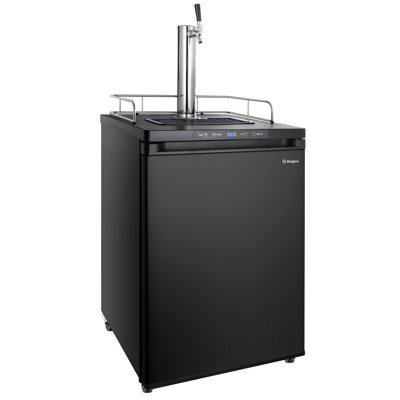
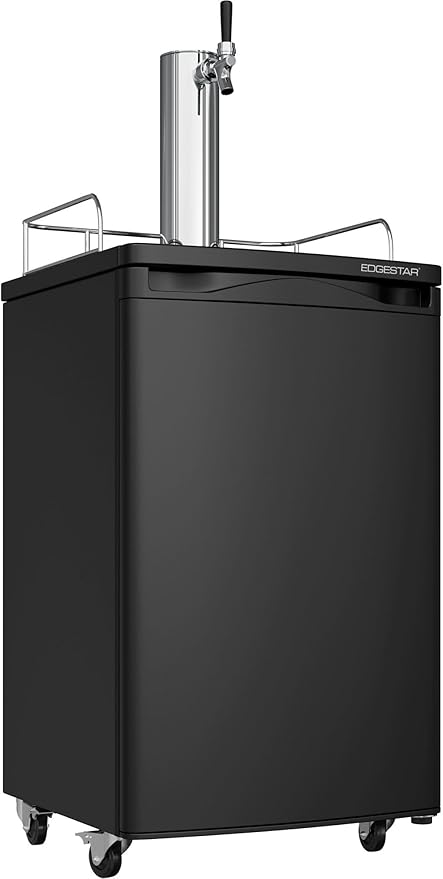
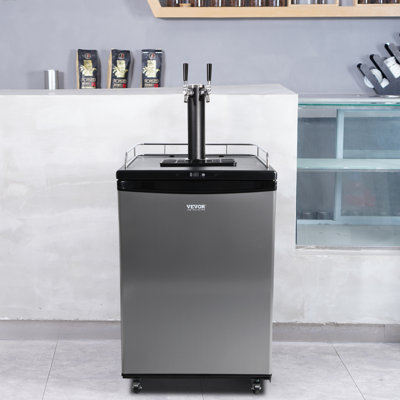
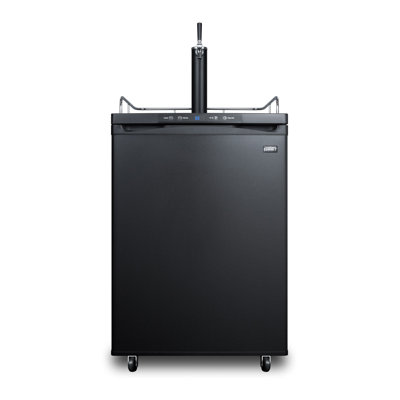
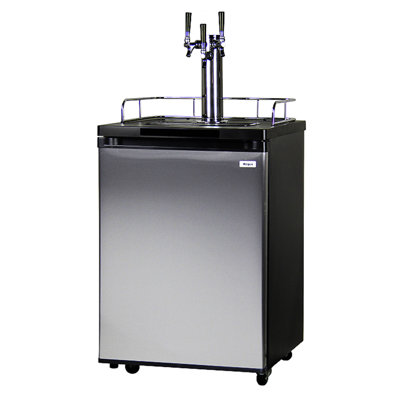
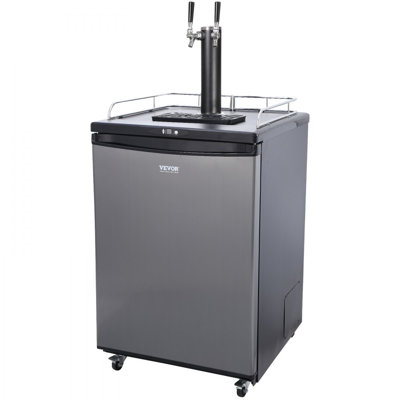
Thinking about kegerators under 1000? You’re in the right place. Whether you’re building a home bar in your man cave or serving cold craft brews at your next backyard bash, a budget-friendly kegerator can transform your entertaining game without emptying your wallet. In this guide you’ll find everything you need to know about choosing, setting up, and maintaining a quality draft beer fridge for under $1,000. We’ll walk through the types of kegerators available, the must-have features, top picks under 1000, plus tips on installation, cleaning, and accessories. By the end you’ll feel confident picking the perfect unit to keep your favorite beer on tap, cold, and ready to pour.
Why choose kegerators under 1000
Picking a kegerator under 1000 comes down to value, versatility, and peace of mind. You get the tap-fresh beer experience without splurging on premium commercial units. Let’s break down why a budget kegerator makes sense for your home or office.
Cost versus performance
You might assume that lower price equals lower quality, but today’s entry-level kegerators pack serious punch. Many under-$1,000 models deliver consistent cooling, reliable CO2 regulation, and solid build materials. You’ll still enjoy draft-quality pours whether you’re a craft beer aficionado or just want convenient cold mugs on game day.
Space and portability
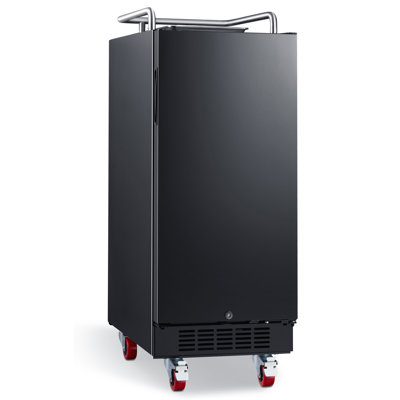
Not everyone has a full-scale bar area. Smaller kegerators often fit under counters or tuck neatly into a corner next to your fridge. Some countertop or compact freestanding designs give you the freedom to move your tap station around—great for RV trips or dorm rooms. If you need more storage for bottles or snacks, check out our 3 door keg fridge comparison to see how you can combine draft and cold storage.
Versatility for all occasions
Kegerators under 1000 aren’t just for beer. Load in a Cornelius keg of kombucha, cold brew coffee, or nitro-infused tea. Many come with adapter kits so you can switch between commercial and homebrew kegs. Whether you’re planning family gatherings, office happy hours, or poolside parties, a budget kegerator lends big fun in a compact package.
Explore budget kegerator types
With so many styles on the market, narrowing down your options can feel overwhelming. Here are the main categories you’ll encounter when shopping for kegerators under 1000.
Freestanding kegerators
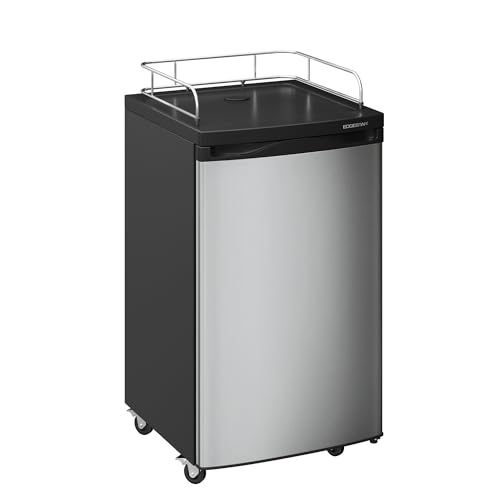
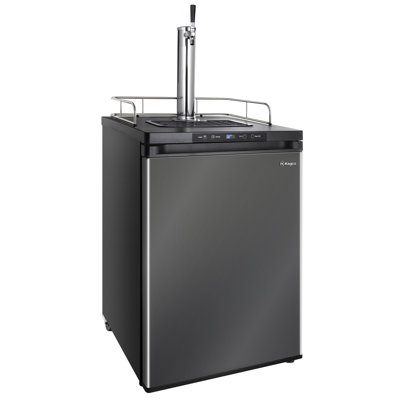
Freestanding units resemble a small fridge with a tap tower on top. They generally offer 4 to 6 cubic feet of interior space and can handle one or two taps. You get extra room to store backup kegs or snacks around your draft setup. Look for stainless steel exteriors if you want a sleek, durable finish.
Countertop kegerators
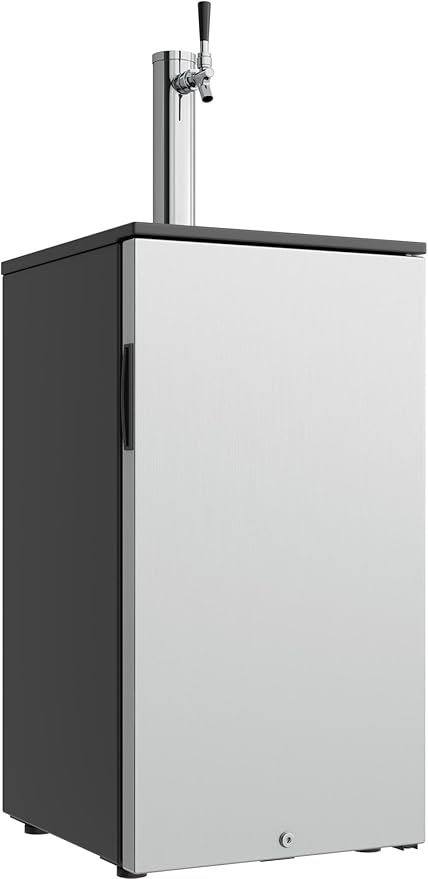
Short on floor space? Countertop models sit right on your bar or kitchen island. They usually support a single keg—perfect if you only need one beer on tap. The trade-off is interior space. You’ll want to make sure your keg size matches the dimensions specified by the manufacturer.
Convertible beer refrigerators
Some fridge models come with removable shelves and adjustable temperature controls so you can switch between storing bottles and pouring draft beer. If you’re also entertaining guests with bottled sodas or wine, one of these hybrid units might be the way to go. For more beverage options in a cafeteria or commercial setting, see our best beer fridge for a cafeteria guide.
Let’s talk features. A sub-$1,000 kegerator needs to tick these boxes if you want reliable performance and easy maintenance.
Cooling system
Thermoelectric versus compressor: Thermoelectric units run quietly and use less energy, but they struggle in hot environments above 80°F. Compressor kegerators maintain colder temps more consistently and handle ambient heat.
Temperature range: Look for a unit that goes from about 32°F to 50°F so you can dial in the ideal beer-serving temperature.
Temperature control
Digital displays let you adjust and monitor temps with precision. Analog dials work too, but you might find yourself twisting knobs more often. A clear LED readout prevents guesswork so you don’t end up with slushy beer.
Construction and insulation
Cabinet material: Stainless steel is durable and easy to clean. Painted steel or powder-coated exteriors save cost but may scratch more easily.
Insulation thickness: Better insulation keeps your beer colder for longer and reduces energy draw, which matters if you run the kegerator in a garage or outdoor kitchen.
Capacity and keg support
Keg compatibility: Standard half-barrel kegs fit in most freestanding models. If you’re into smaller batches, check if the unit supports quarter-barrel or slim kegs.
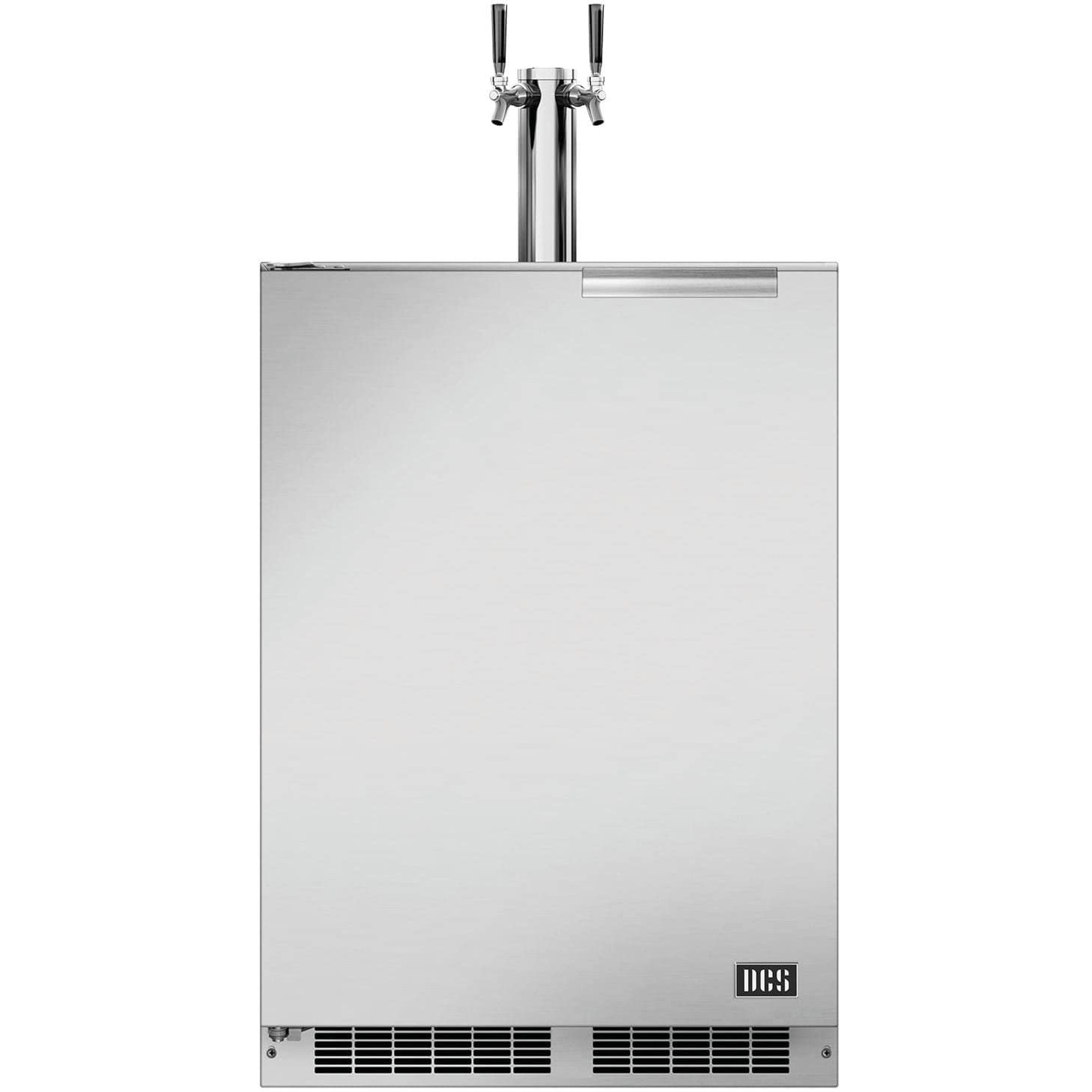
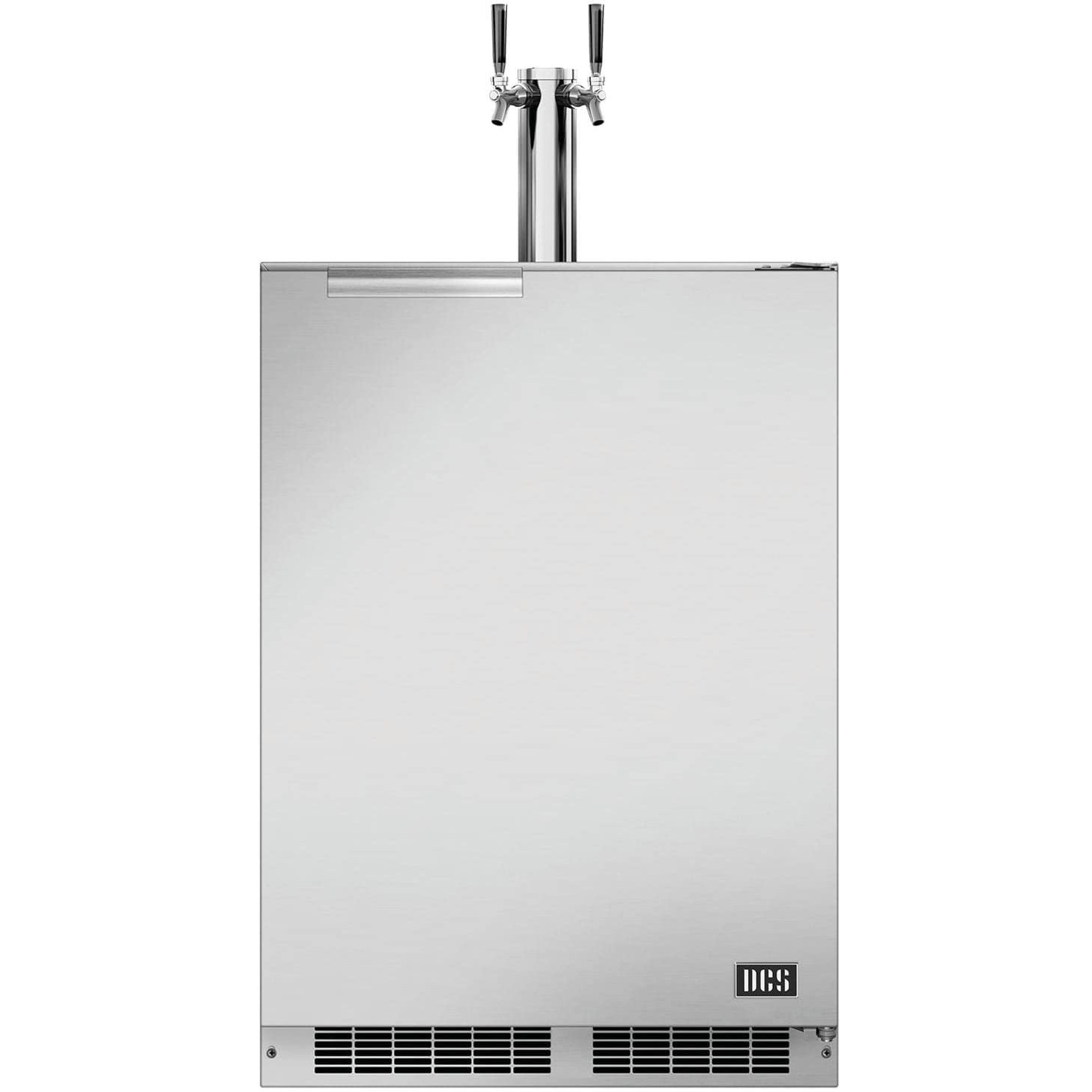
Tap count: Single-tap units stay budget-friendly. Dual taps let you pour two beers side by side but often push you closer to the $1,000 ceiling.
Noise level
If you’re placing your kegerator in a living area or office, you’ll want a model with quiet operation. Compressor systems can hum or cycle loudly, whereas thermoelectric units tend to be whisper-quiet.
Warranty and support
Many budget kegerators come with one-year parts and labor warranties. Some brands offer extended protection if you register online. Having solid customer service can save you headaches if you hit a defrost or cooling issue down the road.
Getting your kegerator up and running is easier than you might think. Follow these steps to install, clean, and troubleshoot like a pro.
Installation steps
Choose a level spot with at least 2 inches of clearance on all sides for ventilation.
Unpack and remove all packaging materials.
Place the keg on a drip tray or directly on the floor of the unit.
Connect the CO2 tank to the regulator, then attach the gas line to the keg head.
Attach the beer line to the keg head and secure the tap.
Plug in the unit and let it cool for at least 24 hours before pouring.
Position and leveling
Get your kegerator perfectly level so the beer head stays intact. Use a bubble level on top of the unit, then adjust the feet or place shims under the corners until it sits evenly.
Connecting CO2 and keg
Make sure all fittings are tight to prevent leaks. Open the CO2 tank slowly, then watch the regulator gauge. You’ll typically want 10–12 PSI for ales and 12–14 PSI for lagers or nitrogen beers.
Cleaning your kegerator
Regular cleaning prevents off-flavors and keeps your draft system running smoothly.
Daily wipe down: Wipe exterior surfaces with a damp cloth. Check drip tray and empty as needed.
Weekly line flush: Rinse beer lines with warm water, then use a no-rinse brewery cleaner per instructions.
Monthly deep clean: Disassemble the faucet, shank, and keg coupler. Soak parts in cleaning solution, rinse thoroughly, then reassemble.
Troubleshooting tips
Knowing how to diagnose common issues saves time and money.
Common issues
Weak flow or foamy beer
Temperature fluctuations
CO2 leaks
Quick fixes
If beer is foamy, lower the serving pressure or check that the lines aren’t kinked.
For warm pours, verify the thermostat setting and clear any blockages in vents.
To find gas leaks, brush soapy water on fittings—bubbles will reveal the spot.
Accessorize your draft system
Even the best kegerator benefits from a few extras. Here are must-have accessories to level up your pours.
Draft towers and taps
Upgrading to a stout or dolphin tap gives you more control over foam and flow. Look for chrome-plated or stainless steel towers that resist wear and stick to neutral designs so they match any décor.
CO2 tanks and regulators
A 5-lb CO2 tank is a good starting point for occasional use. If you pour frequently, step up to a 10-lb tank to extend the time between refills. High-quality regulators with dual gauges let you monitor both tank and serving pressures at a glance.
Cleaning kits and tools
Purchase a dedicated keg cleaning kit that includes line brushes, faucet brushes, and cleaning solution. It’s a small investment that keeps your beer tasting fresh and prevents mold or yeast buildup inside your lines.
Still got questions? You’re not alone. Let’s cover some FAQs to clear up any lingering doubts.
Can you store other beverages
Yes, many kegerators double as beverage fridges for bottles or cans when not in use. Just remove the keg coupler and adjust shelving.
How long does draft beer last
Once hooked up and chilled, beer in a sealed keg lasts 45–60 days. After that flavor may start to degrade, so plan to finish the keg within six weeks of tapping.
Can you use it outdoors
Some models handle garage or basement conditions well, but most need shelter from direct sun and rain. If you want a true outdoor tap station consider a specialized outdoor kegerator or cover your unit with a weatherproof jacket.
What about ventilation
Proper airflow around the compressor is key. Keep at least 2 inches of clearance on the sides and top. Never block vents or cram the kegerator into a tight enclosed space.
Is installation difficult
Not at all. Most kegerators under 1000 come with all necessary fittings and clear instructions. If you run into issues you can always reach out to customer support or consult an online tutorial.
Cheers to draft perfection
Kegerators under 1000 make draft beer at home more accessible than ever. Once you pick the right model, set it up, and add a few must-have accessories, you’ll wonder how you ever lived without on-tap convenience. Remember to clean your lines regularly, monitor temperatures, and swap out kegs before the beer goes flat. With the tips and recommendations here you’re ready to enjoy perfectly chilled, fresh-tasting brews any day of the week. Now raise your glass and pour the first of many celebratory pints—cheers to your new draft setup.
Free tool
Kegerator Size Calculator
Free interactive tool from Fridge.com — get a quick answer while you read.