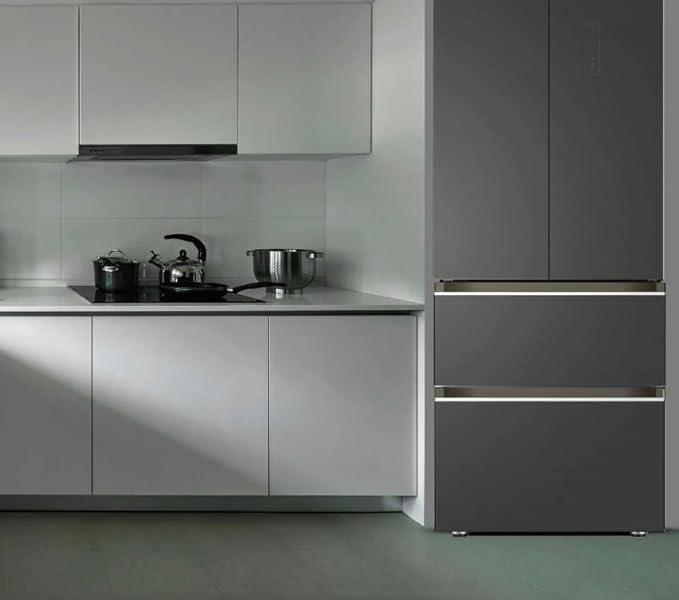
You know how a crowded fridge can turn finding ingredients into a treasure hunt. Drawer refrigerators offer a sleek, accessible solution, letting you slide out compartments stocked with produce, snacks or drinks. Whether you’re meal-prepping for your family, hosting friends for game night or outfitting a commercial kitchen or office break room, drawer refrigerators bring convenience and style.
In this guide you’ll discover everything about drawer refrigerators: how they operate, the benefits they offer, key features to look for, installation tips and maintenance advice. We’ll also compare drawer units with other fridge styles and answer your common questions so you can decide if a drawer refrigerator is the right fit for your space and lifestyle.
Understand drawer refrigerators
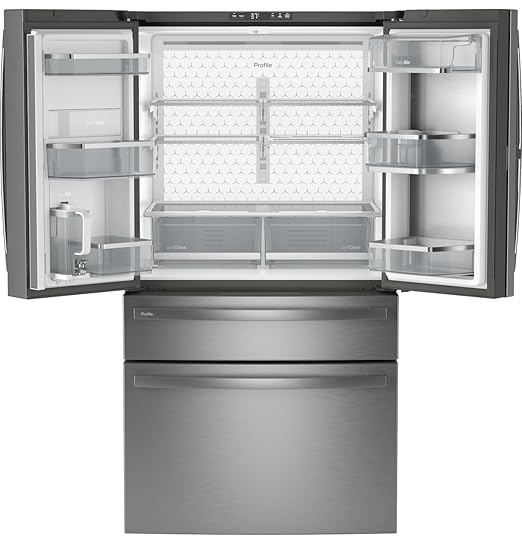
Drawer refrigerators replace traditional swing-door designs with pull-out drawers that slide smoothly on tracks. Each drawer functions as its own temperature-controlled zone, so you can dedicate one to chilled beverages, another to produce and a third to frozen items.
Design and operation
Compact compressors and thick insulation keep temperatures steady.
Individual drawers let you access contents without bending or digging.
Some models offer separate freezer and fridge drawers in one unit.
Common configurations
Single-drawer units, perfect as a beverage cooler under a bar or in an RV.
Double-drawer combos, giving you one fridge drawer and one freezer drawer for home kitchens.
Triple-drawer setups, ideal for wine storage in your wine cellar or for organizing snacks, produce and meats separately.
Stackable modules, letting you mix-and-match to create a custom refrigeration wall in a cafeteria or garage.
Explore key benefits
Drawer refrigerators stand out for their practicality and flexibility. Here’s why you might love one in your kitchen:
Easy access and organization
With slide-out drawers, you’ll see every item at a glance. No more digging through crammed shelves or misplacing leftovers at the back.
Space-saving design
Drawer units fit neatly under counters or in kitchen islands, freeing up overhead space. They work especially well in small apartments, dorm rooms or studio layouts.
Energy efficiency
Smaller compartments need less energy to cool compared with a large single-door fridge. Opening one drawer won’t spill cold air from the entire unit.
Custom zones
Independent temperature controls let you set one drawer to freezer temps and another to gentle refrigeration, perfect for everything from ice cream to fresh herbs.
Check drawer depth and partition options. Removable dividers and adjustable racks help you customize storage for bottles, containers or meal-prep trays.
Noise level and ventilation
Especially in open-plan kitchens or offices, quieter compressors and efficient venting make a big difference. Compare decibel ratings when possible.
Proper installation ensures performance and longevity. Use this checklist before you buy:
Space and clearance
Measure height, width and depth exactly.
Allow at least 1/2 inch clearance on sides and top unless your model is truly zero clearance.
Ensure drawer tracks have room to extend fully.
Power requirements
Most drawer fridges run on standard 120V circuits.
Verify outlet location and amperage capacity.
If using outdoors or in a wet bar, consider GFCI protection.
Ventilation options
Front-vent models let you push flush to cabinetry.
Rear-vent designs require space behind the unit.
Keep vents clear of obstructions for proper airflow.
Professional vs DIY
While many drawer refrigerators are plug-and-play, built-in installations often require cabinet modifications, panel attachment and leveling. Plan for professional help if you’re not comfortable with carpentry or electrical work.
Maintain your appliance
Routine care keeps your drawer refrigerator running smoothly and your food at peak freshness.
Cleaning drawers and seals
Remove drawers periodically and wash with mild soap and water.
Wipe down interior walls and gaskets to prevent spills and mold.
Inspect seals monthly and rub a thin layer of petroleum jelly on gaskets to maintain flexibility.
Defrosting and care
Many units are frost-free, but small frost buildup can occur in freezers.
Unplug the unit, slide out drawers and let frost melt. Dry thoroughly before restarting.
Troubleshooting tips
Drawer not closing
Check for misaligned tracks or obstructions. Clean debris from rails and confirm the unit is level.
Temperature fluctuations
Ensure vents inside drawers aren’t blocked by large items.
Verify drawer seals are intact and that you haven’t set conflicting temperatures in adjacent zones.
Drawer refrigerators fit a wide range of applications. Here’s how you might put one to work:
For chefs and home cooks
Keep mise en place ingredients—chopped vegetables, proteins and sauces—in separate drawers for quick access during meal prep.
In commercial kitchens
Back-of-house staff can store frequently used items in top-drawer refrigeration while bulk storage stays in walk-in freezers.
In compact living spaces
Studio apartments, dorm rooms and tiny homes benefit from undercounter drawers that free up floor space and blend with cabinetry.
For beverage and wine storage
Dedicated beverage drawers make a sleek addition to a home bar. And if you need more serious wine storage, explore our wine cellar options or consider a 3 door keg fridge for craft-beer service.
Beverage coolers optimize for cans and bottles with fixed racks. Drawer refrigerators give you flexibility to store snacks, meal-prep containers or produce drawers. If you only need tall rose cans chilled, check what beverage center cradle fits tall rose cans?.
Address common questions
Are drawer refrigerators energy efficient?
Yes, their smaller compartments and targeted cooling reduce energy use compared with a full-size all-in-one refrigerator.
Can you stack multiple drawers?
Many brands offer stackable modules. Just confirm the manufacturer’s guidelines for weight limits and ventilation between units.
How long does food stay fresh?
Shelf life matches standard refrigeration and freezer units when you set temperatures properly. Use separate drawers for produce (higher humidity) and meats (colder settings).
What maintenance do they need?
A quick monthly wipe-down, gasket check and occasional defrost (for non-frost-free models) keep your drawers operating at peak performance.
Drawer refrigerators combine accessibility, style and efficient cooling for kitchens of all kinds—from family homes and tiny apartments to bustling cafeterias and outdoor bars. By understanding design options, key features and installation requirements, you’re ready to choose the perfect drawer unit for your needs.
If you’re eyeing a counter-depth setup, don’t miss our exclusive counter depth refrigerators: coupons. And remember, whether you’re storing snacks, wines, craft beers or meal-prep essentials, drawer refrigerators make it easy to organize, access and serve. Your next step: measure your space, prioritize the features you need and slide into a more convenient refrigeration experience.
Frequently Asked Questions
Yes, their smaller compartments and targeted cooling reduce energy use compared with a full-size all-in-one refrigerator.