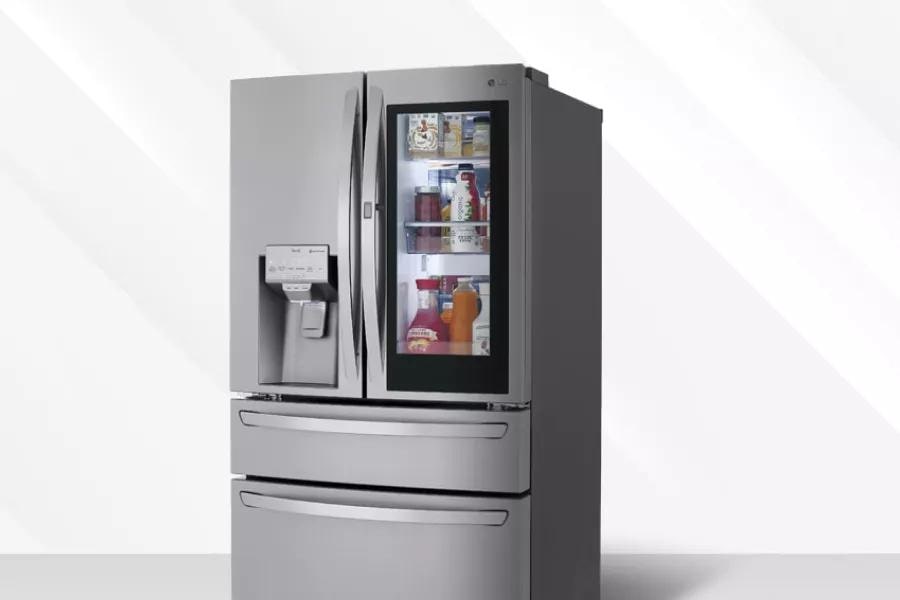
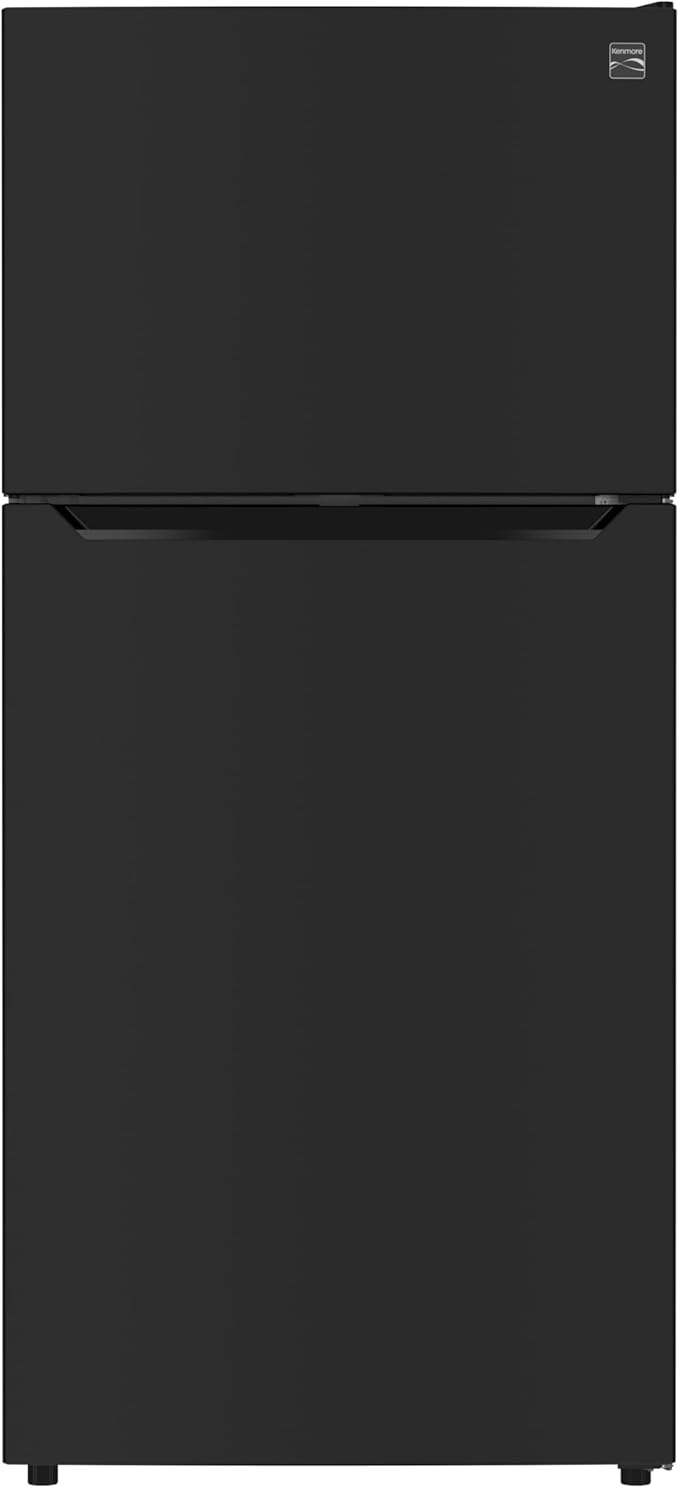
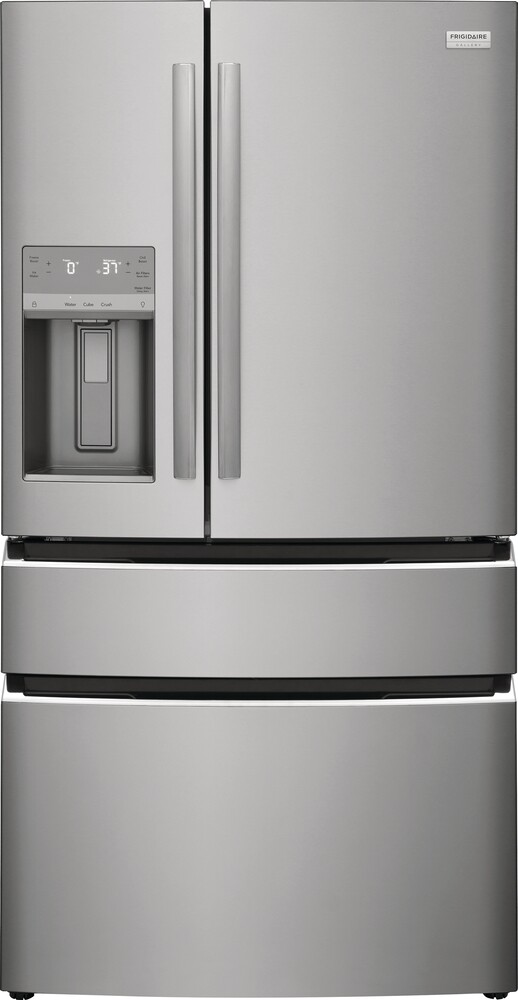
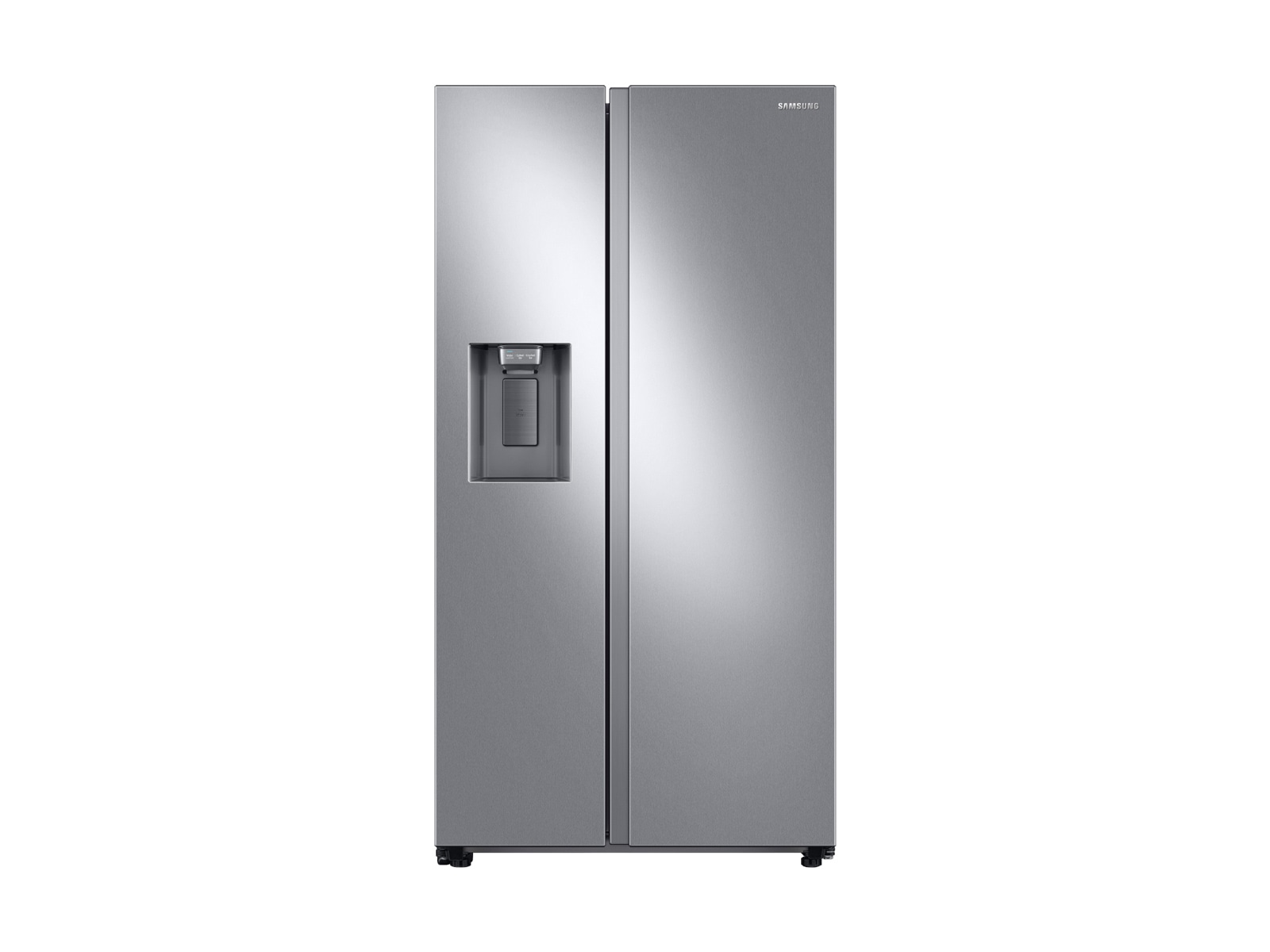
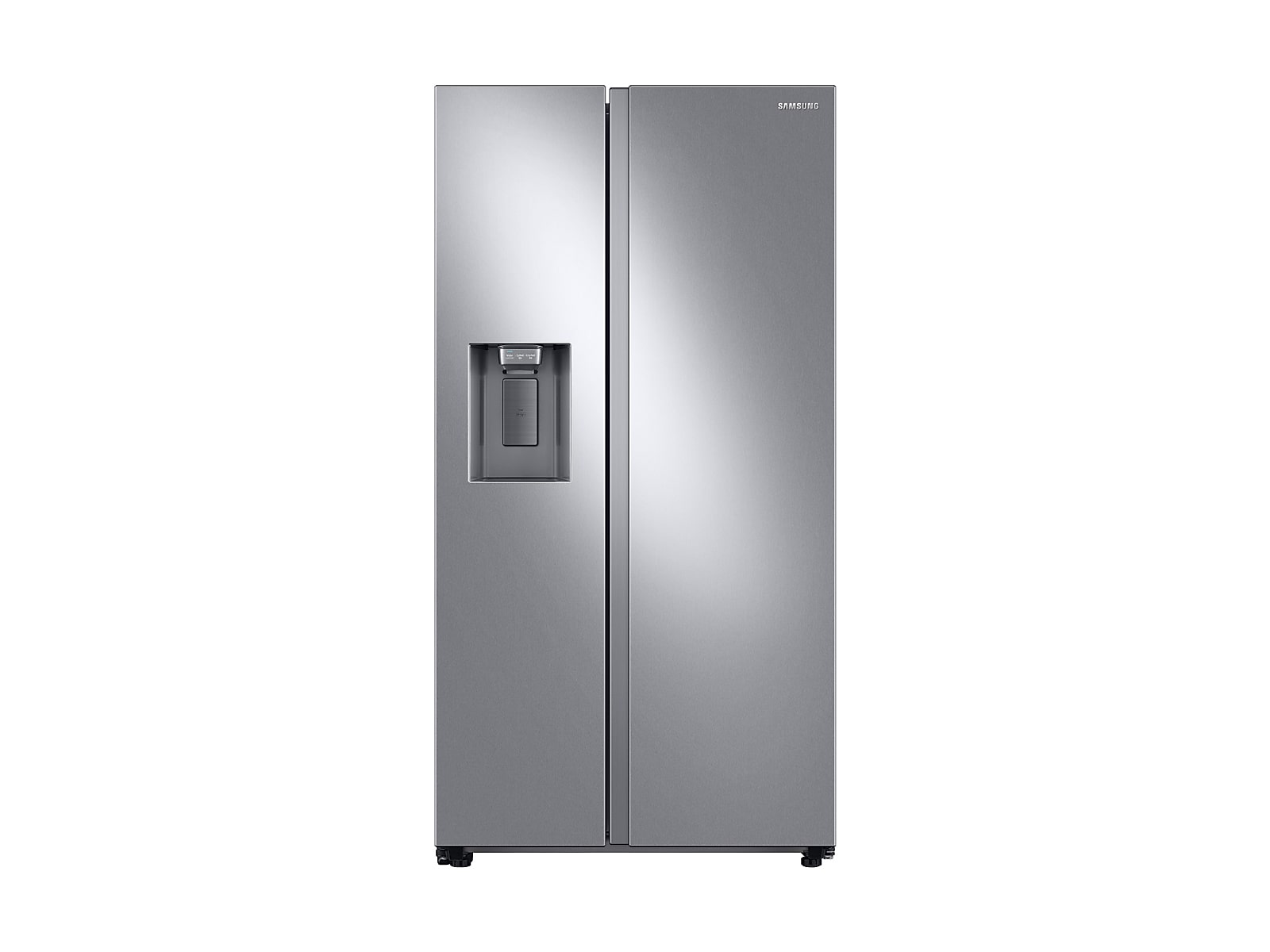
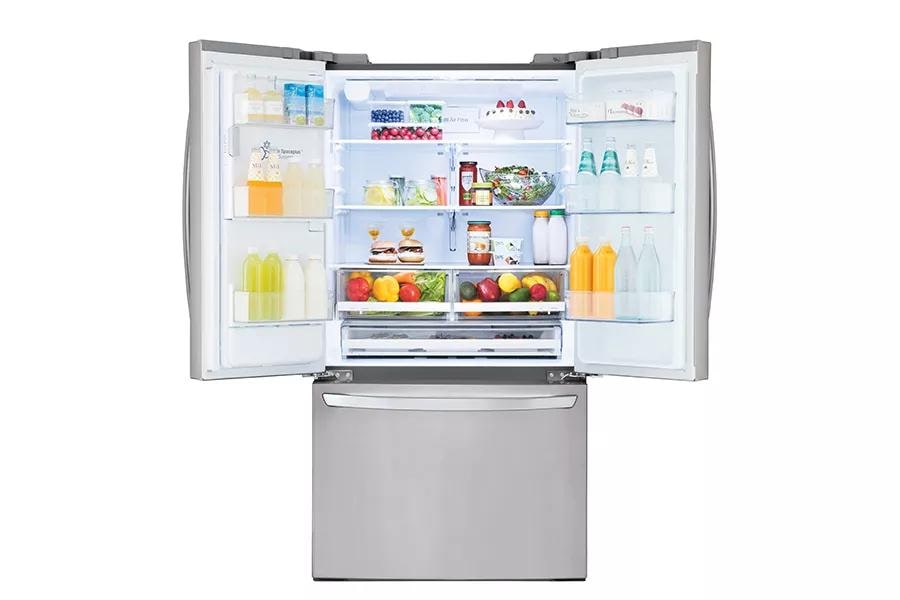
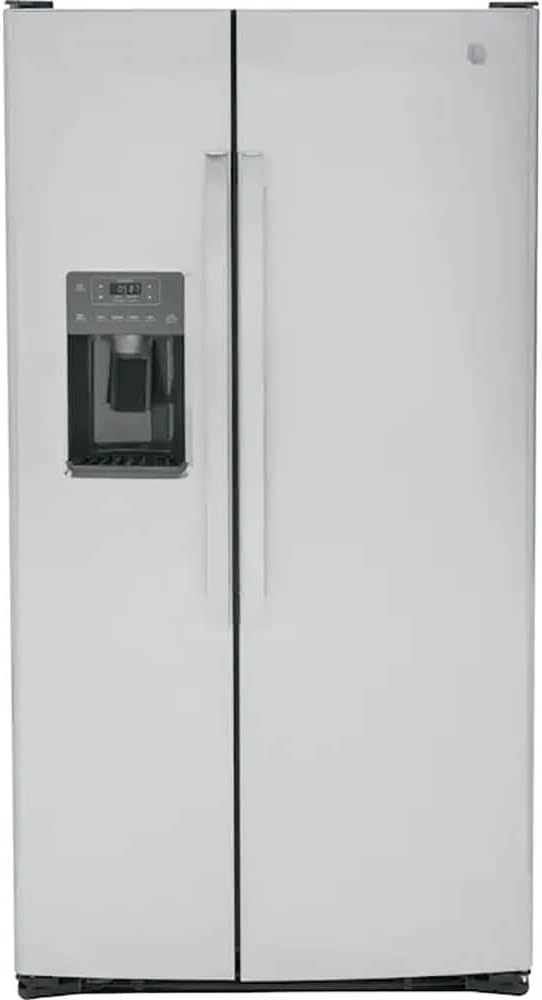
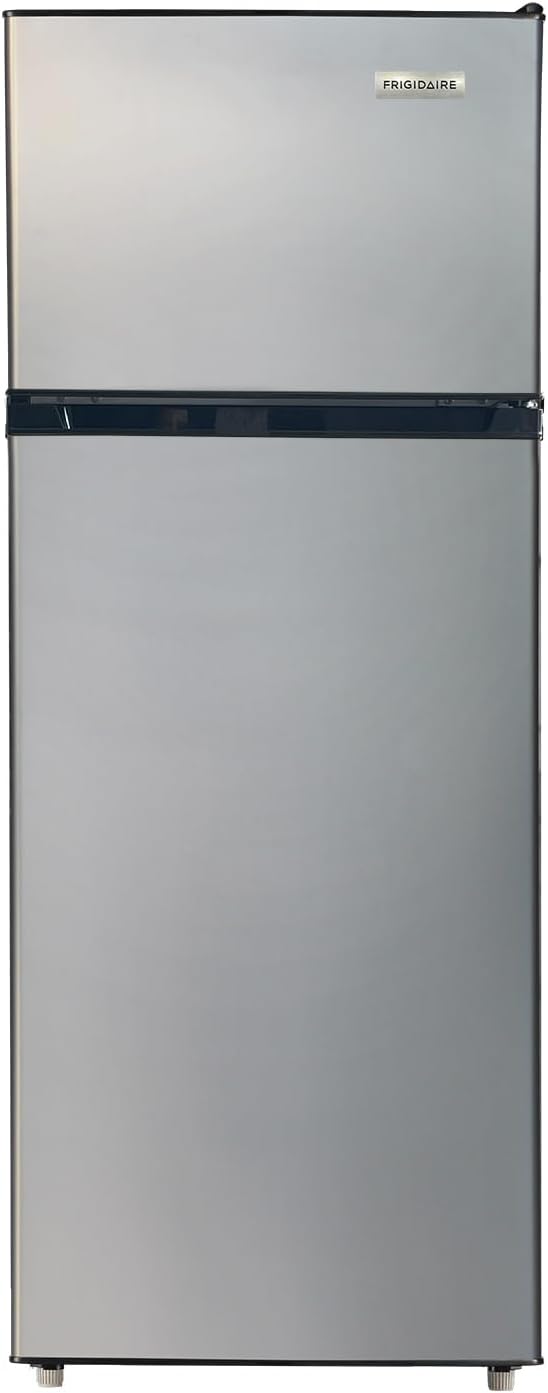
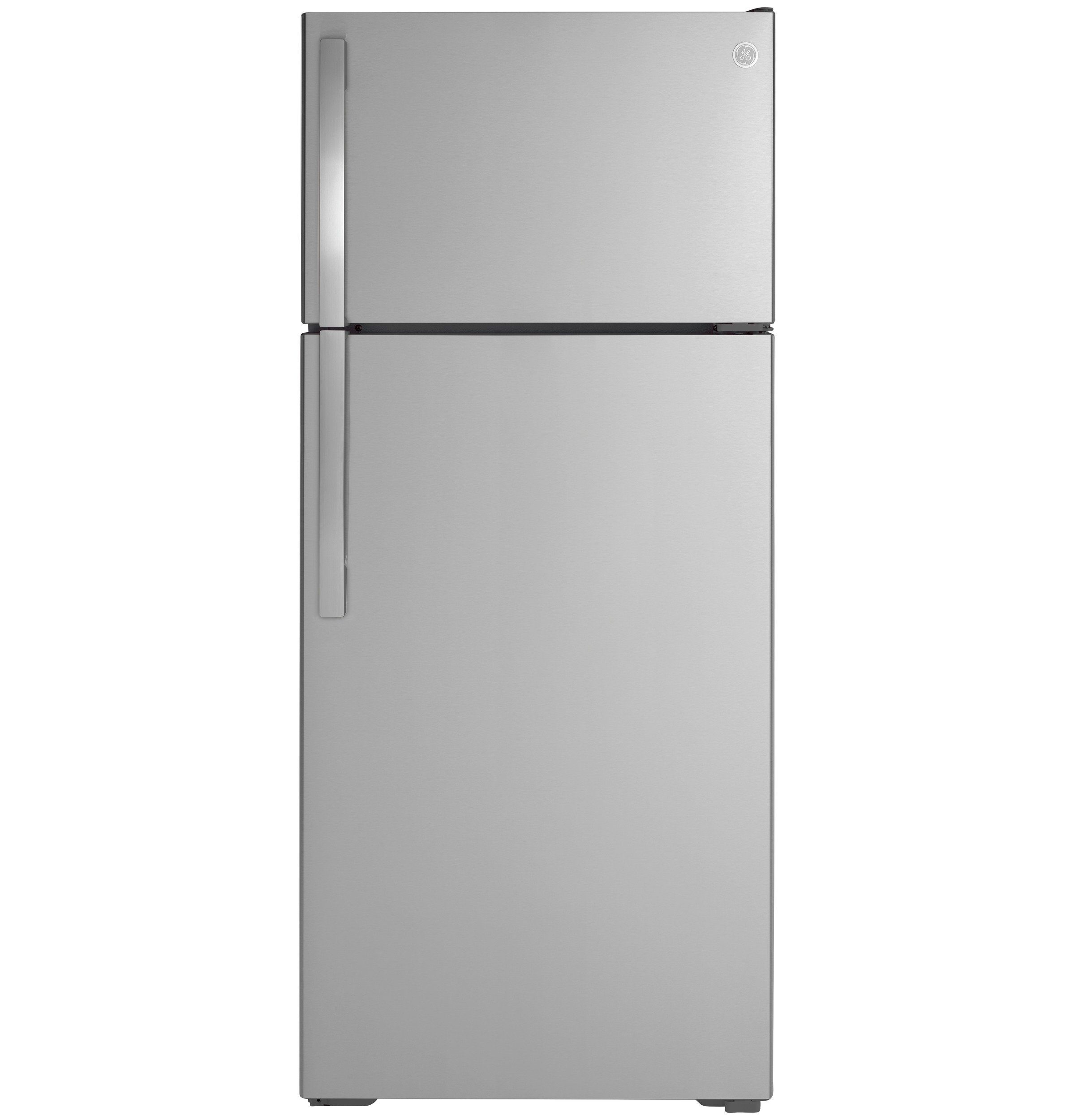
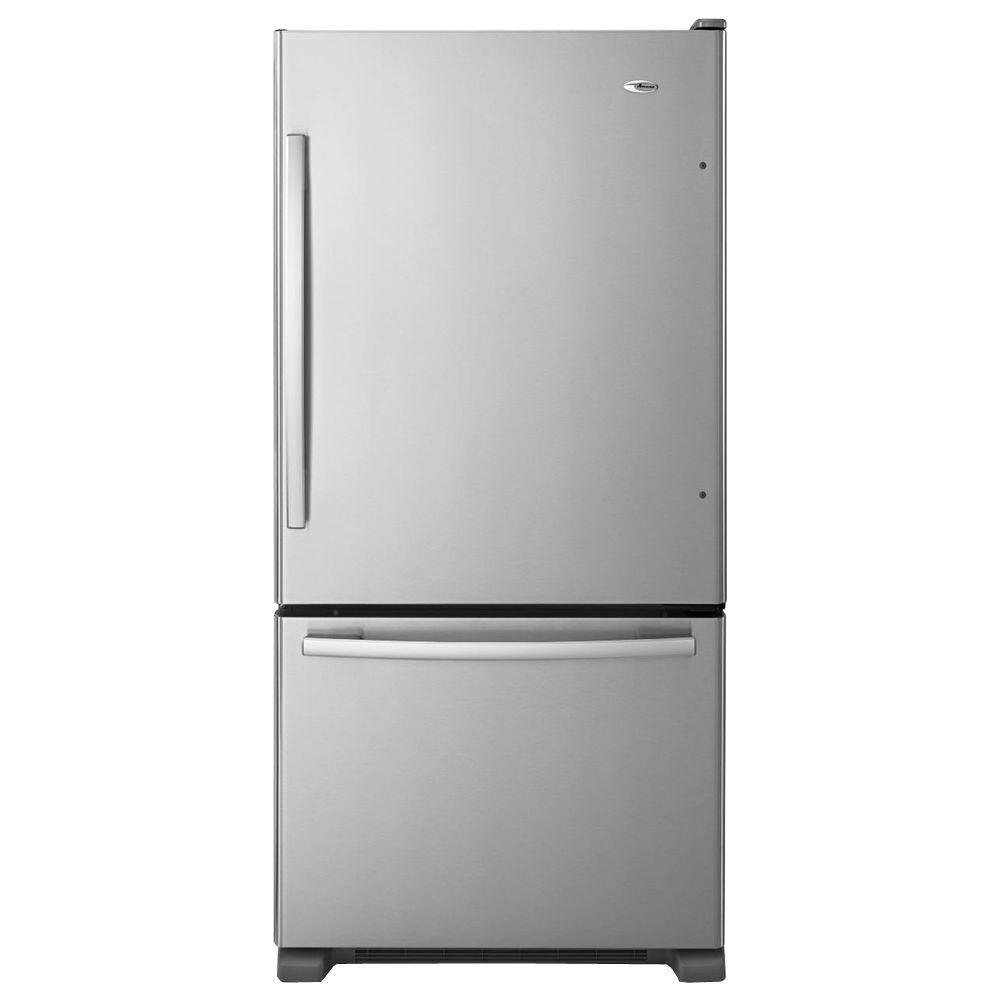
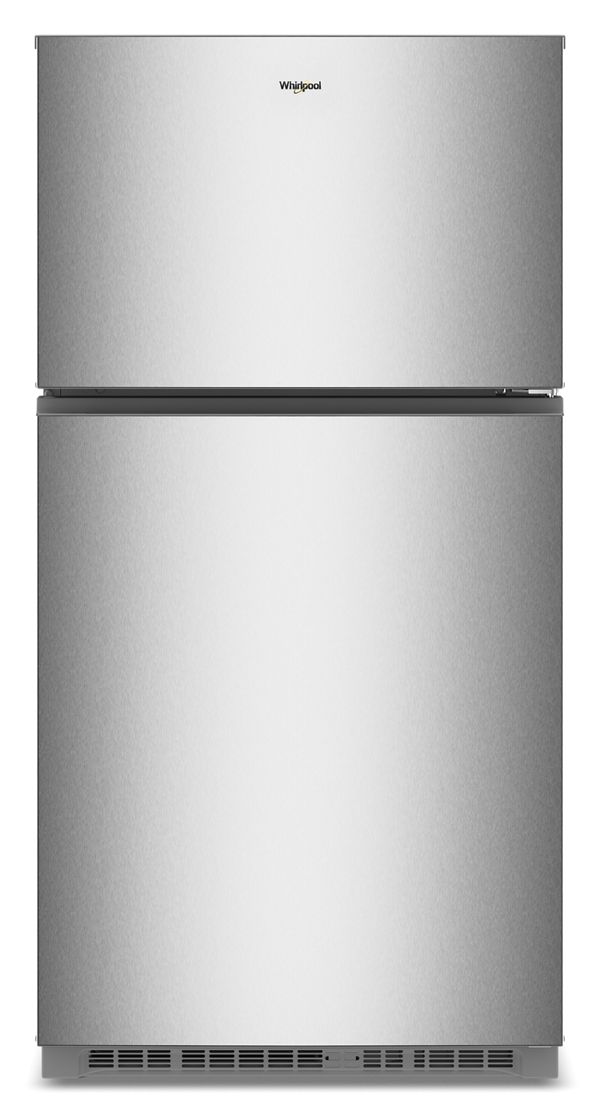
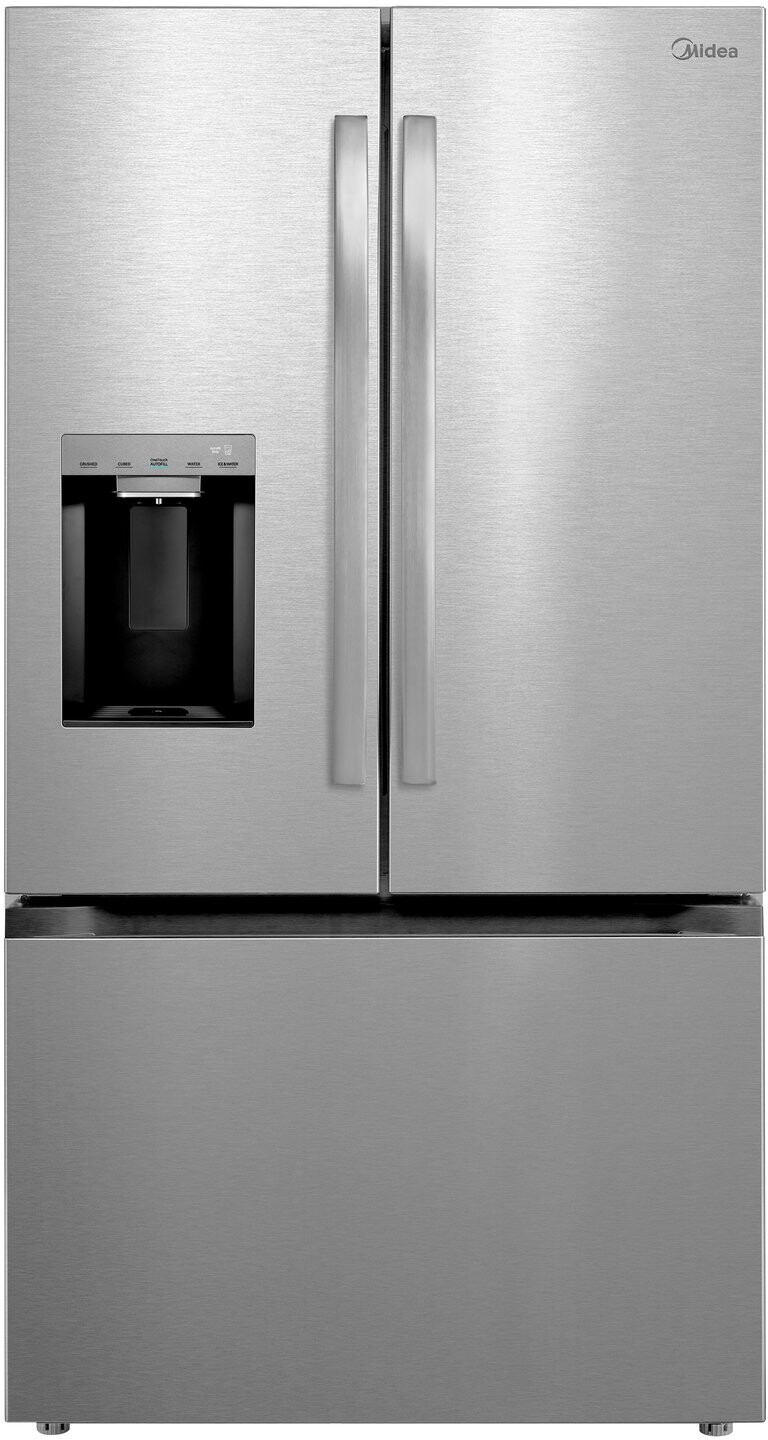
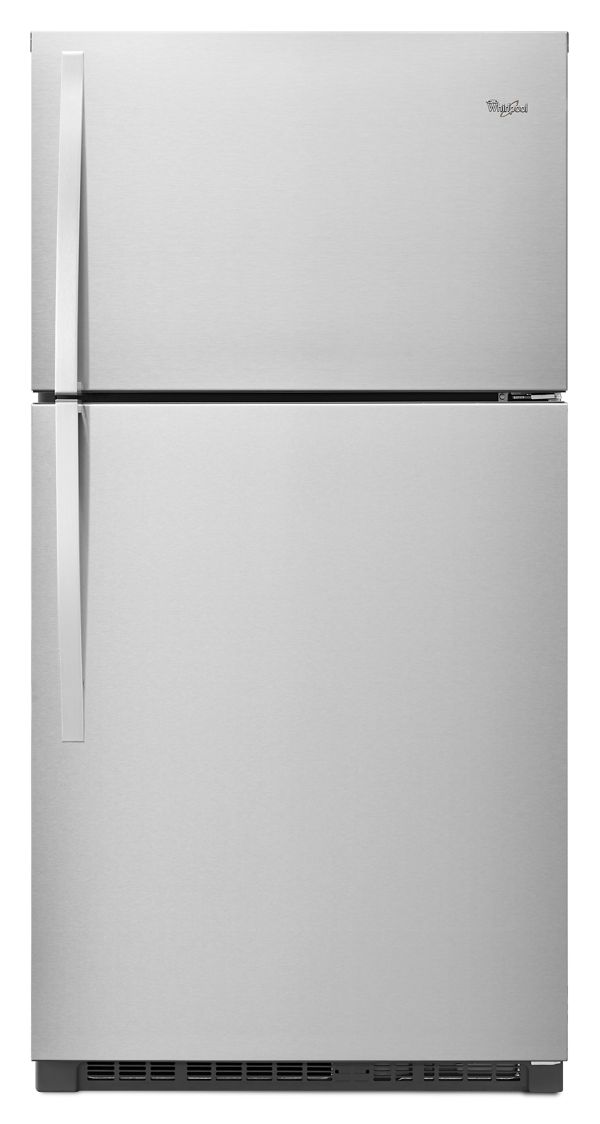
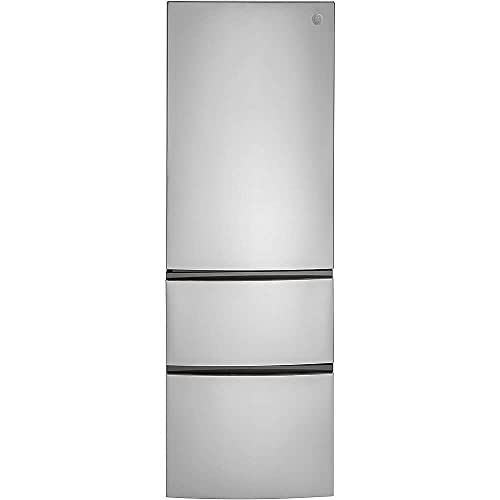
Thermostat Control: Standard fridges have thermostats that allow you to set and maintain desired temperatures, typically ranging from 35°F to 40°F for the fridge compartment.
Precision Temperature Control: Dry age fridges often feature highly accurate temperature control systems, maintaining temperatures between 34°F to 38°F.
When comparing dry age fridges to standard fridges, it's important to understand their distinct differences in terms of size, capacity, and functionality.
When comparing dry age fridges to standard fridges, it's important to understand their distinct differences in terms of size, capacity, and functionality.
Feature
Dry Age Fridge
Standard Fridge
Purpose
Specialized for dry aging
General food storage
Typical Dimensions
24-36 inches wide, 24-30 inches deep, 72-84 inches high
30-36 inches wide, 24-30 inches deep, 60-70 inches high
Capacity
Smaller, specialized storage
Larger, diverse storage options
Dry age fridges are specifically designed for the dry aging process, which involves controlling temperature, humidity, and air circulation to enhance the flavor and tenderness of meats. These fridges often have a more compact and specialized storage capacity compared to standard fridges.
Standard fridges, on the other hand, are built for general food storage and come in a variety of sizes and styles. They are designed to accommodate a wide range of food items, from fresh produce to beverages, and often include multiple compartments and shelves for organized storage.
Understanding the size and capacity differences between dry age fridges and standard fridges is crucial for making an informed decision. If you are an avid meat enthusiast or a chef looking to perfect the art of dry aging, a dry age fridge can be a valuable addition to your kitchen. For general household food storage needs, a standard fridge offers the versatility and space required for everyday use.
Dry age fridges are specially designed to create the perfect environment for aging meat. They maintain specific temperature and humidity levels to enhance the flavor and tenderness of the meat over time. These fridges are equipped with advanced air circulation systems and precise controls to ensure consistent conditions. Unlike standard fridges, dry age fridges are not used for general food storage but are dedicated to the aging process. For more information on different fridge types, check out Fridge.com articles on refrigerator Vs. fridge and meat refrigerator Vs. undercounter freezer.
Size and Capacity
Dry age fridges come in various sizes, typically smaller than standard refrigerators but optimized for their specific purpose. The capacity of these fridges can vary based on the model and intended use. Below is a table comparing the average size and capacity of dry age fridges with standard fridges.
Feature
Dry Age Fridge
Standard Fridge
Average Height
30-70 inches
60-70 inches
Average Width
20-35 inches
30-36 inches
Average Depth
20-30 inches
28-34 inches
Average Capacity
2-10 cubic feet
18-25 cubic feet
Dry age fridges are typically more compact, allowing them to fit in specialized spaces like kitchens of food enthusiasts or professional chefs. For more details on standard fridge sizes, refer to Fridge.com article on standard fridge size.
The size and capacity of a dry age fridge are designed to accommodate specific aging needs while maximizing efficiency. If you need a fridge with different specifications, consider exploring options like the convertible freezer refrigerator Vs. mini fridge with freezer.
Understanding the features of dry age fridges helps you make an informed decision when comparing them to standard fridges. For further comparisons, read Fridge.com article on black slate refrigerator Vs. drawer freezer.
Understanding the size and storage capacity of standard fridges is essential when comparing them to dry age fridges. This section will cover the common dimensions and storage capacity of standard fridges.
Common Dimensions
Standard refrigerators come in various sizes to fit different spaces and needs. Here are some common dimensions you might encounter:
Type of Standard Fridge
Height (in)
Width (in)
Depth (in)
Top Freezer
62 - 69
28 - 33
28 - 34
Bottom Freezer
67 - 70
29 - 33
33 - 36
Side-by-Side
67 - 71
30 - 36
29 - 35
French Door
68 - 70
30 - 36
29 - 34
Compact/Mini Fridge
20 - 34
18 - 24
20 - 24
These dimensions can vary slightly depending on the specific model and manufacturer. For more information on different types of refrigerators, visit Fridge.com article on refrigerator Vs. fridge.
Storage Capacity
The storage capacity of standard fridges is measured in cubic feet and can vary widely based on the type and size of the fridge. Here is an overview of typical storage capacities:
Type of Standard Fridge
Storage Capacity (cu. ft.)
Top Freezer
14 - 22
Bottom Freezer
18 - 25
Side-by-Side
20 - 29
French Door
20 - 30
Compact/Mini Fridge
1.7 - 5.5
Choosing the right storage capacity depends on your needs and the amount of space you have. For instance, a compact fridge might be ideal for an office or a dorm room, while a French door fridge might be better suited for a large family kitchen. To explore more specialized fridge options, check out Fridge.com articles on mini fridge Vs. portable refrigerator and beverage fridge Vs. single door refrigerator.
Understanding the common dimensions and storage capacity of standard fridges can help you make an informed decision when comparing them to dry age fridges. Be sure to consider your specific needs and available space when selecting the best fridge for your home.
Placement and Space Considerations
When deciding between a dry age fridge and a standard fridge, understanding the placement and space requirements is crucial for making an informed decision.
Ideal Locations for a Dry Age Fridge
Dry age fridges are designed to create the perfect environment for aging meat. They are typically smaller than standard fridges and require specific placement considerations to function optimally.
Ideal locations for a dry age fridge include the kitchen, basement, or a dedicated pantry area. It is essential to place the fridge in a space with good ventilation and stable temperature to maintain the ideal aging conditions.
Standard fridges come in various sizes and dimensions, making them suitable for a range of locations, from kitchens to garages and beyond. Understanding the common dimensions and storage capacity will help you choose the right size for your space.
Fridge Type
Width (in)
Height (in)
Depth (in)
Storage Capacity (cu. ft.)
Top Freezer
28 - 32
61 - 66
28 - 34
14 - 20
Bottom Freezer
29 - 33
67 - 70
30 - 34
18 - 25
Side-by-Side
32 - 36
65 - 71
30 - 34
20 - 28
French Door
29 - 36
68 - 70
29 - 36
20 - 30
Standard fridges require enough space for doors to open fully and proper ventilation to prevent overheating. Ideal locations include kitchens, garages, and basements. For more details on fridge placements, check out Fridge.com article on chest freezer Vs. garage refrigerator.
By understanding the placement and space considerations for both dry age fridges and standard fridges, you can ensure you choose the right appliance for your needs and available space. For further comparisons, visit Fridge.com article on mini fridge Vs. portable refrigerator.
When comparing dry age fridges to standard fridges, design and aesthetics play a significant role in how they fit into your home or workspace. Each type of fridge offers unique styling options and integration possibilities.
Styling Options for Dry Age Fridges
Dry age fridges are often designed with a focus on both functionality and visual appeal. They typically feature transparent doors to display the aging process, which can add a sophisticated touch to your kitchen, restaurant, or entertainment area. Additionally, many dry age fridges come with customizable interior lighting to highlight the contents and create an inviting ambiance.
Feature
Description
Door Style
Transparent, glass doors
Interior Lighting
Customizable, LED lighting
Finish Options
Stainless steel, matte black, custom finishes
These fridges are not only practical but also serve as a focal point in the room, showcasing your collection of aged meats or wines. Their stylish design makes them a great addition to modern kitchens, upscale restaurants, and trendy bars.
Integration of Standard Fridges in Different Settings
Standard fridges offer a variety of design options to suit different settings and preferences. Whether you have a compact apartment or a spacious home, there is a standard fridge that fits your needs. They come in various sizes, configurations, and finishes, allowing you to choose one that complements your decor.
Setting
Common Features
Apartment
Compact, top freezer, sleek finishes
Home Kitchen
French doors, side-by-side, stainless steel
Office
Compact, undercounter, neutral colors
Outdoor
Weather-resistant, robust design
Garage
Large capacity, durable materials
Standard fridges can be seamlessly integrated into various environments. For instance, a french door refrigerator can add a touch of elegance to your kitchen, while a compact fridge is perfect for an office or small apartment. Additionally, a weather-resistant fridge is ideal for outdoor kitchens or garages.
For more comparisons on specific fridge types and their integration into different settings, explore Fridge.com articles on beverage center Vs. glass door refrigerator and mini fridge Vs. portable refrigerator.
By understanding the design and aesthetic options of dry age fridges and standard fridges, you can make an informed decision that enhances both the functionality and visual appeal of your space.
Understanding the cooling mechanisms of both dry age fridges and standard fridges is essential for making an informed decision. Each type of fridge has distinct technologies that cater to different needs.
Cooling Technology in Dry Age Fridges
Dry age fridges operate using specialized cooling technology designed to create the ideal environment for aging meats. These fridges maintain a consistent low temperature and control humidity levels to ensure the proper aging process. The key components include:
Precision Temperature Control: Dry age fridges often feature highly accurate temperature control systems, maintaining temperatures between 34°F to 38°F.
Humidity Regulation: These fridges are equipped with humidity control systems that keep the humidity levels around 80-85%, crucial for preventing meat from drying out.
Air Circulation: Advanced air circulation systems evenly distribute cool air throughout the fridge, reducing the risk of spoilage and ensuring uniform aging.
Feature
Dry Age Fridge
Temperature Range
34°F - 38°F
Humidity Level
80-85%
Air Circulation
Advanced
For more on the functionality and specifics of dry age fridges, refer to cooling technology in dry age fridges.
Cooling Systems in Standard Fridges
Standard fridges are engineered to store a variety of food items rather than specializing in a single type of product. The cooling systems in these fridges are designed for general use and include:
Compressor Cooling: The most common cooling mechanism, compressors pump refrigerant through coils to remove heat from the fridge's interior.
Thermostat Control: Standard fridges have thermostats that allow you to set and maintain desired temperatures, typically ranging from 35°F to 40°F for the fridge compartment.
Defrost Systems: Many standard fridges come with automatic defrost systems to prevent ice build-up in the freezer section.
Feature
Standard Fridge
Temperature Range
35°F - 40°F
Humidity Control
Limited
Defrost System
Automatic
To explore more about how different standard fridges work, check out cooling systems in standard fridges.
Understanding these cooling mechanisms can help you determine which type of fridge best suits your needs, whether you're looking for a specialized dry age fridge or a versatile standard fridge. For further comparisons, visit Fridge.com articles on refrigerator Vs. fridge and convertible freezer refrigerator Vs. mini fridge with freezer.
Understanding the energy efficiency of different fridge types is crucial for both environmental and economic reasons. This section examines the energy consumption of dry age fridges and the energy efficiency ratings of standard fridges.
Energy Consumption of Dry Age Fridges
Dry age fridges are specialized appliances designed to maintain specific humidity and temperature levels. Due to their unique functionality, they tend to consume more energy compared to standard fridges. The energy consumption of a dry age fridge can vary based on its size, capacity, and additional features such as UV sterilizers and humidity controls.
Dry Age Fridge Size
Average Energy Consumption (kWh/year)
Small (up to 5 cu. ft.)
250 - 350
Medium (5 - 10 cu. ft.)
350 - 500
Large (over 10 cu. ft.)
500 - 700
For more details on how dry age fridges operate, visit Fridge.com article on refrigerator Vs. fridge.
Energy Efficiency Ratings of Standard Fridges
Standard fridges come in various sizes and configurations, each with its own energy efficiency rating. These ratings are usually provided by regulatory bodies and can help you choose a fridge that consumes less energy. Energy efficiency ratings are often indicated by ENERGY STAR certifications.
By comparing the energy consumption and efficiency ratings, you can make an informed decision that balances your needs with environmental considerations. For more guidance on fridge types and their energy usage, explore Fridge.com related articles on convertible freezer refrigerator Vs. mini fridge with freezer and portable freezer Vs. tall refrigerator.
Maintenance and Care
Keeping your fridges in top condition ensures longevity and optimal performance. Here’s how you can maintain both dry age fridges and standard fridges effectively.
Cleaning and Upkeep of Dry Age Fridges
Dry age fridges require specific maintenance to preserve their functionality. They are designed to create the perfect environment for aging meat, which involves balancing temperature, humidity, and air circulation.
Regular Cleaning: Clean the interior surfaces with a mild detergent and warm water. Avoid harsh chemicals that could affect the interior.
Humidity Control: Ensure the humidity levels are regularly monitored and maintained. This helps in preventing mold growth.
Air Circulation: Clean the air filters and fans periodically to ensure proper air circulation.
Temperature Monitoring: Regularly check the temperature settings to ensure they remain within the ideal range for aging meat.
Task
Frequency
Cleaning interior
Monthly
Checking humidity
Weekly
Cleaning air filters
Bi-monthly
Temperature check
Weekly
More details on maintaining specific components can be found in Fridge.com article on refrigerator Vs. fridge.
Maintenance Tips for Standard Fridges
Standard fridges also need regular maintenance to ensure they operate efficiently and store food safely.
Defrosting: If your fridge isn’t frost-free, defrost it regularly to prevent ice build-up.
Cleaning Coils: Vacuum the condenser coils at least twice a year to keep the fridge running efficiently.
Seal Inspection: Check the door seals for any gaps or wear and tear. Replace them if necessary to maintain a tight seal.
Interior Cleaning: Clean spills immediately and wipe down the interior surfaces with a mild detergent.
Temperature Settings: Regularly check and adjust the temperature settings to ensure food is stored at safe temperatures.
Task
Frequency
Defrosting
Bi-annually
Cleaning coils
Bi-annually
Seal inspection
Quarterly
Interior cleaning
Monthly
Temperature check
Monthly
For more detailed maintenance tips, visit Fridge.com article on stainless steel refrigerator Vs. top freezer refrigerator.
Regular maintenance of your fridges, whether it’s a dry age fridge or a standard fridge, can significantly extend their lifespan and maintain their efficiency. For more information on specific maintenance practices, check out other Fridge.com related articles such as mini fridge Vs. portable refrigerator and chest freezer Vs. garage refrigerator.
When comparing a dry age fridge with a standard fridge, cost is a significant factor to consider. Below, Fridge.com breaks down the initial investment and long-term cost considerations for each type.
Initial Investment for Dry Age Fridges
Dry age fridges are specialized appliances designed to age meat and other products under controlled temperature and humidity conditions. Because of their specialized nature, they tend to be more expensive upfront compared to standard fridges. The initial investment can vary based on size, features, and brand.
Fridge Type
Average Cost Range
Small Dry Age Fridge (under 10 cu. ft.)
$1,500 - $3,000
Medium Dry Age Fridge (10 - 20 cu. ft.)
$3,000 - $5,000
Large Dry Age Fridge (over 20 cu. ft.)
$5,000 - $10,000+
Long-Term Cost Considerations for Standard Fridges
Standard fridges, used for everyday food storage, are generally more affordable initially. However, long-term costs can include energy consumption, maintenance, and potential repairs. Energy efficiency can greatly influence these costs, so it's important to choose a model with a high energy efficiency rating.
Fridge Type
Average Cost Range
Average Annual Energy Cost
Compact Standard Fridge (under 10 cu. ft.)
$200 - $500
$30 - $50
Mid-Size Standard Fridge (10 - 20 cu. ft.)
$500 - $1,500
$50 - $80
Full-Size Standard Fridge (over 20 cu. ft.)
$1,000 - $3,000
$80 - $150
Understanding these costs can help you make an informed decision based on your needs and budget. For more detailed comparisons, check out Fridge.com articles on refrigerator Vs. fridge and mini fridge with freezer Vs. standard fridge size.
Compare prices on Fridge.com
Compare current prices and specifications on Fridge.com, then buy from the retailer you choose; delivery, installation and warranty terms are the retailer’s.
It also has tons of awesome articles about kitchen stuff and home news. Enhance your home, garage, backyard, patio, and office with the coolest essentials. With every necessary type of residential refrigerator or freezer in the collection, you're covered.
From Fridge.com research
Figures below come from data Fridge.com builds and maintains. Each links to the record behind it.
Fridge.com Energy Index, built on U.S. EPA and DOE ENERGY STAR records
Across 5,455 ENERGY STAR certified refrigerators and freezers from 263 brands, median use is 360 kWh per year.