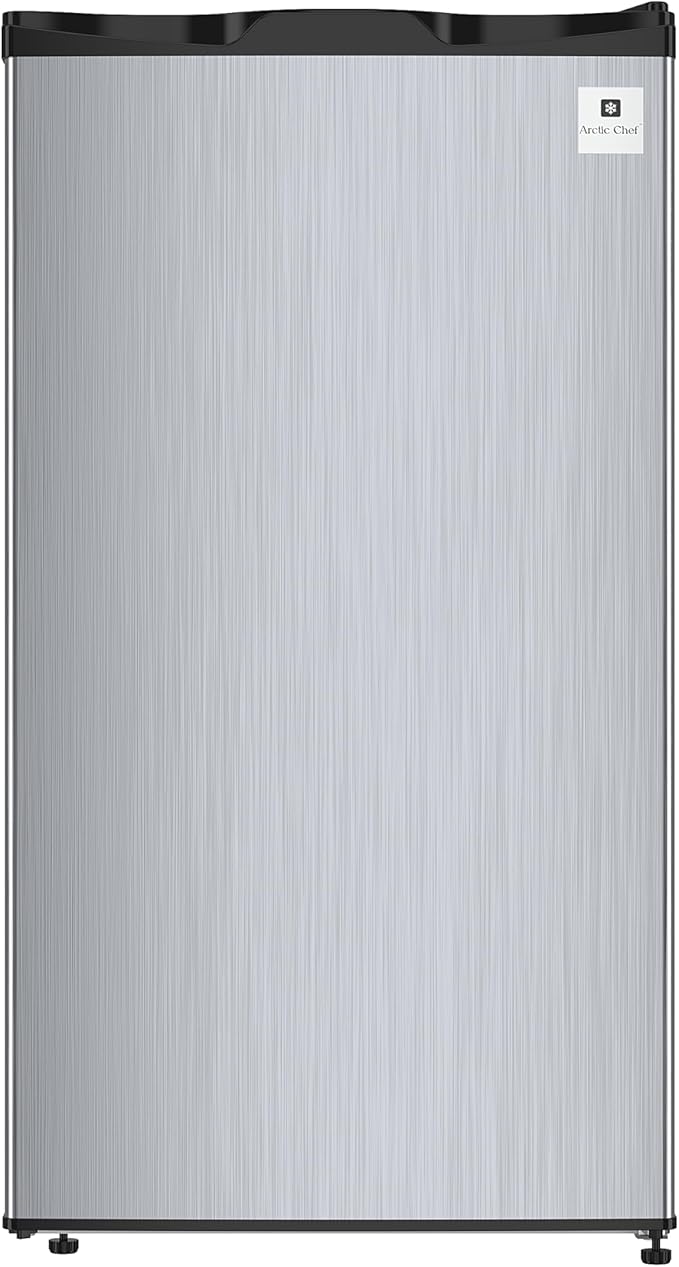
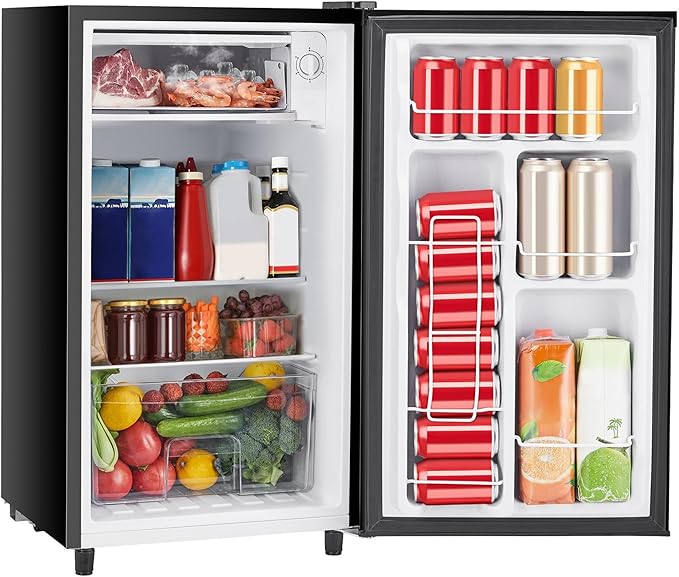
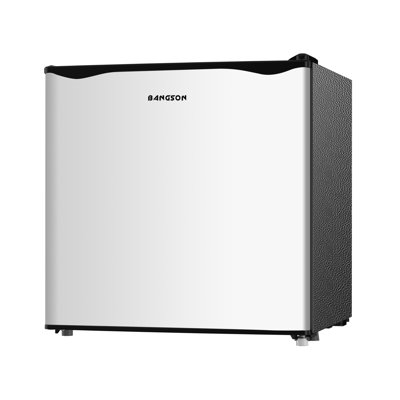
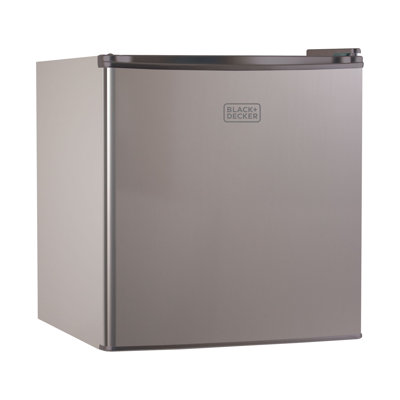
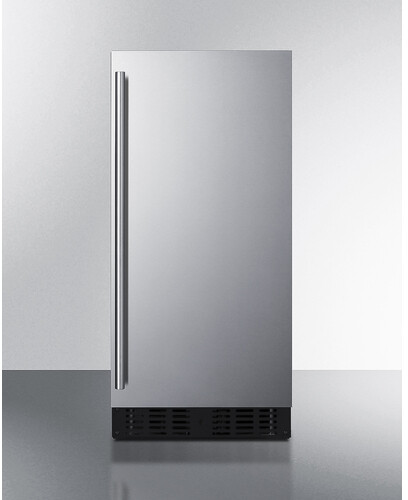
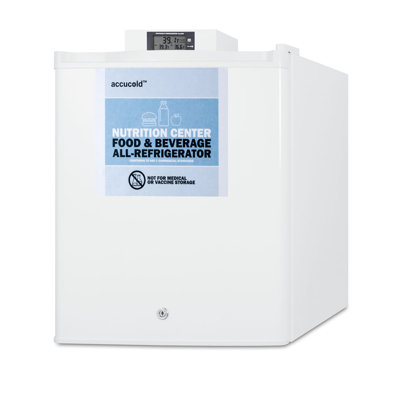
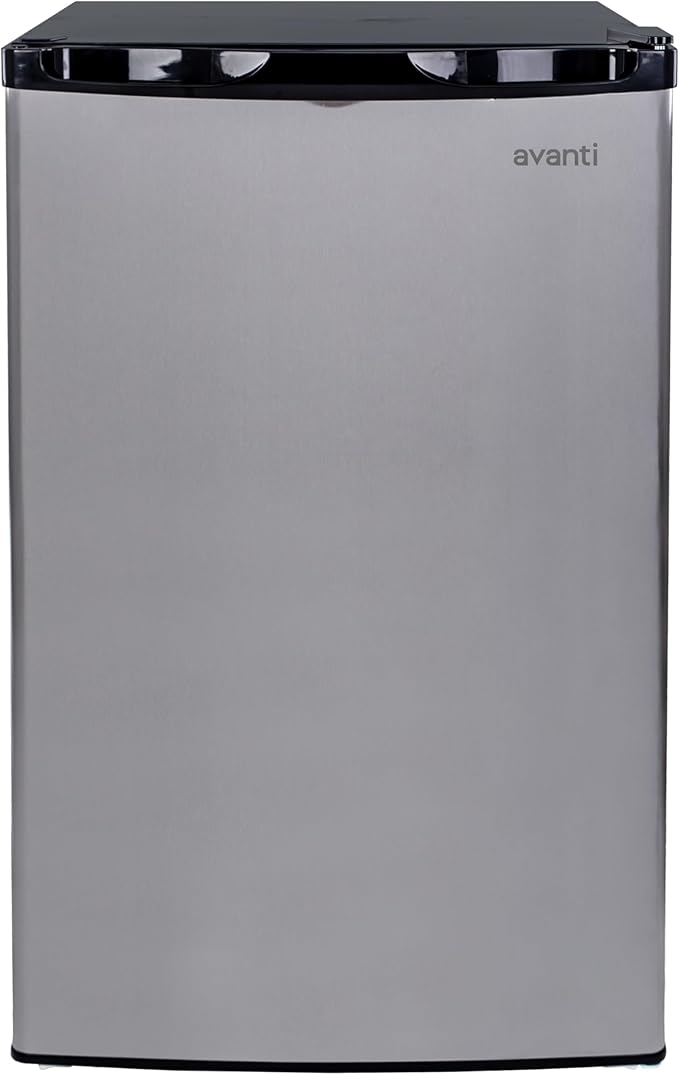
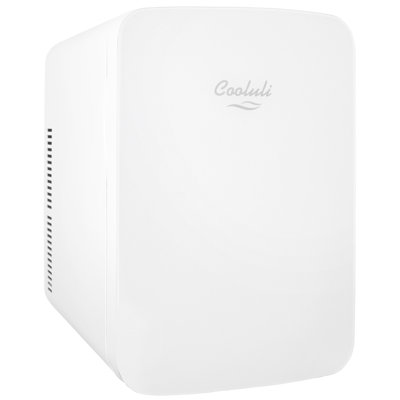
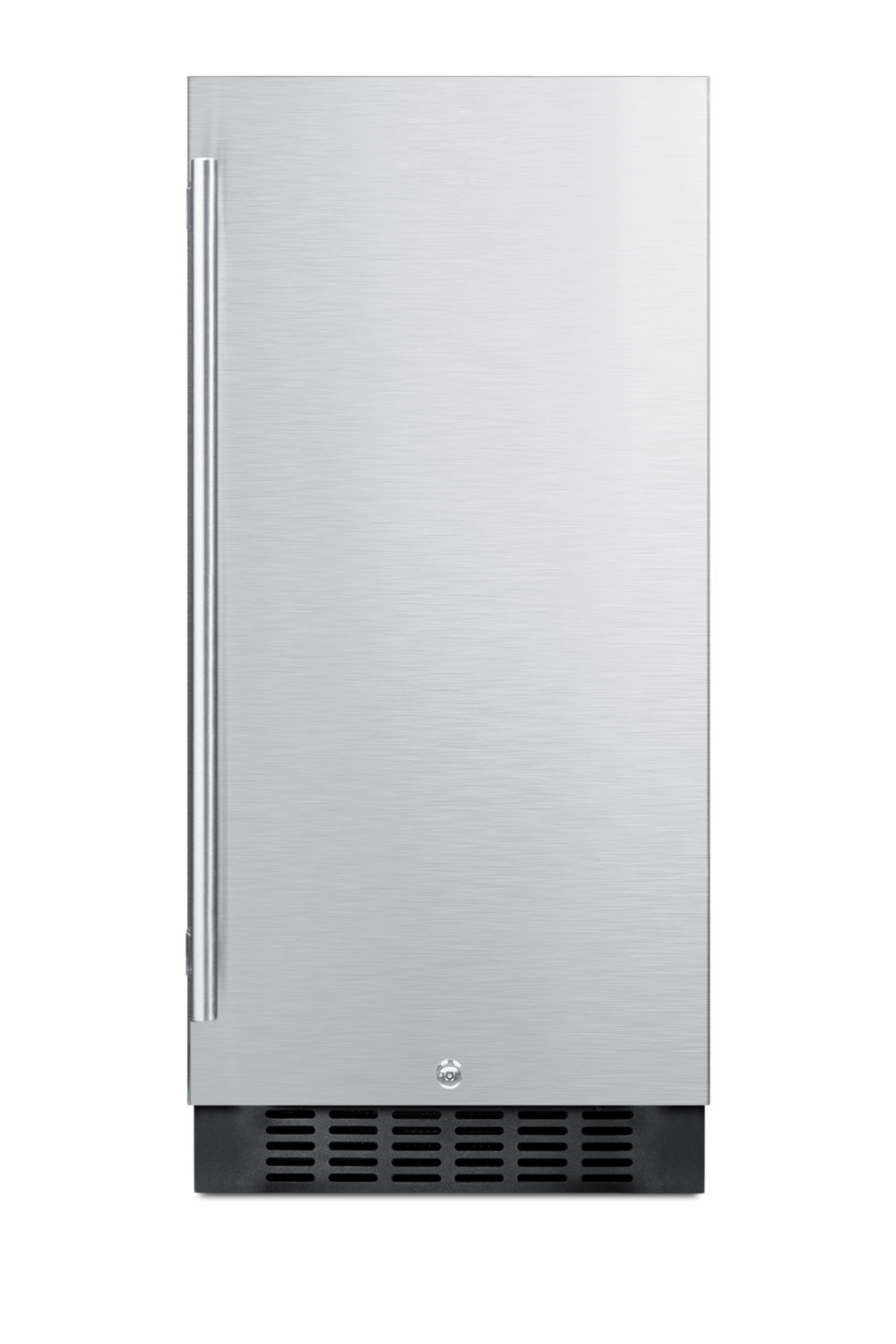
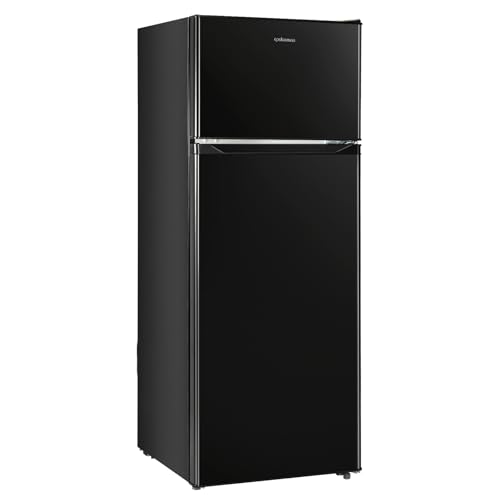
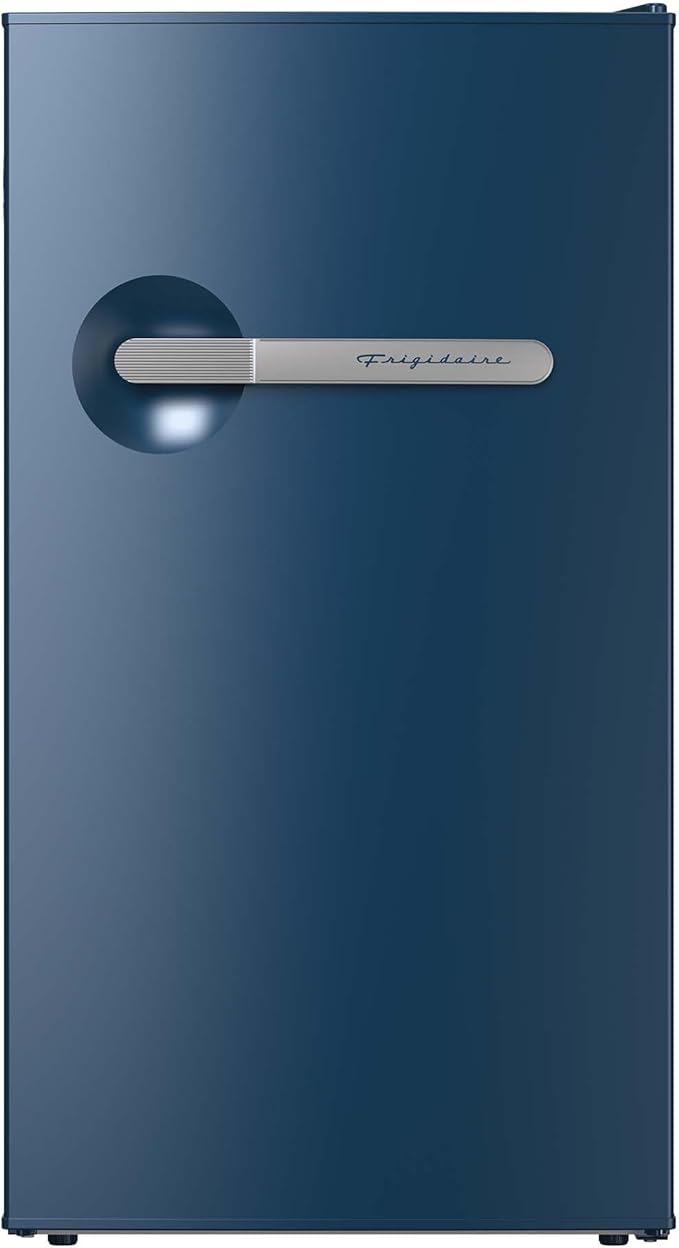
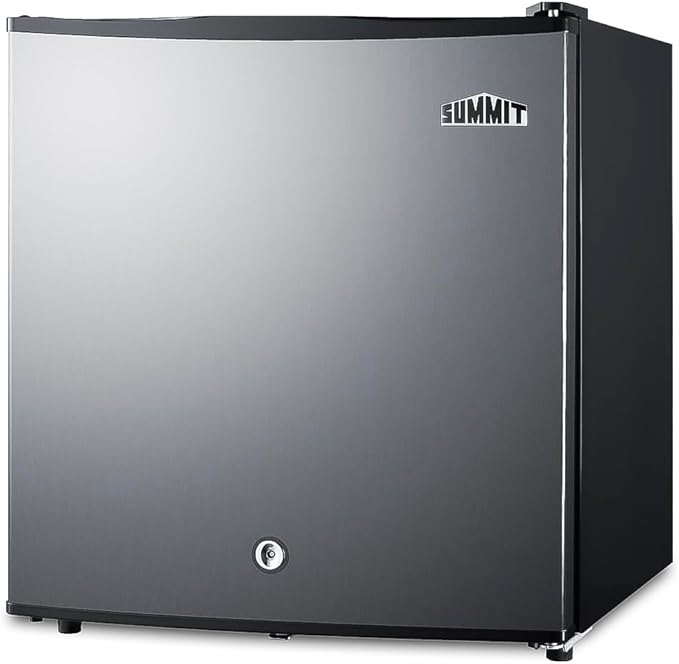
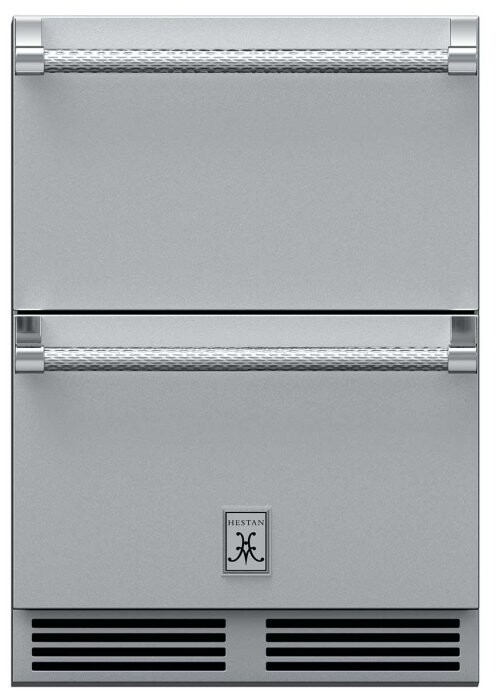
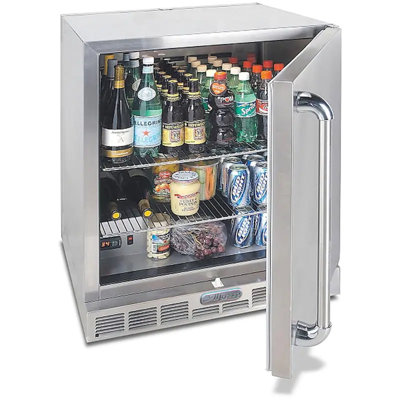
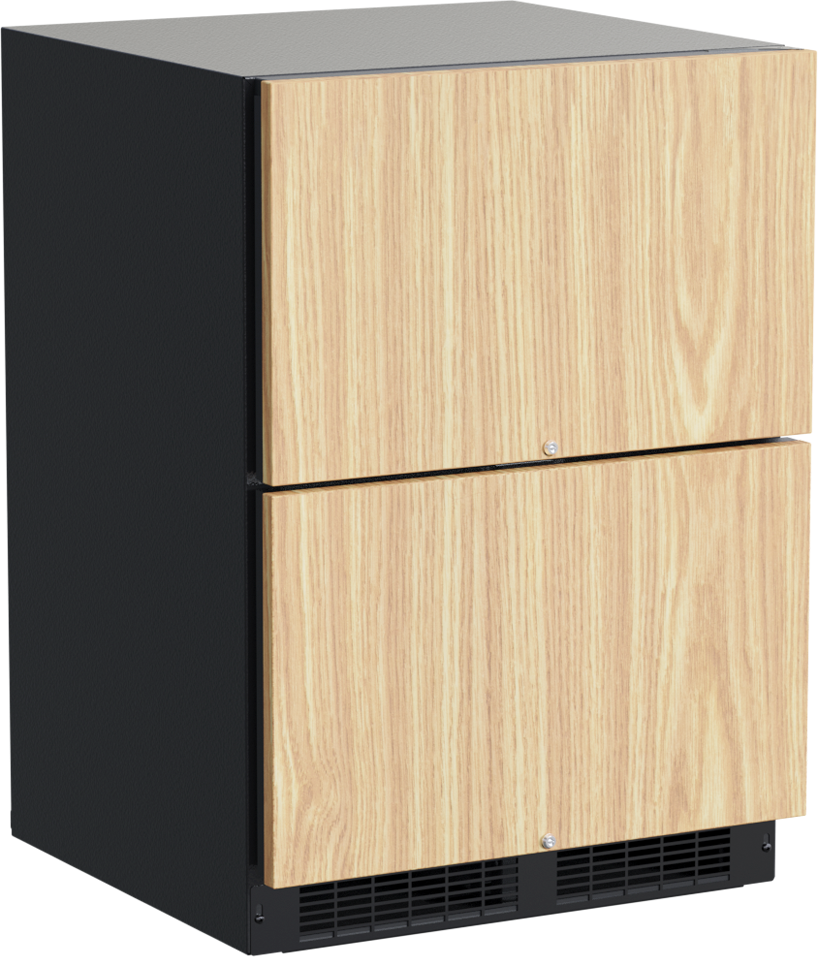
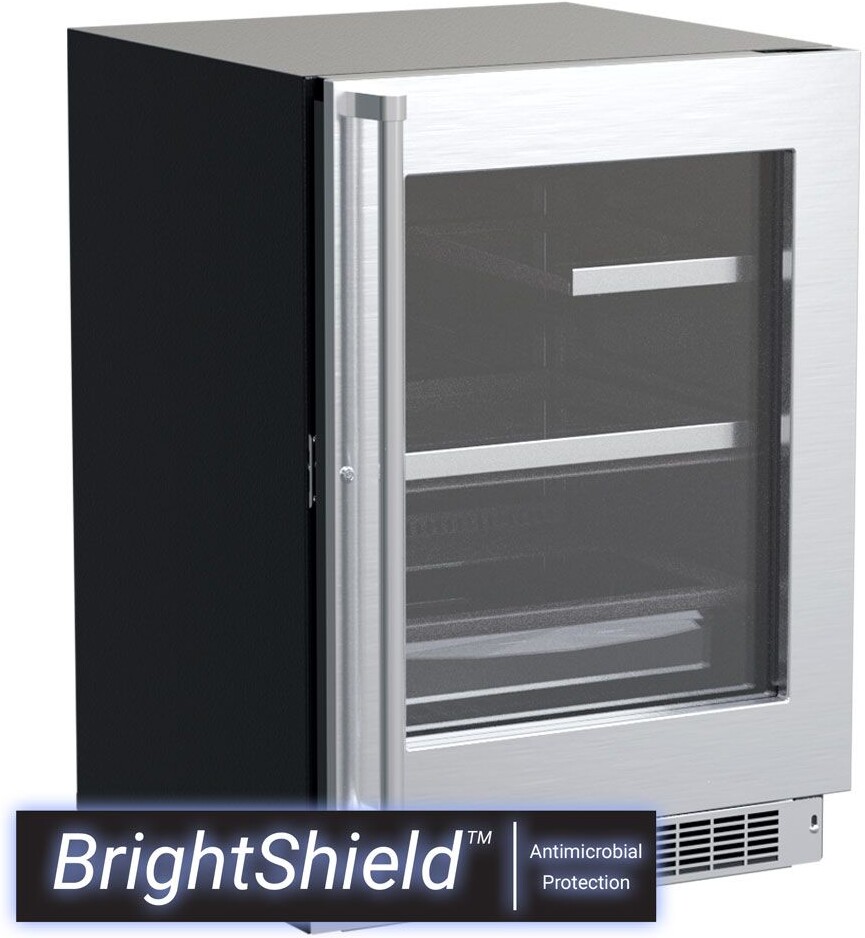
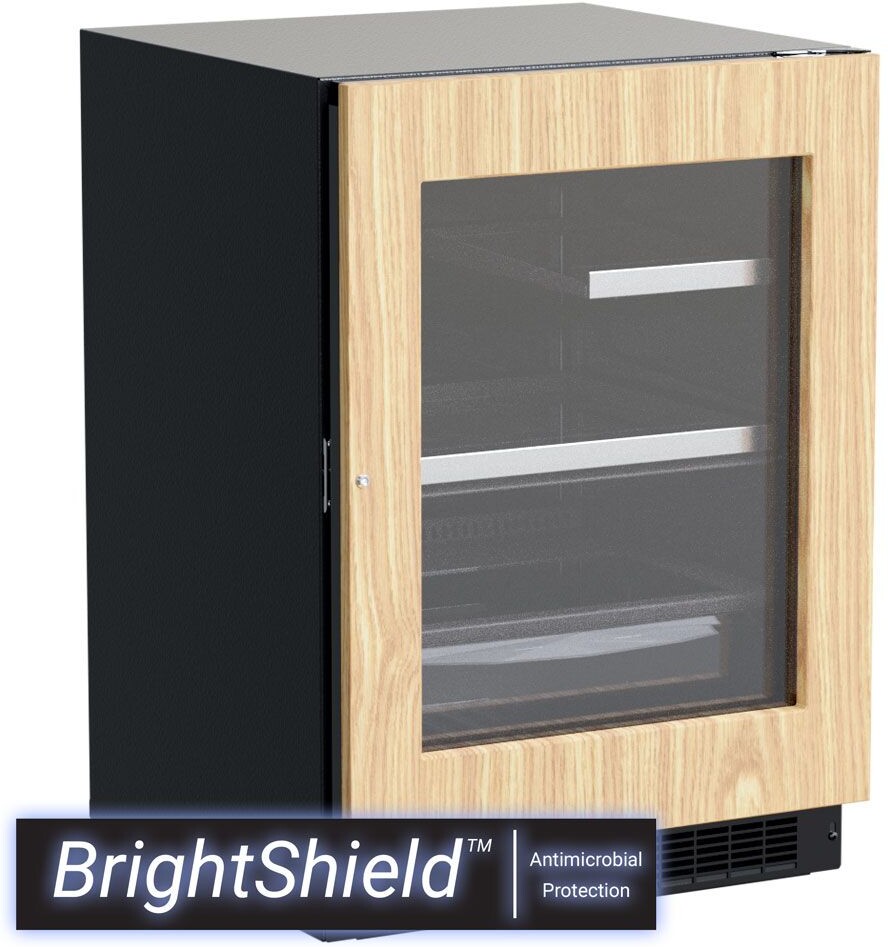
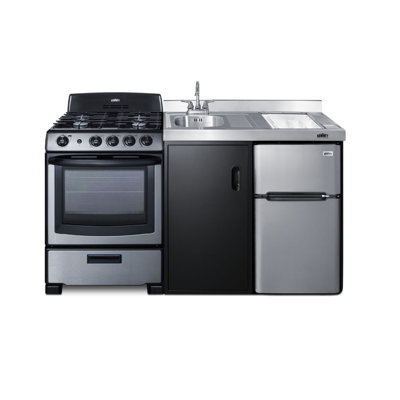
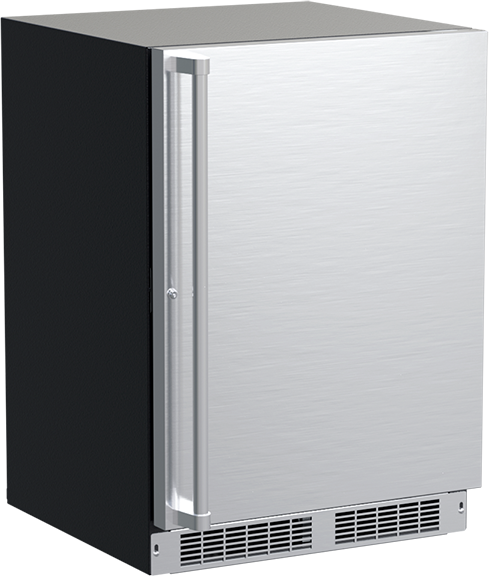
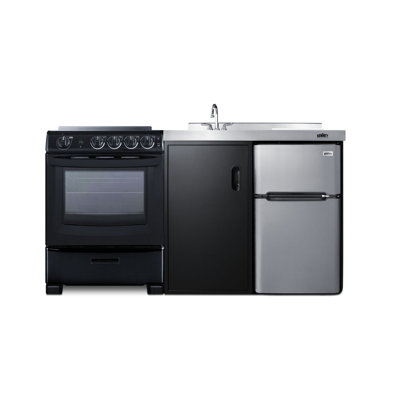
When choosing between a convertible freezer refrigerator and a mini fridge with freezer, it's crucial to assess your cooling needs and consider various factors that will influence your decision.
Assessing Your Refrigeration Requirements
Understanding your specific refrigeration needs is the first step in making an informed choice. Think about the following aspects:
Storage Capacity: How much space do you need for storing food and beverages? A convertible freezer refrigerator typically offers more storage space compared to a mini fridge with freezer.
Usage Frequency: How often will you be accessing the refrigerator or freezer? If you need frequent access to both compartments, a convertible model might be more suitable.
Type of Items Stored: What types of items will you be storing? If you need to store large items or bulk quantities, a convertible freezer refrigerator offers more flexibility.
Location of Use: Where will you be placing the unit? Consider whether it will be used in a small apartment, office, garage, or outdoor setting. The space available will impact your choice.
Factors to Consider Before Choosing
Before making a decision, consider the following factors:
Size and Capacity: Evaluate the dimensions and storage capacity of each option. Ensure that the chosen unit fits comfortably in the designated space and meets your storage needs. For more details, refer to Fridge.com section on Size and Capacity.
Energy Efficiency: Compare the energy consumption of both models. A more energy-efficient option can save you money on utility bills and reduce your environmental footprint. Check Fridge.com comparison on Energy Efficiency.
Temperature Control: Look for units with adjustable temperature settings to maintain optimal conditions for different types of food. Both convertible freezer refrigerators and mini fridges with freezers should offer precise temperature control. Learn more in Fridge.com section on Temperature Control and Flexibility.
Maintenance and Durability: Consider the ease of maintenance and the durability of the unit. Look for features that facilitate cleaning and ensure long-term reliability. For insights on upkeep, see Fridge.com section on Maintenance and Durability.
Initial Investment and Long-Term Value: Compare the initial costs and the long-term value of each option. While a convertible freezer refrigerator might have a higher upfront cost, it could offer better value over time. Explore Fridge.com comparison on Cost Comparison.
By thoroughly assessing your refrigeration requirements and considering these key factors, you can make an educated decision between a convertible freezer refrigerator and a mini fridge with freezer.
Convertible Freezer Refrigerator
A convertible freezer refrigerator offers a unique blend of flexibility and functionality. This type of appliance can switch between being a freezer and a refrigerator, depending on your needs. Let's dive into its features and functionality, followed by its pros and cons.
Features and Functionality
Convertible freezer refrigerators are designed with versatility in mind. They come equipped with advanced technology that allows you to change the appliance's mode from a freezer to a refrigerator and vice versa. This feature makes it ideal for those who need extra storage that can adapt to varying requirements.
Dual Modes: You can switch between freezer and refrigerator modes.
Temperature Control: Adjustable temperature settings to suit your needs.
Energy Efficiency: Many models are designed to be energy-efficient, reducing power consumption.
Spacious Interiors: Typically offer substantial storage capacity.
Smart Technology: Some models come with smart features, such as Wi-Fi connectivity and app control.
Pros and Cons of Convertible Models
To help you determine if a convertible freezer refrigerator is the right choice for you, consider the following pros and cons.
Mini fridges with freezers are a popular choice for many people due to their compact size and dual functionality. They offer a convenient solution for those who need both refrigeration and freezing capabilities in a limited space.
Features and Functionality
Mini fridges with freezers come with a variety of features that make them a versatile option for different settings. Here are some key features:
Compact Size: Mini fridges with freezers are designed to fit into small spaces, making them ideal for apartments, offices, dorm rooms, and even outdoor areas.
Dual Compartments: These fridges typically have separate compartments for refrigeration and freezing, allowing you to store both fresh and frozen items.
Adjustable Shelving: Many models come with adjustable shelves, enabling you to customize the storage space according to your needs.
Temperature Control: Some mini fridges offer adjustable temperature settings, giving you more control over the cooling environment.
Energy Efficiency: Modern mini fridges are often designed to be energy-efficient, helping you save on electricity bills.
Pros and Cons of Mini Fridges with Freezers
When considering a mini fridge with a freezer, it's essential to weigh the advantages and disadvantages.
Pros
Cons
Compact and space-saving
Limited storage capacity
Dual functionality for refrigeration and freezing
Smaller freezer compartment
Ideal for small living spaces
May not fit larger items
The compact nature of mini fridges makes them an excellent choice for small spaces. They are perfect for those who need a secondary fridge or a convenient cooling solution for specific areas like a garage or office. However, their limited storage capacity might be a drawback if you need to store larger quantities of food or bigger items.
For more information on different types of fridges and their uses, check out Fridge.com articles on mini fridge Vs. portable refrigerator and refrigerator Vs. fridge. If you're considering other fridge options, you might find Fridge.com comparison of a french door refrigerator Vs. kegerator helpful.
Understanding the pros and cons can help you make an informed decision when choosing between a mini fridge with a freezer and other refrigeration options. For more detailed comparisons, explore Fridge.com article on mini fridge with freezer Vs. standard fridge size.
When deciding between a convertible freezer refrigerator and a mini fridge with a freezer, space considerations play a significant role. Understanding the dimensions and capacity, as well as the placement and installation options, is crucial for making an informed decision.
Size and Capacity
The size and capacity of a cooling unit can greatly influence its suitability for your needs. Convertible freezer refrigerators generally offer more storage space compared to mini fridges with freezers. They are designed to accommodate larger quantities of food and beverages, making them ideal for households with higher refrigeration requirements.
Feature
Convertible Freezer Refrigerator
Mini Fridge with Freezer
Average Height (inches)
60 - 70
30 - 35
Average Width (inches)
28 - 36
18 - 24
Average Depth (inches)
30 - 35
20 - 22
Capacity (cubic feet)
15 - 25
3 - 5
Mini fridges with freezers, on the other hand, are compact and space-efficient, making them suitable for smaller living spaces like apartments, dorm rooms, and offices. Their lower capacity is often sufficient for individuals or smaller families who do not require extensive storage.
Placement and Installation Options
The placement and installation of your refrigerator are key factors to consider. Convertible freezer refrigerators are typically larger and require more floor space. They are best suited for kitchens or areas with ample room. These units may also need professional installation due to their size and weight.
Mini fridges with freezers offer more flexibility in terms of placement. Their compact size allows them to fit in tight spaces, making them ideal for bedrooms, offices, or even garage setups. They can be easily moved and installed with minimal effort, providing convenience for those who frequently relocate or need additional cooling options in various rooms.
When planning the installation of either type of unit, it's important to ensure proper ventilation and accessibility. Adequate clearance around the appliance is necessary to allow for efficient cooling and to avoid overheating.
For more information on comparing different types of refrigerators and freezers, you can explore Fridge.com articles on refrigerator Vs. fridge and mini fridge with freezer Vs. standard fridge size.
By understanding the size, capacity, and placement options, you can make an informed decision on whether a convertible freezer refrigerator or a mini fridge with a freezer best suits your space and cooling needs.
When comparing a convertible freezer refrigerator to a mini fridge with a freezer, energy efficiency is a crucial factor. Understanding the energy usage and environmental impact of these appliances can help you make an informed decision.
Comparing Energy Usage
Energy consumption varies significantly between a convertible freezer refrigerator and a mini fridge with a freezer. Here is a breakdown of the typical energy usage for each type:
Appliance Type
Average Annual Energy Consumption (kWh)
Convertible Freezer Refrigerator
400 - 600
Mini Fridge with Freezer
100 - 300
A convertible freezer refrigerator generally consumes more energy due to its larger size and dual functionality. However, it may offer more flexibility in storage and temperature settings. In contrast, a mini fridge with a freezer has lower energy consumption but may lack the capacity and versatility of a convertible model.
For more details on energy usage, you may refer to Fridge.com comparison between stainless steel refrigerator Vs. top freezer refrigerator.
Environmental Impact
The environmental impact of your appliance choice is another important consideration. Higher energy consumption typically leads to a larger carbon footprint. Below is a comparison of the environmental impact:
Appliance Type
CO2 Emissions (kg/year)
Convertible Freezer Refrigerator
200 - 300
Mini Fridge with Freezer
50 - 150
Choosing an energy-efficient model can help reduce your carbon footprint. It's also beneficial to look for appliances with Energy Star ratings or other certifications that indicate higher energy efficiency.
By understanding the energy usage and environmental impact, you can make a more sustainable choice that aligns with your cooling needs. For further insights, visit Fridge.com article on portable freezer Vs. tall refrigerator.
Temperature Control and Flexibility
When comparing a convertible freezer refrigerator to a mini fridge with a freezer, one of the most critical aspects to consider is temperature control and flexibility. This section will delve into how each type manages temperature settings and their adaptability to changing needs.
Managing Temperature Settings
Convertible Freezer Refrigerator: This type of appliance offers a high degree of control when it comes to temperature settings. Users can switch between freezer and refrigerator modes based on their needs. This flexibility allows for optimal storage conditions for various types of food and beverages. The precise temperature settings ensure that you can maintain the desired cooling level, whether you're storing frozen goods or fresh produce.
Setting
Convertible Freezer Refrigerator
Freezer Mode
-10°F to 0°F
Refrigerator Mode
35°F to 40°F
Mini Fridge with Freezer: A mini fridge with a freezer typically has separate compartments for refrigeration and freezing, but it may offer less precise temperature control compared to a convertible model. These units are generally designed for smaller spaces and may not include advanced temperature settings.
Setting
Mini Fridge with Freezer
Freezer Compartment
0°F to 10°F
Refrigerator Compartment
32°F to 40°F
For more details on different types of refrigerators, check out Fridge.com article on refrigerator Vs. fridge.
Adaptability to Changing Needs
Convertible Freezer Refrigerator: This appliance excels in adaptability. If you find yourself needing more freezer space during certain times of the year or have an influx of fresh produce, you can easily switch modes to accommodate your needs. This flexibility makes it ideal for those who require versatile storage solutions.
Mini Fridge with Freezer: While not as adaptable as a convertible model, a mini fridge with a freezer still offers some degree of flexibility. These units are perfect for smaller living spaces like dorm rooms, offices, or tiny homes where space is at a premium. However, the fixed compartments mean you have less room to adjust based on fluctuating storage needs.
Both options have their merits, and the best choice depends on your specific requirements and living situation. For a more in-depth comparison, visit Fridge.com article on mini fridge with freezer Vs. standard fridge size.
Understanding how each type manages temperature settings and adapts to changing needs can help you make an informed decision. Whether you prioritize precise temperature control or need a flexible storage solution, there's an option to fit your lifestyle. For further reading, explore Fridge.com articles on portable freezer Vs. tall refrigerator and glass door mini fridge Vs. meat refrigerator.
When choosing between a convertible freezer refrigerator and a mini fridge with a freezer, it's essential to consider maintenance and durability. Proper upkeep ensures that your appliance remains efficient and prolongs its lifespan.
Cleaning and Upkeep
Regular cleaning is necessary for both convertible freezer refrigerators and mini fridges with freezers. Here’s a breakdown of the cleaning requirements for each:
Convertible Freezer Refrigerator
Interior: Clean every few months to prevent odors and mold.
Exterior: Wipe down to remove dust and fingerprints.
Defrosting: Most models are frost-free, but if not, manual defrosting is required.
Coils: Clean the condenser coils twice a year to improve efficiency.
Mini Fridge with Freezer
Interior: Clean monthly due to the smaller space and higher usage frequency.
Exterior: Wipe down regularly.
Defrosting: Manual defrosting is usually needed.
Drip Tray: Empty and clean the drip tray to avoid water buildup.
Maintenance Task
Convertible Freezer Refrigerator
Mini Fridge with Freezer
Interior Cleaning Frequency
Every few months
Monthly
Exterior Cleaning Frequency
Regularly
Regularly
Defrosting
Occasionally (if not frost-free)
Regularly
Coil Cleaning
Twice a year
N/A
Drip Tray Cleaning
N/A
Regularly
For more detailed tips on maintaining your refrigerator, check out Fridge.com guide on refrigerator Vs. fridge.
Longevity and Reliability
Both types of appliances have their own set of advantages and potential issues concerning longevity and reliability.
Convertible Freezer Refrigerator
Durability: Designed for long-term use, often lasting 10-15 years.
Reliability: Generally reliable with proper maintenance.
Repairs: May require professional servicing for complex issues.
Mini Fridge with Freezer
Durability: Typically lasts around 5-10 years.
Reliability: Reliable for short-term use but may experience issues with constant heavy use.
Repairs: Easier to repair due to simpler mechanics.
Feature
Convertible Freezer Refrigerator
Mini Fridge with Freezer
Average Lifespan
10-15 years
5-10 years
Reliability
High with maintenance
Moderate
Repair Complexity
High
Low
For more information on different types of fridges, check Fridge.com comparison on mini fridge Vs. portable refrigerator.
In conclusion, whether you choose a convertible freezer refrigerator or a mini fridge with a freezer, regular maintenance and understanding the durability of each option are key to making an informed decision. Explore further details on various appliance comparisons in Fridge.com articles on apartment size refrigerator Vs. built in wine cooler and black slate refrigerator Vs. drawer freezer.
Cost Comparison
When deciding between a convertible freezer refrigerator and a mini fridge with freezer, cost is a significant factor. This section will break down the initial investment and long-term value associated with each option.
Initial Investment
The upfront cost of a convertible freezer refrigerator is generally higher than that of a mini fridge with freezer. This is due to the advanced features and larger capacity offered by convertible models. Below is a table comparing the average initial costs:
Appliance Type
Average Initial Cost ($)
Convertible Freezer Refrigerator
500 - 1500
Mini Fridge with Freezer
100 - 400
Long-Term Value
While the initial investment is an important consideration, the long-term value of each appliance also plays a crucial role in your decision. Factors such as energy efficiency, maintenance costs, and longevity can impact the overall value.
Energy Efficiency: Convertible freezer refrigerators tend to be more energy-efficient, which can result in lower utility bills over time. However, the energy consumption varies based on usage and model specifications. For detailed comparisons on energy usage, refer to Fridge.com section on comparing energy usage.
Maintenance Costs: Both types of appliances require regular maintenance, but the costs can differ. Convertible models may have higher maintenance costs due to their complexity and additional features. For more information on maintenance and durability, visit Fridge.com section on cleaning and upkeep.
Longevity: Convertible freezer refrigerators generally have a longer lifespan compared to mini fridges with freezers. This increased durability can provide better long-term value despite the higher initial cost.
In summary, while a convertible freezer refrigerator requires a higher initial investment, its energy efficiency, durability, and advanced features can offer better long-term value. Conversely, a mini fridge with freezer offers a more affordable upfront cost, making it a suitable choice for those with budget constraints or limited space. For further details, explore Fridge.com articles on mini fridge freezer Vs. small upright freezer and freezer drawer Vs. mini fridge with freezer.
Compare prices on Fridge.com
Compare current prices and specifications on Fridge.com, then buy from the retailer you choose; delivery, installation and warranty terms are the retailer’s.
It also has tons of awesome articles about kitchen stuff and home news. Enhance your home, garage, backyard, patio, and office with the coolest essentials. With every necessary type of residential refrigerator or freezer in the collection, you're covered.
From Fridge.com research
Figures below come from data Fridge.com builds and maintains. Each links to the record behind it.
Fridge.com Energy Index, built on U.S. EPA and DOE ENERGY STAR records
Across 1,728 ENERGY STAR certified compact refrigerator models, median use is 246 kWh per year — 11% better than the federal standard.