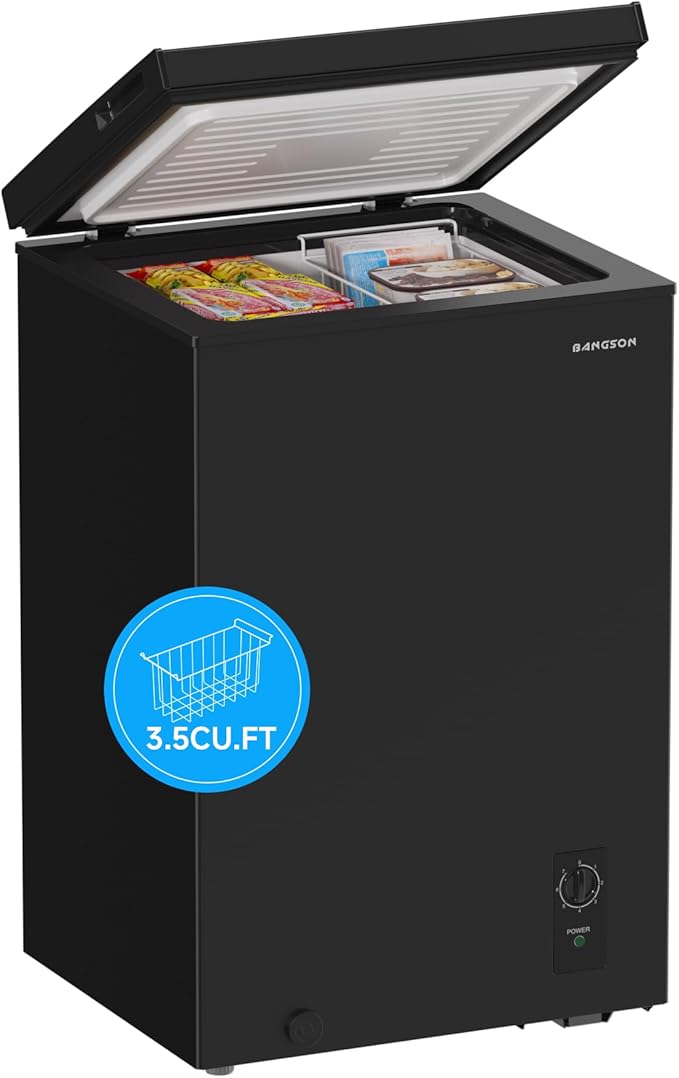
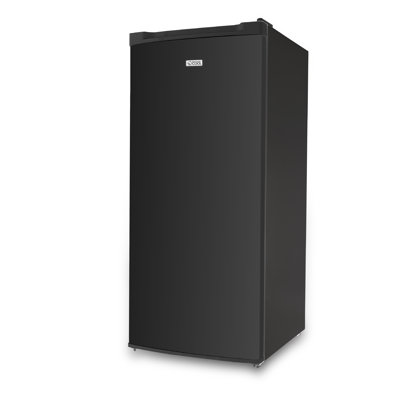
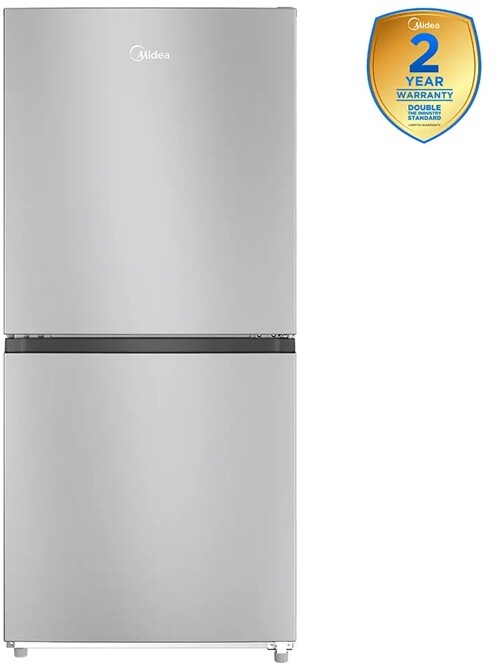
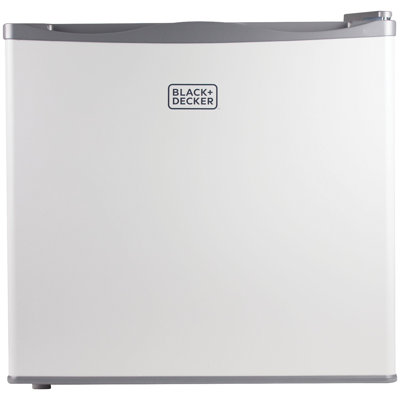
Finding the best deep freezer for a small kitchen can feel like solving a mini puzzle. You’ve got limited floor space, variable storage needs, and maybe a slim column between your counter and the wall. Yet you still want room to stock up on bulk buys, meal-prep ingredients, or frozen treats for busy weeknights. In this guide, you’ll discover everything you need to pick the perfect compact deep freezer, from measuring your space to comparing chest and upright styles, checking energy efficiency, and reviewing top models on the market.
By the end, you’ll know which features matter most, how to fit a deep freezer into your small kitchen without cramping your style, and which models deliver the best storage, performance, and value. Let’s dive in and turn that freezer hunt into a freezer win.
Understand small kitchen needs
Before you start browsing models, get clear on what “small kitchen” means for you. Every inch counts, so take a few minutes to assess your unique setup.
Measure available space
Width, depth, height
Use a tape measure to mark the maximum footprint, including clearance for ventilation and door swing.
Floor stability
Make sure the spot can handle the weight of a loaded freezer. You don’t want wobbling or tilting.
Accessibility
Check that you can fully open the lid or door without bumping cabinets or walls.
Assess storage demands
Weekly meal prep
If you batch-cook or prep veggies ahead of time, aim for at least 3 cubic feet of capacity.
Bulk shopping
Do you pick up family-size packs of meat or large bags of frozen fruit? Those add up fast.
Specialty needs
Storing kegs, beer kegs or oversize items like sheet pan dinners may require customizable baskets or shelves.
Factor in your lifestyle
Think about how you’ll use the deep freezer day to day:
Meal-planning enthusiast
You might want adjustable temperature control and interior baskets for organized meal kits.
College student or solo cook
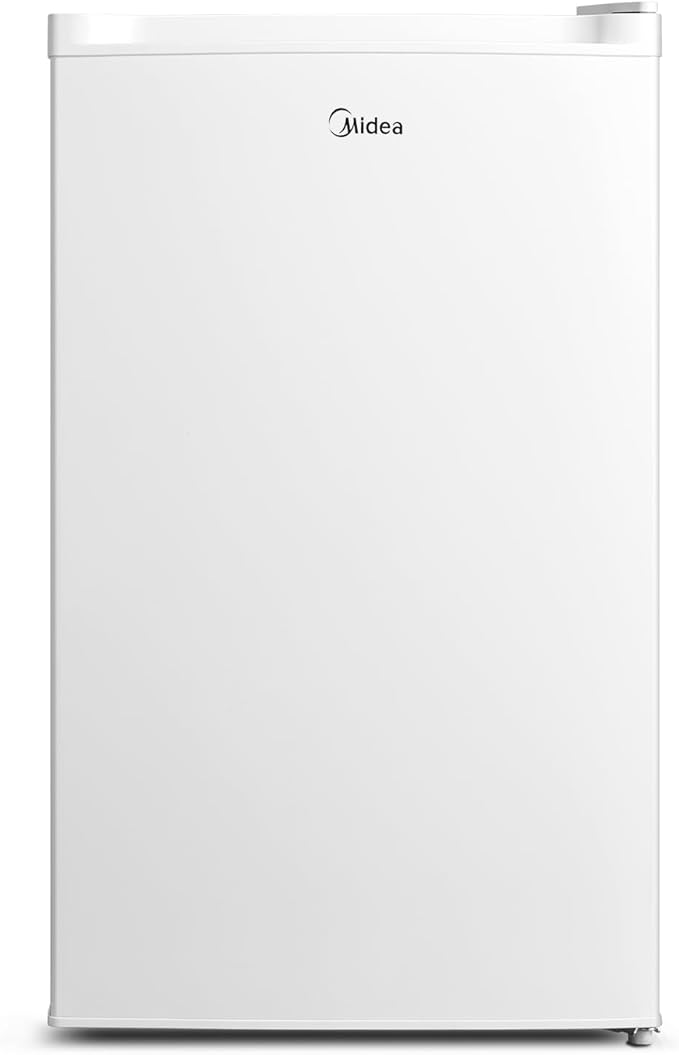
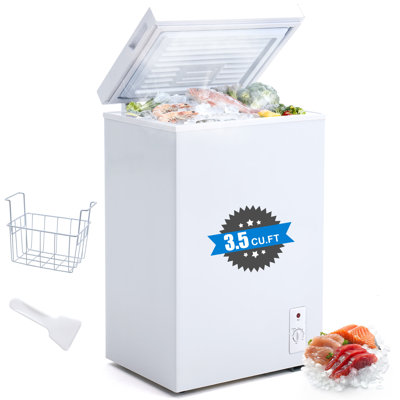
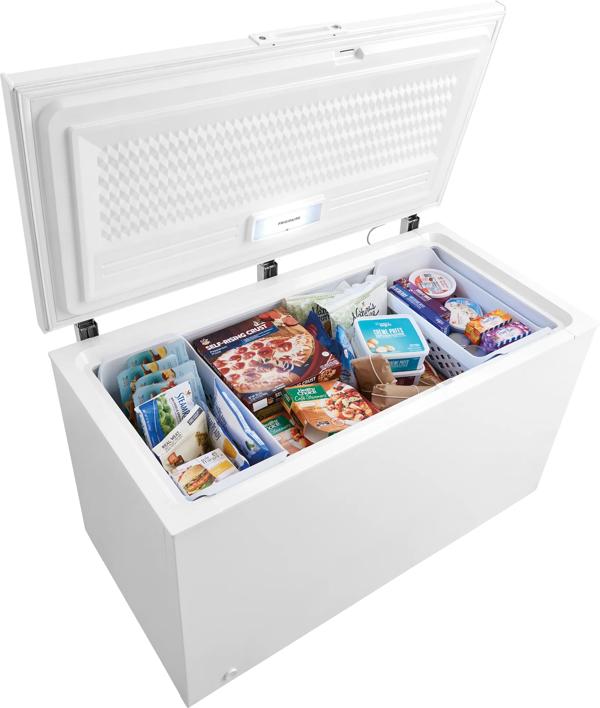
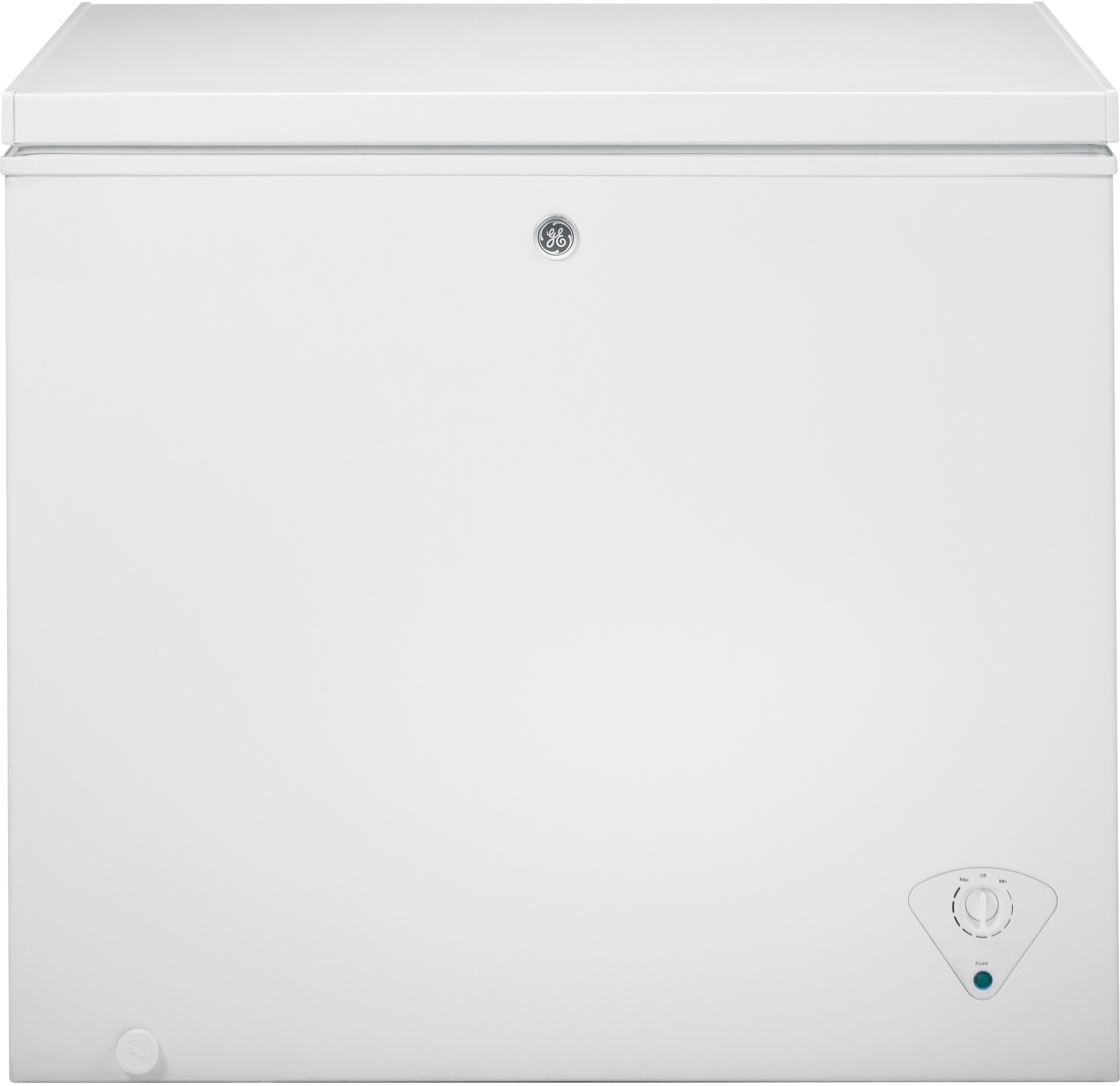
A compact 2.7 to 3.5 cu ft chest freezer could fit snugly under a counter.
Large family or entertainer
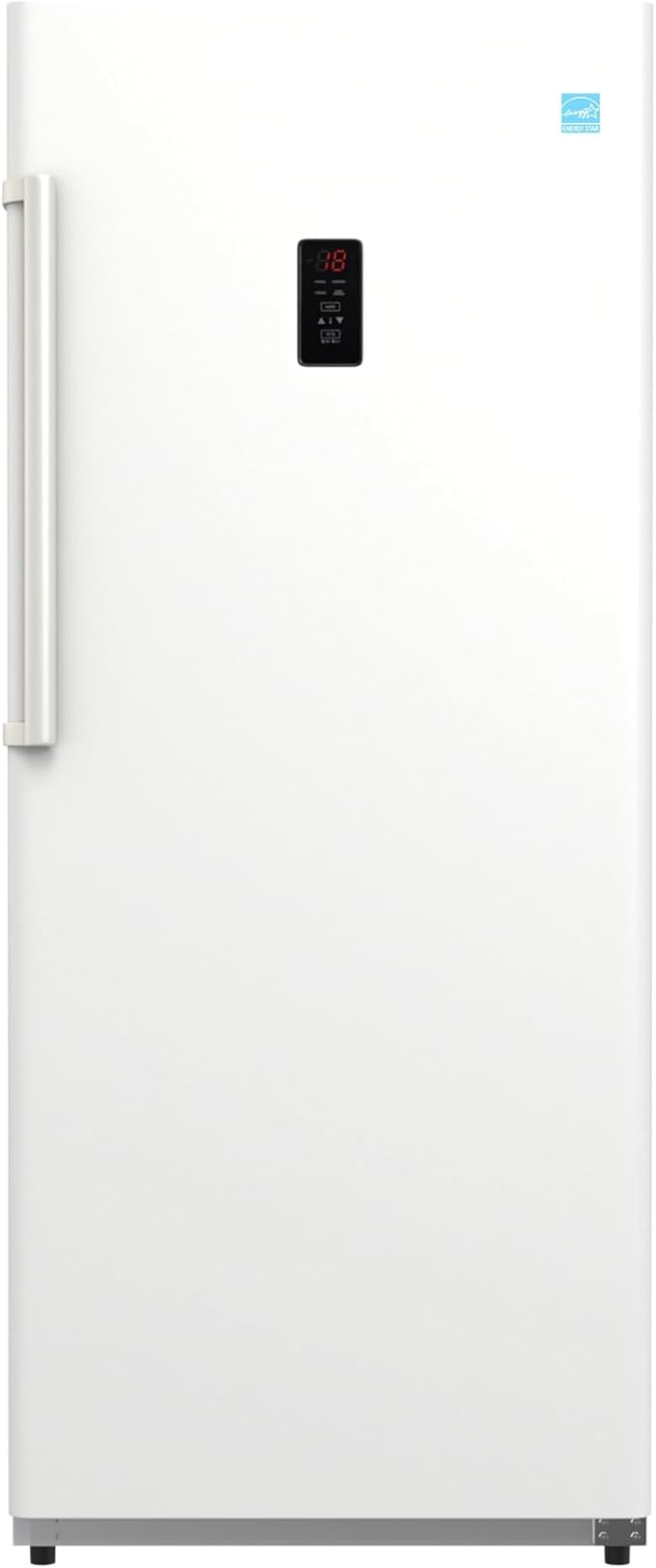
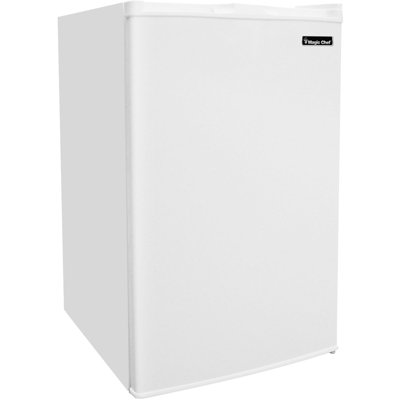
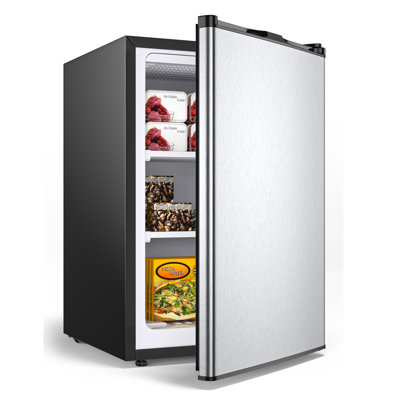
Consider a taller upright model with shelving for grab-and-go convenience.
A small kitchen deep freezer still adds to your power bill. Here’s how to keep operating costs in check.
Check Energy Star ratings
Energy Star certification ensures the unit exceeds minimum federal efficiency standards. Look for models with the Energy Star badge to spend less on electricity over time.
Estimate operating costs
You can roughly calculate annual energy use:
Find the freezer’s kWh/year rating.
Multiply by your local electricity rate (cents per kWh).
Compare across models to pick the lowest annual cost.
Choose the right compressor
Efficient compressors maintain stable temperatures faster, which cuts runtime. If you want a deeper dive into compressor options, explore how to choose a compressor for a refrigerator
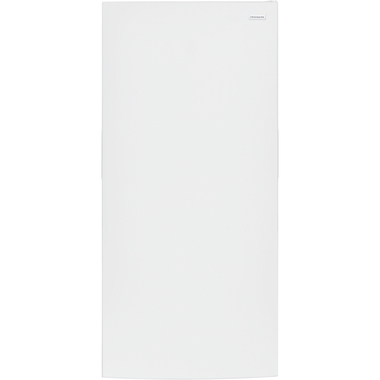
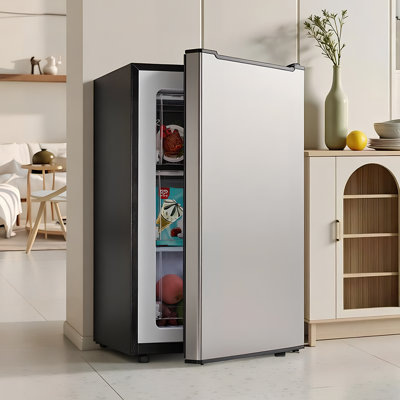
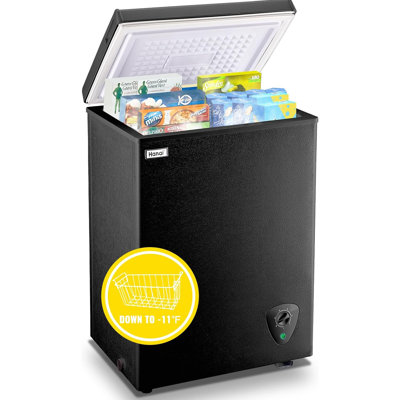
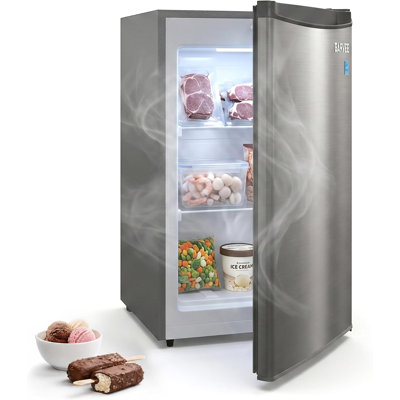
Choosing the best deep freezer for a small kitchen comes down to balancing footprint, capacity, and features. If you want maximum storage per inch and can handle manual defrost, a chest model is ideal. For hands-off maintenance and easy organization, an upright model delivers on convenience.
Ultimately, you know your kitchen and your habits best. Measure carefully, keep energy efficiency in mind, and pick the model that fits your routine. With the right deep freezer in place, you’ll have more time, less stress, and a perfectly chilled stash of meals and snacks at your fingertips.
From Fridge.com research
Figures below come from data Fridge.com builds and maintains. Each links to the record behind it.
Fridge.com Energy Index, built on U.S. EPA and DOE ENERGY STAR records
Across 5,455 ENERGY STAR certified refrigerators and freezers from 263 brands, median use is 360 kWh per year.