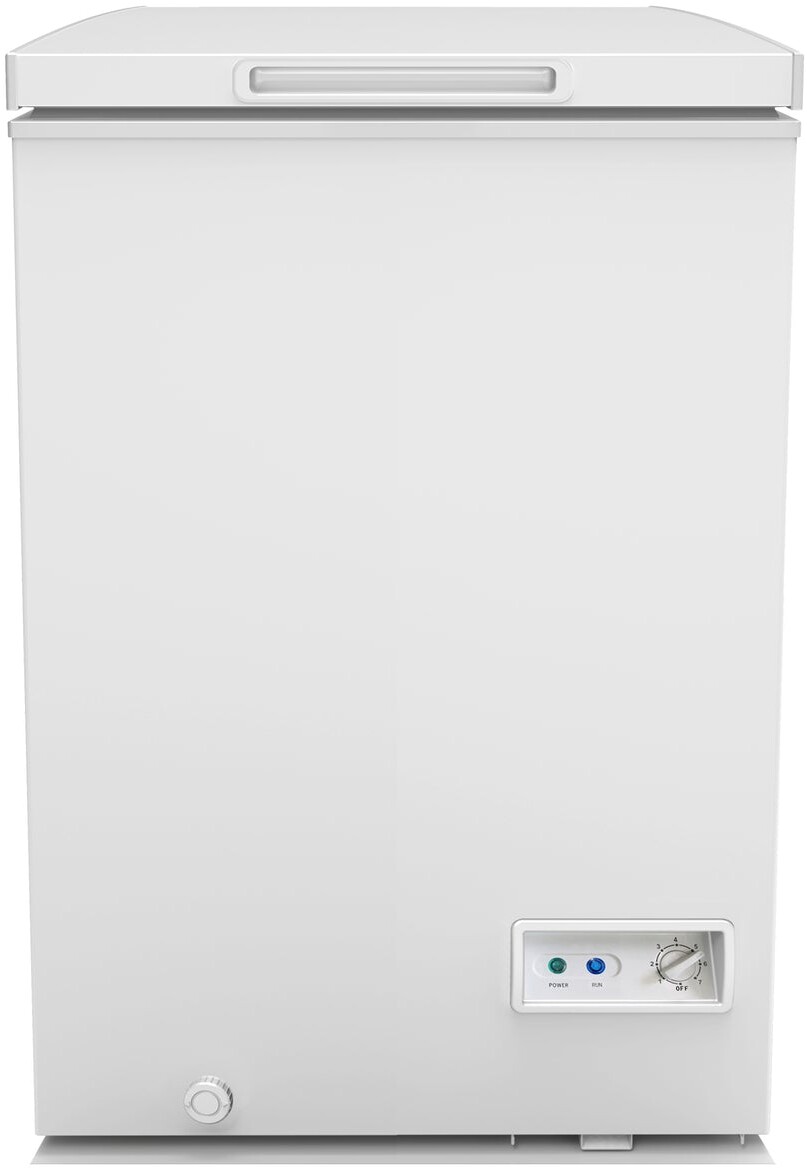
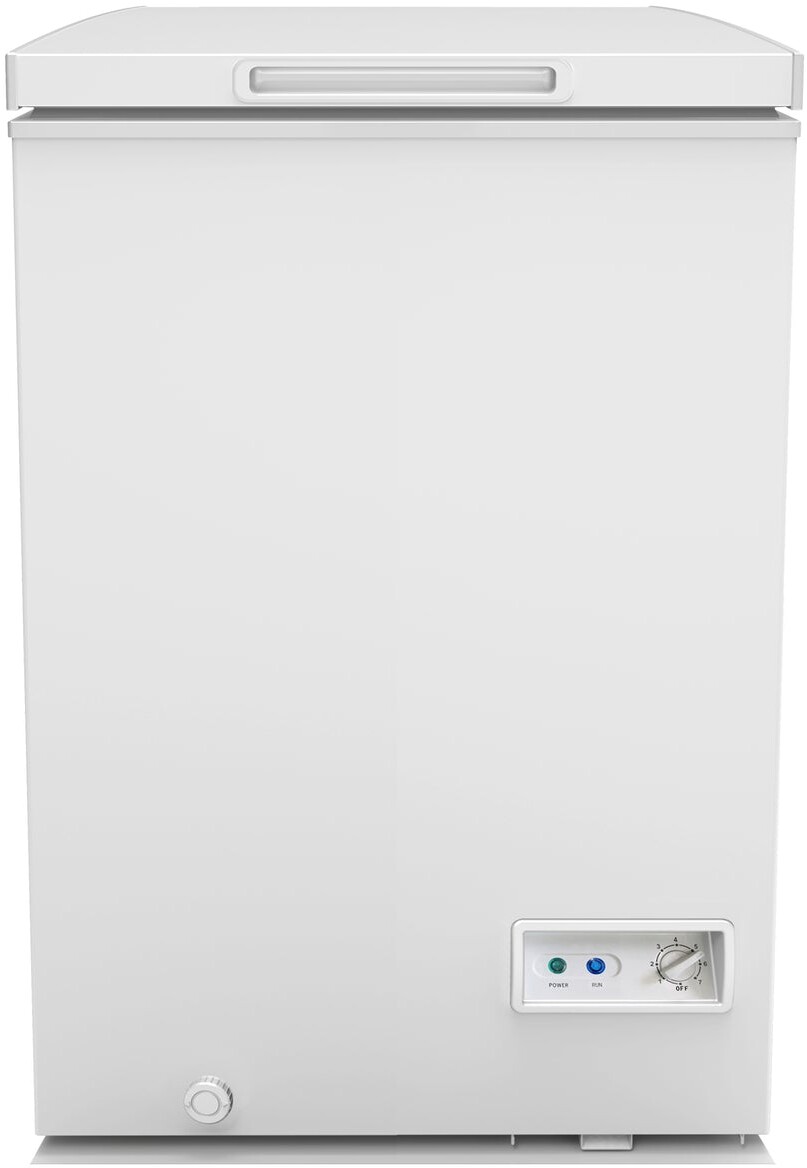
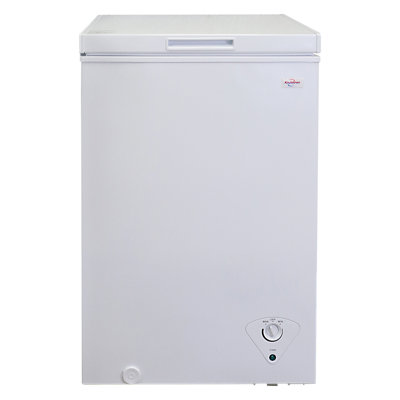
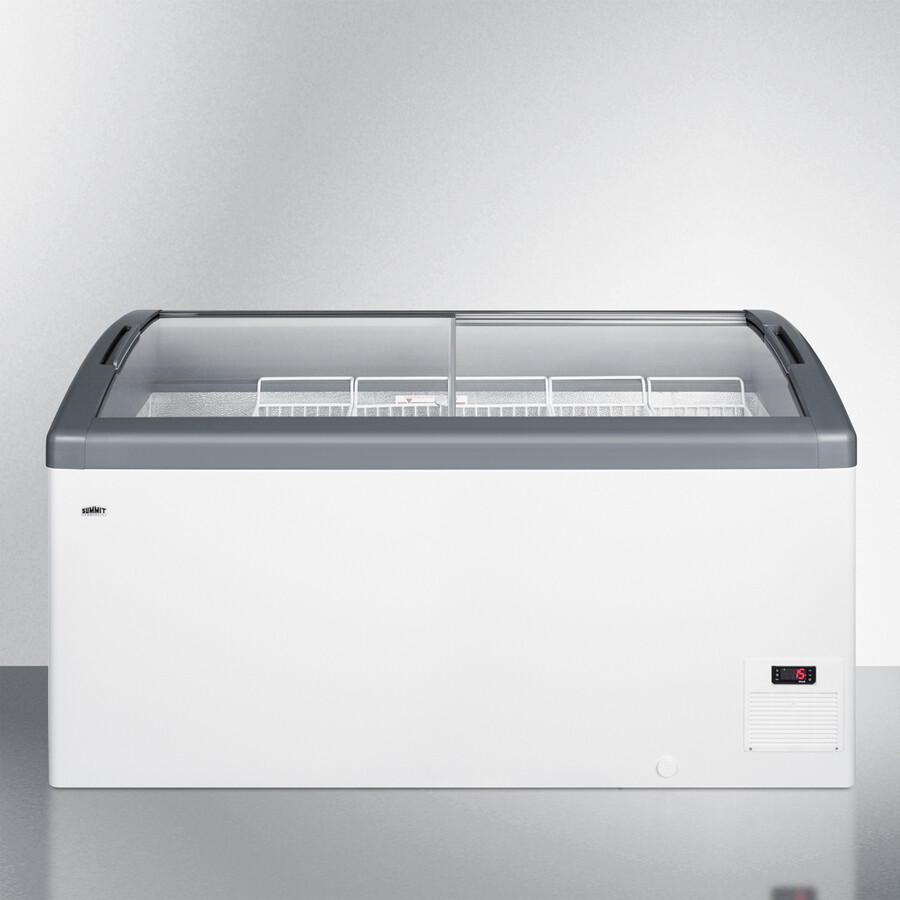
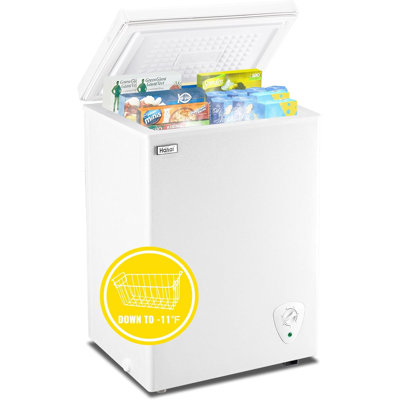
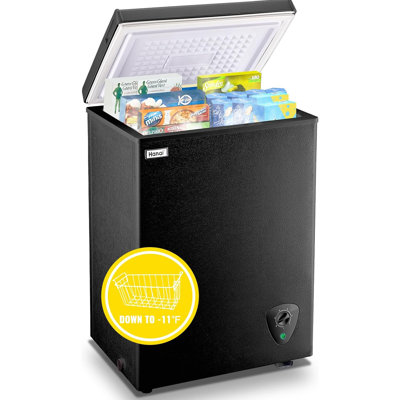
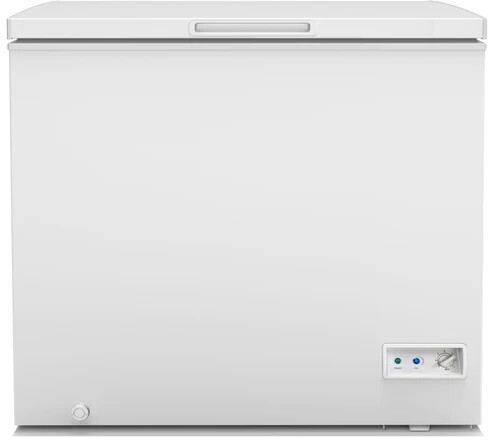
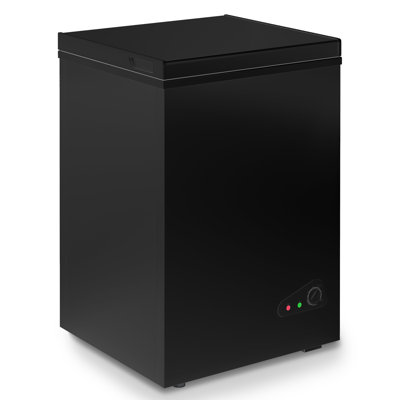
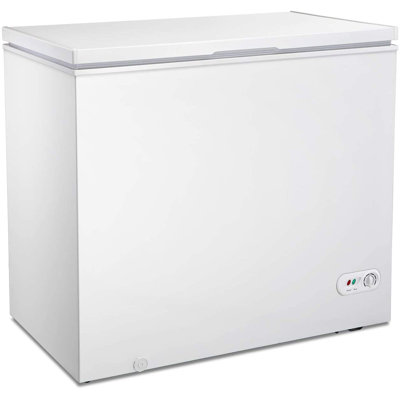
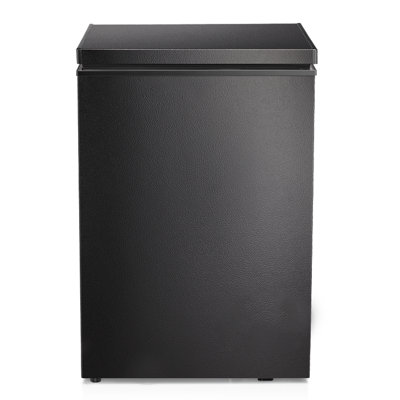
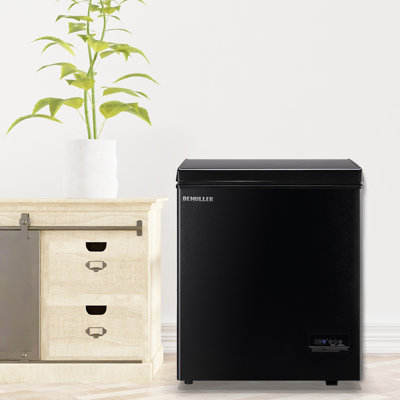
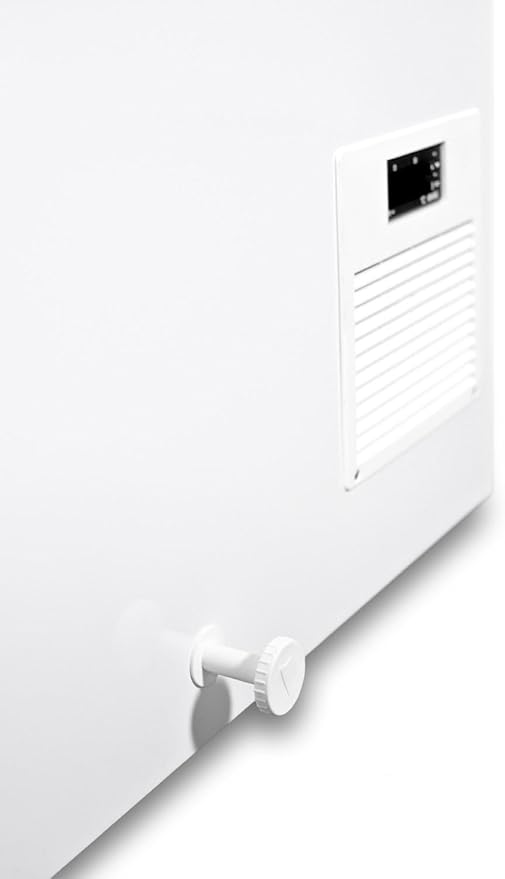
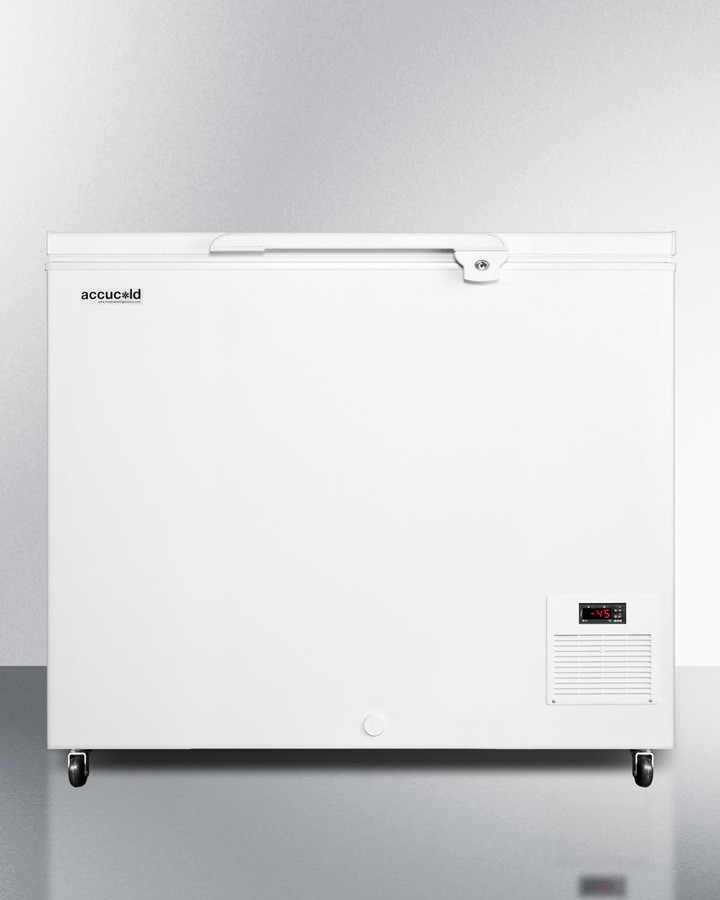
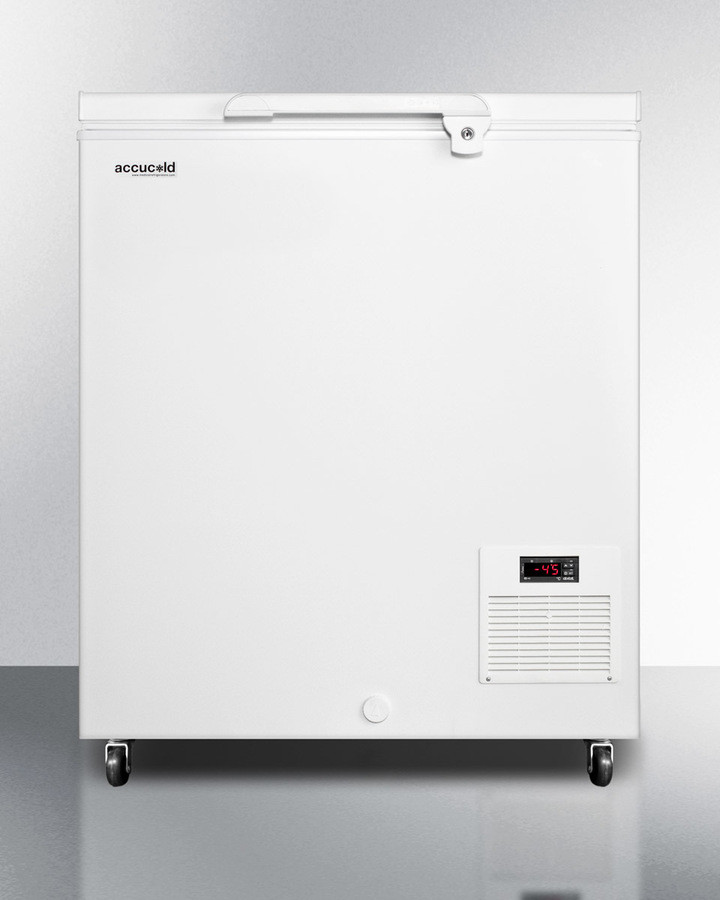
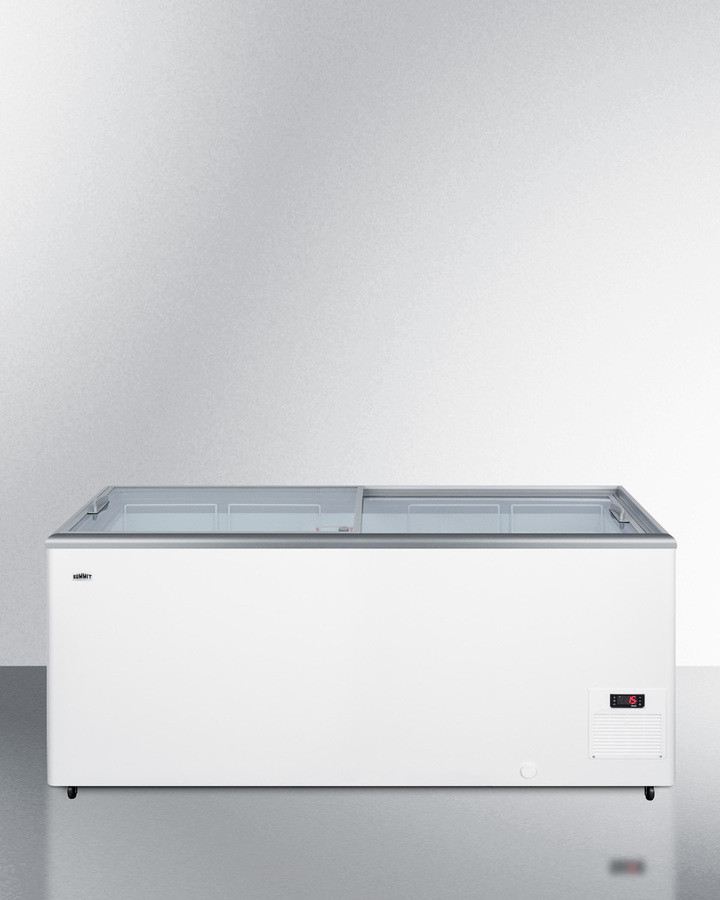
Temperature controls usually sit on the front exterior or inside near the top, letting you dial in a setting from –10 °F to 0 °F depending on your model.
A steady –10 °F also helps protect texture and flavor over long-term storage.
Keeping your freezer at 0 °F or lower ensures safe long-term storage.
Many Energy Star models achieve up to 15–20% better efficiency than comparable upright freezers.
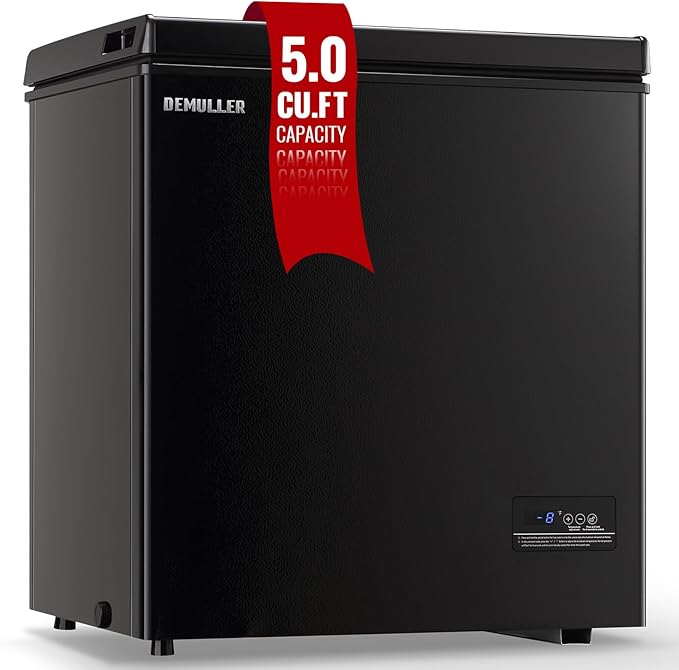
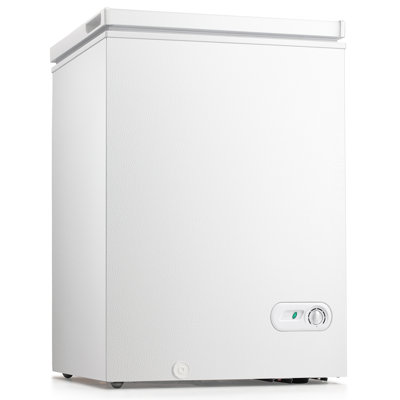
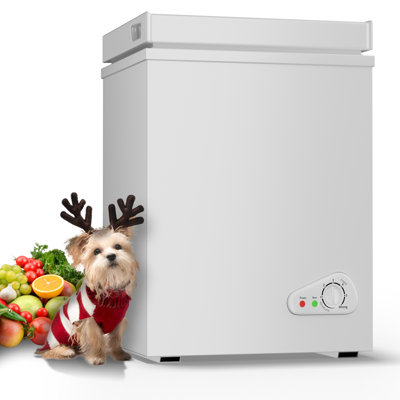
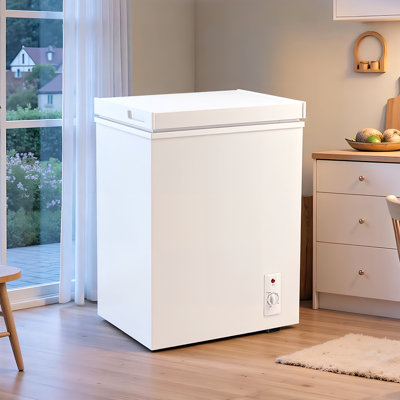
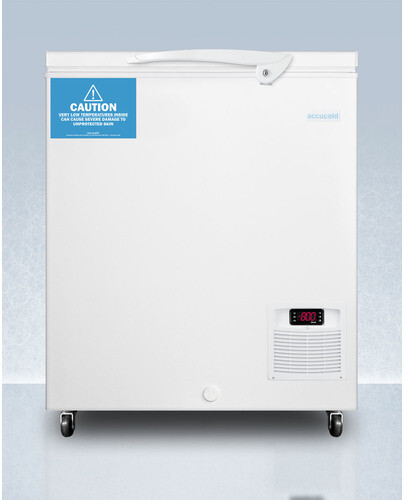
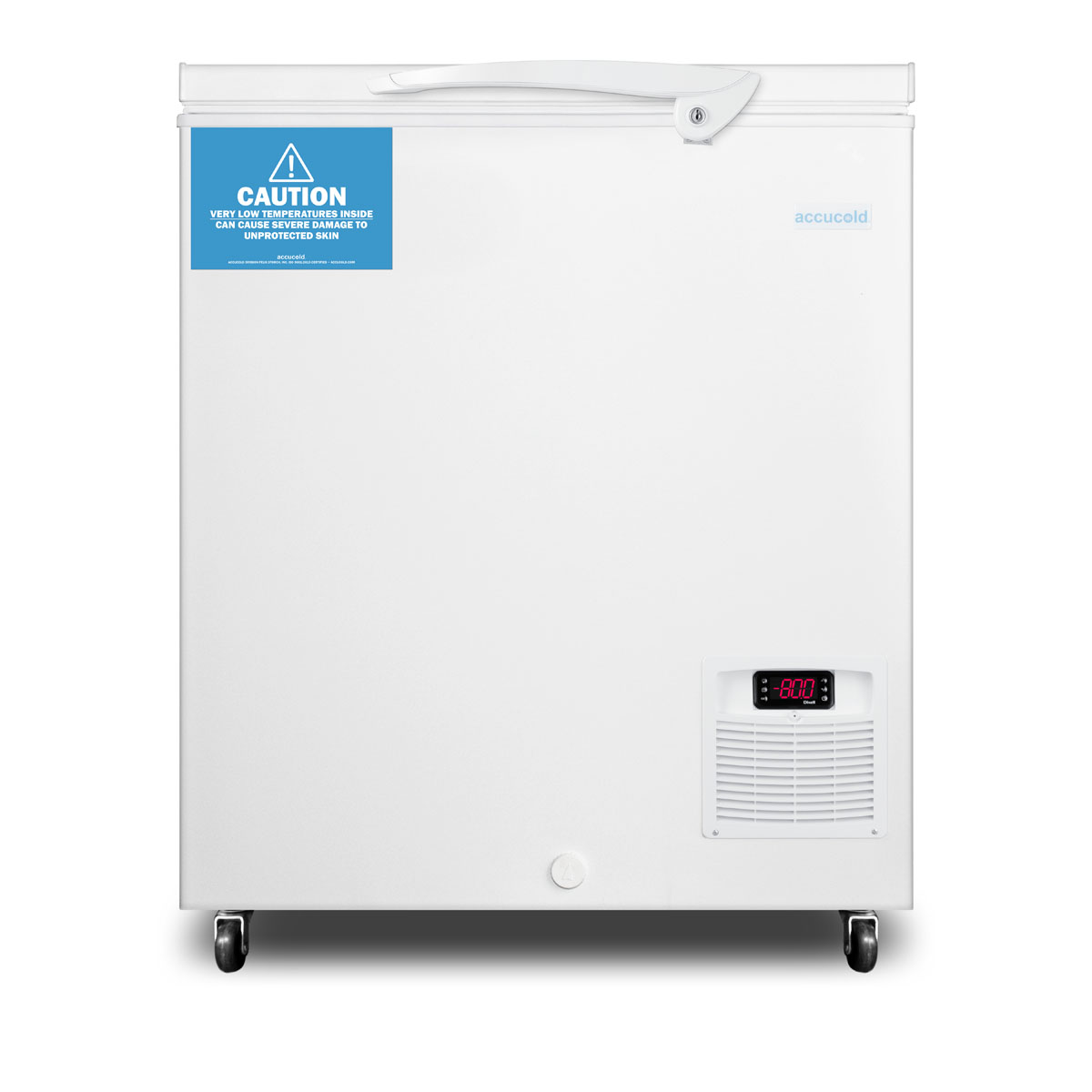
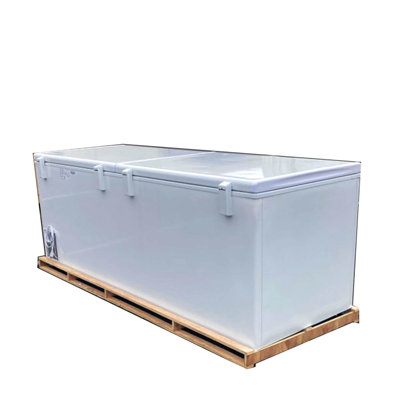
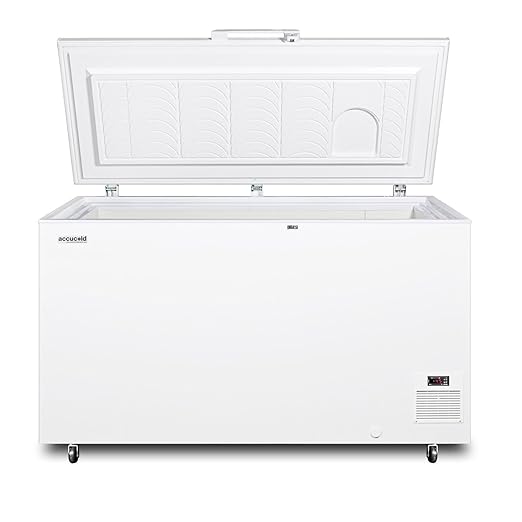
If you’ve ever wondered, “what are the pros and cons of a chest freezer?”, you’re in the right place. A chest freezer is a horizontal, box-style deep freezer with a hinged lid on top. Unlike upright freezers with doors that swing open vertically, chest freezers open from above, giving you wide, deep storage space. You’ll find chest freezers in everything from home garages and basements to commercial kitchens and dorm rooms.
Chest freezers are also called deep freezers. They’re designed for bulk storage—think large cuts of meat, big batches of meal-prep servings, or a year’s worth of berries. If you’re entertaining friends or running a small cafeteria, you’ll appreciate the volume. Even parents storing baby food or vegetarians stocking up on frozen veggies can benefit from a chest freezer’s generous capacity.
How chest freezers work
Inside a chest freezer, the cooling coils run along the bottom and sides. Cold air naturally stays low, so when you open the lid you lose less cold air than with a front-opening unit. Most chest freezers use manual defrost systems, meaning ice builds up on the coils over time and you’ll need to defrost occasionally. Temperature controls usually sit on the front exterior or inside near the top, letting you dial in a setting from –10 °F to 0 °F depending on your model.
Because chest freezers rely on simple insulation and fewer moving parts, they tend to be more energy efficient. You’ll still want to place yours away from direct sunlight and heat sources, and leave a few inches clearance on all sides to ensure proper airflow.
One of the biggest draws is plain and simple—space. Chest freezers often offer more cubic feet of storage for less money than upright freezers. You can fit bulky items like party platters, full-size baking trays, or kegs of craft beer without worrying about odd shapes. For small apartments or dorm rooms, consider a compact option like the best deep freezer for a small kitchen.
Energy efficiency benefits
Because cold air sinks, chest freezers hold temperature better when you open the lid. That means your compressor cycles on less often, saving electricity and keeping your utility bill in check. Many Energy Star models achieve up to 15–20% better efficiency than comparable upright freezers.
Temperature stability
Fewer defrost cycles and a simpler cooling mechanism translate to steadier freezer temperatures. If you’re storing delicate items—like homemade ice cream, high-quality cuts of meat, or kegerator attachments for your craft beer setup—you’ll appreciate the consistency. A steady –10 °F also helps protect texture and flavor over long-term storage.
Longer food preservation
With snug seals and thick insulation, chest freezers can maintain safe temperatures for hours in a power outage. That makes them ideal for outdoor use or garages where temperatures fluctuate. If you’re planning a picnic-style party or storing food for an RV trip, you’ll rest easy knowing your leftovers and meal-prep containers stay frozen solid.
Chest freezers need floor room and clearance above the lid for safe operation and airflow. If your kitchen, garage, or office is tight on square footage, fitting a 10-cubic-foot model might be a challenge. Always measure your entryways and final spot before buying.
Organization challenges
Without built-in shelves, things can get buried at the bottom. You might find yourself digging for that bag of frozen fruit you bought last month. Investing in plastic bins or wire baskets helps, but it adds an extra step to organization. Bookmarking the top layer and rotating older items forward can also keep you from losing track of what’s inside.
Manual defrosting
Most chest freezers require you to unplug and melt the ice buildup every few months. That takes time and planning—you’ll need temporary storage for your frozen goods while the ice melts. If you want frost-free convenience, you’ll have to opt for an upright model instead.
Accessibility drawbacks
Reaching the bottom of a chest freezer means bending or kneeling. If you have mobility concerns or store small items that need quick access, an upright freezer might suit you better. For bulky, long-term storage, though, that extra effort can be well worth the benefits.
Lower; shelves and compartments reduce total volume
Organization
Bin or basket systems required
Built-in shelves and drawers for easy access
Defrost type
Manual defrost
Many frost-free models available
Accessibility
Requires bending to reach bottom
Easier access with upright layout
Footprint and layout
Chest freezers usually have a smaller vertical profile, making them perfect under a counter or in a garage. Uprights take up more height but less floor space per cubic foot.
Energy consumption
Both types have energy-efficient options, but chest freezers often edge out uprights due to simpler insulation and fewer door openings.
Cost considerations
Upfront cost per cubic foot is typically lower for chest models. Uprights may cost more, especially if you want frost-free convenience.
Use-case scenarios
If you entertain regularly, store bulk groceries, or need backup during power outages, a chest freezer shines. For quick grabs—ice, prepped meals, snacks—an upright freezer in your kitchen might be more convenient.
Take stock of what you freeze now. Are you storing large cuts of meat, ice packs for coolers, or just extras of your favorite frozen pizzas? A family of four meal-prepping weekly might need 10–15 cubic feet, while a couple or single student may get by with 5–8 cubic feet.
Consider footprint and placement
Measure your floor space, but don’t forget to leave 2–3 inches on all sides for ventilation. Check overhead clearance too—some lids need 12–18 inches of space above. If you plan to keep it in the garage, think about weather exposure and electrical outlet location. You might even snag a deal if you’re in the market to purchase garage freezers: sale.
Match capacity to lifestyle
Outdoor enthusiasts and RV owners appreciate compact, low-wattage models. Cafeterias, craft-beer bars, or commercial kitchens may want industrial-grade units—check out the best chest freezer for a cafeteria for specs. For small apartments, consider your floorplan and lean toward slimmer 5–7 cubic-foot models.
Check for features
Basic chest freezers have few bells and whistles, but you can upgrade if you want:
Adjustable thermostat for precise temperature control
Removable wire baskets to keep smaller items handy
Lockable lid to secure contents (great for offices or shared homes)
Drain plug to simplify defrosting
Interior light so you’re not rummaging with a flashlight
Maintain your freezer
Defrosting best practices
Aim to defrost when ice builds to about ¼ inch thick. Pull everything out, unplug the unit, and place towels around the base to catch water. Let the ice melt naturally or speed it up by placing a bowl of hot water inside. Once defrosted, wipe the interior dry before plugging back in.
Cleaning and odor control
Every three months, remove all contents and clean with a solution of warm water and mild dish soap. Avoid harsh cleaners that might damage the seal. To control odors, place an open box of baking soda inside and replace it every six months.
Temperature monitoring
Invest in a standalone freezer thermometer. Keeping your freezer at 0 °F or lower ensures safe long-term storage. If you spot fluctuations, check the seal and clear any debris from vents. Regularly inspect the gasket for cracks or hardening, and replace it if needed.
Deciding what are the pros and cons of a chest freezer comes down to balancing storage needs, energy use, and convenience. Here’s a quick checklist to keep in mind:
You want maximum cubic feet for the dollar.
You’re okay with manual defrost.
You need long-term storage for bulk items.
You have the clear floor space and lid clearance.
You don’t mind bending to reach deeper layers.
If that sounds like you, a chest freezer could become your best sidekick for meal-prepping breakfasts, lunches, and dinners, storing craft beer or baby food, and keeping seasonal produce on hand. And if you ever feel cramped, check out our tips to double freezer space this summer for smart organization hacks.
On the flip side, if you need quick, upright access to shelves, frost-free convenience, or you’re tight on room, stick with an upright model. You can even mix setups: use a small upright in the kitchen for everyday snacks and a chest freezer in the garage for bulk storage.
Whatever you choose, you’ll be ready to stock up, save money, and never wonder again, “what are the pros and cons of a chest freezer?” Enjoy your frozen bounty—and happy chilling!
Frequently Asked Questions
If you’ve ever wondered, “what are the pros and cons of a chest freezer?”, you’re in the right place. A chest freezer is a horizontal, box-style deep freezer with a hinged lid on top. Unlike upright freezers with doors that swing open vertically, chest freezers open from above, giving you wide, deep storage space. You’ll find chest freezers in everything from home garages and basements to commercial kitchens and dorm rooms. Compare current models in the Fridge.com Chest Freezers collection. Chest freezers are also called deep freezers. They’re designed for bulk storage—think large cuts of meat, big batches of meal-prep servings, or a year’s worth of berries. If you’re entertaining friends or running a small cafeteria, you’ll appreciate the volume. Even parents storing baby food or vegetarians stocking up on frozen veggies can benefit from a chest freezer’s generous capacity.