Deep freezers maintain consistently low temperatures—often between −10 °F and −20 °F.
This range slows enzyme activity that leads to nutrient degradation, so you retain more vitamins, antioxidants, and flavor compared to a fridge freezer that hovers around 0 °F.
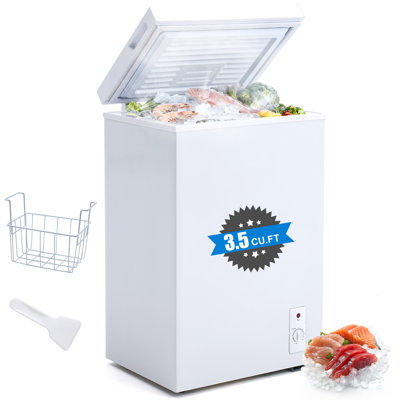
If space is tight, a 3 to 5 cubic foot model can still accommodate smoothie packs and proteins—see best deep freezer for a small kitchen for compact options.
Even slight fluctuations above 0 °F can affect food safety and nutrient preservation.
If you’re serious about nourishing your body and battling inflammation through diet, finding the best deep freezer for anti inflammatory diet is key, because you want your turmeric-laced soups, prepped berries, and leafy greens locked in peak condition for weeks. You know how frustrating it is to lose that bright berry color or have spinach turn limp and icy. A quality deep freezer ensures those nutrients stay locked in, making meal prep a breeze and your anti-inflammatory dishes taste fresh every time.
Whether you’re stocking up for weekly meal-prep sessions, building a bulk stash of wild-caught salmon, or freezing DIY bone broth from pasture-raised chickens, the right deep freezer can be a game-changer. In this guide you’ll find everything from the benefits of a dedicated frozen storage unit to tips on choosing between chest and upright models, organizing your stash for easy access, and maintaining ideal temperatures. Let’s dive in so you can make well-informed decisions and keep your anti-inflammatory diet running smoothly.
Your deep freezer is only as good as the foods you stash inside. To help you make the most of your freezer, let’s break down the core principles of an anti-inflammatory diet and identify the foods that benefit most from freezing.
What is an anti-inflammatory diet?
An anti-inflammatory diet prioritizes whole, nutrient-rich foods that reduce chronic inflammation, support immune function, and promote overall wellness. This approach centers on:
Colorful fruits and vegetables such as berries, cherries, spinach, and kale
Healthy fats from olive oil, avocados, nuts, and seeds
Lean proteins like wild-caught fish, skinless poultry, and legumes
Fiber-packed whole grains including quinoa, brown rice, and oats
Healing herbs and spices, for example turmeric, ginger, and garlic
By focusing on these food groups, you minimize pro-inflammatory triggers and help your body heal from the inside out.
Key foods to freeze
Freezing helps preserve both flavor and nutrient profiles of your anti-inflammatory staples. Below is a quick breakdown:
Fruits and vegetables
Berries (blueberries, raspberries, strawberries): Perfect for smoothies or oatmeal
Greens (spinach, kale, collards): Pre-washed and portioned for soups or sautés
Mixed vegetable blends: Ready to toss into curries, chilis, or stir-fries
Proteins and fats
Fatty fish portions (salmon, mackerel): Freeze in individual packs for easy defrosting
Chicken breast or turkey slices: Pre-cooked or raw, sealed in freezer-safe bags
Nuts and seeds: Store in airtight containers to prevent freezer burn
Herbs and spices
Turmeric paste or cubed blends with water or coconut oil
Chopped ginger in ice cube trays for quick use
Pesto or herb blends, portioned into small freezer containers
A well-stocked freezer means you’ll always have anti-inflammatory ingredients on hand, cutting down on prep time and reducing impulse buys.
A standard refrigerator freezer can only go so far. A dedicated deep freezer takes your anti-inflammatory diet to the next level by offering features that supercharge your meal prep and storage.
Nutrient preservation
Deep freezers maintain consistently low temperatures—often between −10 °F and −20 °F. This range slows enzyme activity that leads to nutrient degradation, so you retain more vitamins, antioxidants, and flavor compared to a fridge freezer that hovers around 0 °F.
Extended shelf life
When you freeze at lower temperatures, you keep foods safe and fresh far longer. Items that might last a month in a fridge freezer can stay safe for six months or more in a deep freezer. That means less food waste and fewer trips to the grocery store.
Bulk meal prep
If batch cooking is part of your routine, having extra freezer real estate pays dividends. You can store portioned meals, smoothie packs, pre-blended soups, and marinated proteins without juggling space in your upright freezer. This is a huge time-saver for busy weeks.
Picking the right model involves weighing factors like space, layout, and features. Here’s what to consider so you can select a deep freezer that fits your anti-inflammatory lifestyle and living situation.
Chest vs upright freezer
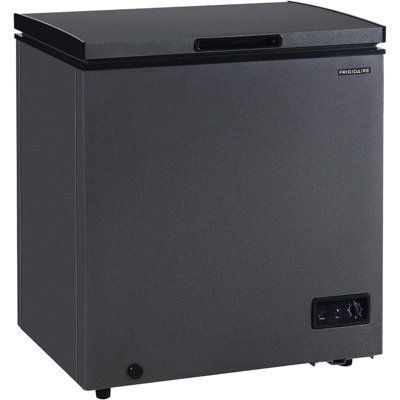
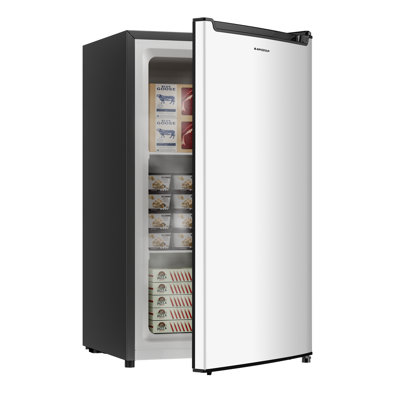
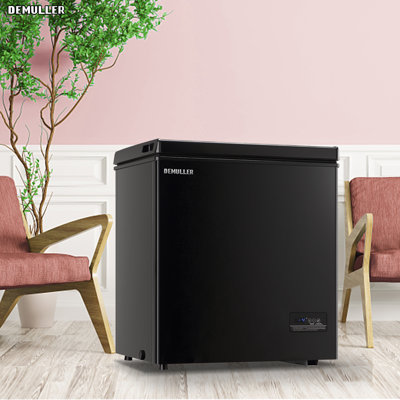
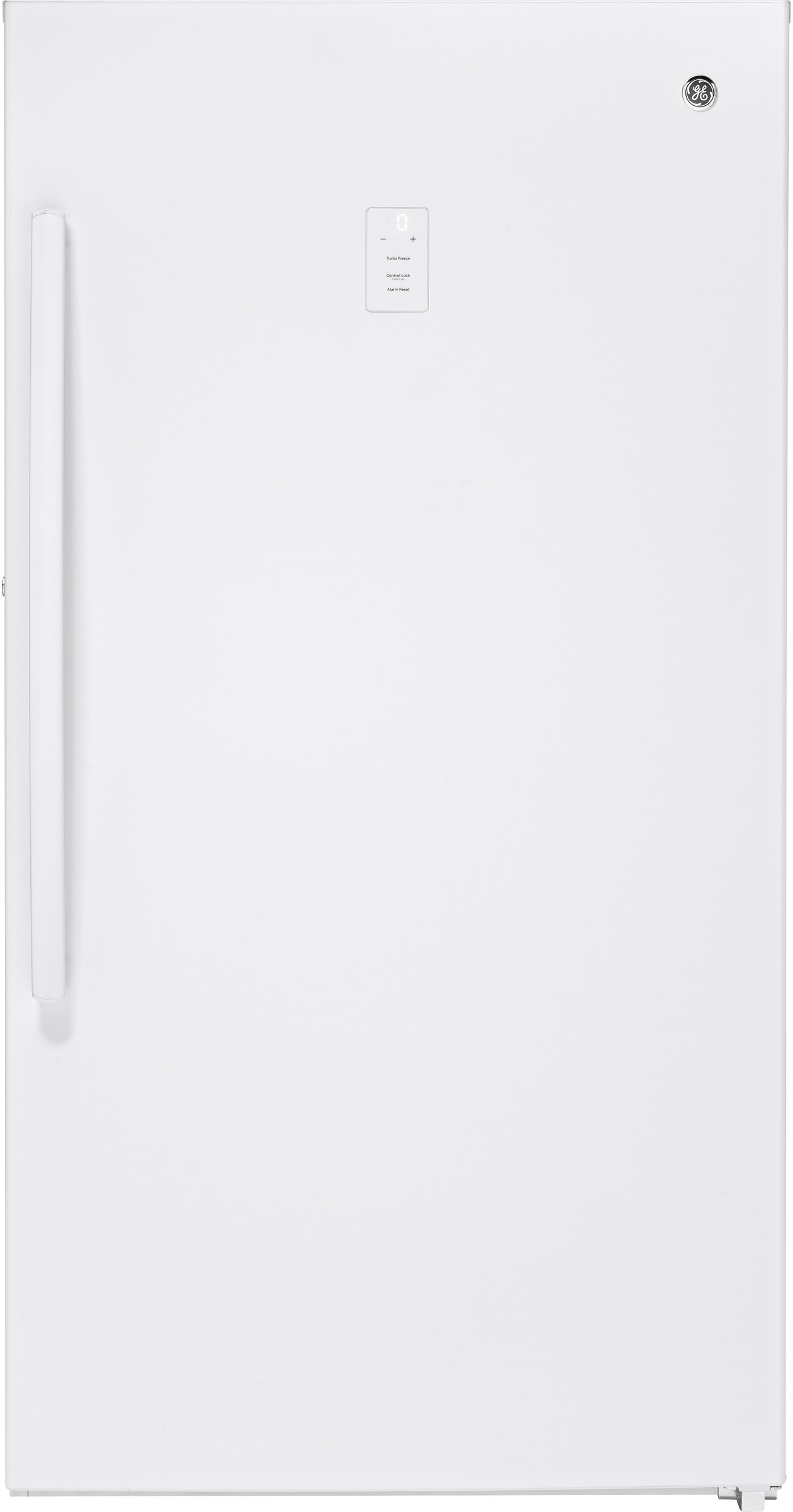
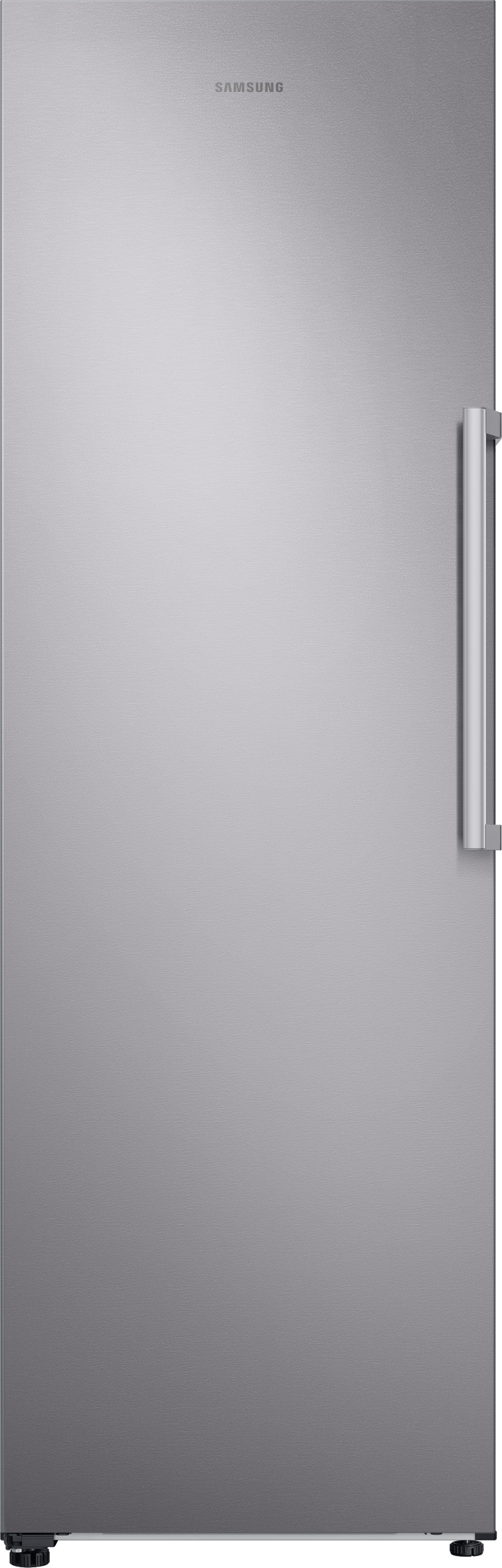
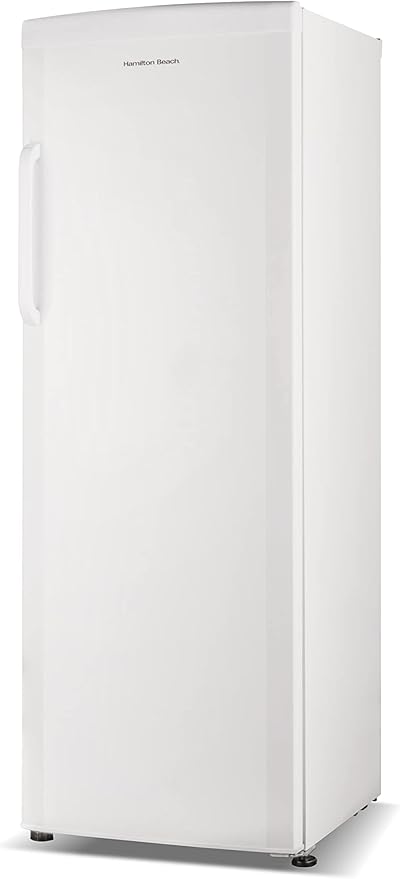
Chest freezers and upright freezers each have unique strengths. Understanding these will help you match a unit to your habits and space constraints.
To figure out the right size, estimate how much freezable food you’ll store:
For meal-preppers freezing weekly batches, aim for 7 to 10 cubic feet
For families or commercial kitchens, consider 15 cubic feet or larger
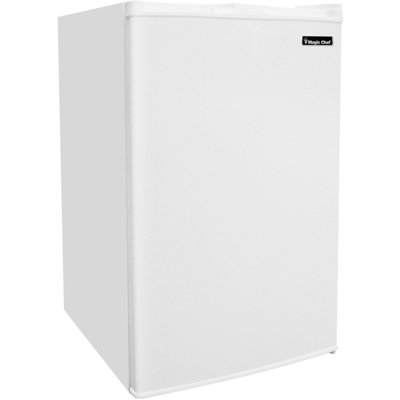
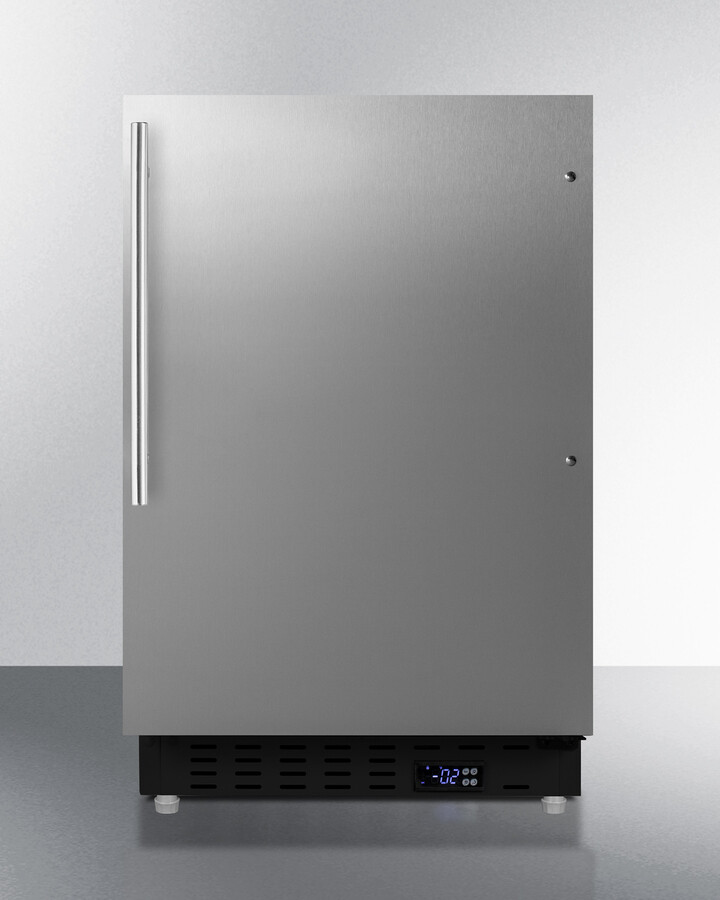
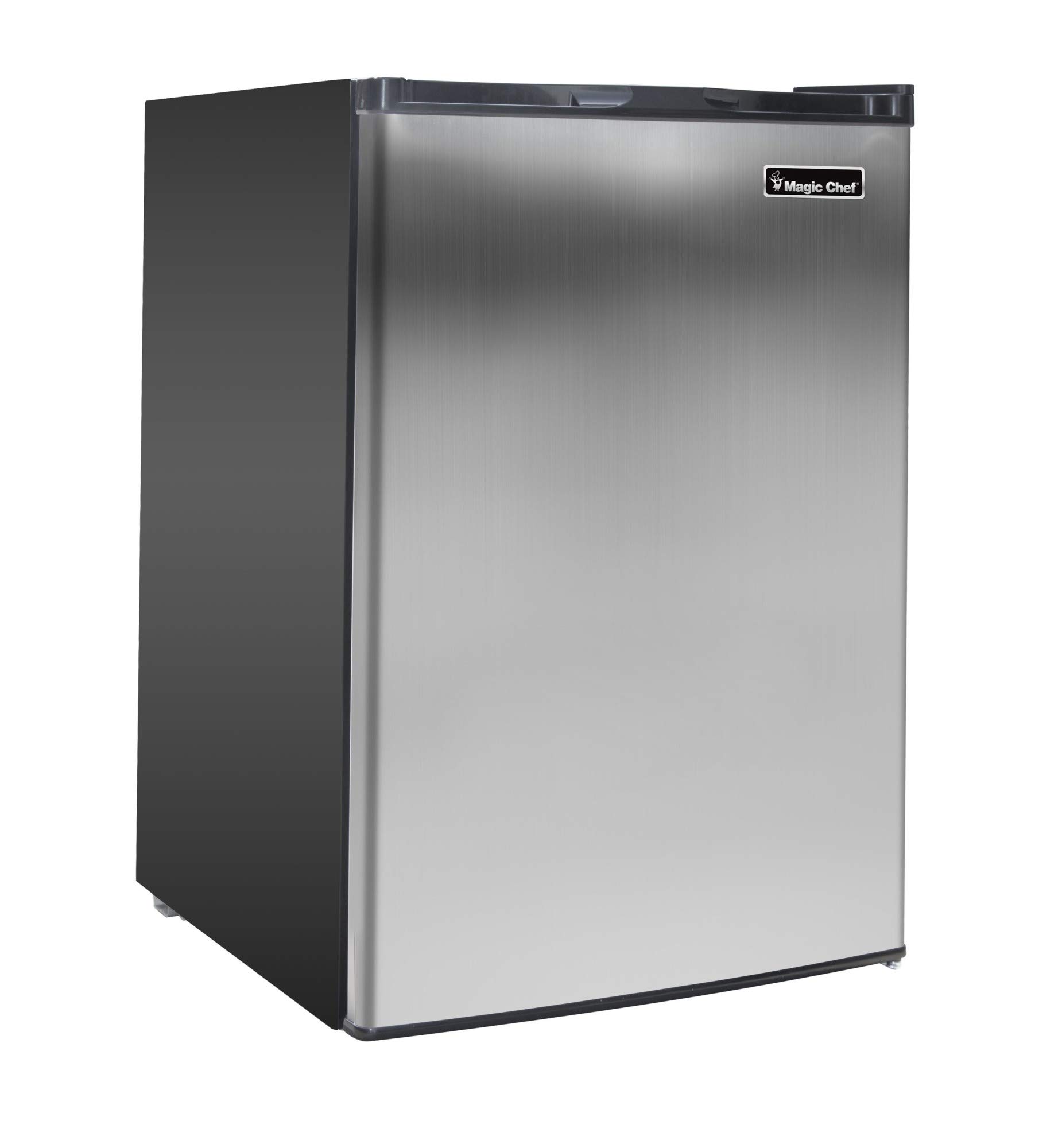
If space is tight, a 3 to 5 cubic foot model can still accommodate smoothie packs and proteins—see best deep freezer for a small kitchen for compact options
Energy efficiency ratings
Look for Energy Star certification and a low estimated annual operating cost. More efficient units help you save on electricity bills, especially if your freezer runs continuously in a garage or office.
Comparing freezer types
Not all deep freezers are created equal. These subcategories can help you zero in on the right features for your anti-inflammatory meal plan.
Dimensions and space planning
First, measure the area where you plan to install your freezer. Account for:
Door clearance
Ventilation space (usually a few inches on all sides)
Ceiling height if you’re stacking or placing near cabinets in a kitchen
Installation and placement
Location matters. Garages can get too hot or cold, affecting performance. Indoor installations offer stable temperatures but eat into living space. For garage-ready units, check manufacturer specs or explore purchase garage freezers: sale for insulated models built for extreme temps.
Compressor and temperature control
A high-quality compressor is the heart of any freezer. Precision controls let you fine-tune temperatures so you avoid freezer burn or ice buildup. To learn more about compressors and temperature settings, see how to choose a compressor for a refrigerator
Many chest freezers come with sliding baskets. If yours didn’t, you can purchase aftermarket bins that fit. Baskets make it easy to lift out a whole category of foods instead of digging through layers.
Proper care extends your freezer’s lifespan and keeps your anti-inflammatory supplies in top shape.
Defrosting and cleaning
Manual-defrost models require you to remove frost buildup. A simple routine:
Unplug the freezer and remove all contents
Let ice melt naturally with towels on the floor
Wipe down the interior with a mild soap solution
Dry thoroughly before plugging back in
Salt for defrosting
Some people ask, “will salt defrost the freezer?” Yes, sprinkling rock salt on thick ice can speed up melting, but be sure to wipe surfaces clean afterward to avoid corrosion. For safety and best practices, see will salt defrost the freezer?
Monitoring temperature
Keep a standalone freezer thermometer inside. Even slight fluctuations above 0 °F can affect food safety and nutrient preservation. If you notice swings, check door seals and insulation.
With your deep freezer up and running, let’s talk about how to organize your most important anti-inflammatory staples for maximum freshness and flavor.
Pre-prepping ingredients
Batch prep your produce and proteins:
Wash, chop, and portion berries into individual smoothie bags
Blanch greens briefly before freezing to preserve color and texture
Marinate meats in anti-inflammatory spice blends, then seal in freezer bags
Freezer-friendly recipes
Preparing ready-made meals saves time and keeps you on track. Here are a few ideas:
Smoothie packs
Combine berries, spinach, and a scoop of ground flaxseed
Freeze flat in gallon-size bags for quick blending
Add liquid base and ice directly into the blender
Stews and soups
Cook batches of turmeric-ginger vegetable stew or lentil soup
Cool to room temperature, portion into airtight containers, and freeze
Thaw overnight in the fridge or reheat gently on the stove
Pre-portioned meats
Cut salmon, chicken, or turkey into meal-size portions
Wrap individually in parchment and seal in freezer bags
Label with protein type, weight, and date
Energy efficiency considerations
If you’re running a large deep freezer for your anti-inflammatory arsenal, energy use becomes a real concern. These factors help you minimize environmental impact and bills.
Insulation quality
Thicker walls and high-grade insulation reduce temperature loss. Look for freezers with at least 3 inches of foam insulation; these models often have tighter seals and more stable internal temperatures.
Frost-free vs manual defrost
Frost-free models save you from manual defrost routines but can be pricier and slightly less energy efficient
Manual-defrost freezers usually offer better cold retention and lower operating costs
Smart features
Modern freezers may include:
Digital thermostats
Door alarms that alert you if the door stays open too long
Wi-Fi connectivity for remote temperature monitoring
Investing in the best deep freezer for anti inflammatory diet means setting yourself up for success with meals that nourish and energize you. To recap:
Understand the core foods you’ll freeze: fruits, vegetables, proteins, and spices
Choose between chest and upright based on space, budget, and organization habits
Plan your freezer’s placement and ensure proper ventilation
Organize with bins, labels, and rotation systems for easy access
Maintain ideal temperatures through defrosting, cleaning, and monitoring
Focus on energy efficiency to save money and reduce your carbon footprint
With these strategies, you’ll transform your freezer into a reliable partner in your anti-inflammatory journey. Whether you’re meal-prepping for a busy week or stocking up ingredients in bulk, a dedicated deep freezer ensures you always have nutrient-packed meals at your fingertips. Here’s to fewer last-minute grocery runs and more time enjoying delicious, inflammation-fighting dishes.
Frequently Asked Questions
An anti-inflammatory diet prioritizes whole, nutrient-rich foods that reduce chronic inflammation, support immune function, and promote overall wellness. This approach centers on:. Colorful fruits and vegetables such as berries, cherries, spinach, and kale. Healthy fats from olive oil, avocados, nuts, and seeds. Lean proteins like wild-caught fish, skinless poultry, and legumes. Fiber-packed whole grains including quinoa, brown rice, and oats. Healing herbs and spices, for example turmeric, ginger, and garlic. By focusing on these food groups, you minimize pro-inflammatory triggers and help your body heal from the inside out.