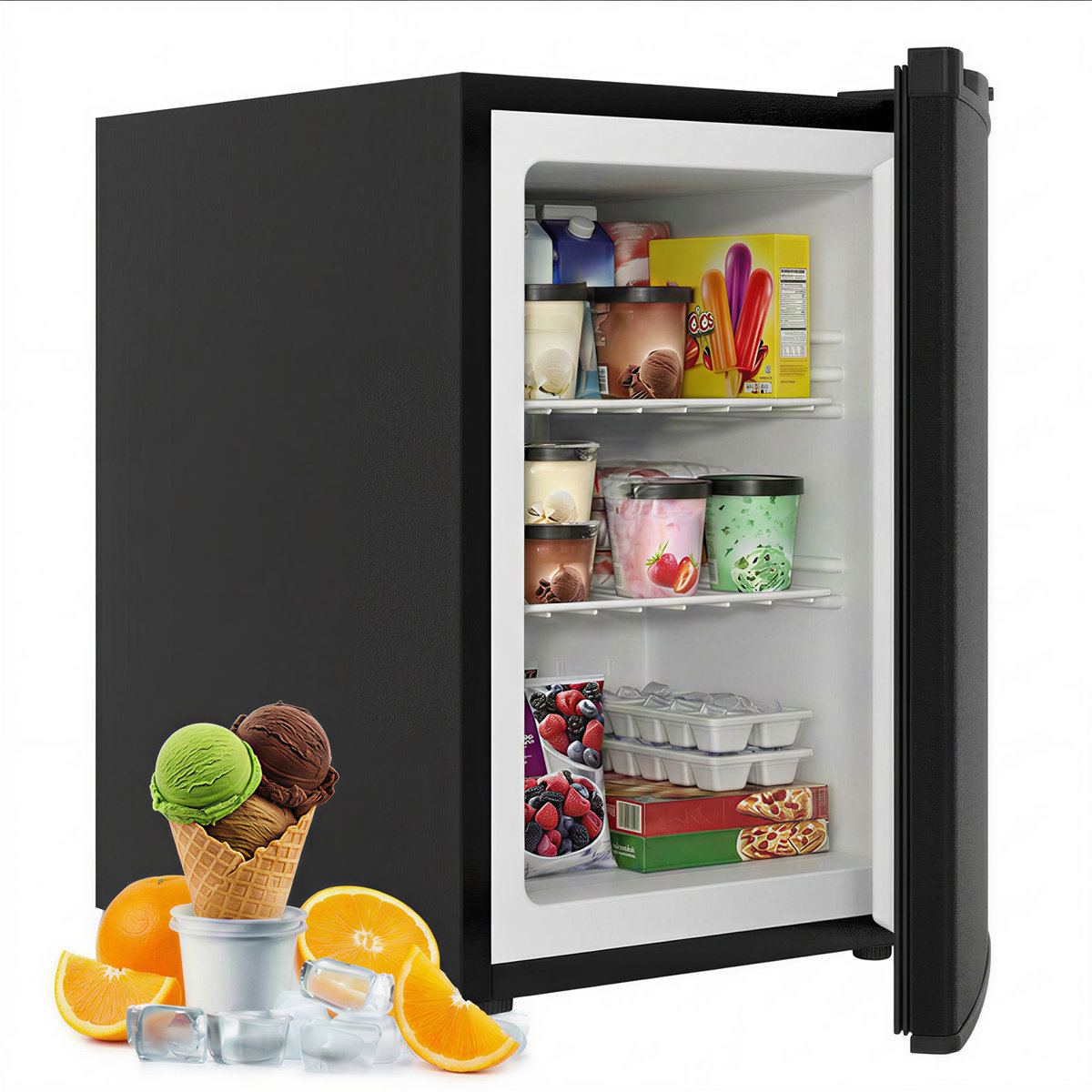
For example, set one zone at 0°F for meats and bulk cooking ingredients, and another at 10°F for ice cream, bread, or delicate frozen fruits.
Aim for a steady 0°F; too cold and you risk over-freezing items, making them harder to organize.
Here are some friendly, casual tips to double freezer space this summer, so you can stock up on fresh produce, batch meals, and icy treats without feeling cramped.
These tips to double freezer space this summer will have you saying “Bring it on” to farmers market hauls, potluck extras, and DIY ice cream experiments.
Here are some friendly, casual tips to double freezer space this summer, so you can stock up on fresh produce, batch meals, and icy treats without feeling cramped. Whether you’re meal-prepping for a busy week, hosting a backyard barbecue, or simply looking to organize your kitchen better, these ideas will help you maximize every inch of your freezer. Ready to turn that chaotic pile of bags and boxes into a streamlined storage zone? Let’s dive in
You’ve probably opened your freezer more than once this season and felt that familiar squeeze, wondering how on earth you’ll fit another batch of burger patties or fresh-picked zucchini. With a few smart tweaks—like rethinking containers, zoning your space, and even adjusting temperatures—you can reclaim room for all your summer essentials. These tips to double freezer space this summer will have you saying “Bring it on” to farmers market hauls, potluck extras, and DIY ice cream experiments
Assess your freezer space
Before you start shuffling stuff, take a clear look at what you’ve got. Pull everything out onto the counter and sort items by category—meats, veggies, prepared meals, frozen fruits, ice trays, and so on. As you work, toss any expired items or freezer-burned goods. This quick inventory can free up surprising room and save you from rediscovering a bag of green beans from last July
Next, measure the interior of your freezer—height, width, depth—and calculate approximate volume. Even a simple sketch with rough dimensions helps you plan better containers and shelving. For instance, if you know you have a 2-foot by 2-foot by 2-foot cubic area under a shelf, you can look for stackable bins that exactly fit that footprint
Finally, note awkward spots where items tend to get lost: corners behind bulky tubs, narrow door shelves, or the space under a freezer drawer. Once you’ve pinpointed these areas, you can target them with custom dividers or slim bins, squeezing every ounce of capacity out of your freezer
Optimize storage containers
The right containers are game-changers when it comes to space-saving freezer organization. Swap irregular cardboard boxes and mismatched plastic tubs for uniform, stackable containers. Look for containers with flat, tight-sealing lids in sizes that match your freezer zones. Uniform shapes stack neatly, reducing wasted air gaps
Vacuum-seal bags are another must, especially for meats, bulk veggies, or soup portions. By removing extra air, vacuum sealing flattens bags into thin, flexible pouches that lay flat or stand upright like files. This simple swap can shrink bulky cuts of meat down to a fraction of their original volume, freeing up shelf and drawer height
You can also repurpose glass jars or silicone trays for smaller items like pesto, baby food, or smoothie mixes. Choose wide-mouth jars with freezer-safe lids so you can stack jars at the back of the freezer or slide them in a door shelf. Just be sure to leave headspace to allow for liquid expansion and avoid cracked glass
Once containers are sorted, carve up your freezer into zones using dividers, bins, and baskets. In upright freezers, slide thin wire or plastic dividers between shelves to create mini compartments—perfect for corralling bags of peas, freezer meals, or ice packs. In chest freezers, use stackable baskets that rest on the rim, giving you quick pull-out access to frequently used items
If you’re debating whether a chest freezer or upright model is right for you, check out the pros and cons to make an informed choice. A chest freezer often offers more usable space per cubic foot, while an upright lets you see everything at a glance. For a deeper dive, read our guide on what are the pros and cons of a chest freezer?
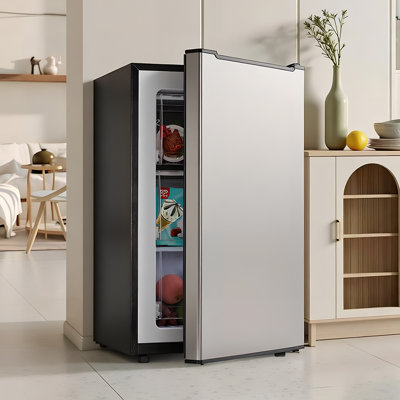
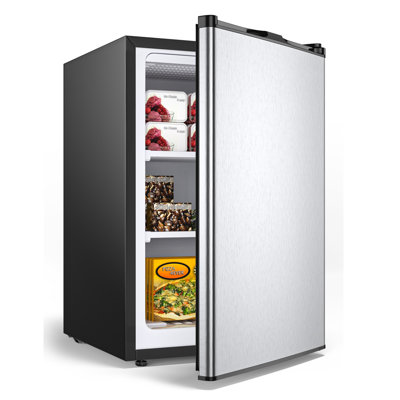
For smaller freezers or beverage-focused setups, adjustable door bins can help. Slide in shallow bins for snack packs or ice cube trays, and reserve deeper zones for heavy items. Even a basic tension rod across the middle can create an extra shelf for flat items like soup packets
One of the simplest yet most effective tricks is freezing items flat, then stacking them like books. Fill freezer bags with soups, sauces, or chopped fruits and veggies, lay them on a baking sheet until solid, then transfer them upright into a bin or onto a shelf. This “file” method turns stacks of awkward pouches into slim, organized rows you can flip through
For items that can’t lay flat—like loaf pans or large containers—consider using stackable shelf risers. These mini platforms create a second level, turning a single tall space into two shorter ones. You’ll double your stacking potential for things like casserole dishes, loaf tins, or ice cream tubs
If you regularly freeze baked goods, invest in shallow pans or trays that slide into one another. Label each sheet with masking tape, and stack them vertically against a side wall. You’ll keep your countertop bakeware free and gain freezer real estate
If you need more than just better organization, multi-zone freezers—like dual-temperature chest or drawer models—can help you tailor each compartment to a specific use. For example, set one zone at 0°F for meats and bulk cooking ingredients, and another at 10°F for ice cream, bread, or delicate frozen fruits. This way, you’ll avoid frost burn on sweet treats while keeping meats at a safe storage temperature
Chest freezers tend to offer more uninterrupted storage volume, which is ideal if you’re freezing bulk items. Upright models work better for grab-and-go households or commercial kitchens where quick visibility matters. Here’s a quick comparison
Feature
Chest freezer
Upright freezer
Storage efficiency
High
Moderate
Visibility
Low (items hidden below)
High (shelves & bins)
Footprint
Requires more floor space
Slim, tall profile
Best for
Bulk storage, meal prep
Frequent access, variety
If you’re outfitting a garage or laundry room, you might also check out our purchase garage freezers: sale to find seasonal deals. And for apartments or tight kitchens, see options in our best deep freezer for a small kitchen guide
Adjust temperature settings
Believe it or not, playing with your freezer’s temperature can yield more space over time by reducing frost buildup. Aim for a steady 0°F; too cold and you risk over-freezing items, making them harder to organize. Too warm and you invite freezer burn, which leads to wasted space when you toss damaged goods
If you notice ice crystals forming on walls or shelves, schedule a quick manual defrost. You can accelerate thawing by placing a pot of hot water inside with the door closed—just remember to wipe up excess moisture afterward. Curious about DIY methods? Here’s the scoop on whether salt will defrost the freezer
Keep your freezer away from heat sources like ovens or direct sunlight. Higher external temperatures force the compressor to work harder, leading to uneven cooling and thicker frost. A consistent environment helps maintain optimal cooling and preserves your clever space-saving layout
A clean, well-maintained freezer not only keeps your food fresher but also preserves the capacity you’ve carved out. Every quarter, pull everything out and give the interior a once-over. Remove crumbs, ice shards, and expired items. Wipe down shelves and gaskets with a mild solution of water and baking soda, then rinse and dry thoroughly
Check the door seal for gaps. If you feel air coming through when the door is shut, you’re losing cool air—and space—because frost will accumulate faster. A quick test: close the door on a dollar bill or a sheet of paper so half is inside and half is out. If you can pull it out easily, your seal might need replacement
Finally, schedule a professional tune-up if your freezer is more than five years old. A well-oiled compressor and clean condenser coils improve cooling performance, dropping interior temperature swings that lead to over-frosting and wasted room
You’ll save both space and sanity by labeling every container and bag. Use freezer-safe markers or pre-printed sticker labels, and note the contents plus the date. Establish zones—proteins on the left, veggies on the right, ready-to-eat meals up front—and tape a simple map to the inside of the door for quick reference
Consider a color-coding system: blue for seafood, green for veggies, red for meats, and yellow for desserts. This visual cue helps everyone in the household park items in the right slot without opening every bag or box. It’s a tiny step that makes a huge difference when freezer space is at a premium
Rotate older items to the front and newer ones to the back, embracing the first-in, first-out rule. That way nothing languishes at the bottom and sneaks into freezer-burn territory, forcing you to clear space to throw it away
Invest in extra units
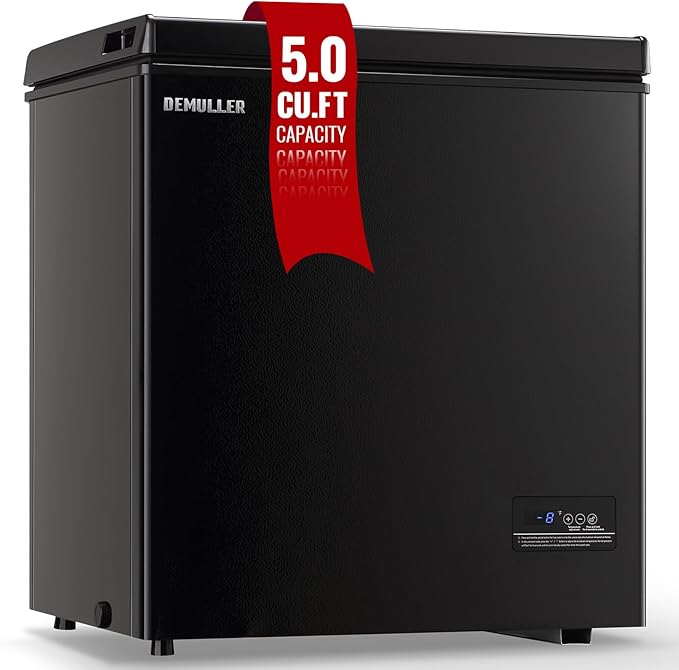
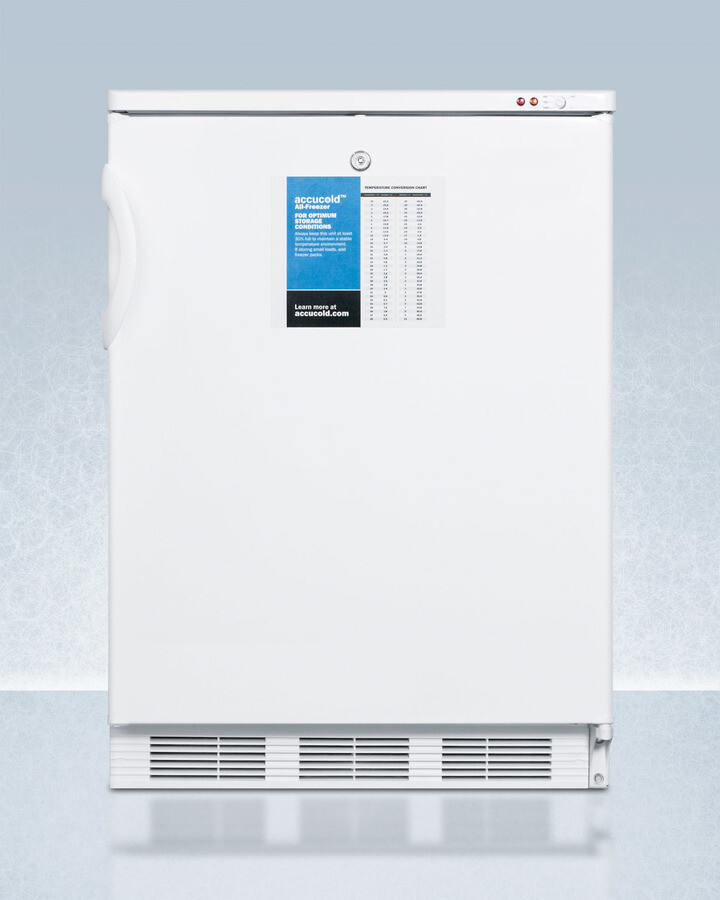
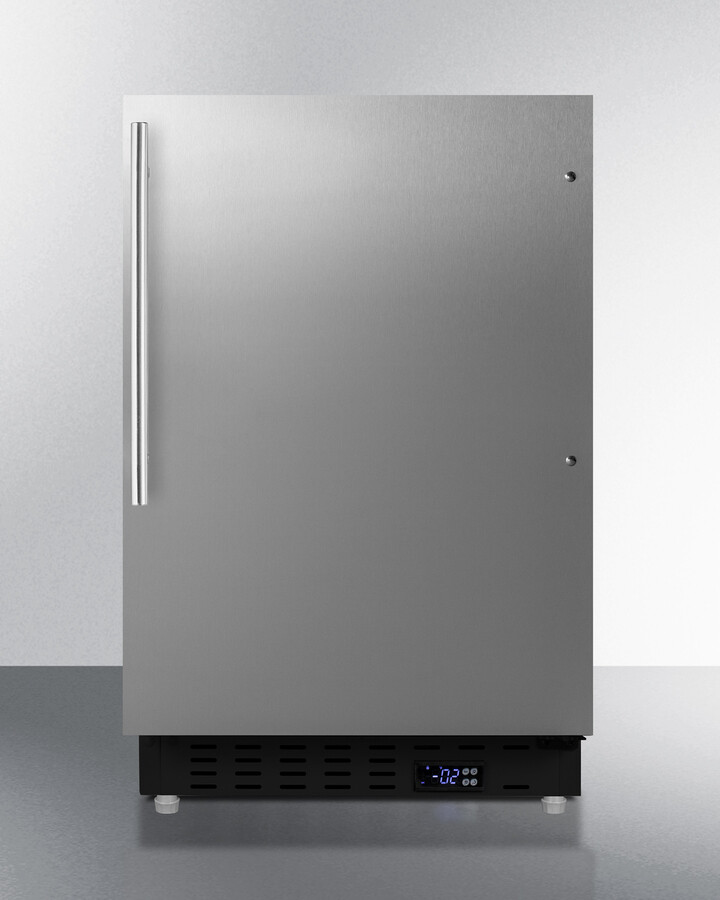
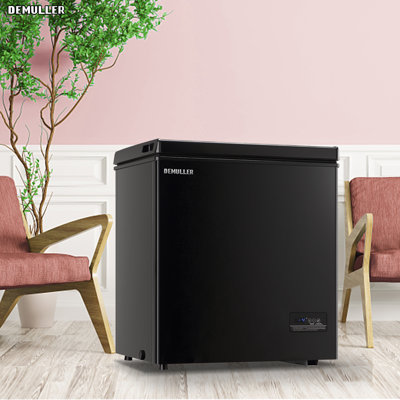
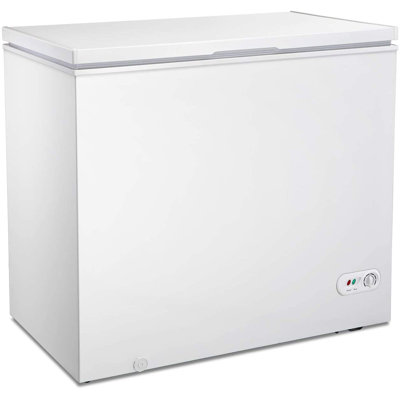
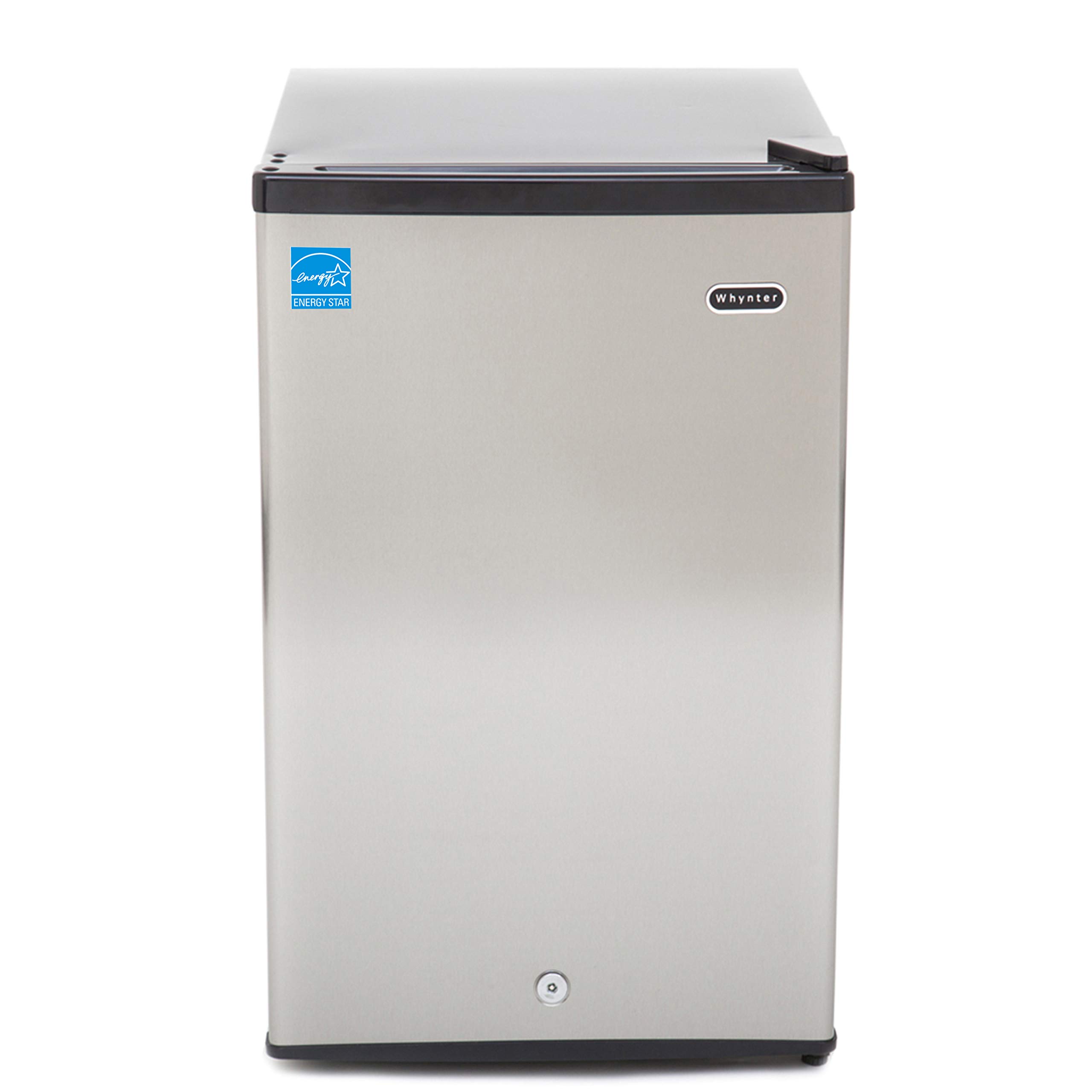
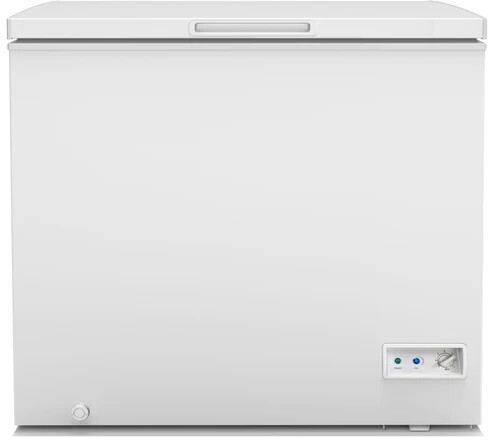
Sometimes, doubling your freezer space means adding a second appliance. If you regularly host large gatherings, handle bulk meal prep, or manage a commercial kitchen, a dedicated chest or undercounter freezer might be the smartest move. Look for deals on shop chest freezers: deals or seasonal markdowns on undercounter models
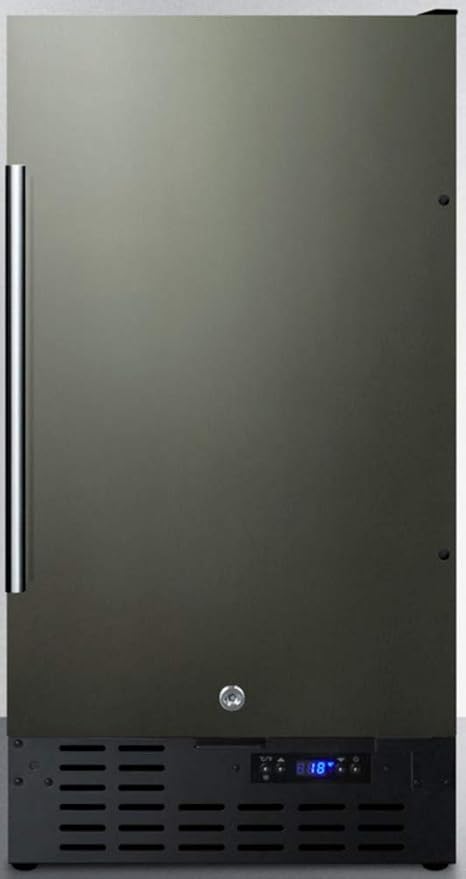
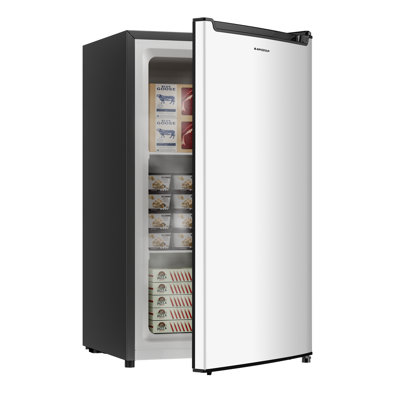
For tight footprints, an upright undercounter freezer can slot neatly under a counter or by a wall. If floor space is available, a 7- to 10-cubic-foot chest freezer gives you serious capacity jump—enough to handle extra batches of stock, grill-ready burger patties, or even a batch of homemade ice cream
In larger spaces like cafeterias or garage kitchens, consider a commercial-grade chest freezer. We’ve reviewed the best chest freezer for a cafeteria, balancing rugged build quality with generous interior volume. It’s an investment that pays off in bulk savings on seasonal produce and shop-in-bulk items
Doubling your freezer space this summer isn’t about magic tricks, it’s about smart planning, the right gear, and tidy upkeep. Start by clearing out the clutter, then layer in stackable containers, flat-freeze techniques, and well-marked zones. Tweak your temperature settings to minimize frost, and don’t hesitate to add a dedicated unit if your household or business needs it
Remember, the goal is less about squeezing everything in at once and more about working with a system you can maintain. A well-organized freezer saves you grocery trips, reduces waste, and turns meal prep into a breeze. So stock up on bulk blueberries, ice cube trays for your favorite summer cocktails, and those family-size packs of chicken breasts
With these tips to double freezer space this summer, you’ll unlock hidden capacity, protect your food quality, and enjoy the freedom to freeze—and feast—without reservation. Ready to reclaim every cubic inch? Your freezer makeover starts now
Free tool
Food Storage Calculator
Free interactive tool from Fridge.com — get a quick answer while you read.