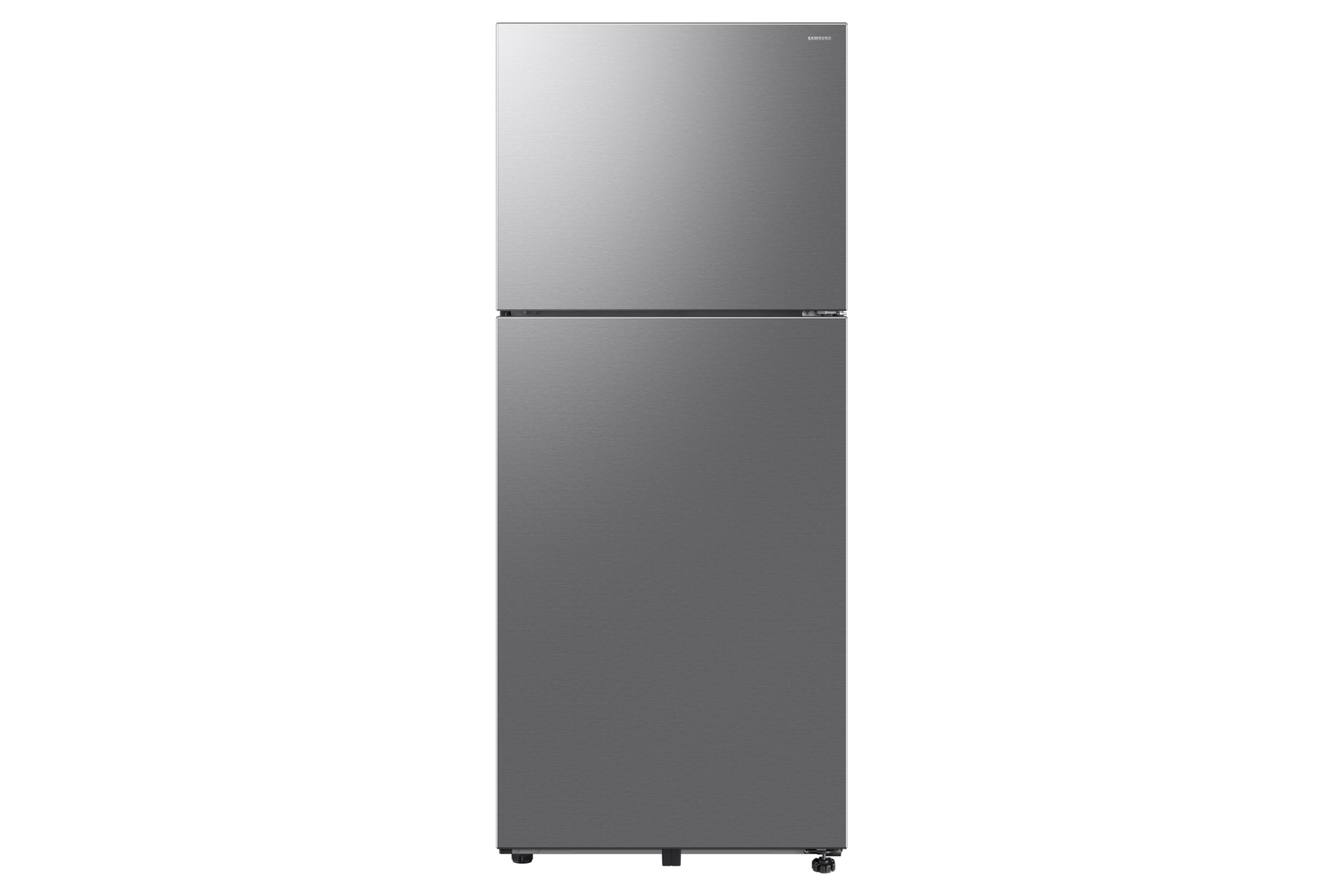
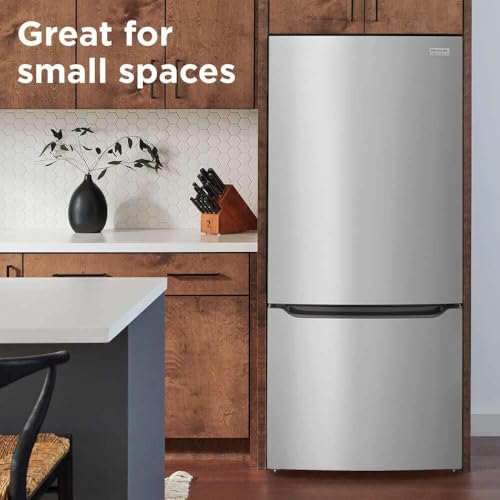
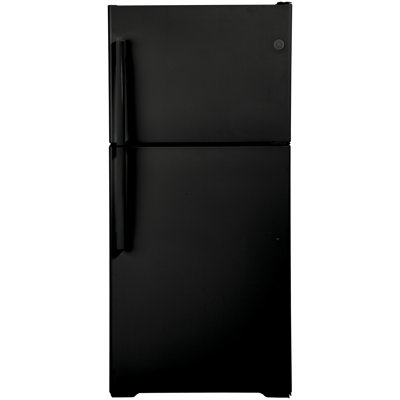
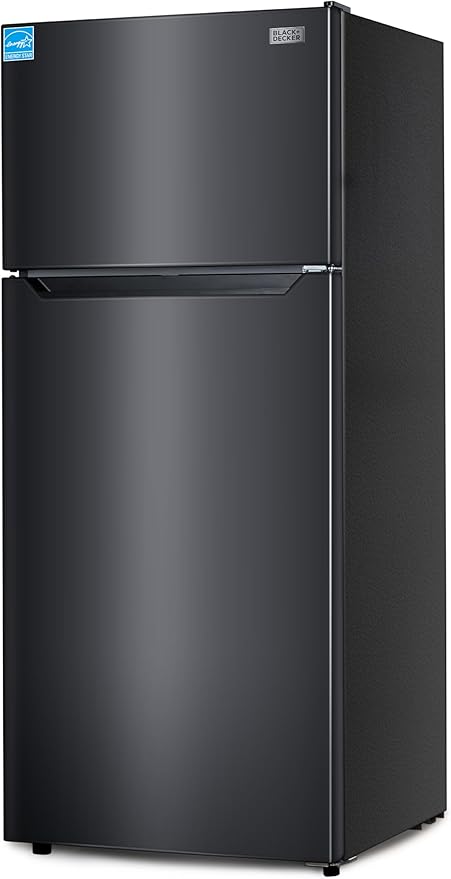
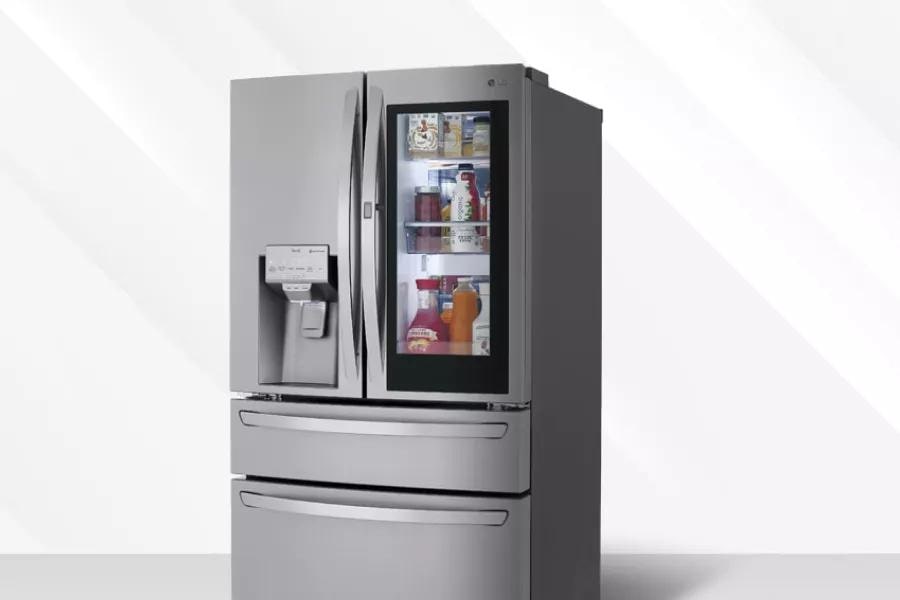
When you run a cafeteria, choosing the best beer fridge for a cafeteria ensures your customers enjoy their drinks at the perfect chill. A dedicated beer fridge, or beverage cooler, offers precise temperature control, ideal shelf layouts, and clear visibility so you can showcase craft labels or popular domestic brews without sacrificing kitchen space. Whether you’re stocking a bustling university dining hall, a corporate café, or a small office break room, the right beer fridge keeps kegs and bottles in top form and helps you serve faster during peak hours.
In this guide you’ll learn what makes a beer fridge stand out, which features matter most in a high-traffic environment, and our top picks for cafeterias of every size and budget. We’ll also cover installation tips, maintenance best practices, and answers to common questions so you can pick, set up, and enjoy your new beer fridge with confidence.
Why choose a beer fridge
Standard kitchen refrigerators can store beer, but they often lack the fine temperature control, shelf design, and presentation features that a dedicated beer fridge provides. In a cafeteria setting you’re dealing with:
High turnover: Frequent door openings raise internal temperature and affect beer taste.
Space constraints: You need a unit that fits under counters or alongside cooking lines without blocking traffic.
Rapid service: Clear glass doors and adjustable shelving speed up selection and restocking.
A purpose-built beer fridge delivers consistent cooling, designed airflow, and specialized racks or keg connections to keep your beer lineup fresh and inviting. You’ll reduce spoilage, prevent foaming issues, and give guests a clear view of what’s on tap or on shelf, which can boost impulse sales and streamline your service flow.
Key features to consider
Selecting the best beer fridge for a cafeteria involves balancing capacity, performance, and durability. Keep an eye on these key factors:
Capacity and size
You’ll want enough room to handle peak demand without overcrowding. Consider:
Cubic feet of storage: Cafeterias may need 10 cu ft and up, depending on traffic.
Bottle vs keg space: Some models reserve floor area or special mounts for kegs.
Footprint: Measure your available width, depth, and height to avoid delivery headaches.
If you anticipate seasonal spikes or special events, look for modular designs that let you expand or add an extra unit down the line.
Temperature control
Beers taste best between 38 °F and 45 °F, but different styles may call for slight tweaks. Key controls include:
Digital thermostat: Offers precise set-and-forget operation.
Dual-zone cooling: Lets you store lagers and ales at their separate ideal temps.
Fast-cool function: Quickly brings fresh stock down to serving temperature.
Reliable temperature control not only preserves flavor but also limits bacterial growth and foam loss during pour.
Shelf configuration
Adjustable shelves or specialized beer racks simplify organization and restocking. Look for:
Removable wire shelves: Flexible for bottles, cans, or growlers.
Sloped shelves: Tilted design eases bottle retrieval without jostling.
Keg rails or tap mounts: Built-in holders keep kegs secure and connected.
If bottles are your main offering, consider a model linked to a guide like “which beverage center racks prevent bottle rolling noise?” (/which-beverage-center-racks-prevent-bottle-rolling-noise) for extra stability.
Door type and visibility
Glass doors boost sales by showcasing labels, but they need UV protection and tight seals:
To help you narrow down your choices, here’s a quick comparison of standout models. All prices are approximate and may vary by retailer.
Model
Type
Capacity
Temp range
Highlights
CoolMaster UC48BG
Undercounter beer fridge
5 cu ft
34 °F–45 °F
Locking door, reversible hinge, Energy Star
ChillPro CP3000
Freestanding display
12 cu ft
36 °F–50 °F
Dual zone, LED lighting, tempered glass
TapKing TK-2
Dual-tap kegerator
4 cu ft
32 °F–50 °F
Stainless build, CO2 kit included
MegaServe MS-SS3
3-door keg fridge
18 cu ft
30 °F–45 °F
High capacity, heavy-duty compressor
CoolMaster UC48BG
For a tight undercounter fit, you’ll appreciate the compact footprint and reliable cooling. The lock keeps inventory safe and the reversible door adapts to your layout.
ChillPro CP3000
If showcasing bottles matters most, this model’s glass doors and dual-zone control let you display lagers at 38 °F while keeping ales slightly warmer.
TapKing TK-2
Serve fresh draft beer with this easy-to-install kegerator. It’s perfect for cafeterias that want to reduce waste from bottles and enjoy the draw-fresh experience.
MegaServe MS-SS3
For high volume operations, the three-door design maximizes capacity and speeds restocking. You’ll manage multiple beer types at once and keep things organized.
Getting the most from your beer fridge starts with proper setup. Follow these steps:
Site selection
Place on a level surface with at least 2 inches of clearance on all sides for ventilation.
Avoid direct sunlight or heat sources like ovens or dishwashers.
Power connection
Plug into a dedicated, grounded outlet to prevent voltage fluctuations.
Avoid using extension cords.
Initial cooling
Let the unit run empty for 24 hours before loading.
Set the thermostat to your desired serving temperature.
Stocking tips
Rotate older beer to the front so nothing expires.
Group by style or brand to speed up service.
Proper installation not only extends the life of your fridge, it also ensures every beer you pour is at its best.
Maintaining your beer fridge
Routine care keeps performance high and energy costs low:
Cleaning interior and coils
Remove shelves and wipe down walls with a mild detergent and warm water.
Vacuum condenser coils every three months to remove dust and improve airflow.
Monitoring temperature
Use an external thermometer to verify accuracy, especially if the thermostat lacks a digital display.
Keep a temp log and watch for unexplained fluctuations.
Preventing odors
Store opened bottles upright and use drip trays to catch spills.
Place an open box of baking soda inside and replace every three months.
By staying on top of maintenance, you’ll avoid costly repairs and ensure consistent cold storage.
FAQs about beer fridges
Should I use a dedicated beer fridge?
You should if you want precise temperature control, clear display of your selection, and specialized racks that optimize storage. A dedicated unit also reduces cross-contamination of flavors.
How do I adjust the temperature?
Most models feature a digital control panel or dial. After setting your desired temperature, wait 24 hours for conditions to stabilize before making further adjustments.
Can I store other beverages?
Absolutely. You can mix sodas, sparkling water, or even wine in many beer fridges, though you may want to check out our wine cellar guide if you plan a dedicated wine section.
What about power outages?
Invest in a fridge with a built-in alarm or consider a small UPS battery backup to maintain temperature for a few hours during an outage.
Conclusion and recommendations
Investing in the best beer fridge for a cafeteria pays off through consistent beer quality, streamlined service, and an elevated guest experience. Start by weighing capacity and layout needs, then zero in on temperature accuracy, energy efficiency, and shelf design. From compact undercounter units to heavy-duty display fridges and kegerators, there’s a model tailored for your space and budget. Follow proper installation and maintenance practices to keep your beers perfectly chilled and ready to serve. With the right fridge in place, you’ll spend less time managing cold storage and more time delighting your customers.
Frequently Asked Questions
You should if you want precise temperature control, clear display of your selection, and specialized racks that optimize storage. A dedicated unit also reduces cross-contamination of flavors.