You might be asking, which UV shield door protects craft beer labels? If you’re like most home brewers or craft beer enthusiasts, you know that preserving the look of your bottle or can matters nearly as much as keeping it cold. UV rays can fade artwork, weaken labels and even alter flavor over time. In this post, you’ll get the answer to which UV shield door protects craft beer labels, plus friendly tips on UV damage, door types, selection factors, installation and ongoing care. By the end, you’ll know exactly how to keep your favorite pours looking fresh and tasting great.
Understanding UV damage
How UV fades labels
Ultraviolet light carries energy that can break down pigments and inks on labels. Over days and weeks, even indirect sunlight or ambient store lighting can cause colors to dull. If you’ve ever left a six-pack in a sunny window and noticed the logo looking washed out, that’s UV at work. Labels lose their crisp contrast, making your bottles look older than they are.
Glass penetration explained
Not all glass blocks UV equally. Standard clear glass cuts out some UVB but lets most UVA through. UVA travels deeper, sneaking past ordinary panes and launching a slow attack on label dyes. If your fridge door is plain glass, labels are getting a daily dose of UVA—even if the door feels cool to the touch. To protect your investment, you need a barrier rated for both UVA and UVB.
UVB (280–315 nm): Higher energy, leads to immediate discoloration
UVC (100–280 nm): Mostly absorbed by atmosphere, rare indoors
Why temperature isn’t enough
Keeping beer at 38°F to 45°F guards flavor, but it won’t stop light damage. Even in a cold environment, UV can filter through glass and plastic. That’s why the door you choose has to offer both insulation and UV defense, so your craft beer labels stay vibrant and your pours stay perfect.
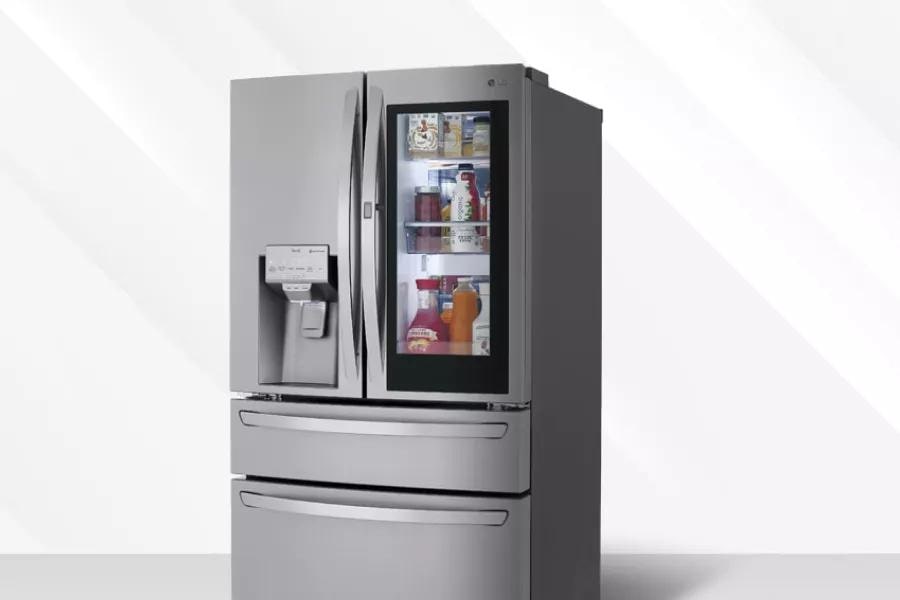
Tinted or smoked glass adds a layer of UV filtration by absorbing certain wavelengths. You’ll see these on many display fridges in breweries or convenience stores. Tints can block up to 50–70 percent of UV, reducing glare and softening light. If you like a sleek look and moderate protection, smoked glass is a solid budget option.
Laminated UV-coated glass
Laminated panels sandwich a UV-absorbing film between two sheets of tempered glass. These doors typically block 99 percent of UVA and UVB, so labels stay true for months or years. Laminated glass also resists shattering and improves thermal performance. Many high-end kegerators use this tech—check out a 3 door keg fridge if you want extra capacity plus premium protection.
Triple-pane insulated glass
Triple-pane doors layer three glass sheets separated by insulating gas. Besides outstanding temperature consistency, some manufacturers add a dedicated UV-filtering middle layer. You’ll pay more, but you get top-tier energy efficiency and nearly total UV blockage. For serious collectors who showcase limited-release bottles, this is the gold standard.
Metal door alternatives
Solid metal doors obviously block all light, UV included. If label preservation is your only goal, a metal door fridge or freezer does the job perfectly. The trade-off is you lose visibility—you’ll need to open the unit to find what you want. For many home brewers, though, that’s a small price to pay for rock-solid UV defense.
Comparing door protection levels
UV blockage ratings
When evaluating a door, look for a UV transmission rating or percentage blocked.
50–70 percent: Basic tinted glass
90–95 percent: Enhanced tinted or double-pane
99 percent+: Laminated UV-coated or specialty films
Insulation and efficiency
A door’s R-value measures its insulating power. Higher R-values keep temperature swings minimal, so you’re protecting both taste and label. Triple-pane doors often lead the pack, followed by laminated and then tinted single or double-pane.
First, check if your current fridge model supports a glass-door upgrade. Some beverage centers or dedicated beer fridges let you swap in a laminated or tinted panel. If you’re shopping new, compare specs on UV block and R-value, then decide what fits your kitchen or man cave style.
Consider capacity and display
Are you storing a handful of specialty bottles or hundreds of cans? A 3 door keg fridge might suit large collections, while a compact glass-door beverage center shows off your lineup without overwhelming space. If you prefer concealment, a metal-door kegerator from the kegerator sale section could be ideal.
Factor in energy and budget
Higher-end triple-pane or laminated doors cost more upfront but save energy long term. If you’re on a tight budget, tinted single-pane is a step up from plain glass and typically pays back in lower cooling costs within a year or two.
Plan for accessories
Don’t forget bottle racks, anchors and lighting. To reduce label wear from vibration, explore our guide on which rack anchor prevents bottle vibration during slide?. And choose LED interior lights—cooler than halogen—to cut down on heat and UV output inside.
If you’re retrofitting, measure your opening carefully and order the exact panel dimensions. Many manufacturers include installation kits with weatherstripping and hinges. For a new fridge, opt for professional delivery and setup to ensure seals are perfect from day one.
Cleaning and upkeep
Regular cleaning preserves both clarity and UV performance. Use a mild, non-abrasive cleaner and a soft cloth. Avoid ammonia-based products on UV-coated glass—they can degrade the film over time. For a full cleaning walkthrough, see our how to clean the refrigerator cleaning lessons.
Troubleshooting common issues
Haze or cloudiness: Check seals and replace worn gaskets.
Door not closing fully: Level the unit and adjust hinge tension.
Sudden temperature spikes: Inspect insulation layers for damage.
Routine maintenance keeps your UV shield door performing at peak levels, so labels stay protected and your beer stays cold.
Protecting your craft beer
Best storage practices
Keep your fridge out of direct sunlight and away from heat sources. Aim for a steady 38°F to 45°F and moderate humidity (around 50–70 percent). This environment guards aroma, carbonation and label integrity.
Rotate stock regularly
Older beers tend to lose label crispness faster if they stay in front of a glass door. Rotate your selection so nothing sits in the spotlight for months. First-in, first-out storage not only protects labels, it ensures you enjoy each brew at peak flavor.
Display with care
If you’re showcasing bottles on open racks, position them against tinted surfaces or away from interior lights. Consider UV-resistant plastic sleeves or simple paper backing to shield labels further without hiding them completely.
Monitor and adjust lighting
LED lights are cooler and emit almost no UV, but they still give off visible light that can fade labels over time. Use motion-activated or timer-controlled lighting so bottles aren’t in constant glare. A gentle glow highlights artwork while minimizing exposure.
Protecting your craft beer labels is about more than style—it’s about honoring the artistry and flavor that went into each bottle. By understanding UV damage, comparing door types, selecting the right panel and keeping up with maintenance, you’ll ensure your favorite brews look as good as they taste. Whether you choose tinted glass, laminated UV-coated panels or a solid metal door, the key is consistency and care. So go ahead, pick the UV shield door that fits your space and budget, and watch your craft beer collection stay vibrant for years to come. Cheers to fresh labels and perfectly chilled pours!
Free tool
Beverage Cooler Size Calculator
Free interactive tool from Fridge.com — get a quick answer while you read.