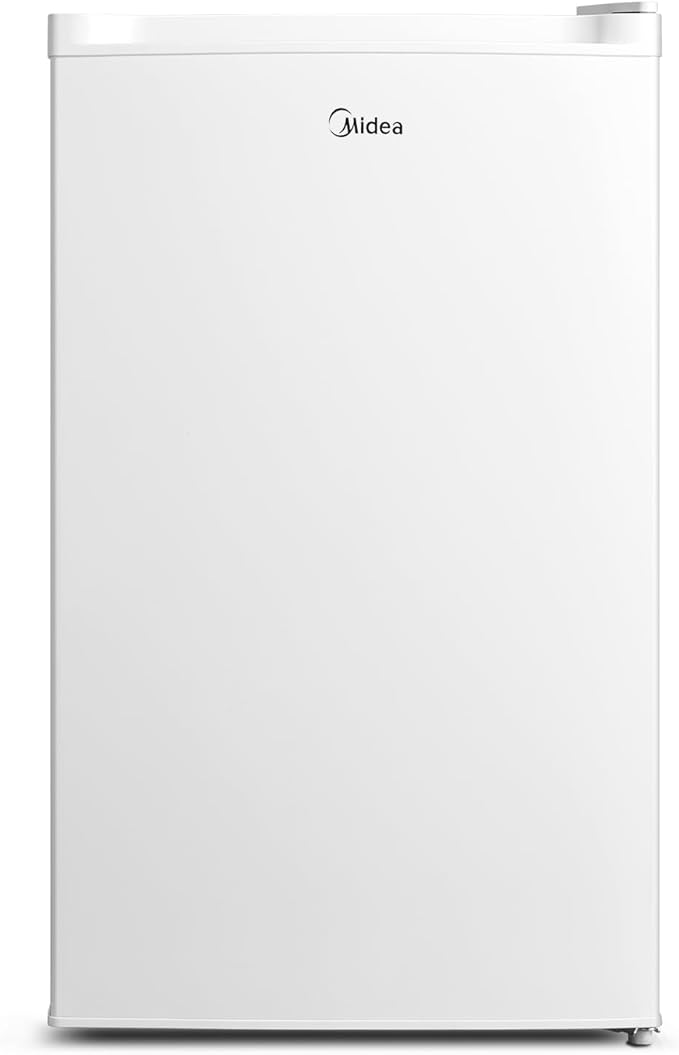
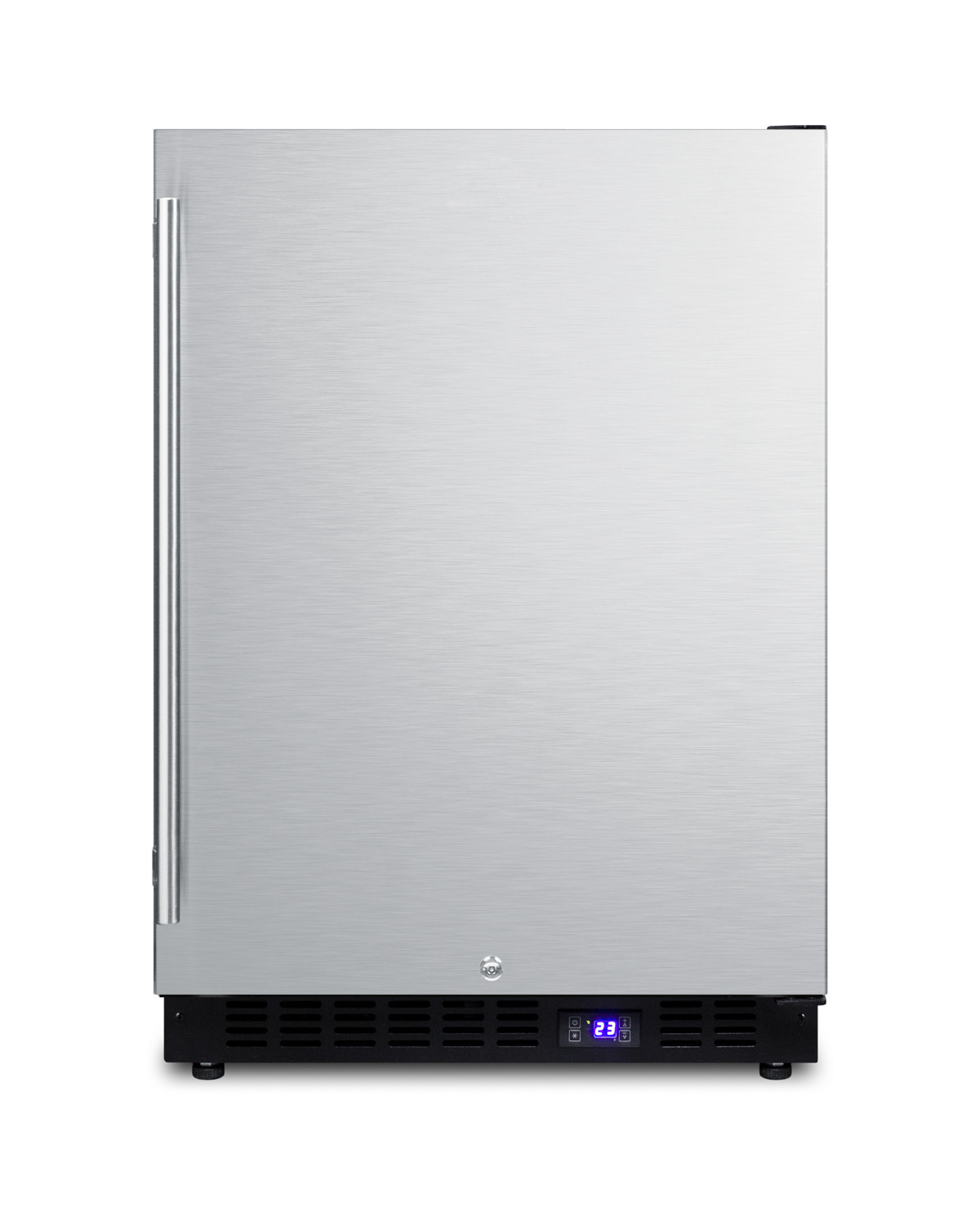
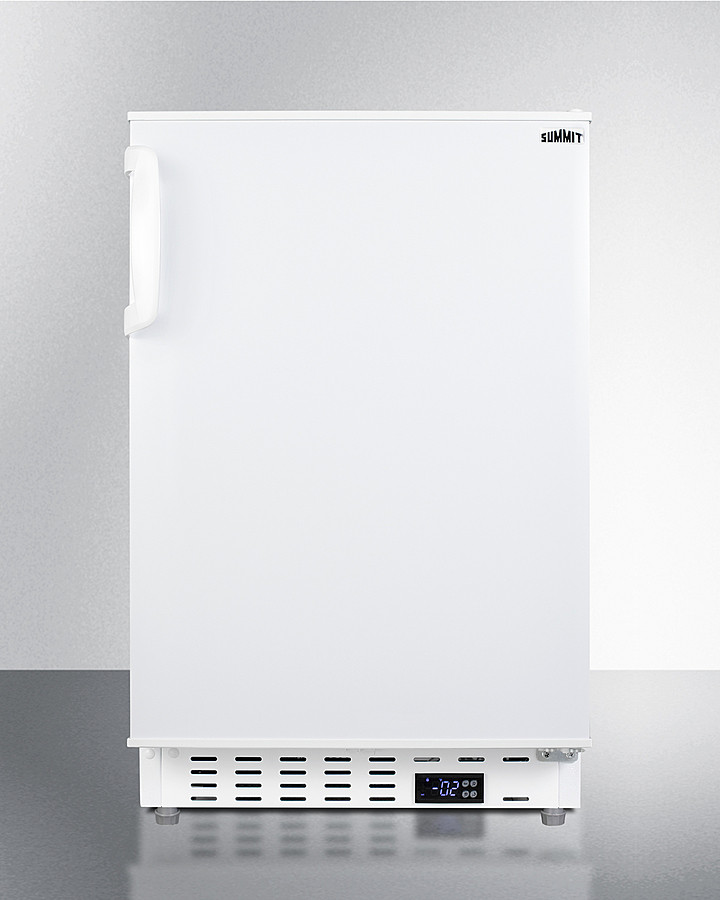
Picking the best freezer for your cafeteria doesn't have to be rocket science, but it does need some thought. A little planning will save you a truckload of headaches down the road.
Factors to Consider Before Buying
Before dropping cash, think about these key points to snag the perfect cafeteria freezer:
Factor
Little More Info
Usage
How often are you gonna crank it open, and what eats are you stashing? If you're serving a crowd, you might need a hulk of a freezer.
Location
Spot your freezer in a place that's easy to reach and has enough breathing room. Avoid cramming it into a tight corner.
Budget
Define how much dough you want to shell out. Don't forget to think about future energy bills.
Warranty
Take a gander at the warranty deal. A solid warranty is like a comfy insurance blanket for your big buy.
Size and Capacity Requirements
Figuring out how big of a freezer you need is the ticket. Think about how much grub you're gonna stuff in there:
Capacity (Cubic Feet)
Approx. Food Storage (in lbs)
Works For
5 - 7
100 - 150
Small Cafes
8 - 12
150 - 300
Midsize Bistros
13 - 20
300 - 500
Busy Cafetoriums
Make sure your freezer isn't just a temporary fix—think big picture. If you've got plans to expand, your freezer should fit future needs. You can also check out Fridge.com guide on figuring out fridge sizes.
Follow these pointers and size it up right, and your kitchen will be running smoother than a buttered pan. Your staff—and stomachs—will thank you.
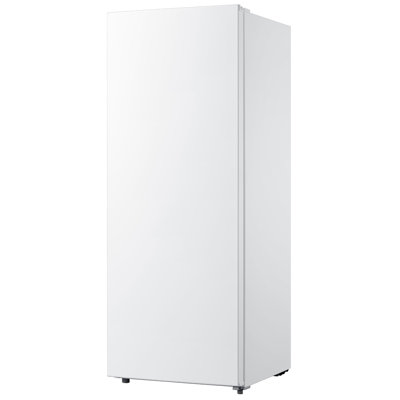
You're on the hunt for the ideal freezer for your cafeteria, huh? Well, you've got plenty of choices to ponder. Not all freezers are created equal, so let's chat about the most common ones—chest and upright freezers—and figure out what'll fit your cafeteria like a glove.
Chest Freezers
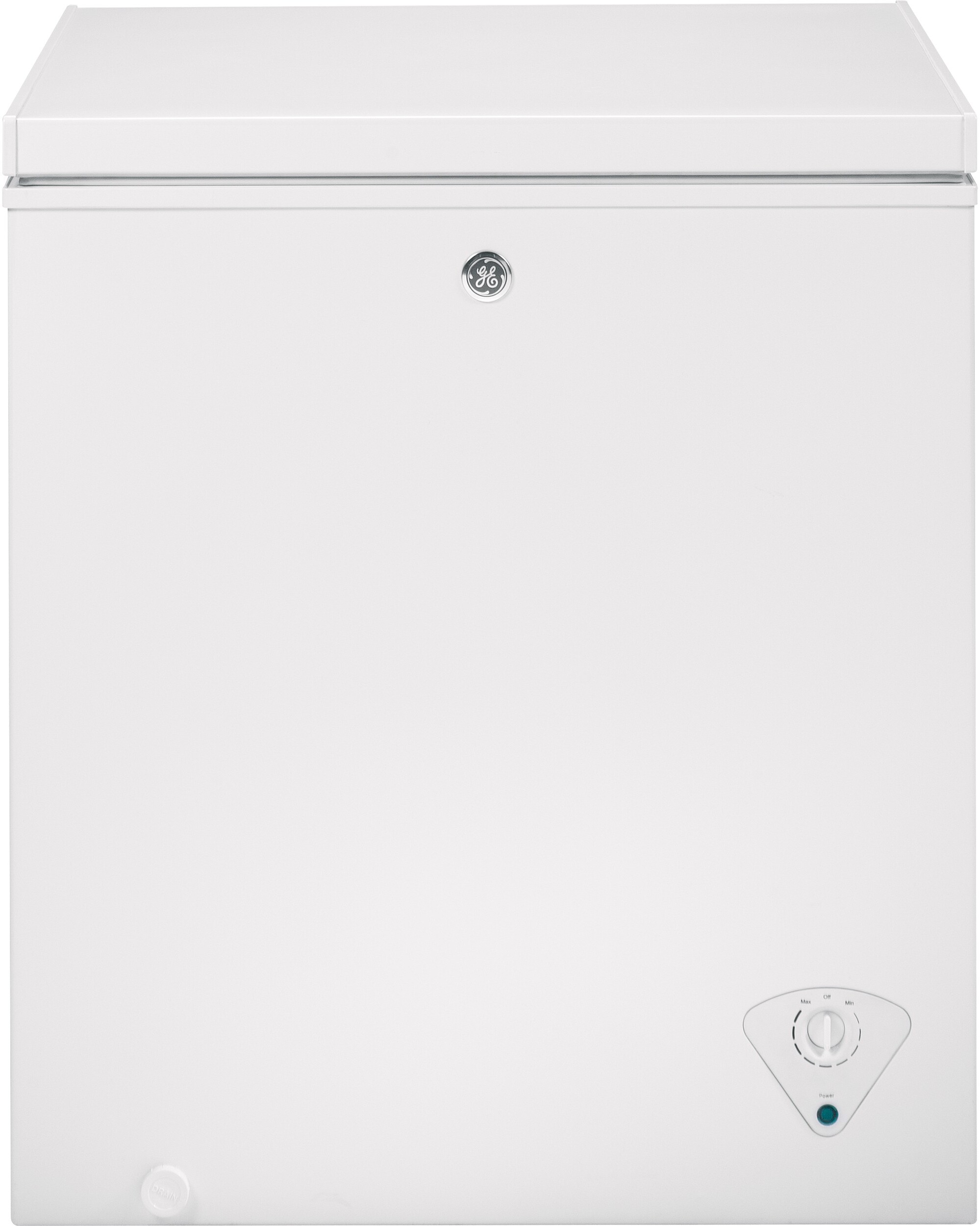
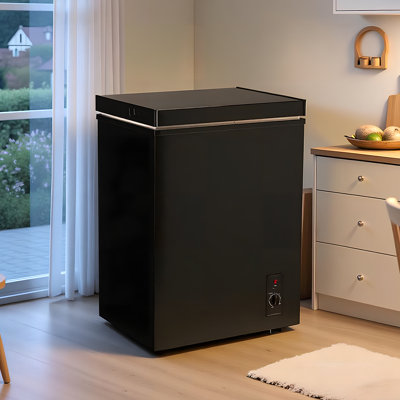
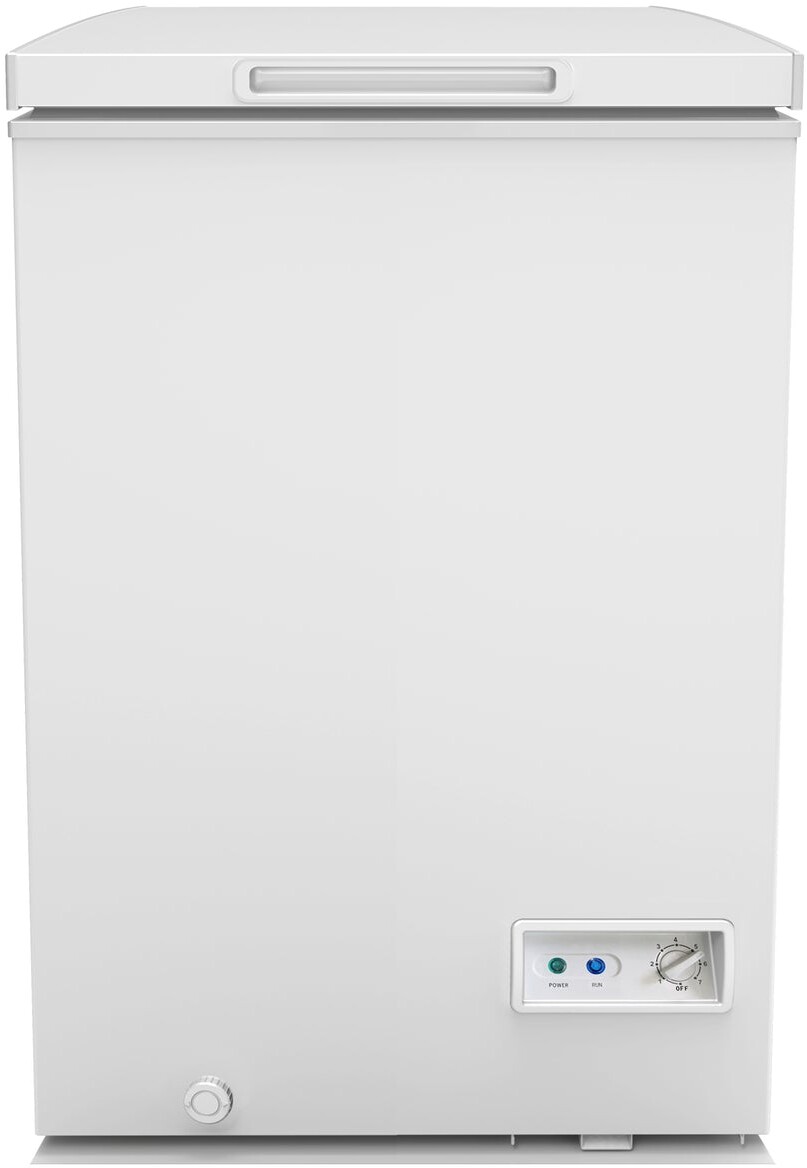
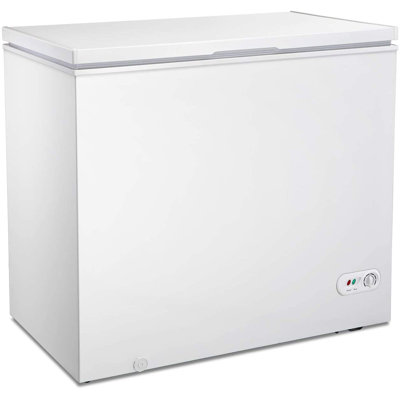
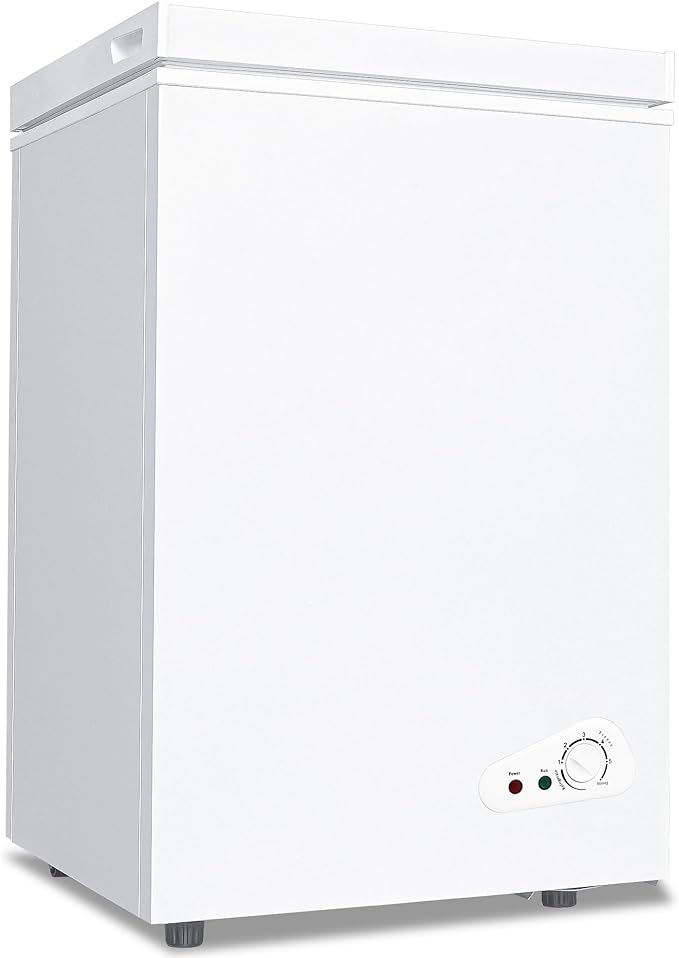
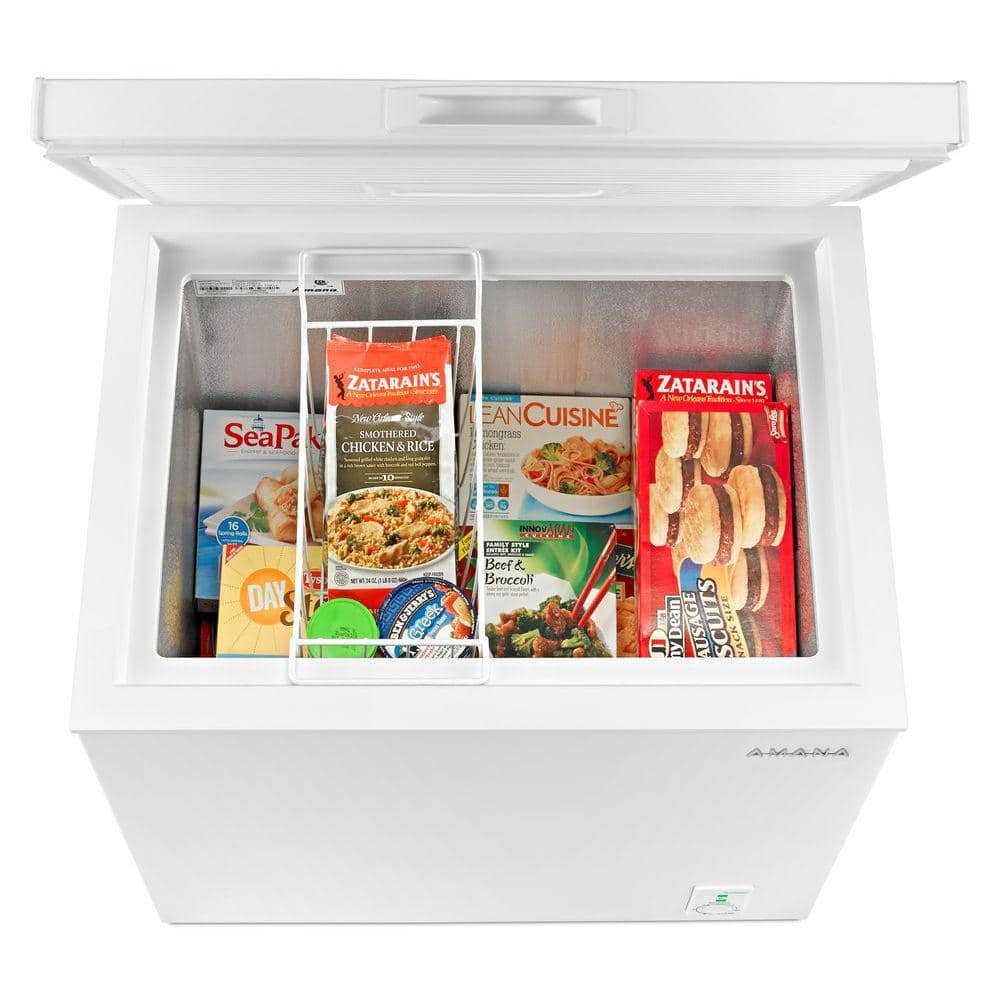
Think of chest freezers as the underground parking of the freezer world—roomy and ready to be filled to the brim. They lay flat with a lid that pops open from the top, letting you pile in a mountain of goodies. Check out some of the handy perks of these mighty storage beasts:
Feature
Description
Capacity
Fits anywhere from 5 to 25 cubic feet—perfect for bulk buys.
Storage Space
With no shelves, you get a big, open treasure chest of space.
Accessibility
Get ready for some squats—things at the bottom might have you bending a bit more.
Cafeterias love chest freezers 'cause they swallow up bulk foods like it's nothing. If you wanna make the most outta your freezer storage, swing by Fridge.com section on utilizing your freezer effectively.
Upright Freezers
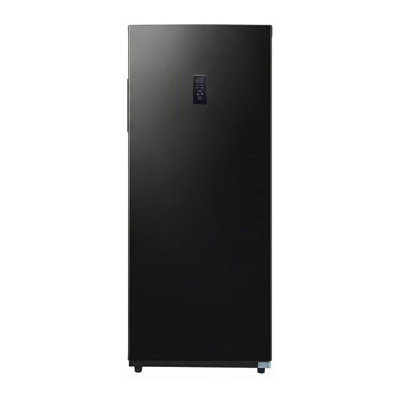
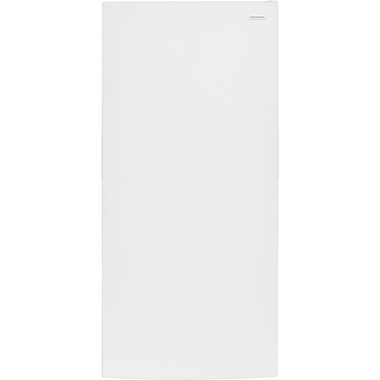
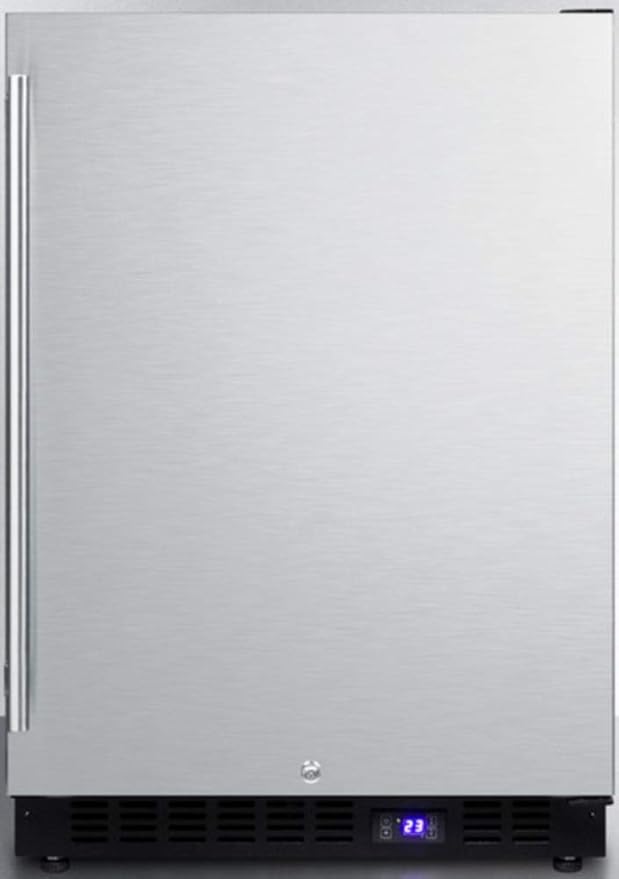
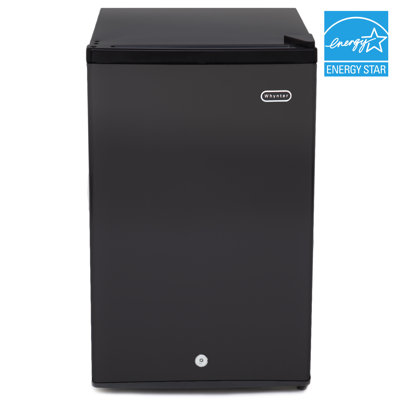
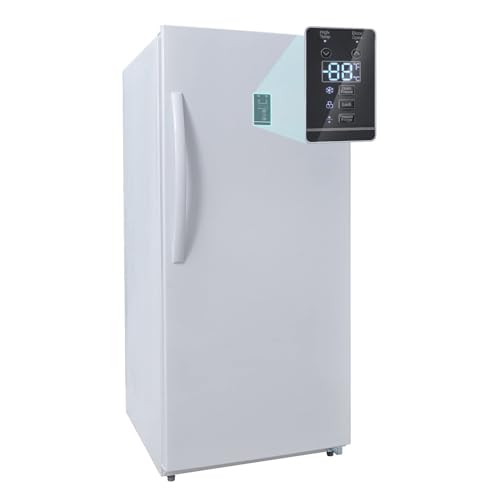
Upright freezers are like that high-rise apartment with its neat little cubbies. They resemble your everyday fridge, standing tall with shelves and compartments to keep things tidy. Here's what to know about them:
Feature
Description
Capacity
Holds between 5 to 20 cubic feet—not too shabby for stashing your grub.
Storage Space
Shelves are a lifesaver for keeping stuff organized and easy to grab.
Accessibility
No gym required—getting your food out is a breeze without needing to crouch.
If you like your freezer contents organized à la Marie Kondo, an upright freezer could be your new best friend. They’re not just practical—they make finding your favorite frozen treat in a hurry super simple, perfect for bustling cafeterias. Just think about how space plays into it when deciding.
By getting a handle on chest Vs. upright freezers, you'll pick the perfect freezer that keeps up with the hustle and bustle of your dining operation. For those special features that add a little extra oomph, head on over to our segment on features to look for in a cafeteria freezer.
Picking the right freezer for a cafeteria can make a big difference in how well it works for you. The main things to think about are temperature control, energy saving, and storage space, which will keep everything running smoothly.
Temperature Control
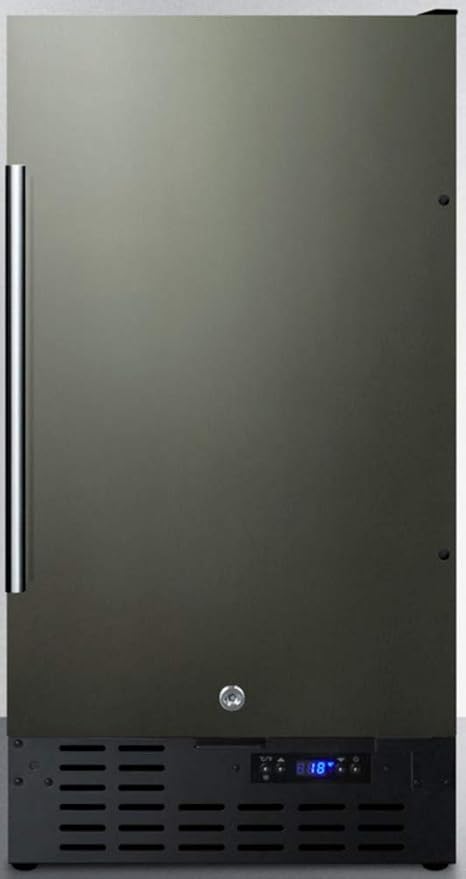
Getting the temperature right is super important for keeping food fresh and safe. It would help if you found freezers where you can easily set and check the temperature. A digital display is a handy tool, providing a quick look at how chilly things are inside.
Temperature Range
Ideal Conditions
-10°F to -20°F
Best for frozen foods
0°F to -10°F
Perfect for soft-serve or frozen desserts
Above 0°F
Could lead to food spoiling
Energy Efficiency
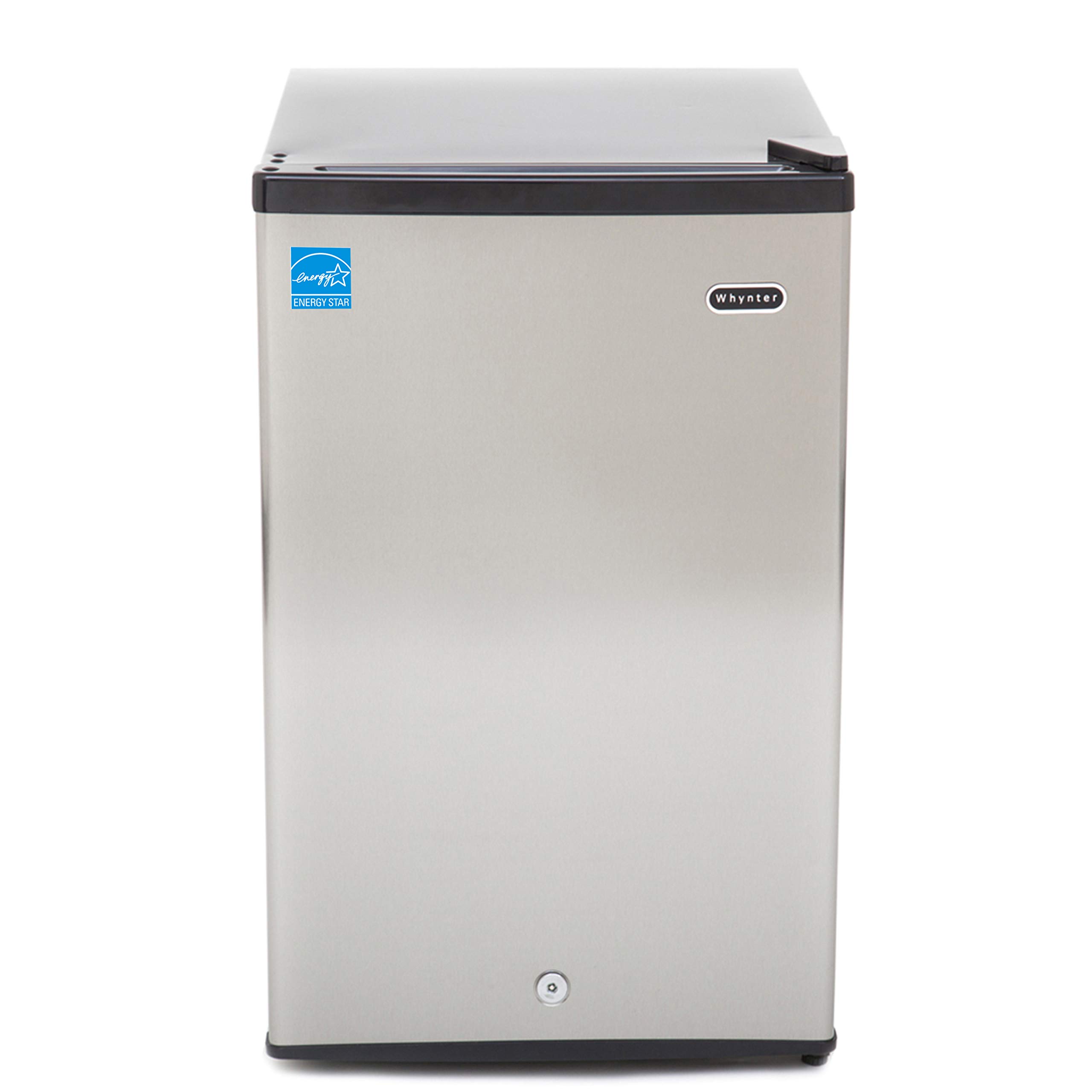
Saving energy is good for your wallet and the environment. Keep an eye out for models with Energy Star certification. Those freezers are champs at using less power, helping you save money and do your part for the planet.
Energy Star Rating
Estimated Energy Savings
A++
Up to 50% more efficient than standard models
A+
20-30% more efficient than standard models
B
Standard efficiency
Storage Compartments
Having the right storage setup can make organizing your stuff much easier. A good cafeteria freezer should feature multiple shelves or bins to keep your products easily accessible. Some even offer adjustable shelves for bigger items, making life simpler when dealing with varied storage needs.
Compartment Type
Benefits
Shelves
Adjustable space for all kinds of items
Bins
Easy reachability for commonly used goods
Drawers
Great for smaller packages or ingredients
Consider these features to find a cafeteria freezer that fits your kitchen, helps to keep foods fresh, and makes storage a breeze. If you're curious about freezers for other needs, check out Fridge.com article on best outdoor freezer for new year’s eve.
You want to keep your freezer running like a champ, right? It’s key to making sure your grub stays fresh and nosh-worthy. So, let's get down to some easy-peasy maintenance and cleaning tricks.
Regular Defrosting
Keeping ice mountains under control is smart, especially if you see that the ice is packing on thick. When ice builds up, it hogs space and makes your freezer work overtime. So, every few months, or when your ice is sneaking past a quarter inch, it's time for a defrosting session.
Ice Thickness
Action Needed
0 - 1/4 inch
You're good
1/4 - 1/2 inch
Time to defrost soon
Over 1/2 inch
Do it now
To tackle the defrost, unplug that bad boy. Pop a few towels down to soak up the water. Want to move things along? Blast a fan in there or set some bowls of hot water to get things melting faster.
Proper Organization
Your freezer shouldn’t be a game of hide-and-seek. Here’s how to keep it sorted:
Label Everything: Slap a label on containers with what's inside and when you stashed it in there.
Group Similar Stuff: Keep meats, veggies, TV dinners, and snacks chilling in their own spots.
FIFO Method: Use the "First In, First Out" method. Push new items to the back, so old ones don’t become history.
An organized freezer means no more frantic digging or wasting food that wandered off to the back never to return.
Cleaning and Sanitizing
Grimy freezers are a no-go. Let’s scrub 'em down:
Turn Off and Empty: Power down the freezer and empty it out. Keep the good stuff cool in a temporary cooler.
Use Mild Detergents: Wipe down everything with soapy water or a baking soda mix. Skip the hard-core cleaners—they leave gunk behind.
Rinse and Dry: Rinse with plain water and dry everything up.
Sanitize: Swipe with a food-friendly sanitizer to keep the nasties at bay.
Stick with these easy tips, and your freezer stays tip-top, adding years to its life and keeping that chow fresh. If you need more advice on keeping your food fresh, check out Fridge.com article on food storage tips for more ideas.
Making the Most of Your Freezer
Think of your freezer as a magic box that keeps your food fresh longer. But to get the most out of it, you gotta keep things tidy and well-managed. Here’s a quick cheat sheet on how to store food right, keep track of what’s chilling, and make sure you don’t accidentally find last year’s meatloaf apocalypse lurking in there.
Keeping Food Fresh
Making sure your food stays fresh is a game-changer. Here’s how to do it right:
Food
Best Way to Store
How Long It Lasts
Meat
Wrap it up tight in foil or vacuum bags
6 months
Veggies
Give them a quick boil and stash in airtight bags
8-12 months
Baked delights
Snug as a bug in plastic wrap or foil
3-6 months
Soups & Stews
Safe and sound in airtight containers
2-3 months
Don’t forget to label everything with what it is and when it went in. That way, it’s a no-brainer to grab what needs eating first and avoid any unwanted science experiments.
Managing What You Got
A tidy freezer means a happy kitchen. Keep track of your frozen treasures with these tips:
Checklist it Up: Keep a running list of what’s in the freezer and when it’s gotta go.
Check Yo’ Stock: Peek inside regularly to know what’s running short or getting old.
First Open, First Gone: New stuff goes behind what’s already there, so nothing gets left behind to brave freezer life alone.
Turn that freezer into a game of Tetris with these space-saving secrets:
Stacks on Stacks: Use bins that stack to claim all that vertical real estate and group similar items together.
Burn Begone: Seal everything up good to avoid freezer burn hogging space.
Give It Some Air: Don’t stuff it all in like a suitcase—leave room for air to do its cool thing.
Looking for more organizing inspo? Swing by Fridge.com guide on outdoor freezer tips for the holidays.
Put these tricks to work, and your freezer will be running smoother than the school cafeteria on pizza day. Keep it stocked, keep it fresh, and keep it cool!
Keeping your cafeteria freezer in check is super important. It makes sure your customers stay healthy and your food remains top-notch. Here are some handy tips to follow.
Safe Food Handling Practices
First things first, handle your food with care when chucking it into the freezer. Raw meats should party alone—far from cooked meals—to avoid any nasty business like contamination. Clean tools and containers are a must; you don’t wanna spread germs around, do you?
Food Type
Storage Tips
How Long It Lasts
Raw Meat
Keep it in airtight wrappings
6 months
Cooked Meals
Airtight containers for these
2-3 months
Vegetables
Blanch, then seal them tight
8-12 months
Don’t forget to slap on a label with the freeze date, so you don’t end up with a mystery meat surprise.
Preventing Cross-Contamination
Cross-contamination is what happens when those pesky germs go joyriding from one food item to another. To stop this, keep the freezer spick and span. No crazy Jenga stacking or mixed-up food messing. Keep similar foods chillin' together.
Clear containers are your friends—helps you see what's what without any guessing games. Make sure staff are using clean hands or gloves if they have to handle foods. Wanna dive deeper into food safety? There are loads of articles out there to help you stay informed.
Regular Equipment Checks
Looking after your freezer means giving it a regularly planned TLC session. Check that the temperature is right, give those condenser coils a good clean, and make sure the door seals are tight as a drum. This way, you avoid any chilling surprises, ensuring tasty and safe food.
Keeping a log of these check-ups is a lifesaver when something funky pops up. If you hear strange noises or get inconsistent temperatures, your freezer might be waving the white flag. Learn more about when to say goodbye to your old freezer 10 signs it's time to replace your freezer.
Following these tips for safety and hygiene in your cafeteria is a surefire way to keep your customers happy and your food delicious.
From Fridge.com research
Figures below come from data Fridge.com builds and maintains. Each links to the record behind it.
Fridge.com Energy Index, built on U.S. EPA and DOE ENERGY STAR records
Across 5,455 ENERGY STAR certified refrigerators and freezers from 263 brands, median use is 360 kWh per year.