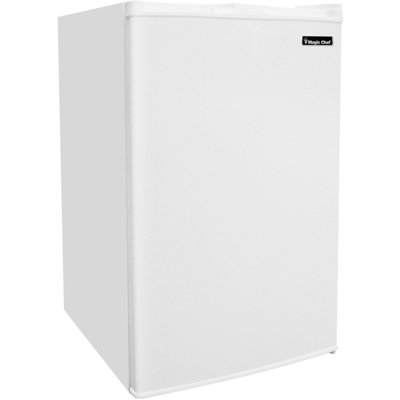
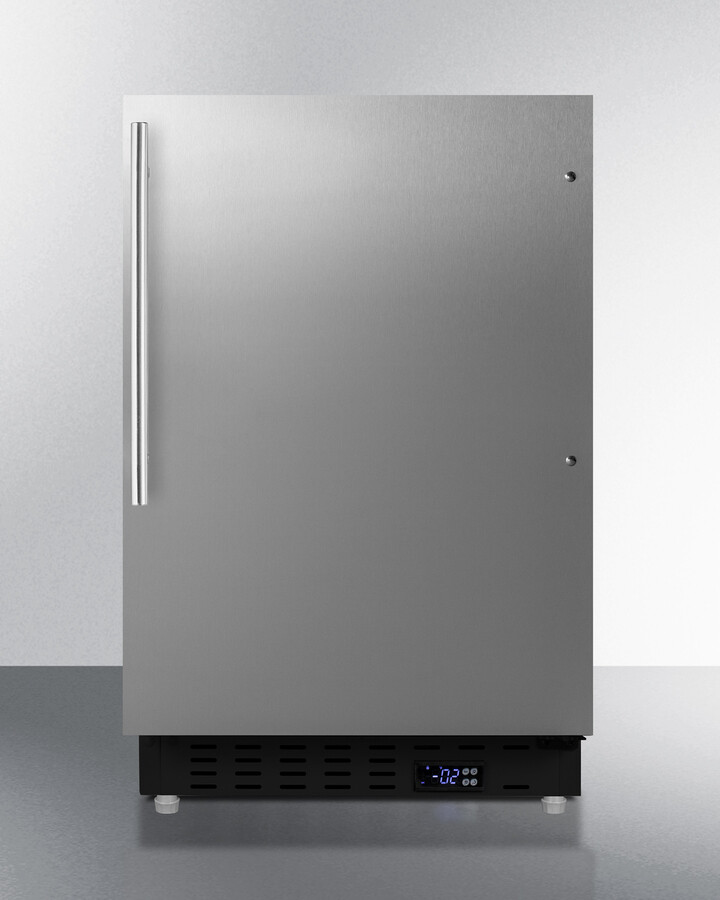
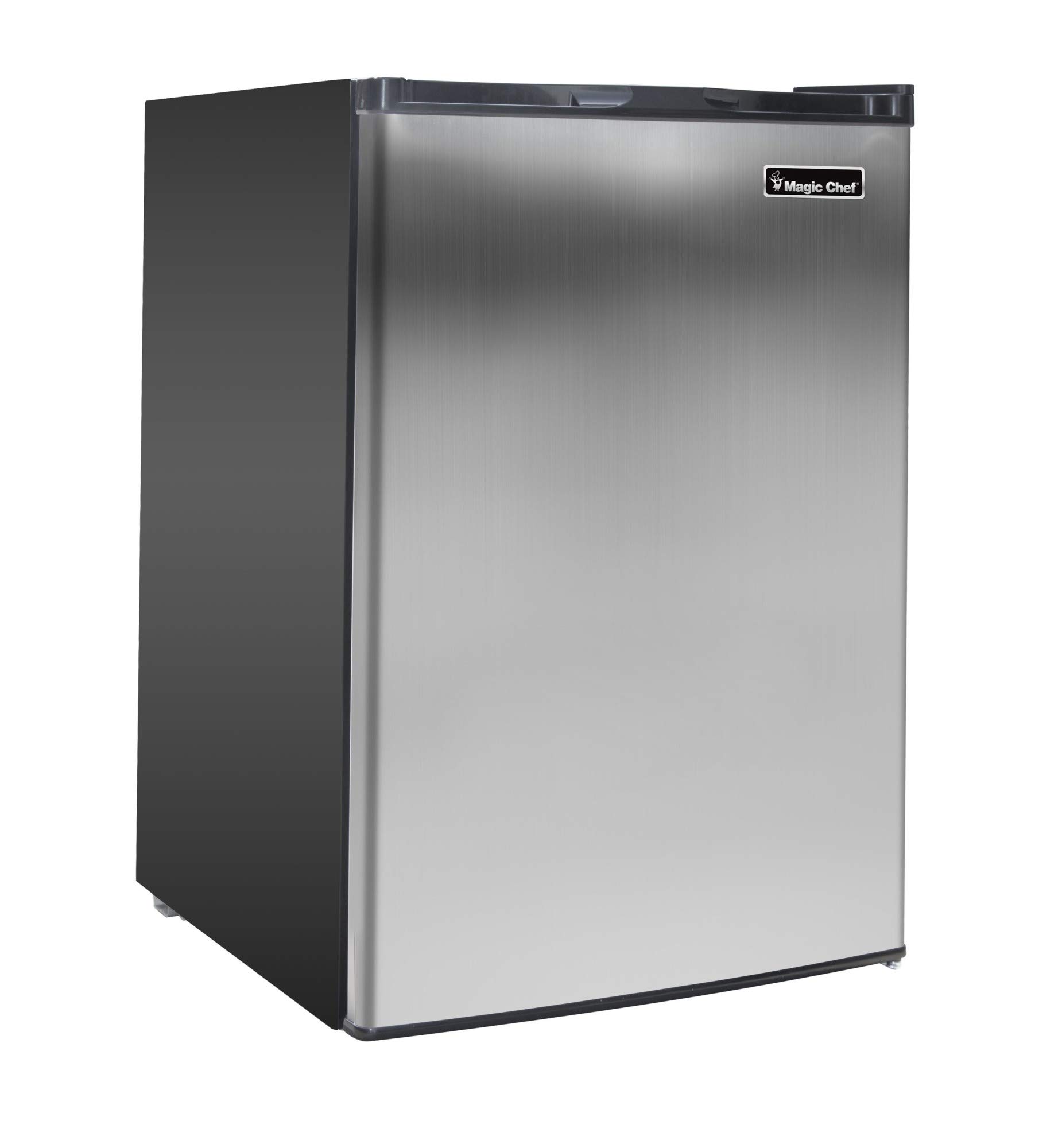
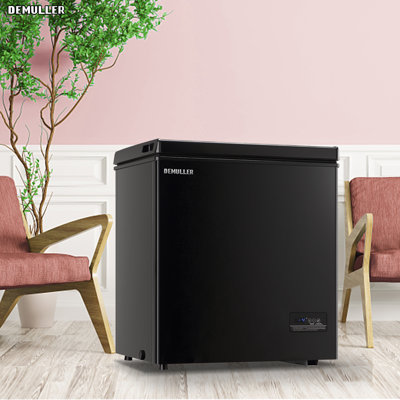
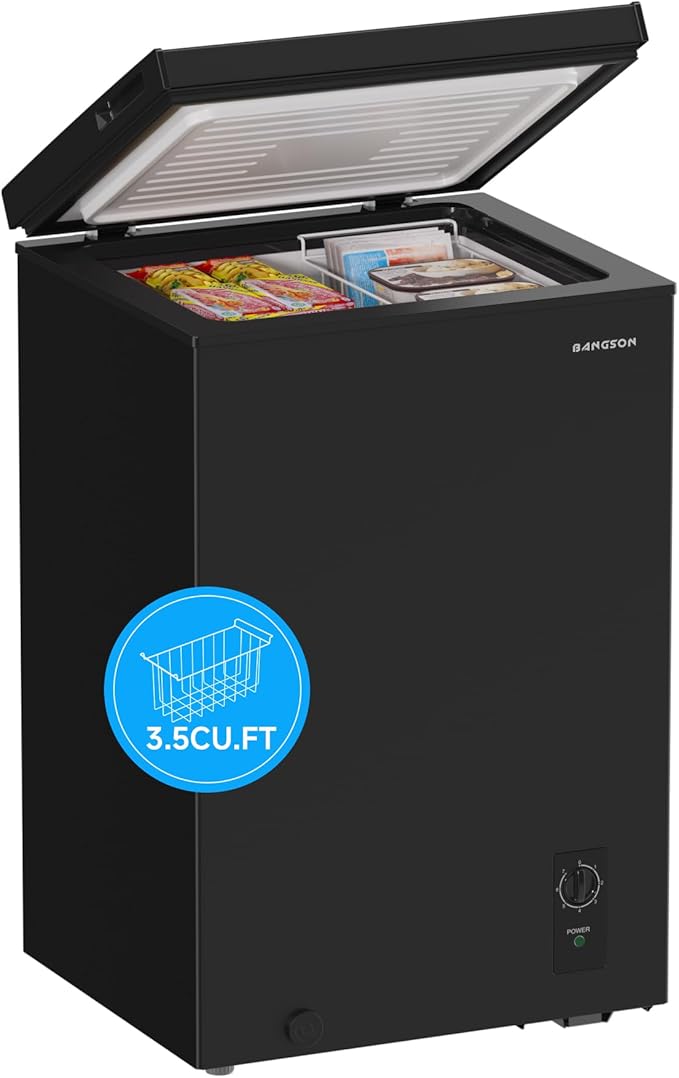
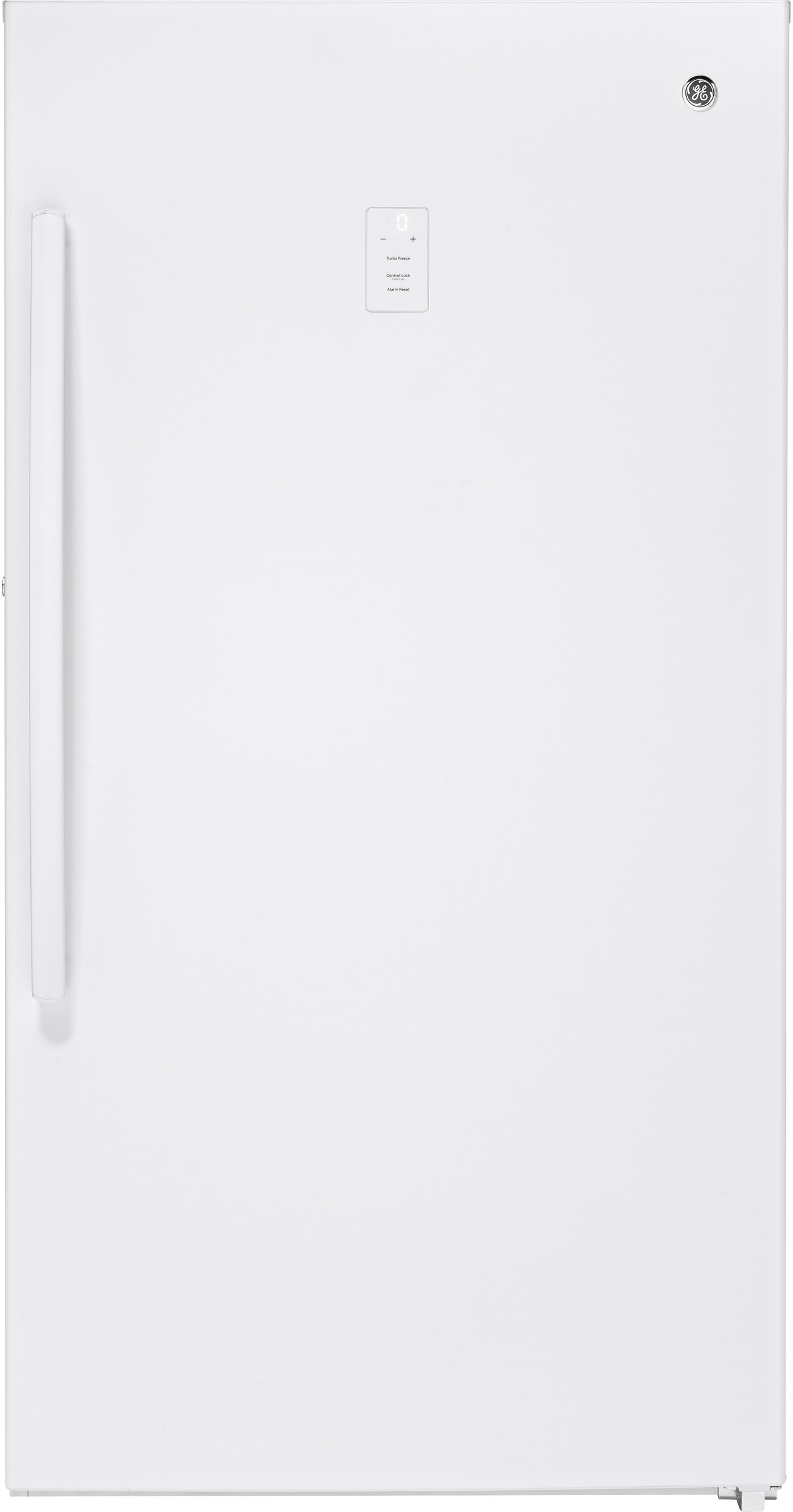
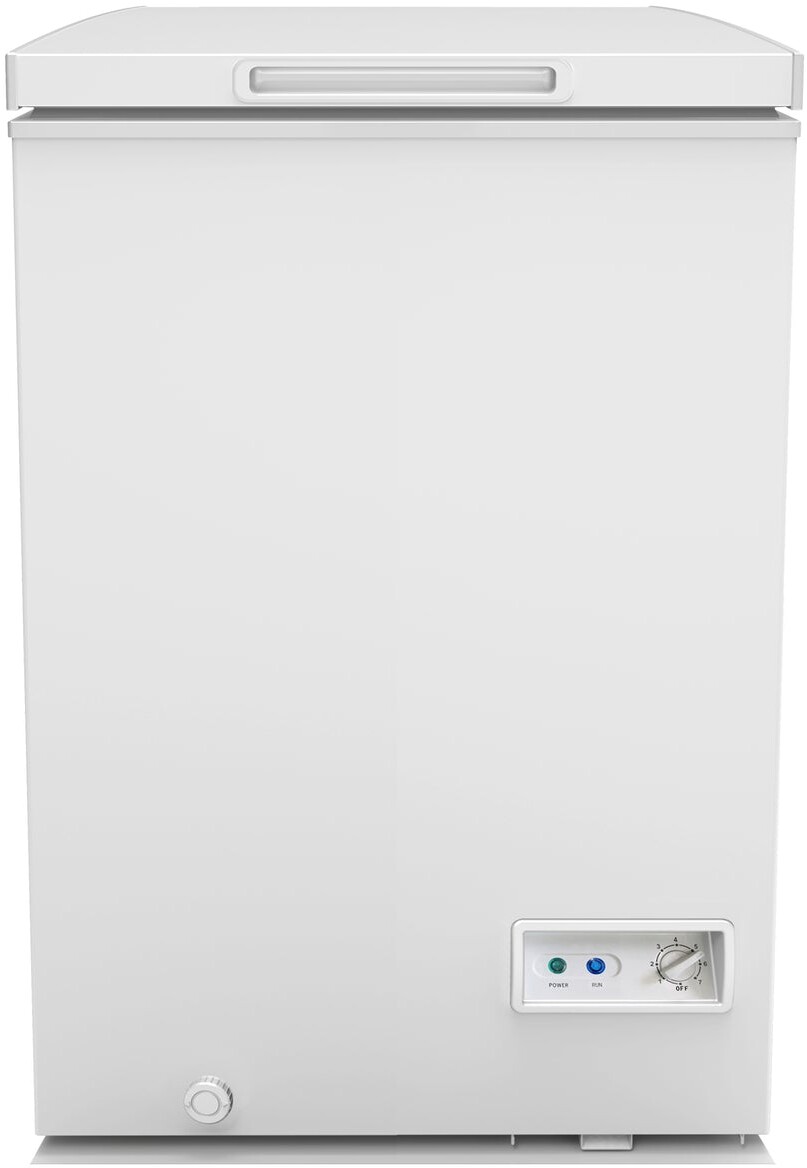
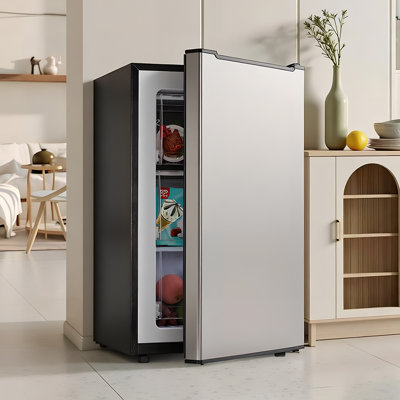
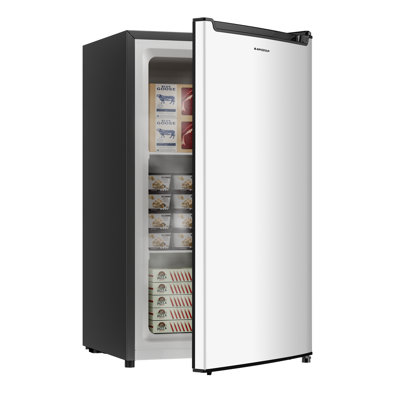
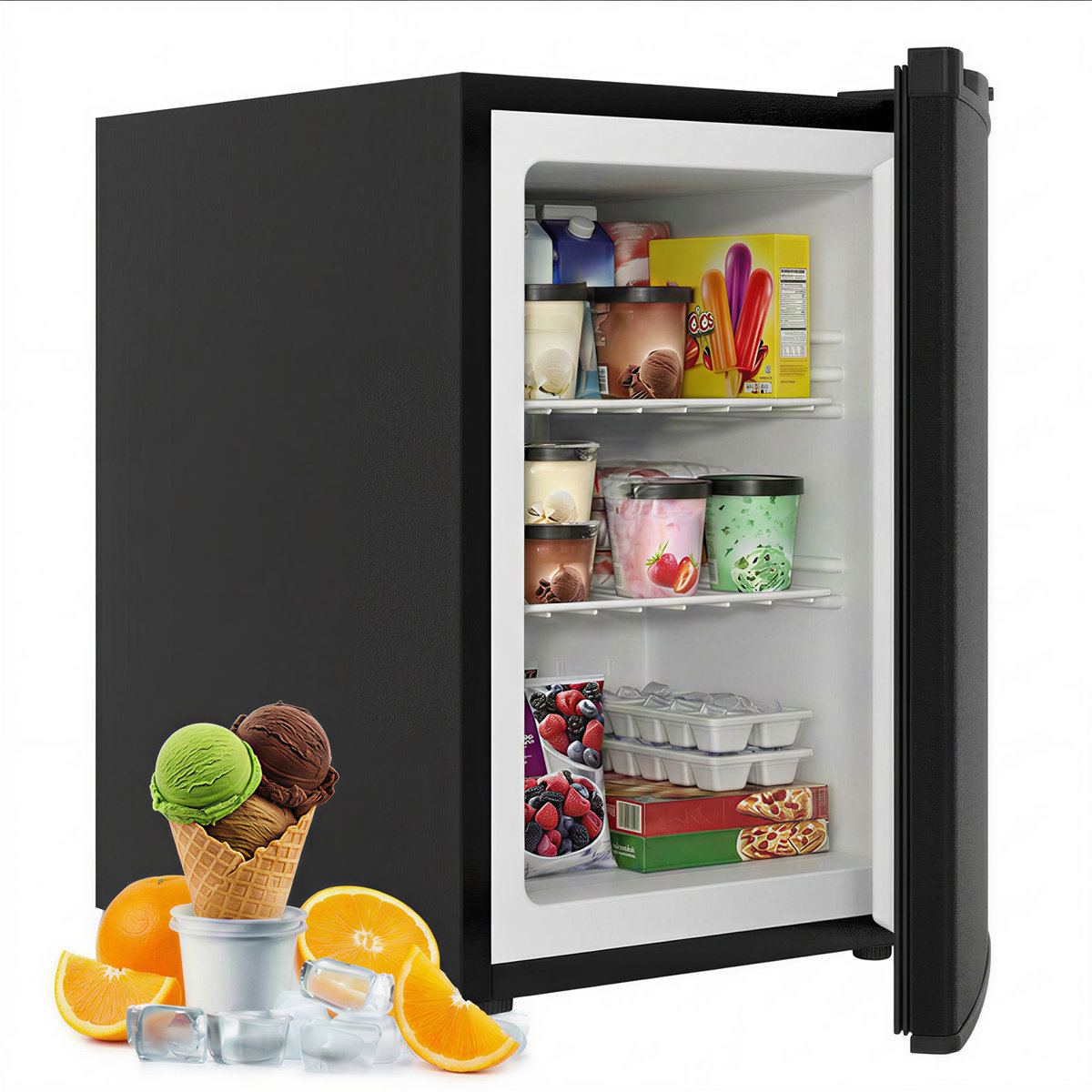
When you’re hunting for extra cold storage without sacrificing precious floor space, a 3.5 cubic ft deep freezer can be your secret weapon. Whether you’re meal-prepping for the week, stashing bulk buys, storing baby food, or chilling kegs for your next backyard gathering, this compact deep freezer brings serious capacity in a footprint that fits tight spots. In this ultimate guide, you’ll learn everything from capacity insights to energy tips, so you can buy, install, and maintain your freezer with confidence.
Deep Freezer Capacity Explained
Understanding what “3.5 cubic ft” really means can help you visualize how much food you’ll stash. Here’s a quick breakdown:
- 3.5 cubic ft equals about 99 liters of storage
- That capacity holds roughly 70 pounds of meat or 140 standard freezer meal containers
- You can typically fit 6–8 gallon-sized bags of vegetables or a dozen mid-sized frozen pizzas
Table 1: Approximate Storage by Item
| Item Type | Quantity |
|---|---|
| Chicken breasts | 20–22 pieces |
| Ground beef | 8–10 one-pound packages |
| Frozen vegetables | 6–8 gallon bags |
| Meal-prep containers | 12–14 medium containers |
| Ice cream tubs | 5–6 one-quart tubs |
This size works beautifully as a supplementary freezer in a garage, office break room, dorm suite, or compact apartment. You’ll have room for a week’s worth of dinners without filling up your main fridge freezer.
Determine Your Freezer Needs
Before you commit, ask yourself:
- Who’s using it? A single student, a growing family, or a weekend entertainer?
- What will you store? Bulk meat, frozen fruits, ice packs, craft beer?
- Where will it live? Garage, RV, office nook, or under a counter?
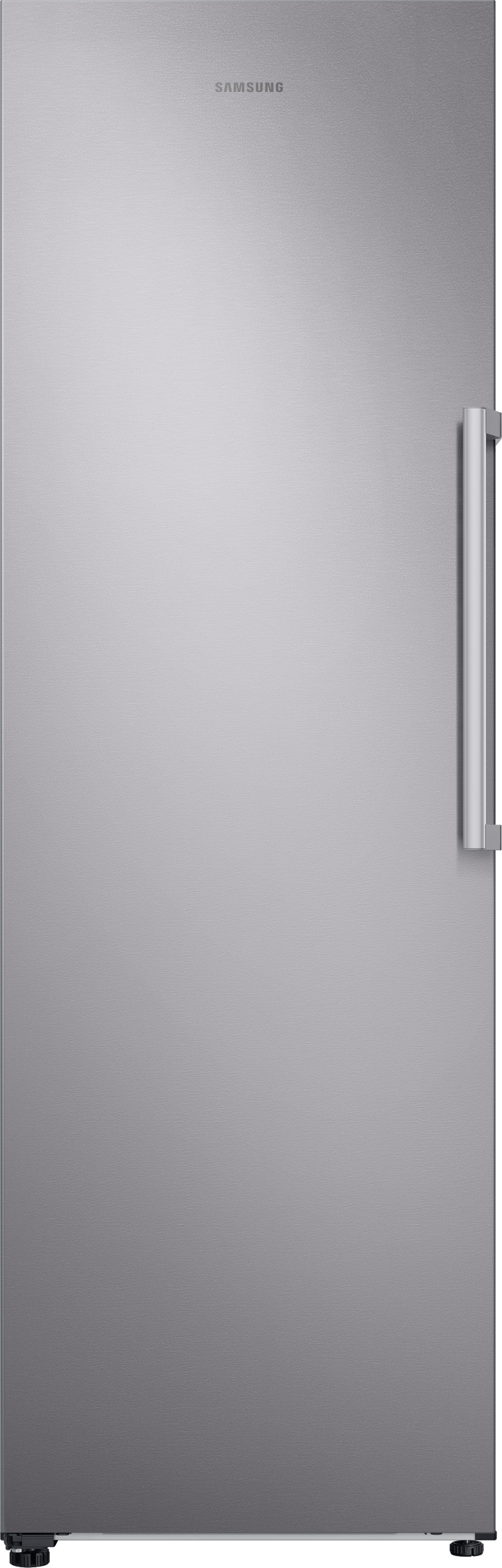
If you’re a meal-prep pro or store specialty items like artisan ice cream or craft beer, a dedicated chest freezer keeps odors separate and temperatures more stable. For occasional overflow—thanksgiving turkeys or big party trays—a 3.5 cubic ft deep freezer is ideal. If you need more sliding shelves and upright access, you might explore small upright freezers instead, but they often sacrifice capacity for convenience.
Key Feature Breakdown
Not all 3.5 cubic ft deep freezers are created equal. Here are features to compare:
Temperature Control
- Manual thermostats let you dial in the perfect freeze
- Digital panels offer precise settings and alerts for temperature swings
Defrost System
- Manual defrost models are more energy efficient but require periodic thawing
- Frost-free models save effort at the cost of slightly higher electricity use
Insulation Thickness
- Thicker walls and lids improve cold retention during power outages
- Look for freezer foam injection or extra-wide gaskets
Portability and Mobility
- Built-in handles and lightweight design make moving simpler
- Locking casters help you roll your freezer for cleaning or rearranging—see which chest freezer rolls smoothly on locking casters? (/which-chest-freezer-rolls-smoothly-on-locking-casters)
Interior Lighting and Organization
- LED lights inside make finding items in low light easy
- Baskets or dividers turn chaos into order
Energy Efficiency
- Seek Energy Star certified models to save on monthly bills
- Check the annual kWh usage, which often ranges between 200–300 kWh for this size
Chest Vs Upright Comparison
Choosing between a chest and an upright freezers comes down to your style and storage habits.
| Feature | Chest Freezer | Upright Freezer |
|---|---|---|
| Capacity Efficiency | Higher | Lower |
| Floor Footprint | Larger | Smaller |
| Air Circulation | Cold air stays low | Easier access |
| Defrosting | Manual | Often frost-free |
| Organization | Baskets needed | Shelves and bins |
If you want the maximum storage per cubic foot and plan to load large items, a chest freezer delivers the goods. If you value upright shelving and don’t mind slightly less space, an upright freezer could be your pick.
Choose Installation Location
A proper setup ensures your deep freezer runs efficiently and lasts for years.
- Leave 2–3 inches of clearance on the sides and back for ventilation
- For zero rear clearance options, check which side breath design permits zero rear clearance? (/which-side-breath-design-permits-zero-rear-clearance)
- Level the freezer to keep doors aligned and gaskets sealed
- Avoid direct sunlight, high-heat areas, or unheated outdoor spaces where temperatures dip below freezing or soar above 109°F
If you’re using your freezer in a garage or workshop, consider a model rated for garage-ready operation to handle temperature swings without hiccups.
Clean And Defrost Routine
Keeping your freezer frost-free and spotless prevents odors, improves efficiency, and extends its life.
Weekly Quick Wipe
- Remove spills immediately with a damp cloth
- Dry the interior to prevent ice buildup
Monthly Defrost Check
- If frost exceeds 1/4 inch, plan a defrost cycle
- Follow our how to defrost a freezer in 5 steps guide (/how-to-defrost-a-freezer-in-5-steps) for a smooth process
Deep Clean Every 6 Months
- Unplug the freezer and remove all contents
- Allow ice to melt naturally or speed it with bowls of hot water
- Gently scrape away loose ice—avoid sharp tools that can damage the liner
- Wash interior walls and baskets with mild soap and warm water
- Rinse, dry thoroughly, and restart
For clever ways to organize freezer space, don’t miss our top freezer organizing hack (/top-freezer-organizing-hack).
Boost Energy Efficiency
A 3.5 cubic ft deep freezer can be surprisingly frugal if you optimize usage.
- Keep it at 0°F for ideal food safety and efficiency
- Don’t overload—good air circulation prevents hotspots and overworking the compressor
- Allow hot items to cool before freezing to reduce energy spikes
- Use magnetic thermometer strips to verify door seals remain airtight
- If you vacuum the condenser coils twice a year, your unit will breathe easy—learn how to clean refrigerator coils (/how-to-clean-refrigerator-coils)
Ideal Use Cases
This size freezer shines in a variety of scenarios:
- Families storing bulk meat and frozen veggies for weekly meal prep
- Home cooks keeping specialty ingredients like homemade stocks or doughs
- Kegerator owners chilling extra CO2 tanks and beer—pair with your wine beer fridge setup
- Dorm dwellers and studio apartment renters needing compact cold storage
- Parents freezing baby food purees, ice pops, and breastmilk for convenience
- RV trips and camping setups where space and power are limited—see our camping refrigerator guide for fridge options on the road
- Commercial kitchens and office pantries topping up ready-to-serve items
Wondering how long meat can last in the freezer? Check our detailed guide (/how-long-meat-can-last-in-the-freezer) to plan your meal cycles.
Find The Best Deals
Ready to buy? Here’s how to score the best prices and warranties:
- Shop seasonal sales around holidays and end-of-year clearances
- Compare bundled deals on companion refrigerators or kegerators
- Look for extended warranties, especially for garage-ready models
- Buy at Fridge.com for exclusive offers and fast shipping
- Browse current promotions at order compact freezers: deals
Signing up for retailer newsletters can alert you to flash sales and coupon codes. You’ll thank yourself when that shiny new freezer arrives at your door.
Common Freezer Questions
Here are quick answers to top concerns when you’re adding a small deep freezer to your home setup.
Will Unplugging Reset Settings?
Yes, pulling the plug resets digital thermostats to default, but manual dials return to their last position. For more on refrigerator resets, see will unplugging a refrigerator reset it? (/will-unplugging-a-refrigerator-reset-it)
How Do I Clean the Drip Pan?
Locate the drip tray under the unit, slide it out, empty any water, wash with warm soapy water, dry, and replace. For step-by-step tips, check how to clean your fridge drip pan (/how-to-clean-your-fridge-drip-pan)
What Maintenance Extends Lifespan?
- Keep condenser coils dust-free
- Defrost before frost buildup exceeds 1/4 inch
- Check door gaskets for cracks or warping
- Level the unit to prevent undue stress on hinges
Can I Store Liquids?
Yes, but leave room for expansion. Use sealed containers or freezer bags designed for liquids to avoid cracks or leaks.

Is It Noisy?
Most models hum gently, but if you hear grinding or clanking, consult the manual. Proper leveling and coil cleaning often solve noise issues.
With these answers and the insights from this guide, you’re ready to pick, place, and pamper your 3.5 cubic ft deep freezer. Enjoy the freedom that comes with extra cold storage and a more organized kitchen life.