Standard appliances typically function best between 50°F and 90°F.
Unlike the small freezer compartment in a standard refrigerator, a dedicated deep freezer operates at 0°F or lower thanks to thicker insulation, robust compressors, and minimal door openings.
Most home cooks and families find manual-defrost chest freezers ideal because you only thaw when ice reaches about a quarter inch thick.
If you’re eyeing storage for a remote cabin or boondocking in an RV, check out our 12 volt refrigerator guide or explore the best campervan mini freezer picks for compact cold storage.
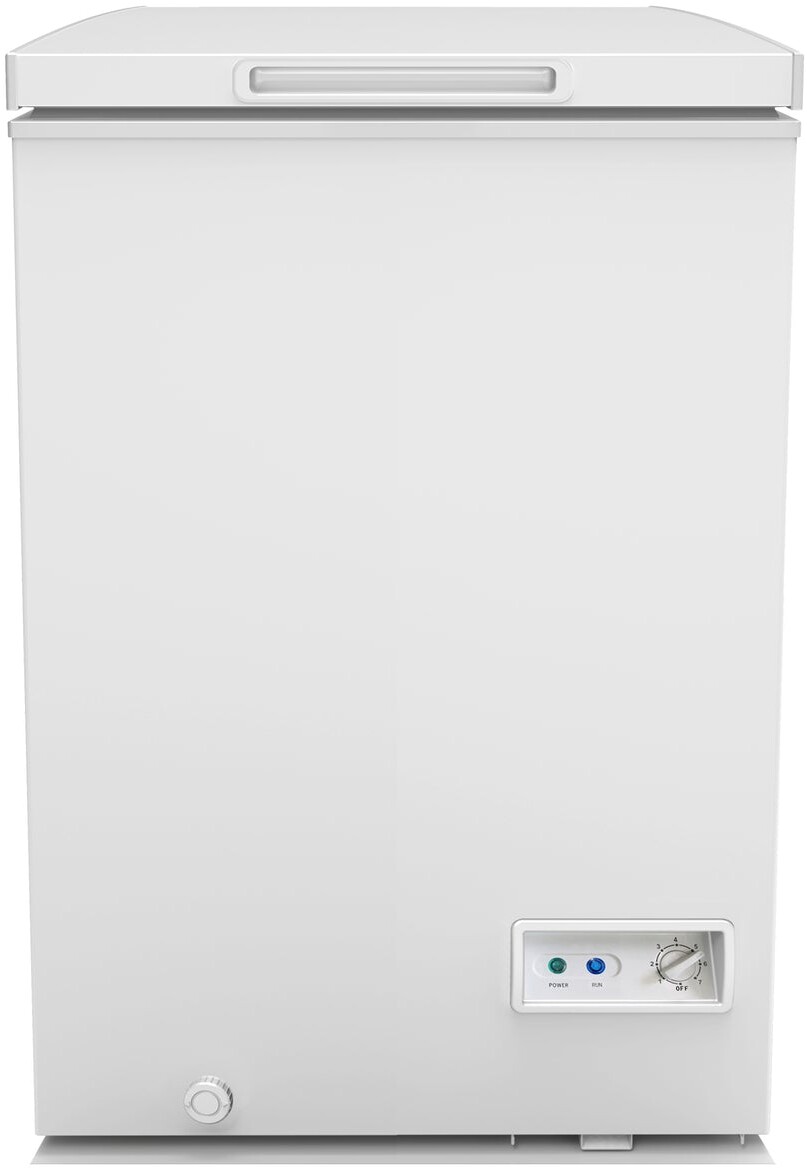
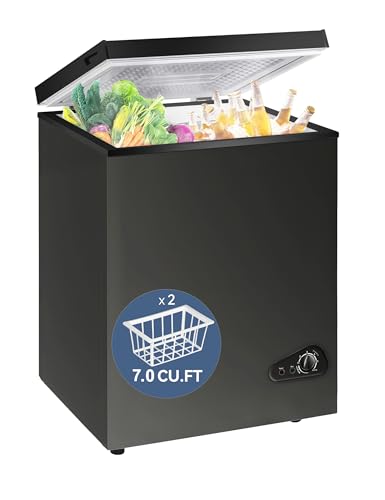
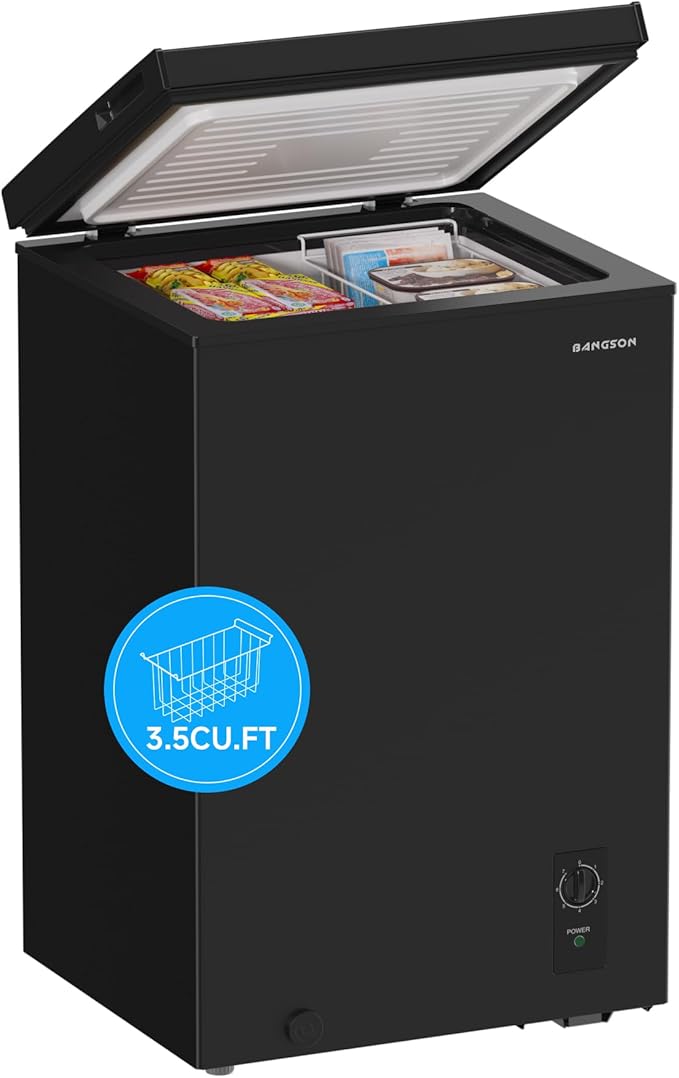
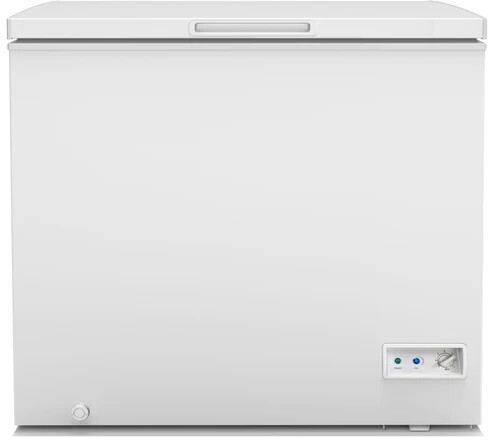
If you’re asking, what are the pros and cons of a deep freezer? you’ve come to the right place. Deep freezers, sometimes called chest freezers or deep chest freezers, are standalone units engineered to maintain subzero temperatures for extended periods. Unlike the small freezer compartment in a standard refrigerator, a dedicated deep freezer operates at 0°F or lower thanks to thicker insulation, robust compressors, and minimal door openings. That extra cold space is perfect for long-term storage of meats, vegetables, ice cream, and even bulk craft beer kegs.
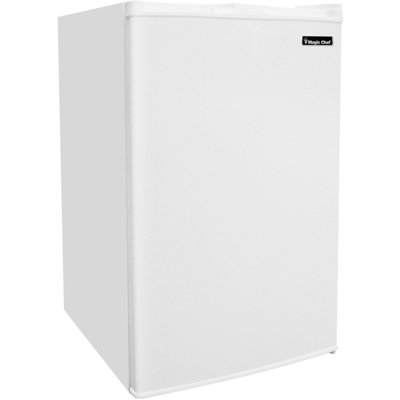
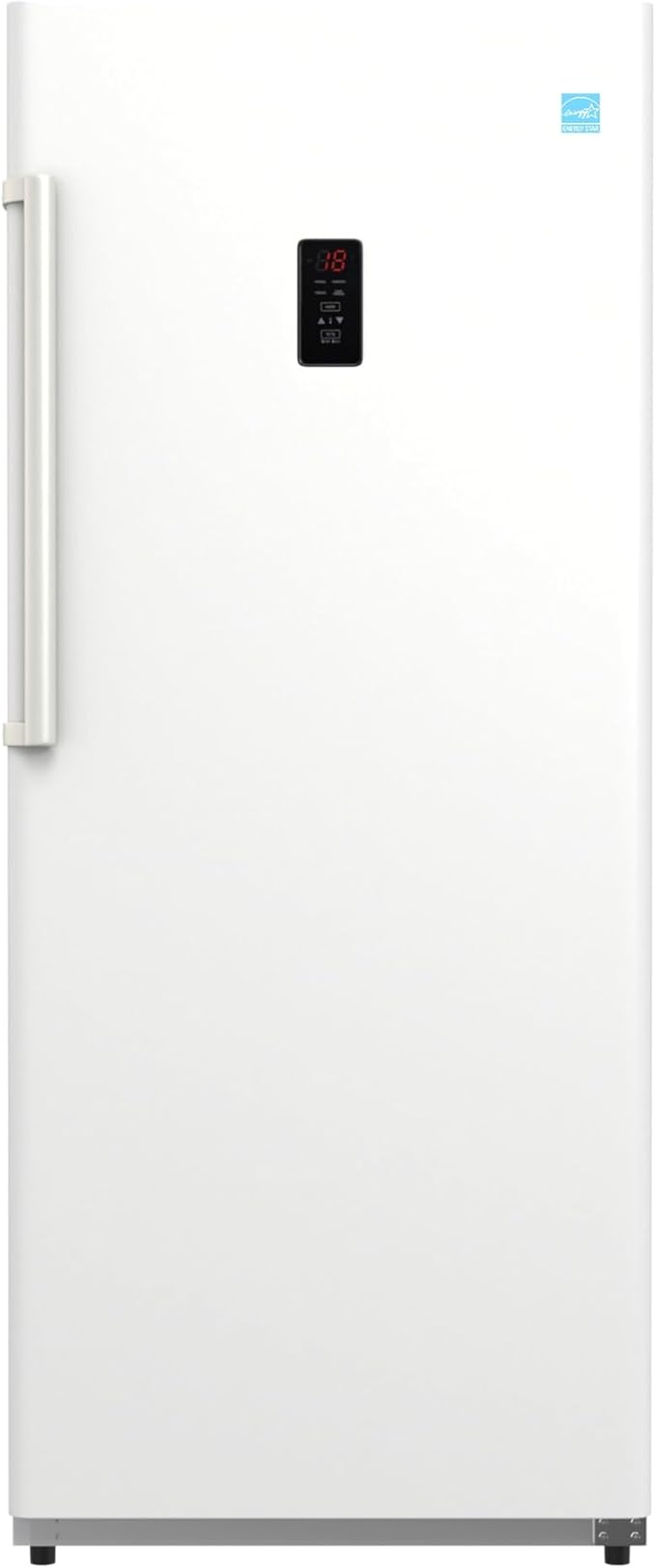
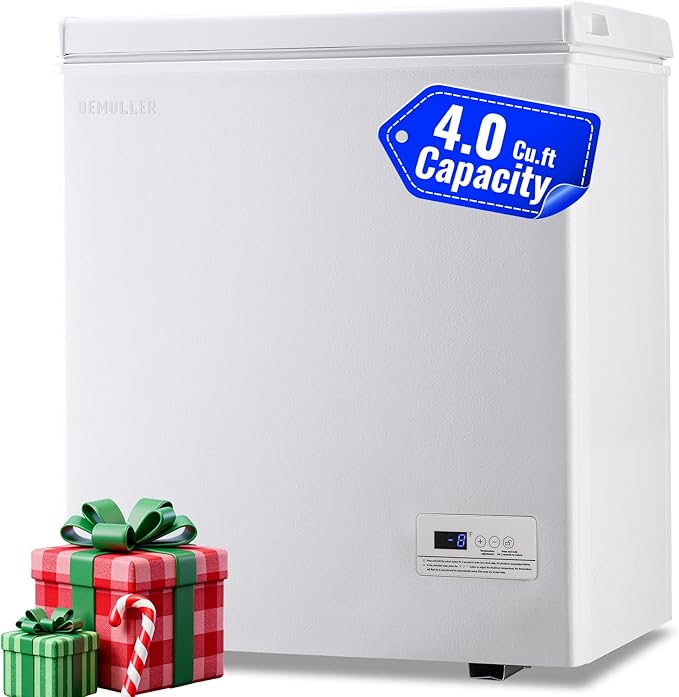
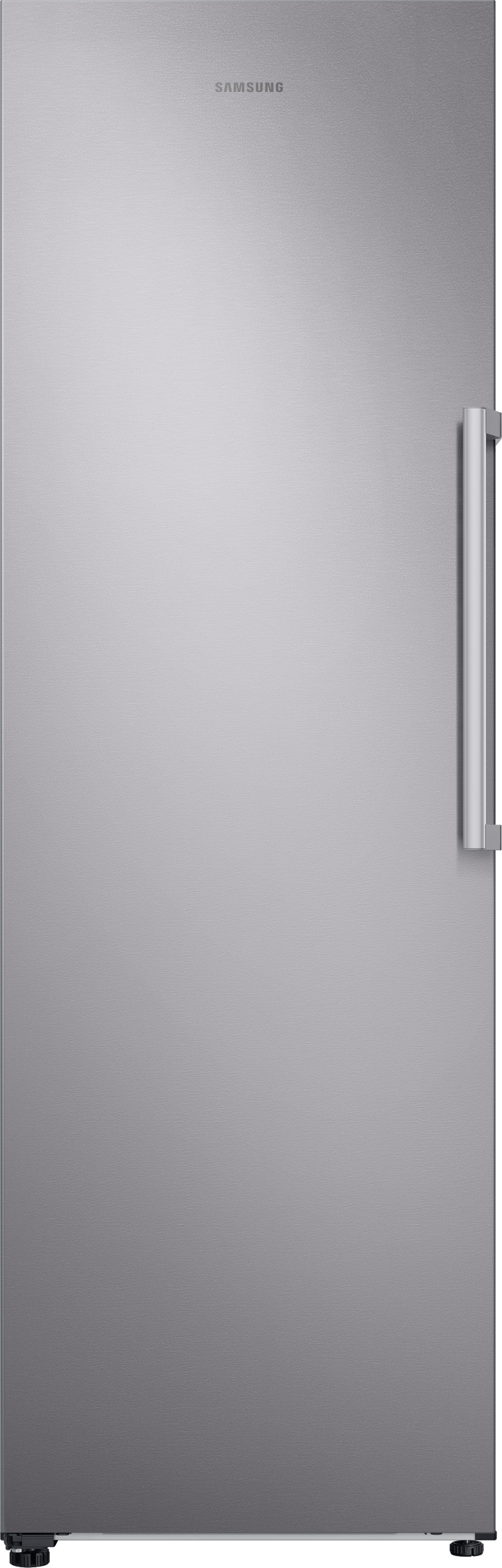
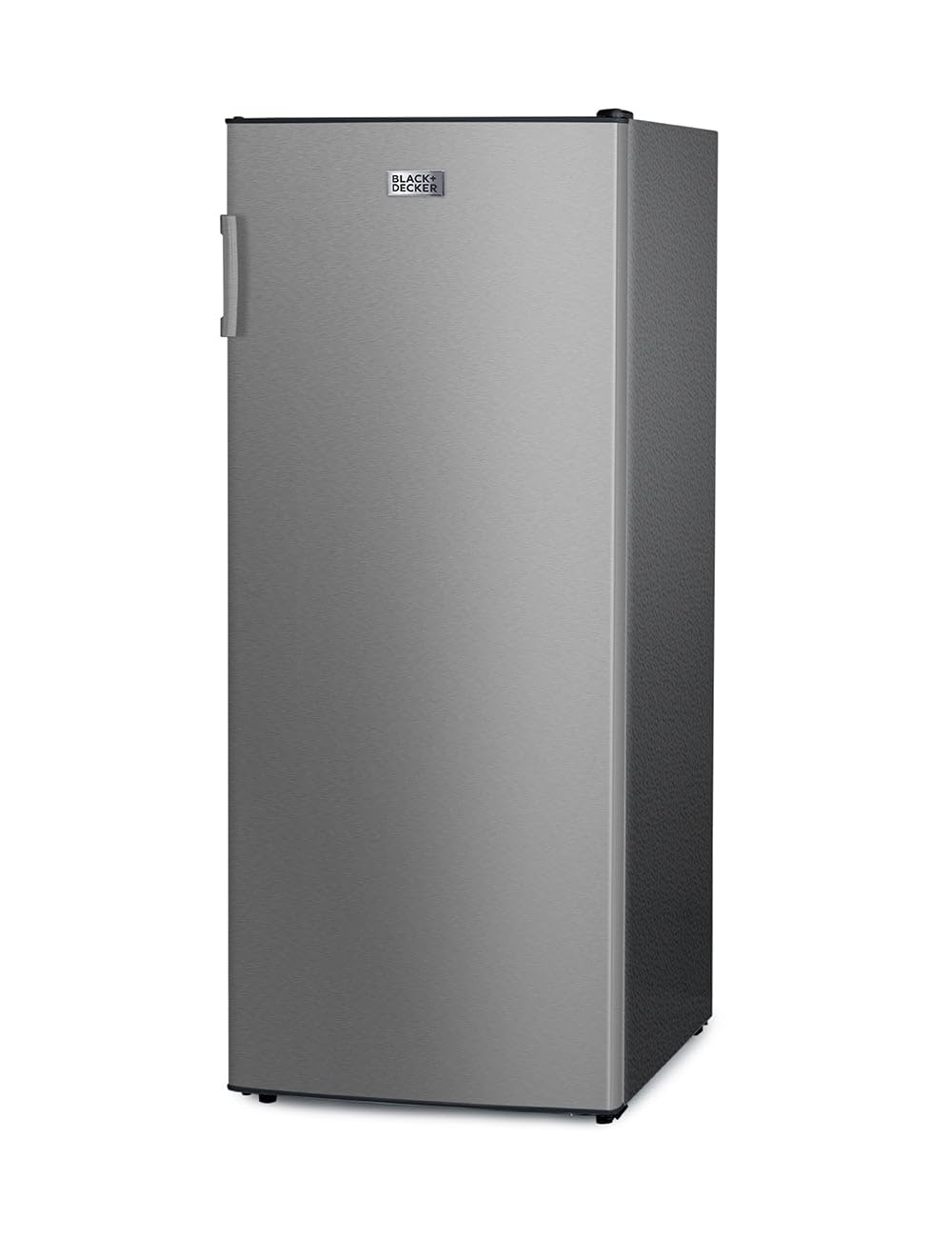
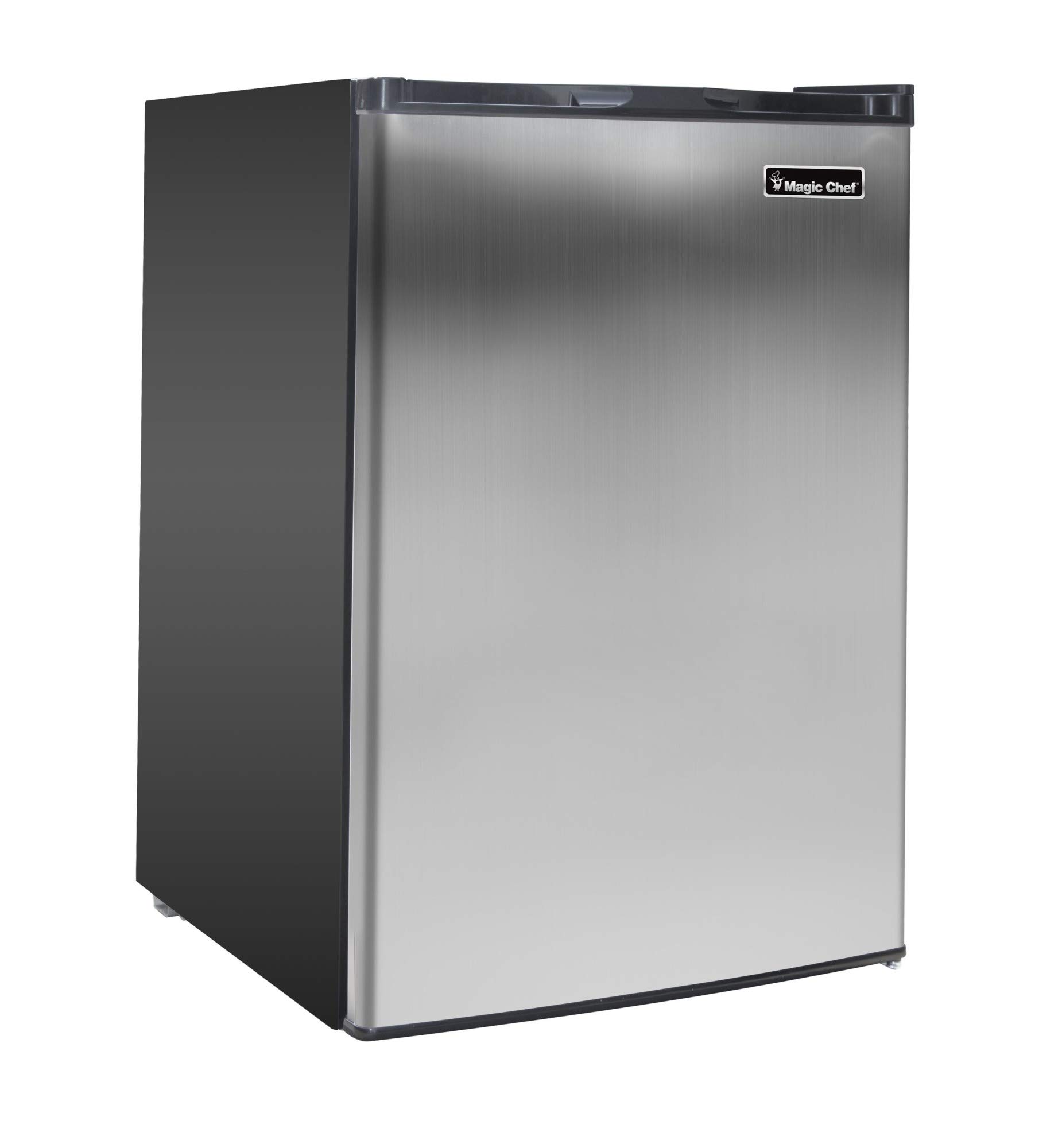
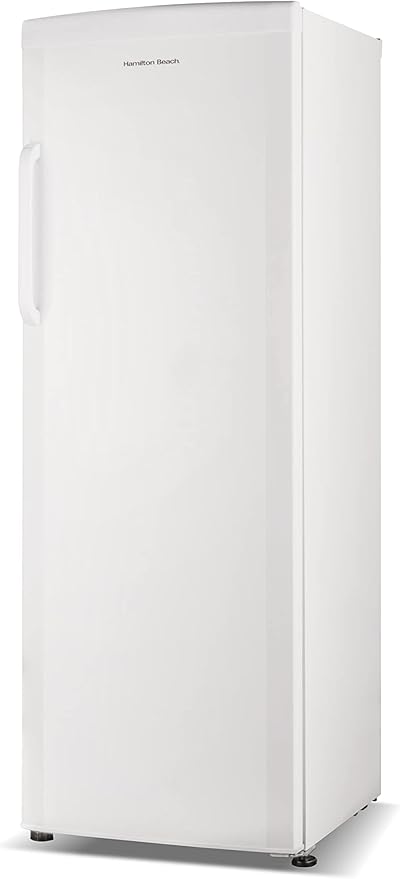
There are two main styles to choose from: chest and upright. Chest freezers open from the top like a giant treasure chest, keeping cold air locked in at the bottom when you peek inside. They often offer the best energy efficiency per cubic foot since cold air naturally settles and stays put. Upright freezers feature front-hinged doors and a more fridge-like design with built-in shelves and drawers, usually including a frost-free cycle that clears away ice automatically.
Beyond defrost type, you’ll find manual defrost models and frost-free or auto-defrost options. Manual defrost chest freezers are typically more affordable and energy-efficient, but they require you to turn off the unit and melt away ice every six to twelve months. Frost-free upright freezers gently warm their evaporator coils on a schedule to prevent frost buildup, which adds convenience but can bump up the energy bill slightly.
Most home cooks and families find manual-defrost chest freezers ideal because you only thaw when ice reaches about a quarter inch thick. If you’re juggling multiple catering orders or can’t spare the downtime, a frost-free upright model could make sense despite the modest energy penalty.
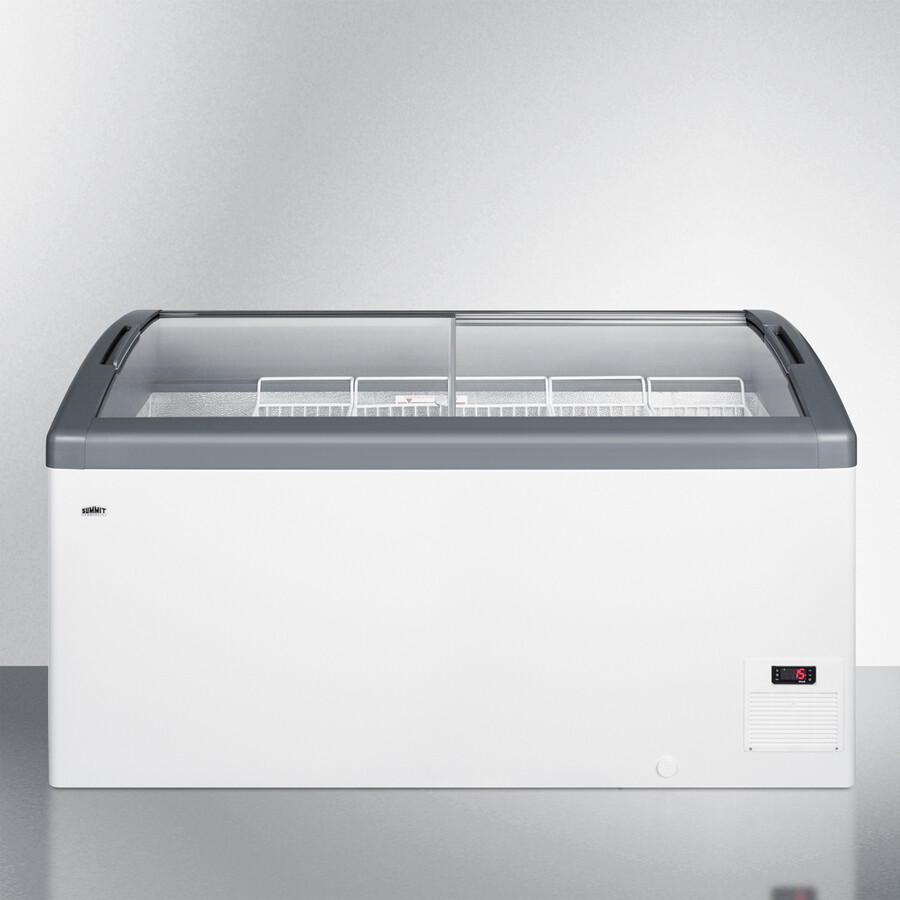
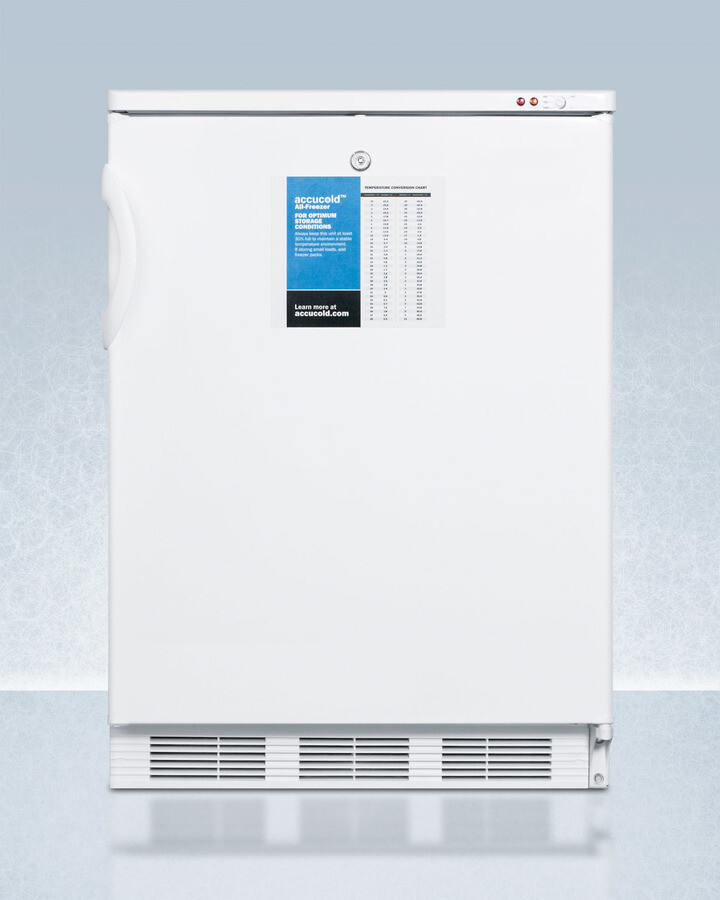
You may also encounter specialty deep freezers for niche applications: low-temperature front-opening units for laboratory use, 12V-powered models for off-grid or RV adventures, and undercounter freezer drawers that blend seamlessly into a built-in kitchen island. If you’re eyeing storage for a remote cabin or boondocking in an RV, check out our 12 volt refrigerator guide or explore the best campervan mini freezer picks for compact cold storage.
Here’s a quick look at defrost types:
Defrost type
Pros
Cons
Manual defrost
More energy efficient, lower cost
Requires regular thawing, time-consuming
Frost-free cycle
No manual defrosting, easy maintenance
Slightly higher energy use and price
Whether you’re running a busy cafeteria, stocking up for holiday meals, or outfitting a dorm room, a deep freezer acts as cold-storage insurance. It lets you buy seasonal deals, prep meals in advance, and reduce food waste with confidence.
Once you’ve got the hang of a deep freezer’s basics, the pros quickly pile up. Here’s a deeper dive into what makes these units shine:
Increased bulk storage
With a deep chest freezer, you can stash case lots of meat, multipack bags of vegetables, and buckets of fruit in season. Imagine buying ten pounds of ground beef on sale, dividing it into meal-sized portions, and freezing them for months. That kind of bulk buying pays for itself, especially when sales roll around at warehouse clubs.
Superior energy efficiency
Because chest freezers have thicker walls and fewer door seals, they tend to consume less electricity than upright models of comparable size. Cold air stays trapped at the bottom when you open the lid, minimizing temperature spikes. Over time, this translates to lower utility bills and a smaller carbon footprint—especially if you choose an Energy Star rated model.
Stable temperature control
When you’re freezing delicate items like ice cream, raw fish, or prepared sauces, consistent temperatures matter. A deep freezer’s robust compressor and insulation can keep a more uniform environment, reducing freezer burn and maintaining food quality longer. That stability is also a boon for long-term aging of craft beer or homemade cheeses.
Enhanced food preservation
Deep freezers let you freeze at the ideal rate, locking in flavor, nutrients, and texture. Vegetables blanched and frozen promptly will taste like summer harvests, not freezer mush. Meats flash-frozen in small batches can be portioned and thawed with minimal drip loss, making each meal feel fresh.
Cost savings over time
While the upfront cost for a large chest freezer may make you pause, consider the long-term savings. By stockpiling sale-priced groceries, avoiding spoilage, and planning weekly meals in advance, you’ll cut down on food waste and impulse purchases at full price. Over a few years, the unit can pay for itself through these savings.
Versatility of use
Deep freezers aren’t just for grocery items. If you’re meal-prepping a week’s worth of vegan dinners or bulk-cooking family favorites like lasagna, you’ll appreciate the extra shelf life. Parents storing homemade baby food purees or pet owners preserving raw diets find these units indispensable. And if you follow a paleo lifestyle, explore our picks for the best freezer for paleo diet to keep your cuts of meat and frozen veggies at peak freshness.
Whether you’re entertaining friends, running a small café, or simply love the security of extra cold storage, a deep freezer gives you space and temperature control you just won’t get from a standard refrigerator-freezer combo.
For all their advantages, deep freezers come with some trade-offs. Here’s what to consider before flipping the switch:
Large footprint and clearance needs
Deep freezers require floor space and overhead clearance for the lid or door swing. A 15-cubic-foot chest freezer might sit five feet wide and need at least a foot behind it to maintain proper airflow. In a compact kitchen or studio apartment, you may struggle to find a spot—consider a smaller upright or a mini option if space is tight.
Organization hurdles
Without built-in shelves or drawers, items can get buried at the bottom of a chest freezer, making it easy to forget long-forgotten meals or impulse buys. You’ll need sturdy plastic bins, sliding baskets, or custom dividers to keep everything in sight. Many brands offer optional storage baskets, but you can also improvise with recycled containers or tote bins.
Accessibility challenges
Reaching into the depths of a heavy chest freezer can be awkward and physically demanding. Bending or kneeling to find that perfect roast takes more effort than opening an upright freezer. If you have mobility limitations or you anticipate frequent access, an upright model with pull-out drawers might serve you better.
Manual defrost maintenance
Most chest freezers rely on manual defrost, which means shutting off the unit, emptying contents, and letting ice melt—sometimes with a tray or pan to catch the water. This process, repeated every six to twelve months, adds downtime and extra work. Frost-free upright freezers eliminate this chore but come with their own energy trade-offs.
Initial investment
Large-capacity deep freezers can range from \$300 to \$1,000+ depending on size, brand, and features. While you’ll recoup savings over time, the upfront price may give you sticker shock—especially if you’re expanding storage for seasonal business needs.
Potential for freezer burn
If you don’t wrap items properly or if temperature fluctuations occur, foods can develop freezer burn over extended storage. Using airtight packaging and maintaining a steady 0°F environment helps, but it’s one more step to remember when you’re just trying to keep your ingredients ready.
In short, deep freezers demand planning: the right spot, good organization, and occasional upkeep. But if you’re okay with these considerations, you’ll unlock powerful storage potential for meals, inventory, or party supplies.
Picking the perfect deep freezer involves more than grabbing the largest unit you can squeeze into your garage. Here’s how to zero in on what matters:
Define your storage needs
First, estimate your typical frozen volume. Are you stocking a large family pantry, meal-prepping weekly lunches, or hosting monthly potlucks? A general rule of thumb is 1 to 2 cubic feet per person for household use, but if you entertain often or bulk-buy, lean toward higher capacities. If you’re curious about specific capacities, check out what is a 500 capacity for a small chest freezer? or explore what fits in a small chest freezer? to see typical contents.
Compare chest vs upright models
Chest freezers often win on energy efficiency and cost per cubic foot, but upright freezers shine on organization and convenience. Here’s a quick comparison:
Feature
Chest freezer
Upright freezer
Organization
Requires bins or baskets
Built-in shelves and drawers
Footprint
Wider, shorter
Taller, takes less floor space
Defrost requirements
Manual around 6–12 months
Frost-free or auto-defrost options
Cost per cubic foot
Generally lower
Generally higher
Look for interior lighting, adjustable thermostats, heavy-duty casters, and lockable lids if you need extra security. If you’re tight on floor footprint or customizing an RV build, our best campervan mini freezer roundup highlights models under 4 cubic feet.
Mind the placement
Whether you’re putting it in the kitchen, garage, or a climate-controlled basement, check manufacturer guidelines for temperature ratings. Standard appliances typically function best between 50°F and 90°F. If you need to run a deep freezer in an unheated garage or outdoor kitchen, make sure it’s rated for those conditions, or explore advice at do you need a special refrigerator for outdoors.
Factor in energy use
Compare the annual energy consumption rating (kWh/year) to your local electricity rates to estimate running costs. An Energy Star labeled deep freezer might cost more up front but save you hundreds on power over its lifetime. For context on power draw, see how many watts does a small freezer use?.
Ready to browse? Head over to shop chest freezers at Fridge.com to filter by size, price, and features—so you get exactly what you need without guessing.
With the right maintenance routine, your deep freezer can run efficiently for a decade or more. Here’s how to keep it in top shape:
Defrost and clean schedule
Unplug the freezer and move contents into coolers or another freezer with ice packs.
Place towels or pans at the base to catch melting water.
Let ice melt naturally; avoid sharp tools that could damage the interior.
Wipe down the interior with warm water and mild dish soap, rinse, and dry thoroughly.
Plug the unit back in and allow it to return to 0°F before restocking.
Troubleshooting common issues
Symptom
Possible cause
Recommended fix
Excessive frost buildup
Broken gasket, frequent openings
Inspect/replace gasket, minimize lid openings
Unusual noise or vibration
Uneven leveling, worn compressor parts
Level the unit, tighten panels, call technician
Warm interior after restart
Thermostat reset or power interruption
Wait for stabilization, check voltage supply
Leaking around base
Clogged or frozen drain tube
Clear debris or ice from drain with warm water
High energy bills
Old model, voltage fluctuations
Check with energy meter, consider an upgrade
Inspect door seals every few months by closing a piece of paper in the seal and tugging gently. If it slides out easily, replace the gasket to keep cold air in and frost buildup down. Vacuum dust and pet hair from coils twice a year to improve airflow and efficiency.
Plan for power outages with dry ice or freezer packs, especially if storms are common where you live. Keep temperature-safe foods packed together in bins so cold stays locked in if you need to leave the lid closed.
Frequently asked questions
Can I use a deep freezer outdoors?
Unless a model is rated for garage or outdoor conditions, avoid placing it in unheated or uncooled spaces. Extreme temperatures can overwork the compressor and void warranties. For refrigerator-specific advice, see do you need a special refrigerator for outdoors.
Will unplugging a deep freezer reset it?
Yes. Unplugging and replugging essentially resets the thermostat and control board. After a power cycle, allow the unit to cool back to 0°F before reloading. See will unplugging a fridge reset it? for more on resets.
How much freezer space do I need?
Aim for 1 to 2 cubic feet per person as a starting point. If you entertain frequently or meal-prep for weeks, plan for 3+ cubic feet per person. Dive deeper in what fits in a small chest freezer?.
Can I use a deep freezer for raw dog food?
Absolutely. Many pet owners rely on deep freezers to portion and freeze raw diets safely. For step-by-step tips on packaging and thawing, check out how to freeze raw dog food diets for busy pet owners.
How to organize a chest freezer effectively?
Use sturdy plastic bins or stackable baskets to group items by type—meats, veggies, snacks, and prepped meals. Label everything with freezer tape and dates. Sliding wire baskets at the top layer are perfect for daily essentials, while lower layers can hold bulk purchases. For a fun hack, see which chest insert converts to mini herb garden?.
Are frost-free deep freezers worth it?
Frost-free models save you the chore of manual defrosting, but they cycle heaters periodically, causing brief temperature spikes and higher energy use. If convenience outweighs energy concerns, an upright frost-free unit could be ideal.
Is a deep freezer noisy?
Most home deep freezers run around 40–45 dB, similar to a quiet conversation. If noise is a concern, look for “quiet” models or reference our how quiet is a 24 db bedroom mini fridge?.
What’s the best way to thaw frozen items?
Move sealed packages to your refrigerator 24 hours before cooking for the safest results. For quicker thawing, submerge in cold water (changing the water every 30 minutes) until pliable. Avoid room-temperature thawing to reduce bacterial risk.
Deep freezers deliver serious storage power, letting you buy seasonally, batch-cook meals, host last-minute gatherings, and stash specialty items like craft beer or pet food with confidence. The pros—energy efficiency, stable temperatures, and generous capacity—truly shine when you need extra cold real estate. The cons—size, organization needs, and manual defrost—call for some planning, but the payoff is well worth it if you have the room.
Whether you’re feeding a family, running a small café, or maximizing dorm-room space, a deep freezer can transform how you shop, cook, and entertain. Ready to level up your freezer game?Compare current prices and specifications on Fridge.com, then buy from the retailer you choose; delivery, installation and warranty terms are the retailer’s. With the right unit in place, you’ll wonder how you ever lived without all that extra cold storage.
Frequently Asked Questions
Unless a model is rated for garage or outdoor conditions, avoid placing it in unheated or uncooled spaces. Extreme temperatures can overwork the compressor and void warranties. For refrigerator-specific advice, see do you need a special refrigerator for outdoors.