Adjust the interior temperature to the recommended setting (usually around 37–40°F for the fridge and 0°F for the freezer).
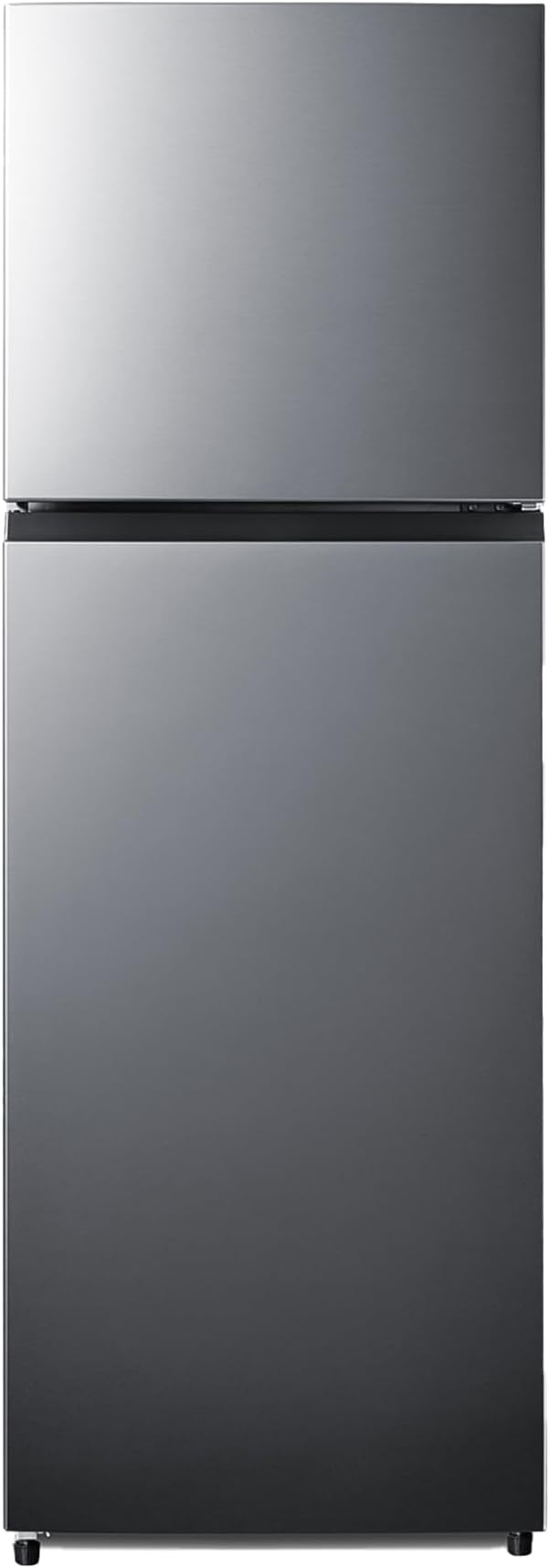
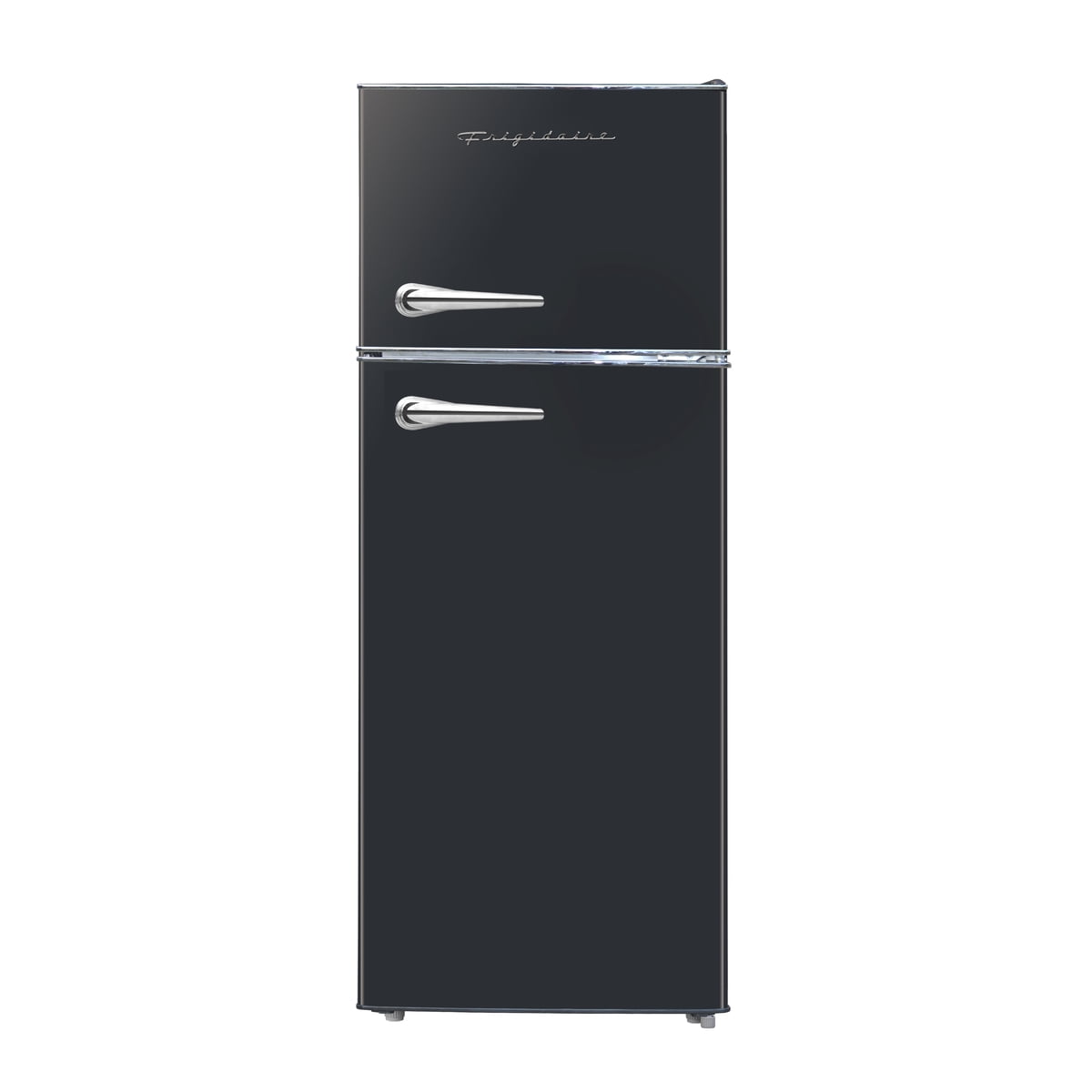
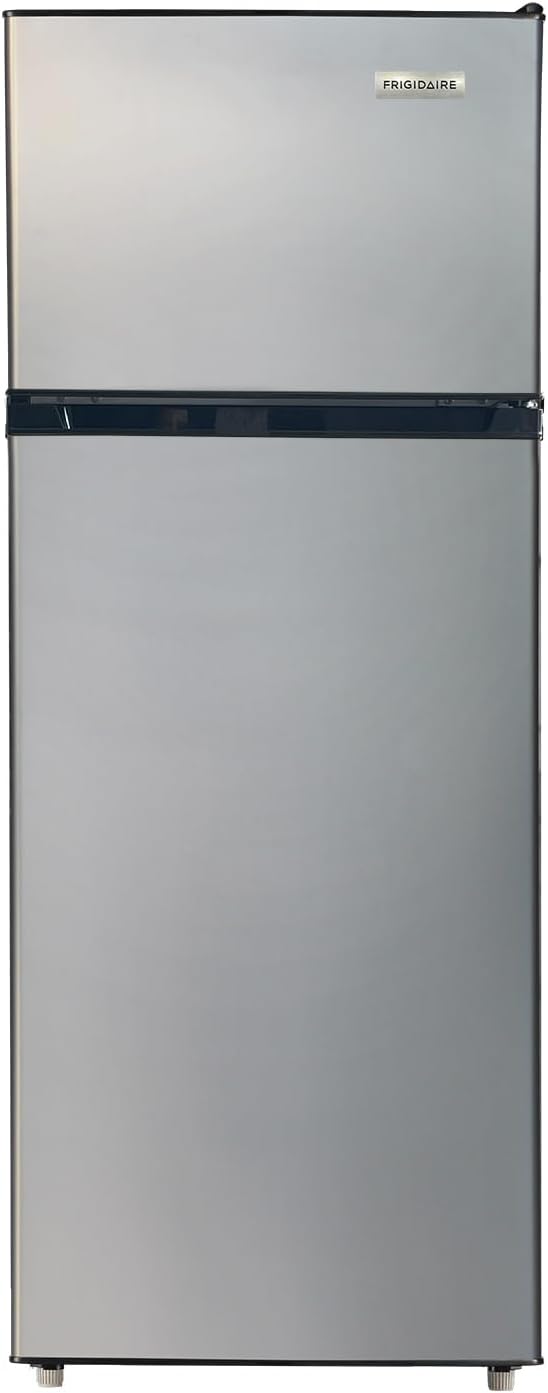
A 24 refrigerator is typically around 24 inches wide, making it well-suited for smaller kitchens, dorm rooms, offices, studio apartments, and even outdoor or garage setups.
Even though the unit is typically only about 24 inches wide, its height and depth can vary significantly.
Some 24 refrigerators are designed to be closer to average countertop height, while others are taller.
Whether you’re cooking at home, hosting friends, or simply trying to maximize your kitchen layout, a 24 refrigerator can be the perfect solution. You’ll find that it offers a convenient balance between compact size and ample capacity—enough room for daily essentials without overwhelming your space. From families maintaining grocery staples to cafeterias storing quick-serve meal components, a 24 refrigerator excels in versatility. It can fit into tight corners, blend with kitchen décor, or help you take your RV travels to the next level of comfort. Below, you’ll explore everything you need to know about coordinating, choosing, using, and maintaining this handy appliance.
Understand the 24 refrigerator
A 24 refrigerator is typically around 24 inches wide, making it well-suited for smaller kitchens, dorm rooms, offices, studio apartments, and even outdoor or garage setups. Despite its narrower profile, it can still provide the storage capacity you need for everyday ingredients, leftovers, snacks, and beverages. You get just enough room for meal prep items, drinks, and specialty items—such as craft beer for a get-together or pre-prepped baby food for busy parents.
Why size matters
When you choose a refrigerator, size is rarely just about the numbers. Instead, you want an appliance that fits comfortably in your environment while still letting you easily store your groceries. A 24-inch wide unit offers several benefits:
It occupies less floor space, which is crucial in small kitchens or apartments.
Installation is simpler if you have a narrow gap between cabinets.
Energy consumption might be lower than with larger models (though always check specifics).
It’s a strong middle-ground between miniature fridges and standard larger units.
Plenty of home cooks love blending convenience and efficiency. If you’re meal-prepping for the week or want to keep certain perishables within close reach, the 24 refrigerator’s scaled-down footprint helps maintain an organized environment while storing more than a mini fridge ever could.
Ideal situations
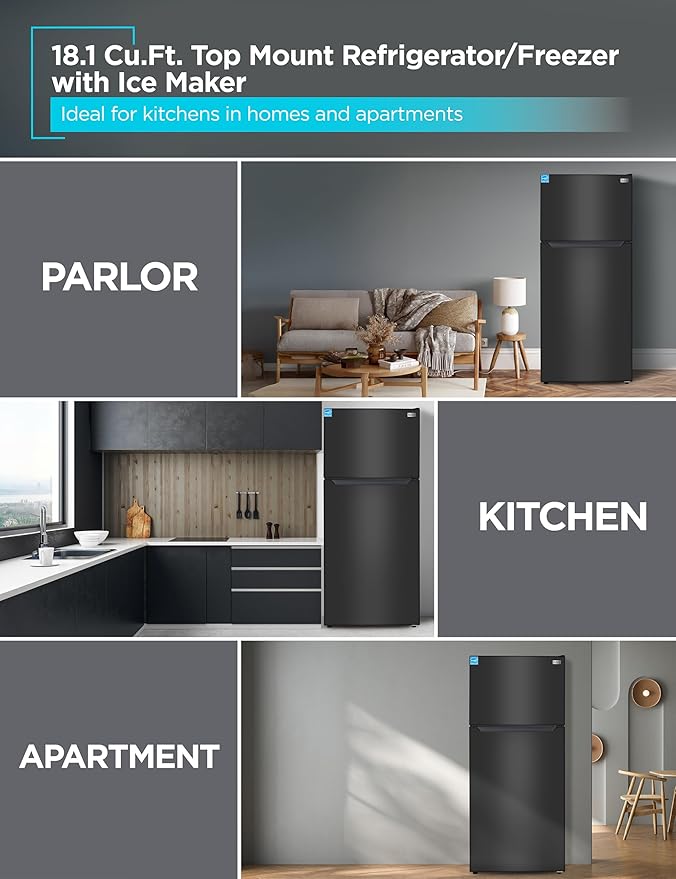
You might want this size if you live in a dorm where space is minimal, if you’re traveling in an RV (for a dedicated built-in option, you can check out the best rv built in refrigerator), or if you’re part of a smaller household that doesn’t require as much fridge space. A 24-inch model can also act as a secondary beverage fridge in a workshop, garage, or commercial kitchen. If you’ve ever wondered “why should I choose a beer fridge?”, you’ll appreciate how a smaller footprint allows you to keep beverages chilled without cluttering your main refrigerator.
For those who use special diets—like storing plenty of produce and meal components for low-carb or vegetarian meal prepping—these fridges can hold just enough vegetables without requiring a huge footprint. If you want something even more specialized, like a chest freezer for large amounts of protein, you can explore options such as the best chest freezer for low carb diet. But for general everyday needs, the 24 refrigerator will suffice.
Potential limitations
Before settling on a 24 refrigerator, be aware of a few constraints you might face:
Limited freezer room: If you’re big on frozen foods, you may need extra freezer capacity. Look for a combined fridge-freezer unit or pair it with a standalone freezer.
Fewer interior shelves: When you go compact, you’ll likely have fewer or smaller shelves. You might need creative organization strategies.
Smaller crisper drawers: If you buy a lot of fresh produce, be sure to check how your chosen model handles humidity and space in the crisper compartment.
None of these are deal-breakers, but they’re worth keeping in mind to ensure that you pick the best option for your household or commercial setting.
One of the biggest advantages of a 24 refrigerator is its ability to fit into tight spots. Still, you’ll want to take careful measurements, plan the layout, and ensure the space has proper ventilation. A well-planned area around your refrigerator helps you access ingredients and store everything safely without bumping into cabinet doors or other appliances.
Measure carefully
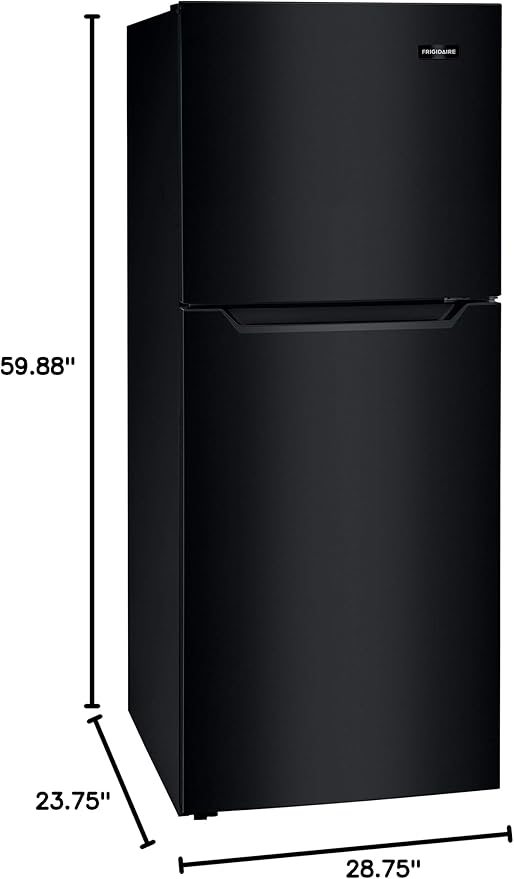
When prepping for a new refrigerator, measure your available width, height, and depth while accounting for door clearance. Even though the unit is typically only about 24 inches wide, its height and depth can vary significantly.
Width: Measure at several points (top, middle, and bottom of the gap) to ensure you aren’t missing any slight differences in cabinet or wall alignment.
Height: Think about whether the refrigerator top will sit below cabinets or if you want some space above. Some 24 refrigerators are designed to be closer to average countertop height, while others are taller.
Depth: A cabinet-depth style can sit flush with your counters for a streamlined profile. If you prefer a standard depth model, confirm there is enough walkway clearance in front of the fridge doors.
Make a note of electrical outlets, water lines if you’re planning to connect an ice maker or water dispenser, and the clearance needed for ventilation at the back. You can also compare potential designs to see if a top-freezer layout beats out a bottom-freezer one for your needs. If you’d like more insights into top-freezer deals, you can visit purchase top freezer refrigerators: deals.
Provide proper ventilation
Adequate airflow along the sides and back of your refrigerator is crucial for it to run optimally. It helps reduce both wear-and-tear on the appliance and undue power consumption. It may be tempting to wedge your compact fridge into the tightest corner, but leaving a little space around it can extend the unit’s life and keep your power bills in check.
Leave about one to two inches on each side when possible.
Check your manual for any specific ventilation requirements.
Clean dust from vents or coils periodically. Proper ventilation can’t do much if the coils are covered in pet hair or debris.
Consider door swing
Most 24 refrigerators come with a reversible door, allowing you to choose which side it opens from. Make sure you account for your kitchen’s workflow and any obstructions—like cabinet knobs, pantry doors, or frequently used drawers. A well-planned door swing helps you grab items quickly without bumping into counters or having to stand in awkward spots while cooking.
Energy efficiency is essential because your fridge runs around the clock. By choosing an energy-efficient 24 refrigerator, you help reduce electricity bills and minimize environmental impact. Many modern models feature components such as variable-speed compressors, LED lighting, and well-insulated walls that work toward saving energy while keeping food at safe temperatures.
Look for certification
Energy Star ratings are a beneficial reference. Check the product label or official product website to see if the fridge meets or exceeds federal guidelines for energy use. This rating can help you:
Estimate annual energy consumption.
Compare power usage to similar-sized models.
Factor in cost savings over the refrigerator’s lifetime.
Mind your usage habits
Even the most advanced fridge will waste energy if used inefficiently. Simple steps can preserve your fridge’s performance:
Keep the doors closed as much as possible.
Make sure the seal is airtight by checking for any gaps or cracks in the gasket.
Adjust the interior temperature to the recommended setting (usually around 37–40°F for the fridge and 0°F for the freezer).
Avoid overpacking the unit. Air circulation is crucial for consistent cooling.
If you’re interested in broader energy-saving ideas or want to compare deep freezer ratings, you might explore energy ratings for deep freezers when considering separate freezer units.
Consider design and style
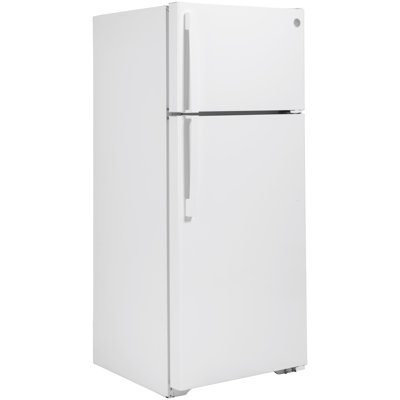
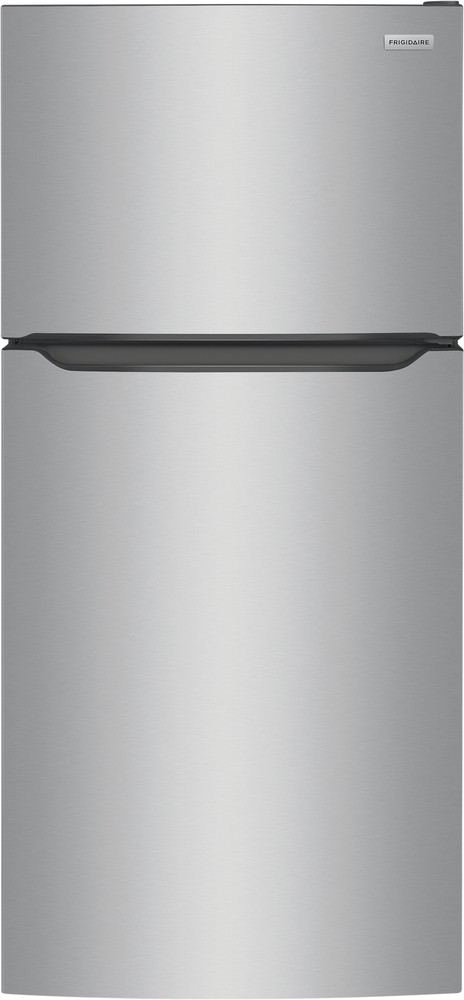
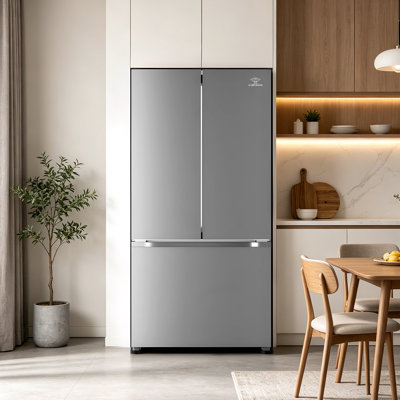
While function might be your priority, it’s also nice to have a 24 refrigerator that matches your kitchen décor. Today’s models come in finishes such as stainless steel, black stainless, white, or even custom panel options that integrate seamlessly with cabinets.
Matching your appliances
Your fridge might be a stand-alone piece or part of a cohesive kitchen suite. If you plan on matching your future oven or dishwasher finishes, keep that in mind. Stainless steel is a safe bet if you prefer a contemporary style. If you’re feeling bold or want a change down the line, you can also think about repainting or refinishing. For tips, see can i change the color of a new refrigerator?.
Blending with existing décor
Do you already have a color palette in your home? A neutral stainless or white fridge can maintain an airy feel in a smaller space, while darker hues tend to add contrast. If your kitchen is bright and open, something sleek and simple might be best. Alternatively, you can choose a more eye-catching design for a statement piece—just make sure it doesn’t visually dominate the room.
Considering your environment
Some families prefer a matte surface that hides fingerprints if you’re opening the fridge door multiple times a day. In a commercial kitchen or cafeteria, a durable and easy-to-clean finish is most practical. If you’re placing a 24 refrigerator in an outdoor or garage environment, look for materials or coatings that can withstand fluctuating temperatures and won’t rust if exposed to humidity.
Even if a 24 refrigerator is on the smaller side, you can still store plenty of different items inside. The key is to use your shelves, crisper drawers, and door storage more intentionally. By learning a few organizational tips, you can reduce food waste, keep things clean, and make sure you never misplace the salad dressing again.
Shelf placement and adjustability
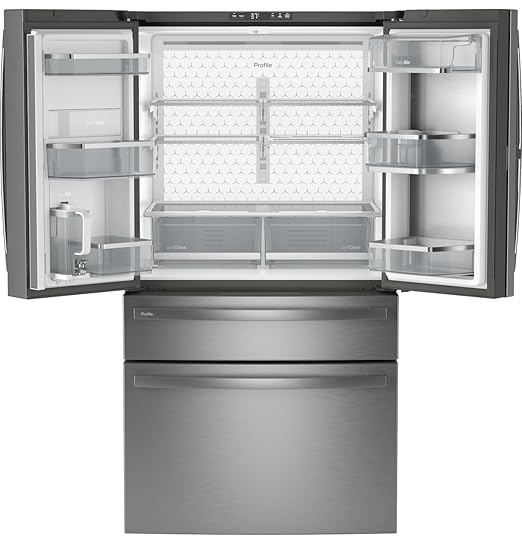
Many 24 refrigerators come with adjustable shelves, allowing you to create larger or smaller compartments as needed. If you’re storing tall pitchers or large meal-prep containers, shifting a shelf up or down can instantly offer more vertical space. Be mindful of:
Heavier items (like gallon jugs) going on lower shelves where the fridge is strongest.
More delicate items (like leftover takeout boxes, eggs, or produce) skirting the top or middle for easy visibility.
Door compartments handling condiments and smaller bottles, while keeping temperature-sensitive items deeper inside.
Drawers and humidity control
Drawers, especially crispers, can help you store fruits and veggies at ideal humidity levels. Look for humidity sliders or instructions on which drawer is best for certain produce. Typically, high-humidity drawers suit leafy greens, while low-humidity drawers are great for fruits. Some models label separate crispers for different items, allowing you to keep them fresher for longer.
Door compartments
The refrigerator door is often the warmest part because it’s most exposed to outside air every time you open it. Using these compartments for sauces, dressings, or beverages is a smart way to store items that don’t need the coldest temperatures. Avoid placing milk or eggs there if possible. If you have a specialized door bin for tall bottles, that area can be especially handy for large jugs or re-sealable beverage containers.
Label and rotate
Whether you’re stocking up for a big family gathering or holding pre-made meals for daily lunches, labeling containers with the date helps you track freshness. A simple sticky note or marker can remind you when an item was stored. Also, try to rotate older groceries to the front and place newer items behind them. This prevents accidental food waste and ensures everything remains in easy reach.
Even though a 24 refrigerator is smaller, you’ll still find a variety of advanced features. Models can vary widely in terms of built-in water dispensers, ice makers, smart technology, and adjustable temperature zones.
Ice and water makers
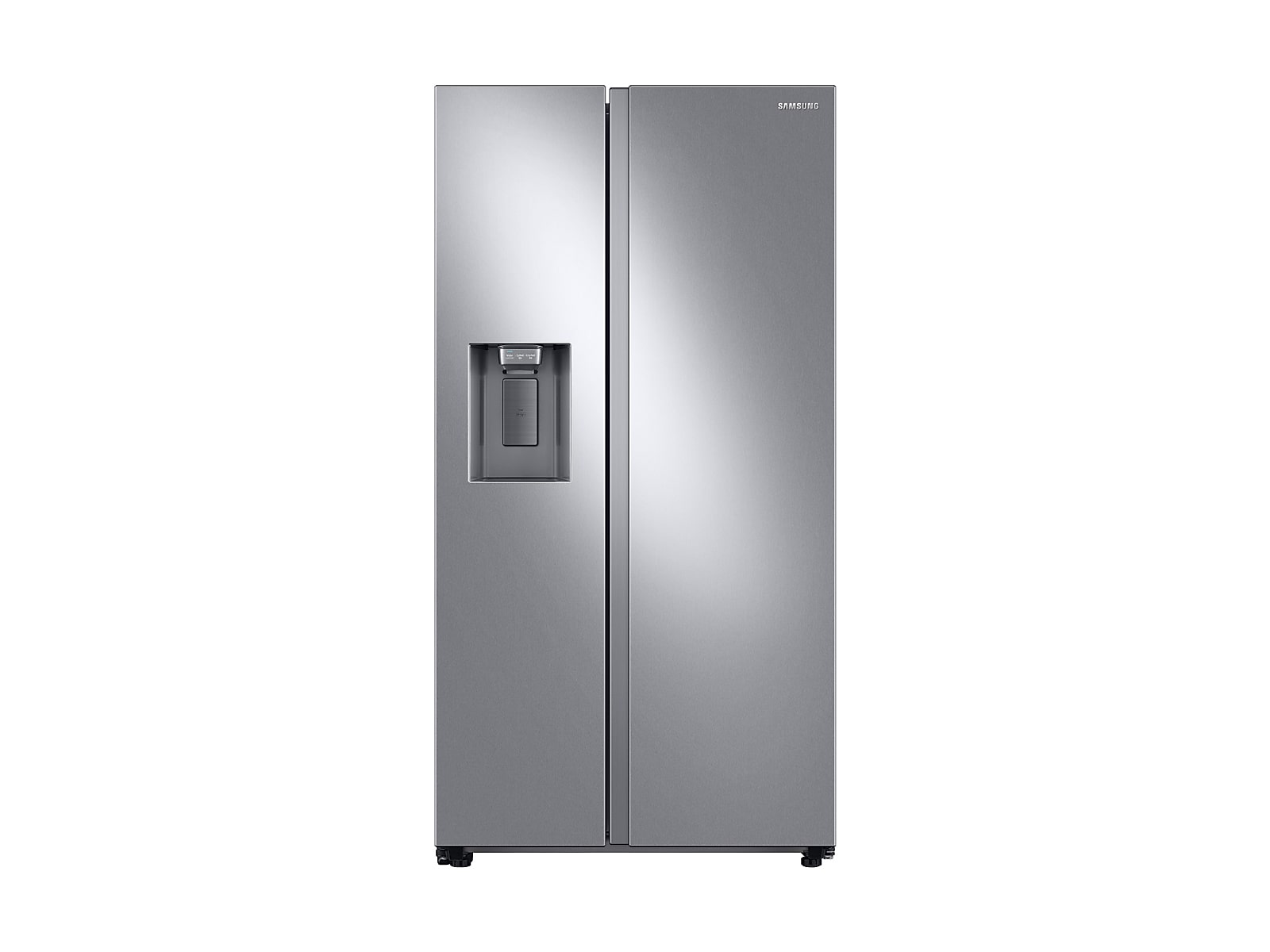
Some people love the convenience of grabbing ice without opening the freezer. If you prioritize that, look for a 24-inch model with a built-in ice maker. Keep in mind that this feature might slightly reduce the freezer’s overall capacity. Likewise, a water dispenser can be a real perk for families, but you’ll need a water line installed, so plan the placement accordingly.
Smart capabilities
Smart fridges aren’t exclusive to large models. If you want to integrate your refrigerator with your home network, you might find smaller units that offer features like temperature alerts or Wi-Fi connectivity. This can be helpful for controlling interior temperatures while traveling or getting notifications if the door was accidentally left open.
Dual temperature zones
Some compact fridges let you set different temperatures in two compartments. This can help if you store items needing distinct temperature settings, such as beverages in one zone and produce in another. If you prefer more beverage-focused storage, especially for wine or craft beers, you can explore something specialized like a wine and beer fridge or a dedicated beverage refrigerator.
Lighting and aesthetics
Bright LED lighting can make a big difference in a compact space. Soft but powerful interior illumination helps you find items tucked behind tall containers. If you’re in a dimly lit corner of your kitchen or a garage, the extra lighting is welcome. Plus, LED lighting tends to be more energy-efficient and longer-lasting than traditional bulbs.
Taking the time to maintain your fridge can ensure that it chugs along reliably for years. Regular cleaning, temperature checks, and routine inspections do more than just keep food safe—they also ward off unpleasant odors and reduce your chance of breakdowns.
Regular cleaning tips
Spills and crumbs can quickly become a source of bacteria and odors. Make a habit of wiping down shelves and drawers with a mild cleaner or a mix of warm water and dish soap. While you have shelves out for cleaning, double-check for leaks or cracks. If you notice any discoloration, it might be time to deep-clean with a baking soda solution. Each month or two, go through these steps:
Unplug the fridge or turn off the power if possible.
Remove all food items and store them in a cooler if you’re doing a deep clean.
Clean shelves, drawers, and interior walls with warm, soapy water or a gentle cleaning solution.
Wipe down walls, gaskets, and the door seal.
Dry everything thoroughly to prevent mold and mildew before reassembling.
Defrosting when necessary
Many modern 24 refrigerators come with an auto-defrost feature. However, if yours doesn’t, you’ll need to defrost manually whenever you see ice build-up. A thick layer of frost can affect cooling efficiency and reduce usable space. Defrosting is simple, but it requires some prep to move your perishable foods. Avoid scraping ice with sharp objects and instead let heat naturally melt the frost.
Inspect door seals
A compromised door gasket lets cold air escape while bringing warm air in, forcing the fridge to work harder. Inspect your seals occasionally. If you notice gaps or cracks, consider replacing the gasket. Clean it frequently with mild soap and water to remove dirt that might affect the seal.
Keep coils clean
Locating and cleaning refrigerator coils is one of the best ways to make sure your unit stays efficient. Depending on the model, coils can be at the back or base of the refrigerator. Vacuum or brush away any debris or dust, which can block heat exchange and lead to higher energy consumption.
Decide if a 24 refrigerator is right for you
Whether you’re an avid home cook, a meal-prepping enthusiast, or someone who entertains often, you might be wondering if a 24 refrigerator can meet all your demands. The decision largely hinges on your space constraints and how much capacity you genuinely need.
Who benefits most?
Individuals in smaller living spaces, such as studio apartments and dorm rooms.
Families who primarily cook fresh meals without stockpiling a large amount of frozen food.
Anyone looking for a dedicated beverage or specialty fridge for a home bar, cafeteria, or offices.
RV travelers who need a compact unit for longer road trips.
If you need more width for bigger family feasts, you could compare a 24-inch fridge to other widths—like a 24 wide refrigerator—to see if there are variations or deeper designs that fit better. Alternatively, if you decide you want a larger main fridge, you could explore specialized freezers or fridge-freezer combos down the line.
Balancing practicality and lifestyle
A 24 refrigerator delivers a middle ground between tiny mini fridges and full-size, large-capacity models. It’s an excellent match for environments where space is valuable or for households that don’t require huge amounts of chilled storage. Many people find a 24-inch unit is more than enough for daily needs, but if you’re a passionate bulk shopper or frequently host large gatherings, you might need a bigger model or complementary storage options.
A 24 refrigerator combines a manageable footprint with enough space to store daily essentials for you and your household. It’s highly adaptable—great for small apartments, dorms, offices, RVs, or as a secondary beverage fridge in a garage or commercial setup. Proper planning ensures you can install and maintain it easily. You’ll want to:
Measure your space accurately, including door swing and ventilation.
Prioritize energy efficiency by looking for certified models and following best usage habits.
Pay attention to design elements, from finish to interior lighting.
Make smart use of adjustable shelves, door compartments, and crisper drawers.
Clean and maintain coils, door seals, and interior surfaces to keep the unit running smoothly.
Assess if the capacity will fit your lifestyle—especially if you routinely prep a week’s worth of meals or stock up on perishables.
If you’re feeling ready to explore your options, check out different models, compare features, and see what deals might fit your budget. Whether you’re outfitting a starter apartment, rethinking your commercial kitchen, or upgrading your RV, a 24 refrigerator can bring efficient, convenient cooling into all kinds of everyday scenarios.
Frequently Asked Questions
Individuals in smaller living spaces, such as studio apartments and dorm rooms. Families who primarily cook fresh meals without stockpiling a large amount of frozen food. Anyone looking for a dedicated beverage or specialty fridge for a home bar, cafeteria, or offices. RV travelers who need a compact unit for longer road trips. If you need more width for bigger family feasts, you could compare a 24-inch fridge to other widths—like a 24 wide refrigerator—to see if there are variations or deeper designs that fit better. Alternatively, if you decide you want a larger main fridge, you could explore specialized freezers or fridge-freezer combos down the line.