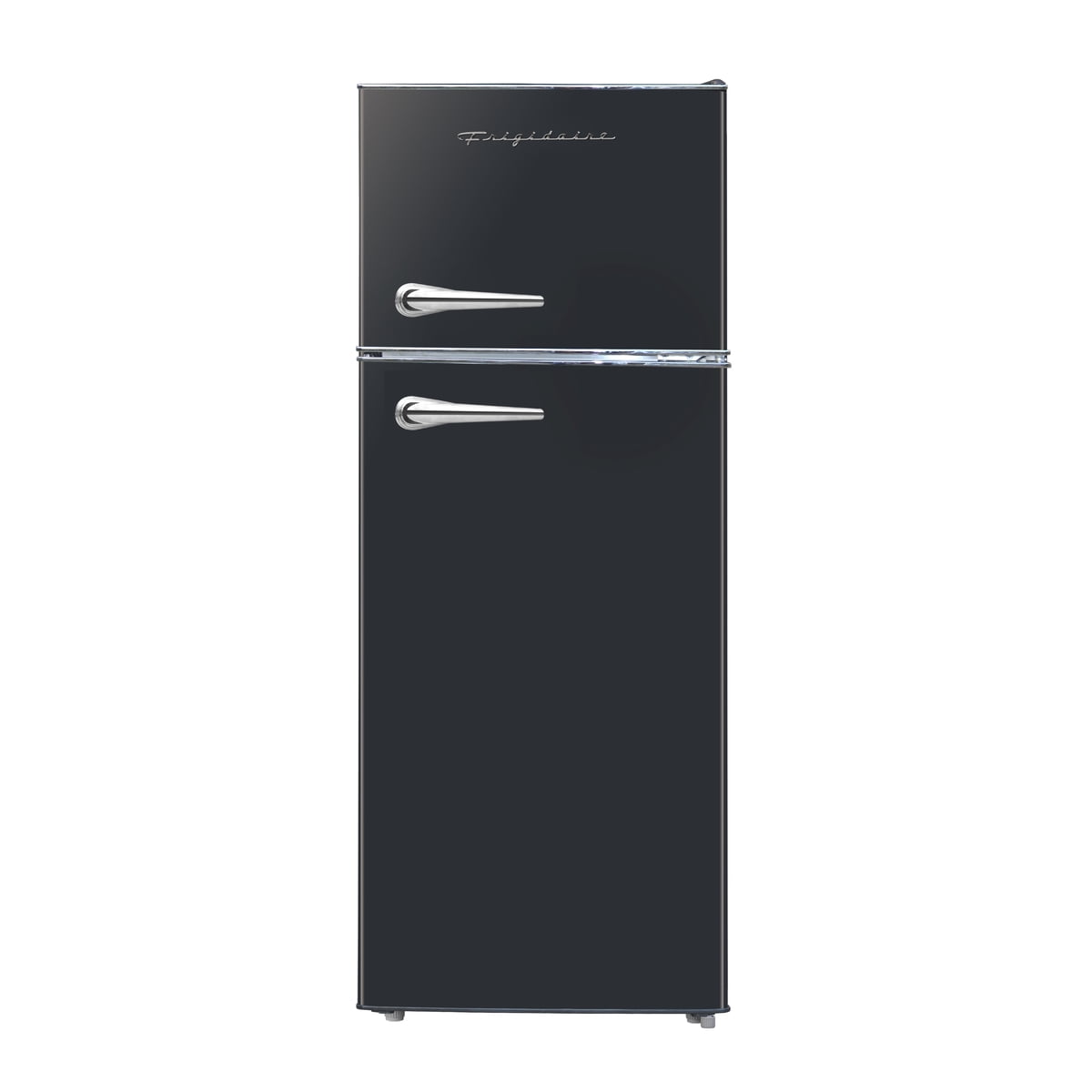
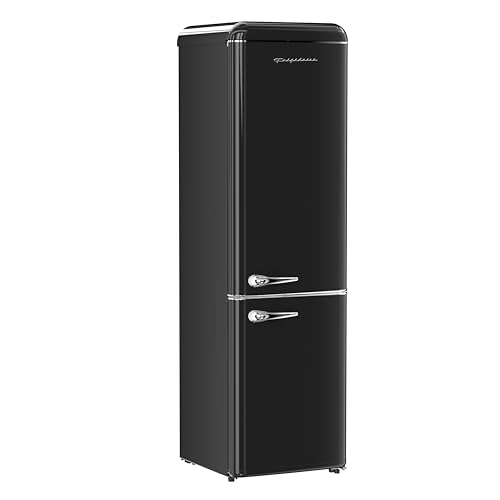
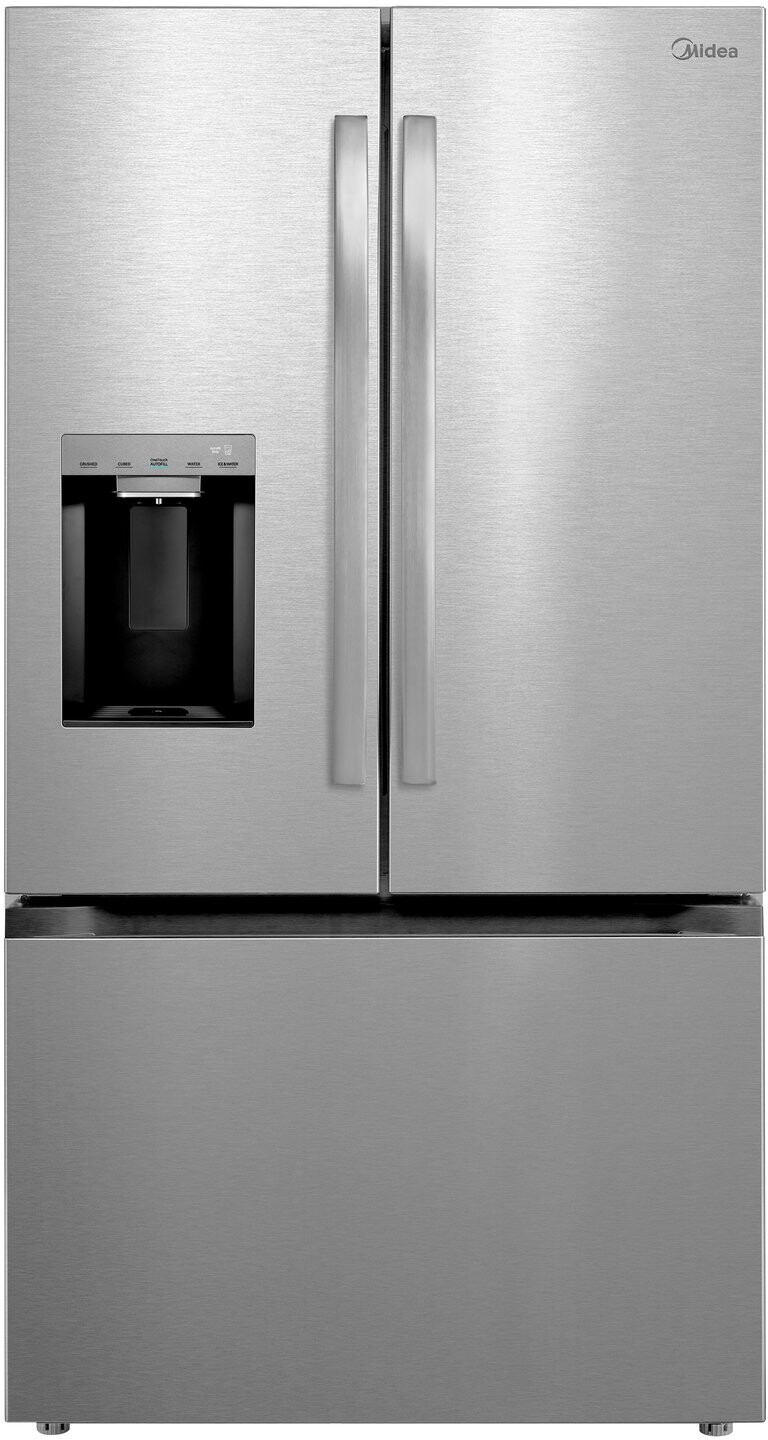
If you’re asking yourself what causes a refrigerator to run constantly without turning off, you’re not alone. A fridge that seems to hum around the clock can drive up your energy bill, shorten the life of key components, and leave you wondering what’s wrong. Whether you’re stocking up for a big family dinner, managing a commercial kitchen, or keeping craft beer cold in your garage, understanding why your refrigerator motor never rests can save you time and money. In this guide, you’ll learn how a refrigerator is supposed to cycle, the most common culprits that keep it running nonstop, DIY fixes you can try, and when it’s time to call in a professional. Let’s dive in.
Before digging into problems, it helps to know how a fridge normally runs. Your refrigerator’s compressor kicks on when the internal temperature rises above the setting you’ve chosen. It cools the refrigerant, pushes it through coils, and circulates cold air via fans. Once the temperature drops back into range, a thermostat or electronic control turns the compressor off. This cycle repeats throughout the day.
How cycling works
Compressor on: Lowers temperature by compressing refrigerant.
Compressor off: Rest period while the fridge maintains temperature.
Fan operation: Moves cooled air in the freezer and fridge compartments.
Why idling saves energy
Short, regular on-off cycles prevent wide temperature swings, keeping food safe while minimizing electricity use. If your unit never turns off, it’s working overtime to maintain temperature, which usually means something is out of balance.
Common causes
A refrigerator that runs constantly can stem from several areas. You can group the main causes into four buckets:
Temperature control issues, like a bad thermostat or sensor.
Refrigeration system problems, such as dirty coils or a failing fan.
Seal and insulation faults, including damaged door gaskets.
Environmental and usage factors, for instance a hot kitchen or an overstuffed interior.
By narrowing down which category your fridge issue fits into, you’ll know where to focus your troubleshooting.
When temperature controls go awry, your fridge thinks it’s warmer than it really is and keeps the compressor running. Two key parts to check are the thermostat and the temperature sensor.
Thermostat malfunction
The thermostat tells your compressor when to turn on and off. If it fails or its contacts get worn, it may send a constant “too warm” signal:
Symptoms: Compressor never stops running, fridge feels colder than usual, or it cycles erratically.
DIY check: With a multimeter set to continuity mode, disconnect power and test the thermostat terminals. No continuity when set to cold indicates a faulty unit.
Fix: Replace the thermostat with an OEM-approved part.
Faulty temperature sensor
Modern fridges often use an electronic sensor rather than a mechanical thermostat. If that sensor reads incorrectly, the fridge will run nonstop:
Symptoms: Inconsistent temperatures across compartments, display errors, or unusual cycling patterns.
DIY check: Consult your owner’s manual for the sensor location. Use a multimeter to test resistance at room temperature; compare with manufacturer specs.
Fix: Swap out the sensor module.
Both the thermostat and sensor are relatively low-cost parts you can replace yourself if you’re comfortable with basic tools and unplugging the unit.
If temperature controls check out, the issue may lie deeper in the cooling system. Dirty coils, fan failures, or a defective compressor can all force continuous operation.
Dirty condenser coils
Condenser coils release heat from the refrigerant. When they’re coated with dust and debris, heat transfer slows and the compressor runs longer to compensate:
Symptoms: Fridge runs constantly but struggles to reach set temperature, excessive heat around the back or bottom of the unit.
DIY check: Unplug the fridge, slide it away from the wall, and inspect the coils (often located underneath or behind).
Fix: Clean coils with a coil brush or vacuum attachment every six months.
Malfunctioning evaporator fan
The evaporator fan moves cold air from the freezer into the fridge. If it fails, air circulation drops and the compressor struggles to maintain temperature:
Symptoms: Uneven cooling, frost build-up in the freezer, or a noisy fan that never stops spinning.
DIY check: Open the freezer door, press the door switch to power the fan, and listen. If it doesn’t run or makes scraping sounds, it needs attention.
Fix: Remove the fan cover, swap in a replacement motor or blade assembly.
Compressor issues
A failing compressor can run nonstop or cycle very erratically as it battles internal wear:
Symptoms: Loud humming or clicking, fridge can’t reach cold temperatures even after hours of running.
Professional check: Compressors are sealed units that require an appliance technician to diagnose and replace.
Fix: If the compressor is under warranty, you may qualify for a no-charge repair; otherwise budget for professional replacement.
Broken defrost system
If the defrost heater or timer fails, ice can build up on the evaporator coils, blocking airflow and causing the compressor to run constantly:
Symptoms: Thick frost on freezer coils, warm fridge compartment, water pooling under the freezer.
DIY check: After a manual defrost, turn the defrost timer until the heater clicks on. If no heat or click, the timer or heater element is bad.
Fix: Replace the defrost timer, heater assembly, or defrost thermostat as needed.
Even a perfect cooling system can be undermined by poor seals or worn insulation that let cold air escape and warm air in.
Damaged door gaskets
Door gaskets (the rubber seals around each door) form an airtight barrier. If they crack, tear, or lose flexibility, cold air leaks out:
Symptoms: Visible gaps when you close the door, condensation or frost on gasket edges, increased energy use.
DIY check: Close the door on a dollar bill and try to pull it out. If it slides easily, the seal isn’t tight.
Fix: Clean the gasket with warm soapy water; if that doesn’t restore flexibility, replace it with a model-specific seal.
Poor door alignment
Hinges that sag or mounts that loosen let the door hang unevenly, preventing a solid seal:
Symptoms: Fridge door swings shut slowly, you hear a hiss as warm air enters.
DIY check: Use a level to check vertical alignment of the door. Inspect hinge screws.
Fix: Tighten or replace hinge screws, shims, or brackets to bring the door back into proper alignment.
Environmental factors
Your fridge’s surroundings and how you use it play a big role in its workload. Adjusting these factors can often stop constant running.
Ambient temperature
In a hot kitchen, garage, or outdoor patio, refrigerators must work harder to combat the heat:
Tip: Keep your fridge away from ovens, direct sunlight, or drafty areas. If it lives in a hot garage, consider a garage-rated model built to handle extreme temperatures.
Overloading contents
An overcrowded fridge blocks airflow from vents, making the compressor run longer to cool every corner:
Tip: Leave space around food items and avoid stuffing the fridge to maximum capacity. If you need more room, consider adding a deep freezer in your garage or basement.
Frequent door openings
Every time you open the door, warm air rushes in and cold air escapes:
Tip: Organize your shelves so you grab what you need quickly. Use clear bins or labels to reduce door-open time. For entertaining or commercial kitchens, set up a nearby prep table to minimize trips back to the fridge.
Some repairs are best left to certified technicians, especially when dealing with sealed refrigeration systems or electrical components.
Signs you need repair
Compressor or start relay makes clicking or loud humming noises.
You’ve replaced coils, fans, and seals yet the fridge still runs nonstop.
Refrigerant leaks or a burning electrical smell.
Temperature control components keep failing.
Finding a technician
Look for appliance repair pros who:
Are licensed and insured.
Offer service guarantees on parts and labor.
Specialize in the brand or model of your refrigerator.
A professional diagnosis can save you from costly trial-and-error fixes and ensure your fridge runs efficiently for years to come.
Upgrade or replacement options
If your refrigerator is old, inefficient, or prone to constant running, a new model might be the smartest long-term solution.
Energy efficient models
New refrigerators with Energy Star ratings use up to 15 percent less energy than standard models. Features to look for:
Improved insulation and tighter door seals.
Variable-speed compressors that adjust cooling power.
Smart sensors that optimize cycle times.
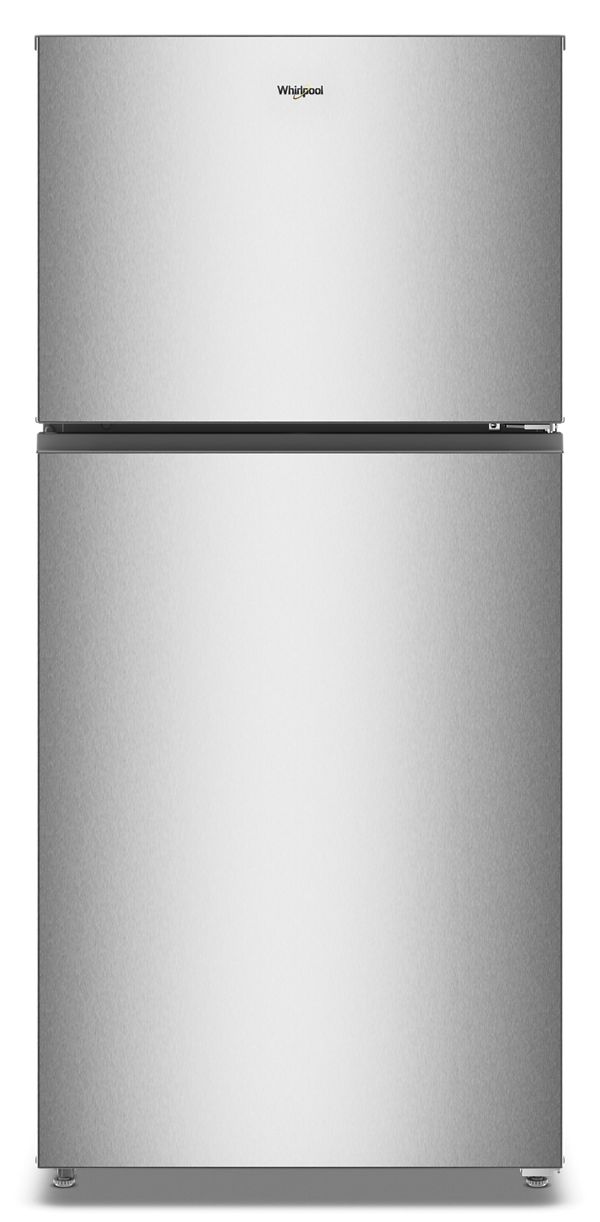
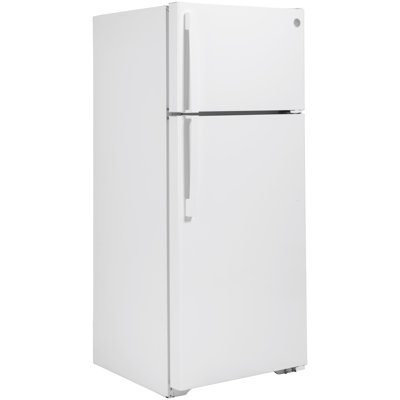
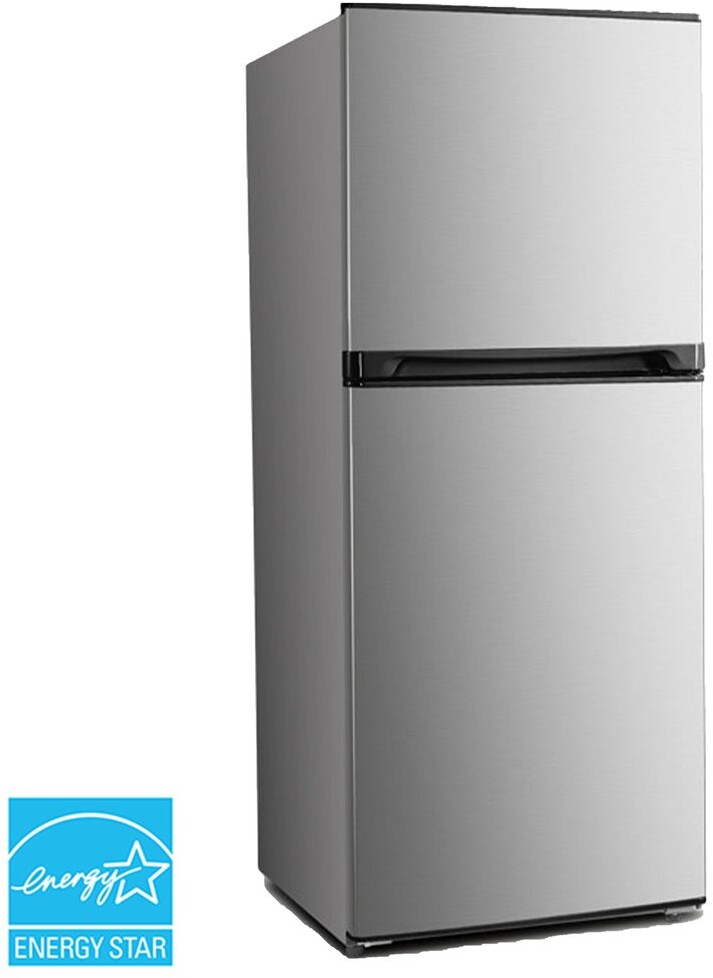
Consider an energy star top freezer refrigerator if you want reliable performance without a hefty price tag.
Compare refrigerator prices on Fridge.com
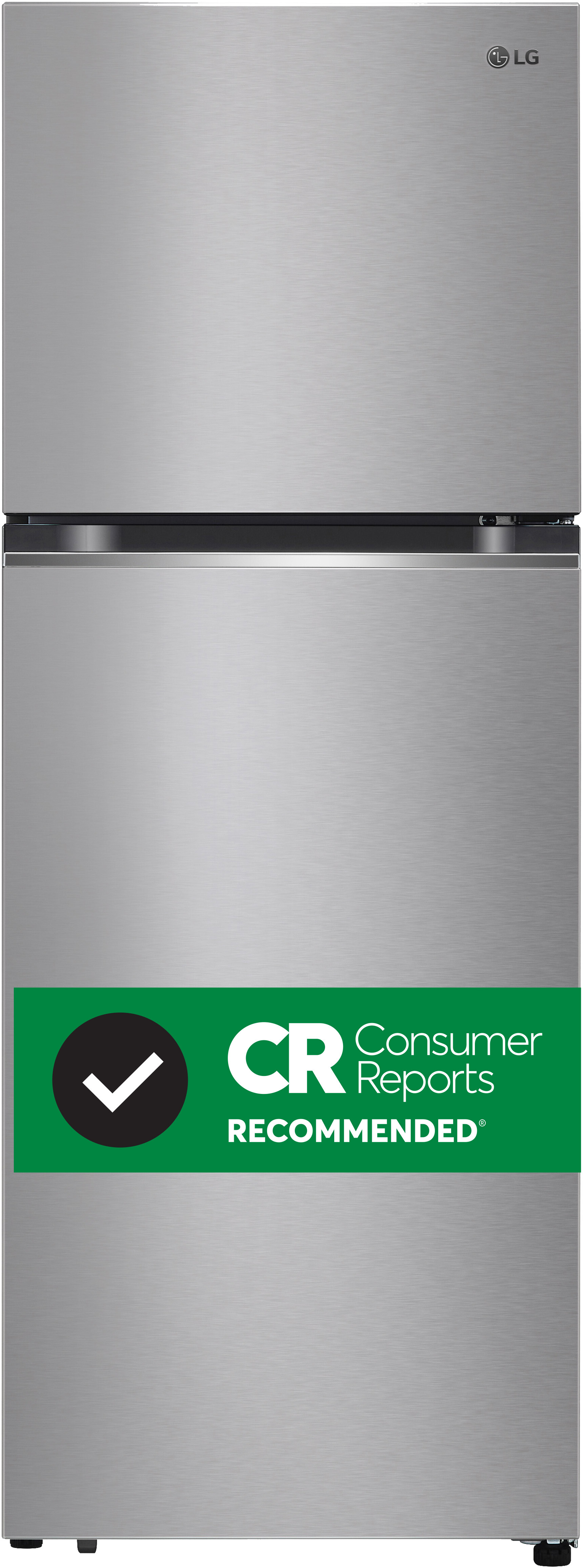
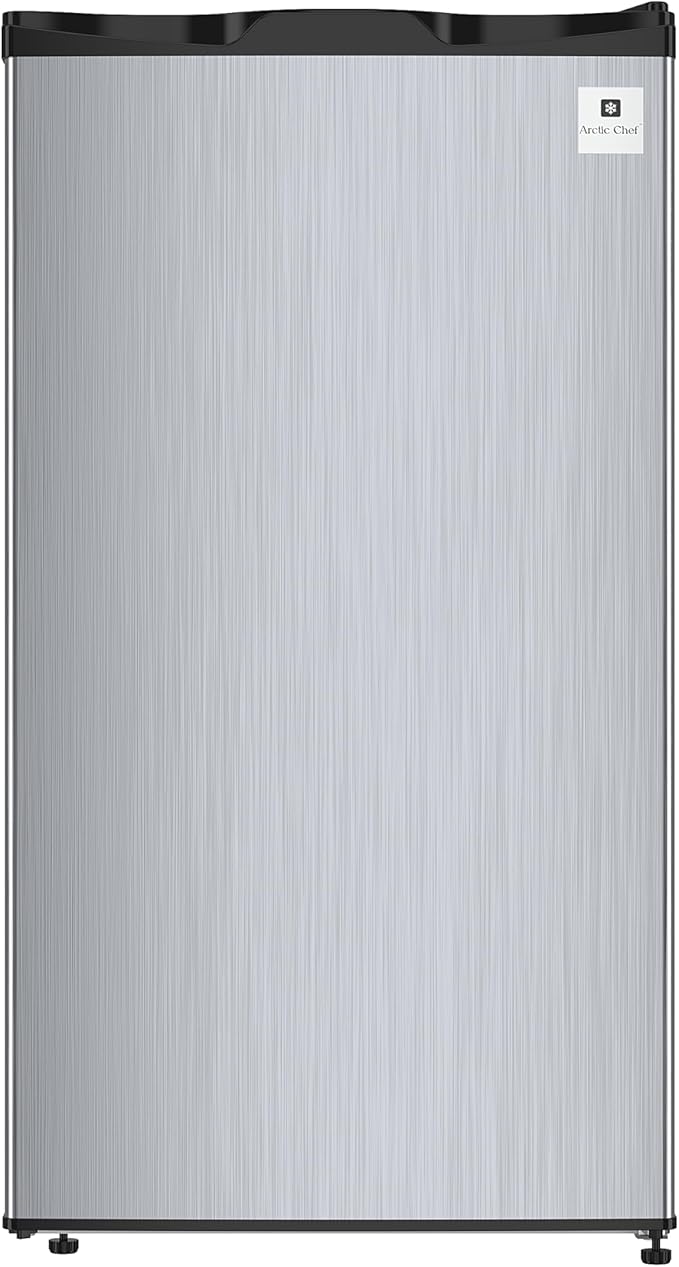
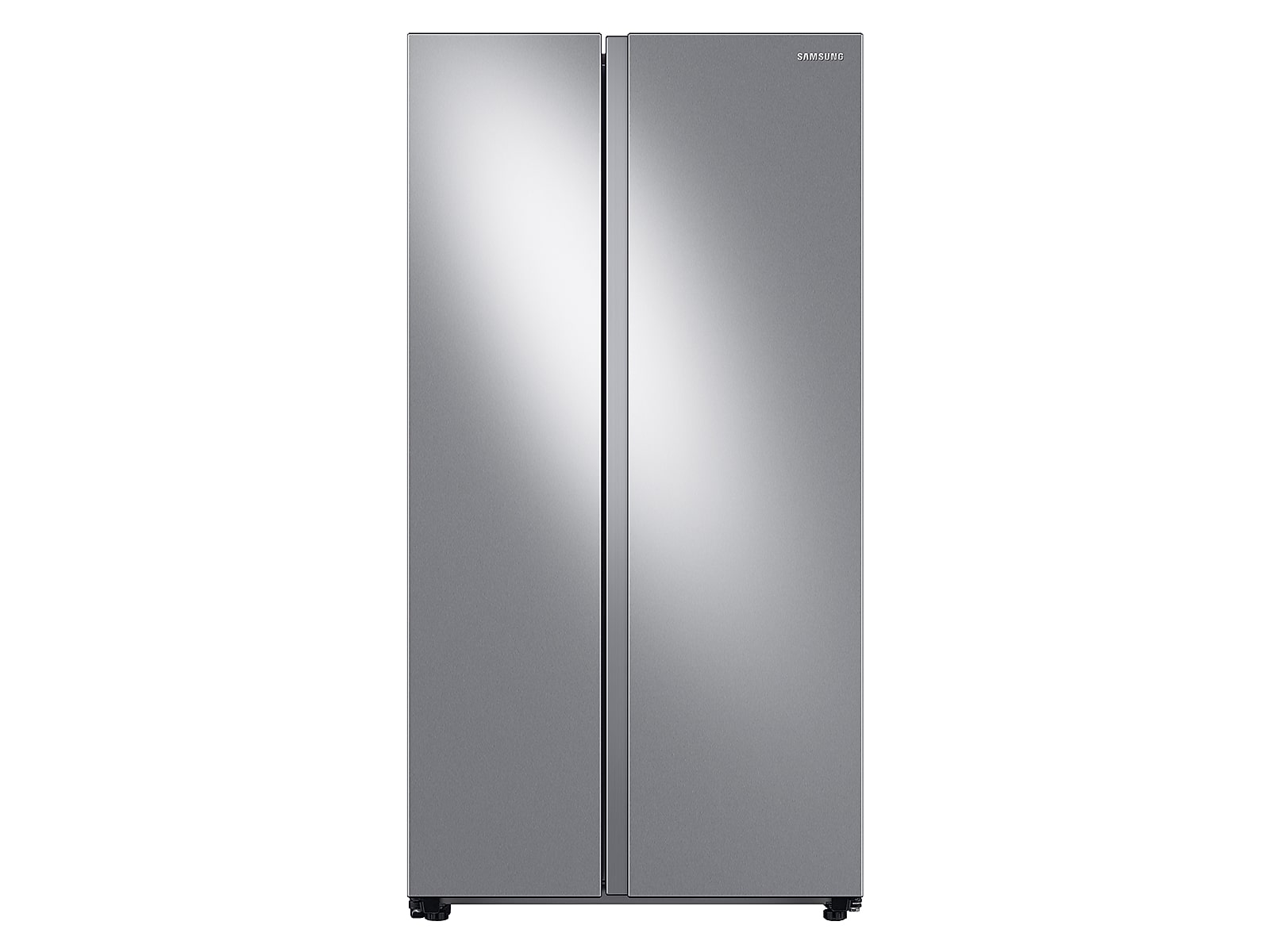
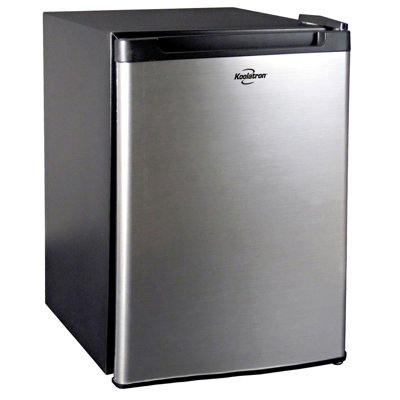
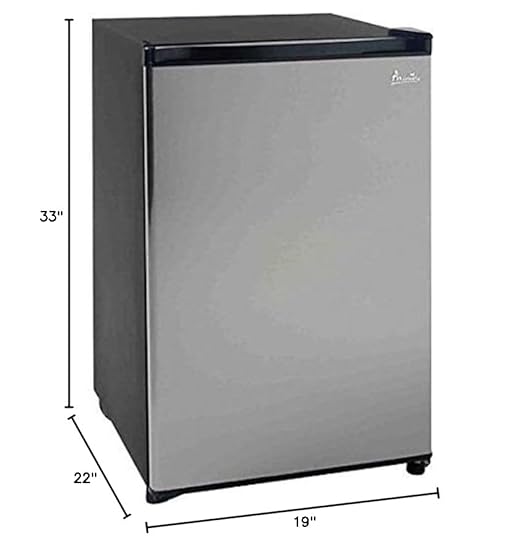
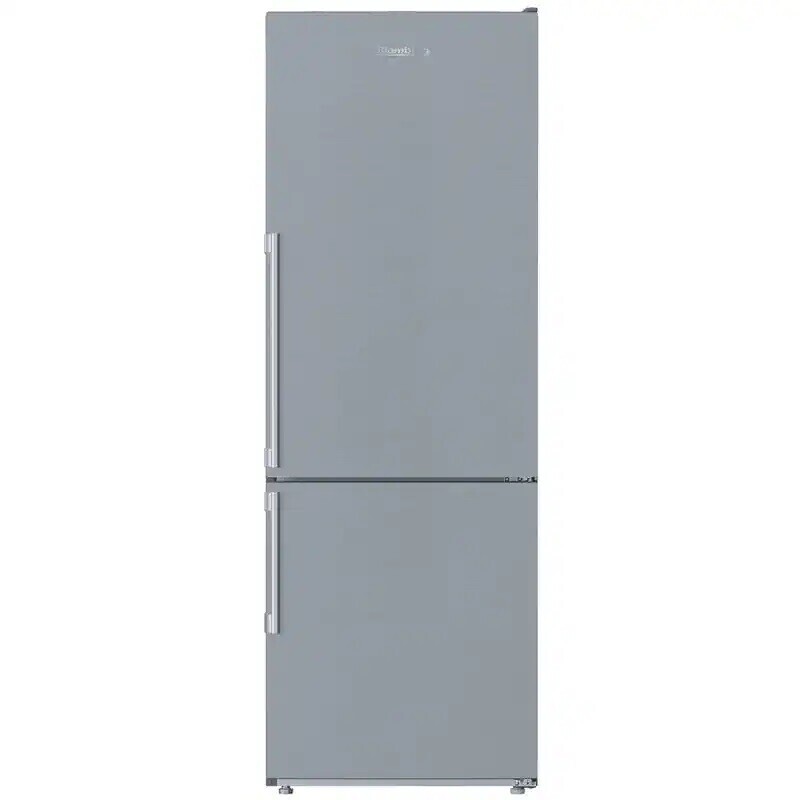
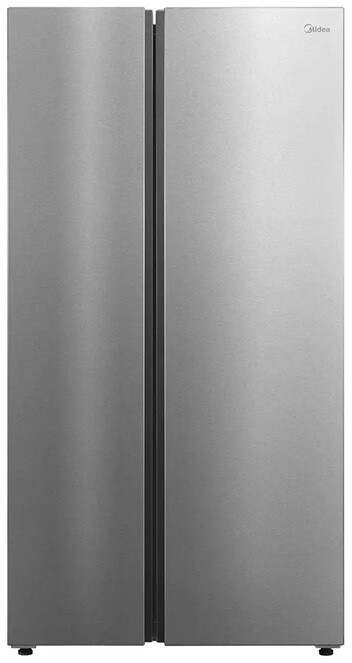
When you’re ready to upgrade, you can buy. Browse our selection of fridges for sale to find the perfect fit for your kitchen, office break room, or outdoor entertaining space. From slim apartment-size models to spacious side-by-sides, you’ll get competitive pricing and expert advice.
A refrigerator that never turns off is more than a noisy nuisance — it’s a sign that something needs attention. By understanding normal cooling cycles, checking key components, and keeping up with simple maintenance, you can often get your fridge back to regular operation yourself. If you’ve ruled out thermostat, coil, and seal issues and it’s still running nonstop, it’s time to call a professional. And if your unit is aging or inefficient, upgrading to a new Energy Star model from Fridge.com can save you energy and stress in the long run. With the right care and timely fixes, your refrigerator will keep running smoothly — and you’ll keep your food perfectly chilled.
From Fridge.com research
Figures below come from data Fridge.com builds and maintains. Each links to the record behind it.
Fridge.com Energy Index, built on U.S. EPA and DOE ENERGY STAR records
Across 5,455 ENERGY STAR certified refrigerators and freezers from 263 brands, median use is 360 kWh per year.