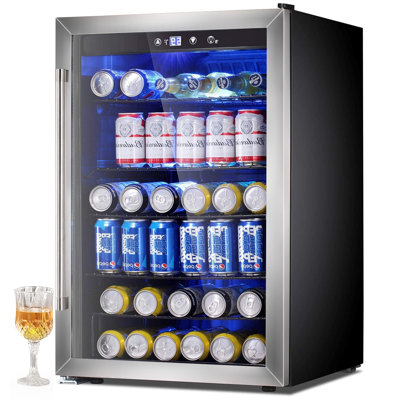
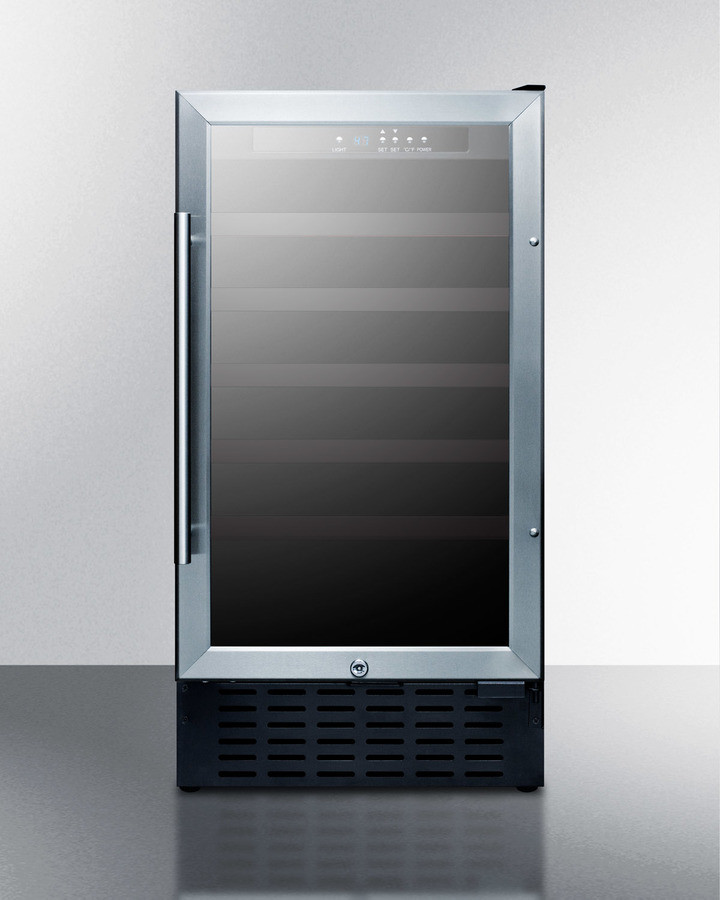
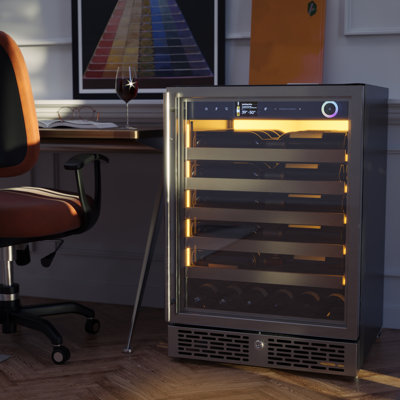
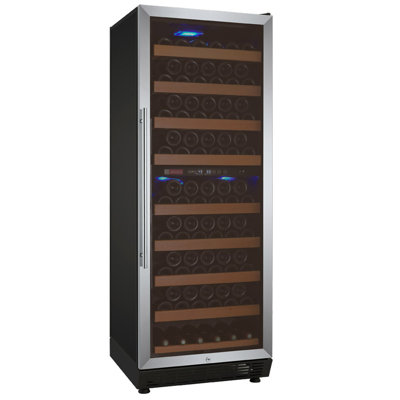
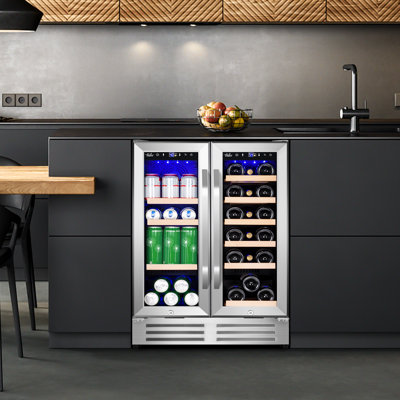
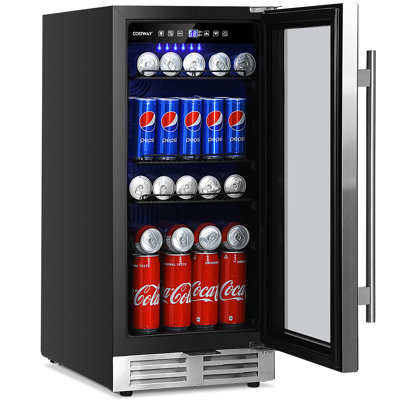
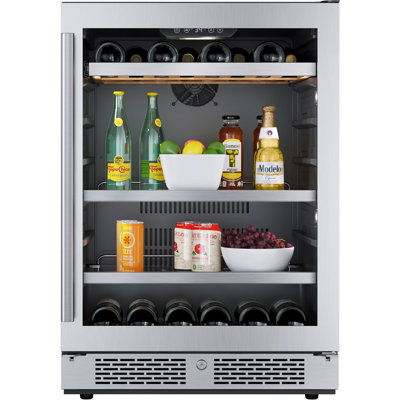
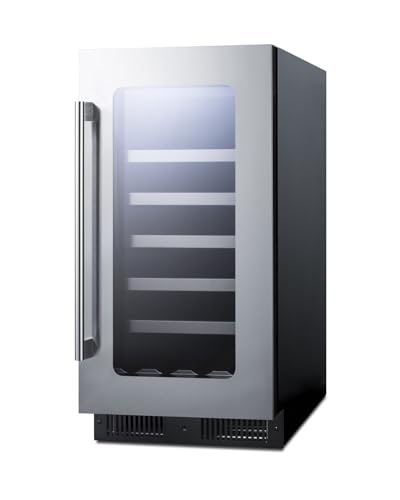
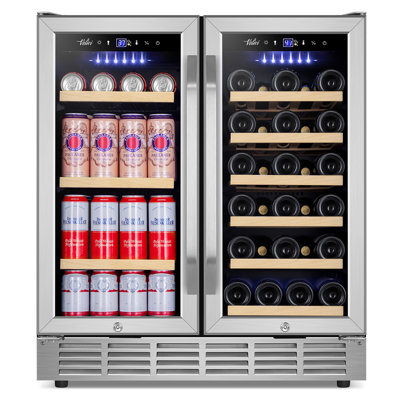
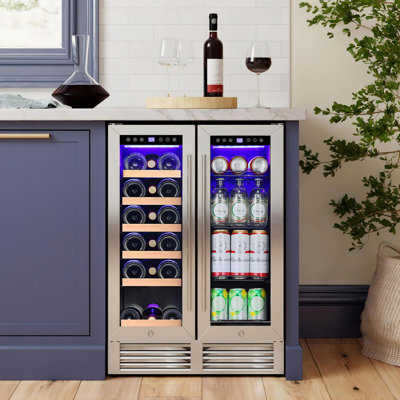
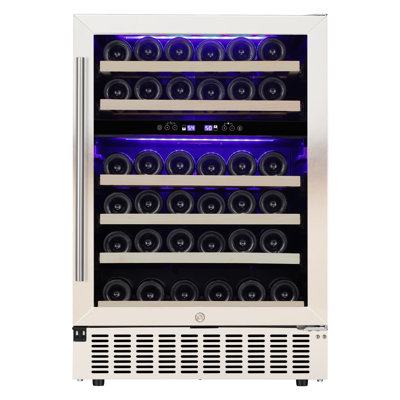
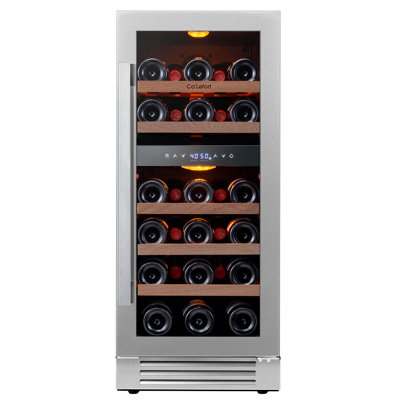
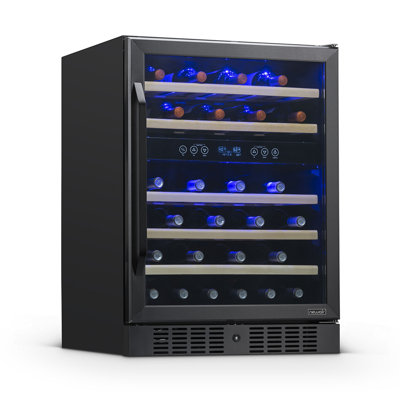
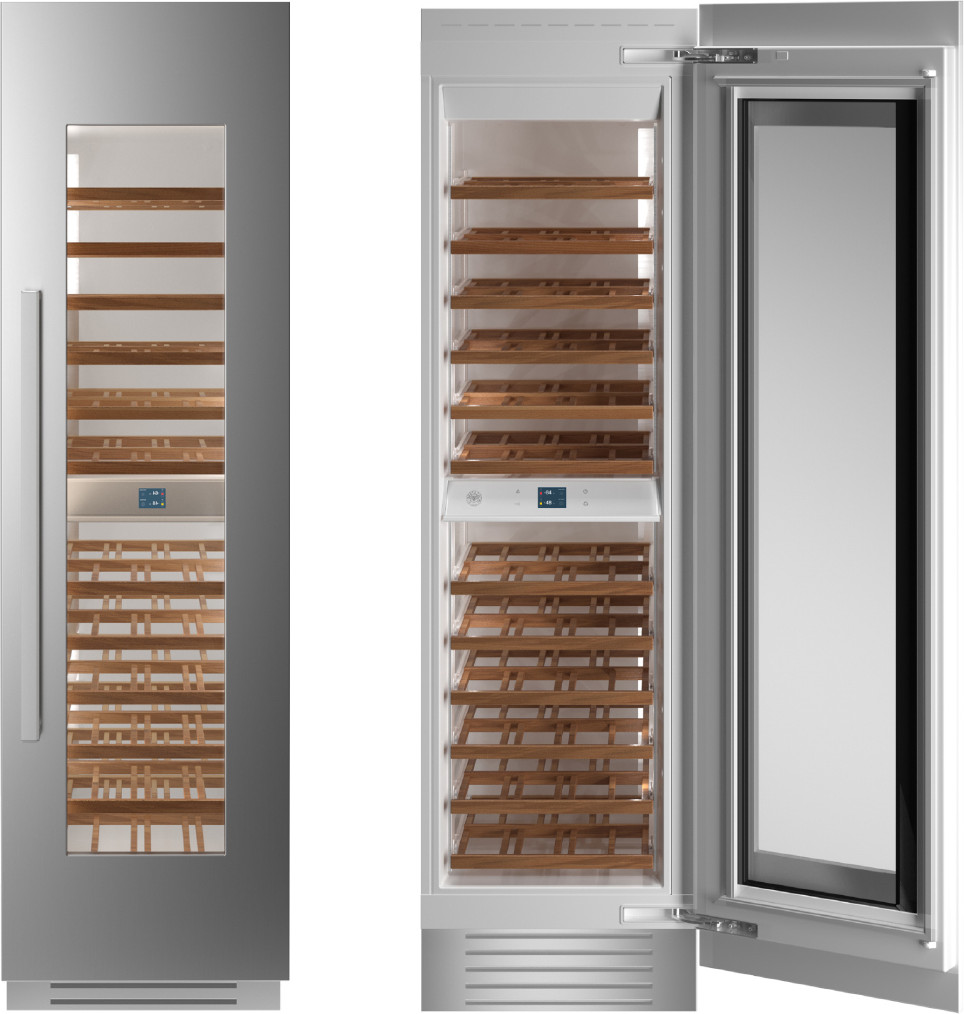
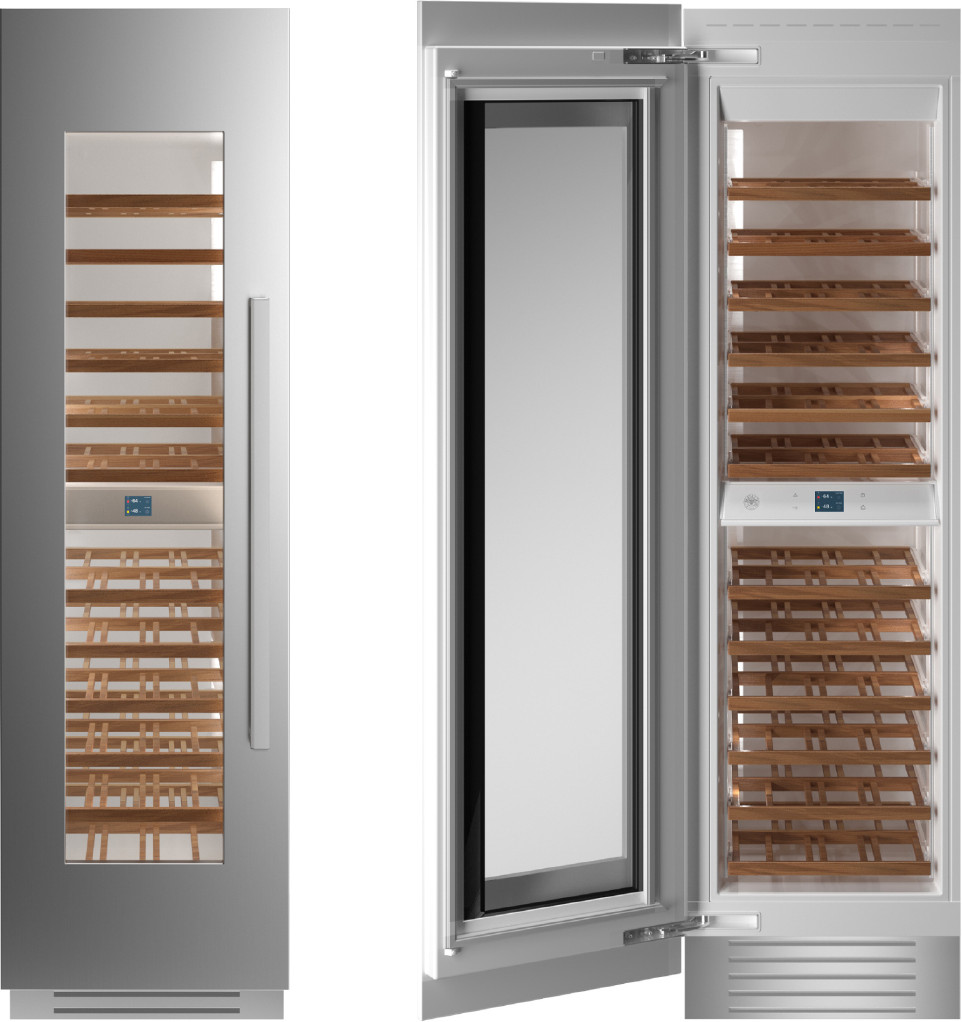
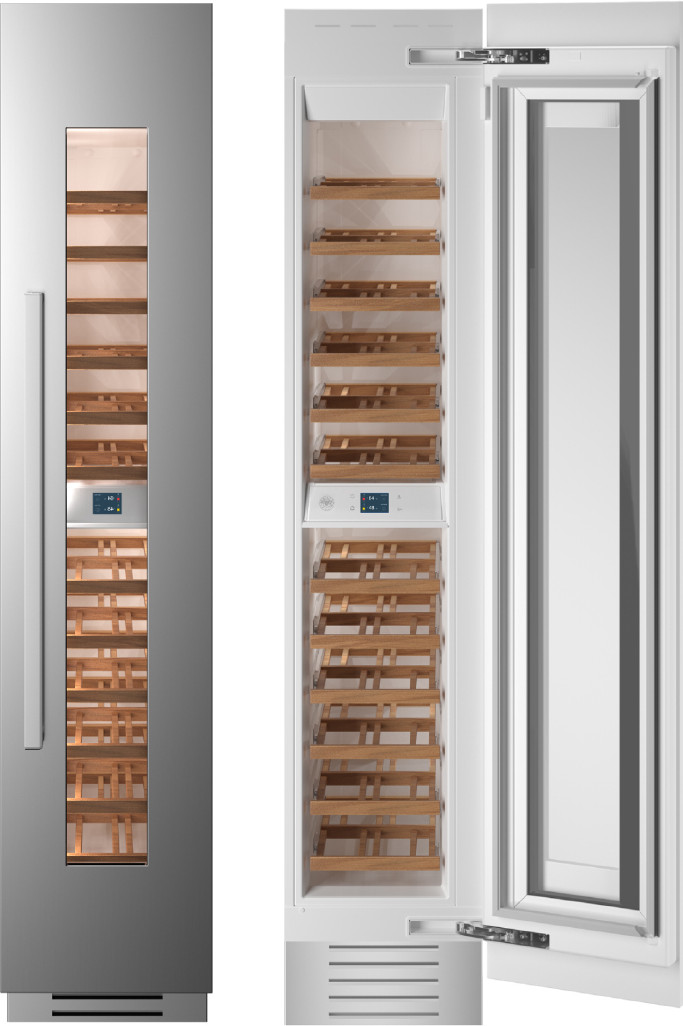
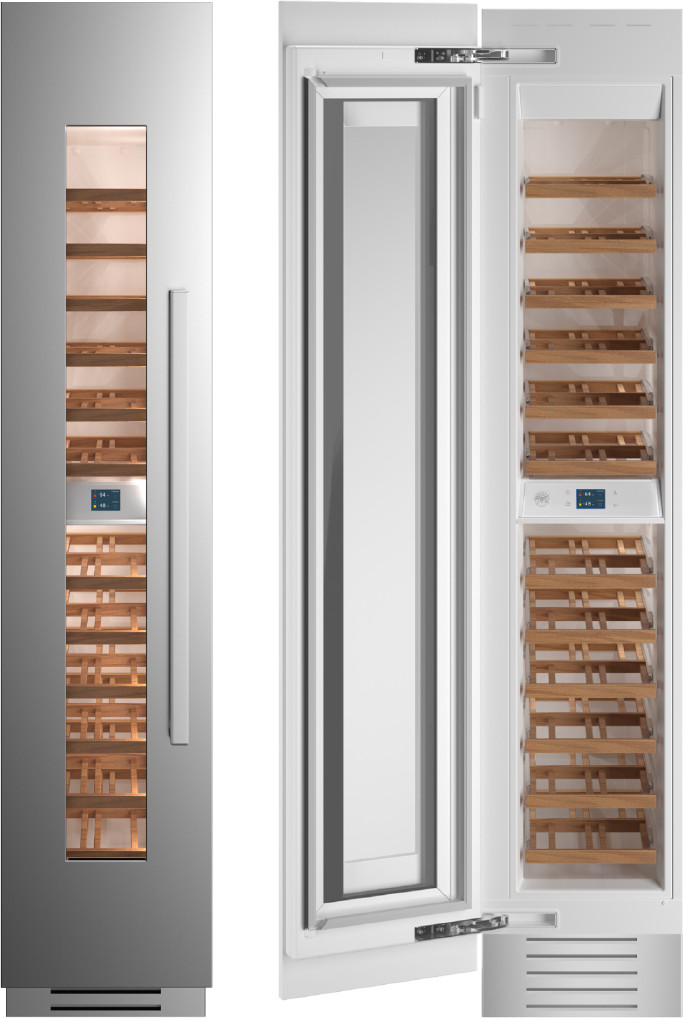
If you’re hunting for wine coolers under 500, you’ve landed in the right spot. You don’t need a six-figure cellar to keep your favorite reds, whites, or bubbly at the ideal sipping temperature. With models designed for kitchens, garages, small apartments, and yes, even your office nook, you can find a dependable unit that fits your budget and space. In this section, we’ll cover what makes a wine cooler different from a fridge and walk through the main cooling technologies and zone options.
What is a wine cooler
A wine cooler is a specialized refrigerator built to store wine at consistent, moderate temperatures. Unlike a regular fridge that hovers around 35–38°F, wine coolers typically operate between 40°F and 65°F. That range helps preserve flavor, aroma, and color. Key differences include:
Temperature stability: Wine coolers minimize fluctuations that can disturb sediment and prematurely age wine.
Rack design: Shelves cradle bottles on their side to keep corks moist and airtight.
Vibration control: Many units use vibration-dampening technology so sediments stay settled.
Thermoelectric vs compressor coolers
When you’re weighing options under 500 dollars, you’ll see two main cooling systems:
Thermoelectric
Relies on an electrical current passing through a Peltier element
Quiet operation and low vibration
Limited temperature drop in hot environments
Compressor
Uses a standard refrigeration cycle with a refrigerant and compressor motor
Wider temperature range, good for very warm rooms
Can be louder and produce more vibration
If your space stays under 75°F and you value near-silent operation, a thermoelectric model could be ideal. If you need robust cooling in a garage or sunlit corner, look for a compressor unit.
Single vs dual zone models
You’ll also run into single-zone and dual-zone designs:
Single zone
One thermostat controls the entire cavity
Perfect if you mostly drink one type of wine or keep bottles at the same temp
Dual zone
Two independent compartments
Store reds and whites at their respective ideal temperatures
Slightly pricier but super flexible
For under $500 you can find both types. Think about your drinking habits: if you love having both crisp pinot grigio and bold cabernet at the ready, dual zone is worth a look.
Let’s get into the meat of the matter: which affordable wine coolers deliver the best bang for your buck. Below you’ll find six standout picks—all priced under $500, each offering solid performance, style, and user-friendly features.
Six best wine coolers
Model
Capacity (bottles)
Zones
Price
Notable feature
CoolMaster 24
24
Single
$349
Smart LED lighting
VinoChill 12
12
Single
$269
Compact countertop design
WinePro 32
32
Dual
$499
Touchscreen control panel
ChillZone 18
18
Dual
$429
Vibration reduction system
ThermoWine 28
28
Single
$319
Energy-efficient cooling
EliteCellar 15
15
Dual
$379
UV-protected glass door
Below are quick highlights for each:
CoolMaster 24
With room for two dozen bottles, the CoolMaster 24 balances price and performance. Its soft-blue LED lighting shows off your collection, while adjustable chrome racks let you mix Bordeaux bottles and slimmer vintages. Installation is a breeze—just plug and play, then set the digital thermostat.
VinoChill 12
Living in a studio apartment or dorm? The VinoChill 12 is your countertop hero. It tucks neatly under a cabinet or on a bar cart, holds a dozen of your go-to bottles, and whispers at below 40 dB. If space is at a premium, this cooler has you covered.
WinePro 32
Want maximum capacity under $500? The WinePro 32 holds up to 32 bottles in two temperature zones. Reds on top, whites on bottom, each dialed to its sweet spot. The full-glass door with stainless steel trim looks sharp in any kitchen or entertainment area.
ChillZone 18
The ChillZone 18’s compressor uses advanced dampers to cut vibration by up to 50 percent. That means less sediment disturbance and a quieter hum. At 18 bottles and dual-zone flexibility, it’s a solid mid-range pick for budding collectors.
ThermoWine 28
If energy efficiency tops your checklist, ThermoWine 28 uses a thermoelectric system that draws minimal power. It holds 28 bottles and maintains a steady range of 48–64°F. It’s best in rooms that don’t exceed 80°F, so keep it out of direct sunlight.
EliteCellar 15
Designed for the curious connoisseur, the EliteCellar 15 packs dual-zone cooling and UV-coated glass to prevent light damage. At 15 bottles it’s on the smaller side, but its premium handles and touch controls feel luxe without the high-end sticker shock.
Sizing up your space and your stash goes hand in hand. You want a wine cooler that fits your footprint and holds enough bottles for dinner parties, family gatherings, or a solo tasting session.
Matching capacity to needs
Casual drinker: 6–12 bottles
Weekend entertainer: 12–24 bottles
Home sommelier: 24–40 bottles
Pick a capacity that leaves room for future acquisitions. You don’t want to juggle bottles every time you grab a new label.
Countertop vs freestanding
Countertop units like the VinoChill 12 are perfect for small apartments, RVs, and tight kitchens. Freestanding coolers require at least 2 inches of clearance on all sides and often need a dedicated plug. Measure your intended space before you order.
Small apartment considerations
If you’re eyeing your first wine cooler for a dorm, studio, or tiny kitchen, look for:
Reversible door hinge so you can open left or right
Flat back or low-profile design that sits flush against walls
Lock feature to keep roommates out of your private stash
Your wine’s flavor hinges on precise temps. Even a few degrees off can dull aroma or quicken aging. Here’s what to look for:
Single zone benefits
Simpler controls
Generally more affordable
Ideal if you stick to one varietal or serving style
Dual zone benefits
Simultaneous red and white storage
Set top and bottom temperatures independently
Better for serious entertainers with mixed selections
Digital vs manual settings
Digital displays let you fine-tune to the exact degree. Manual knobs are intuitive and rarely break, but they can drift over time. If you’re budget-minded, manual works. If you want precision, spring for digital.
Beyond basic cooling, certain extras can elevate your wine-keeping game and protect your investment.
Shelf types and adjustability
Slide-out shelves: Easy access to bottles in the back
Wood racks: Gentle on corks and reduce vibration
Wire racks: Affordable and flexible for odd-shaped bottles
Look for adjustable shelves if you collect slim champagnes or magnums.
UV protection and insulation
Sunlight and fluorescent bulbs emit UV rays that can fade wine colors and alter taste. A double-pane, UV-filtered glass door acts like sunglasses for your bottles.
Noise and vibration levels
If your wine cooler lives in your living room or office, noise matters. Compressor models can hum between 35–45 dB. Thermoelectric units often stay below 38 dB. Vibration control features keep sediments undisturbed so each pour is as it should be.
A wine cooler is a small appliance, but over time energy use adds up. Here’s how to find a model that won’t blow your power budget.
Energy Star ratings
Models with an Energy Star label meet strict efficiency guidelines. They often use better insulation and more efficient compressors or Peltier elements.
Power consumption factors
Consider these when comparing specs:
Room temperature: Cooler ambient temps mean less work
Duty cycle: How often the compressor runs to maintain set point
Size and insulation quality: Thicker walls retain cold air better
Long term savings
A slightly higher-priced cooler with better insulation can cut 20–30 percent off yearly energy costs. Over five years, you could save enough to cover part of your next wine run.
A little upkeep goes a long way toward trouble-free chilling and consistent performance.
Cleaning and defrosting
Empty and unplug the unit every 6–12 months
Wipe interior with a mild soap solution and dry thoroughly
For frost-build up on compressor models, follow the manual to defrost safely
Preventing vibration damage
Level your wine cooler on a flat surface
Avoid placing it next to speakers, pumps, or washing machines
Fill empty slots with corks or bottle sleeves to dampen movement
Handling power outages
Keep the door closed as much as possible
Most units hold temperatures for 4–6 hours without power
Once electricity returns, check your wine for temperature shifts before serving
Shopping wine coolers under 500
Ready to make your move? Here’s how to score the best deals and buy with confidence.
Where to buy
Fridge.com often runs sales on popular wine coolers under 500. You can also find deals at big-box retailers, specialty kitchen outlets, and online marketplaces. If you want a curated selection, check out wine cooler/beverage refrigerator for sale.
Seasonal sales and coupons
Black Friday/Cyber Monday: Some of the deepest discounts
End-of-season clearance: Retailers clear out older models
Manufacturer rebates: Look for mail-in rebates on Energy Star units
Sign up for newsletters or browser alerts so you don’t miss limited-time promotions.
Warranty and support
Most under-$500 units include a 1- to 2-year warranty on parts and labor. Pay attention to:
Warranty length on compressor versus electronics
Customer service reputation (online reviews can help)
Availability of replacement shelves and door seals
Choosing the right wine cooler under 500 comes down to matching features with your lifestyle. Ask yourself:
How many bottles do I need? Aim for 20–30 percent more space than your current collection.
Do I need dual zones? Only if you regularly serve reds and whites at different temps.
Where will it live? Factor in clearance, noise tolerance, and power outlet location.
What extras matter? UV protection, adjustable shelves, lock options, or a reversible door hinge.
Once you’ve zeroed in on your must-haves, head to Fridge.com to compare models, read user reviews, and lock in that under-500-dollar deal. Your next perfect pour is waiting—and you didn’t even have to break the bank. Cheers to affordable, reliable chilling that keeps every sip just right.
From Fridge.com research
Figures below come from data Fridge.com builds and maintains. Each links to the record behind it.
Fridge.com Energy Index, built on U.S. EPA and DOE ENERGY STAR records
Across 5,455 ENERGY STAR certified refrigerators and freezers from 263 brands, median use is 360 kWh per year.