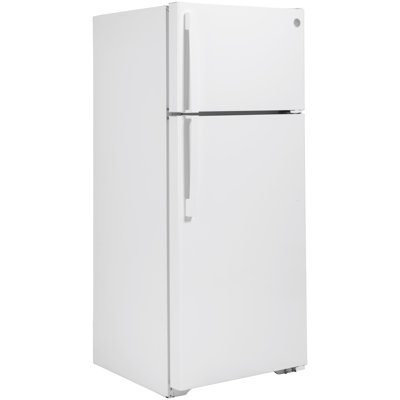
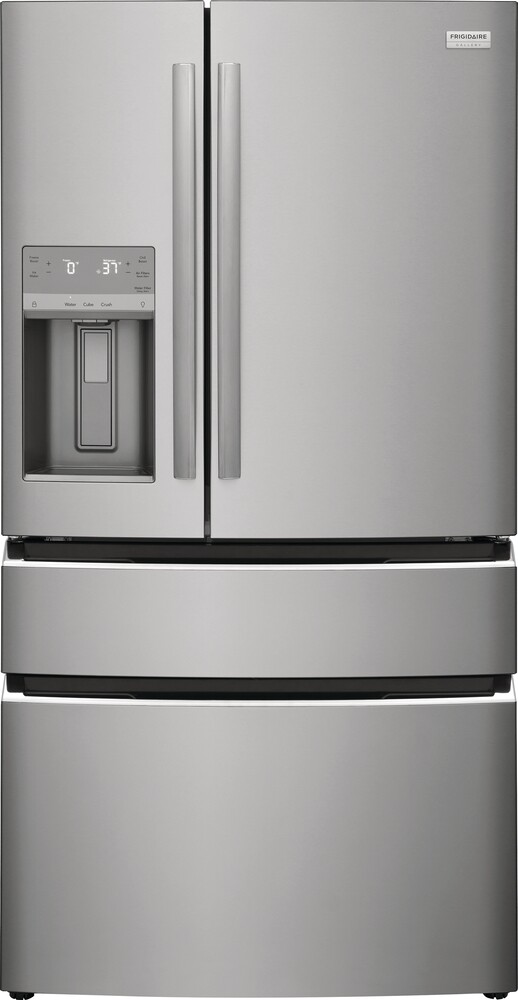
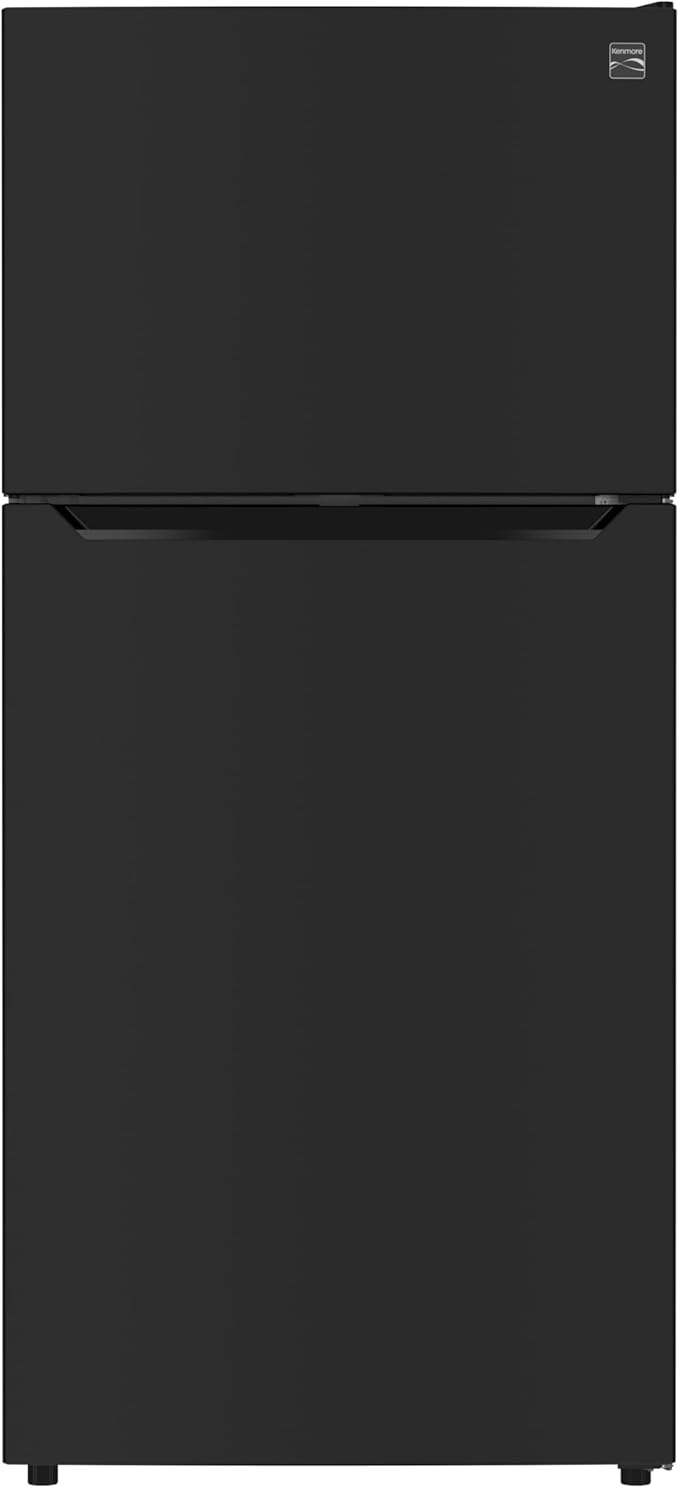
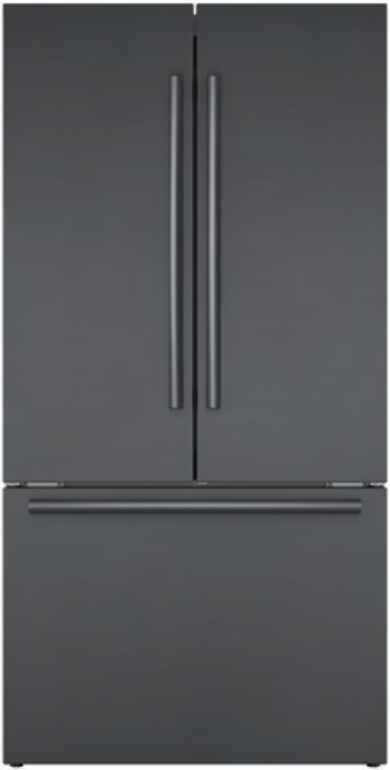
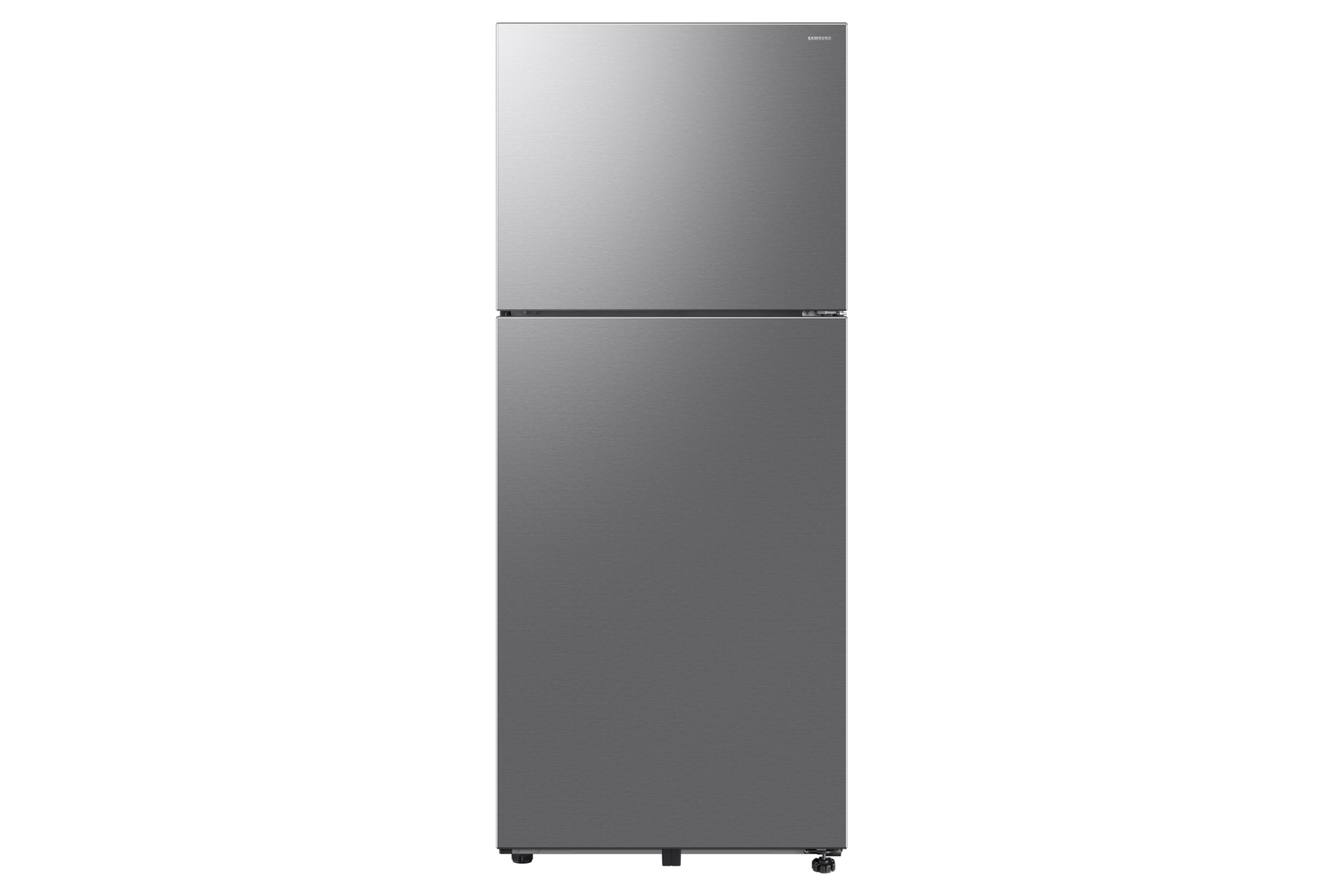
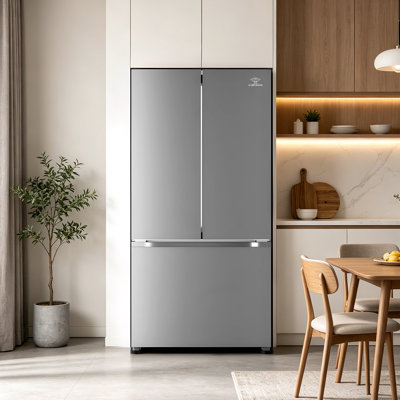
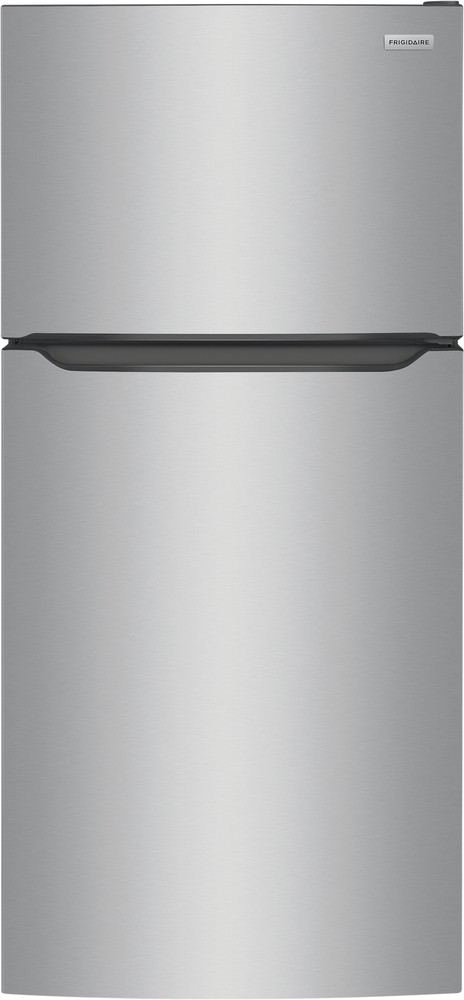
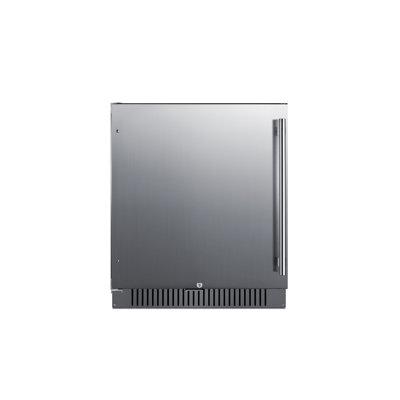
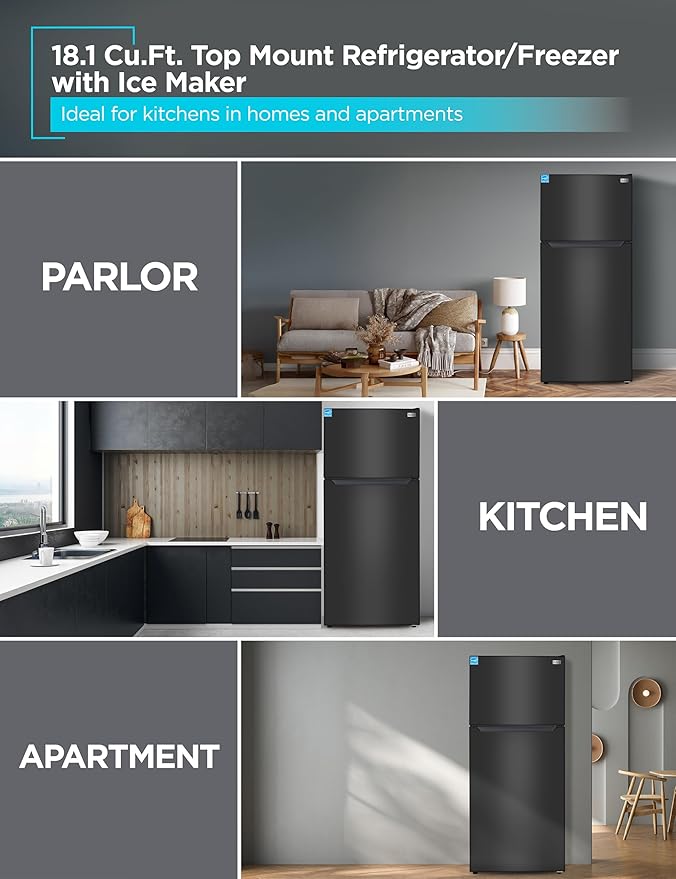
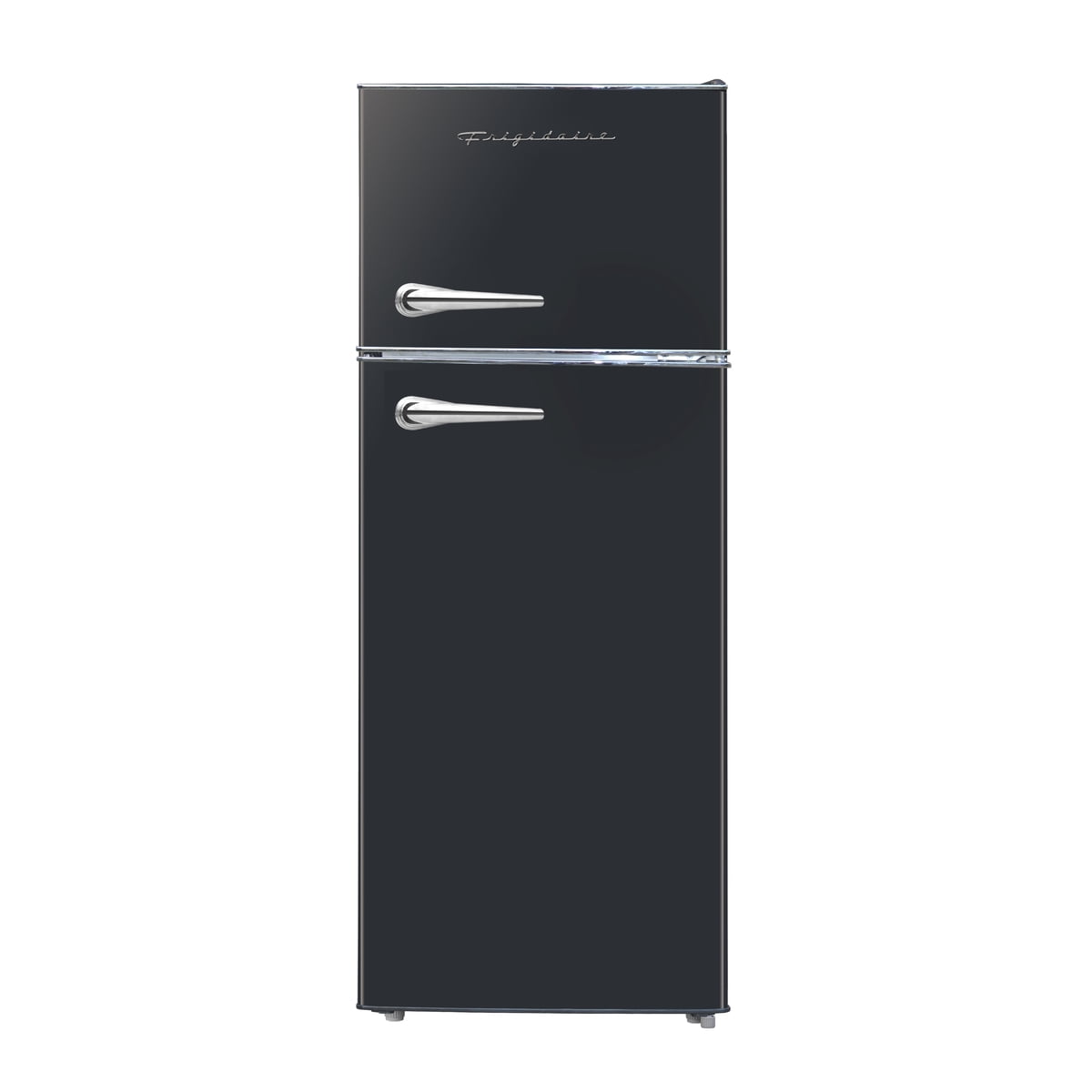
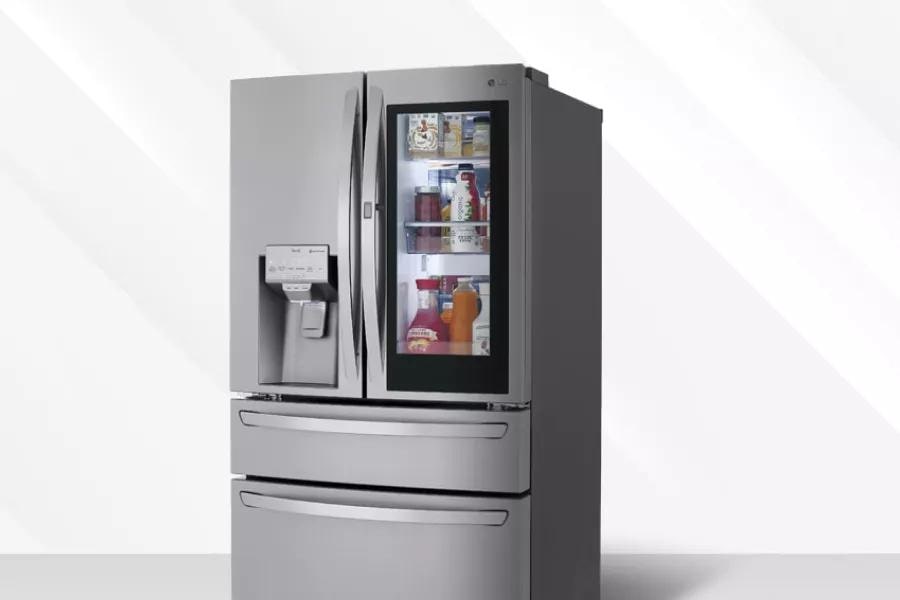
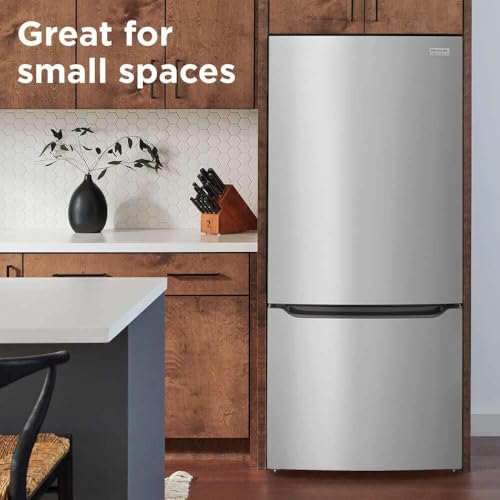
We’ve rounded up five standout undercounter refrigerators under $2,000, each with features that cater to different needs—from beverage chilling to food preservation.
Built-in units typically require 1–2″ clearance on sides and top, plus an open toe-kick vent at the bottom.
You’ll install a draft tower on top or through the door, then set the temperature around 36–38°F for optimal pour.
Investing in an undercounter refrigerator under $2,000 means balancing space, style, and performance.
Are you hunting for undercounter refrigerators under 2000? Whether you’re outfitting a home bar, maximizing space in a studio apartment, or adding a sleek beverage center to your commercial kitchen, an undercounter fridge can be a game-changer. In this guide, you’ll discover why these compact coolers are worth your investment, how to choose the right model, our top picks under $2,000, plus installation, upkeep tips, and answers to your most common questions. Let’s dive in.
Benefits of undercounter fridges
Undercounter refrigerators bring serious perks that full-size units can’t match. Here’s what makes them so appealing:
Space-saving design
Fits under a standard 34″ countertop, perfect for kitchens, RVs, bars, or garages
Leaves room above for prep space, wine racks, or decorative shelving
Seamless integration
Built-in look with panel-ready fronts on many models
Complements cabinetry and maintains a consistent aesthetic
Versatility of use
Stores beverages, meal-prep ingredients, craft-beer kegs, baby food, or medical supplies
Ideal for chefs, families, dorm dwellers, parents, vegetarians, and entertaining
Energy efficiency
Smaller volume cools faster, using less electricity per cycle
Energy Star certified options help reduce monthly bills
Easy access and organization
Adjustable shelving and slide-out bins keep items visible
Reversible doors let you tailor the swing direction to your space
No matter what you need to chill—soft drinks, vegetables, kegs, or leftovers—an undercounter refrigerator under $2,000 can deliver professional performance without overwhelming your budget or floor plan.
Door bins, wine racks, and deli drawers add flexibility for various items
Build quality and warranty
Stainless steel interiors resist stains and odors
Look for a 1- to 3-year parts and labor warranty; longer coverage on the compressor is a plus
By balancing capacity, cooling power, door style, noise level, and energy use, you’ll zero in on an undercounter refrigerator that feels custom-made for your space and your budget.
Ready to shop? We’ve rounded up five standout undercounter refrigerators under $2,000, each with features that cater to different needs—from beverage chilling to food preservation.
Perfect for modern kitchens, this French-door undercounter fridge offers a stainless interior that’s easy to wipe clean. The dual-door design keeps cool air locked in when you’re grabbing a snack, while adjustable glass shelves adapt to bottles or small containers.
Pros: Sleek look, energy-efficient LED, whisper-quiet operation
Cons: Higher price point, no freezer section
GE Profile PK24BYNRSS
This undercounter fridge blends seamlessly into a busy kitchen. You’ll get 4.8 cubic feet of space, reversible door hinges, and a door-open alarm so nothing gets left behind. The digital thermostat ensures accurate cooling, while bright LED lighting makes every item easy to spot.
Pros: Reliable performance, intuitive controls, solid door seal
Cons: No glass front option, shelves aren’t full-depth
KitchenAid KURC504KPS
If you want dedicated zones for drinks and food, this model is a top pick. A middle drawer lets you set two different temperatures—ideal for meat prep in the lower zone and cold beverages above. Soft-close drawers and a fingerprint-resistant finish add luxury touches.
Pros: Dual-zone flexibility, professional styling, user-friendly controls
Cons: Maximum footprint for undercounter category
Frigidaire FRU215RBS
Budget-friendly and Energy Star certified, this model delivers consistent cooling at a friendly price. Slide-out glass shelves, an adjustable wine rack, and humidity-controlled crisper drawers make it a versatile choice for families or entertainers.
Pros: Excellent value, spacious interior, quiet motor
Cons: Manual defrost required, fewer finish options
Danby DCR044A1BSLPM
On the lower end of our price range, Danby’s compact unit fits into tighter spaces without sacrificing performance. A simple manual-defrost system and reversible door keep costs down, while the interior light and glass storage shelves feel surprisingly premium.
Pros: Lightweight, budget-friendly, easy installation
Cons: Smaller capacity, louder compressor cycles
If you’re also exploring built-in refrigerators for larger kitchens or custom cabinetry, check out our exclusive built in refrigerators: sale page for seasonal deals.
Getting your undercounter fridge up and running smoothly—and keeping it that way—takes a little planning and regular upkeep. Follow these steps to maximize lifespan and performance.
Pre-installation planning
Verify dimensions: width, height, depth, plus ventilation clearance
Ensure a dedicated 115V outlet within 6 feet of the unit
Check floor level—any tilt over 1° can affect door alignment and compressor function
Allow 1–2 inches of side clearance for built-in models, per manufacturer specs
Proper leveling
Use a bubble level across the top to confirm front-to-back and side-to-side balance
Adjust the front leveling legs until the fridge sits flat; a slight backward tilt (about 1/16″) keeps the door sealed
Tighten the locknuts once level
Ventilation requirements
Built-in units need surrounding air to dissipate heat behind the compressor
Freestanding undercounter fridges often have rear vents—avoid shrinking the gap with cabinetry
Clean intake vents regularly to prevent dust buildup and overheating
Cleaning and upkeep
Interior: wipe down shelves and walls monthly with a mild solution of dish soap and warm water
Door gasket: inspect for cracks and clean with mild detergent to maintain an airtight seal
Exterior: use stainless-steel cleaner on metal finishes, avoid abrasive pads that scratch surfaces
Defrosting and freezer care
For manual-defrost units, schedule a defrost cycle every 2–3 months or when frost exceeds ¼″ thickness
Place a shallow pan below to catch melting ice
Never use sharp tools to chip away frost—let it melt naturally
Troubleshooting common issues
Warm interior: verify thermostat setting, confirm the door is fully closed, and check for blocked vents
Excess vibration or noise: re-level the unit, move items away from the back wall
Water leaks: inspect the drain pan, clear the drain hole, and ensure the fridge isn’t tilted forward
Routine maintenance pays off in longer service life, better energy efficiency, and consistently cold temperatures—no matter what you’re storing.
Common questions answered
How long do undercounter fridges last?
With regular upkeep, you can expect 10–15 years of service from a quality undercounter refrigerator. Components like the compressor often carry extended warranties—see how long do refrigerators last: 2025 lifespan update for lifespan benchmarks. Keeping coils clean and maintaining proper temperature settings will stretch those years.
Can I install an undercounter fridge outdoors?
Most models aren’t rated for outdoor use because temperature fluctuations and humidity can strain the compressor. If you need an outdoor solution, look for a weather-resistant unit specifically designed for patios or garages.
Do undercounter fridges need special ventilation?
Yes. Built-in units typically require 1–2″ clearance on sides and top, plus an open toe-kick vent at the bottom. Freestanding models pull air from the front or rear—avoid pushing them flush against cabinets.
Can I convert my undercounter fridge into a kegerator?
Absolutely! Many undercounter refrigerators can be retrofitted with kegerator kits. You’ll install a draft tower on top or through the door, then set the temperature around 36–38°F for optimal pour. For keg hardware compatibility, brush up on details like beer line thickness and CO₂ tank size.
What’s the quietest undercounter refrigerator?
Look for models rated under 38 decibels—roughly the noise level of a quiet library. Brands like Summit and KitchenAid often engineer compressors and insulation specifically to minimize hum and vibration.
How do I avoid odors in my undercounter fridge?
Store strong foods (fish, cheese) in sealed containers
Place an open box of baking soda on a shelf
Wipe the interior monthly with vinegar and water to neutralize lingering smells
Are glass-door undercounter fridges energy efficient?
Modern glass doors use double-pane, low-E glass to improve insulation. While they typically use a bit more energy than solid doors, many still qualify for Energy Star certification and make sense for beverage display.
Can I stack a microwave on my undercounter fridge?
Most manufacturers advise against stacking heavy appliances on top—they can impede ventilation and damage the unit. Instead, build a dedicated shelf or mount a microwave above the fridge.
Do undercounter fridges have adjustable temperature zones?
Some top models offer dual-zone settings or separate drawers with independent controls. If you need both a freezer compartment and chilled section, look for units with built-in drawers designed for variable temperatures.
What finishes are available?
Popular finishes include stainless steel, black stainless, matte black, and custom panel-ready fronts. Panel-ready models let you install cabinet door panels that match your kitchen aesthetic.
Investing in an undercounter refrigerator under $2,000 means balancing space, style, and performance. By mapping out your needs—capacity, door style, noise level, and energy use—you’ll land on a model that slots neatly under your countertop and into your routine. From compact dorm rooms to busy catering kitchens, the right undercounter fridge can elevate everything from meal prep to entertaining. Keep up with regular maintenance, be mindful of ventilation, and enjoy years of effortless chilling. Your new favorite fridge is waiting—cheers to perfectly cooled snacks, drinks, and ingredients at your fingertips.
Frequently Asked Questions
With regular upkeep, you can expect 10–15 years of service from a quality undercounter refrigerator. Components like the compressor often carry extended warranties—see how long do refrigerators last: 2025 lifespan update for lifespan benchmarks. Keeping coils clean and maintaining proper temperature settings will stretch those years.