If you’re curious about how chilling used to happen outdoors, you’ve come to the right place. The history of outdoor refrigerators is a journey from icehouses and simple coolers to sleek, weatherproof units you can park on your patio. Whether you’re a backyard entertainer, a craft-beer enthusiast, or you just want cold drinks by the grill, understanding how outdoor refrigeration evolved can give you a new appreciation for the convenience you enjoy today.
In this article, you’ll trace early cooling methods, discover key inventions that made outdoor fridges possible, and see how design and technology have combined to create the modern units you rely on. Let’s roll up our sleeves and explore the past—from ice blocks to smart outdoor fridges—so you can impress your friends with both your party planning and your fridge know-how.
Early cooling methods
Before electric compressors and weatherproof cabinets, people relied on nature to keep things cold. Icehouses were common from medieval times into the 19th century. You’d harvest large blocks of ice from frozen lakes, haul them into insulated pits or wooden buildings, then layer them with sawdust or straw. These icehouses could preserve perishables for weeks, even months.
In warmer climates, wells and cellars served a similar purpose. Underground vaults stayed cooler than the air above, making them ideal for storing dairy, meat, and vegetables. In the 1800s, iceboxes—wooden cabinets lined with tin and insulated with cork—became popular in urban homes. You’d pack a block of ice in the top compartment, and the cold air would sink through vents to chill shelves below.
These early methods weren’t exactly portable, but they set the stage for outdoor refrigeration. People learned the value of insulation, air circulation, and ice management. By the late 19th century, inventors were ready to take these principles outdoors.
Ice houses and blocks
Harvested from frozen ponds and rivers
Stored in straw-insulated buildings
Used year-round in cold regions
19th century innovations
Tin-lined iceboxes popular by 1850s
Insulation experiments with cork and asbestos
Early patents for portable “ice chests”
Outdoor fridge origins
As outdoor entertaining grew in the early 20th century, so did demand for dedicated outdoor coolers. The first true outdoor refrigerators appeared in the 1930s and 1940s. These bulky units looked like indoor fridges dressed in metal or weather-resistant paint, and they ran on standard household current.
Inventors such as Frederick Jones, known for refrigerated trucks, also contributed to early outdoor models. Jones’s work on mobile cooling paved the way for stationary units on porches and pool decks. Commercial kitchens and cafeterias embraced these fridges first—if you’re curious about large-scale setups, check out our guide on cafeteria refrigeration.
Home models followed after World War II, when mass production drove prices down. Suddenly, suburban families could install a dedicated fridge for backyard barbecues or garage use. It wasn’t just about convenience—it was a lifestyle upgrade, enabling you to host guests without running back and forth to the indoor kitchen.
Early inventors and patents
Frederick Jones’s refrigerated transport innovations
Patents for outdoor-rated compressor units
Prototype designs in industrial trade shows
First commercial models
Heavy steel cabinets with outdoor paint
Simple thermostat controls
Marketed to restaurants, pools, and car enthusiasts
Key technological breakthroughs
A handful of inventions in the 1950s and 1960s really unlocked outdoor refrigeration’s potential. First, new refrigerants like Freon improved cooling efficiency and reduced maintenance. Compressors became more compact and reliable, helping manufacturers build smaller, more affordable units.
Weatherproofing followed soon after. Gaskets, seals, and rust-resistant coatings allowed fridges to withstand rain, humidity, and sun exposure. Insulation technology advanced with polyurethane foam, offering better thermal performance in thinner walls. This means your modern outdoor fridge keeps ice cream from melting on a hot day, even when temperatures soar.
In the 1970s, energy-efficient motors and better thermostats made outdoor refrigerators quieter and cheaper to run. By the 1990s, digital controls and LED lighting were standard, transforming how you interact with your fridge outdoors.
Today’s outdoor refrigerators aren’t just indoor models that happen to sit outside. They’re engineered from the ground up for outdoor use, blending durability with modern style. Here are the main design elements you’ll see:
Materials and insulation
Double-walled stainless steel or aluminum cabinets
Polyurethane foam between walls
Weather stripping to seal out moisture
Door and shelving layouts
Reversible doors to suit patio layouts
Adjustable shelves for bottles, cans, or kegs
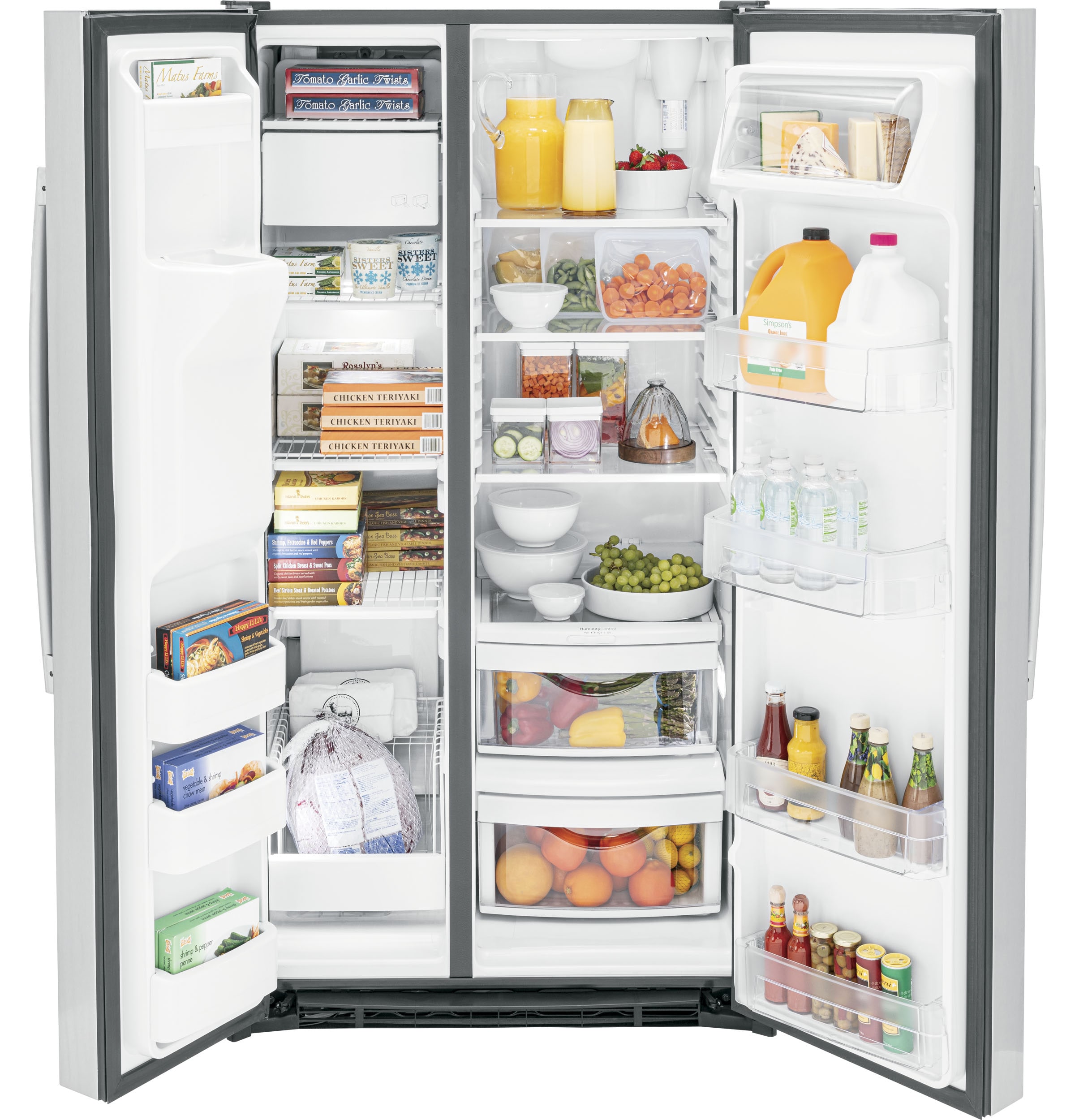
Built-in door bins for condiments and snacks
Power sources and fuel
Standard 110-120 V plug-in models
Propane or natural gas for off-grid setups
Solar-ready wiring options for eco enthusiasts
Functional touches like digital thermostats, interior LED lights, and door-open alarms help you maintain ideal temperatures. Whether you’re storing fresh produce for outdoor cooking or chilling craft beer, these fridges put control at your fingertips.
Benefits of outdoor fridges
You might wonder why you’d invest in an outdoor refrigerator instead of a simple cooler. Here’s what you gain:
Enhanced entertaining
With cold beverages and snacks steps from the grill, you’ll spend less time indoors and more with your guests. Pair your setup with a best beverage fridge for 4th of july for ultimate convenience during summer gatherings. If craft beer is your thing, shop beer fridges offer specialized options with adjustable temperatures.
Food safety outdoors
Outdoor fridges run continuously, keeping perishable foods at safe temperatures. No more guessing if your potato salad survived in a cooler on a hot day. These units help you avoid wasted food and potential health risks.
Convenience and accessibility
Imagine grabbing ice-cold water or a chilled appetizer without trekking to the kitchen. Whether you’re hosting a casual barbecue, running a pool-side snack bar, or outfitting a commercial patio, an outdoor refrigerator makes life easier.
Selecting your outdoor unit
Choosing the right outdoor refrigerator depends on how you’ll use it, where you’ll place it, and what you’ll store inside.
Size and capacity
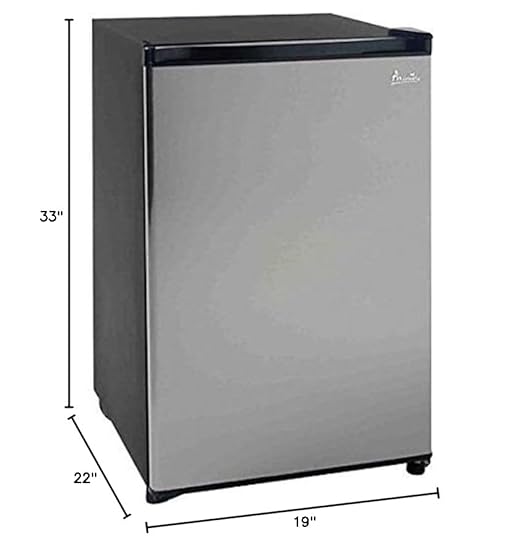
Compact under-counter fridges for tight spaces
Full-height models if you need maximum storage
Specialty kegerators or wine coolers
Climate resistance
Opt for models rated for extreme temperatures if you live in very hot or cold regions. Look for an Energy Star rating to keep operating costs down.
Style and design
Stainless steel is timeless, but you’ll find black, white, or custom-panel options to match your outdoor kitchen. If you’re a wine enthusiast, check out wine fridges under 1000 for stylish, temperature-stable designs.
Even the toughest outdoor units need care. A little routine maintenance goes a long way toward extending service life and performance.
Routine cleaning tips
Clean spills and debris regularly to prevent odors and mold. For a deep scrub, follow our guide on how to clean your fridge inside and out. Wipe door seals and check for cracks that could let moisture in.
Seasonal maintenance
Inspect and tighten electrical connections before summer
Clear debris from condenser coils every few months
Cover or relocate the fridge in extreme winter climates
Troubleshooting common issues
Warm interior? Check thermostat settings and gasket integrity
Noisy compressor? Clean coils and level the unit
Water pooling inside? Ensure proper drain tube alignment
Address small problems early to avoid costly repairs or premature replacement.
Future of outdoor cooling
Outdoor refrigeration continues to evolve, driven by new technology and shifting consumer demands.
Smart features integration
Wi-Fi connectivity lets you monitor temperatures, receive alerts, and adjust settings from your phone. Some models even auto-order replacement filters or schedule maintenance reminders.
Eco-friendly refrigerants
As environmental concerns grow, manufacturers are adopting natural refrigerants like propane (R290) with low global warming potential. These options cut energy use and reduce emissions.
Solar-powered models
Off-grid living and sustainability trends are driving solar-ready and solar-powered fridges. Imagine a poolside fridge powered by rooftop panels—no utility hookup required.
By tracing the history of outdoor refrigerators, you can see how innovations in materials, design, and technology have shaped the way you entertain and store food outside. Armed with this knowledge, you’re ready to choose the perfect unit for your lifestyle and enjoy cold convenience in any outdoor setting.
From Fridge.com research
Figures below come from data Fridge.com builds and maintains. Each links to the record behind it.
Fridge.com Energy Index, built on U.S. EPA and DOE ENERGY STAR records
Across 5,455 ENERGY STAR certified refrigerators and freezers from 263 brands, median use is 360 kWh per year.