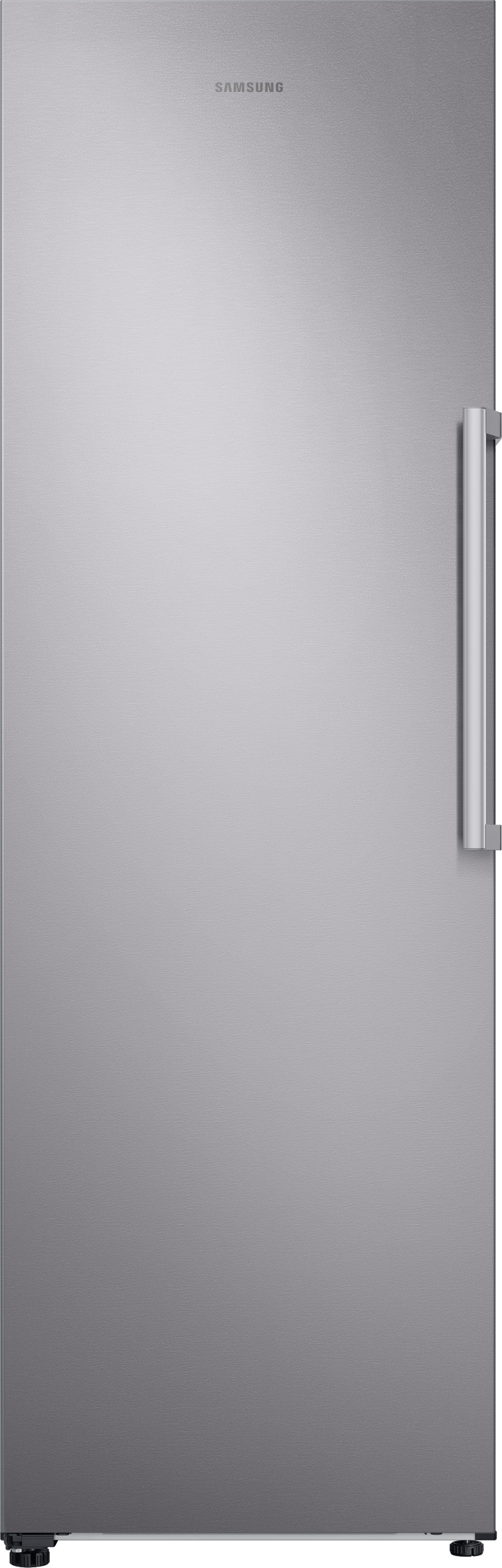
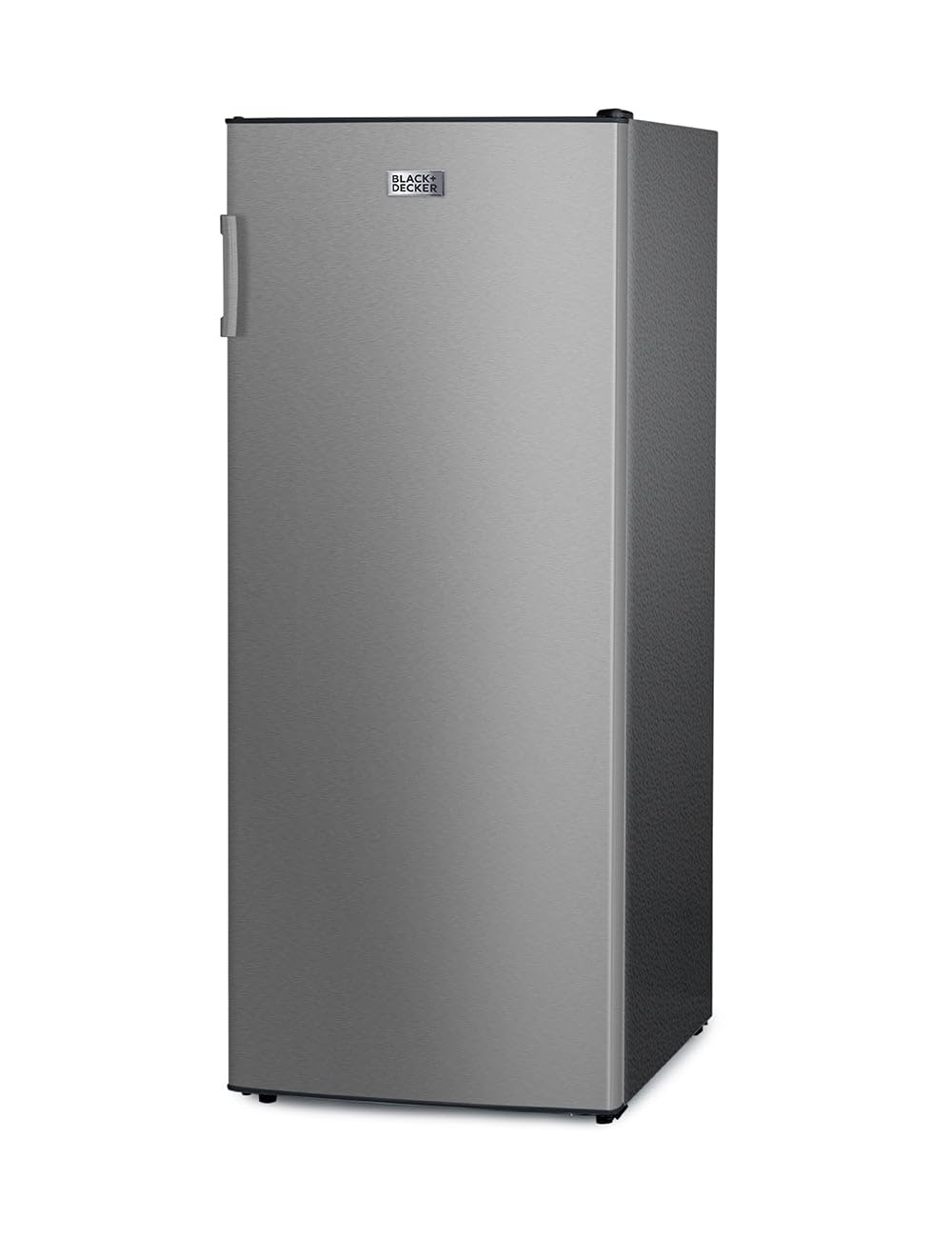
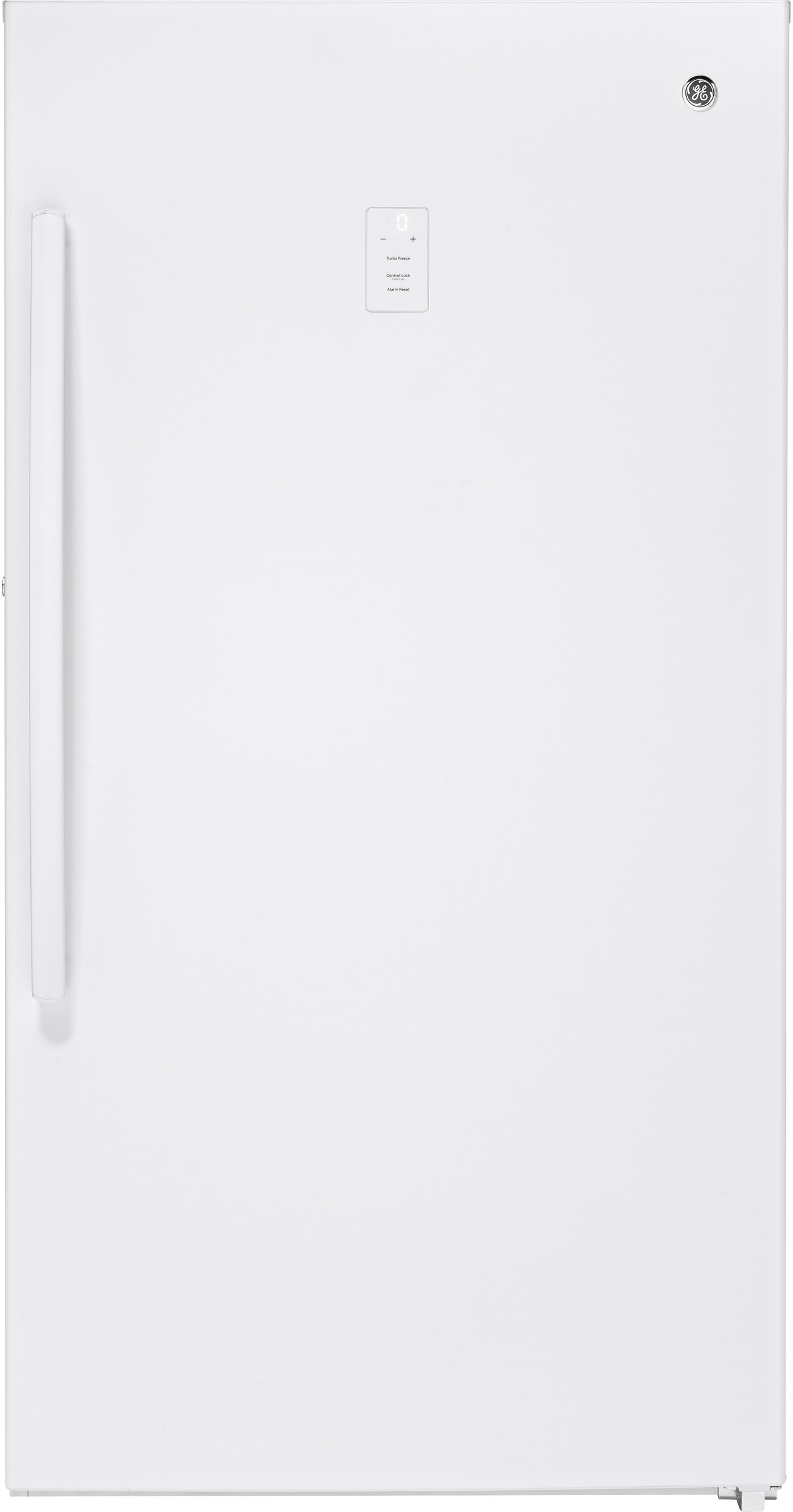
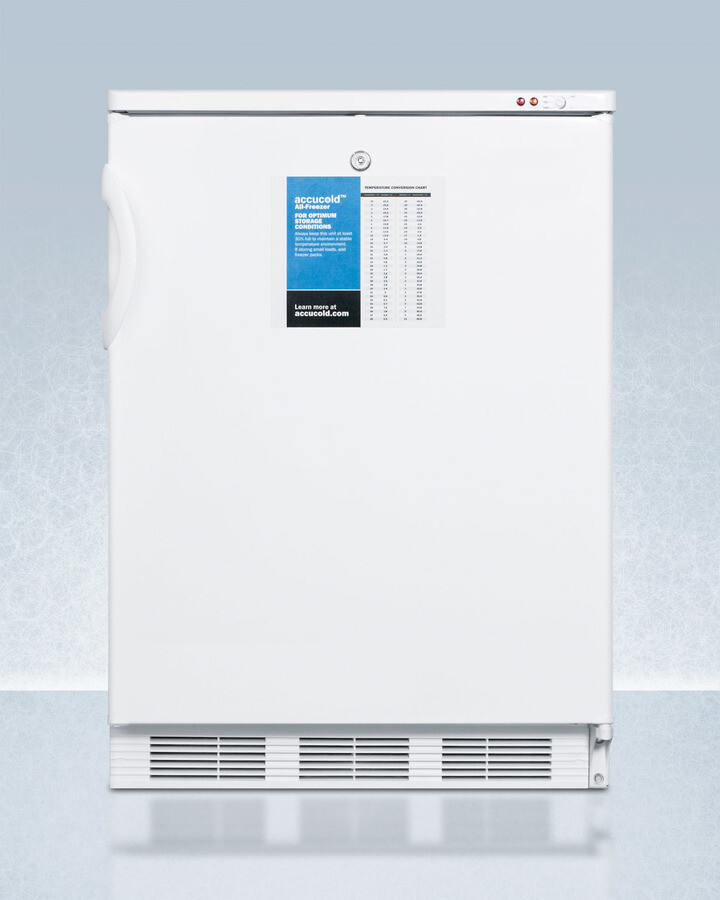
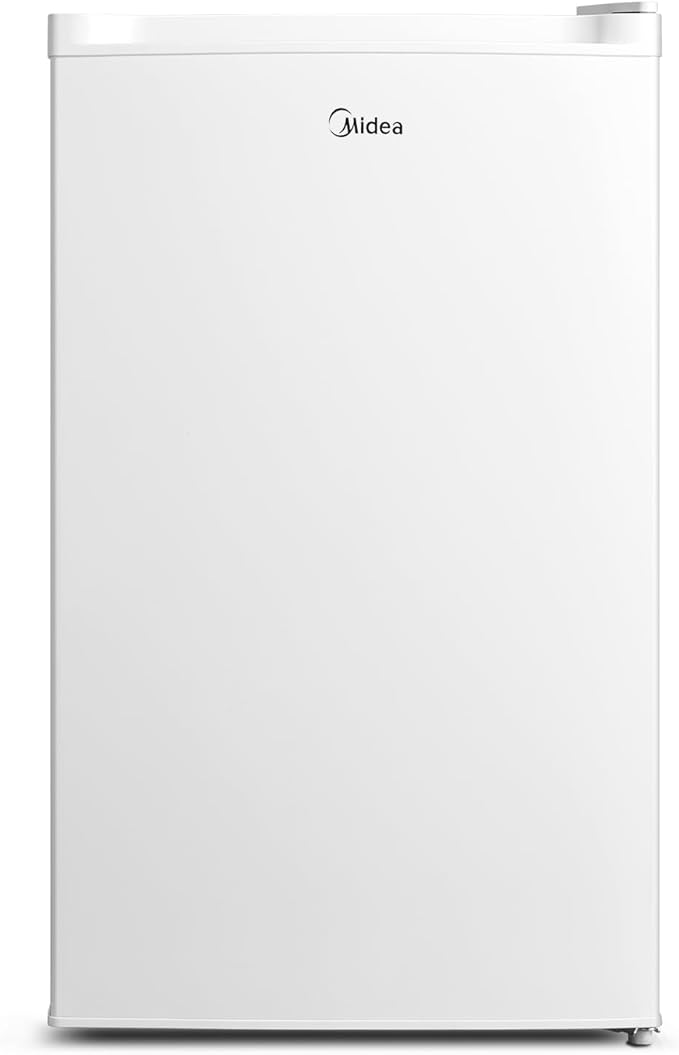
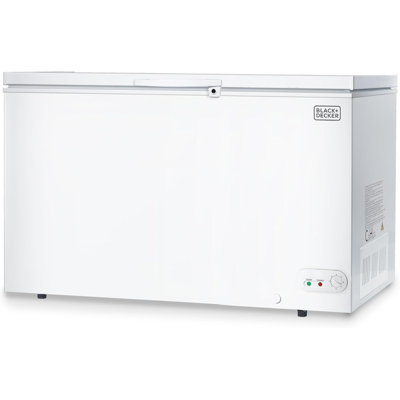
You know how juggling busy lunch lines and keeping food fresh is no small feat, especially when your cafeteria refrigeration setup has to serve chefs, families, students, and office teams all at once. Whether you’re running a school cafeteria, a corporate break room, or a community kitchen, cafeteria refrigeration is your frontline defense against spoilage, foodborne illness, and wasted ingredients. In this guide, you’ll learn why the right fridges and freezers matter, how to choose and maintain them, and tips to optimize storage, energy use, and longevity. Let’s dig in.
Why cafeteria refrigeration matters
Your fridge and freezer units aren’t just glorified cool boxes—they’re critical tools for food safety, menu variety, and cost control. When you’re serving dozens or hundreds of meals a day, every degree and every cubic foot counts.
Ensuring food safety
Keeping perishable items at the correct temperature is non-negotiable. Bacteria like Salmonella and Listeria thrive between 40°F and 140°F, the so-called “danger zone.” Proper cafeteria refrigeration holds dairy, meats, and prepped ingredients at or below 40°F, while freezers keep items solidly frozen (0°F or below). Consistent temperature control reduces the risk of foodborne illness and protects your reputation.
Handling large volumes
You’re not storing a week’s worth of groceries—you’re staging trays of lasagna, stacks of salad greens, and buckets of soup. Commercial reach-in units, walk-in coolers, and undercounter drawers help you manage bulk inventory, rotate stock quickly, and minimize the time doors stay open. That speed matters when every second of door-open time lets cold air escape.
Supporting diverse menus
From vegan meal-prep trays to craft-beer kegerators, cafeteria refrigeration must adapt to different storage needs. You might need a section with higher humidity for leafy greens, a dry zone for baked goods, and a quick-chill shelf for beverages. Understanding these nuances ensures you can offer a broad menu without compromise.
Choosing the right unit
Picking the ideal refrigeration setup is about matching capacity, layout, and features to your operation. A school cafeteria has different demands than a small office pantry or a large hospital kitchen.
Types of refrigeration
Here’s a quick comparison of common commercial and heavy-duty units:
Unit type
Capacity range
Best for
Pros
Cons
Walk-in cooler
200–2,000+ cu ft
High-volume prep kitchens
Massive capacity, flexible layout
High installation cost, constant energy draw
Reach-in refrigerator
20–60 cu ft
Cafeteria lines, prep stations
Organized shelving, easy access
Limited bulk storage
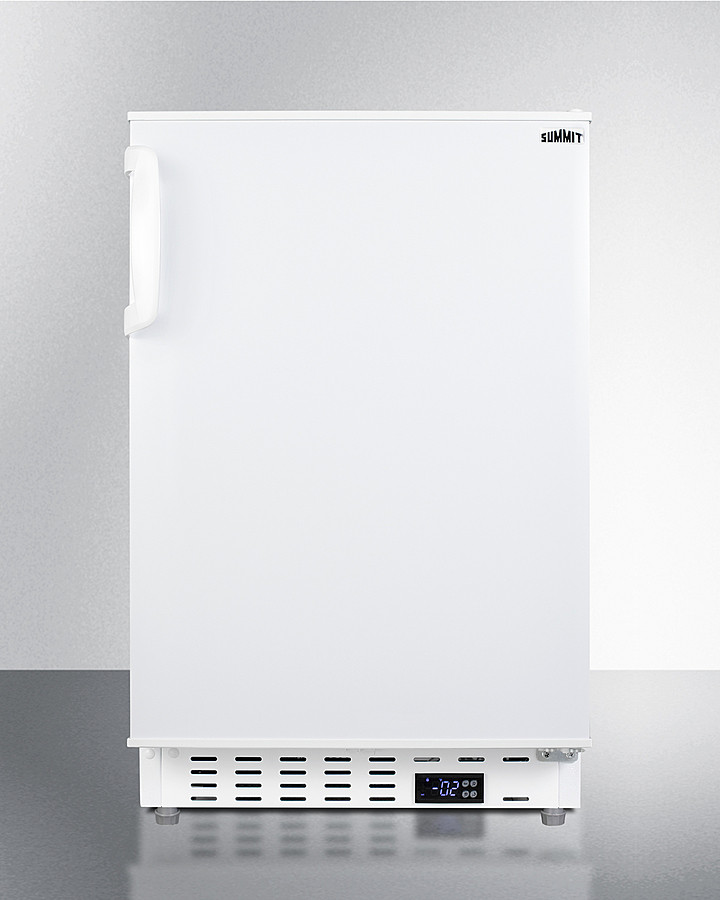
Undercounter fridge
3–10 cu ft
Portable stations, remote prep
Space-saving, quick access
Small capacity, may need multiples
Display refrigerator
10–30 cu ft
Salad bars, grab-and-go stations
Glass doors, customer visibility
Higher energy use, less insulation
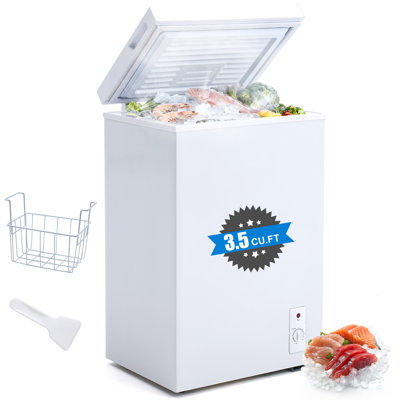
Freezer cabinets
20–60 cu ft
Batch cooking, frozen storage
Deep freeze space, adjustable temps
Longer defrost cycles
Capacity and layout
Assess your daily peak volume. Do you need room for full-size sheet pans? Bulk milk cartons? Kegs of craft beer? Measure door widths and ceiling heights before ordering a walk-in cooler. If space is tight, undercounter units or mobile prep refrigerators can slide under counters, keeping ingredients within arm’s reach.
Energy efficiency ratings
Look for ENERGY STAR®–rated models and compare annual kWh usage. Even a few hundred dollars in savings per unit add up when you run multiple refrigerators around the clock. Features like variable-speed compressors, enhanced insulation, and digital temperature controls help lower your utility bills without compromising performance.
Setting proper temperatures
Once you’ve chosen your units, dialing in accurate temperatures is essential. Fluctuations can spoil food quickly and force you to toss expensive ingredients.
Recommended temperature zones
Different foods thrive at different temps. Here’s a simple guide:
Invest in a remote monitoring system that sends alerts when temps stray outside set ranges. That way, you can fix a failing compressor before inventory thaws.
An organized fridge saves time, reduces waste, and keeps food rotating properly. Chaos breeds confusion—and bacteria.
Shelving and zones
Divide shelves by food type: ready-to-eat items on top, raw meats on bottom. Label each shelf and use clear bins to corral small packets. Adjustable shelving lets you reconfigure as menu needs change.
FIFO inventory
Implement first in, first out. Place newly delivered ingredients at the back and older stock in front so nothing gets buried and expired. Use date-coded labels or color-coded bins for quick identification.
Dividers and containers
Use dividers to create separate zones—ideal for portioned proteins, sauces, or grab-and-go items. If you’re using undercounter drawers, consider what divider splits crisper drawer into twin zones? for versatile, spill-proof compartments.
Cleaning and maintenance
A clean fridge is a safe fridge. Regular maintenance prevents odors, mold, and mechanical failures.
Daily cleaning routines
Wipe spills immediately with a mild detergent solution.
Sanitize high-touch areas like handles and door seals.
Sweep debris away from floor drains and vents.
Deep-clean protocols
Every month, power down units and empty shelves. Remove and wash all trays, bins, and gaskets in warm, soapy water. For step-by-step instructions, see how to clean your fridge the right way.
Preventing odor and mold
Store strong-smelling foods in sealed containers.
Use odor-absorbing carbon filters or baking soda tubs on each shelf.
Inspect door gaskets for cracks and replace if needed.
Energy saving strategies
Running a cafeteria means 24/7 refrigeration. Smart strategies lower your carbon footprint and operating costs.
Insulation and gaskets
Well-maintained gaskets keep cold in. Check seals monthly by closing a dollar bill in the door—they should grip the bill firmly. Replace worn gaskets to avoid energy leaks.
Door management
Install strip curtains or auto-closing doors on walk-ins.
Train staff to grab what they need quickly to minimize door-open time.
Consider half-door options for reach-ins to reduce air exchange.
Smart controls and lighting
Programmable controls let you set temperature setbacks during off-peak hours. LED interior lighting uses less power and emits minimal heat. If you’ve ever wondered what LED strip eradicates back corner shadows? you can find solutions that brighten every shelf without spiking energy use.
Even the best units hiccup sometimes. Here’s how to diagnose and fix frequent problems.
Temperature fluctuations
Possible causes: dirty condenser coils, blocked airflow, malfunctioning thermostat.
Fixes: clean coils, rearrange items to clear vents, recalibrate or replace the thermostat.
Excessive frost build-up
Possible causes: failed door gasket, constant door openings, defrost heater issues.
Fixes: seal or replace the gasket, train staff on door etiquette, inspect and test the defrost system.
Strange noises
Possible causes: worn condenser fan, vibrating items, compressor strain.
Fixes: tighten loose shelving, reposition containers, lubricate or replace noisy fan motors.
If you can’t resolve an issue quickly, schedule a pro service call before small glitches become major breakdowns.
Final tips for success
Cafeteria refrigeration doesn’t have to feel overwhelming. You’ve got the tools and know-how to keep food safe, fresh, and ready for every hungry crowd. Remember:
Match unit type and capacity to your peak volume.
Calibrate and monitor temps religiously.
Organize with clear zones and FIFO labeling.
Clean daily and deep-clean monthly.
Seal leaks, save energy, and fix small issues fast.
With the right setup and consistent routines, your cafeteria refrigeration will hum along reliably, year after year. You’ll serve up smiles—along with perfectly chilled salads, soups, and snacks—knowing your equipment is dialed in. Here’s to cool kitchens and even cooler meals!
From Fridge.com research
Figures below come from data Fridge.com builds and maintains. Each links to the record behind it.
Fridge.com Energy Index, built on U.S. EPA and DOE ENERGY STAR records
Across 5,455 ENERGY STAR certified refrigerators and freezers from 263 brands, median use is 360 kWh per year.